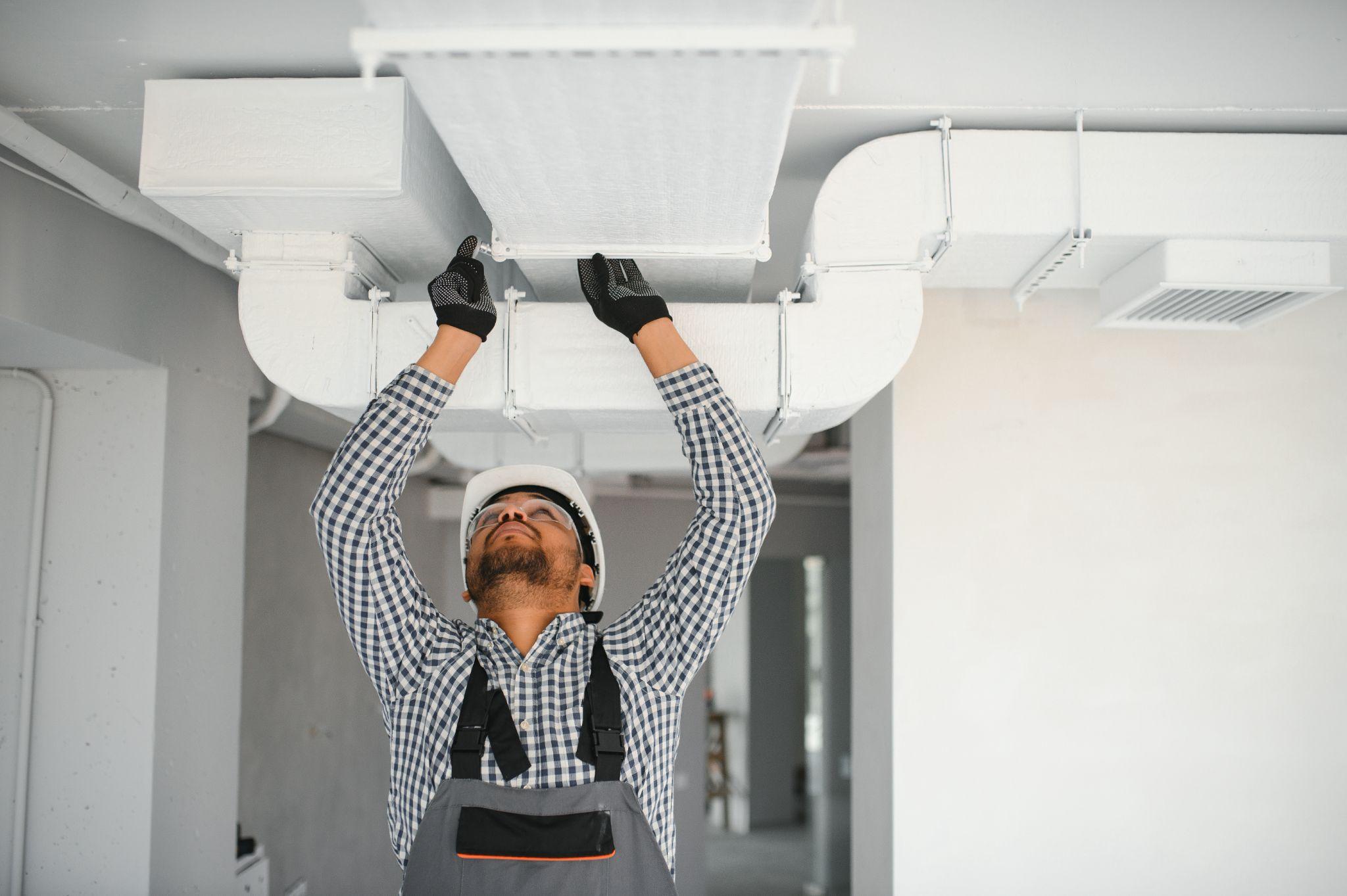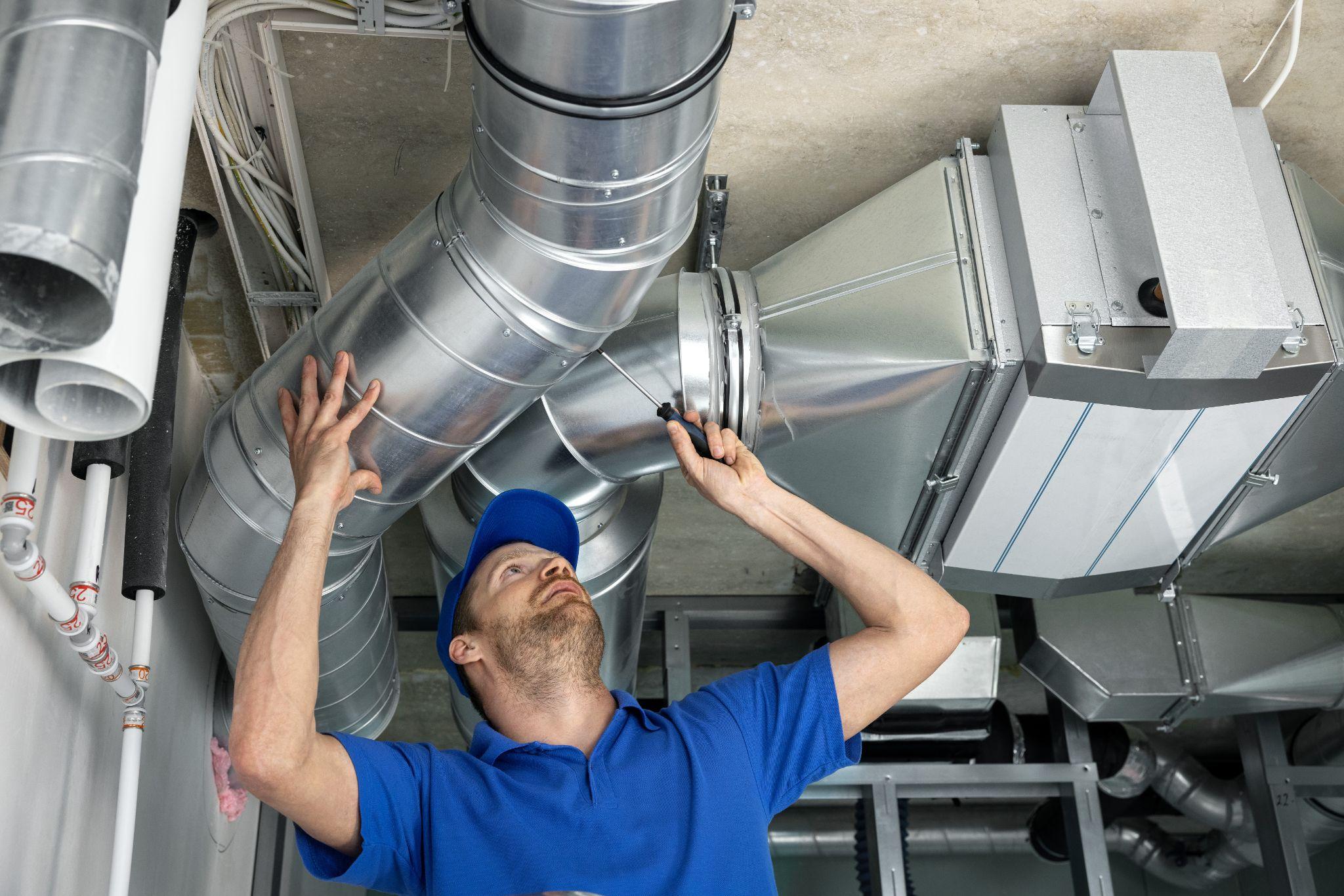
Home comfort and energy efficiency depend on a duct system that is sealed, sized, and installed correctly. When ducts leak, disconnect, crush, or lose insulation, conditioned air never reaches all the rooms that need it. That drives up bills, strains equipment, and can pull dusty attic or crawlspace air into the home.
Professional evaluation and ductwork repair deliver safer, longer-lasting results than trial-and-error fixes.
Why Duct Problems Require a Pro
Duct systems look simple from the outside, yet performance depends on pressure, airflow, and load balance. A licensed technician brings testing tools, code knowledge, and installation methods that hold up over time.
This approach protects indoor air quality, keeps manufacturer warranties intact, and prevents issues that lead to frequent AC repair or full HVAC repair down the line. If duct leakage is present, a pro can quantify the loss and target the highest impact fixes first.
Key Takeaways
- Duct leakage wastes energy and reduces comfort.
- Common issues include loose joints, damaged flex, disconnected boots, and missing insulation or poor sizing.
- Professional testing finds root causes and guides lasting, code-correct repairs.
- Call a licensed pro for uneven rooms, hissing at grilles, dust streaks, or rising energy bills.
Common Ductwork Issues
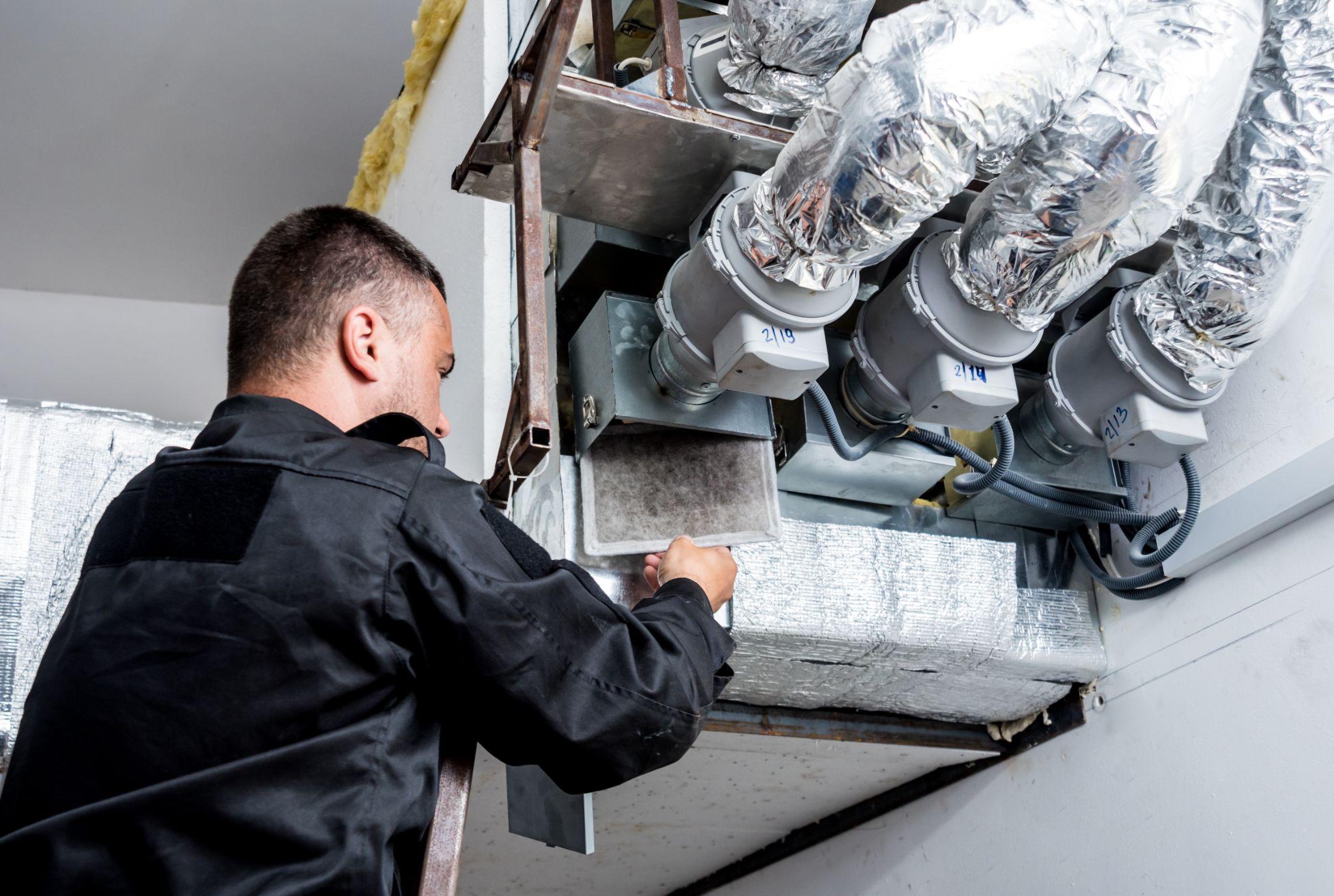
Even well-installed duct systems can develop problems over time. From loose connections to crushed flex duct, these common issues reduce airflow, increase energy use, and compromise indoor comfort.
Loose or failed connections
Duct sections meet at collars, takeoffs, and boots. Over time, vibration and heat cycles loosen fasteners and dry out old sealants. Small gaps at these joints create large leaking air ducts that waste energy and reduce comfort. A professional uses rated sealants, proper mechanical fastening, and pressure testing to confirm a lasting seal.
Damaged or kinked flex duct
Flex duct can flatten, tear, or kink, especially in attics. Crushed sections restrict airflow and throw rooms out of balance. A technician inspects the full run, replaces damaged sections, corrects routing, and restores proper supports. This improves airflow without oversizing the system and helps prevent future home AC repair calls.
Disconnected boots and registers
When a boot loosens at the ceiling, wall, or floor, conditioned air spills into cavities instead of the room. You may see dusty shadowing around a grille or notice weak airflow. Professional HVAC duct repair resecures the boot, seals the connections, and checks for other leaks along the same branch.
Missing or damaged insulation
Uninsulated or poorly insulated ducts gain heat in summer and lose heat in winter. That drives long run times and can cause condensation that damages building materials. A professional evaluates R-values, repairs the jacket, and upgrades insulation where needed. This step lowers run times and supports stable comfort.
Poor sizing or layout
Some homes have undersized trunks, too many elbows, or not enough return air. No sealant can fix design limits. Technicians perform calculations, measure static pressure, and create a plan for air conditioning ductwork repair that may include resizing, adding returns, or reducing sharp bends.
Blockages and debris
Collapsed liners or heavy dust buildup restrict airflow. A professional identifies the restriction, replaces failed sections, and confirms improved flow with instruments. This helps prevent coil icing and short cycling that often end in emergency AC repair.
Plenum and air handler leaks
Leaks near the unit waste air before it enters the duct system. Technicians seal cabinets and plenums with approved products, replace worn gaskets, and verify operation after the work. Proper sealing at the source can sharply reduce duct leakage.
How Professionals Find and Confirm Duct Leaks
A guess-and-seal approach rarely solves the whole problem. Christianson Air Conditioning & Plumbing technicians start with a structured process that focuses on measurable results.
- Visual inspection: We examine supply and return ducts, plenums, boots, and registers for gaps, tears, crushed areas, and missing supports. We also assess insulation and routing.
- Performance testing: When appropriate, we use pressure readings and temperature split to understand how the system is running. Targeted testing reveals hidden leaking air ducts and supports a plan that delivers the best results for cost.
- Documentation and options: We explain findings in clear language and outline recommended HVAC ductwork repair You receive a plan that prioritizes comfort, air quality, and efficiency.
- Post-repair verification: After the work, we recheck airflow characteristics. This confirms that AC ductwork repair or broader air conditioning ductwork repair produced the improvement you expect.
What Professional Ductwork Repair Includes
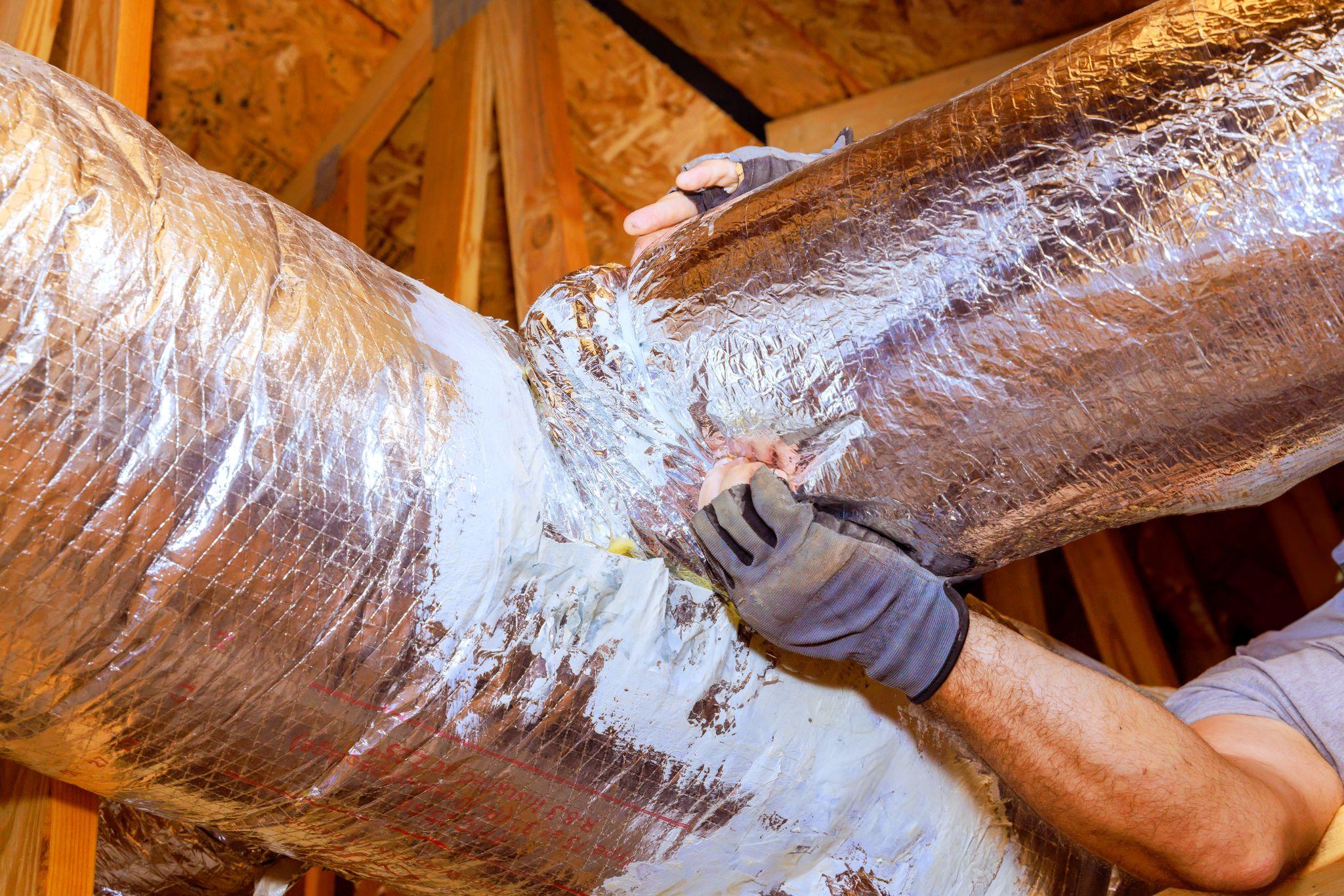
Effective duct repair goes beyond patching visible gaps. A licensed professional brings the tools, materials, and expertise to seal, correct, and balance your system for lasting performance and efficiency.
Sealing and fastening
Rated mastics, UL 181 foil tapes, and proper mechanical fasteners create airtight joints that stand up to heat and vibration. A technician ensures correct surface prep, cure times, and coverage so the seal lasts.
Replacement of damaged sections
Crushed or torn flex duct and corroded metal sections are replaced to restore design airflow. The crew sizes and routes each run to reduce pressure drop and improve delivery to distant rooms.
Boot and grille corrections
Boots are resecured to the framing. Gaps are sealed to stop attic or wall cavity air from entering the airstream. Grilles and registers are checked for proper free area to match the duct size.
Insulation upgrades
Ducts in hot attics or garages receive insulation repair or upgrades. Correct insulation reduces temperature gain or loss and cuts humidity risks around the jacket.
System balancing
After repairing ductwork, technicians adjust dampers and verify delivery to each room. Balanced airflow supports even temperatures and helps the equipment reach set point without long cycles.
Repair, Replace, or Redesign
- Seal and tune when ducts are structurally sound but leaky at seams, boots, and cabinets. This step can bring major gains in comfort and lower energy use.
- Partial replacement when certain runs are damaged, kinked, or poorly routed. Strategic updates often solve persistent hot and cold spots.
- Full replacement or redesign when duct layout is undersized or unbalanced. Right-sizing and clean routing support efficiency, reduce noise, and can cut the need for recurring HVAC repair.
Warning Signs That Point to Ductwork Repair
- Rooms that never reach the set temperature
- Noticeable hissing, rattling, or vibration at grilles or in the attic
- Dust streaks along duct insulation or around registers
- Crushed or torn sections visible from an access point
- Higher energy bills with no change in thermostat settings
- Frequent AC repair calls for icing, short cycling, or overheating
If several of these apply, schedule a professional inspection. Early action protects equipment and restores comfort.
The Christianson Air Conditioning & Plumbing Approach
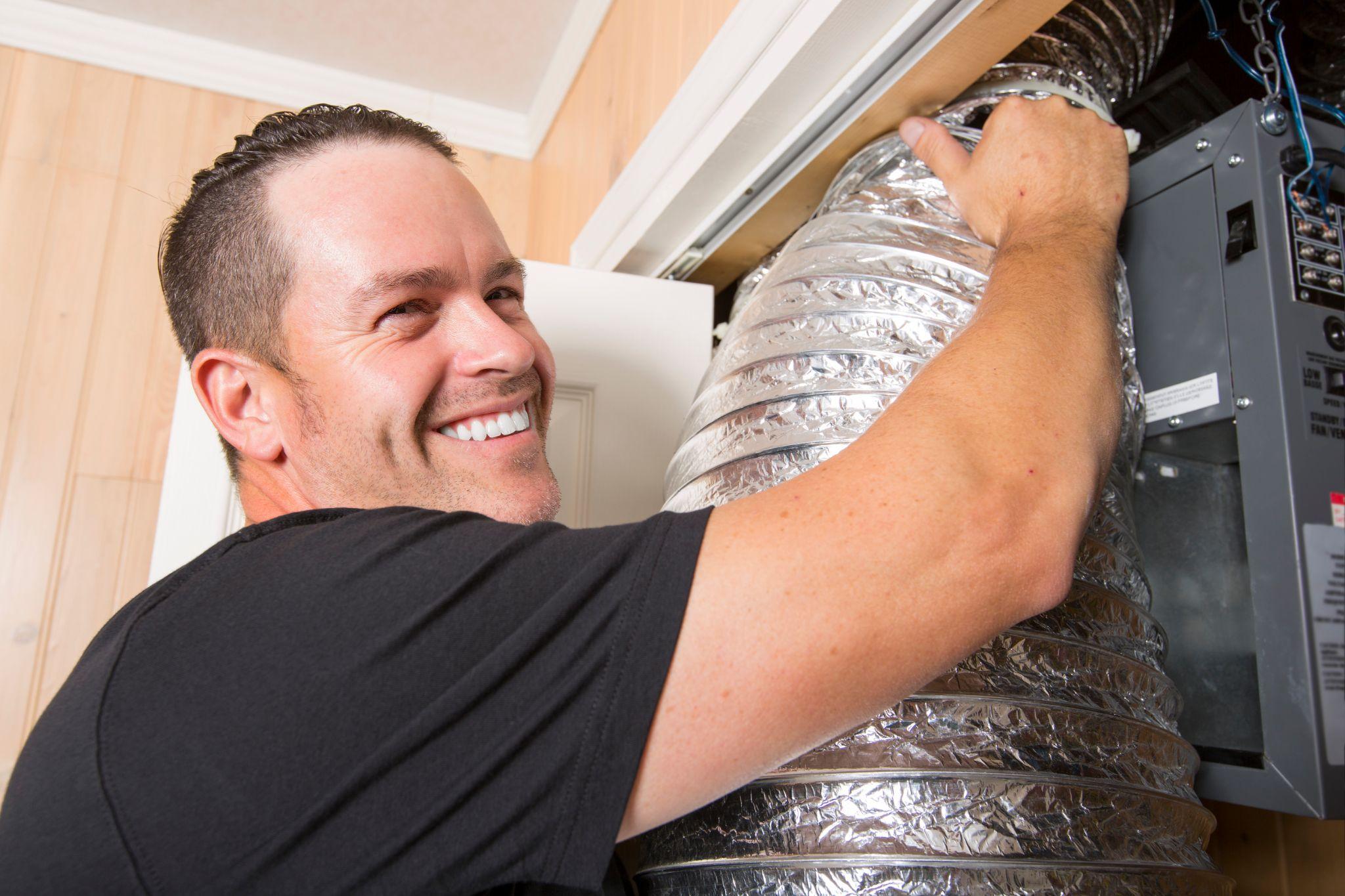
For more than seventy years, Christianson Air Conditioning & Plumbing has helped Central Texas homeowners solve duct problems with precision and care. Our team focuses on honest evaluation, clean installations, and performance you can measure.
- Comprehensive assessment
We check the duct system end to end. That includes trunks, branches, plenums, boots, insulation, and supports. We look for restrictions and leakage sources that limit comfort.
- Clear plan of action
You receive a step-by-step plan for HVAC ductwork repair, AC ductwork repair, or complete air conditioning ductwork repair if needed. We explain each recommendation so you can make a confident choice.
- Quality materials and workmanship
We use approved sealants, fasteners, and insulation products. Work areas are protected and cleaned, and we respect your schedule.
- Verified results and follow-up
After repairs, we confirm airflow and system performance. If adjustments are needed, we handle them promptly. That is our CARE philosophy in practice with Character, Attitude, Responsiveness, and Excellence.
Ready for Professional Ductwork Repair
If you suspect a duct leakage or see signs of leaking air ducts, bring in a licensed team that diagnoses first and repairs with precision. Christianson Air Conditioning & Plumbing delivers ductwork repair that supports comfort, air quality, and efficiency. We also handle home AC repair, and full HVAC repair when equipment needs attention.
Schedule your inspection today to get a clear plan to repair ductwork and restore steady comfort throughout your home.