How Clean Air Can Affect Your Allergies & Overall Health

Air pollution has become so rampant in the environment today such that it is affecting you both indoors and out. One would think that being at home and keeping the outside air from getting inside a house will make it have clean air, but that’s not the case. Air pollutants range from the things you use inside your house to some very tiny particles that you collect when you are outdoors. Some harmful gas particles even get embedded in your clothes when you just go out in the morning for a jog.

The effects of air pollution

The effects of poor air conditioning services are worst experienced by children, the elderly, and people with preexisting respiratory diseases. Most allergies affect the eyes, nose and the entire respiratory system. Some people get headaches, nausea and general body weakness. It is important to contact an AC company immediately if family members experience such symptoms.

Numerous causes

Causes of air pollution are many. They range from poor initial AC installation, leaking pipes in the house, and pollutants from the fuels you use in your home. It is important to note that a professional plumbing service company can help fix all the gas and fuel leaks in time to avoid pollution.

Water leaks cause mildew to grow in your basements or any hidden places like under the kitchen sinks. This can cause serious allergies and subject you to medication that you can get through your doctor or from an online pharmacy. Fuel pollutants can come from traffic, especially if your house is located near a busy highway. This happens mostly to people living in densely populated cities. Also, a car in your garage with a running engine is a significant contributor to the lack of clean, fresh air in your house.

How to stay safe

The preventive measures for air pollution are numerous as well. Some are within your control, but some would require unique skills and proper Vital Health Benefits of Having Clean Air in Your Premisesmachines or equipment to tackle. Use of AC systems from an experienced AC dealer and having a professional AC installer install it for you reduces the risk of infections. It makes it easy to maintain a constant supply of fresh air in homes and offices.

Personal efforts like changing your bed sheets and pillow cases regularly also help in reducing the number of dust particles your loved ones are exposed to. It is also paramount for morning joggers to avoid busy highways when possible. If it is inevitable, then make sure to change the jogging clothes every morning and clean them daily to reduce the level of exposure.

AC companies always come in handy in helping you control indoor air quality in your home. As mentioned earlier, the effects of poor air conditioning are diverse. Some are short term while others are long term. Even if you have not experienced any irritation or any allergic reactions, it is still good to contact your plumbing company or the AC installation company especially if your pipes and AC need to be checked.

Although your air conditioner can give a continuous supply of fresh air in all seasons, it is important to reduce its workload when possible. This can be done by encouraging people to smoke cigarettes outside your home. This will save you the money for AC repair and will also protect the health of the house’s occupants.

Before contacting your AC contractor or plumber, do a thorough home inspection on your own so you know exactly whom to call. And depending on the extent of the damage, you will have to choose from one of the many companies available in the locality.

Among the areas you should inspect include:

1) The bathroom: A bathroom can be the source of contaminates which could be making you sneeze every morning. The cleaning detergents and air fresheners stored in the bathroom may contain particles that are too sensitive for one of your family members. Leaky pipes can cause mildew growth. Look around every corner before making the call.

2) The kitchen: Just like the bathroom, the kitchen sinks can leak for a while before you notice. It is important to regularly check under the sinks to ensure that your kitchen plumbing is intact. Proper ventilation and good air conditioners will ensure that odors from burnt food stay out of your home. Cleaning your cabinets regularly will also reduce the amount of dust and make your home a safe place to live.

3) Living area: During winter, most people tend to use any form of heating in their homes with the aim of keeping warm. Some people burn coal or charcoal in their fireplaces. Burning coal produces poisonous carbon monoxide gas that is harmful to not only people with allergies but also every member of the family. With a reliable air conditioner, you will achieve sufficient circulation of air throughout.

4) The garage: Garages are a source of gas pollutants. Running your engine inside the garage introduces the pollutants that originate from burning gasses to your home. Most people do not ventilate their garages well. Very few use an air conditioner. Storing chemical fertilizers in a garage requires you to have a good HVAC to protect your health.

To have a safe and cozy home, you should have the contacts of a 24 hour plumbing service company, like Christianson Air Conditioning & Plumbing, or a 24 hour plumber to solve your troubles as soon as they arise. Air conditioning is not just a luxurious service; it is a must-have for proper health and peace of mind while at home!

Source

  1. https://www.urmc.rochester.edu/encyclopedia/content.aspx?ContentTypeID=1&ContentID=2163
  2. https://www.epa.gov/indoor-air-quality-iaq/introduction-indoor-air-quality
  3. http://www.webmd.com/allergies/features/do-you-need-an-air-filter

Your Indoor Air May Be More Polluted Than Outside: Here’s What to Do About It

When we hear the word “pollution,” most of us tend to picture smoggy metropolitan cities like Los Angeles and Delhi, India. For the most part, we Your Indoor Air May Be More Polluted Than Outsidetend to expect that the air in our homes is safer for us to breathe than the exhaust and pollen-filled air outdoors. In recent years, however, scientific data reported by the Environmental Protection Agency has begun to show that the air inside homes, offices, and other buildings can actually be more heavily polluted than the air outside.

While this is a hot topic among A/C companies, homeowners often rarely think about the quality of their indoor air. Though some are meticulous about HVAC upkeep, many are not, potentially leading to poor air quality, higher energy bills, and increased system stress.

In this article, we’ll take a look at the ways in which indoor air quality can affect health and HVAC functioning, as well as methods recommended by air conditioner companies to improve indoor air quality and properly maintain an efficient air conditioning system.


Why Does Indoor Air Need to Be Clean?

The most obvious reason indoor air quality matters is because the human body needs to be able to breathe properly. When the air in an area is full of pollutants like smoke, dust, mold, or bacteria, it creates discomfort and puts those breathing the polluted air at risk of various health concerns.

Upon immediate exposure to such pollutants, a person can experience symptoms like eye, nose and throat irritation, dizziness, fatigue, and/or Why Does Indoor Air Need to Be Cleanheadaches. If exposed to them for years, a person can develop debilitating conditions like respiratory disease, heart disease, or even cancer.

As anyone living in central Texas knows, allergens are another example of why the quality of indoor air is such a major concern. If you, a family member, or other regular guest suffers from allergies, the purity of your home’s air is of the utmost importance. Not only can allergies cause frustrating and uncomfortable symptoms, but in some seriously affected individuals, an allergic reaction can become an emergency.

While most pollutants are small enough to go relatively unnoticed, some pollutants are less difficult to ignore. Smoke and tar from years of indoor smoking, for example, can create a pervasive, unpleasant odor throughout every room where the air is circulated regardless of whether a smoker was present in that room. Similarly, the tar can actually deposit itself on various surfaces which eventually turn light-colored walls and objects into unsightly yellow.

Whatever the pollutants and their effects, these mostly invisible particles can wreak havoc on our homes and physical systems. Just as we tend to be concerned about the effects of outdoor pollution on the environment and wildlife, it’s important that we also consider the effects of indoor pollution on ourselves, our families, and our coworkers.


How Air Filters Help You Maintain Clean Indoor Air

One of the most important elements of a building’s HVAC system is the air filter. All of the air that flows through your home goes through this filter at a rate of approximately two times per hour. As this air passes through, the filter catches any particulate or microscopic pollutants that might otherwise be circulated throughout the rooms (though the percentage of pollutants a filter is able to capture can vary, as we’ll discuss shortly).

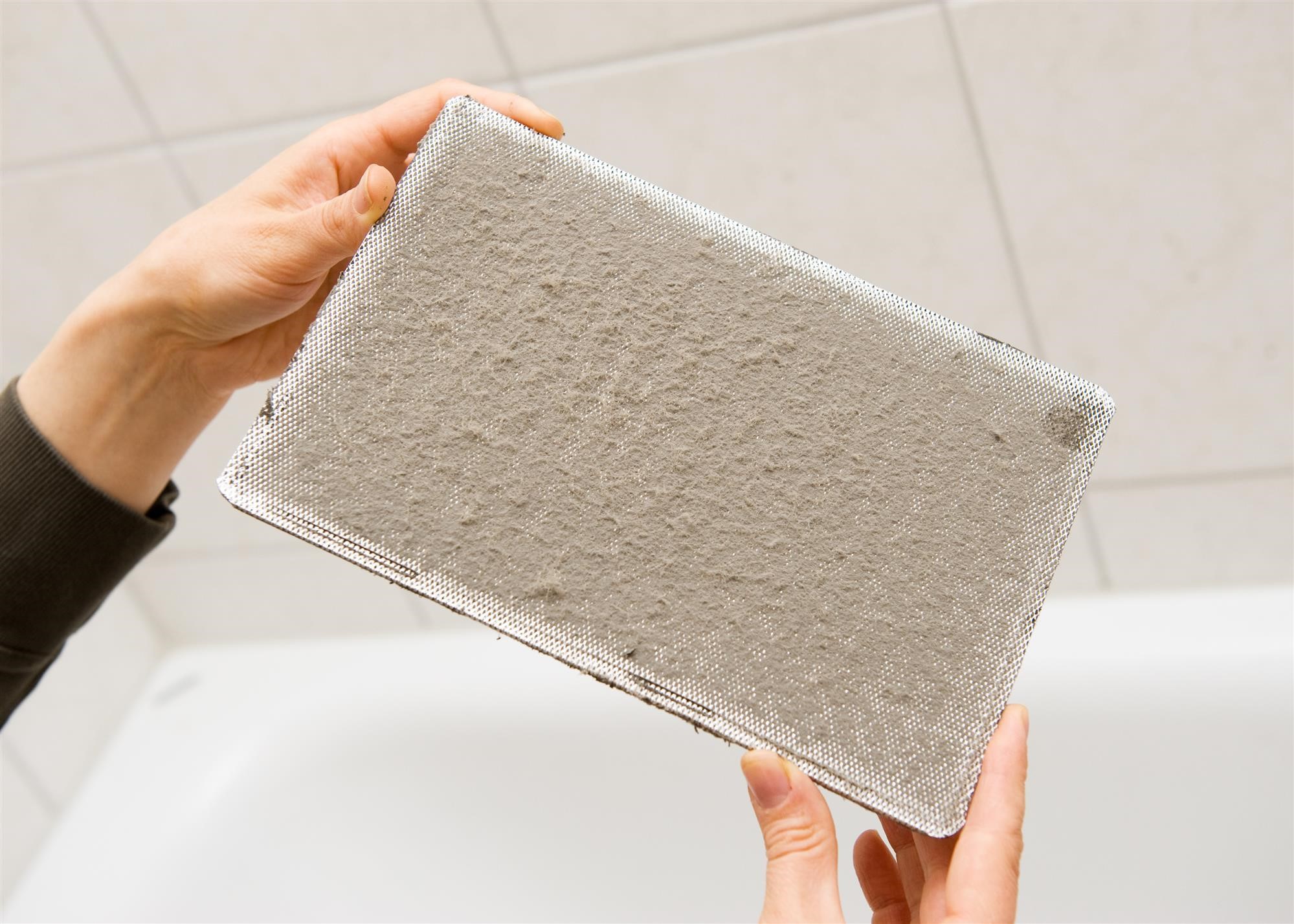
A clean air filter also keeps the entire HVAC system from becoming dirty, clogged, and ultimately overworked. In fact, a dirty filter is a main cause of How Air Filters Help You Maintain Clean Indoor AirHVAC failure, and providing a clean air filter is the best way to maintain your system’s overall efficiency. Because you spend a large portion of your monthly energy expenses on your home’s HVAC, keeping the system running at optimal efficiency means more money in your bank account and can save you from a more costly home air conditioning replacement.

Different types of HVAC systems will require different sizes and types of air filters, depending on their hardware, home size, and other details. The easiest way to determine the size of filter required is to check the air return for an existing filter and read the dimensions from the edge of the filter itself. If there is no filter present, simply measure the width, length, and depth of the space so that the filter you purchase has an ideal, snug fit.

In general, homeowners use air filters containing synthetic fibers that physically capture the pollutants in the air that passes through. These filters are generally ranked for effectiveness in terms of their Minimum Efficiency Reporting Value—or MERV—rating. The higher the MERV rating, the less often the filter will need to be replaced.

Air filters come in a variety of types:

  • Flat-panel fiberglass filters: the least expensive, but more geared toward HVAC system protection than to actual air quality. Generally removes less than 10% of pollutants.
  • Pleated air filters: a step up, removing approximately 45% of pollutants at a cost of approximately $10 per filter.
  • High-efficiency air filters: a highly practical option, capable of removing as much as 85% of pollutants from indoor air.
  • High-efficiency particulate air (HEPA) filters: the highest quality, able to remove up to 98% of air pollutants. Can only be used with stand-alone air purifiers or whole-house filtration systems.

Once you’ve determined the appropriate kind of filter for your home size and system, it’s important to regularly change out the filter with a new one per manufacturer recommendations. The frequency at which you should replace your air filter depends upon a variety of factors. First, take note of the type of filter you have. Is it flat? Pleated? What kind of material is it made from? These little details will affect how your filter works and how often it will need to be replaced.

There is, of course, a ballpark range you can follow for certain kinds of filters: for most one-inch thick filters, a change every month or two may be required. For larger, three- to five-inch filters with pleated cartridges, you may only need to replace it once or twice a year. The best way to know when your filter needs to be changed is to look at it on occasion. If it looks dirty, change it!

As with most things in life, the less money you spend on your air filter, the more often you’ll probably have to change it (in other words, “you get what you pay for”). It might not be true across the board, but it’s a good thing to keep in mind.


The Importance of an Up-to-Date Air Conditioner

Making sure that your home’s air filtration and air conditioning system is up to date can help to prevent polluted air. According to a 2013 study from medical researchers in Taiwan, the use of air conditioning to reduce indoor air pollution has been directly linked to improved cardiovascular health in the general population. Clearly, properly functioning air conditioners can be much more than just a source of cool air in the summertime.

As technology has marched forward, A/C systems have marched along with it, leading to lower energy usage, new compressor technology, better fan-blade shapes, new refrigerants, and more. By upgrading your A/C on occasion through a reliable air conditioner company, you can ensure great system efficiency and improve your home’s ability to filter air (plus, a well-maintained and updated system could be a great asset if you ever need to sell).


Christianson Air Conditioning & Plumbing.: Over 65 Years of Expert Service

If you’re uncertain as to how to change your air filter, in need of a central air conditioning replacement, or properly maintain your A/C system, Christianson Air Conditioning & Plumbing is standing by! We’ve been serving Texans’ air conditioning and plumbing needs since 1950, and even offer a convenient emergency service line for each of our four locations.

To learn more about our A/C and plumbing services or to book an appointment with one of our experienced professionals, contact your local Christianson Air Conditioning & Plumbing location in Austin, San Antonio, Temple, or New Braunfels today!

Sources

https://www.epa.gov/indoor-air-quality-iaq/inside-story-guide-indoor-air-quality

https://www.angieslist.com/articles/how-often-should-you-replace-your-home-air-filter.htm

https://household-tips.thefuntimesguide.com/best_air_filters/

https://www.thisoldhouse.com/ideas/air-conditioners-really-are-getting-better