How to Properly Clean Out Drains at Home with Drain Cleaning Service

Drain cleaning is part of the regular maintenance required when you own a home. It is something that should be done at least once a year, depending on what you are putting down your drains. If you do not clean your drains regularly, over time, soap scum, hair, grease, food particles, and other such things start to stick to the insides of drain lines.

Eventually, you will notice the water is draining much slower than normal. This is caused by a restriction in the drain lines from the buildup inside the pipes. Water is not able to drain as quickly down the drain, so it backs up in the sink, shower, or tub.

If you still don’t have your drains cleaned, the building up will continue until you have a clogged drain. The easiest way to avoid a clog is to clean your drains.

Methods for Drain Cleaning: Home Remedies

There are several home remedies you can use to help clean your drains. These methods are safe for drain lines and help remove most types of buildup from the inside of the pipes.

  1.  Baking Soda and Vinegar: This chemical reaction isn’t just for science projects and making volcanoes with your kids! Pour some baking soda down the slow-draining drain, and then add an equal amount of vinegar. Allow the foaming action to work for about 15 minutes. Rinse the drain with warm water.
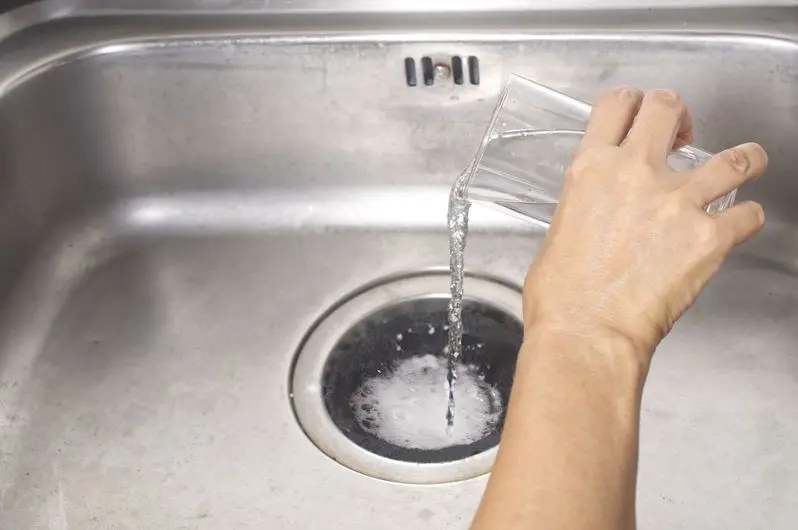
pour a spoon of baking soda and a glass of vinegar into the drain of the sink

  1. Boiling Water: Boiling water is a great way to break up soap scum, shampoo, conditioner, and grease stuck to the inside of pipes. Boil a large pot of water or use a tea kettle. Once the water is boiling, carefully pour it down the drain.
  2. Elbow Grease and a Plunger: Another thing to help clean drains is to use the “old fashioned” method of using a plunger. Use the plunger to block the drain and fill the sink with warm water. Block the return air vent found on some sinks and plunge away. You will be able to tell when the pipes are cleaner, as the water will drain away normally.

Methods for Drain Cleaning: Professional Drain Cleaning

If drain cleaning home remedies are not effective at keeping drains clean or you are tired of the frequency of clogged drains, then it is time to call your plumber and schedule drain cleaning service. Your plumber may use one or more methods to clean your drainpipes, including:

  1. Auger/Plumber’s Snake: This device looks like a thick cable wire. It is fed down the drainpipe to remove buildup from the insides. Some augers are manually operated, and others are electronically operated to reach further down the drainpipe.
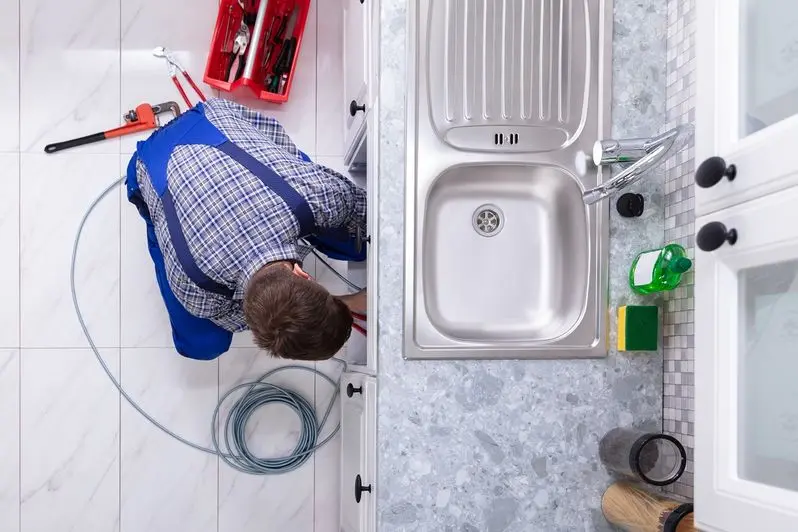
Young Male Plumber Cleaning Clogged Sink Pipe In Kitchen

  1. Water Jetting/Hydro Jetting: This type of drain cleaning service is where air is used to pressurize water to remove buildup from inside the pipes. Only a professional should perform this service because you must know the right amount of water pressure to use. If you use too much, then you can blow out drainpipe connections and cause damage to your home’s plumbing.
  2. Drain Camera: To help inspect the amount of buildup on drain lines and find the source of clogs, your plumber may use a drain camera. The drain camera is connected to an auger-like device and fed down the pipe.

Why Not Use Chemical Drain Cleaners/Clog Removers?

Chemical drain cleaners and clog removers are never recommended. These products contain harsh chemicals that could damage your home’s plumbing. Furthermore, the products are not formulated for all types of buildup and clogs. Last, the chemicals used in the products are not eco-friendly and could contaminate greywater sources that are recycled and reused.

To schedule an appointment with one of our local plumbing technicians, or for air conditioning problems in San Antonio, Temple, New Braunfels, or the Austin Metro area, please feel free to contact Christianson Air Conditioning & Plumbing at 512-246-5400 today!
How to Remedy a Slow-Draining or Clogged Bathtub

Hair, soap, shampoo, conditioner, and other “stuff” can slowly start to build up in the bathtub drainpipes and even lead to a slow-draining or clogged bathtub drain. While your immediate response might be to reach for an off-the-shelf chemical drain cleaner and clog remover, using these products is never the best solution.

For starters, the chemicals in these products could damage your drainpipes. Next, the off-the-shelf product cannot target every type of drain problem and clog. You could be creating a bigger problem. Additionally, the chemicals could have a chemical reaction with what is in the pipe and potentially eat through the pipe walls and create leaks.

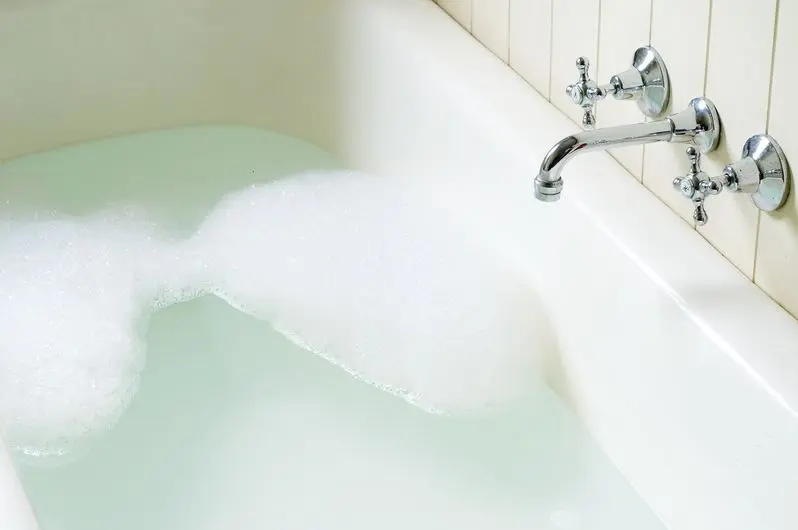
Old bath tub with bubbles, water and hot and cold tap

The proper ways to remedy a slow-draining or clogged drain include:

1. Baking Soda and Vinegar

Remove the drain cover and pour a ½ cup of baking soda into the drain. Allow it to sit for about 10 minutes. Next, take one cup of vinegar and slowly pour it down the drain. Put the drain cover on and allow the natural foaming action to loosen the “gunk” in your pipes. Wait another 10 minutes. Remove the drain cover and run hot water down the drain.

2. Boiling Hot Water

Boil a kettle full of water on the stove. Once it starts to boil, carefully remove it from the stove and slowly pour it down the drain. Boiling water can help loosen up “gunk” and unblock a drain if it is soap, shampoo, or conditioner that is causing it to drain slowly or creating the clog.

3. Plunger

Old fashioned “elbow grease” also does well to fix a slow-draining or clogged drain. Remove the drain cover and place the plunger over the drain. Plunge about six times. Run hot water down the drain. Repeat the process about three to four times. Check to see if the drain is draining normal.

4. Call Your Plumber for Drain Cleaning and Clog Removal Service

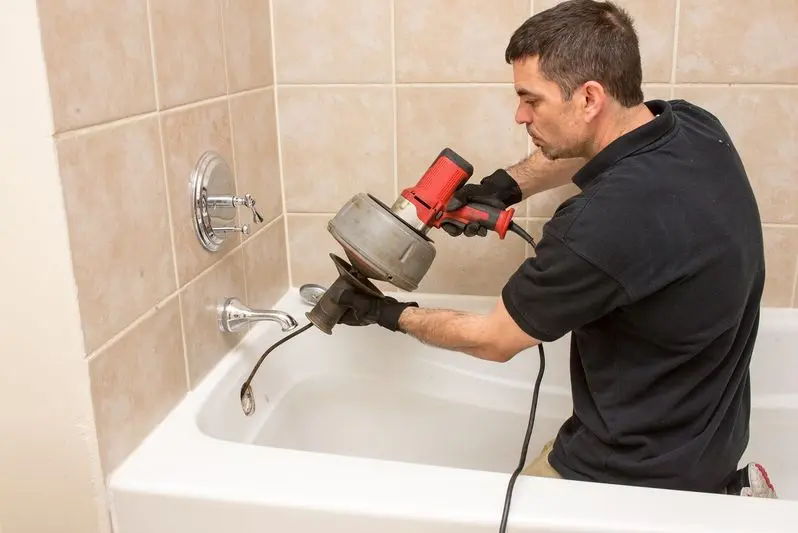
If you still have a slow-draining or clogged bathtub after trying the other three remedies, you probably have a serious clog that will require help from a professional plumber. The clog could be farther down the drainpipe, which would require a drain auger to reach the clog. The drain “snake” is run down the pipes and helps remove hair and other “gunk” stuck to the insides of the pipes.

Plumber unclogging a tub drain with an electric auger.

Sometimes the problem may not even be a clog. If you have a damaged or broken sewer line, it can mimic slow-draining and clogged drain problems. Your plumber will be able to determine whether you need drain cleaning and clog removal service or if you need sewer line repair service.

How Often Should I Get a Professional Drain Cleaning Service?

It really depends on how much you use your drains. If you are home a lot and have a family, having your drains cleaned annually is a good idea to prevent slow-draining and clogged drains. If you live alone or are not home as much, then every two years is a good schedule for keeping drainpipes clean and clog-free.

To schedule a professional drain cleaning service, clog removal service, sewer line repair service, or another plumbing and air conditioning service for your San Antonio, Temple, New Braunfels, or Austin Metro home, please feel free to contact Christianson Air Conditioning & Plumbing at 512-246-5400 today!
5 Signs It’s Time to Call a Plumber for Your Bathroom

No one wants to deal with bathroom plumbing problems. Unfortunately, they’re often a part of home ownership. If you’re repeatedly dealing with something like a clogged toilet or a clogged shower drain, getting the help you need to fix it quickly is crucial.

While it’s true that there are some bathroom plumbing problems you might be able to fix on your own, it’s important to know when you should call a plumber.

A licensed, professional plumber will not only fix your bathroom plumbing issues right away, but they’ll ensure that everything is working properly so you don’t have to worry about the same issues again.

So, when should you hand over your plumbing problems to a professional?

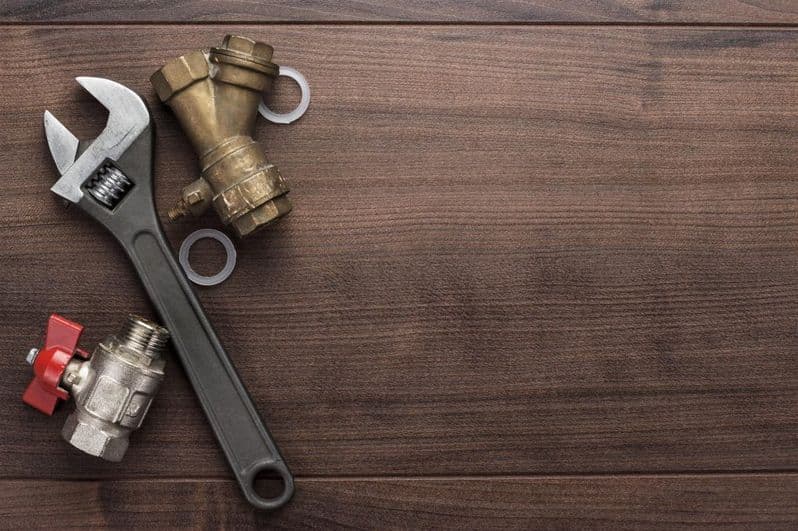
adjustable wrench and pipes

1. A Leaky Faucet

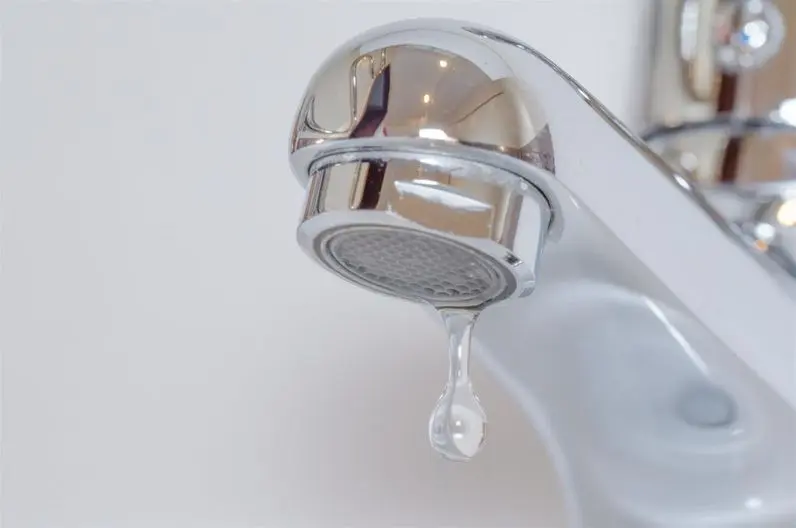
Sink plumbing issues are often ignored because people think they aren’t huge problems. They don’t want to spend the money or time waiting on a plumber to come and fix a leaky faucet. After all, a little drip here and there won’t hurt, right?

Unfortunately, that’s not the case.

A leaky faucet can cause more damage than most people realize. First of all, they are huge water wasters. You might not think that little drops of water would add up to much, but you’ll notice a difference in your water bill as it starts to increase.

More importantly, a leaky faucet can cause the valve seat to corrode over time. Only a professional can fix a valve seat, so why not save yourself the trouble and cost, and get the faucet fixed before it causes more serious damage?

2. A Sudden Pressure Drop

If you’ve noticed your shower and/or sinks have dramatically dropped their water pressure, it’s important to investigate the issue right away. The first thing you can do is to call your water company. They’ll let you know if it’s an issue that’s affecting your whole neighborhood or just your house.

If it’s just your home’s water pressure that is having issues, it’s time to call a plumber. It could be a sign that you have a leak somewhere that needs to be found and fixed. The leak could be anywhere—even in the walls or ceiling! That’s why it’s crucial to call a qualified plumber quickly so they can repair the leak before it has the chance to cause any water or structural damage to your home.

dripping tap

3. Sudden Drop in Temperature

No one wants to take a cold shower in the morning. If you’ve noticed a sudden drop in temperature with your water, it’s likely a problem with your water heater. Sometimes, parts in water heaters can simply be replaced.

Other times, the entire unit may need to be replaced. Either way, it’s always a good idea to call a plumber for this job. Water heaters can be dangerous if you don’t know what you’re doing since they’re powered by either electric or gas. Whether the issue with the heater is big or small, it’s best to let a professional handle it.

4. A Toilet That Won’t Stop Running

A constantly running toilet isn’t an uncommon issue. It’s also an issue that can sometimes be fixed on your own, depending on what the problem is.

If you’ve already tried things like replacing the flapper or float tube apparatus, it could be the sign of something more. A running toilet could mean you also have a leaking toilet. That’s when you know it’s time to call a plumber, so they can identify the real underlying problem, and get it fixed quickly.

5. Clogged Drains

Clogged shower drains or clogged toilets are also pretty common plumbing problems to have. Again, you can sometimes deal with them on your own, but if your drains are consistently slow or clogged and you can’t seem to get them cleared out, a plumber can help.

A plumber will not only clean out the debris causing the clogs but can also install drain screens, which will prevent your pipes from clogging up again.

Fixing the Most Common Plumbing Problems

While it can be tempting to tackle your bathroom plumbing problems on your own, it’s usually much safer and effective to call an experienced plumber like Christianson Air Conditioning & Plumbing.

Our years of experience and dedication to customer service shine through in every plumbing job we do. So, whether you have a leak, a clog, or something you can’t quite describe, don’t worry about bathroom plumbing issues yourself. Let us take care of them for you! If you’ve got a plumbing issue or questions, feel free to give us a call today.