Avoid Post-Storm Plumbing Problems: What to Check After Heavy Rain

Plumbing Problems After Heavy Rain

Plumbing Problems After Heavy Rain

In Central Texas, sudden storms and heavy rainfall can do more than flood streets and damage roofs. They can also create serious plumbing problems inside and outside your home. From clogged drains to sewer backups, water damage after a storm often starts where you least expect it—your plumbing system.

Stormwater can overload sewer lines, saturate soil, and even shift underground pipes. Ignoring these effects may lead to unexpected plumbing emergencies, especially if warning signs go unnoticed. Below are the most important areas to inspect and what to do if you suspect damage.

Key Takeaways

  1. Heavy rain can lead to plumbing problems like sewer line backups, slow drains, and foundation drainage issues.
  2. Toilets that won’t flush after heavy rain or drains that gurgle may signal bigger issues within your sewer line.
  3. Check toilets, sinks, yard drains, and water heaters after a storm to catch early signs of damage.
  4. Call an emergency plumber immediately if you experience sewage smells, visible backups, or flooding.
  5. Preventive plumbing maintenance helps reduce your risk of costly plumbing repairs after severe weather.

Can Heavy Rain Cause Plumbing Problems?

Yes, and it happens more often than most homeowners realize. Heavy rain puts pressure on your home’s drainage systems and city sewer lines. When stormwater overwhelms these systems, water can back up into your home. Older or damaged pipes are especially vulnerable during high-volume rainfall.

Common signs of trouble include:

  • Water backing up into bathtubs or basement drains
  • Gurgling toilets or sluggish sinks
  • Strong sewer odors inside or outside the home
  • Flooded yards or standing water near clean-outs

Top Plumbing Areas to Check After a Storm
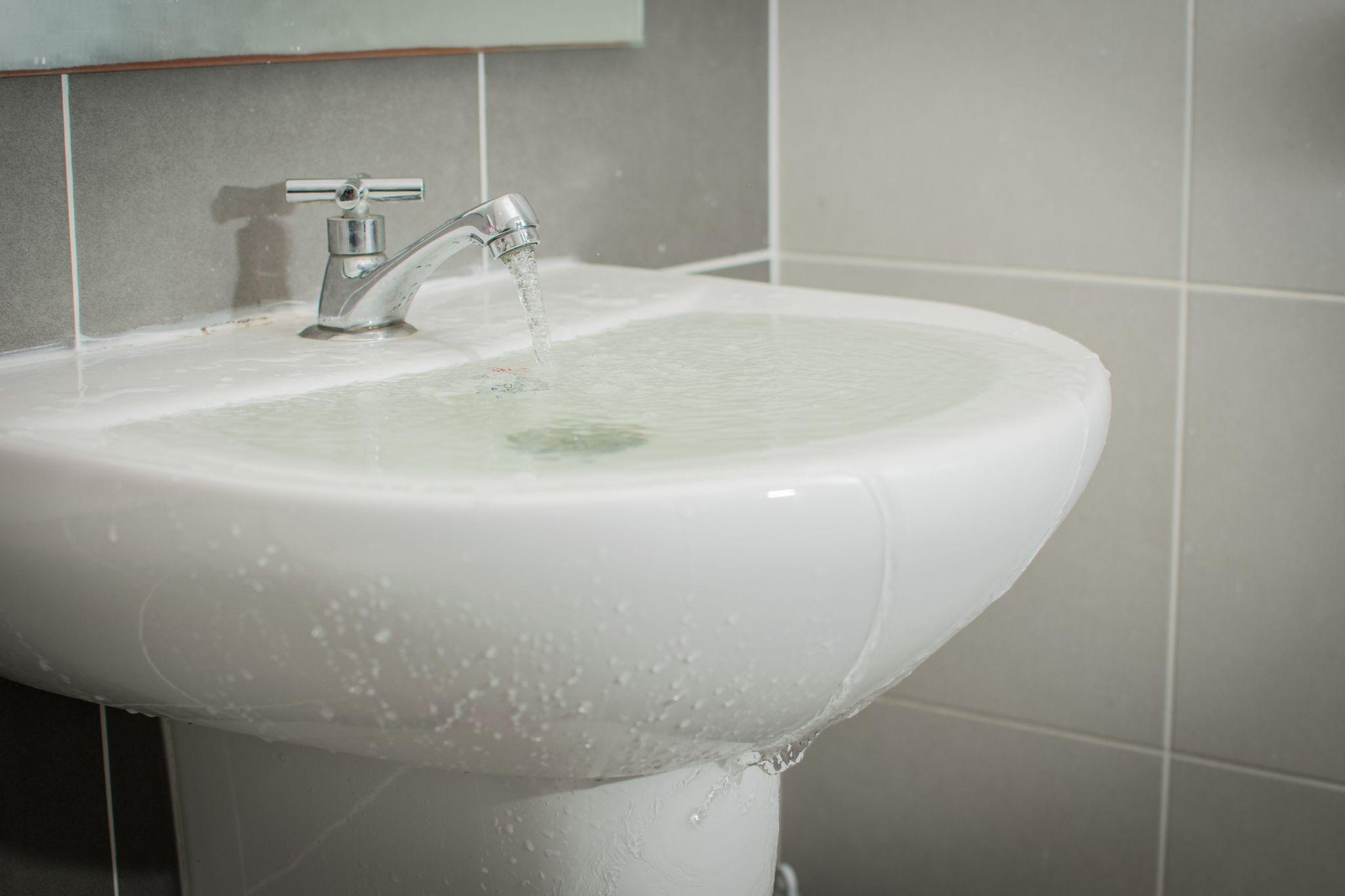
Heavy rain plumbing problems

1. Toilets and Drains

If you’re asking, can heavy rain cause toilets to back up—yes, it can. Stormwater surges can overwhelm public sewer systems, pushing wastewater back into your home. This often shows up as toilets that won’t flush after heavy rain or water bubbling up from shower and tub drains.

Drains and toilets often give early warnings when there’s a blockage or pressure imbalance. Don’t ignore strange noises, foul smells, or slow drainage.

What to check:

  • Toilets that flush slowly or not at all
  • Sinks and tubs that drain slower than usual
  • Gurgling or bubbling from any plumbing fixture
  • Water backing up into low-level drains or floor openings

2. Outdoor Drainage and Yard Areas

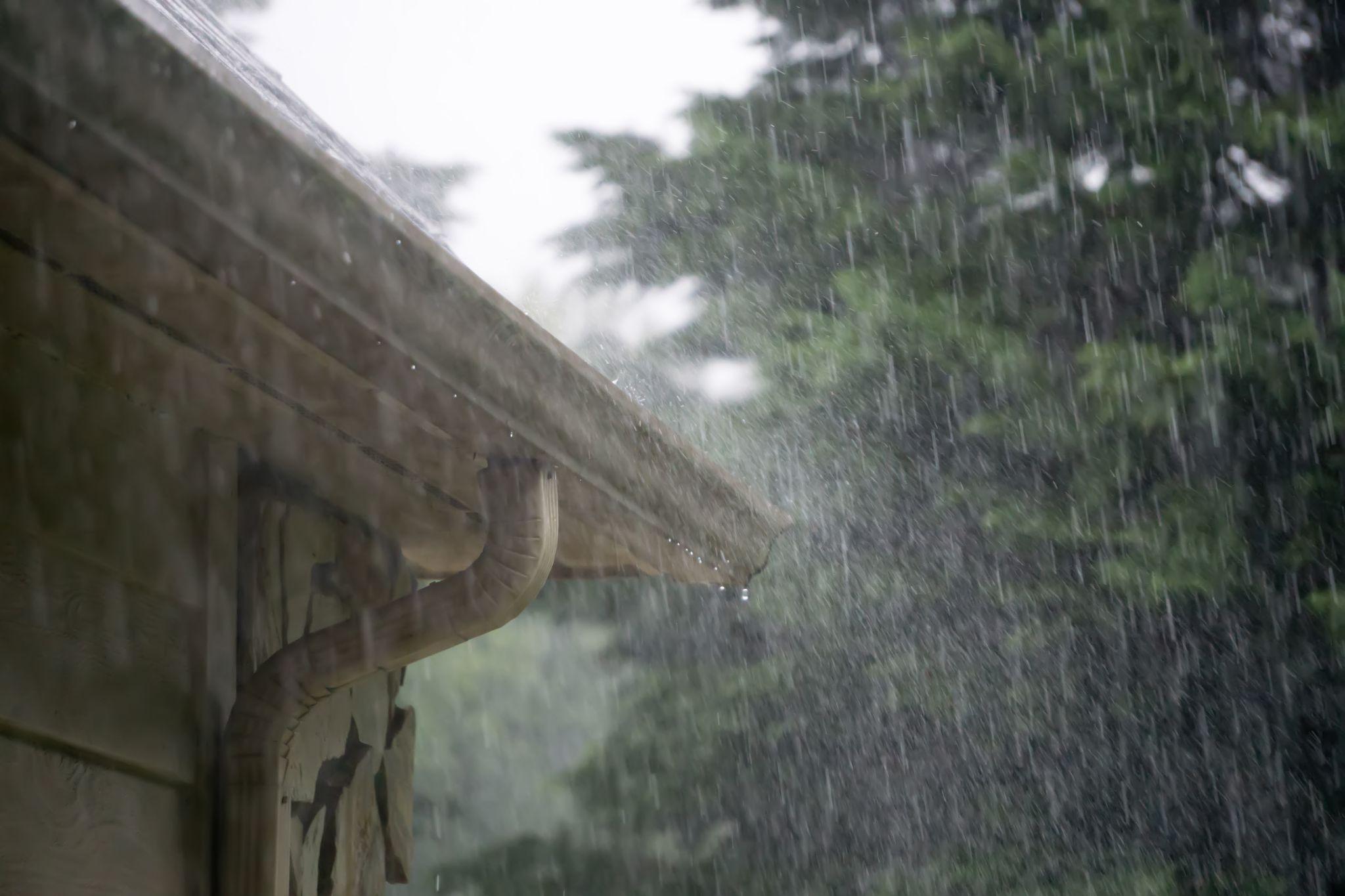
Poor outdoor drainage makes homes more vulnerable during and after storms. When water can’t properly drain away from your home, it collects near the foundation or seeps into underground plumbing lines. This added pressure can crack pipes and create blockages.

What to check:

  • Soggy patches or standing water in your yard
  • Overflowing gutters or disconnected downspouts
  • Water leaking into crawl spaces or basements
  • Grates or storm drains blocked with debris

3. Sewer Lines

Heavy rain stresses sewer systems more than any other part of your plumbing. If your sewer line is clogged, cracked, or blocked by tree roots, it’s more likely to fail when water levels rise. If you experience drain backups in multiple parts of your home, call a professional for emergency plumbing service.

What to check:

  • Persistent foul smells near drains or outside clean-outs
  • Slow drainage across all sinks and toilets
  • Gurgling sounds when using multiple fixtures
  • Overflow near the sewer clean-out in your yard

4. Water Heater and Appliances

Power outages and flooding can affect your water heater and any appliance connected to your plumbing system. After a storm, inspect each appliance for leaks, malfunctions, or signs of water damage.

What to check:

  • Cold water when hot water is expected
  • Leaking water heater tanks
  • Water pooled under washing machines or dishwashers
  • Tripped electrical breakers related to plumbing fixtures

When to Call an Emergency Plumber

Not all plumbing problems can wait. If your home is experiencing flooding, sewage backups, or unusable bathrooms, that’s a clear sign of a plumbing emergency. Call for emergency plumbing services immediately to minimize property damage and restore safe conditions.

Urgent issues that require immediate help:

  • Water entering your home through drains or toilets
  • Sudden loss of water pressure with no explanation
  • Toilets that won’t flush and no secondary restroom available
  • Sewage or gas odors inside the home

Christianson Air Conditioning & Plumbing is always ready to respond with 24/7 service across Central Texas. Our trained technicians can diagnose storm damage quickly and perform fast, reliable plumbing repair services.

Protect Your Home With Preventive Plumbing Maintenance

Plumbing Repair

Storm season can reveal weak spots in your plumbing system. Regular inspections and preventive maintenance help you catch small issues before they become emergencies. Camera inspections, drain cleaning, and sewer checks are smart steps that protect your home long before the skies open up.

If your plumbing system has not been inspected recently—or if you’re unsure about its storm readiness—schedule a visit. A proactive approach keeps your plumbing performing efficiently and minimizes the risk of major repairs during the next downpour.

Need Storm-Related Plumbing Repair? Call Christianson Air Conditioning & Plumbing Today

If your home shows signs of damage after heavy rain or you’re dealing with sudden drainage issues, don’t wait. Christianson Air Conditioning & Plumbing provides reliable, fast-response plumbing repair services throughout Central Texas.

From emergency plumbing needs to scheduled maintenance, our licensed team is ready to help. Contact us or call (512) 246-5400 to schedule service today.

Texas Fall Home Maintenance Checklist: Preparing Your Home for Winter

Fall home maintenance checklist

As temperatures begin to cool across Texas, fall is the perfect time to tackle home maintenance projects that protect your property and prepare it for the colder months ahead. Completing your fall maintenance checklist now can help you avoid costly winter repairs, improve energy efficiency, and ensure your family stays comfortable through every cold front.

This detailed fall home maintenance checklist includes practical steps for interior and exterior upkeep as well as HVAC and plumbing protection—everything you need to keep your home safe and efficient all season long.

Interior Maintenance: Keep Warm and Efficient

Fall maintenance checklist

Preparing the inside of your home for winter helps improve comfort, reduce energy waste, and keep essential safety systems working as they should.

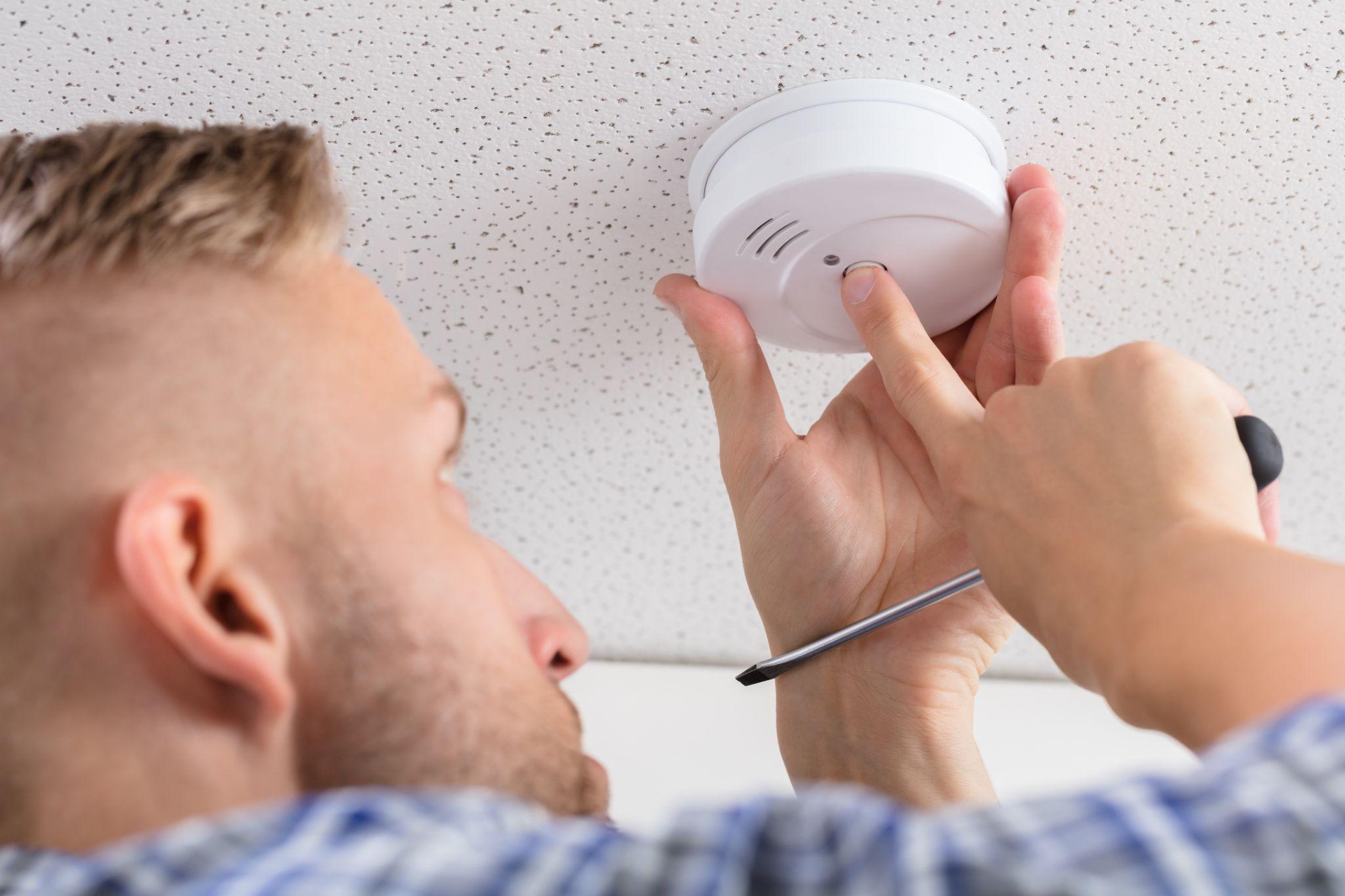
Test Smoke and Carbon Monoxide Detectors

Replace the batteries in all smoke and carbon monoxide detectors and test each one to make sure it’s working properly. This is especially important when heaters and fireplaces are in frequent use.

Seal Windows and Doors

Drafty windows and doors allow warm air to escape and cold air to enter. Use caulk or weatherstripping around window frames, door jambs, and any visible gaps. Proper sealing helps your home stay warm and reduces heating bills.

Check the Attic and Insulation

Look for thin or missing insulation in your attic. Warm air rises, so this is one of the most common areas for energy loss. Adding insulation or sealing air leaks keeps your home more comfortable during cooler nights.

Clean the Fireplace and Chimney

If you have a fireplace, arrange for a professional cleaning to remove creosote buildup. Inspect the chimney exterior for cracks or missing mortar. Proper maintenance prevents fire hazards and ensures safe, cozy fires all winter long.

Check Electrical Outlets and Cords

With the increased use of space heaters, lights, and holiday decorations, inspect cords and outlets for damage. Avoid overloading outlets and replace any frayed or worn cords immediately.

By completing these steps, you’ll improve comfort and energy efficiency while reducing the risk of safety hazards indoors.

Exterior Maintenance: Protect Your Home From the Elements

Fall checklist home maintenance

Your home’s exterior takes a beating through Texas summers, and fall is the ideal time to repair any damage before winter storms arrive.

Clean Gutters and Downspouts

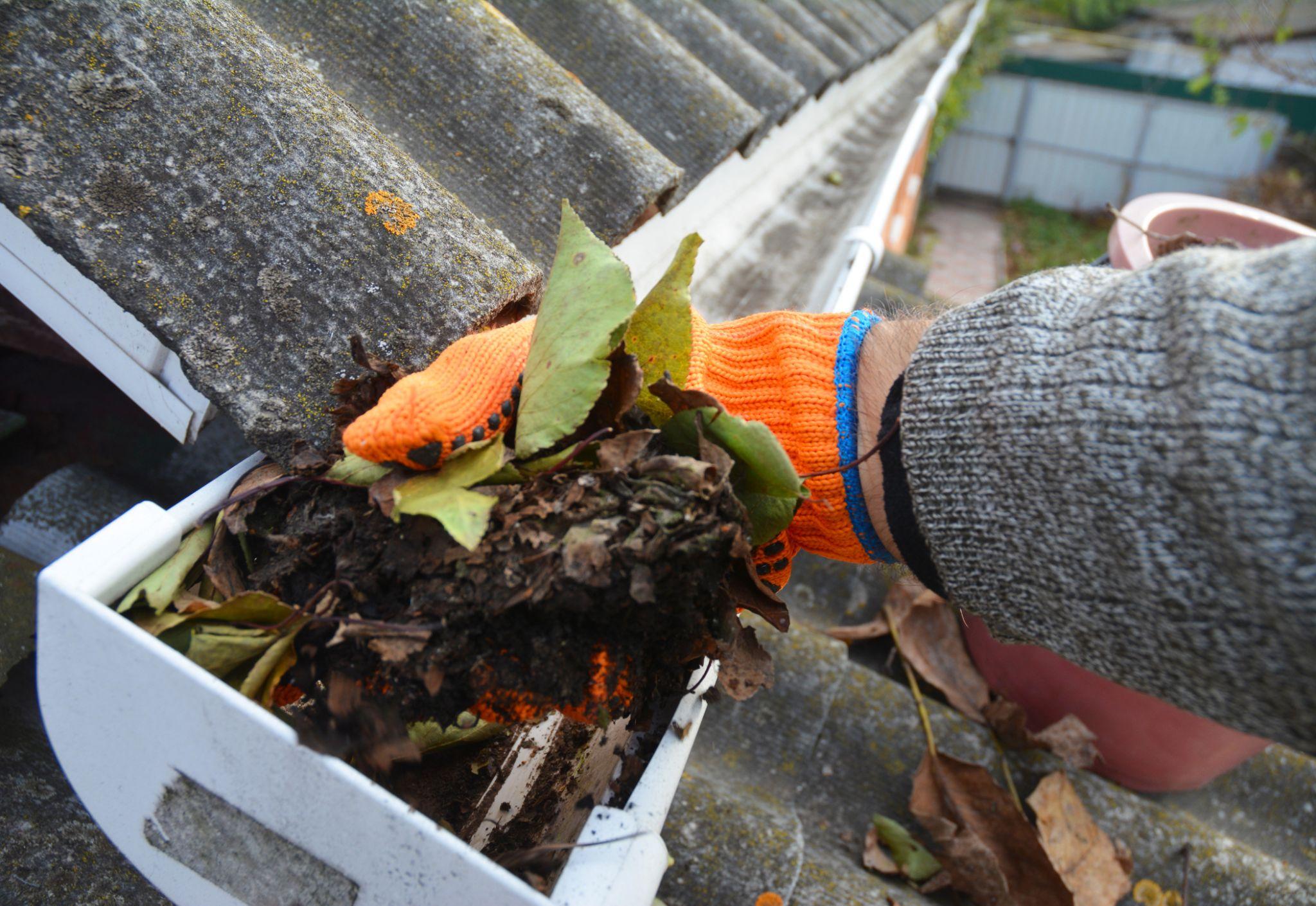
Remove leaves, twigs, and debris from gutters so rainwater drains freely. Clogged gutters can lead to roof leaks and foundation damage. Make sure downspouts direct water at least three feet away from your home.

Inspect the Roof

While cleaning gutters, check for missing or damaged shingles, cracked flashing, or worn seals around chimneys and vents. Addressing small issues now prevents major leaks later when temperatures drop.

Examine the Chimney Exterior

Inspect the masonry around your chimney for cracks or crumbling mortar. Repairing these areas prevents water intrusion that can freeze and expand, causing more serious structural damage.

Trim Trees and Shrubs

Cut back branches that hang near your roof or windows. Remove any dead or unstable trees that could fall during winter storms. This reduces safety risks and prevents roof or power line damage.

Touch Up Paint and Sealant

Summer sun and humidity can cause paint to peel or crack. Repaint or seal exposed wood on trim, fences, and railings to prevent moisture damage. Also, inspect your home’s foundation for small cracks and repair them before cold weather sets in.

Maintain Outdoor Faucets and Sprinklers

Drain and disconnect all garden hoses, then shut off and insulate outdoor faucets to prevent frozen pipes. If you have an irrigation system, flush or blow it out to remove standing water.

Prepare the Lawn and Landscaping

Apply a fall fertilizer to strengthen grass roots before the dormant season. Rake and remove leaves to prevent mold, and spread mulch around shrubs and trees to protect roots from sudden temperature drops.

Taking care of these details is a key part of your fall checklist home maintenance plan and keeps your property protected through winter.

HVAC System Maintenance: Keep Your Home Comfortable Year-Round

Autumn home maintenance checklist

After long Texas summers and before cooler weather arrives, your HVAC system deserves special attention. Fall is the best time to prepare it for heavier use and ensure efficient operation throughout the winter.

Replace Air Filters

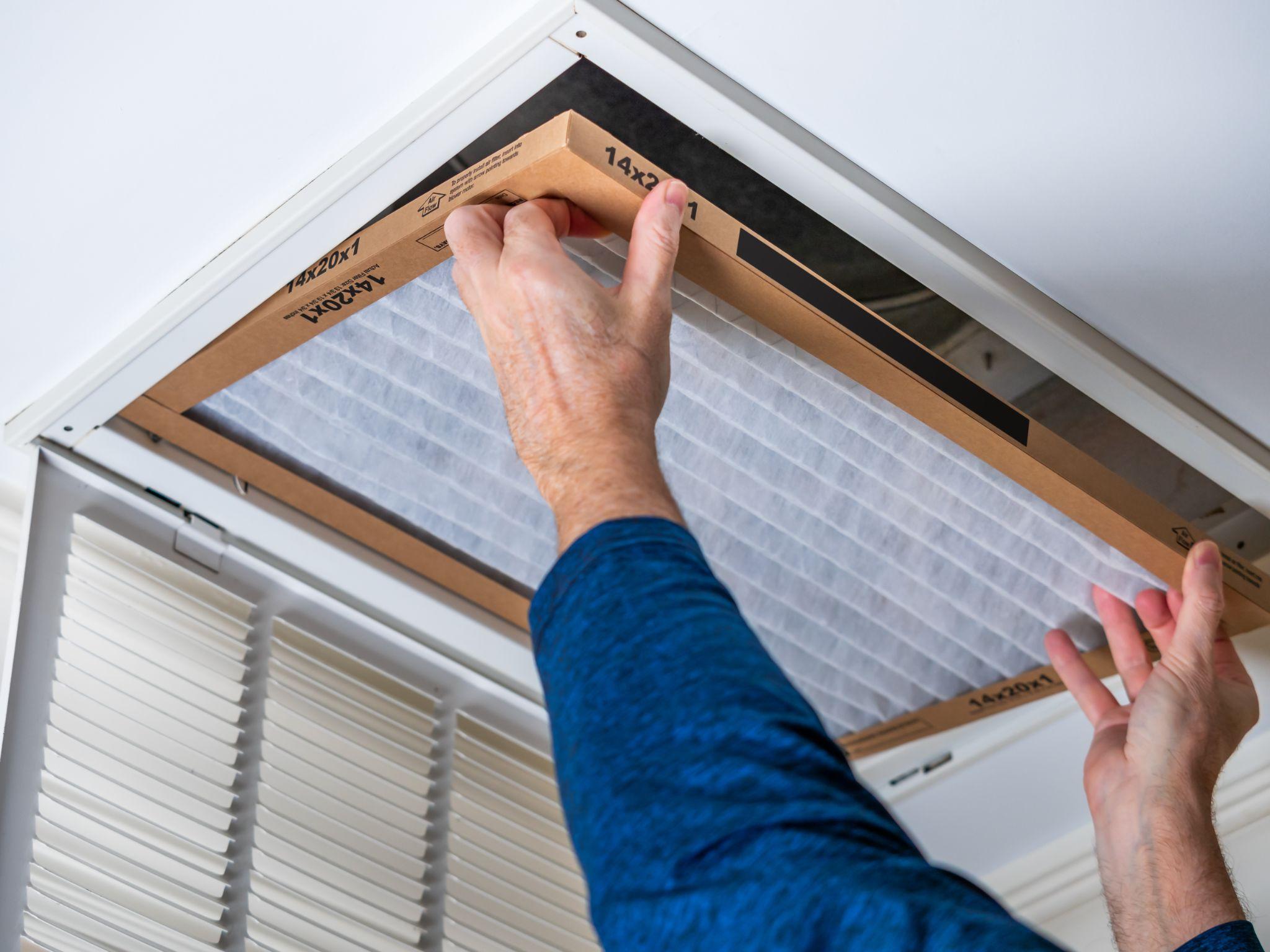
Start by cleaning or replacing furnace and HVAC filters. Clogged filters block airflow, strain the system, and can increase your energy costs.

Test Heating and Thermostat Settings

Switch your thermostat from cooling to heating mode and confirm that warm air flows evenly. If you hear strange noises or notice uneven temperatures, it’s a sign your system may need service.

Clear Around the Outdoor Unit

Remove debris, grass, and leaves that have gathered around your outdoor condenser. Good airflow prevents the unit from overheating and improves efficiency.

Inspect Ductwork and Vents

Vacuum registers, remove obstructions, and check for visible dust or mold. According to ENERGY STAR, leaky ducts can waste 20-30% of heated air, so sealing gaps makes a big difference.

Schedule a Professional HVAC Tune-Up

After months of summer use, a seasonal inspection keeps your system reliable. A certified technician will clean coils, check refrigerant levels, test electrical components, and verify safe heating operation. Professional HVAC services avoid unexpected breakdowns and extend your system’s lifespan.

Consistent HVAC maintenance ensures comfort, improves indoor air quality, and helps control your energy bills through every season.

Plumbing Maintenance: Prevent Freezes and Leaks

Fall maintenance checklist

Cold weather can cause pipes to freeze or burst, but a few preventive steps will keep your plumbing system safe and running smoothly.

Insulate Exposed Pipes

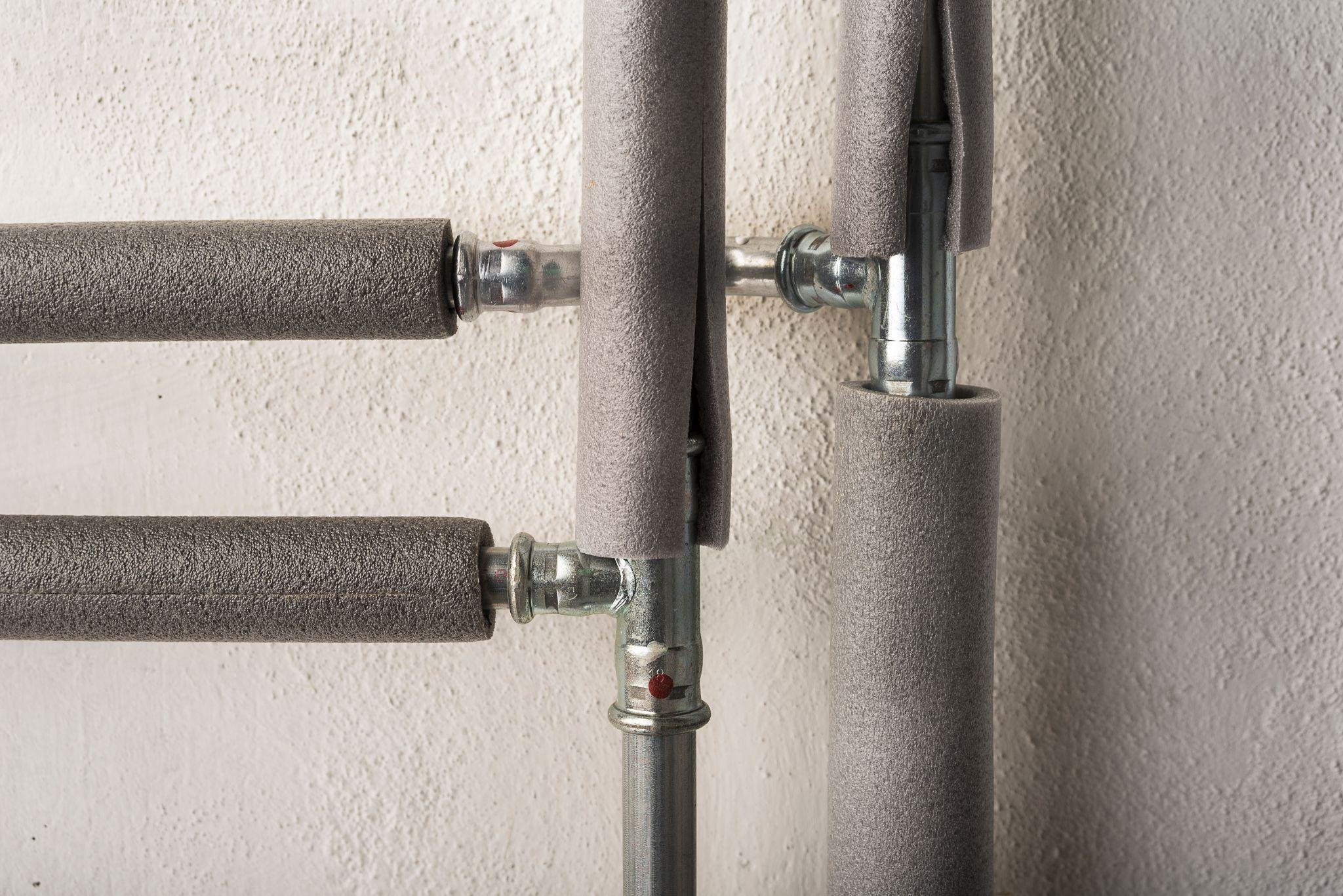
Pipes in unheated areas like garages, attics, and crawl spaces are at high risk of freezing. Cover them with foam insulation or heat tape for added protection.

Check for Leaks

Look for leaks around sinks, toilets, and appliances. Fixing small drips now prevents water waste and potential water damage later.

Test Water Pressure and Drainage

Run faucets and drains to check flow. If water drains slowly or pressure is weak, there could be a buildup or blockage. Schedule professional drain cleaning to prevent clogs that worsen in winter.

Flush the Water Heater

Sediment buildup inside your water heater can reduce its efficiency. Drain a few gallons from the tank to remove debris and improve performance. If your unit is older or noisy, have it inspected by a licensed plumber.

Locate the Main Shut-Off Valve

Know where your main water shut-off is located. If a pipe bursts, you’ll need to turn off the water quickly to limit damage.

Schedule a Plumbing Inspection

If you notice changes in water temperature, unusual sounds, or discolored water, call a plumber for an inspection. Regular maintenance helps prevent emergencies and ensures reliable service all season long.

Proactive plumbing care saves time, stress, and money while keeping your home protected during cold weather.

Create a Seasonal Plan for Future Maintenance

Home fall maintenance checklist

Once you’ve completed your autumn home maintenance checklist, it’s a good idea to organize what comes next. A year-round plan helps you stay ahead of problems and protects your investment through every season.

Simple Steps for Long-Term Home Care

  • Start a Home Maintenance Log
    Keep a running list of tasks you’ve completed—such as changing filters, cleaning gutters, or scheduling inspections—and include the date for each one. A maintenance log helps you stay consistent and makes it easier to spot when something is overdue.
  • Schedule Regular Professional Visits
    Book seasonal home maintenance services to keep plumbing, HVAC, and drainage systems efficient. Professional inspections before each major season can identify small issues before they lead to repairs.
  • Use a Recurring Reminder System
    Set a reminder on your phone or calendar to review your home fall maintenance checklist each year when temperatures start to cool. This keeps your prep routine consistent and ensures you don’t overlook important tasks like sealing drafts or servicing your heater.
  • Join a Maintenance Plan
    Many service companies offer membership programs that include scheduled tune-ups, priority scheduling, and repair discounts. Turning your home maintenance fall checklist into a structured service plan helps prevent last-minute emergencies.
  • Review and Adjust Each Year
    At the end of winter, look back at what worked well and what you’d change next time. Updating your plan each season keeps your home comfortable and ready for any weather.

A well-organized plan makes maintenance less stressful and helps you keep every part of your home—inside and out—working efficiently all year long.

Call Christianson Air Conditioning & Plumbing for Reliable Seasonal Care

Seasonal home maintenance services texas

Completing your home fall maintenance checklist is a great first step toward protecting your property and improving comfort. For dependable help with HVAC tune-ups, plumbing inspections, and drain cleaning, trust Christianson Air Conditioning & Plumbing.

Our experts provide seasonal home maintenance services Texas homeowners depend on for reliability and value. Since 1950, families across Austin, San Antonio, Temple, and New Braunfels have counted on us for honest service and lasting results.

Call (512) 246-5400 or schedule your appointment online today to finish your Texas home maintenance checklist with professionals who care about your home’s comfort and safety.

Holiday Hosting? Make Sure Your Plumbing Can Handle the Crowd

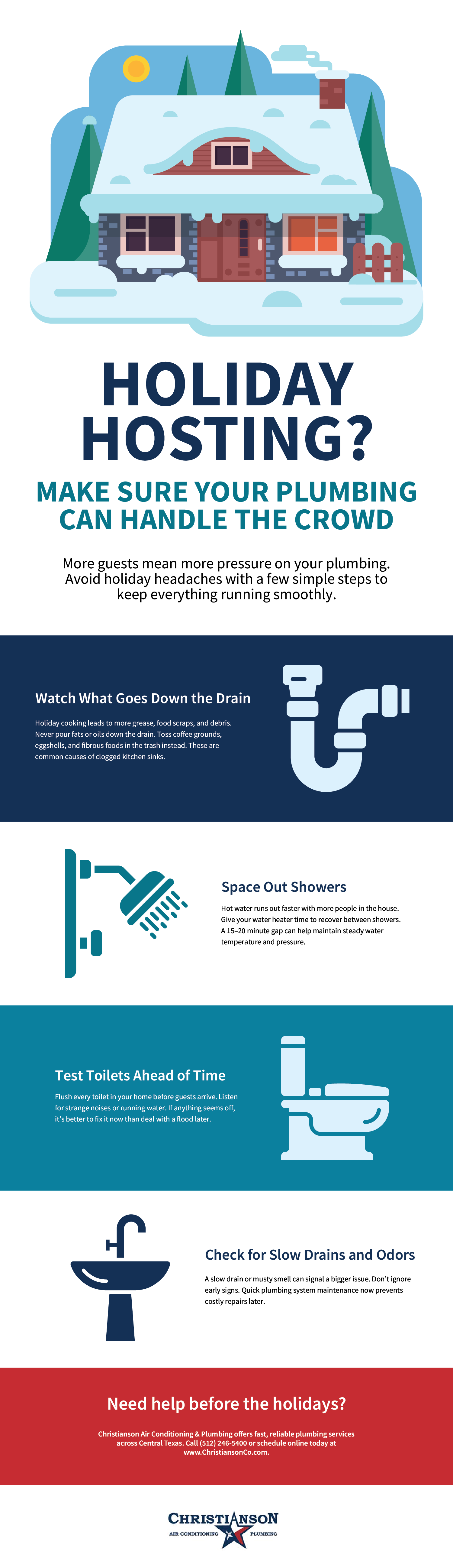
When the holidays bring extra guests, your home’s plumbing system is under more pressure. The holiday season brings more than joy and celebration—it brings houseguests, heavy kitchen use, and extra strain on your plumbing system. If your drains, toilets, or water heater are already working overtime, the added demand could lead to major disruptions.

Clogged sinks, cold showers, and running toilets are some of the most common holiday plumbing problems homeowners face. Many of these issues can be avoided with a few quick checks and easy fixes. Our new infographic covers practical holiday plumbing tips to help you avoid emergencies and keep your gatherings stress-free.

Before your guests arrive, make time for smart plumbing system maintenance. These home plumbing maintenance tips include watching what goes down the kitchen drain, spacing out showers, and checking for slow drains or foul odors. Knowing how to prevent clogged drains now can save you the cost and hassle of last-minute repairs.

At Christianson Air Conditioning & Plumbing, we offer trusted plumbing services in Texas for every season. If you spot warning signs or just want peace of mind, book a quick inspection. We provide fast, expert plumbing solutions across Central Texas.

Our licensed professionals can help with anything from routine checks to urgent repairs. With over 70 years of service, we’re proud to offer reliable, family-owned Central Texas plumbing solutions when it matters most.

Schedule Your Holiday Plumbing Service Today

Get ahead of the holiday rush. Call Christianson Air Conditioning & Plumbing or schedule your plumbing system service online today.

Holiday Hosting? Make Sure Your Plumbing Can Handle the Crowd Infographic

Bats in Your Plumbing System: What to Do When Wildlife Gets In

Bats in Your Plumbing System

Bats in Your Plumbing System

With a high bat population in Central Texas, it’s not unusual to discover signs of bats in your home, especially in hidden areas like vents and pipes. At Christianson Air Conditioning & Plumbing, we provide professional plumbing services across the region.

Our licensed team has experience handling unique situations and can respond quickly and safely when animals find their way inside your system.

Can Bats Get in Your Plumbing?

Yes—while uncommon, it does happen. Bats can squeeze through gaps as small as a quarter inch, and may enter homes through plumbing vent stacks, roofline cracks, or unscreened openings.

Common causes include:

  • Aging or damaged vent caps
  • Poorly screened vent stacks
  • Seasonal bat migration in Central Texas

Signs You May Have a Bat or Animal in the System

If you notice any of the following, your plumbing system may have been breached:

  • Unusual Noises: Scratching, squeaking, or fluttering behind walls or near pipes
  • Strong Odors: A sharp ammonia-like smell near drains or roof vents
  • Sewer Gas Smells: Especially around bathrooms and kitchens
  • Slow Drainage or Clogs: A deceased animal in the vent pipe can block proper airflow or water flow
  • A Bat in the Toilet Bowl: A rare but clear sign of system intrusion

Early detection is vital to prevent further damage.

Why Bats in Plumbing Are a Serious Issue

Finding a bat in your plumbing system isn’t just unpleasant. It can lead to several health and safety concerns:

  • Disease Risk: Bats can carry rabies and leave behind droppings that contain histoplasmosis spores.
  • Vent System Failure: A blocked vent can allow sewer gases to back up into your home.
  • Pipe Damage: Bat waste is acidic and can cause damage to surrounding materials or contribute to blockages.
  • Legal Violations: Bats are protected in Texas, and harming them even accidentally can lead to penalties.1

What Not to Do and What to Do Instead

Call for plumbing system maintenance

These problems require immediate and professional attention. Attempting a DIY fix can lead to health risks, legal trouble, or further plumbing damage.

Do Not

  • Try to force the animal out through flushing or water flow
  • Reach into a vent or drain
  • Pour chemicals or cleaners down the pipe
  • Seal any suspected entry point before a licensed inspection

Do This Instead

  • Limit plumbing use in the affected area
  • Call professionals like Christianson Air Conditioning & Plumbing for plumbing system maintenance
  • Work with wildlife removal experts for live bat cases

Why Licensed Plumbing Services Are the Right Call

Dealing with a bat in plumbing isn’t a job for DIY methods. Licensed professionals have the tools and training to inspect, repair, and restore your system safely and legally.

Professional plumbing service includes long-term fixes like vent cap replacement, which prevents bats from entering and protects your system year-round.

Christianson Air Conditioning & Plumbing provides fast, reliable service across Central Texas. From emergency service to routine maintenance, we deliver long-term plumbing solutions you can trust.

FAQs

How do bats get into plumbing vents?

Bats can enter through uncapped or damaged vent stacks on your roof. These vertical pipes connect to your home’s plumbing system and often go unnoticed if not properly screened or maintained.

Why shouldn’t I remove the bat myself?

Bats carry diseases and are legally protected. DIY removal puts your health and legal standing at risk.

Can bats clog a drain or sewer line?

While rare, a trapped or deceased bat in a vent stack or pipe can block air flow, which disrupts drainage and may cause slow drains or sewer gas smells in your home.

Are there legal steps to follow in Texas?

Yes. Bats are protected by law, so licensed professionals must handle their removal.1

Schedule Emergency Plumbing Services or an Inspection Today

Central Texas plumbing solutions

Have you seen signs of a bat in the toilet, heard strange noises, or noticed bad smells around your home? Don’t ignore it. Christianson Air Conditioning & Plumbing offers prompt, professional Central Texas plumbing solutions, including emergency plumbing system services when fast action is required.

Call now or book your inspection online for expert plumbing services in Texas backed by over 70 years of experience.

The Growing Demand for Greywater Recycling Systems in Homes

Home Greywater Recycling System

Home Greywater Recycling System

Water conservation is a growing concern for homeowners across Central Texas. Drought, rising utility bills, and long-term sustainability are driving change. One practical solution that’s earning attention is the greywater recycling system.

This plumbing upgrade allows families to reuse gently used water from inside the home. In return, they enjoy reduced monthly costs, improved irrigation efficiency, and access to city rebates. From modern builds to older properties, residential greywater recycling systems are becoming more common throughout the region.

What Is a Greywater Recycling System?

A residential greywater system​ is a setup that captures and redirects water from specific household sources—like showers, bathtubs, bathroom sinks, and washing machines—for reuse in non-potable applications. These include yard irrigation, toilet or urinal flushing, landscaping, composting, or even moisture control to help minimize foundation shifting in dry conditions.

Greywater refers to gently used wastewater that hasn’t come into contact with toilet waste. It does not include water from kitchen sinks, sources used for food preparation, or water used to clean materials soiled with human waste (such as diapers).

A household greywater recycling system typically includes:

  • Pipes that collect water from select drains
  • Filters to remove soap, hair, and debris
  • Holding tanks or diversion systems
  • Plumbing lines that redistribute water to gardens or toilets

When installed by professionals, a home water recycling system runs quietly in the background while delivering real results—less wasted water and more efficient outdoor watering.

Why Greywater Systems Are Gaining Popularity

The greywater recycling industry is expanding steadily, driven by rising concerns over water scarcity, climate change, and sustainable living. According to research:1

  • The global greywater recycling system market was valued at $1.48 billion in 2024.
  • It is projected to grow to $4.16 billion by 2032, at a compound annual growth rate (CAGR) of 8%.
  • The residential sector is expected to maintain the largest share of the market, due to increasing demand from homeowners and multi-family developments.
  • Greywater systems can also help reduce the energy required to treat and transport water. Some studies suggest decentralized water reuse systems may lower energy use by as much as 30%, depending on system design and household water habits.

This growth reflects what we’re seeing across Central Texas, where more families are investing in smarter plumbing systems that help save money and protect resources. From irrigation support to reduced utility bills, homeowners are beginning to recognize the long-term benefits of greywater recycling.

Local Regulations and Incentives in Central Texas

Central Texas Plumbing Solutions

Greywater use is legal in Texas and regulated by the Texas Commission on Environmental Quality (TCEQ). Systems must follow state-approved guidelines for design, installation, and use. Basic systems may not require a permit, but more advanced systems often do. TCEQ also requires backflow prevention and prohibits greywater from contacting drinking water or pooling above ground.2

Cities across Central Texas are increasingly supportive of greywater recycling. Many offer rebates, permit guidance, or inspection support to encourage residential adoption.

Working with professionals who understand Central Texas plumbing solutions ensures your system is code-compliant and eligible for available incentives. Local knowledge also speeds up the planning, permitting, and installation process for any residential greywater recycling system.

Real ROI: Water Bill Savings and Home Value

For most homeowners, a water recycling system for home use offers both environmental and financial rewards.

Here’s what you can expect:

  • Noticeable reductions in monthly water bills, especially during high-usage seasons
  • Added appeal to homebuyers looking for sustainable features
  • Lowered operating costs over time, with reduced strain on irrigation and landscaping
  • A strong return on investment that continues year after year

While installation costs can vary based on the system type and size, the long-term payoff makes a household greywater recycling system a smart upgrade for those looking to reduce water waste and boost home efficiency.

Types of Greywater Systems for Modern Homes

Choosing the right home greywater recycling system depends on your home’s layout, yard size, and plumbing.

Here are four common types used in residential homes:

  1. Gravity-Fed Systems: These systems move greywater using natural flow. They’re simple and affordable, especially for single-story homes on sloped lots.
  2. Branched-Drain Systems: Water splits through multiple pipes to irrigate several areas. It’s effective for medium to large yards.
  3. Pumped and Filtered Systems: When gravity won’t work, these use pumps to push water through filters and across longer distances.
  4. Smart Systems: These systems monitor flow, filter quality, and allow app control. They’re efficient and user-friendly for modern homes.

Each system has its benefits and limitations. That’s why it’s best to speak with professionals who provide expert plumbing services in Texas and know what works in local soil and climate conditions.

Why Professional Installation Matters

Central Texas Plumbing Solutions

Installing a residential greywater recycling system isn’t just about digging trenches or adding pipes. Texas law often requires a licensed plumber, especially for systems that involve tanks, pumps, or reuse inside the home.

DIY systems come with serious risks, including:

  • Contaminating drinking water
  • Violating local plumbing codes
  • Losing eligibility for rebates or inspections
  • Damaging landscaping or home infrastructure

Our team at Christianson Air Conditioning & Plumbing delivers trusted, code-compliant plumbing solutions. From system design to permit paperwork, we handle everything. We also perform long-term maintenance, so your home water recycling system performs year-round.

FAQs

Are greywater systems legal in Texas?

Yes. Texas permits greywater use under TCEQ guidelines. Some systems require permits and professional installation.2

How much does a greywater system cost?

Costs vary from hundreds to thousands of dollars depending on the system type, home layout, and level of automation. A professional consultation can help determine the best fit and budget for your needs.

Can greywater be used to flush toilets?

Yes, with proper filtration and plumbing, greywater can safely be reused for toilet flushing. These systems often require more advanced design and permits.

What’s the difference between greywater and blackwater?

Greywater is from sinks, tubs, and washers. Blackwater includes sewage and requires full treatment through the sewer or septic system.

Will a greywater system lower my water bill?

Yes. Many homeowners see a significant reduction in water use—especially during months with heavy outdoor irrigation.

Take the Next Step Toward Smarter Water Use

Greywater Recycling System

As a trusted name in plumbing services across Central Texas, we’ve been helping homeowners find water-saving solutions for over 70 years.

Whether you’re upgrading an older system or building a new one, Christianson Air Conditioning & Plumbing offers Central Texas plumbing solutions that match your goals and meet all state and local requirements.

Ready to explore a greywater recycling system? Get in touch today to schedule a free consultation and start saving water the smart way.

Sources

  1. MarketResearch.com. Global Greywater Recycling System Market – 2025-2032.
  2. Texas Commission on Environmental Quality. Beneficial Re-Use of Graywater and Alternative Onsite Water.

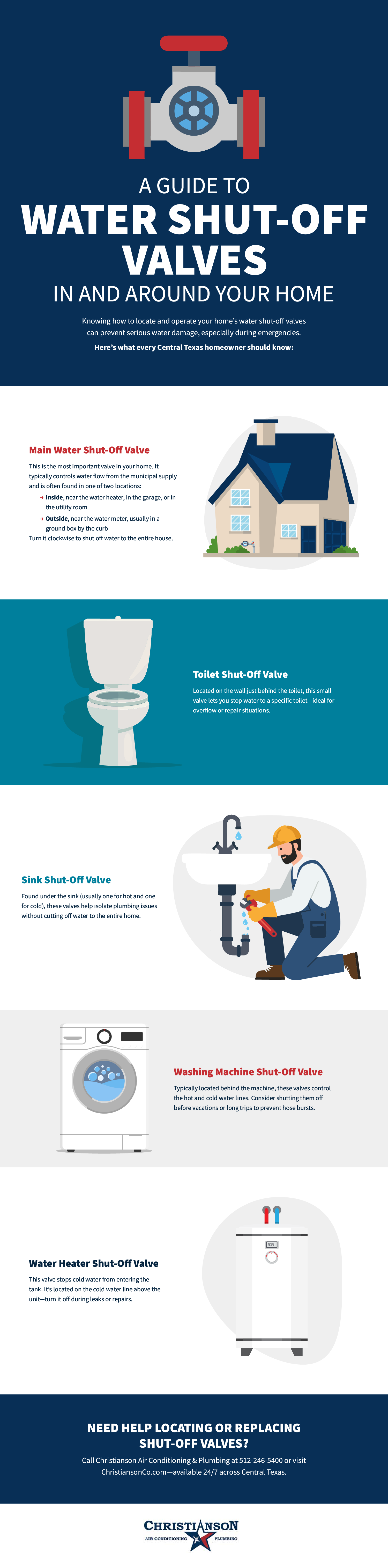
A Guide to Water Shut-Off Valves in and Around Your Home

When water starts flowing where it shouldn’t, time is everything. A quick water valve shut-off can save your home from costly damage. That’s why every homeowner should know how to locate and operate key water shut-off valves throughout the house.

Below, we’ll walk you through finding the main water shut-off valve, understanding how individual shut-off valves work, and knowing what to do in an emergency water shut-off situation.

Know Where Your Valves Are

The main water shut-off valve controls water to your entire house. It’s typically located near your water meter—either outside near the curb or inside in a utility area. If you’re not sure how to turn off the water to your house, this is the first place to start. Turn it clockwise to shut off the supply.

Also, locate and test:

  • Toilet shut-off valves (behind the toilet)
  • Sink shut-off valves (under bathroom or kitchen sinks)
  • Washing machine valves (on the wall behind the unit)
  • Water heater shut-off valve (usually on the cold water pipe leading into the top of the tank)

For added protection, consider installing an automatic water shut-off valve that detects leaks and shuts off water automatically.

Your Local Plumbing Experts

Need help identifying your water valves’ on and off positions? Christianson Air Conditioning & Plumbing offers trusted plumbing services in Texas, including expert inspections and repairs. Our licensed team provides dependable Central Texas plumbing solutions for homeowners who want fast, reliable, and long-lasting plumbing solutions.

Have a plumbing emergency or need service? Call 512-246-5400 or contact us online for professional plumbing service today.

A Guide to Water Shut-Off Valves in and Around Your Home  Infographic

Keeping Tree Roots From Invading Your Sewer Lines

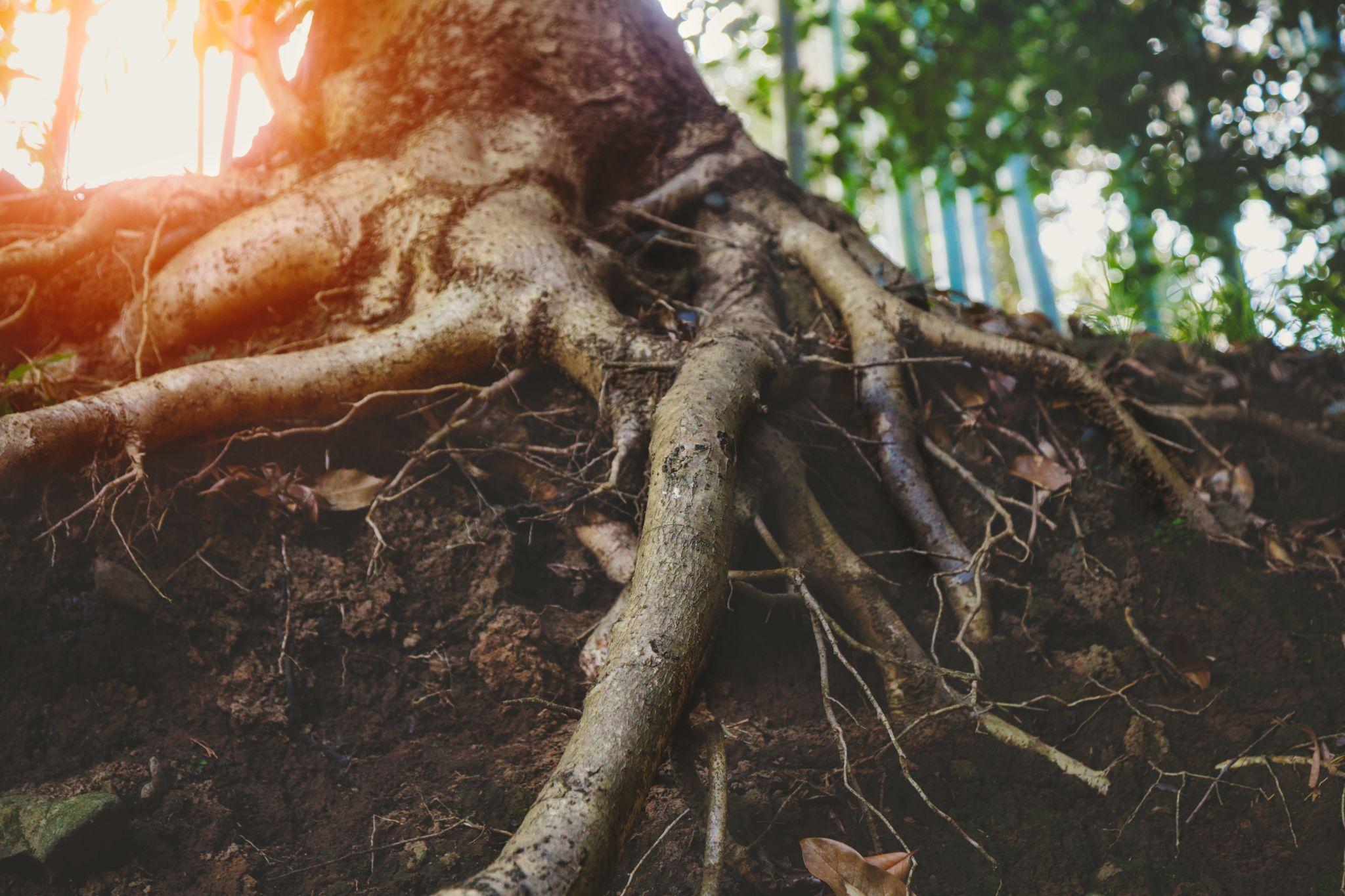
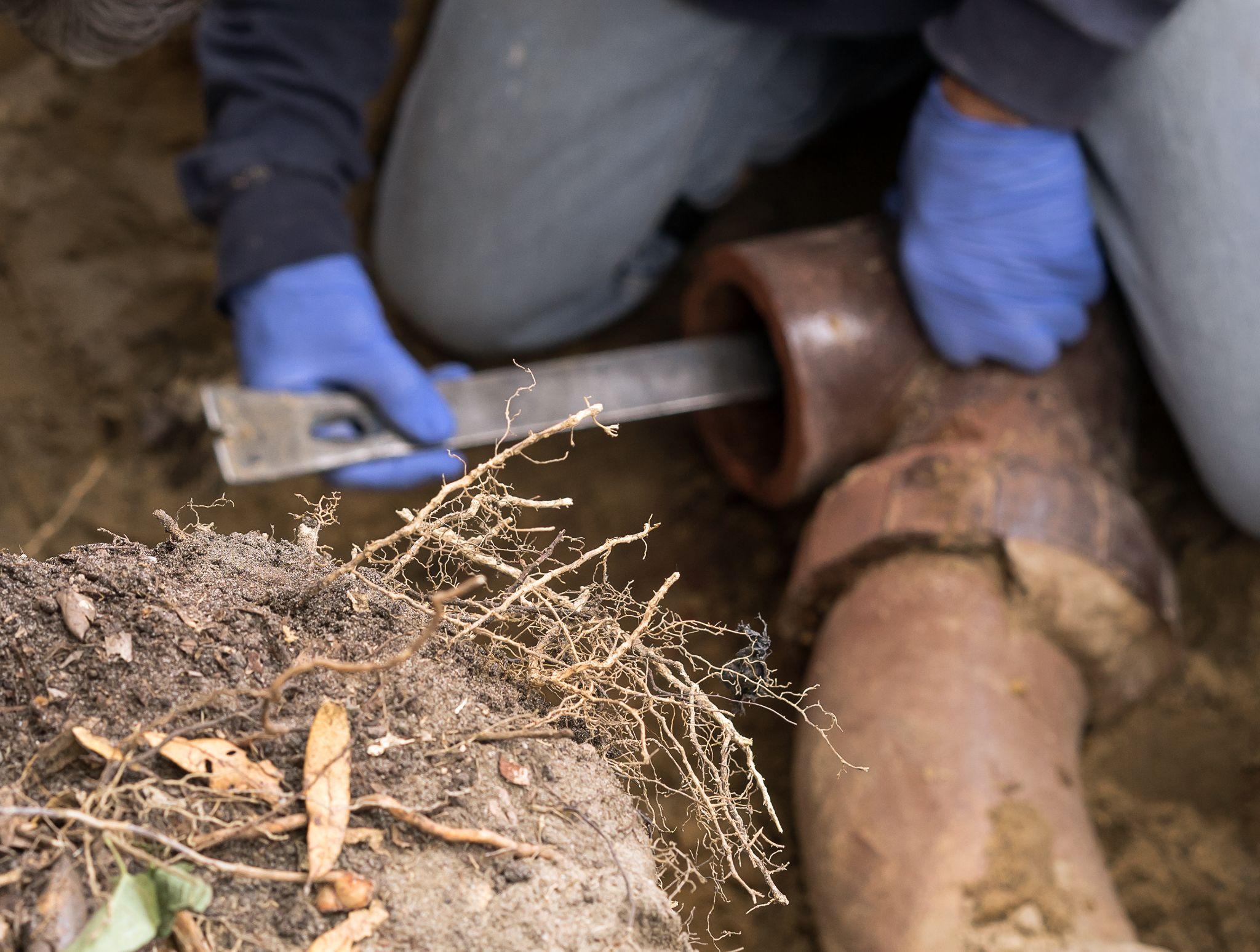
Tree roots that can invade sewer pipes

Trees add beauty and curb appeal to your yard, but even one can damage your sewer system. If roots reach your main line, you could face costly sewer line repair (and a major headache). Sewer pipes are a gold mine for tree roots because they carry the water and nutrients trees need to grow.

Even the tiniest crack or leak in a pipe can let roots in, where they spread and cause serious damage. The good news is there are ways to preserve the beauty of your trees while helping avoid root invasion in your pipes. Below, we’ll cover how to spot problems early, remove intrusions safely, and prevent them from returning.

Know Where Your Sewer Lines Are Located

Before planting new trees or making landscaping changes, find out where your sewer lines are located.

Ways to locate your lines:

  • Look for cleanout caps in your yard
  • Call your local sewer department to mark the lines
  • Ask a licensed plumber for mapping and inspection services

If a tree is already close to your line, schedule a camera inspection. This allows a plumber to detect roots in sewer lines before they cause major clogs or backups.

Warning signs of root intrusion:

  • Slow drains or frequent clogs
  • Gurgling sounds from toilets or sinks
  • Unpleasant odors from drains

Roots in drain pipes can quickly spread through the entire system. Acting early is the best way to avoid expensive sewer repair work later.

Removing Tree Roots and Repairing Pipes

Roots in sewer lines

If inspection confirms roots in pipes, the next step is safe removal. This should be done by a professional plumber to avoid further damage to the line or the tree.

Common removal methods include:

  • Mechanical cutting: A specialized auger cuts through roots in plumbing lines without damaging the rest of the pipe. This method is effective for immediate blockage relief and can be combined with other treatments to slow regrowth.
  • Chemical treatment: Foaming herbicides coat the inside of the pipe to stop root growth and prevent new roots from entering. When applied correctly by a professional, these treatments can protect the line for several years without harming the tree.
  • Hydro jetting: High-pressure water blasts away any remaining debris after root cutting, restoring full pipe diameter. This method also helps remove grease, scale, and other buildup that could catch future root growth.

After removing the roots from drain pipes, your plumber may recommend repairs. This can include patching small cracks, trenchless lining, or full sewer pipe repair.

Some homeowners ask how to stop tree root growth without damaging the tree. In-pipe treatments applied by a professional can slow regrowth for several years while keeping the tree healthy.

Prevention Tips for Tree Roots in Pipes

Preventative steps can reduce the risk of damage to sewer lines in the future.

  • Plant smart. Choose smaller, slow-growing trees that work well in Central Texas, such as Flowering Dogwood, Paperbark Maple, or native Bald Cypress. Avoid fast-growing species with aggressive roots like Silver Maple, Weeping Willow, Sweetgum, Sycamore, or Bradford Pear.
  • Install barriers. Use metal, wood, or heavy-duty plastic barriers buried vertically between trees and sewer lines. Ensure barriers extend deeper than the pipe to redirect roots.
  • Schedule regular inspections. Annual checkups help spot tree roots in pipes before they block the line. Professional cleanings can extend the lifespan of your sewer system.

Knowing how to remove roots from sewer lines early is far less costly than replacing the entire line. If you have a tree planted near the underground pipe that connects your home to the city sewer system, and you notice slow drains, it may be roots inside the pipe causing the blockage.

If roots in plumbing are a recurring problem, discuss long-term options with your plumber. They can advise on how to get rid of roots in sewer lines and keep them from returning, as well as options for removing roots from drain pipes permanently.

FAQs

How do roots get into pipes?

Roots seek moisture and nutrients. If a pipe has a small crack or loose joint, tree roots in drain pipes can enter, grow, and eventually break the line.

How do you stop tree roots from growing in sewer lines?

Install root barriers during planting, schedule yearly inspections, and apply foaming root killers inside the line to keep roots in sewer systems from returning.

Will insurance cover tree roots in a sewer line?

Most homeowners insurance policies do not cover damage from tree roots in pipes because it’s considered preventable maintenance. Review your policy for exact coverage.

Protect Your Sewer Lines Today

Happy customer after plumber removes tree roots from sewer lines

Roots inside your sewer lines can lead to blockages, backups, and expensive repairs. If you need to remove roots from sewer lines, repair sewer lines, or schedule a preventive inspection, Christianson Air Conditioning & Plumbing can help. We provide expert sewer system repair for homeowners across Central Texas.

Bidet Installation and Repair: Why Hire Professionals

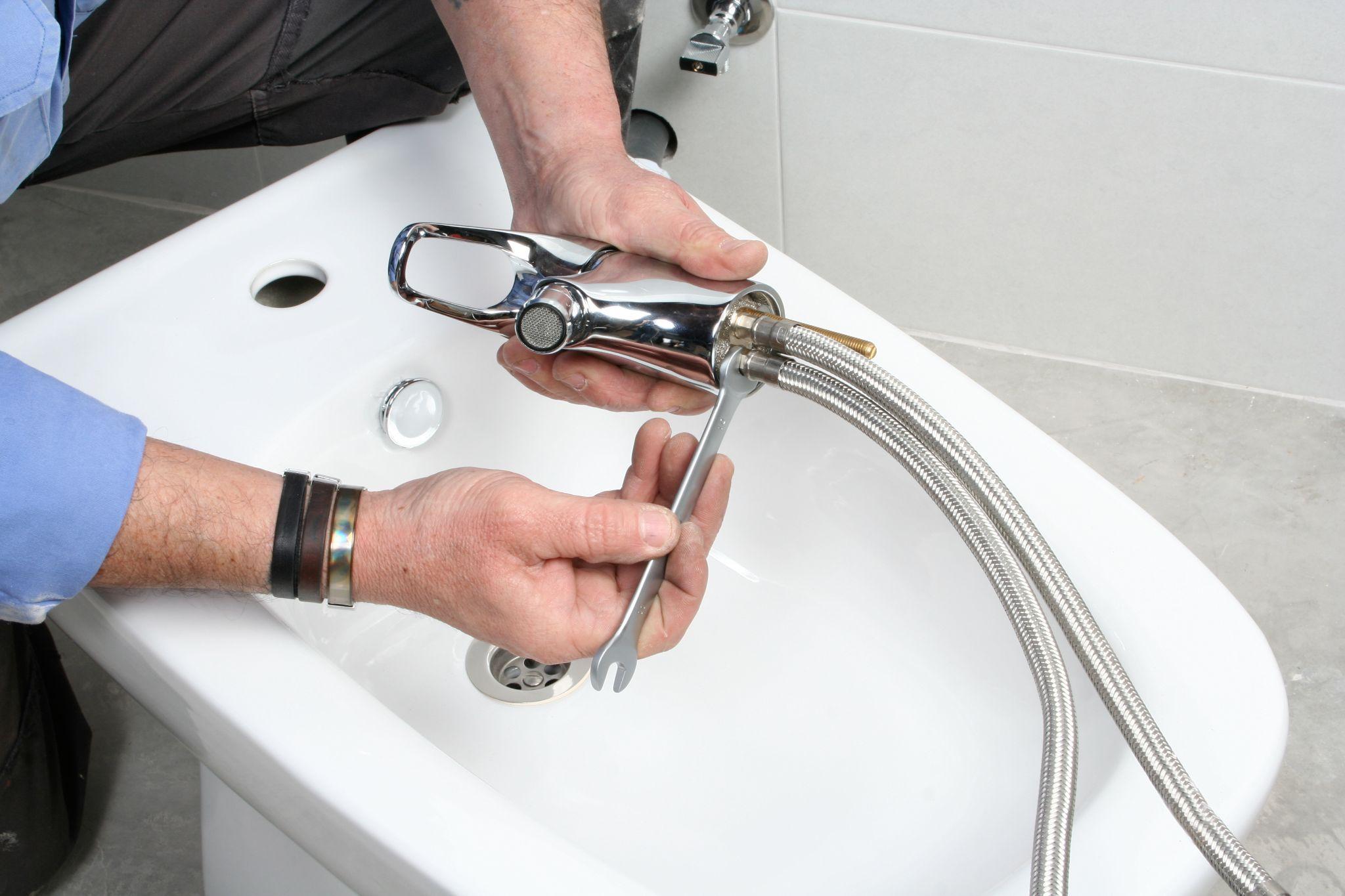
Professional installing bidet

If you’re a homeowner in Austin, San Antonio, Temple, or nearby areas, installing a bidet is a smart way to upgrade comfort, hygiene, and efficiency in your bathroom. Whether you’re searching for “bidet installation near me” or exploring how to install a bidet safely, Christianson Air Conditioning & Plumbing is here to help.

With over 70 years of experience and a team of licensed, insured professionals, we provide trusted plumbing services across Central Texas, including bidet installation, bidet repair, and complete bathroom plumbing solutions.

What Types of Bidets Are Popular?

There are several types of bidets available, each with unique features and installation requirements:

Bidet Attachments and Seats

These are popular in Central Texas due to their affordability and easy installation. If you’re looking up “how to attach a bidet,” this type is a common entry point. They connect directly to your existing toilet and offer features like adjustable spray and temperature control.

Standalone Bidets

These traditional fixtures are separate from the toilet and require additional bathroom plumbing. They’re less common in modern homes due to space constraints, but may be found in larger or custom-designed bathrooms.

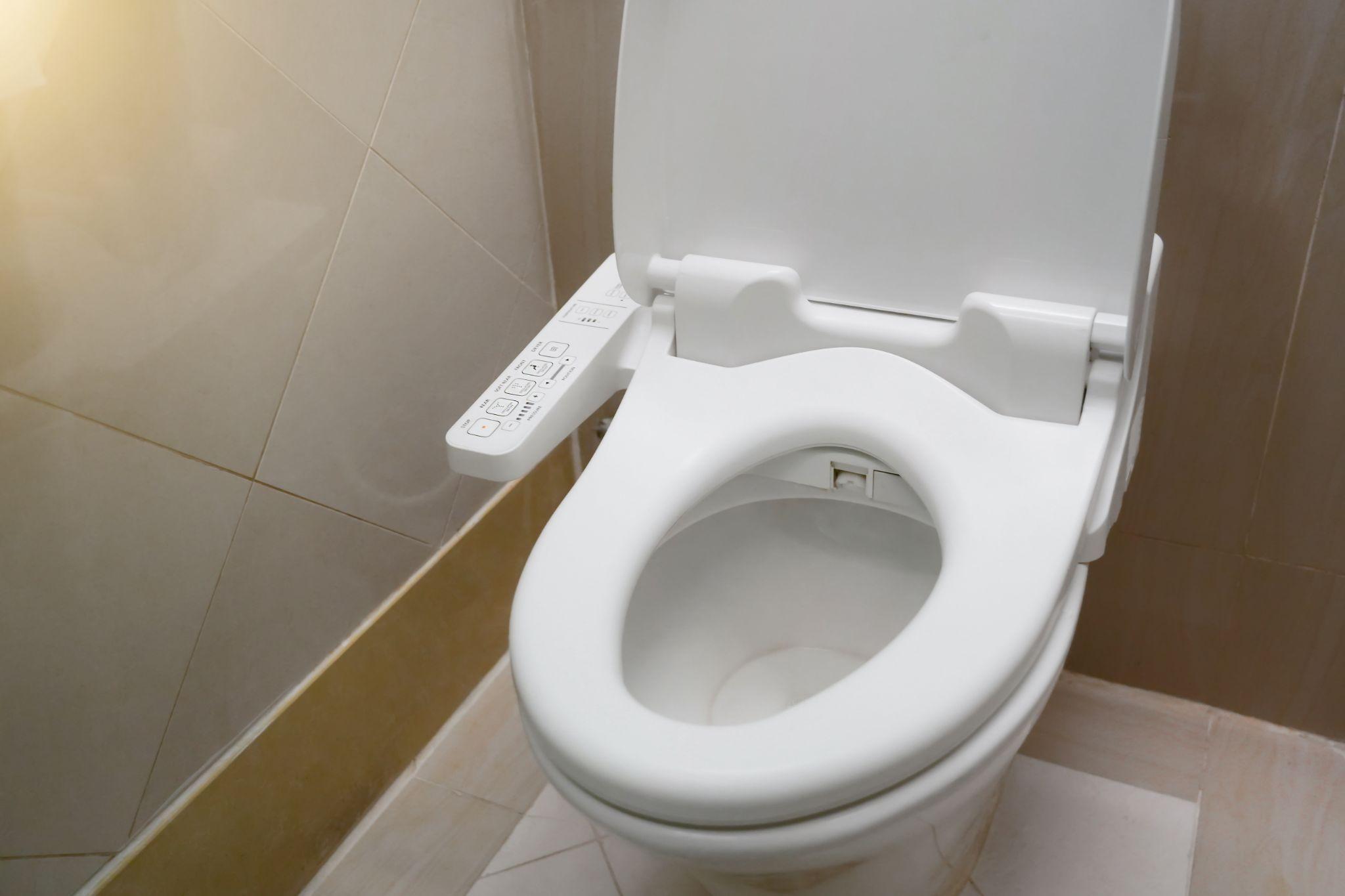
Electric/Smart Bidet Seats

These advanced seats come with built-in warm water spray, air drying, heated seating, and remote controls. They’re perfect for homeowners seeking comfort and efficiency without replacing their entire toilet.

Most Central Texas homeowners opt for electric bidet seats or bidet attachments that provide comfort and functionality without requiring extensive renovations.

Benefits of Installing a Bidet

Installing a Bidet

Adding a bidet to your bathroom can enhance your quality of life in several ways:

  • Improved Hygiene: Bidets offer a cleaner, more thorough wash than toilet paper alone.
  • Toilet Paper Savings: Using less toilet paper reduces the chance of clogs and lowers household waste.
  • Enhanced Comfort: A bidet is gentler on sensitive skin and ideal for seniors, individuals with mobility issues, or those recovering from surgery.
  • Long-Term Plumbing Health: By reducing paper usage and promoting cleaner operation, you improve the longevity of your bathroom plumbing
  • Cost Efficiency: Over time, the investment in installing a bidet pays off through reduced paper use and fewer plumbing service calls.

Common Challenges With DIY Bidet Installation

While some homeowners try to learn how to install a bidet toilet themselves, DIY efforts often lead to avoidable problems:

  • Supply Line Fit Issues: Incorrect connections or mismatched parts can lead to leaks or poor performance.
  • Low Water Pressure or Leaks: Without proper adjustments, water flow may be inadequate or cause slow drips.
  • Incompatibility With Toilet Models: Some toilets do not accommodate certain bidet styles, especially older or uniquely shaped models.
  • Risk of Water or Electrical Damage: Electric bidet seats must be installed safely—improper methods could cause damage requiring bidet repair or even broader plumbing solutions.

DIY installs can also lead to voided warranties or, in some cases, may affect insurance coverage if water damage occurs.

What to Expect During a Professional Bidet Installation or Repair

Bidet installation

When you schedule a bidet installation or repair with Christianson Air Conditioning & Plumbing, our licensed plumbers start with an inspection of your current bathroom plumbing. We’ll help you choose the right bidet model for your setup and ensure your water and electrical systems are ready.

Once everything is prepped, we complete the installation, test for leaks and proper function, and clean up the area. Before we leave, we’ll show you how to use your new bidet confidently. If you need support later on, our team is just a call away.

Repair and Maintenance: Why Those May Require Pros Too

Even high-end models need periodic care. Here’s why calling in a professional plumbing service helps:

  • Leaks or Low Pressure: These may point to deeper plumbing or fixture problems that require professional attention.
  • Faulty Controls or Warm Water Failure: Our team has experience diagnosing and fixing problems others might overlook.
  • Part Replacement or Upgrades: Whether you’re upgrading your seat or replacing a nozzle, professional plumbing solutions prevent future breakdowns.
  • Electrical and Plumbing Safety: Our licensed professionals ensure everything runs safely and efficiently—especially important with smart bidets.

Why Hiring a Licensed Plumber Is Smart

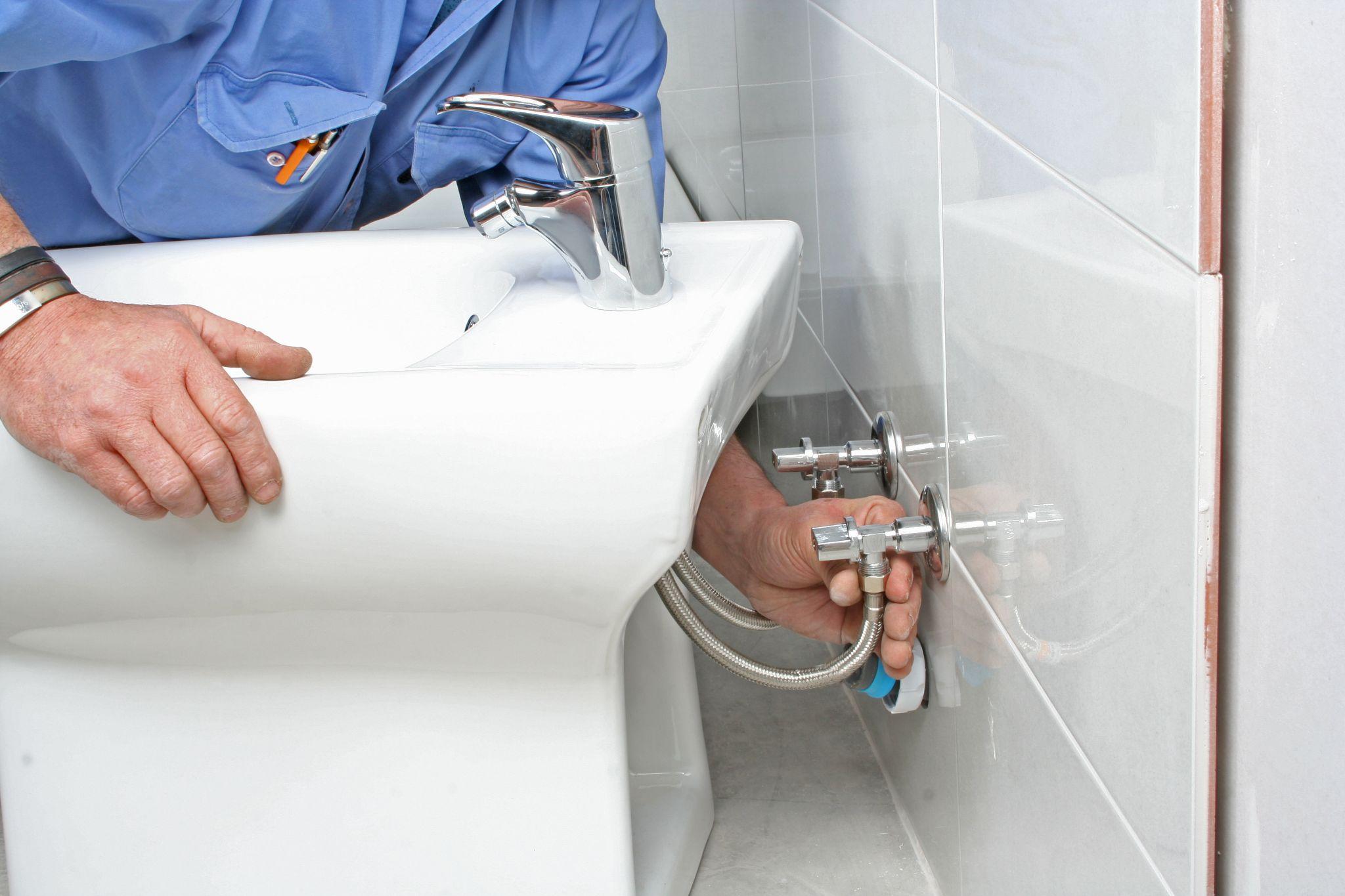
Bidet installation

There are several reasons why hiring a licensed plumber like Christianson Air Conditioning & Plumbing makes a big difference, especially for bidet installation and repair:

  • Building Code Compliance: Our plumbers are well-versed in local and state regulations, so your bidet toilet installation will be done legally and safely.
  • Proper Water and Electrical Connections: Bidets—especially electric models—require precision for water-tight and properly grounded connections.
  • Smart Bidet Safety Requirements: GFCI outlets, voltage compatibility, and secure wiring are just a few of the concerns we handle.
  • Warranty Protection: Many manufacturers require licensed installation to keep your warranty valid. If you install a bidet on your own, you might void the coverage.
  • Troubleshooting Expertise: We quickly identify if a problem stems from the bidet, the toilet, or your bathroom plumbing
  • Long-Term Cost Savings: Faulty DIY attempts often increase overall bidet installation cost due to damage and repairs, but hiring a pro gets it done right the first time.
  • Peace of Mind: With seven decades of experience offering plumbing services in Texas, we bring accountability and reliability to every job.

FAQs

Can I install a bidet myself?

Technically yes, but most people find that hiring a plumber for bidet installation ensures everything is properly secured, tested, and compliant.

What maintenance does a bidet require?

Clean the nozzle regularly, check for leaks, and contact us for annual plumbing service to keep everything working as it should.

Will a pro installer protect my product warranty?

Yes. Our licensed team meets the requirements most manufacturers list for valid installation.

How long does a bidet installation take?

Typically 1 to 2 hours, depending on the bidet attachment or seat model and your current bathroom plumbing setup. More complex setups or electrical upgrades may take longer.

Can bidets be installed in small bathrooms or apartments?

Absolutely. Compact bidet attachments and electric seats are excellent options for tight spaces.

Professional bidet installation

Book Your Professional Bidet Installation Today

A bidet is more than a bathroom upgrade—it’s a step toward better hygiene, comfort, and plumbing health. Don’t leave the job to chance. When it comes to installing bidet systems, handling bidet repair, or improving your bathroom plumbing overall, trust the pros at Christianson Air Conditioning & Plumbing.

Contact us today for professional bidet installation and long-lasting plumbing services.

Essential Plumbing Tips for Pet Owners

Pet owner washing their dog in a home bath tub

Pet care and plumbing safety aren’t often brought up together. However, dogs, cats, and other animals can interact with your drains and pipes in unexpected—and costly—ways. Without a few preventive tips for pet owners, homeowners may find themselves in need of professional plumbing repairs due to pet-related mishaps.

From shedding fur in the tub to curious paws in toilet bowls, even the most lovable pets can pose plumbing challenges. Fortunately, proactive strategies can go a long way in protecting both your pet and your home’s plumbing system. Taking action now can prevent expensive emergencies and reduce stress for both you and your furry companion.

Why Pet Owners Need to Think About Plumbing

Your home’s plumbing system wasn’t designed with pets in mind. Yet animals often interact with it more than you’d expect. Long-haired dogs contribute to clogged drains. Curious cats may turn on faucets. And puppies love chewing on just about everything—including exposed pipes.

If ignored, these interactions can lead to serious issues like burst pipes, drainage backups, and costly water damage. That’s why it’s important to integrate plumbing protection into your broader pet care routine.

5 Plumbing Tips for Pet Owners

Pet hair drain cover

Here are some practical steps you can take to keep your pets safe and your plumbing in top shape.

1. Use a Pet Hair Drain Cover When Bathing Your Pet

When bathing pets, use a pet hair drain cover or strainer to prevent fur from going down the drain. Even if your pet doesn’t seem to be shedding, water can loosen a surprising amount of hair. A simple cover can prevent major clogs and reduce the need for emergency plumbing and water damage repair services.

2. Wrap or Hide Exposed Pipes

Puppies and kittens love to chew. Unfortunately, exposed pipes make an appealing target. Wrapping pipes in chew-resistant materials or concealing them behind barriers can prevent both plumbing damage and pet injuries. This is especially important if your plumbing installation includes soft or plastic pipe coverings.

3. Install Drain Covers Throughout the House

Beyond the bathroom, consider covering drains in utility rooms, basements, and outdoor spaces. Small paws can easily become trapped, leading to injuries.

4. Regulate Water Pressure and Temperature

When washing your pet, always check the water pressure and temperature first. Too much pressure can scare or hurt your pet, while too little can drag out the bath time ordeal. Test the water temperature with your wrist—it should be comfortably lukewarm.

5. Always Provide Fresh Drinking Water

Pets can get creative when they’re thirsty. Some learn to nudge faucets or paw at toilet lids. To prevent accidental flooding or contamination, make sure there’s always fresh water available.

What Not to Do Around Plumbing If You Have Pets

Outdoor exposed piping

Even well-meaning pet owners can make mistakes that put their plumbing at risk. Avoid the following:

Don’t Leave Pipes Exposed

As mentioned earlier, exposed pipes are an invitation for pets to chew or scratch, which can cause leaks or even flooding. Protect your plumbing with covers or reroute exposed lines when possible.

Don’t Flush Pet Waste or Litter

Even “flushable” litter isn’t safe for most residential plumbing systems. Always dispose of litter in the trash, not the toilet. Cat litter and pet waste can quickly clog pipes, especially if your plumbing is older or already compromised.

Don’t Leave Toilet Lids Open

Toilet water might seem like an exciting hydration option for pets, but it’s unsafe. Many cleaning products leave behind harmful chemical residues. Always close the lid and consider using childproof locks if your pet is especially curious.

FAQs

How can I keep pet hair from clogging my drains?

Use a drain strainer or a pet hair drain cover during baths to catch loose fur before it enters the plumbing system.

What should I do if my pet chews a pipe?

Turn off the water supply immediately and call a plumber to assess the damage. Even small punctures or cracks can lead to leaks that worsen over time. Once the issue is repaired, wrap exposed pipes with a chew-resistant material or block access entirely to prevent it from happening again. This is especially important during teething phases or if your pet is left unsupervised near plumbing fixtures.

Why do I need to watch my pet around toilets and faucets?

Pets can accidentally turn on faucets or drink chemically treated water. Both can cause plumbing issues or health risks.

Can pets cause serious plumbing repairs?

Yes. Chewed pipes, clogged drains from fur, and turned-on faucets can lead to plumbing and water damage repair needs. These situations often escalate quickly, especially if water runs unchecked. A simple distraction could result in soaked flooring, mold, or pipe corrosion if not addressed immediately.

Count on Christianson Air Conditioning & Plumbing

Happy professional plumber with a clipboard

Whether you’re a pet owner or not, the best plumbing tips for homeowners include regular maintenance, watching for signs of leaks, and avoiding flushing anything but toilet paper. Staying on top of small issues before they become big ones is the most effective form of plumbing protection. For those with furry friends, going the extra mile helps avoid unnecessary damage and ensures a safer environment for everyone under your roof.

No matter the source of the problem—pets, wear and tear, or aging fixtures—having a trusted plumber on call makes all the difference.

Christianson Air Conditioning & Plumbing is a 24-hour plumbing service experienced in all types of plumbing installation and repairs, proudly serving Central Texas. Whether issues stem from playful pets or old piping, our licensed plumbers can handle the job with care and precision. Contact us today or call one of our local offices for emergency service and peace of mind.

Plumbing Industry Trends and Regulations in 2025: What Homeowners and Contractors Need to Know

Residential plumber repairing sink pipes

As we journey through 2025, the plumbing industry is undergoing significant transformation, driven by sustainability initiatives, evolving building codes, and the integration of smart technology. For homeowners and contractors alike, staying ahead of plumbing industry trends and regulations for plumbing is more important than ever.

At Christianson Air Conditioning & Plumbing, we’ve proudly served Central Texas for over 70 years. Our team of licensed plumbing professionals is always prepared to help our clients navigate the latest changes in the industry with clarity, confidence, and care.

Whether you’re building a new home, upgrading your plumbing fixtures, or managing commercial installations, here’s what you need to know about plumbing industry trends in 2025 and how new plumbing regulations might affect you.

Key Takeaways

  • Water efficiency and smart technology are leading plumbing industry trends in 2025, with a focus on reducing water consumption and increasing system automation.
  • New plumbing regulations are impacting fixture flow rates, water heater standards, and backflow prevention, making compliance more critical than ever.
  • Health, safety, and climate resilience are shaping plumbing system design, including touchless fixtures, filtration systems, and freeze protection.
  • The demand for skilled plumbing professionals is rising, highlighting the importance of working with experienced, licensed contractors.

A Shift Toward Water Efficiency and Sustainability

Washing hands in a sink with a low flow faucet

The conversation around climate change and resource conservation is directly impacting the plumbing industry in 2025. This year, one of the top trends in plumbing industry innovation is the prioritization of water consumption reduction through eco-conscious design.

Key trends include:

  • Low-flow fixtures: Faucets, showerheads, and toilets with WaterSense certification are now being specified in most new construction and remodels.
  • Greywater recycling systems: Increasingly seen in green building projects, these systems repurpose water from sinks and showers for use in irrigation or flushing toilets.
  • Leak detection systems: Smart monitors that detect and alert users to leaks in real time are becoming standard, helping homeowners conserve water and avoid costly damage.

Texas, in particular, has begun implementing tighter regulations to encourage water conservation, requiring compliance with state and local ordinances focused on reducing overall water usage.

Smart Plumbing Systems Are Here to Stay

New plumbing technology is making systems smarter, more energy-efficient, and easier to manage. In 2025, smart home integration isn’t just for thermostats and lighting—it’s changing the way we interact with our plumbing systems.

Trending innovations include:

  • Wi-Fi-enabled water heaters that offer remote temperature control and energy usage analytics.
  • Smart shut-off valves that automatically cut off the water supply when abnormal pressure or leaks are detected.
  • Voice-activated plumbing fixtures compatible with platforms like Alexa and Google Home.

These tech-forward solutions not only enhance convenience but also support the growing demand for environmentally responsible living.

Evolving Plumbing Rules and Regulations

Plumber installing a new toilet with tools on the ground

Staying compliant with updated plumbing rules and regulations is crucial for both homeowners and contractors. In 2025, updates to the International Plumbing Code (IPC) and state-level codes have introduced several changes that directly impact the installation and maintenance of plumbing services.

Key regulatory updates include:

  • Backflow prevention: Stronger mandates on cross-connection control to protect drinking water.
  • Water heater standards: New energy efficiency requirements now apply to both residential and commercial installations.
  • Fixture flow rates: Adjusted flow rate limits on certain plumbing fixtures to meet water conservation goals.

For Central Texas residents, understanding the regulations for plumbing specific to your municipality (Austin, San Antonio, etc.) is essential. Our licensed experts at Christianson stay up to date with these evolving codes to ensure every installation passes inspection and delivers long-term performance.

Labor Shortages and Skilled Trades Demand

Another critical factor shaping plumbing industry trends is the ongoing labor shortage. In 2025, the demand for skilled plumbing professionals continues to outpace supply.

This has led to:

  • Increased wages and job opportunities in the skilled trades sector.
  • A renewed emphasis on vocational training and apprenticeship programs.
  • Longer wait times for non-urgent plumbing services, especially during peak seasons.

At Christianson, we’ve made it our mission to invest in continuous training and workforce development so we can maintain the quality and responsiveness our customers expect.

Health and Safety Driving Plumbing Design

Public health considerations remain a priority in modern plumbing design. The COVID-19 pandemic raised awareness about hygiene, and in 2025, these concerns are still influencing the layout and functionality of plumbing systems in both residential and commercial buildings.

Emerging safety-focused trends include:

  • Touchless fixtures to minimize contact with contaminated surfaces.
  • Enhanced filtration and water purification systems for cleaner, healthier water.
  • Improved drainage and venting designs to reduce the risk of bacterial growth.

These advancements are being adopted widely and are sometimes mandated under newer plumbing regulations, particularly in healthcare and food-service environments.

Modular and Prefabricated Plumbing Systems

Efficiency is key in 2025, and one of the top trends in plumbing industry construction is the use of modular systems. Prefabricated assemblies are built off-site and delivered ready for quick installation, which helps reduce labor hours and ensures consistency.

This approach is becoming particularly popular in large-scale multifamily and commercial developments, where rapid timelines and quality assurance are critical.

Climate Resilience and Plumbing Infrastructure

High temperature pipe insulation for solar hot-water systems

In Texas, where extreme weather events are increasingly common, infrastructure resilience is a growing concern. In 2025, plumbing industry trends are shifting toward building systems that can withstand freezes, floods, and droughts.

Resilient plumbing considerations include:

  • Pipe insulation upgrades to prevent freezing during winter storms.
  • Backwater valves and sump pumps to guard against sewer backups during floods.
  • Rainwater harvesting systems to supplement the water supply during drought conditions.

Our team at Christianson is trained to assess your current plumbing systems and recommend upgrades that improve your home’s resilience and regulatory compliance.

From advanced technologies and water-saving innovations to changing plumbing rules and regulations, 2025 is a defining year for the plumbing industry. Staying informed about these developments helps ensure your home or project remains safe, efficient, and aligned with modern standards.

If you have questions about how these plumbing trends impact you, or if you’re ready to schedule a service—don’t hesitate to reach out to Christianson Air Conditioning & Plumbing. We’re proud to be Central Texas’ trusted partner for all things HVAC and plumbing.

Ready to Future-Proof Your Plumbing System?

Plumber working with a happy client

Whether you’re planning a renovation, building a new home, or simply want peace of mind with your current plumbing systems, Christianson Air Conditioning & Plumbing is here to help. Our licensed plumbing professionals are fully trained on the latest plumbing industry trends in 2025 and updated plumbing regulations, so you can make confident, informed decisions.

We offer:

  • Expert guidance on code-compliant plumbing upgrades
  • Installation of smart, water-efficient plumbing technologies
  • Comprehensive solutions tailored to your home or project
  • Trusted service backed by over 70 years of experience in Central Texas

Schedule your appointment online to ensure your plumbing system is efficient, compliant, and built for the future.