Understanding Yoke Vents in Plumbing Systems

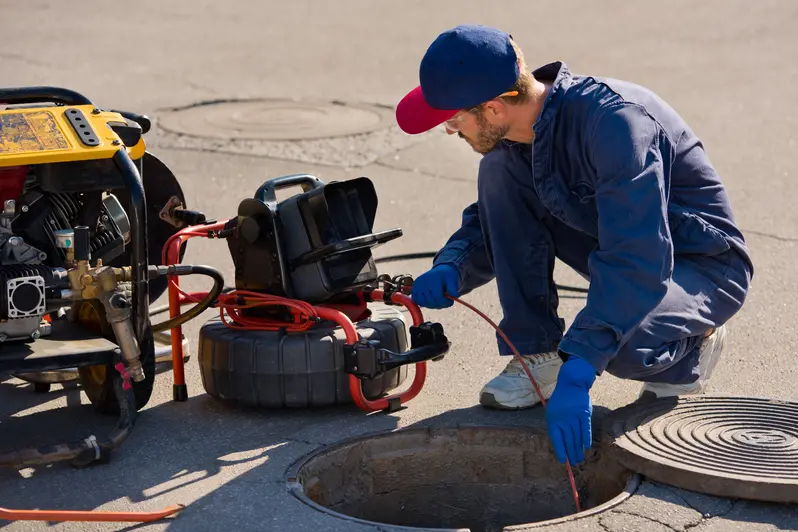
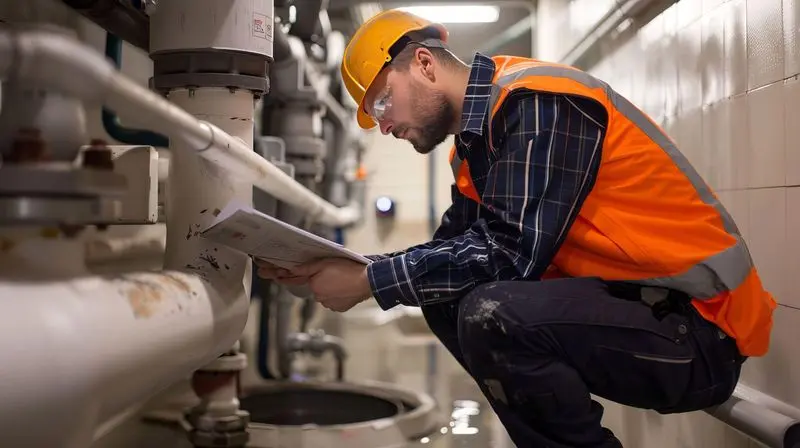
Plumber Inspecting Drains: At a commercial building

When it comes to plumbing systems, proper venting is crucial to maintaining functionality and safety. Among the different types of vents in a drain-waste-vent (DWV) system, the yoke vent often raises questions. Below, we’ll explore what a yoke vent is in plumbing, its importance, its requirements, and how it integrates with the broader plumbing system.

What Is a Yoke Vent in Plumbing?

A yoke vent is a specialized vent pipe used in multi-story buildings to maintain proper air pressure within a DWV system plumbing. Its primary function is to connect a lower-level vent stack to an upper-level vent stack, bypassing the drain lines in between. This setup helps balance the pressure within the system and prevents issues like siphoning water out of traps or impeding wastewater flow.

Without a properly functioning yoke vent, the pressure variations in tall buildings could lead to unpleasant odors, slow drainage, or even system failure. Understanding its role is essential for anyone designing or maintaining multi-story plumbing systems.

Why Yoke Vents Are Important

Man smelling something bad

Plumbing systems rely on a delicate balance of air pressure to ensure smooth operation. When wastewater moves through the drain pipes, it can create negative or positive pressure. Without proper venting, this pressure can cause several problems, such as:

  • Siphoning of Traps: The negative pressure can pull water out of traps, which are essential for preventing sewer gases from entering your home or building.
  • Slow Drainage: Positive pressure can create airlocks, slowing down the flow of wastewater.
  • Odor Issues: Insufficient venting can allow unpleasant smells to escape from the plumbing system.

The yoke vent acts as a stabilizer, equalizing the pressure throughout the DWV system and ensuring optimal performance.

Yoke Vent Requirements

Understanding yoke vent requirements is critical for proper installation. Building codes, like the International Plumbing Code (IPC) or Uniform Plumbing Code (UPC), provide detailed guidelines for vent placement, size, and slope. Here are some general requirements to keep in mind:

  • Size and Slope: The diameter of the yoke vent should match the vent stack it serves. It should also maintain a slope of at least 1/4 inch per foot to ensure any condensation drains back into the system.
  • Location: Yoke vents are typically installed every 10 stories in a high-rise building, depending on the design and local plumbing codes.
  • Materials: The material used for yoke vents should be durable and compatible with the rest of the plumbing system. Common materials include PVC, ABS, or cast iron.
  • Accessibility: The vent should be accessible for inspection and maintenance to ensure long-term functionality.

Always consult local building codes and work with an expert plumbingprofessional to ensure compliance.

Yoke Vents in Action: The Role in a DWV System

The drain-waste-vent (DWV) system is the backbone of any plumbing infrastructure and is responsible for removing wastewater and venting sewer gases. The yoke vent plays a crucial role in maintaining the system’s efficiency. Here’s how it works:

  • Drainage: Wastewater flows through the drainpipes.
  • Ventilation: Vent stacks release sewer gases and balance air pressure.
  • Pressure Equalization: The yoke vent connects lower and upper vent stacks, preventing pressure imbalances that could disrupt the system.

By bridging the gap between different levels of vent stacks, the yoke vent ensures the entire plumbing system operates smoothly, no matter the building’s height.

Common Issues with Yoke Vents

While yoke vents are designed to be low-maintenance, they can encounter problems over time. Here are some common issues and their solutions:

  • Blockages: Debris or corrosion can block the vent, causing pressure imbalances. Regular inspections can help identify and resolve blockages early.
  • Improper Installation: Incorrect placement or sizing can lead to system inefficiencies. Hiring a licensed plumbing professional ensures proper installation.
  • Material Deterioration: Over time, materials may degrade, especially in older buildings. Upgrading to modern materials can improve performance and durability.

Why You Need Expert Plumbing Assistance

Smiling plumber at work

Installing or repairing a yoke vent requires a deep understanding of yoke vent plumbing and the overall DWV system plumbing. Improper installation can lead to costly repairs, system failures, and code violations. Partnering with an expert plumbingcompany like Christianson Air Conditioning & Plumbing ensures the job is done right the first time.

Contact Christianson Air Conditioning & Plumbing Today!

Ready to address your plumbing needs? Christianson Air Conditioning & Plumbing is your trusted partner for all plumbing solutions in Central Texas. Whether you need assistance with a yoke vent in plumbing, maintaining your drain-waste-vent system, or tackling any other plumbing challenges, our licensed experts are here to help.

Call us today or schedule an appointment online. Experience reliable, professional, and expert service that gets the job done right!

Understanding the Causes of Slab Leaks and How to Prevent Them

Home slab leak

Slab leaks are one of the most serious plumbing issues homeowners can face, as they occur underneath your home’s concrete slab foundation. Left unchecked, a slab leak can cause significant damage to your property, leading to costly repairs. Understanding the causes of slab leaks and how to prevent them is essential for maintaining the integrity of your home’s foundation and avoiding future headaches.

What Is a Slab Leak?

A slab leak occurs when a water pipe beneath your concrete slab foundation begins to leak. These leaks can be tricky to detect since the water is often trapped underneath the foundation, slowly seeping into the soil. Over time, the water pressure and moisture can erode the foundation, leading to structural damage.

Common Causes of Slab Leaks

There are several common causes of slab leaks that homeowners should be aware of.

  1. One of the most common causes of slab leaks is poor installation of pipes beneath the foundation. Substandard materials or improper fitting during the construction phase can create weaknesses in the plumbing system, which may not surface until years later.
  2. The metal pipes under your home can corrode due to chemical reactions between the metal and soil. This corrosion weakens the pipes, eventually leading to leaks. Older homes are particularly vulnerable to this issue since older plumbing systems often lack modern corrosion-resistant materials.
  3. The ground beneath your home is constantly moving due to weather conditions, moisture levels, and natural settling. When the soil expands and contracts, it can place undue pressure on the pipes beneath the slab, causing them to crack or break.
  4. Excessively high water pressure can cause stress on the pipes, leading to ruptures over time. This pressure might come from the municipal water supply or your own water system, and it can create tiny cracks that eventually develop into major slab leaks.
  5. As pipes age, they naturally degrade. Homes with older plumbing systems are at higher risk of experiencing slab leaks due to weakened or deteriorating pipes.

How to Find a Slab Leak

Detecting a slab leak early can save you from significant damage. Here are some signs to look out for:

  • Hot spots on your floor: If a hot water line is leaking, the warm water will heat the concrete, making certain areas of your floor feel warmer.
  • Water pooling or damp spots: Unexplained puddles or damp areas on your floor can be indicators of a water slab leak.
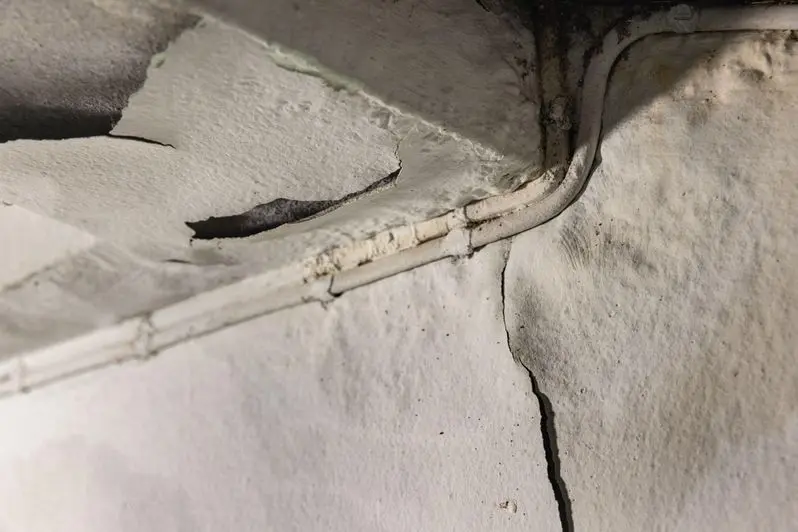
  • Mold or mildew: Excess moisture under your foundation can create a breeding ground for mold, especially in basements or crawl spaces.
  • Cracks in walls or floors: As water accumulates and the foundation weakens, you may notice cracks in your home’s walls or floors.

For effective slab leak detection, a professional plumber will often use specialized tools such as electronic listening devices or pressure sensors to accurately locate the leak.

How to Prevent Slab Leaks

While not all slab leaks can be avoided, there are several preventative measures homeowners

can take to reduce the risk.

Install a Water Pressure Regulator

Installing a water pressure regulator ensures that your home’s plumbing system is not subjected to excessive pressure. Keeping the pressure at safe levels helps prevent pipe failure over time.

Upgrade Aging Plumbing

If your home has an older plumbing system, consider replacing the pipes with more modern, corrosion-resistant materials such as copper or PEX. These materials are less likely to degrade over time, reducing the risk of future leaks.

Regular Plumbing Inspections

Scheduling regular inspections with a licensed plumber can help catch potential problems early. A professional plumber can check for signs of wear and tear, corrosion, and other issues that might lead to slab leaks in the future.

Monitor Water Bills

Keeping a close eye on your water bills can also alert you to hidden leaks. An unexplained increase in water usage may indicate that a leak has formed somewhere in your system, possibly beneath the foundation.

Ensure Proper Drainage Around Your Home

Water pooling around your foundation can accelerate the deterioration of the pipes beneath your home. Make sure your home’s drainage system is functioning properly, and take steps to direct water away from the foundation.

How to Fix a Slab Leak

Plumber meeting with the client

If a slab leak is detected, it’s critical to address the issue as soon as possible. Since slab leaks can cause extensive damage to your home’s foundation, attempting a DIY fix can be risky and lead to more costly repairs down the road.

Consulting a professional plumber is the safest and most effective way to handle a slab leak. A licensed plumber will have the expertise, tools, and experience to accurately diagnose the problem and determine the best course of action, whether it involves rerouting pipes, relining them, or replacing damaged sections. Professionals can also ensure that the repair is done correctly, minimizing further damage and ensuring the long-term safety of your home.

Contact a Professional Today

Don’t let a slab leak compromise your home’s foundation or cause unnecessary stress. If you suspect a slab leak or need slab leak detection and repairs, contact Christianson Air Conditioning & Plumbing. Our team of licensed professionals is ready to provide expert solutions to safeguard your home. Reach out today for reliable, timely service and peace of mind.

Everything You Need to Know About Backwater Valves

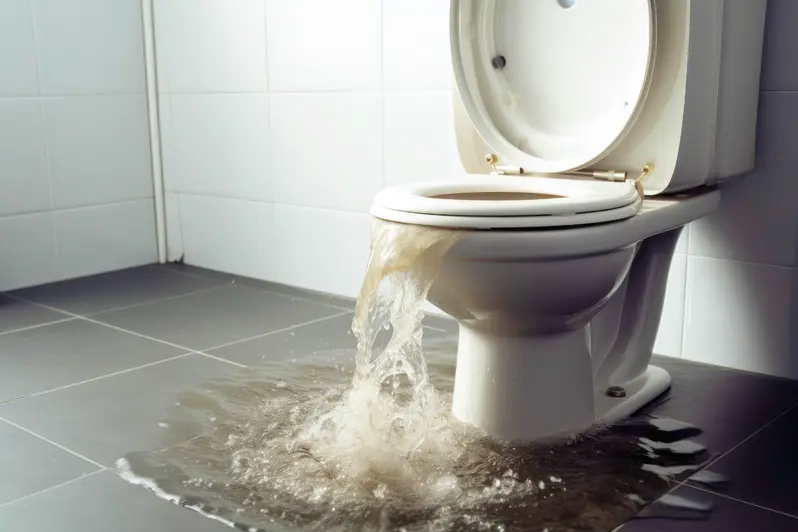
Toilet overflowing with sewage do to broken backwater valve

Are you a homeowner wanting to safeguard your property from the disastrous impact of sewer backups? Or are you a homebuyer seeking to understand the plumbing aspects of your potential new home? No matter your situation, it’s crucial to understand one key element of a home’s plumbing system—the backwater valve.

A backwater valve, also known as a sewer backwater valve, is an essential part of your home’s plumbing system. This device plays a critical role in preventing sewage backups, safeguarding your home from the costly and messy effects of such incidents. Let’s take a closer look at this often-overlooked but incredibly vital component of a home’s plumbing system.

What Is a Backwater Valve?

A backwater valve is a device installed into the sewer line of a home. Its primary function is to allow wastewater to exit the home while preventing any sewage from re-entering. The valve is equipped with a small flap that opens to let out wastewater and closes automatically if sewage attempts to flow back into the home.

Keep in mind that while the term “backwater valve” is the technical term used in the plumbing industry, homeowners might also hear it referred to as a “backflow prevention device” or a “sewer backup valve.” Regardless of the term used, the device serves the same vital purpose—to keep sewage in its rightful place, which is outside your home.

The Importance of Backwater Valves

During severe weather conditions or municipal sewer line issues, sewage can often backflow into your home. This unsanitary situation is not just unpleasant but can also cause significant property damage and potential health risks. Having a sewer backwater valve installed can provide an effective solution to this problem, as it ensures sewage flows in only one direction—away from your home.

Adding to the importance of a backwater valve, it’s essential to recognize that sewage backups aren’t only a nuisance, but they can also create a severe financial burden. Homeowner’s insurance often doesn’t cover damage caused by sewage backups, leaving the homeowner to pay for cleanup, repair, and replacement costs. Furthermore, a home filled with sewage is not just damaging to your property, but also to your emotional well-being. The last thing any homeowner wants is to deal with the mess, odor, and inconvenience brought about by a sewage backup.

Backwater Valve Installation

Plumber inspecting a backwater valve in the sewer line

Backwater valve installation is not a DIY task—it requires the expertise of a licensed plumbing professional. It involves excavating around your home’s main sewer line, cutting the pipe, and fitting in the valve. Professional installation ensures that the valve functions correctly, offering you peace of mind and protecting your home from potential sewage disasters.

Christianson Air Conditioning & Plumbing, a licensed plumbing company serving Central Texas, is your trusted partner for backwater valve installations. Our team of professionals has the experience and training to carry out this critical task efficiently and effectively.

Backwater Valve Maintenance

Like any other part of your plumbing system, backwater valves require regular maintenance to ensure their optimal function. A poorly maintained valve can lead to a false sense of security and potentially disastrous results.

Maintenance of your backwater valve ensures that you catch any minor issues before they turn into major problems. It’s not uncommon for the flap in the valve to get stuck due to the accumulation of debris or for the seals to wear out over time. If these issues are not detected and rectified in time, the valve might fail to close when needed, resulting in a backflow of sewage into your home. To avoid this, have your backwater valve inspected and maintained by a professional plumbing service at least once a year.

Plumber from Christianson Air Conditioning and Plumbing working with a satisfied client

During maintenance checks, professionals can identify any damage caused by tree roots or shifting soil, common issues that homeowners might not notice until it’s too late. Regular inspections will allow for any necessary repairs or replacements to be carried out promptly, ensuring that your backwater valve is always in top condition to protect your home.

Have Your Backwater Valve Installed or Fixed Today

Are you unsure if your home has a backwater valve or concerned about its maintenance? Don’t hesitate to contact Christianson Air Conditioning & Plumbing. We’re here to help you with all your plumbing needs, including backwater valve installations and maintenance. Keep your home safe and your mind at peace—call us today at (512) 246-5400.

Remember, when it comes to your home’s plumbing, prevention is better than cure. Invest in a sewer backwater valve today and secure the health and safety of your home tomorrow.