When it comes to water heating in the United States, the shift toward energy-efficient solutions is more prevalent than ever. With many homeowners and businesses looking to cut down on operation costs and reduce their carbon footprint, the question often arises: “How do I pick the right energy-efficient water heater for my needs?” As a leader in the field, Christianson Air Conditioning & Plumbing is dedicated to helping you navigate this choice, ensuring you get a system that is both efficient and tailored to your requirements.
Understanding Different Types of Water Heaters
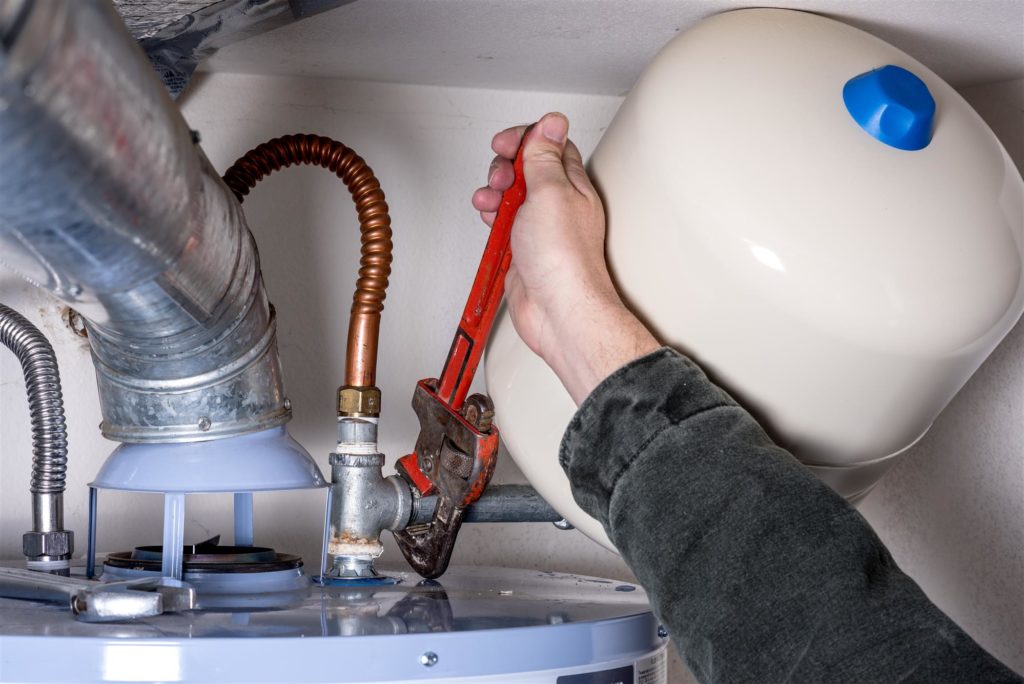
- Conventional Water Heaters: These are perhaps the most commonly recognized. Operating either on natural gas or electricity, they come with a storage tank that keeps a reservoir of hot water ready for use. Though newer models have improved their efficiency, they might not be the top choice when it comes to energy conservation. That said, for many homes, they remain a reliable and familiar option, especially when frequent hot water is a necessity.
- Heat Pump Water Heaters: Unlike conventional gas or electric water heaters, heat pump water heaters transfer heat from the air or ground to heat the water. They can use significantly less energy, which can reduce operation costs in the long run. It’s a technology that might seem unfamiliar to some, but its benefits in terms of energy savings are undeniable. A slightly higher initial cost can be quickly offset by long-term savings on your energy bills.
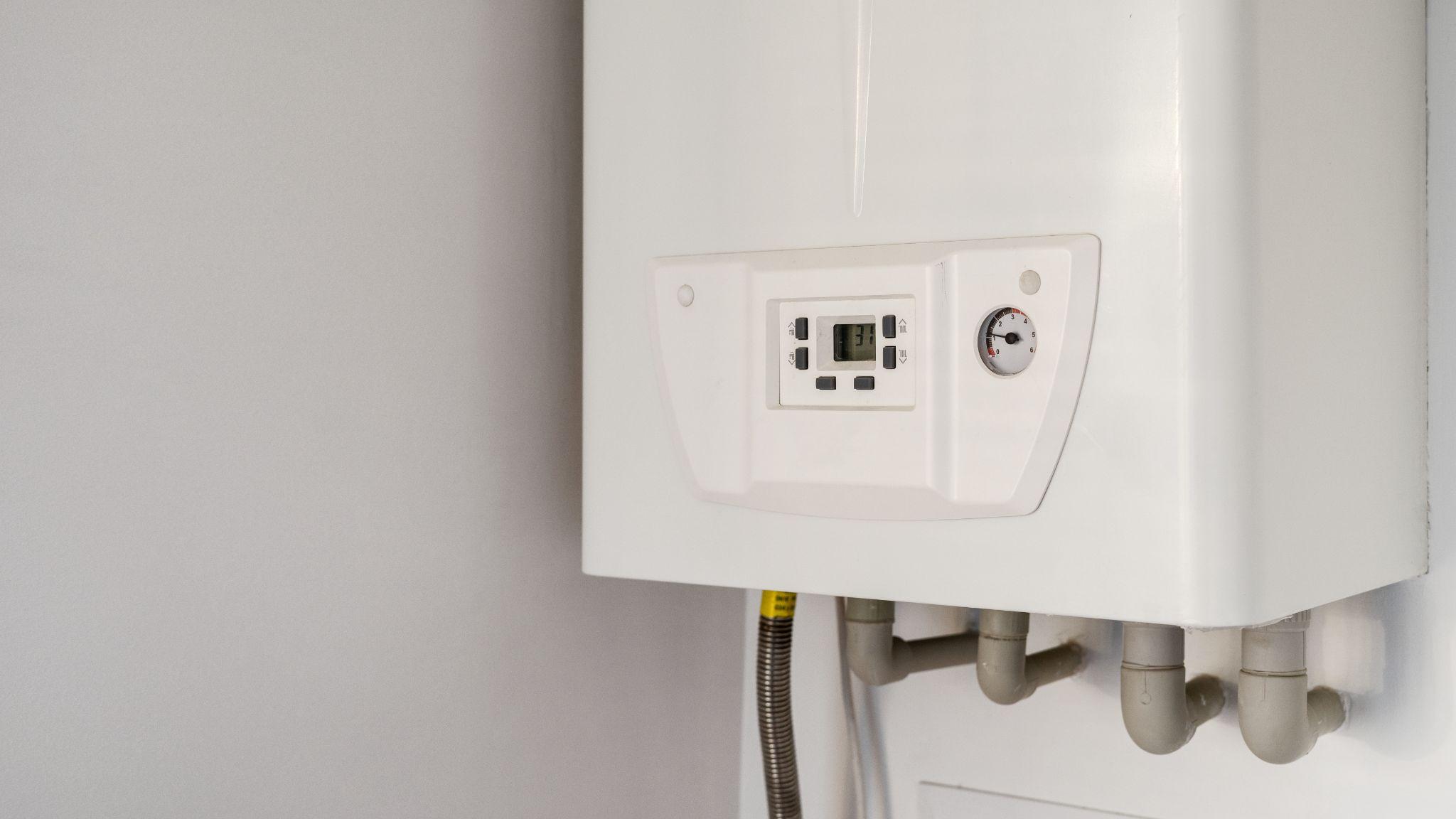
- Tankless Water Heaters: As the name suggests, these heaters do not come with a storage tank. Instead, they heat water on demand, ensuring that you only use energy when you need hot water. They’re available in both electric and natural gas variants, offering high efficiencies. For households with fluctuating hot water needs, these units can be particularly effective, as they avoid the standby energy losses associated with storage tanks.
Factors to Consider When Making a Choice
- Efficiency Labels: Always look for the ENERGY STAR label when shopping. This indicates that the product meets certain efficiency criteria set by the U.S. Environmental Protection Agency. This label not only assures you of the product’s quality but can be a key factor when looking for energy rebates or incentives.
- Energy Source: Electric water heaters are popular due to their ease of installation. However, in areas where natural gas is cheaper, a conventional gas or tankless gas water heater might be more cost-effective. The availability and cost of energy sources in your area can heavily influence which type of heater is most suitable for your needs.
- Operational Costs: Energy-efficient water heaters may come with a higher initial price tag but can often save money in the long run due to reduced energy consumption. When considering costs, it’s also beneficial to think about potential rebates or incentives offered for energy-efficient upgrades in your area.
- Space & Size: While conventional water heaters with storage tanks require ample space, tankless water heaters are more compact. Remember to consider the size of the water heater in relation to the demand for hot water in your home or establishment. It’s also worth noting that the location of installation can impact the heater’s efficiency, especially in colder regions.
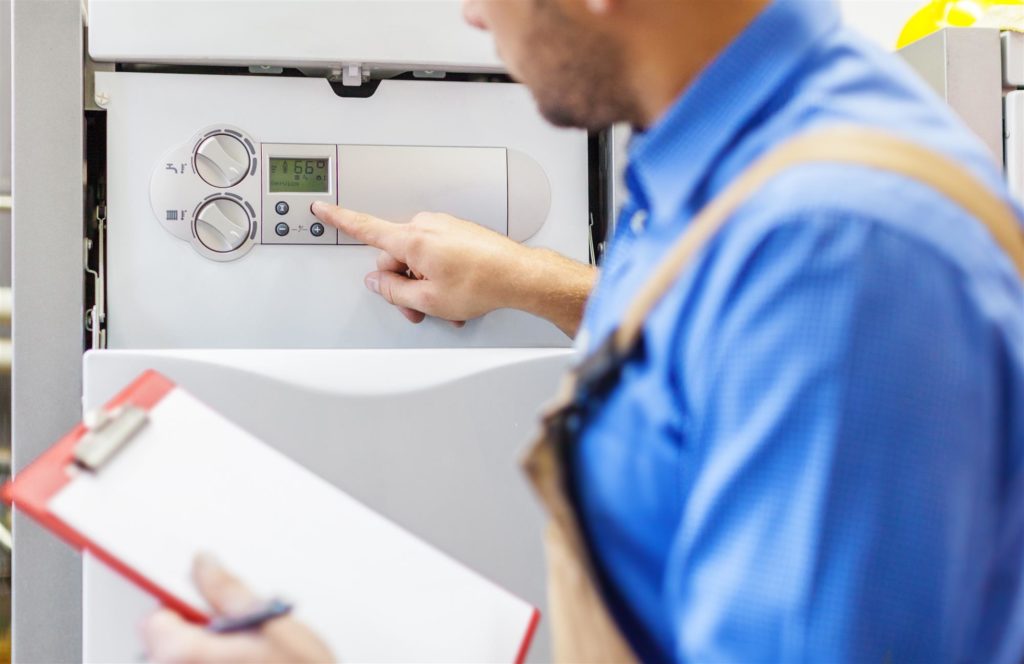
- Water Temperature: Some people might find that tankless water heaters don’t produce hot water at the same consistent temperature as their tank counterparts. If consistent water temperature is crucial for you, this is an aspect to consider. On the plus side, many modern units now come with adjustable thermostats to help you find your ideal temperature setting.
Making the Upgrade
If you’re considering a water heater upgrade, think about your long-term goals. Are you planning to stay in your home for many years? If so, investing in an energy-efficient model that might have a higher upfront cost but lower operation costs might be beneficial. Moreover, with advancements in technology, these energy-efficient models come with features that add convenience and improve the overall user experience.
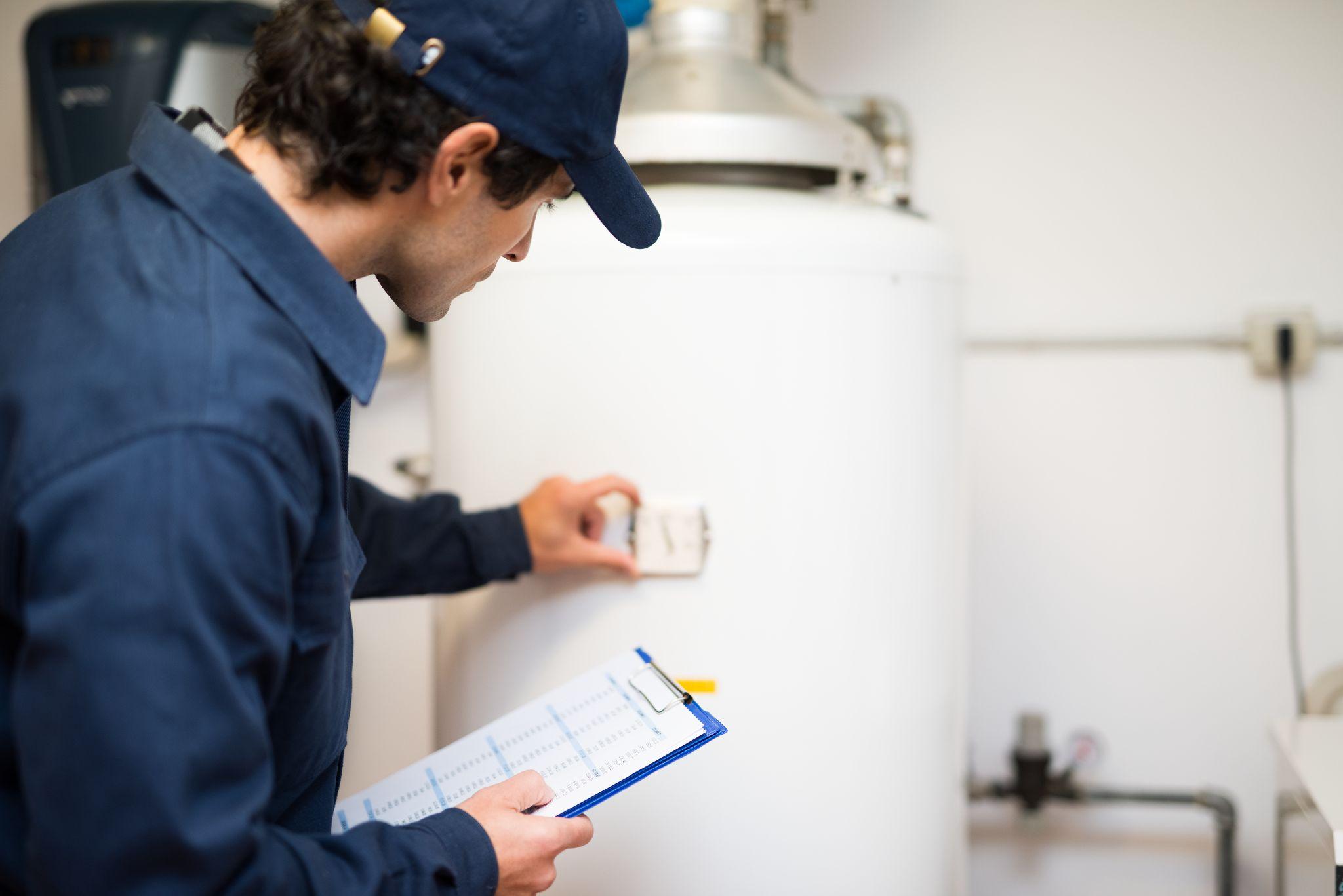
Remember, the United States has seen a rise in the adoption of energy-efficient appliances, and water heaters are no exception. The trend isn’t just about saving money but also about being environmentally responsible. Joining this wave of change not only ensures savings but also contributes positively to the broader effort of environmental conservation.
The world of water heaters is vast and constantly evolving, but with the right knowledge, you can make a choice that benefits both your wallet and the planet.
Elevate Your Home’s Efficiency: Connect with Experts Today!
Christianson Air Conditioning & Plumbing is committed to serving Central Texas with top-notch solutions. When you think of making an upgrade, remember to consult professionals who understand the intricacies of water heating and can guide you toward an informed decision. Our team of experts is always ready to assist and provide recommendations tailored to your unique needs. Visit our website today to explore our wide range of services.