How to Get Hot Water Faster

How to Get Hot Water Faster

Slow hot water can throw off your morning, drag out evening routines, and increase water waste. If the wait at your faucets feels longer than it should, there are several ways to improve delivery speed and make your system more efficient. With the right upgrades and maintenance steps, you can reduce delays and enjoy more consistent comfort throughout your home.

How System Design Affects Delivery Time

Your plumbing layout influences how quickly hot water reaches each fixture. Long pipe runs need extra time to push out cooled water. Older water heaters recover slowly after heavy use. Uninsulated pipes lose heat before the water reaches a faucet. These issues create delays that many households notice most during mornings or colder weather.

Seasonal temperature shifts can make the issue worse. Insulating exposed lines helps reduce heat loss and supports stable performance when winter temperatures drop.

Performance of Your Water Heater

The age and size of your heater influence both speed and consistency. If hot water runs out fast, the tank might be too small or nearing replacement. Modern units offer faster recovery, better temperature control, and improved efficiency.

Christianson Air Conditioning & Plumbing provides reliable hot water heater installation, including guidance on proper sizing. Homeowners interested in increased efficiency can also explore tankless hot water heater installation, which supports strong performance during back-to-back use.

Solutions That Improve Hot Water Delivery
How to get hot water faster from water heater

These steps address common problems that affect how to get hot water faster from water heater systems and support better performance year-round.

Considering Tankless Options

Tankless models heat water only when you open a tap. This prevents the long recovery cycle found in older tanks. Tankless systems work well in homes with high demand or extended plumbing routes and support consistent temperature during peak use.

Improving Heat Retention With Pipe Insulation

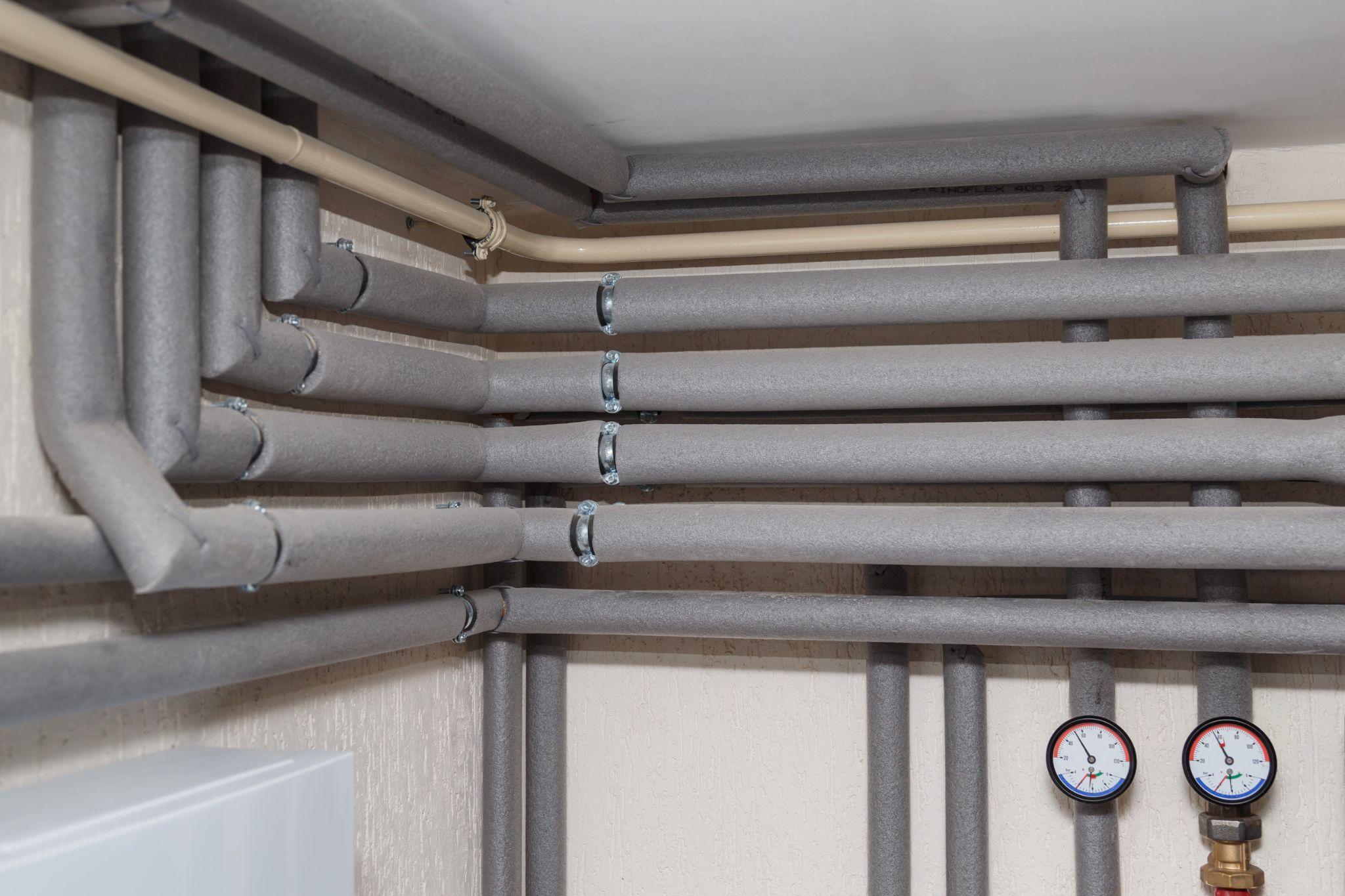
Insulating water lines helps prevent heat loss as water moves through the system. This can shorten the wait at distant fixtures and support dependable delivery during colder seasons. It is an affordable upgrade that provides noticeable improvement.

Recirculating Systems for Faster Delivery

A hot water recirculating system keeps warm water moving through the pipes so it reaches your fixtures with minimal delay. This option works well in larger homes or any layout with long plumbing runs. It also reduces water waste because you no longer need to run the faucet while waiting for the temperature to rise.

Managing Seasonal Slowdowns

Cold weather cools water inside uninsulated lines. Many people search for guidance on how to get warm water during winter when delivery slowdowns become more noticeable. Insulation, routine maintenance, and water heater inspections help maintain stable performance throughout the season.

Plumbing Repairs and Installation Support
Plumbing service in Texas

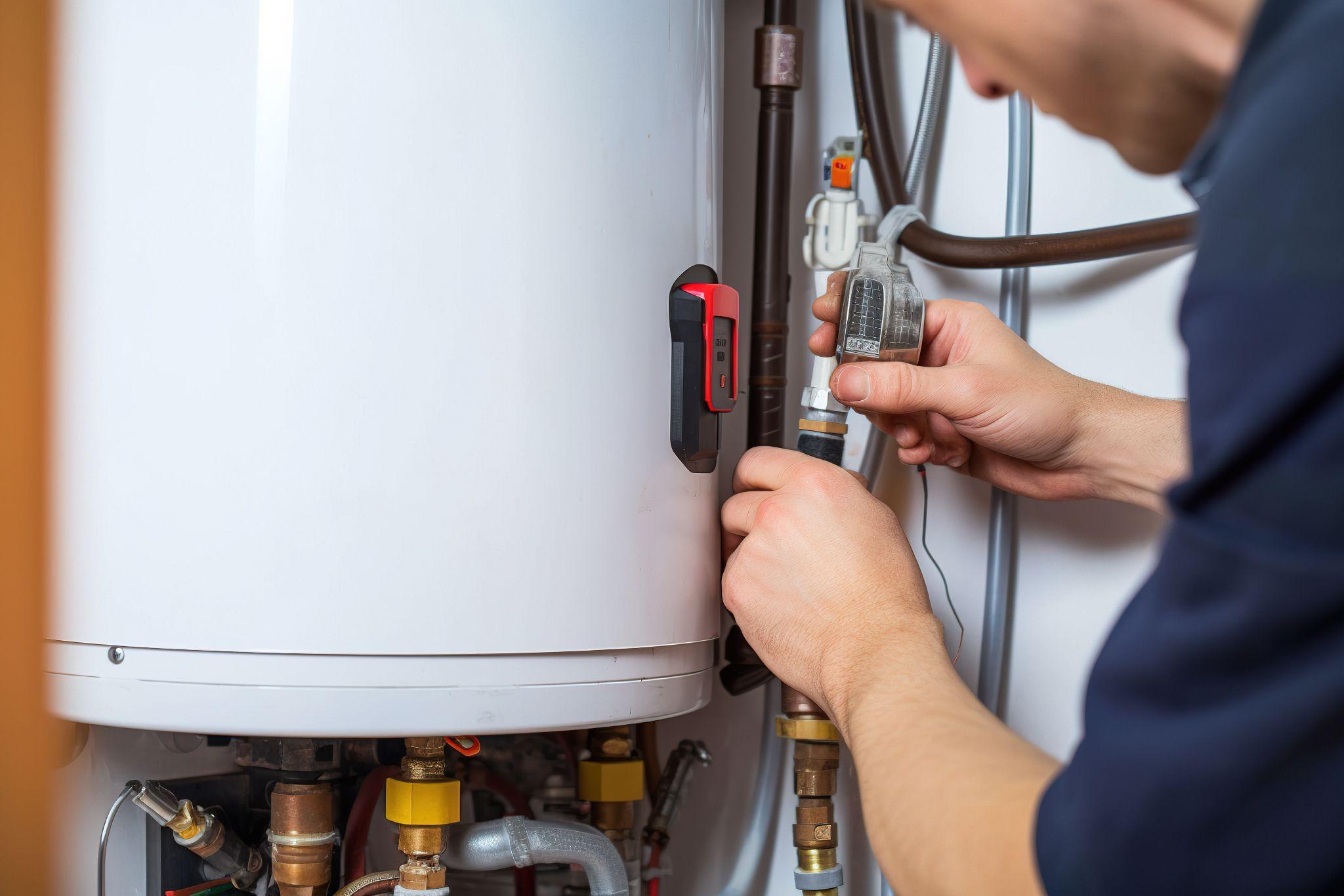
Slow delivery can point to worn valves, sediment buildup, or failing components. Christianson Air Conditioning & Plumbing offers complete plumbing service in Texas, including water heater maintenance, repairs, and upgrades.

When sudden problems disrupt your home, you can reach out for help from an emergency plumber who can address urgent leaks or failures. Reliable emergency plumbing services restore function and protect your home during unexpected issues.

For system replacements or new construction, the team also handles installing hot water heaters with careful attention to safety and proper setup.

FAQs

How can I get hot water faster?

Shorter pipe runs, insulated lines, modern heaters, and recirculating systems can reduce wait times. A professional inspection helps determine which improvement fits your home.

Why does hot water take longer to reach certain faucets?

Fixtures located farther from the heater require more time to clear cooled water from long pipe runs. Layout length is one of the most common causes of delayed delivery.

Why does my shower temperature change during use?

Sediment buildup, worn valves, and aging heaters can cause fluctuations. Regular service and tank maintenance help stabilize temperature.

Is a tankless system a good option for improving delivery speed?

Tankless systems heat water on demand and avoid recovery delays. They work well in homes with higher usage or extended plumbing routes.

Christianson Air Conditioning & Plumbing Helps You Enjoy Faster, More Reliable Hot Water
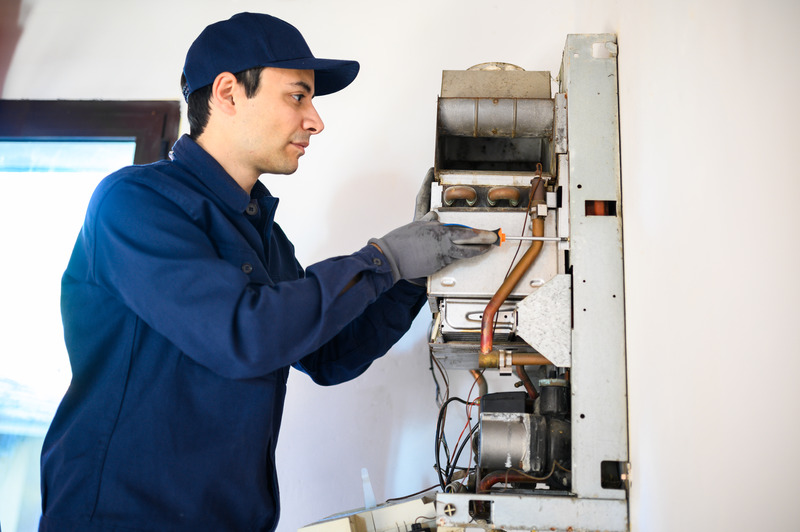
Plumber from Christianson Air Conditioning and Plumbing fixing a water heater

If your home needs improved performance or updated equipment, Christianson Air Conditioning & Plumbing is ready to help. The team evaluates your plumbing layout, heater condition, and daily usage to recommend the right solution. From recirculating systems to full installations and emergency repairs, you receive dependable service designed for long-term comfort.

Contact Christianson Air Conditioning & Plumbing today to schedule an appointmentand enjoy faster, reliable hot water throughout your home.

The Best Smart Thermostats of 2025: Which One Saves the Most Money?

Woman adjusting her smart thermostat at home

In Central Texas, where summers are hot and winters can surprise you, staying comfortable without wasting energy is a big deal. That’s why more homeowners are turning to smart thermostats for home use. These devices aren’t just about convenience—they’re all about energy savings, better energy efficiency, and long-term cost reduction.

Below, we’ll explore these common questions: What is a smart thermostat? How much does a smart thermostat cost? And which one actually saves the most money?

What Is a Smart Thermostat?

A smart thermostat connects to your home Wi-Fi and can be controlled via smartphone, voice assistant, or computer. More importantly, smart thermostats offer intelligent features like learning your habits, sensing when you’re home or away, and adjusting your settings for maximum comfort and efficiency.

Unlike basic programmable models, smart thermostats adapt in real time. Over the course of a week, they might learn when you leave for work, when you return, and how warm or cool you like your bedroom at night. These insights translate into reduced energy use and lower utility bills—without sacrificing comfort.

How Much Does a Smart Thermostat Cost?

Smart thermostat being controlle dby a smart phone app

Smart thermostat prices can vary widely based on the brand, features, and technology. Here’s a general breakdown of what you might expect:

  • Basic models typically start around $100
  • Mid-range options often fall between $200 and $300
  • Premium versions can run $300 or more

Keep in mind, the overall cost isn’t just about the device itself. Smart thermostat installation by a licensed HVAC technician can add anywhere from $100 to $250, depending on the system’s complexity. While some models support DIY installation, having it professionally installed helps ensure proper wiring, compatibility with your HVAC system, and optimal long-term performance.

How Smart Thermostats Help Save Money

The goal of a smart thermostat is simple: reduced energy waste. These devices accomplish that by:

  • Auto-adjusting temperatures when you’re asleep or away
  • Using geofencing to detect when no one’s home
  • Offering scheduling that’s easy to set and even easier to automate
  • Learning your preferred comfort settings over time
  • Providing smart thermostat output data so you can see when and where energy is used

When installed correctly and used effectively, smart thermostats can lower heating and cooling bills significantly—especially here in Central Texas, where AC usage runs high most of the year.

Smart Thermostat Comparison: Best Models for 2025

Ecobee smart thermostat on wall

Let’s look at some of the top-rated smart thermostat models for 2025 that stand out for performance, reliability, and cost savings.

1. Google Nest Learning Thermostat

Nest is still a leader for good reason. It learns your habits, adjusts automatically, and can alert you when something’s off with your HVAC system. With professional installation, Nest systems deliver significant energy savings, and the elegant design fits almost any home.

2. ecobee Smart Thermostat Premium

If comfort control in multiple rooms is important, ecobee delivers. It includes sensors that monitor temperature and occupancy, so it doesn’t just heat or cool based on the main unit’s location. With Alexa built in and support for HomeKit and Google Assistant, ecobee is a top choice for smart-home lovers.

3. Honeywell Home T10 Pro Smart Thermostat

Designed for zoning and multiple sensor inputs, the T10 Pro is ideal for larger homes. Its compatibility with various systems and strong scheduling features make it one of the best for energy efficiency—especially when professionally installed by an HVAC expert.

4. Emerson Sensi Touch

If you’re looking for value, this model covers all the essentials without the premium price tag. It doesn’t offer learning algorithms, but it includes app control, scheduling, and basic smart-home integration. This is a great choice for first-time smart thermostat buyers.

5. Johnson Controls GLAS

This thermostat is all about looks and indoor air quality. With a translucent OLED display and sensors that measure CO₂ and VOCs, GLAS offers both comfort and wellness tracking. It’s also compatible with major voice assistants, though its futuristic appearance may not be for everyone.

Choosing the Right Smart Thermostat for Your Home

Happy family using their smart thermostat

Selecting the right thermostat depends on your home’s HVAC setup, your smart-home needs, and your energy goals.

  • Want something that learns and automates everything? Choose the Nest.
  • Need comfort control across multiple rooms? Go with ecobee.
  • Prefer strong zoning support for large homes? Honeywell’s T10 is your pick.
  • On a budget but want core features? Emerson Sensi Touch delivers.
  • Want air quality data and a futuristic look? Try the GLAS.

All of these models provide solid energy savings when installed correctly—and that’s where the expertise of Christianson Air Conditioning & Plumbing comes in.

Why Professional Installation Matters

Smart thermostats are only as effective as their setup. Many require a C-wire for continuous power, precise wiring, and integration with humidifiers, dehumidifiers, or multi-stage HVAC systems.

When you opt for professional installation, you ensure:

  • Your system is compatible and installed safely
  • Your thermostat is configured for optimal energy efficiency
  • You avoid common DIY pitfalls like short cycling or improper thermostat placement
  • You may qualify for energy rebates or utility credits

Our technicians at Christianson Air Conditioning & Plumbing know Central Texas homes and HVAC systems inside and out. We’ll make sure your smart thermostat performs at its best from day one.

Ready to Upgrade?

Professional HVAC technician at work

At Christianson Air Conditioning & Plumbing, we help Central Texas homeowners choose and install the best smart thermostats for homeuse—tailored to your needs, HVAC system, and budget. Whether you’re interested in voice control, energy usage tracking, or simply reducing your electric bill, we’re here to help every step of the way.

Let’s upgrade your comfort, cut your energy costs, and bring your home into the future—one smart thermostat at a time.

FAQs

1.   Do smart thermostats save money?

Yes. According to ENERGY STAR, Homes using ENERGY STAR-certified smart thermostats can typically save around $50 annually, while households with higher heating and cooling expenses may see savings of up to $100 each year.1

2.   Can I install one myself?

DIY is possible, but smart thermostat installation is best handled by a professional to ensure compatibility and avoid system issues.

3.   Will it work with my HVAC system?

Most do, but older systems may need adapter kits. We’ll confirm compatibility and handle full setup.

4.   How do I measure savings?

Check your thermostat’s energy reports and compare monthly bills to monitor energy efficiency improvements.

SOURCES:

  1. ENERGY STAR. Smart Thermostats.

How to Choose the Best HVAC System for Texas Homes

As HVAC technology evolves and energy efficiency becomes a top priority, homeowners across Texas are rethinking how they heat and cool their homes. The climate in Texas presents unique challenges, making it essential to choose a system that delivers reliable performance while keeping energy costs under control.

At Christianson Air Conditioning & Plumbing, we have provided trusted heating and cooling services in Central Texas for over 70 years. Our licensed professionals help homeowners make smart, informed decisions when selecting HVAC systems.

Key Takeaways

  • Texas homeowners need HVAC systems that offer reliable cooling, energy efficiency, and humidity control.
  • Proper sizing, high SEER ratings, and zoning options are key features to look for when choosing a system.
  • There are several types of HVAC systems available, including heat pumps, central air conditioning, ductless units, and hybrid options.
  • Professional installation and regular maintenance are critical to achieving long-term performance.

How Texas Climate Affects HVAC Needs

Texas homes experience hot summers, fluctuating humidity, and occasional cold spells during the winter. This variety makes HVAC system selection more complex than in states with a more moderate climate.

To stay comfortable and reduce utility bills, homeowners need heating and cooling systems that perform well in extreme conditions. Efficiency, moisture control, and adaptability are essential when selecting an HVAC system for Texas homes.

What’s the Best HVAC System for Homes?

There are several types of HVAC systems that work well in different parts of Texas. Choosing the right one depends on your home’s layout, local climate, and energy efficiency goals.

Central Air Conditioning and Furnace

This traditional setup is common in Texas homes with ductwork. The furnace provides heating in cooler months, while the central air conditioning unit handles summer cooling.

  • Best suited for homes that already have duct systems
  • Offers consistent temperature control throughout the home
  • May have higher energy usage if the system is not sized correctly

Heat Pumps

Heat pumps are energy-efficient systems that provide both heating and cooling using electricity. These systems are effective in areas with mild to moderate winters.

  • Ideal for Central and South Texas
  • Use less energy than traditional furnaces
  • May need backup heating in colder climates

Ductless Mini-Split Systems

Ductless HVAC units are ideal for homes without existing ductwork or for homeowners who want to zone specific areas.

  • Useful for additions, renovated spaces, or room-by-room control
  • Provide excellent energy efficiency
  • Typically have a higher upfront cost per unit

Hybrid Systems

A hybrid system combines a heat pump with a traditional furnace. The system switches between heat sources based on outdoor temperatures to maximize efficiency.

  • Good for areas with variable winter temperatures
  • Helps reduce energy use while maintaining indoor comfort
  • Requires professional installation and system monitoring

What to Consider When Choosing the Right HVAC System for Your Home

When looking for the best HVAC system for Texas, it is important to evaluate several technical and comfort-related factors.

SEER Ratings and Energy Efficiency

The SEER (Seasonal Energy Efficiency Ratio) rating indicates how efficiently an air conditioner or heat pump operates. Higher SEER ratings usually mean lower energy bills. Many of the best AC units for Texas homes have SEER ratings of 16 or higher.

Proper System Sizing

HVAC systems should be matched to your home’s size and layout. Oversized systems will short cycle, leading to increased wear and energy waste. Undersized systems will struggle to keep up during peak conditions. Our team performs professional load calculations to ensure accurate sizing.

Humidity Management

Humidity levels in Texas can make homes feel uncomfortable even when temperatures are moderate. A high-performing HVAC system should help regulate moisture levels as well as temperature.

Indoor Air Quality

Some of the top-rated home HVAC units now include air filtration, UV light purification, and allergen reduction. These features are especially helpful in homes with pets, allergy concerns, or occupants with respiratory sensitivities.

Smart Controls and Zoning

Zoned HVAC systems allow homeowners to control temperatures in specific areas, which can improve comfort and reduce energy waste. Smart thermostats can also monitor system performance and allow remote adjustments.

The Importance of Professional Installation and Maintenance

Installing a new HVAC system is a significant investment. A professionally installed system will operate efficiently and last longer. At Christianson Air Conditioning & Plumbing, our certified technicians follow manufacturer guidelines and building codes to ensure every installation is done right.

We also offer routine maintenance plans that help keep systems running efficiently. Regular inspections can catch minor issues before they become major problems and extend the lifespan of your equipment.

Ready to Upgrade Your HVAC System?

Christianson Air Conditioning & Plumbing is your source for Texas’s best heating and air services. Contact us today to speak with one of our HVAC specialists and schedule a home evaluation. We’ll help you find the best HVACsystem for your Texas home.

Schedule your appointment online to get started.

2025’s Best Practices for Commercial HVAC Maintenance

Modern commercial building rooftop with hvac units

Modern commercial building rooftop with hvac units

Maintaining a commercial HVAC system is essential for ensuring energy efficiency, reducing operational costs, and extending the lifespan of HVAC equipment. As we navigate through 2025, advancements in HVAC technology and maintenance strategies are making it easier for business owners and facility managers to optimize their systems.

Whether you manage office buildings, retail spaces, or industrial facilities, adopting a proactive approach to commercial HVAC maintenance can improve comfort, reliability, and performance.

Key Takeaways

  • A planned commercial HVAC maintenance program prevents costly repairs and extends equipment lifespan with regular inspections and tune-ups.
  • Enhancing commercial HVAC energy efficiency lowers costs—upgrade systems, clean coils, and use smart thermostats for better performance.
  • Preventative maintenance ensures longevity—inspect ductwork, calibrate thermostats, and replace air filters regularly.
  • Selecting the right HVAC system depends on building size, climate, and energy efficiency
  • Working with a trusted HVAC service provider ensures expert care, regulatory compliance, and a tailored maintenance plan.

Implement a Planned Commercial HVAC Maintenance Program

Hvac professional installing a commercial ac duct system

A commercial HVAC maintenance plan is crucial for preventing unexpected breakdowns and costly repairs. Rather than waiting for HVAC equipment to fail, businesses should invest in planned commercial HVAC maintenance, which includes regular inspections, filter replacements, and seasonal tune-ups.

A well-maintained HVAC system not only operates more efficiently but also reduces long-term repair expenses.

To optimize your maintenance program:

  • Schedule routine commercial HVAC inspections to detect minor issues before they escalate.
  • Establish a seasonal maintenance schedule based on your type of HVAC system and climate conditions.
  • Partner with a licensed commercial HVAC service provider to ensure proper maintenance is performed.

Focus on Energy Efficiency to Lower Costs

Energy costs can be a significant expense for commercial buildings, but energy-efficient commercial HVAC solutions can help businesses save money. By improving commercial HVAC energy efficiency, companies can reduce their carbon footprint and lower monthly utility bills.

To enhance your system’s efficiency:

  • Upgrade to high-efficiency commercial HVAC systems that use smart technology for better control and monitoring.
  • Ensure commercial AC unit maintenance includes coil cleaning and refrigerant level checks to maximize efficiency.
  • Invest in programmable thermostats and building automation systems to optimize temperature settings.
  • Regularly replace air filters to maintain proper airflow and prevent strain on the system.

Prepare for Rising Refrigerant Costs and Phase-Out Regulations

With new environmental regulations taking effect, businesses should be aware of upcoming changes to refrigerants used in commercial HVAC systems.

According to an article by JOBBER, as of January 1, 2025, R-410A refrigerant will be phased out in favor of R-32 and R-454B due to environmental concerns. This transition is part of the AIM Act (U.S.) and ODSHAR (Canada), which aim to reduce hydrofluorocarbon (HFC) production by 85% by 2036.1

As a result, the cost of new HVAC equipment is expected to increase by 10-15%, and repairs for older systems using R-410A will become more expensive due to limited refrigerant availability.1

To stay ahead of these changes:

  • If you’re planning an HVAC upgrade, consider systems that already use next-generation refrigerants.
  • Schedule a commercial HVAC inspection to assess whether your system is affected by the R-410A phase-out.
  • Work with an HVAC professional to explore cost-effective transition strategies and energy-efficient

Prioritize Preventative Maintenance and Regular Inspections

Preventative maintenance on a commerical hvac unit

Routine HVAC maintenance is essential for extending the lifespan of your commercial HVAC system and minimizing costly downtime. Preventative maintenance includes tasks like inspecting ductwork, checking electrical connections, and ensuring components are functioning correctly.

Key HVAC system maintenance tips for preventative care:

  • Inspect and clean air ducts to maintain indoor air quality and efficiency.
  • Lubricate moving parts to reduce wear and tear on motors and fans.
  • Test and calibrate thermostats for accurate temperature control.
  • Ensure condensate drains are clear to prevent water damage and mold growth.

By scheduling regular commercial HVAC inspections, you can catch potential problems early and keep your system running smoothly.

Choose the Right HVAC System for Your Building

Selecting the appropriate type of HVAC system for your commercial building is essential for achieving optimal performance. Different buildings require different solutions, whether it’s a rooftop unit, split system, or a centralized chiller system.

Consider these factors when selecting or upgrading an HVAC system:

  • Building size and occupancy levels.
  • Heating and cooling demands based on the local climate.
  • Energy efficiency ratings and available rebates for high-efficiency systems.
  • Compatibility with smart HVAC technology and automation controls.

A commercial HVAC system maintenance plan should also account for the specific needs of your system to ensure longevity and efficiency.

Work with a Trusted Commercial HVAC Service Provider

Air conditioning professional conducting tests on a commerical hvac unit

A professional HVAC repairand maintenance provider can ensure your system operates at peak efficiency. Partnering with a licensed and experienced team for commercial HVAC system maintenance means your system receives expert care, reducing the risk of emergency breakdowns.

Benefits of hiring a professional HVAC service provider:

  • Access to expert diagnostics and advanced maintenance techniques.
  • Compliance with local building codes and safety regulations.
  • Customized maintenance plans tailored to your business needs.

Schedule Your Commercial HVAC Maintenance Today

Don’t wait for costly breakdowns to disrupt your business operations. A well-maintained HVAC system ensures energy efficiency, reliability, and long-term savings. At Christianson Air Conditioning & Plumbing, we provide expert commercial HVAC maintenance, inspections, and repairs to keep your system running at peak performance.

Contact us today to schedule a commercial HVAC inspection or set up a customized commercial HVAC maintenance plan tailored to your business needs.

The Ultimate Guide to Controlling Bathroom Humidity

Steaming shower

Bathroom humidity can lead to several issues, from mold growth to structural damage, and can even impact your health. If you’ve ever asked, “Why is my bathroom so humid?” you’re not alone. Many homeowners struggle to manage bathroom moisture, especially in Central Texas, where weather conditions can add to the challenge.

Below we will explore how to reduce humidity in your bathroom effectively and maintain a healthy, comfortable space.

Why Is My Bathroom So Humid?

Bathrooms are naturally humid spaces due to hot showers, baths, and sinks. The combination of warm water and steam creates the perfect environment for excess moisture. However, certain factors can worsen bathroom humidity, including:

  • Poor ventilation
  • Inadequate moisture control features
  • Sealing issues that trap humidity in the room

Why Bathroom Humidity Control Is Important

Controlling bathroom humidity isn’t just about comfort—it’s a matter of safety and longevity for your home. Here’s why bathroom moisture control is critical.

Prevent Mold and Mildew Growth

High humidity levels promote mold and mildew, which can damage your bathroom surfaces and pose health risks.

Protect Walls and Fixtures

Persistent moisture can deteriorate paint, drywall, grout, and even metal fixtures, leading to costly repairs.

Improve Air Quality

Excessive humidity can lower indoor air quality, potentially causing respiratory issues for your family.

How to Get Rid of Moisture in Your Bathroom

White electric bathroom exhaust fan

The good news is that controlling bathroom humidity doesn’t have to be complicated. Here are practical solutions to reduce humidity in your bathroom:

Install a Bathroom Ventilation Fan

A properly sized and maintained exhaust fan is one of the most effective ways to combat humidity in the bathroom. Make sure your fan is powerful enough to handle the size of your space and runs during and after showers.

Open Windows and Doors

If your bathroom has windows, open them during and after using the shower. This allows fresh air to circulate and helps moisture escape.

Use a Dehumidifier

In especially humid climates, a portable dehumidifier can help reduce moisture levels in your bathroom. Choose one that fits the space and has a continuous drain option for convenience.

Fix Plumbing Leaks

Leaking pipes or faucets can add unnecessary moisture to the room. Regular maintenance from a licensed plumbing company like Christianson Air Conditioning & Plumbing can help identify and fix these issues.

Seal Grout and Caulk

Water can seep into cracks in tiles or around the tub, contributing to long-term moisture problems. Regularly sealing grout and caulk ensures water stays where it belongs.

Wipe Down Surfaces

After showers or baths, use a squeegee or towel to dry walls, mirrors, and other surfaces. This simple habit can drastically reduce moisture buildup.

How to Reduce Humidity in Your Bathroom with Long-Term Strategies

For a more permanent solution to humidity in the bathroom, consider these upgrades:

Upgrade to High-Efficiency Fixtures

Water-saving showerheads and faucets not only reduce water usage but also limit the amount of steam produced, helping with bathroom moisture control.

Improve Insulation

Proper insulation helps prevent condensation on walls and ceilings. If your bathroom tends to stay damp, it might be worth upgrading the insulation.

Consider a Humidity-Sensing Fan

Modern exhaust fans equipped with humidity sensors automatically turn on when moisture levels rise, ensuring continuous bathroom humidity control.

Install a Heated Towel Rack

A heated towel rack not only keeps your towels dry and fresh but also reduces moisture in the air.

Signs You Need Professional Help

Plumber working in a bathroom

Sometimes, DIY solutions aren’t enough. If you’ve tried these tips and still struggle with excessive humidity, it may be time to call in professionals. Here are signs you need expert help:

  • Persistent mold growth despite cleaning
  • A musty odor that won’t go away
  • Visible water damage on walls, ceilings, or fixtures
  • An exhaust fan that doesn’t seem effective

At Christianson Air Conditioning & Plumbing, we specialize in diagnosing and resolving bathroom humidityissues. Our team can ensure your plumbing is leak-free, your ventilation system is efficient, and your bathroom stays comfortable and safe.

Contact Christianson Air Conditioning & Plumbing Today!

Don’t let bathroom humidity ruin your home or health. If you’re ready to tackle moisture problems once and for all, the licensed experts at Christianson Air Conditioning & Plumbing are here to help. From fixing leaks to installing ventilation systems, we provide comprehensive solutions for bathroom humidity control in Central Texas.

Call us today or schedule an appointment online to get started. Let us help you create a healthier, more comfortable bathroom for you and your family!

How to Drain a Water Heater: A Step by Step Guide

Why Draining Your Water Heater Matters

Regularly draining a water heater is essential for maintaining its efficiency and extending its lifespan. Sediment buildup can accumulate at the bottom of the tank, causing your water heater to work harder and potentially fail sooner. This guide will help you understand why draining your hot water heater is a necessary part of home maintenance.

When Do You Need to Drain a Water Heater?

It’s recommended to drain your water heater at least once a year. This process helps to remove mineral deposits and other debris that can lead to a water heater not draining properly or even draining slowly.

How to Drain Water From a Water Heater

Our infographic provides a simple, step-by-step approach to drain water from a water heater effectively and safely. From turning off the power supply to refilling the tank, you’ll find all the essential steps and tips to ensure the process is smooth and hassle-free.

Draining your water heater is a straightforward task, but if you encounter issues such as your water heater draining slowly or if it’s not draining at all, professional water heater help may be required. Contact Christianson Air Conditioning & Plumbing for expert assistance in Central Texas. Our licensed technicians can ensure your water heater operates efficiently and safely.

How to Drain a Water Heater Infographic

Tips on Lowering Your Utility Bills

Budgeting for a expensive gas and electric bill

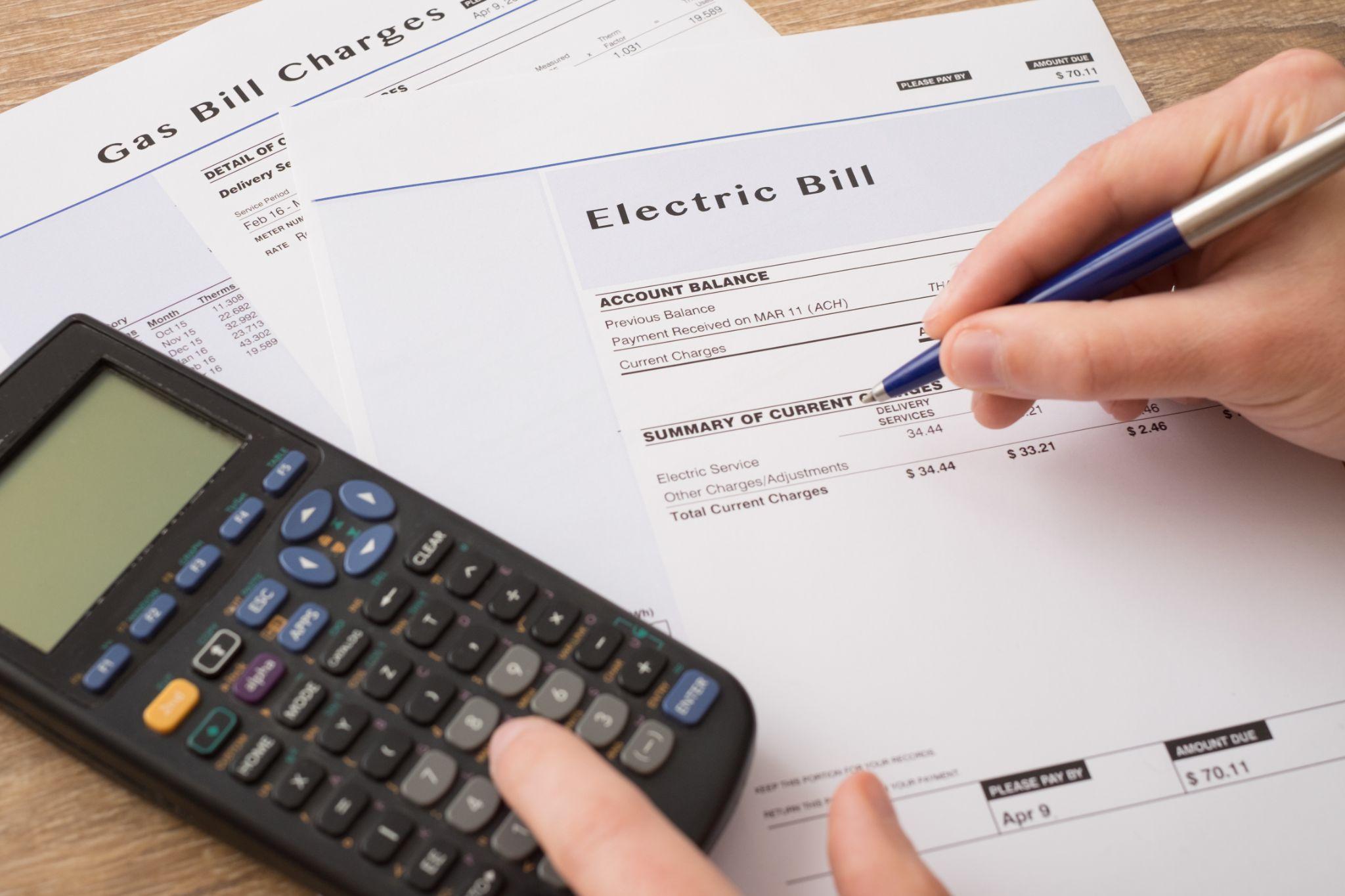
Utility bills can be a significant monthly expense for many households in Central Texas. At Christianson Air Conditioning & Plumbing, we understand the importance of managing these costs. Whether it’s your water service or heating bill, there are several strategies to reduce your monthly bill without sacrificing comfort. Below, we’ll explore practical tips on how to cut down utility bills.

Water Conservation

Water conservation is not just good for the environment; it’s also a smart way to reduce your utility bill payments. Simple changes in daily habits can lead to significant savings. For example, fixing leaky faucets, using water-efficient fixtures, and being mindful of your water usage during daily activities can make a noticeable difference in your water service charges.

Consider Smart Home Upgrades

A substantial portion of your utility bill comes from heating and cooling your home. One effective way to manage these costs is by upgrading to smart home technologies. Installing a programmable thermostat is a great example. It allows you to better control your home’s temperature, adapting to your schedule and preferences, which can lead to significant savings on your heating and cooling bills.

Smart thermostats can learn your habits and adjust the temperature accordingly, ensuring energy is not wasted when no one is home.

Additionally, investing in energy-efficient appliances and lighting can also contribute to lowering your utility bills. LED lighting, energy-saving power strips, and high-efficiency appliances use less energy, reducing your overall consumption and monthly bill.

Explore Payment Options

Many utility companies offer various payment options that can help manage your utility bill payments. This might include budget billing, which averages your yearly consumption to create a consistent monthly bill, or payment plans that can assist in managing larger bills. Contact your utility providers to explore available payment options.

Adopt Energy-Efficient Practices

Unplugging electronics

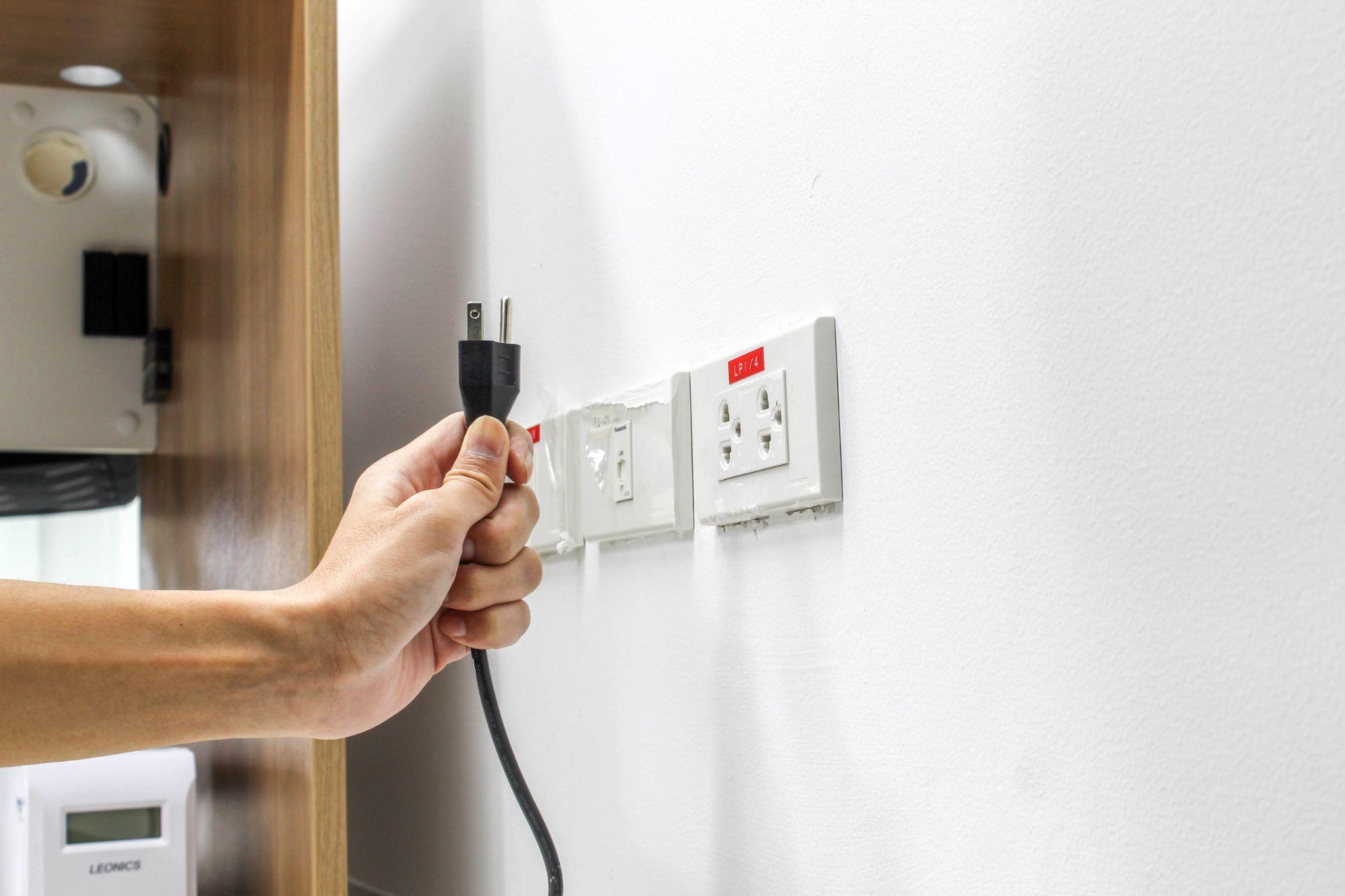
Simple practices like turning off lights when not in use, unplugging electronics, and using energy-efficient appliances can contribute to lower monthly bills. Consider insulating your home to maintain a consistent temperature, thereby reducing the strain on your heating and cooling systems.

Use Renewable Energy Sources

If feasible, investing in renewable energy sources like solar panels can significantly cut down on your utility bills in the long run. While there’s an upfront cost, the long-term savings and environmental benefits are considerable.

Monitor Your Monthly Bill

Regularly monitoring your monthly bill can help you identify any unusual spikes in usage. This vigilance can lead to early detection of issues such as water leaks or inefficiencies in your home’s heating or cooling systems.

Educate Everyone in the Household

Everyone in the household should be aware of the importance of conserving energy and water. Educating family members about simple ways to save, like taking shorter showers or turning off appliances, can collectively make a big difference in your utility bill payments. Encourage children to develop these habits early on, making energy conservation a family effort.

Setting specific goals, such as reducing the monthly bill by a certain percentage, can motivate everyone to actively participate in energy-saving practices.

Consider Routine HVAC Maintenance

Regular maintenance of your heating, ventilation, and air conditioning (HVAC) systems is key to ensuring efficiency and reducing your utility bills.

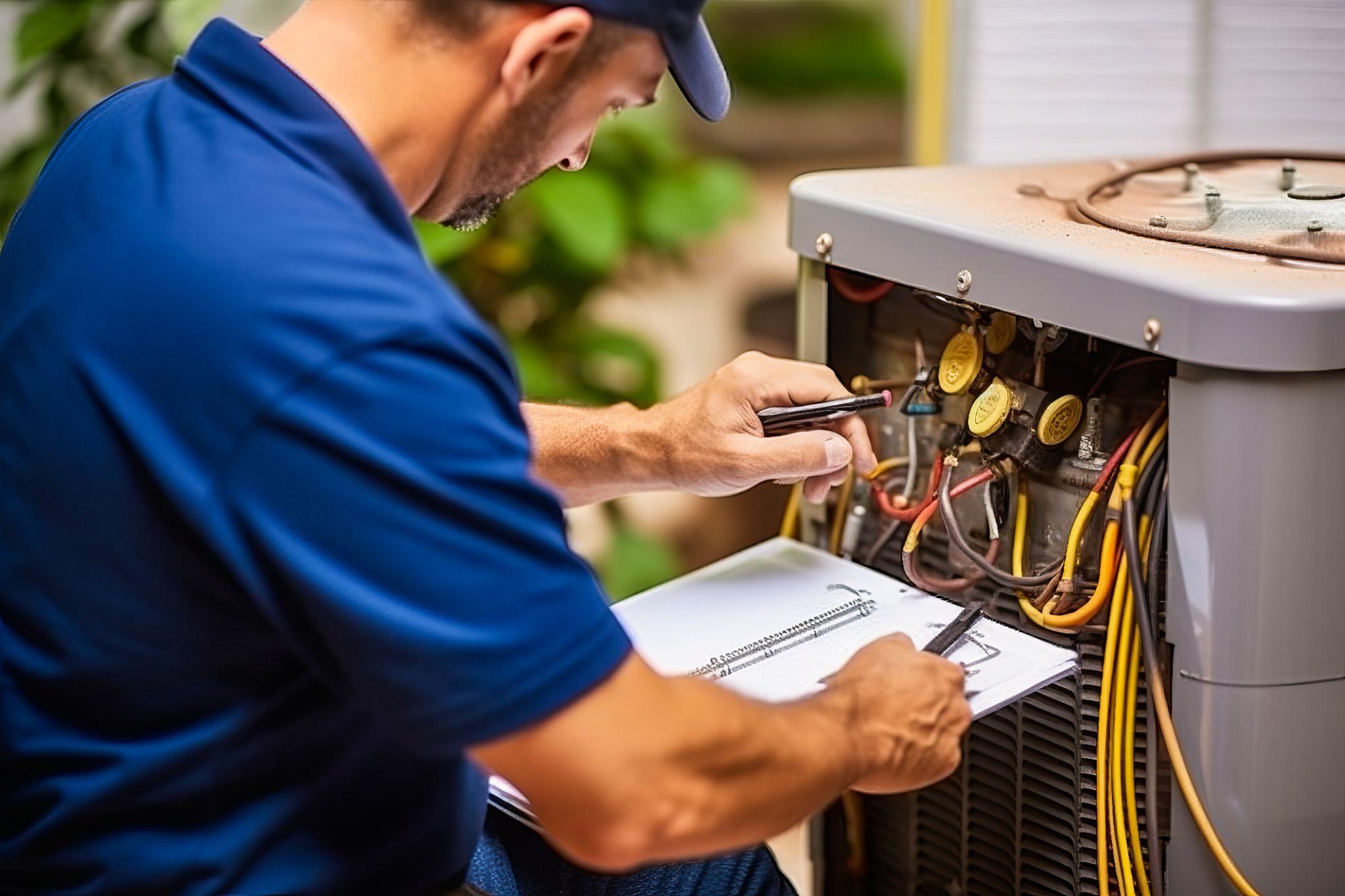
HVAC professional doing a routine AC unit inspection

  • Routine Check-Ups: Scheduling professional check-ups for your heating, ventilation, and air conditioning (HVAC) systems is crucial. Regular inspections can identify and resolve issues that may lead to increased energy usage.
  • AC Repair: Addressing any needed repairs promptly ensures that your air conditioning system operates efficiently, avoiding unnecessary energy consumption.
  • Clean Filters: Regularly cleaning or replacing dirty AC filters is essential. Clean filters improve airflow and system efficiency, reducing strain on the unit.
  • Heating System Maintenance: Ensuring your heating system is functioning optimally, especially before the colder months, can significantly impact your energy bills.
  • Proactive Approach: Adopting a proactive approach to maintenance not only helps in saving on your monthly bill but also extends the lifespan of your equipment, offering long-term savings.

Paying your utility bill doesn’t have to be a stressful part of your month. By implementing these tips, you can enjoy a more energy-efficient home while keeping your utility costs in check. Remember, small changes can lead to big savings over time.

For specialized services like AC repair or routine HVAC maintenance in Central Texas, feel free to contact Christianson Air Conditioning & Plumbing. We’re here to help you save on your utility bills by ensuring your home’s HVAC systems are running efficiently.

Get in Touch with Christianson Air Conditioning & Plumbing Today!

Are you ready to cut down on your utility bills? Contact Christianson Air Conditioning & Plumbing for expert advice and top-notch service. Whether you need AC repair, routine HVAC maintenance, or tips on water conservation, our team is dedicated to helping you achieve maximum efficiency and savings.

Don’t let high utility bills weigh you down. Call us today or visit our website to learn more about our services.

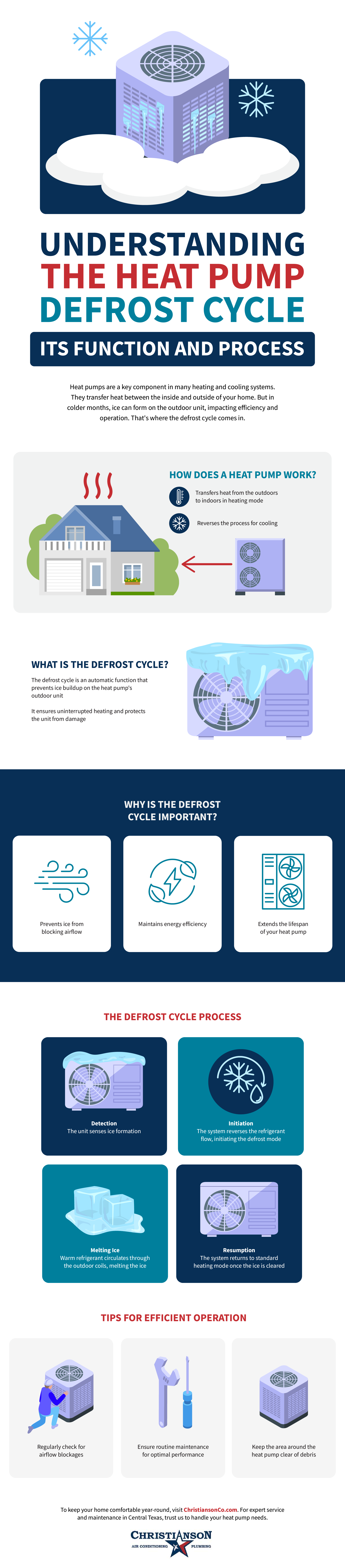
Understanding the Heat Pump Defrost Cycle: Its Function and Process

In the varied climate of Central Texas, maintaining a comfortable home environment is crucial. A significant component in this quest for comfort is the heat pump, an efficient part of many HVAC systems. But a lesser-known yet vital aspect of heat pump operation is the heat pump defrost cycle.

The heat pump defrost cycle is critical for ensuring the efficiency and longevity of your heating system. During cold temperatures, ice can accumulate on the outdoor unit of your heat pump, triggering the defrost mode. This cycle is a vital response to prevent ice buildup, which can impair the heat pump’s efficiency and cause long-term damage.

How Does the HVAC Defrost Cycle Work?

The HVAC defrost cycle involves temporarily reversing the heat pump’s operation. Instead of extracting heat from the external air, the system briefly switches to a mode similar to air conditioning. This directs warm refrigerant to the outdoor coils, melting any ice buildup and ensuring the continued effective functioning of your heat pump.

The Importance of Regular Heat Pump Maintenance

Understanding your heat pump’s defrost cycle not only provides insight into your HVAC system’s operation but also underscores the importance of routine maintenance and professional servicing. For optimal performance of your heat pump, regular check-ups and timely repairs are crucial.

Partner with Christianson Air Conditioning & Plumbing for Your Heat Pump Needs

At Christianson Air Conditioning & Plumbing, we blend expertise with a commitment to quality service, ensuring your HVAC needs are met with precision and care. Serving Central Texas, we’re here to guide you through the complexities of your heating system, starting with our informative visual guide on the heat pump defrost cycle. Reach out to us for comprehensive heat pump maintenance and experience seamless, reliable warmth throughout the cold months.

Heat Pump Defrost Cycle Infographic

Click below to embed this infographic into your website:

Everything You Need to Know About High Efficiency Furnaces

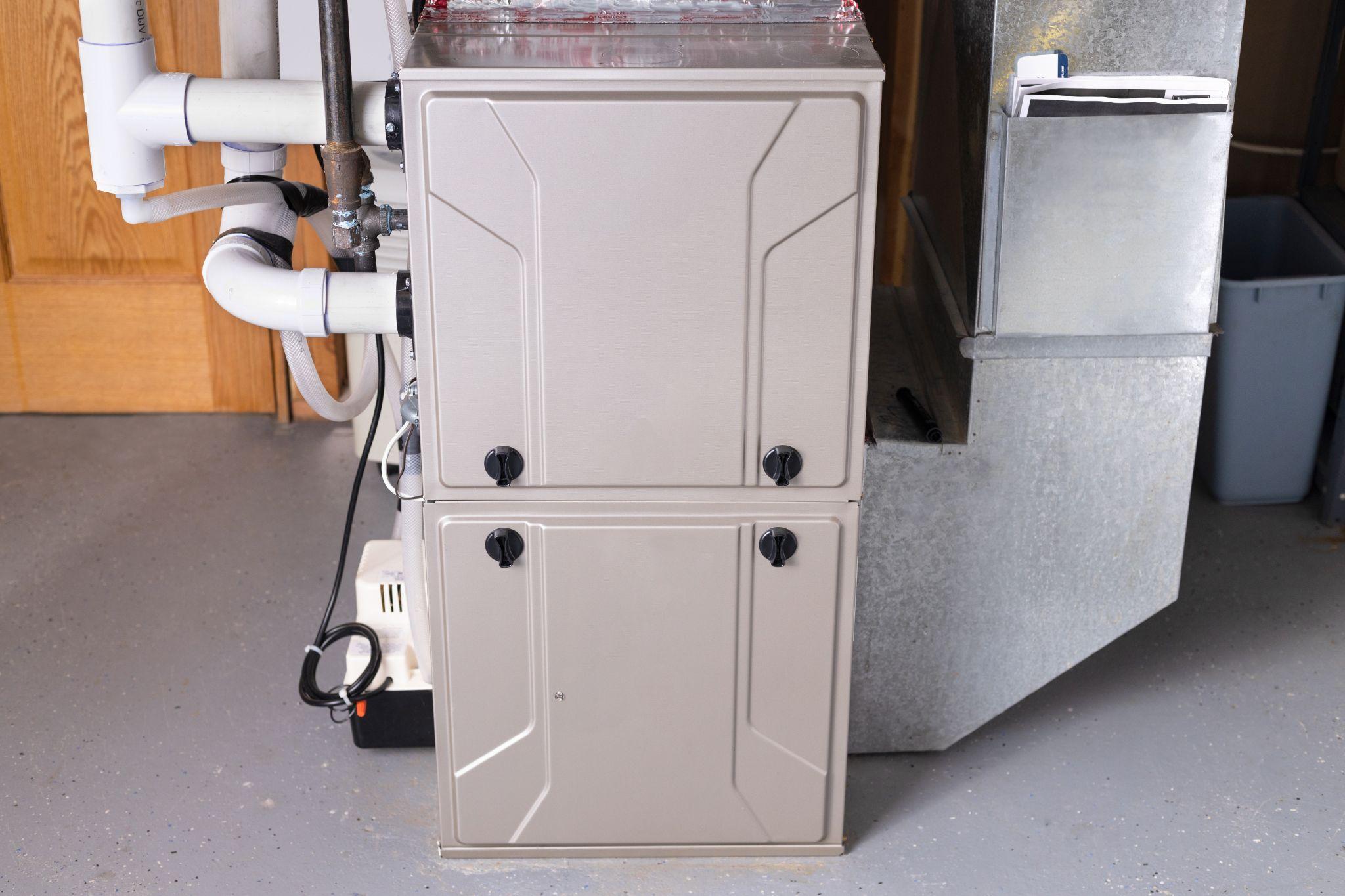
High efficiency furnace for a residential home

Welcome to our comprehensive guide on high-efficiency furnaces. With the cold months approaching in Central Texas, it’s essential to understand how a high-efficiency furnace can make heating your home more effective and energy-efficient.

What Is a High Efficiency Furnace?

High efficiency furnace for a residential home

A high-efficiency furnace is designed to use less fuel while delivering more heat compared to traditional models. This efficiency is achieved through advanced technology, such as secondary heat exchangers and improved control systems, which extract more heat from the fuel being burned.

High-efficiency models often incorporate smart thermostats and zoning capabilities, allowing for precise temperature control and reduced energy waste. These models, especially those running on natural gas, are known for their superior performance in heating homes effectively. They also tend to have a longer lifespan and greater reliability, ensuring that homeowners enjoy sustained comfort and savings over the years.

Understanding Efficiency Ratings

The efficiency of a furnace is measured by its Annual Fuel Utilization Efficiency (AFUE) rating. High efficiency furnaces typically have an AFUE rating of 90% or more, meaning they convert 90% of the fuel to heat.

The higher the efficiency rating, the more energy efficient the furnace is. This increased efficiency translates into lower heating bills and a reduced carbon footprint, making it an environmentally and economically beneficial choice.

Additionally, furnaces with higher AFUE ratings often qualify for government rebates and incentives, providing additional financial benefits to homeowners.

Types of High Efficiency Furnaces

When exploring furnace models, you’ll encounter various high efficiency gas furnaces. These models are popular for their effectiveness in heating and cost-efficiency.

These models often incorporate advanced features like modulating heat output, which adjusts the burner level and blower speed to precisely match your home’s heating needs. This not only enhances comfort but also contributes to significant energy savings over time.

Some high-efficiency furnaces also feature variable speed technology, which allows the furnace to operate at different speeds, providing more consistent and efficient heating.

Benefits of High Efficiency Furnace Models

  • Energy Efficient: They use less energy, which translates to lower utility bills.
  • Variable Speed: This offers precise control over temperature, enhancing comfort and efficiency.
  • Environmental Impact: High efficiency models are better for the environment due to lower emissions.

Considerations for Your Home

Choosing the most efficient furnace for your home typically depends on several factors, including the size of your home and your heating needs. It’s important to select an efficiency model that is appropriately sized for your space to ensure optimal performance.

An oversized furnace can lead to unnecessary energy consumption and uneven heating, while an undersized one may struggle to adequately heat your home. Consulting with a professional to assess your specific requirements is crucial for selecting the right furnace that balances efficiency and comfort.

High Efficiency Furnace Installation

Furnace installation is a critical step. Proper installation of a high efficiency furnace requires expertise to ensure it operates at its peak efficiency. Christianson Air Conditioning & Plumbing offers professional furnace installationservices, ensuring your system is set up correctly for optimal performance and safety.

Furnace Replacement and Upgrading

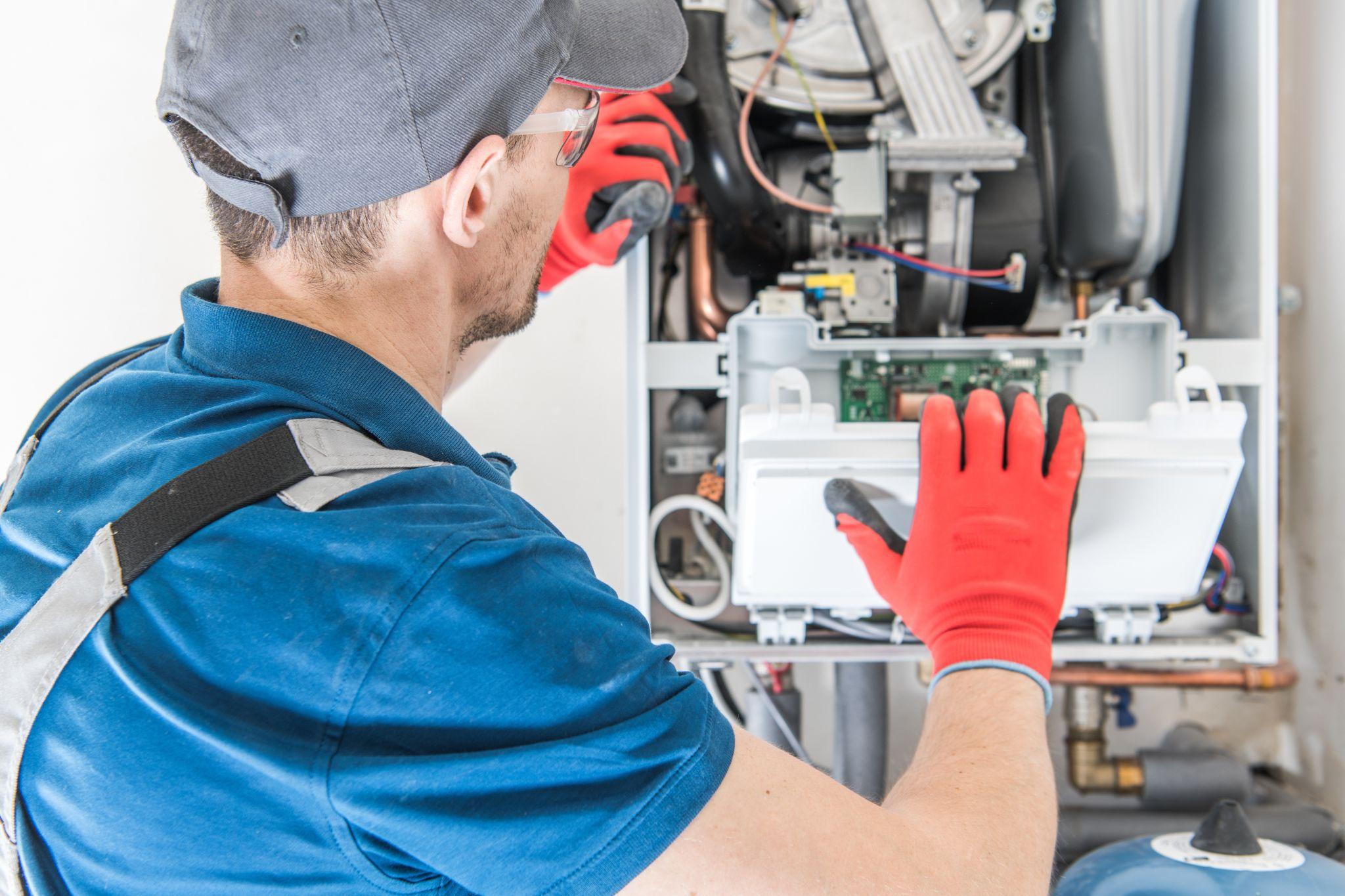
Professional high efficiency furnace install

If your current furnace is old or inefficient, considering a furnace replacement with a high efficiency model is a wise decision. Upgrading to a high efficiency heating system can significantly reduce your heating costs and improve your home’s comfort. With various models available, including the most efficient furnaces on the market, there’s an option suitable for every home.

If you’re considering high efficiency furnace installation or replacement, Christianson Air Conditioning & Plumbing is here to help.

Trust Christianson Air Conditioning & Plumbing for All Your Furnace Needs!

Ready to upgrade to a high-efficiency furnace? Don’t wait any longer to enjoy the benefits of a more efficient, effective heating system. Contact Christianson Air Conditioning & Plumbing now to discuss your options and find the perfect high efficiency furnace model for your home.

Our team of experts is dedicated to providing top-notch service and ensuring your complete satisfaction. Call us today or look through our website to schedule your consultation and take the first step toward a warmer, more energy-efficient home this winter!

Understanding Common Heat Pump Repairs

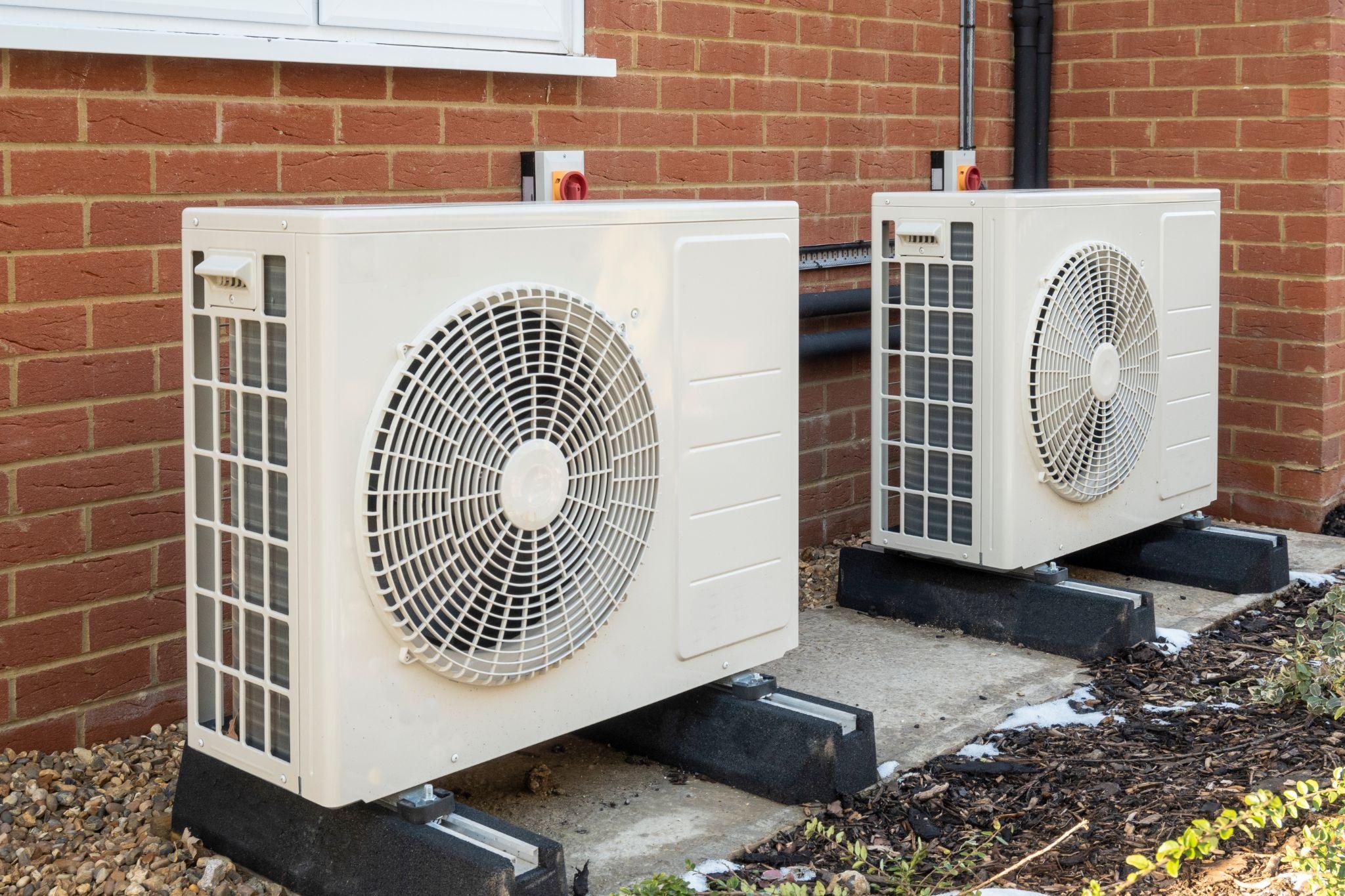
New heat pumps installed outside a modern home

Heat pump systems, integral to modern HVAC systems, not only provide energy efficiency but also year-round comfort in both heating and cooling modes. Understanding common heat pump repairs and maintenance is crucial for homeowners, particularly in Central Texas, where weather conditions can put additional strain on these systems.

How a Heat Pump Works

A heat pump operates by transferring heat from one place to another using a refrigeration cycle similar to that found in air conditioners. In the winter, heat pumps capture heat from the cold outdoor air and bring it inside. In summer, they work in reverse, drawing heat out of your house to cool it down.

This operation hinges on several key components: the compressor, which circulates refrigerant through the system; the outdoor coils, where heat exchange occurs; and the reversing valve, which changes the direction of refrigerant flow for heating or cooling. Understanding these basics is the first step in recognizing common issues and performing effective heat pump repairs.

Types of Heat Pumps and Their Common Issues

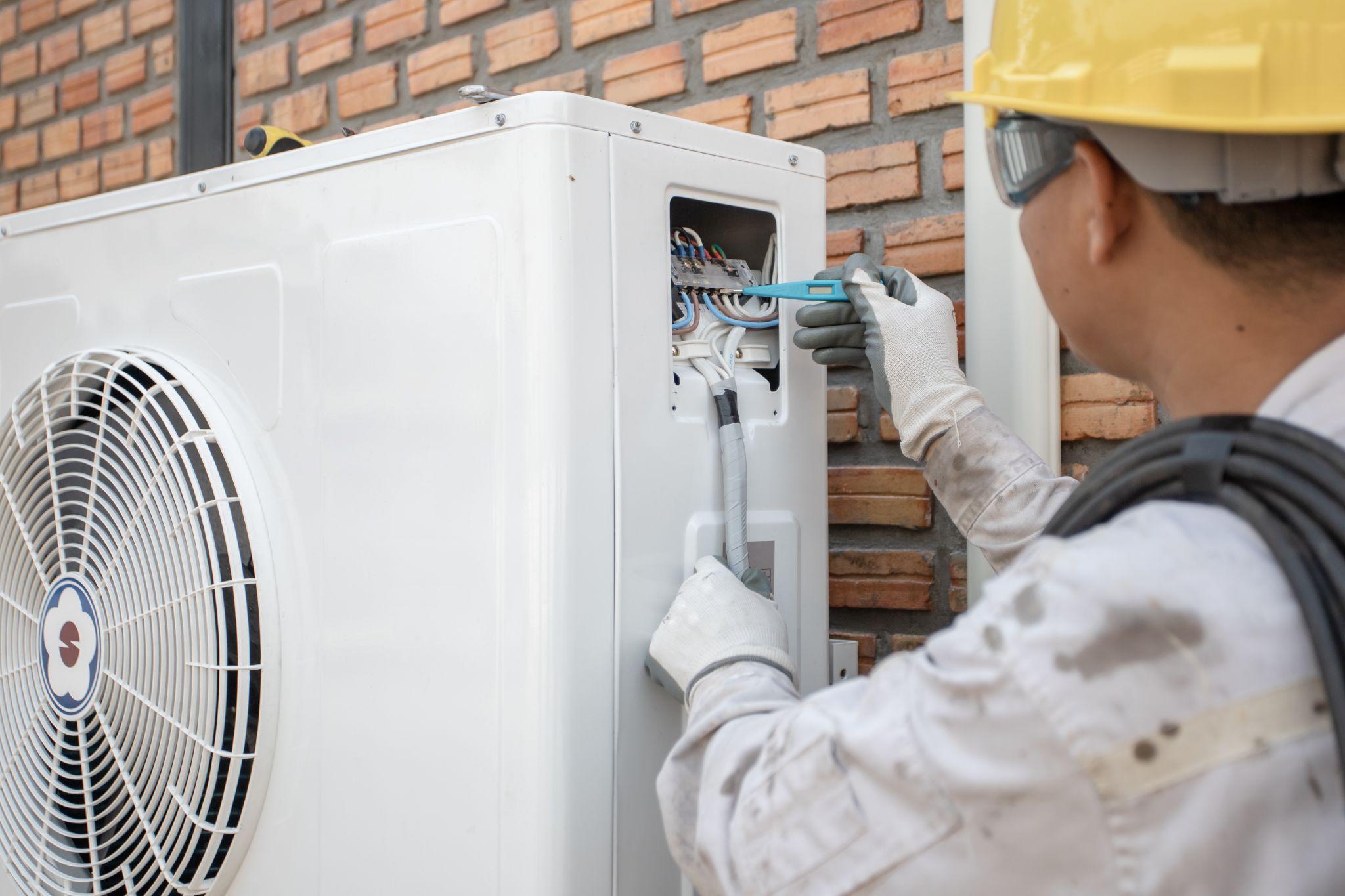
Air source heat pump being repaired

There are several types of heat pumps, including air-source, ground-source (geothermal), and water-source heat pumps. Each type functions slightly differently and encounters unique challenges.

Air-Source Heat Pumps

Most common in residential settings, these pumps can struggle in extreme cold, leading to inefficiencies. Issues like freezing of the outdoor coils or compromised airflow can reduce their effectiveness.

Ground-Source Heat Pumps

These are known for their efficiency but can face problems related to soil conditions and loop system integrity. Inconsistent ground temperatures or leaks in the underground piping can lead to reduced heating and cooling capabilities.

Water-Source Heat Pumps

While less common, these systems use nearby water sources for heat exchange. Challenges here include water quality issues or intake and outflow obstructions.

Common across all these types are refrigerant leaks, electrical issues, and wear and tear on mechanical components. Regular heat pump maintenance is critical to prevent these problems and ensure efficient operation.

The Defrost Cycle and Its Impact on Heat Pump Performance

In colder climates, the defrost cycle plays a vital role in a heat pump’s operation. It prevents the accumulation of ice on the outdoor coils, which can impair the system’s ability to transfer heat. A malfunctioning defrost cycle, often due to faulty sensors or control boards, can lead to excessive ice buildup, forcing the system to work harder and less efficiently.

This not only increases energy consumption but can also lead to potential damage to the compressor and other components. Homeowners may notice signs like the system constantly running, unusual noises, or a sudden spike in energy bills, all indicating defrost cycle issues.

Reversing Valve and Refrigerant Issues

The reversing valve, a pivotal component in heat pumps, allows the system to switch between heating and cooling modes. A faulty valve can render a heat pump stuck in one mode, drastically affecting its functionality. Repairing or replacing a reversing valve is a task for skilled technicians, as it involves handling refrigerant and intricate system components.

Refrigerant leaks are another common issue, leading to reduced heating or cooling efficiency. These leaks can be due to various factors, including corrosion, wear and tear, or physical damage to the refrigerant lines.

Signs of a Refrigerant Leak Include

  • The system blowing lukewarm air
  • Ice buildup on the coils
  • Hissing noises from the refrigerant lines

Timely detection and repair of these leaks are essential to maintain system efficiency and prevent further damage.

Professional Heat Pump Maintenance and Repair

Professional HVAC repair on a heat pump

Regular maintenance by a certified heat pump technician is crucial. A professional can conduct thorough inspections, cleaning, and necessary adjustments to ensure optimal operation. They can also diagnose complex issues like electrical problems or compressor malfunctions, which are less obvious but critical for the system’s health.

Professional intervention can prevent minor issues from escalating into major repairs, thus saving homeowners from costly replacements.

In Central Texas, where weather conditions can vary widely, understanding and addressing common heat pump problems is essential for maintaining a comfortable environment. Regular maintenance, coupled with prompt professional services, is key to ensuring that your heat pump system operates efficiently and effectively throughout the year.

Schedule Your Heat Pump Maintenance with Christianson Today!

Ensure year-round comfort and efficiency in your home with Christianson Air Conditioning & Plumbing. Our experienced technicians are experts in all facets of heat pump maintenance and repair, committed to delivering top-notch service to address both routine upkeep and specific heating system issues. Contact Christianson Air Conditioning & Plumbing today for all your heat pump needs, and experience dedicated service that keeps your home comfortable throughout the year.