
Slow hot water can throw off your morning, drag out evening routines, and increase water waste. If the wait at your faucets feels longer than it should, there are several ways to improve delivery speed and make your system more efficient. With the right upgrades and maintenance steps, you can reduce delays and enjoy more consistent comfort throughout your home.
How System Design Affects Delivery Time
Your plumbing layout influences how quickly hot water reaches each fixture. Long pipe runs need extra time to push out cooled water. Older water heaters recover slowly after heavy use. Uninsulated pipes lose heat before the water reaches a faucet. These issues create delays that many households notice most during mornings or colder weather.
Seasonal temperature shifts can make the issue worse. Insulating exposed lines helps reduce heat loss and supports stable performance when winter temperatures drop.
Performance of Your Water Heater
The age and size of your heater influence both speed and consistency. If hot water runs out fast, the tank might be too small or nearing replacement. Modern units offer faster recovery, better temperature control, and improved efficiency.
Christianson Air Conditioning & Plumbing provides reliable hot water heater installation, including guidance on proper sizing. Homeowners interested in increased efficiency can also explore tankless hot water heater installation, which supports strong performance during back-to-back use.
Solutions That Improve Hot Water Delivery
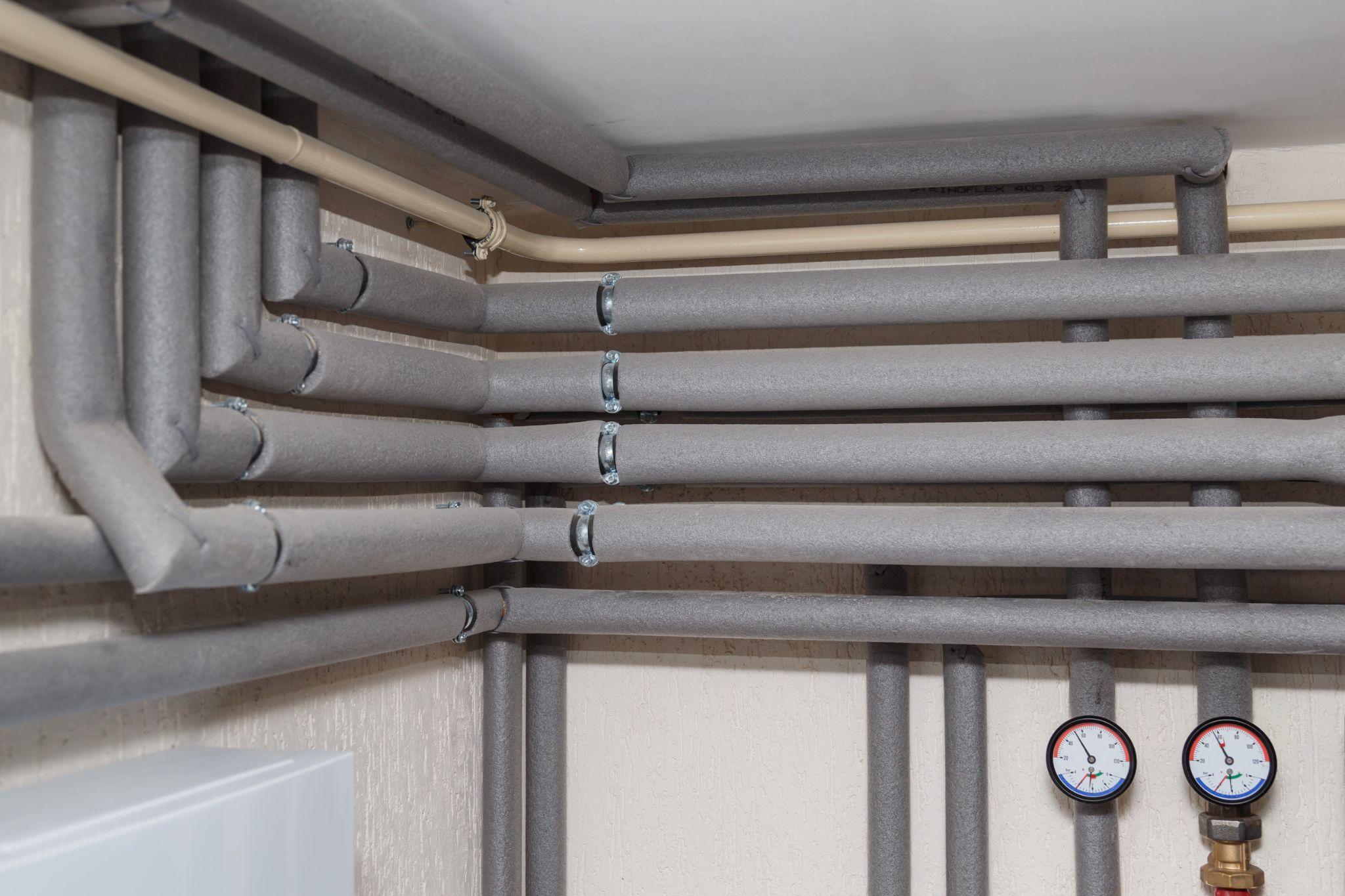
These steps address common problems that affect how to get hot water faster from water heater systems and support better performance year-round.
Considering Tankless Options
Tankless models heat water only when you open a tap. This prevents the long recovery cycle found in older tanks. Tankless systems work well in homes with high demand or extended plumbing routes and support consistent temperature during peak use.
Improving Heat Retention With Pipe Insulation
Insulating water lines helps prevent heat loss as water moves through the system. This can shorten the wait at distant fixtures and support dependable delivery during colder seasons. It is an affordable upgrade that provides noticeable improvement.
Recirculating Systems for Faster Delivery
A hot water recirculating system keeps warm water moving through the pipes so it reaches your fixtures with minimal delay. This option works well in larger homes or any layout with long plumbing runs. It also reduces water waste because you no longer need to run the faucet while waiting for the temperature to rise.
Managing Seasonal Slowdowns
Cold weather cools water inside uninsulated lines. Many people search for guidance on how to get warm water during winter when delivery slowdowns become more noticeable. Insulation, routine maintenance, and water heater inspections help maintain stable performance throughout the season.
Plumbing Repairs and Installation Support
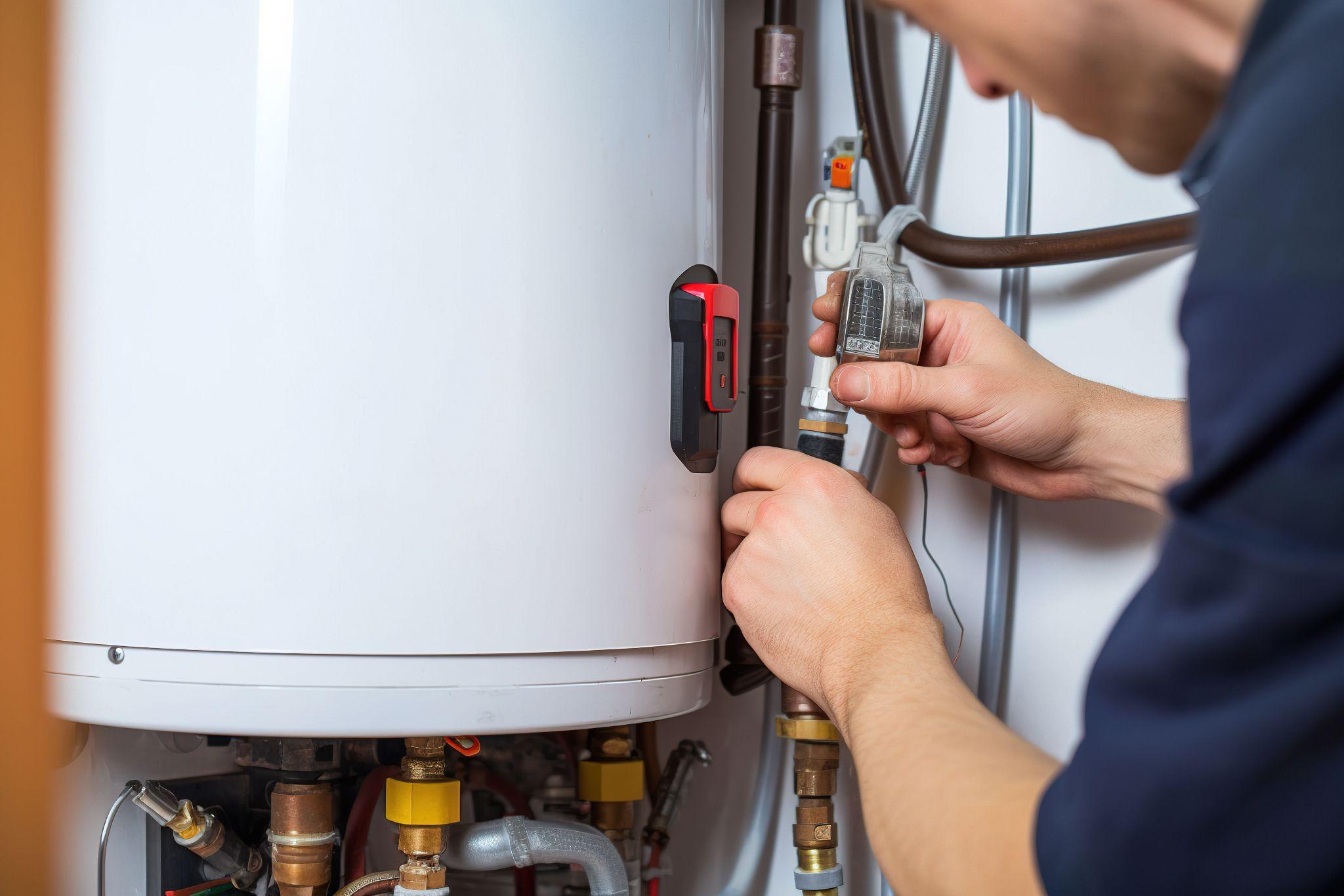
Slow delivery can point to worn valves, sediment buildup, or failing components. Christianson Air Conditioning & Plumbing offers complete plumbing service in Texas, including water heater maintenance, repairs, and upgrades.
When sudden problems disrupt your home, you can reach out for help from an emergency plumber who can address urgent leaks or failures. Reliable emergency plumbing services restore function and protect your home during unexpected issues.
For system replacements or new construction, the team also handles installing hot water heaters with careful attention to safety and proper setup.
FAQs
How can I get hot water faster?
Shorter pipe runs, insulated lines, modern heaters, and recirculating systems can reduce wait times. A professional inspection helps determine which improvement fits your home.
Why does hot water take longer to reach certain faucets?
Fixtures located farther from the heater require more time to clear cooled water from long pipe runs. Layout length is one of the most common causes of delayed delivery.
Why does my shower temperature change during use?
Sediment buildup, worn valves, and aging heaters can cause fluctuations. Regular service and tank maintenance help stabilize temperature.
Is a tankless system a good option for improving delivery speed?
Tankless systems heat water on demand and avoid recovery delays. They work well in homes with higher usage or extended plumbing routes.
Christianson Air Conditioning & Plumbing Helps You Enjoy Faster, More Reliable Hot Water
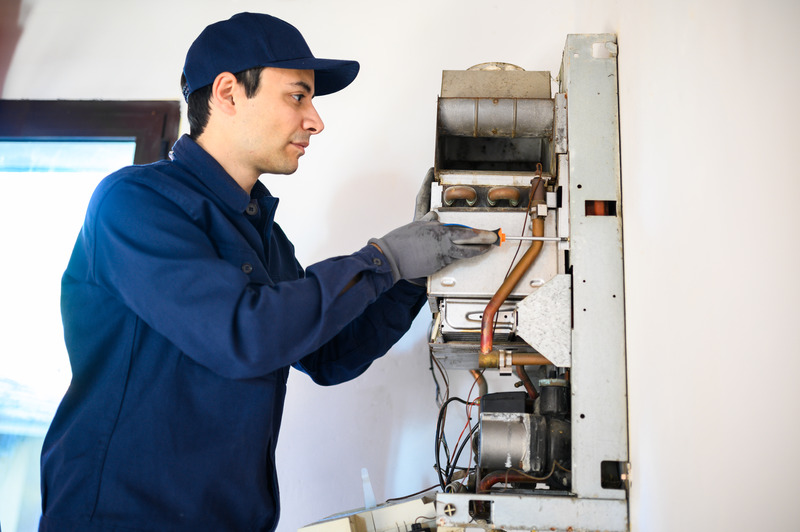
If your home needs improved performance or updated equipment, Christianson Air Conditioning & Plumbing is ready to help. The team evaluates your plumbing layout, heater condition, and daily usage to recommend the right solution. From recirculating systems to full installations and emergency repairs, you receive dependable service designed for long-term comfort.
Contact Christianson Air Conditioning & Plumbing today to schedule an appointmentand enjoy faster, reliable hot water throughout your home.
