A Guide to Purchasing an Energy-Efficient Water Heater

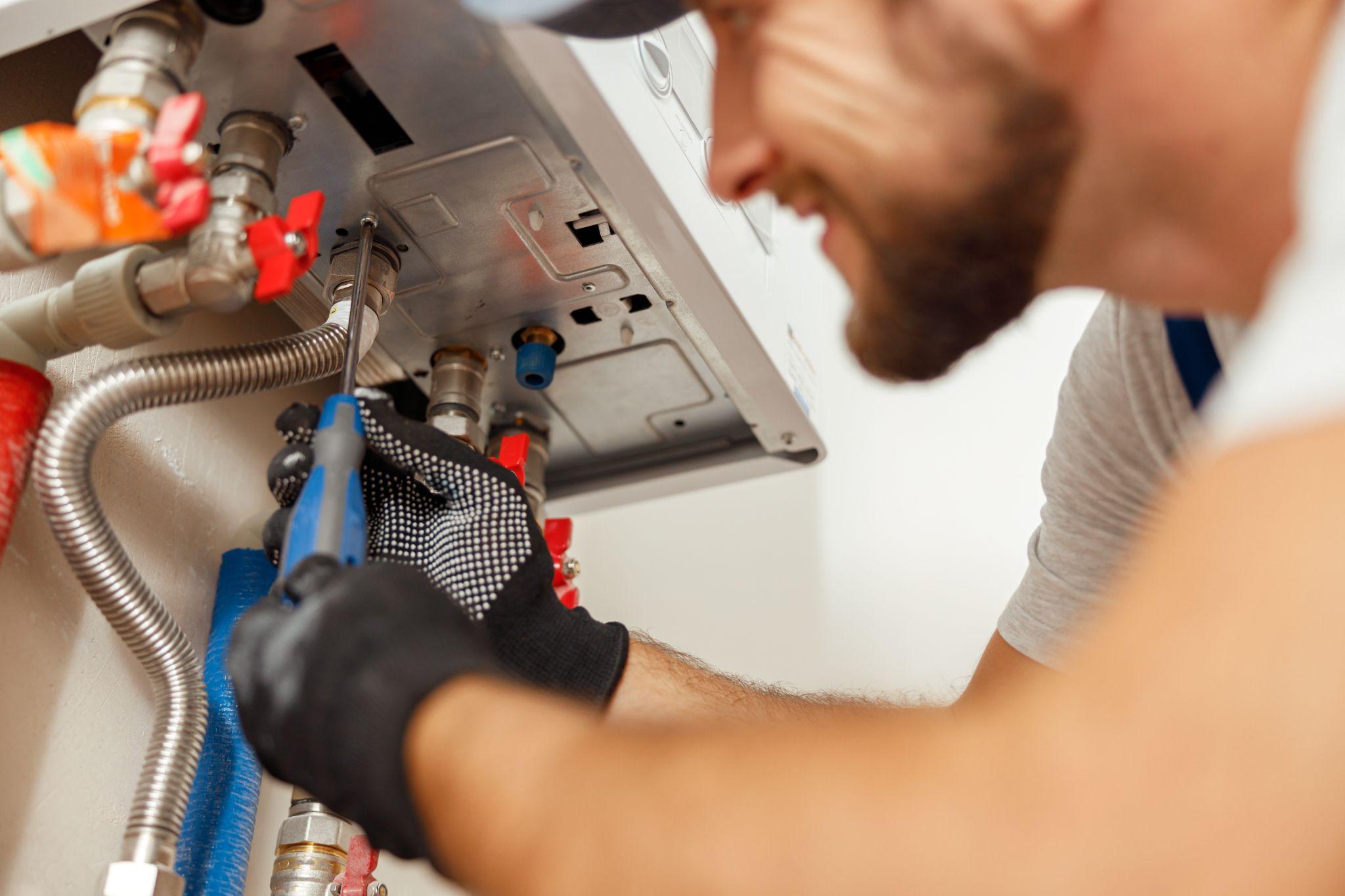
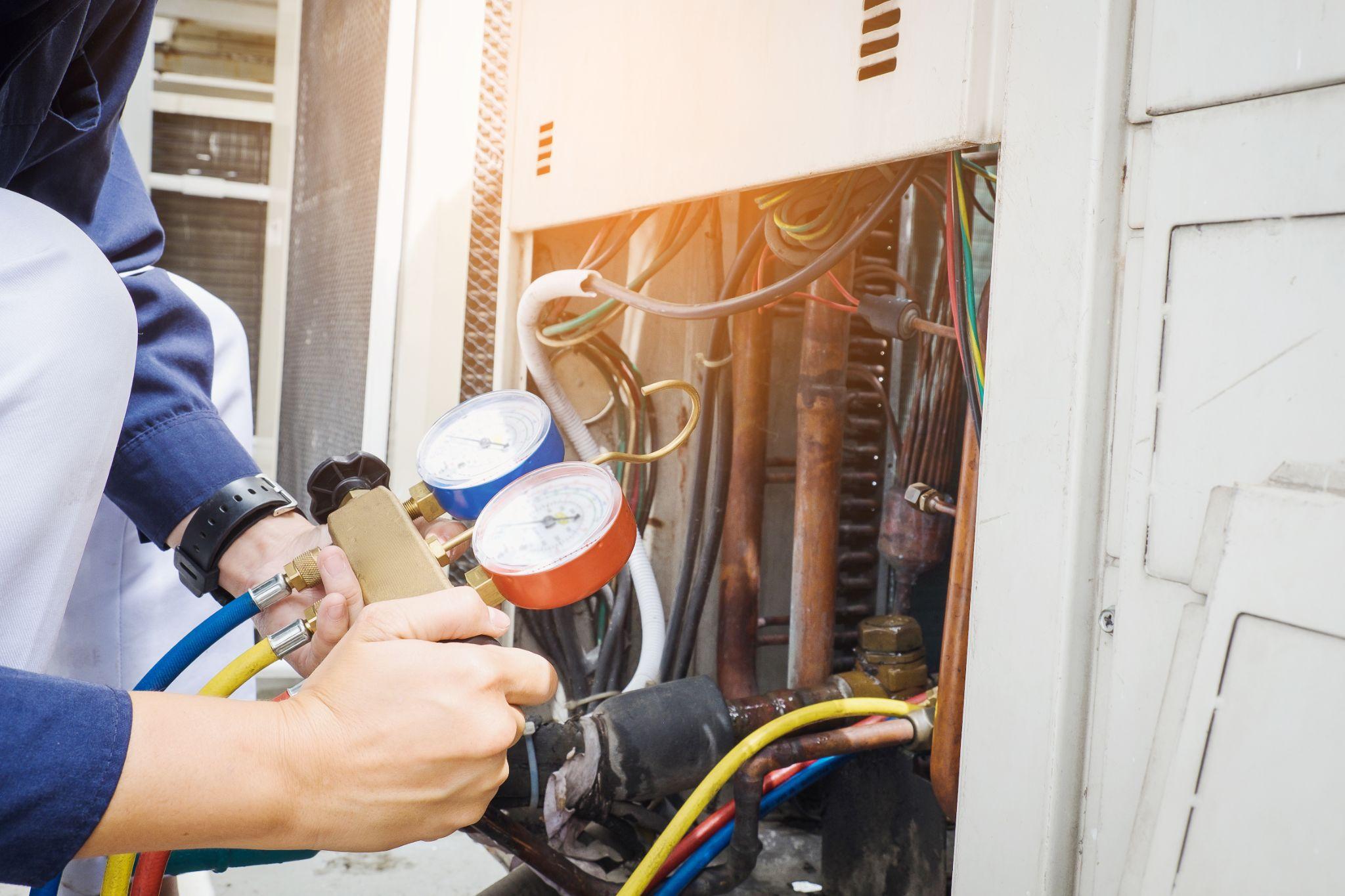
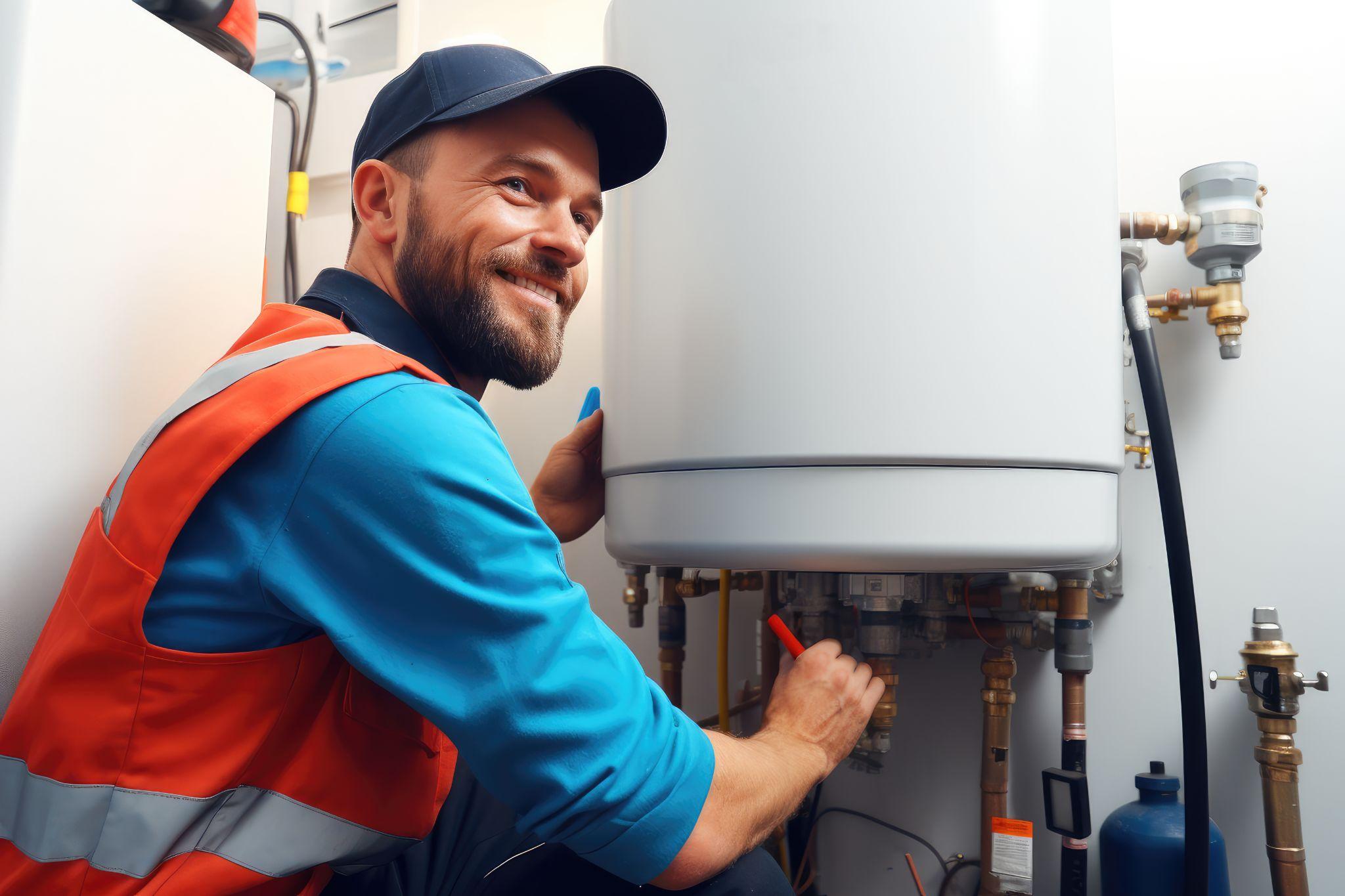
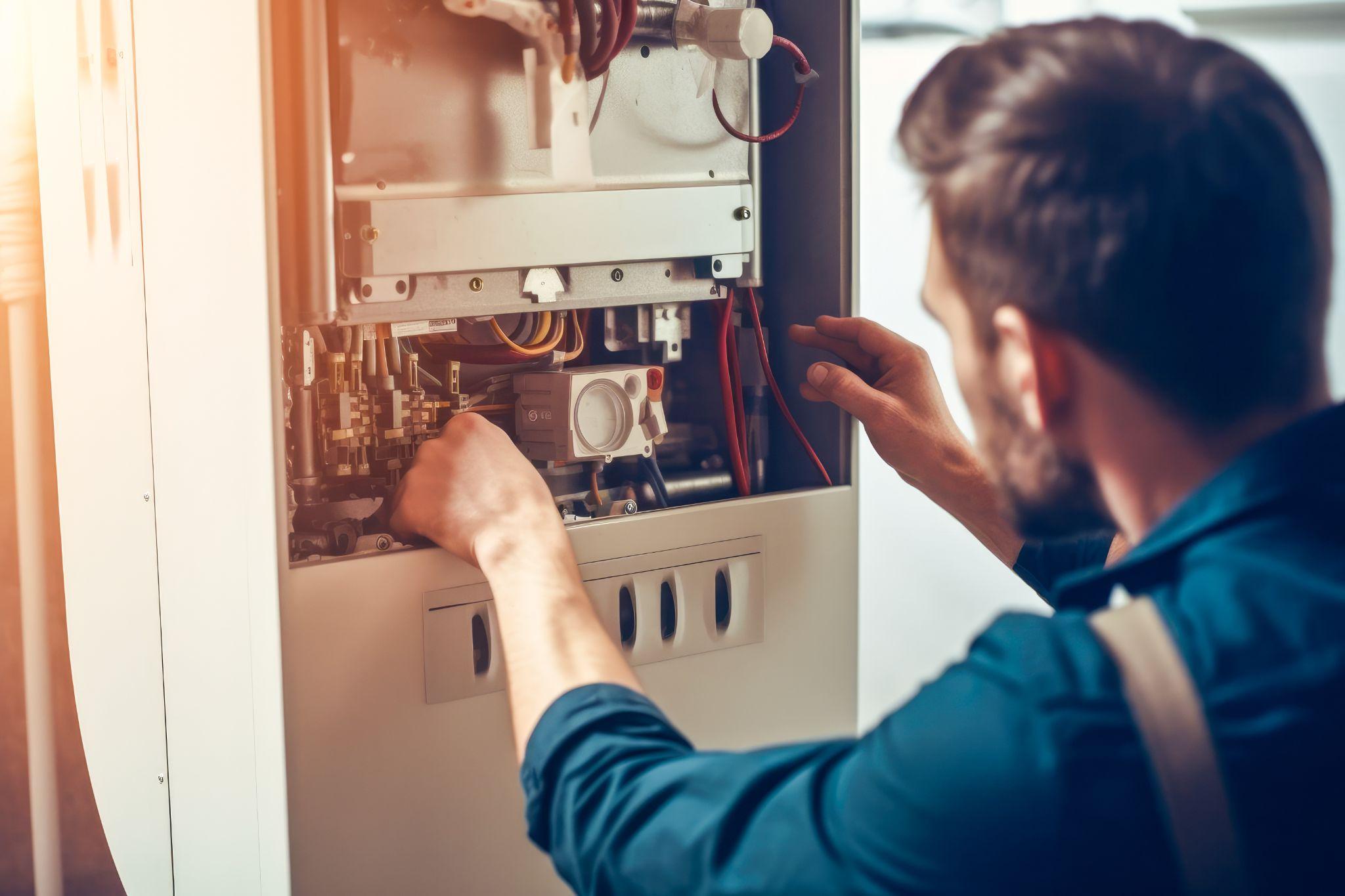
Plumber from Christianson Air Conditioning and Plumbing installing a brand new water heater

Plumber from Christianson Air Conditioning and Plumbing installing a brand new water heater

When it comes to water heating in the United States, the shift toward energy-efficient solutions is more prevalent than ever. With many homeowners and businesses looking to cut down on operation costs and reduce their carbon footprint, the question often arises: “How do I pick the right energy-efficient water heater for my needs?” As a leader in the field, Christianson Air Conditioning & Plumbing is dedicated to helping you navigate this choice, ensuring you get a system that is both efficient and tailored to your requirements.

Understanding Different Types of Water Heaters

  • Conventional Water Heaters: These are perhaps the most commonly recognized. Operating either on natural gas or electricity, they come with a storage tank that keeps a reservoir of hot water ready for use. Though newer models have improved their efficiency, they might not be the top choice when it comes to energy conservation. That said, for many homes, they remain a reliable and familiar option, especially when frequent hot water is a necessity.
  • Heat Pump Water Heaters: Unlike conventional gas or electric water heaters, heat pump water heaters transfer heat from the air or ground to heat the water. They can use significantly less energy, which can reduce operation costs in the long run. It’s a technology that might seem unfamiliar to some, but its benefits in terms of energy savings are undeniable. A slightly higher initial cost can be quickly offset by long-term savings on your energy bills.
  • Tankless Water Heaters: As the name suggests, these heaters do not come with a storage tank. Instead, they heat water on demand, ensuring that you only use energy when you need hot water. They’re available in both electric and natural gas variants, offering high efficiencies. For households with fluctuating hot water needs, these units can be particularly effective, as they avoid the standby energy losses associated with storage tanks.

Factors to Consider When Making a Choice
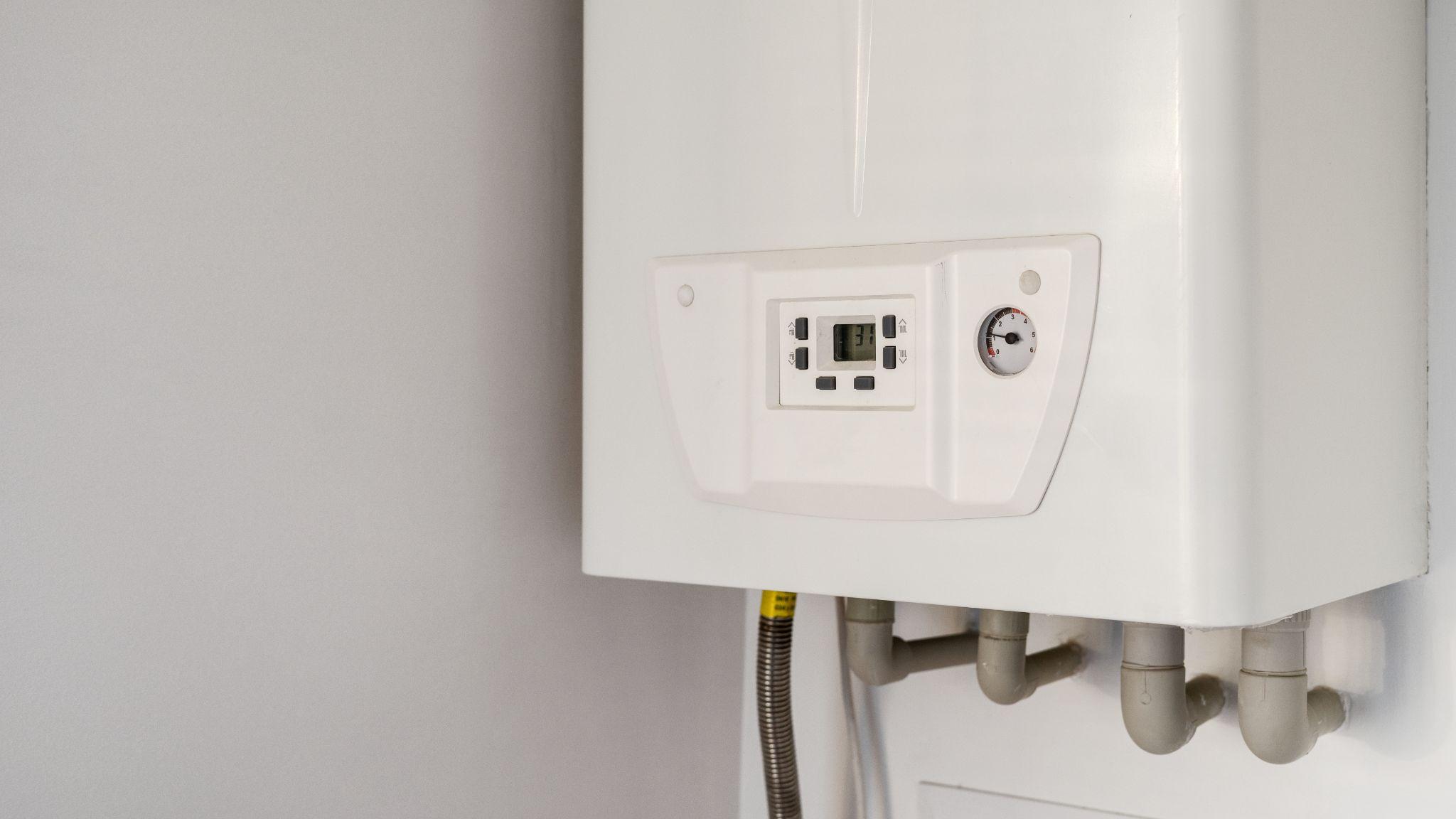
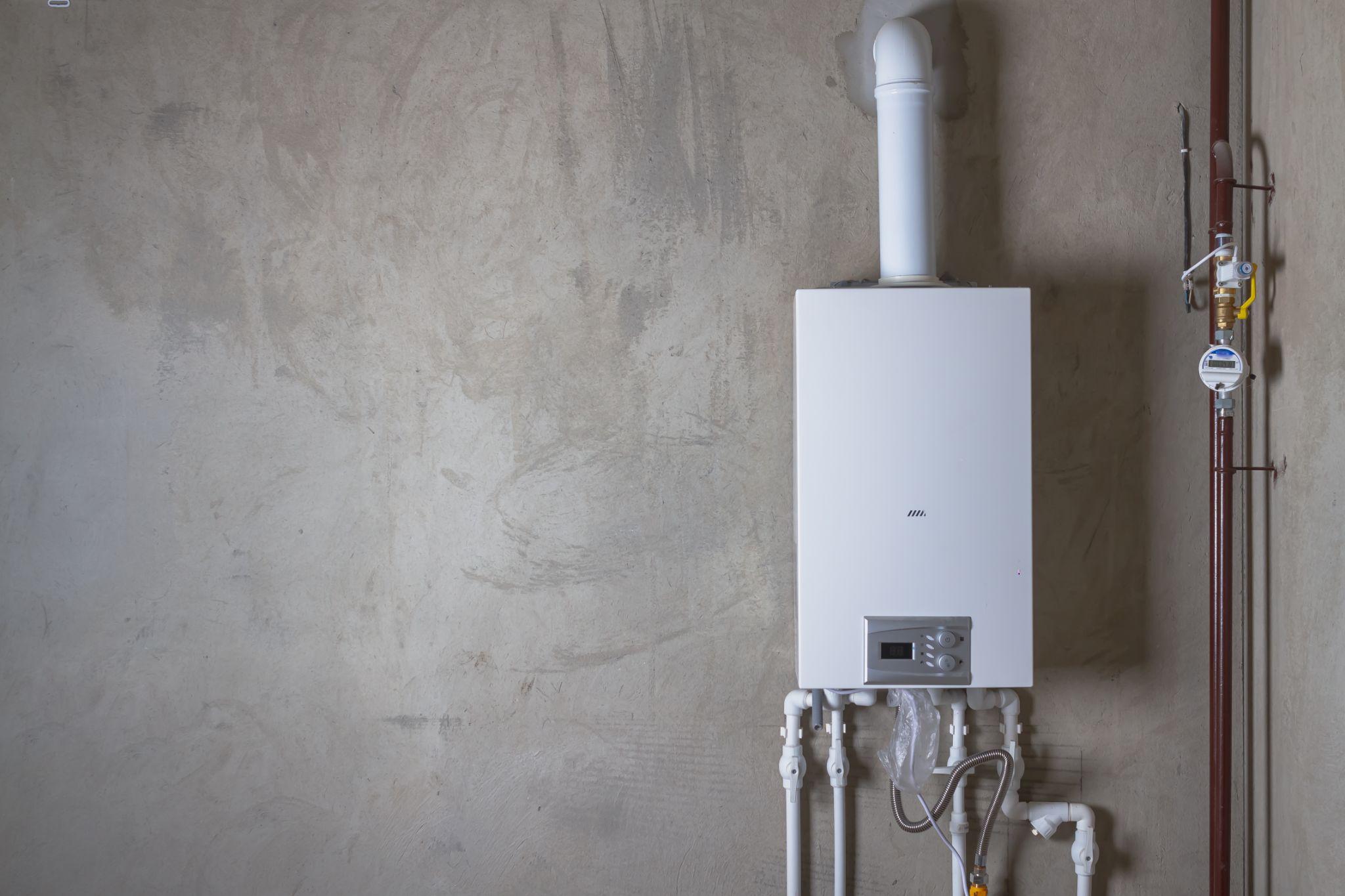
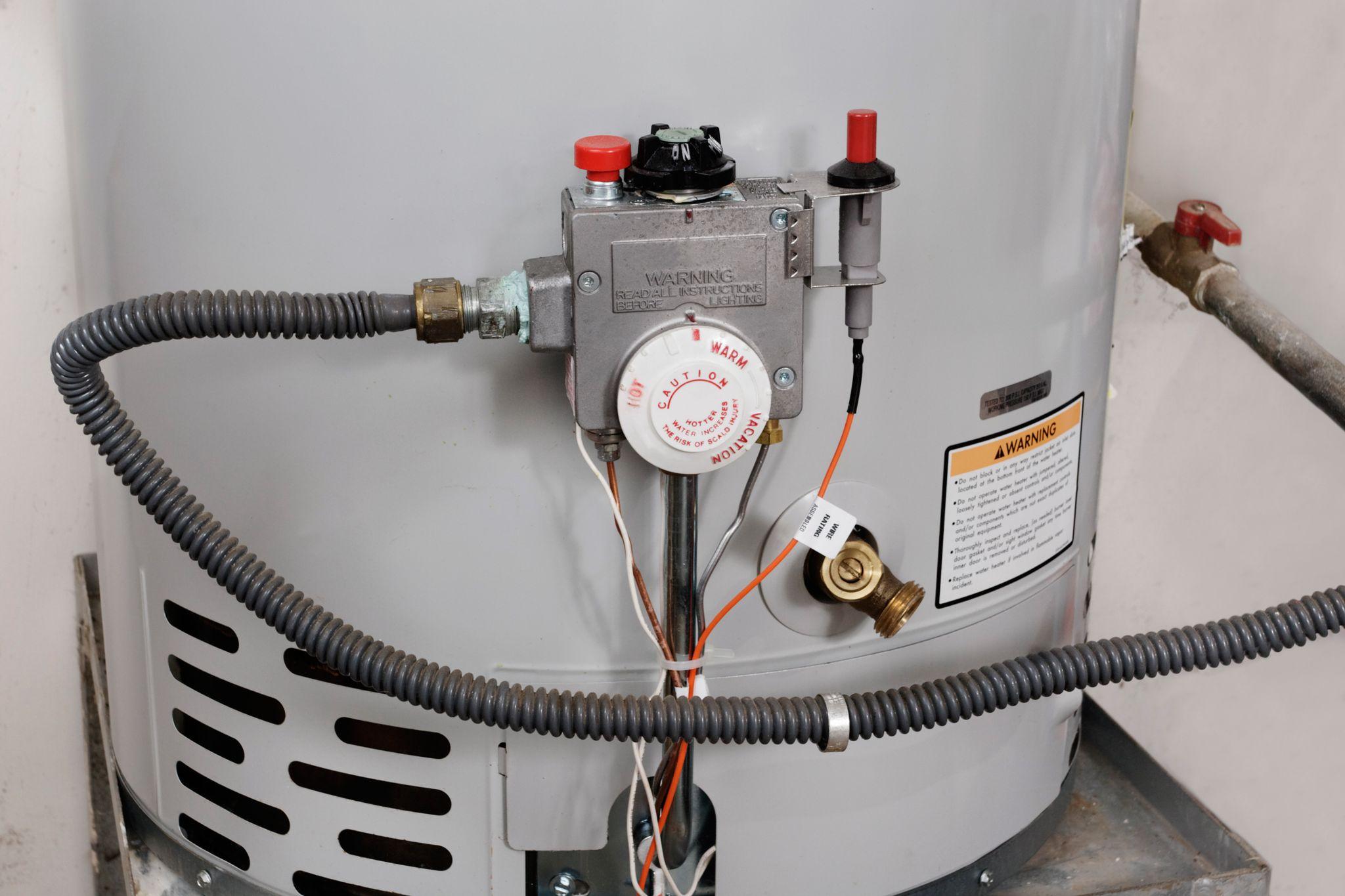
Modern and compact water heater

  • Efficiency Labels: Always look for the ENERGY STAR label when shopping. This indicates that the product meets certain efficiency criteria set by the U.S. Environmental Protection Agency. This label not only assures you of the product’s quality but can be a key factor when looking for energy rebates or incentives.
  • Energy Source: Electric water heaters are popular due to their ease of installation. However, in areas where natural gas is cheaper, a conventional gas or tankless gas water heater might be more cost-effective. The availability and cost of energy sources in your area can heavily influence which type of heater is most suitable for your needs.
  • Operational Costs: Energy-efficient water heaters may come with a higher initial price tag but can often save money in the long run due to reduced energy consumption. When considering costs, it’s also beneficial to think about potential rebates or incentives offered for energy-efficient upgrades in your area.
  • Space & Size: While conventional water heaters with storage tanks require ample space, tankless water heaters are more compact. Remember to consider the size of the water heater in relation to the demand for hot water in your home or establishment. It’s also worth noting that the location of installation can impact the heater’s efficiency, especially in colder regions.
  • Water Temperature: Some people might find that tankless water heaters don’t produce hot water at the same consistent temperature as their tank counterparts. If consistent water temperature is crucial for you, this is an aspect to consider. On the plus side, many modern units now come with adjustable thermostats to help you find your ideal temperature setting.

Making the Upgrade

If you’re considering a water heater upgrade, think about your long-term goals. Are you planning to stay in your home for many years? If so, investing in an energy-efficient model that might have a higher upfront cost but lower operation costs might be beneficial. Moreover, with advancements in technology, these energy-efficient models come with features that add convenience and improve the overall user experience.
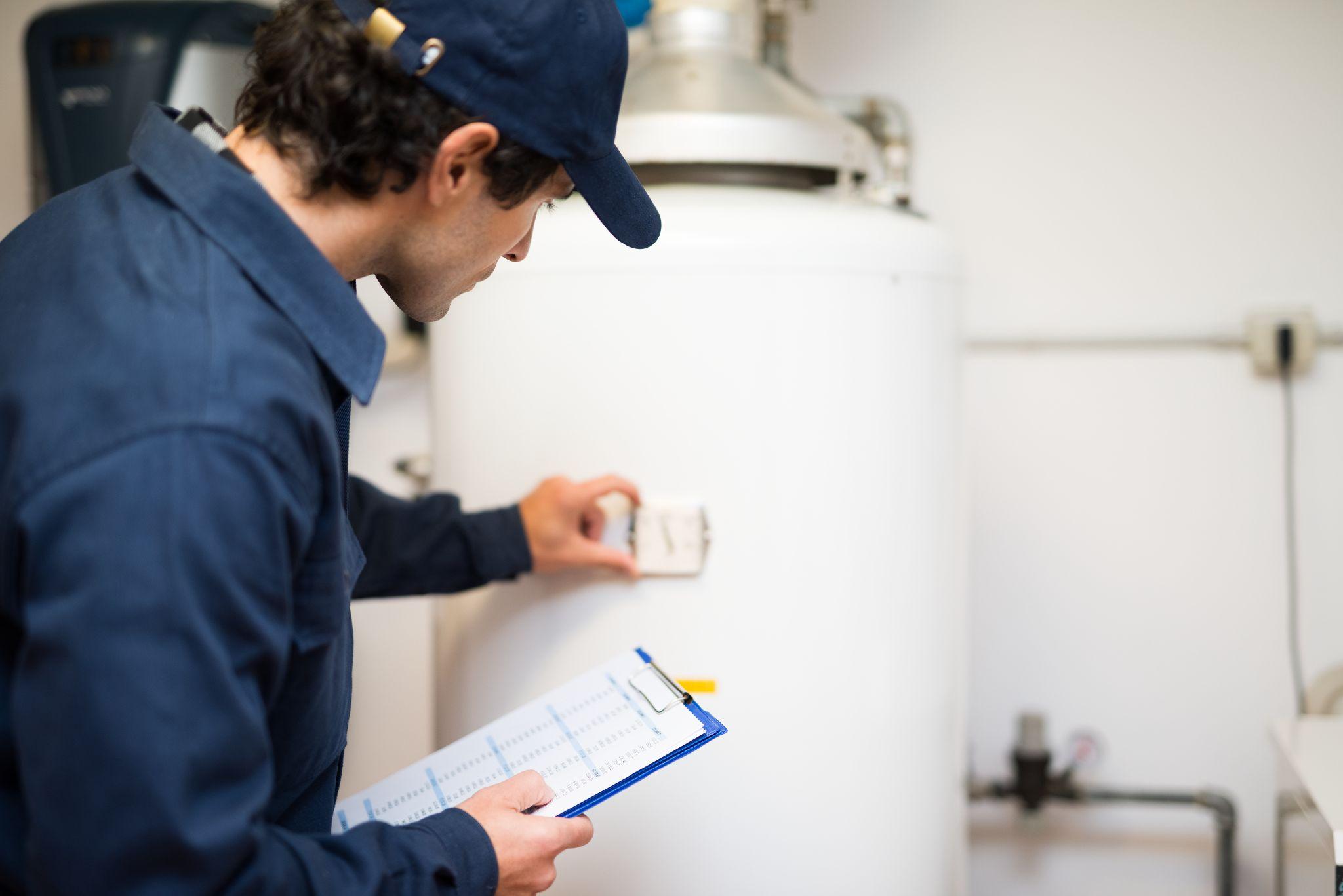
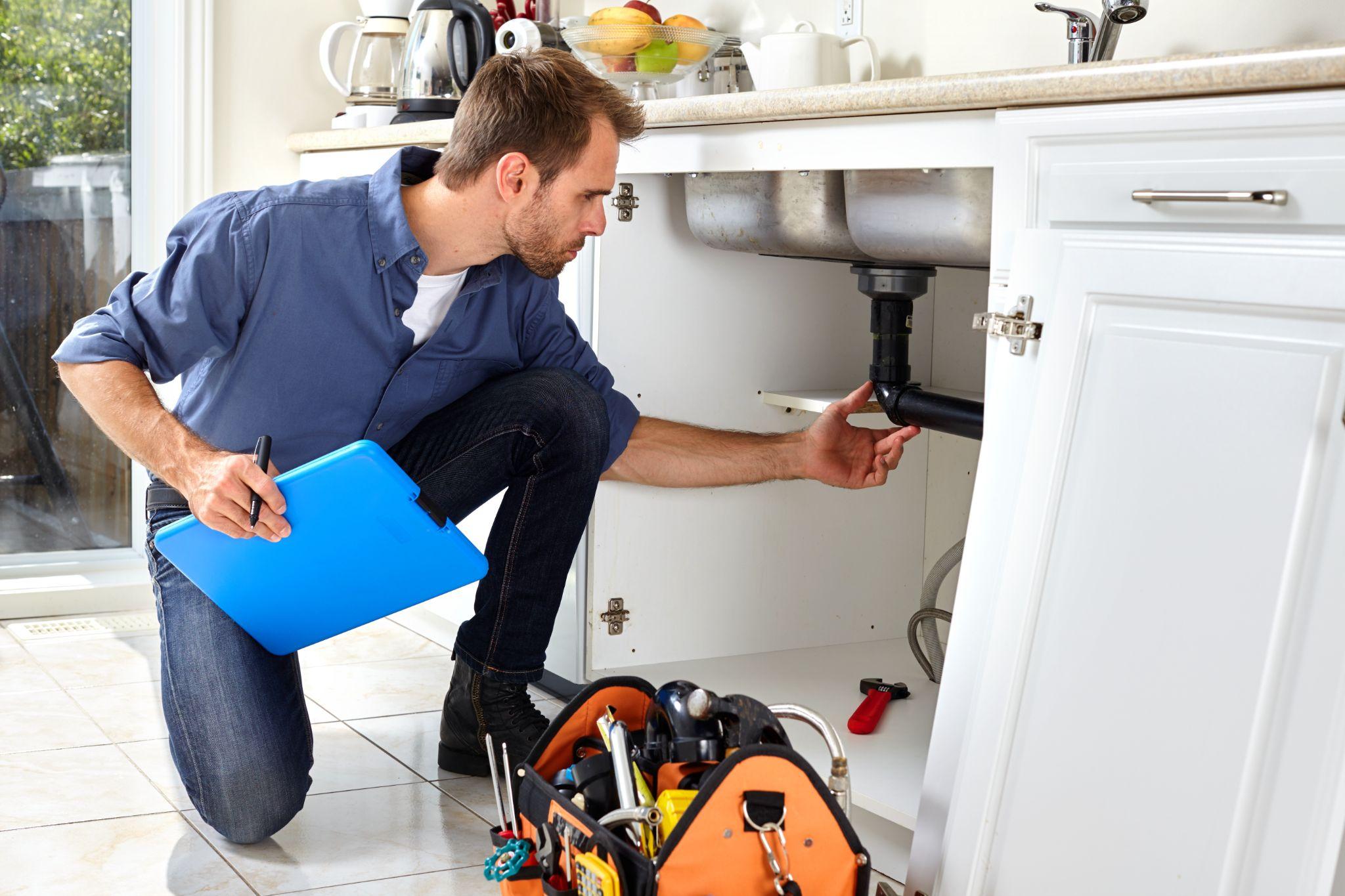
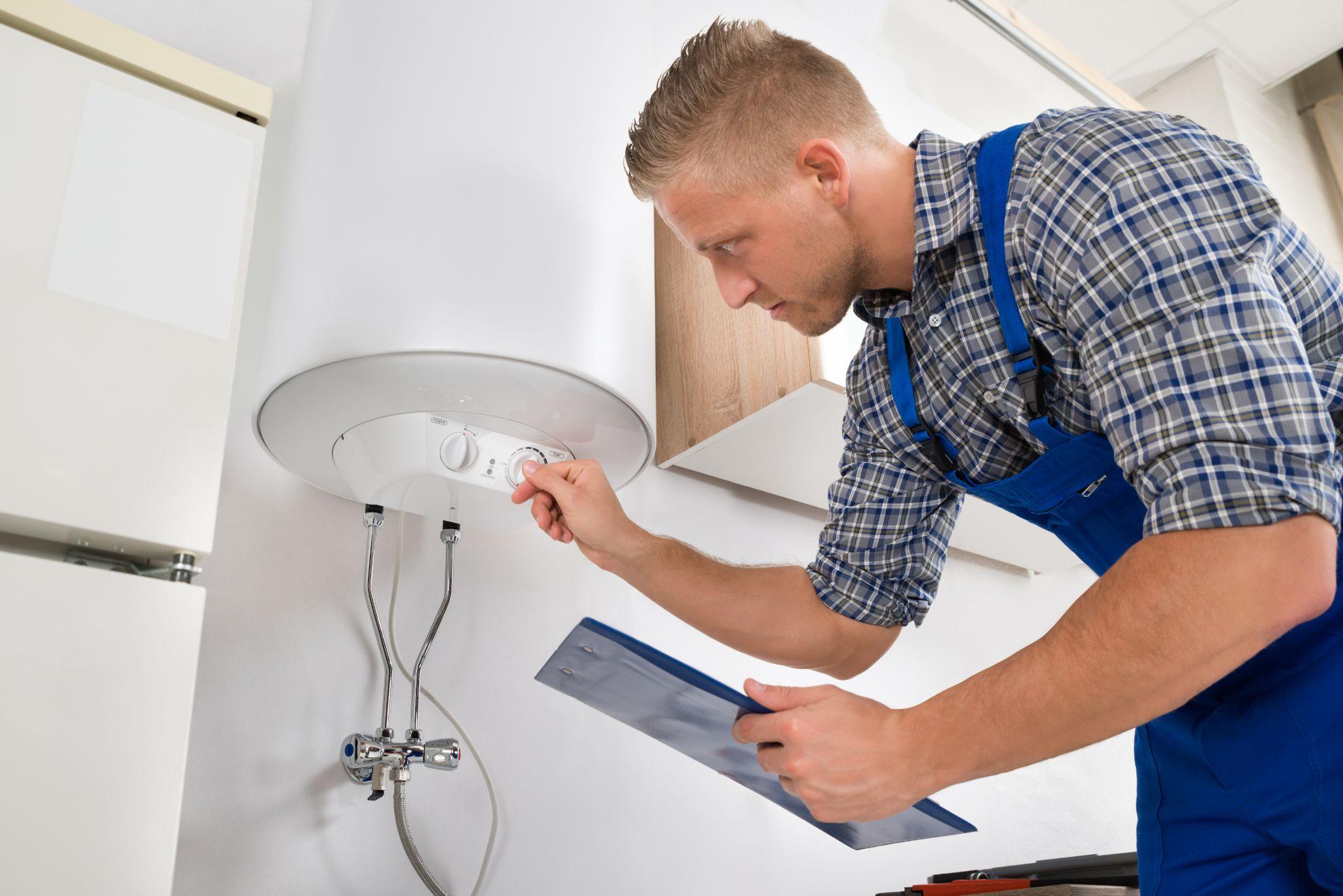
Plumber from Christianson Air Conditioning and Plumbing inspecting a water heater for issues

Remember, the United States has seen a rise in the adoption of energy-efficient appliances, and water heaters are no exception. The trend isn’t just about saving money but also about being environmentally responsible. Joining this wave of change not only ensures savings but also contributes positively to the broader effort of environmental conservation.

The world of water heaters is vast and constantly evolving, but with the right knowledge, you can make a choice that benefits both your wallet and the planet.

Elevate Your Home’s Efficiency: Connect with Experts Today!

Christianson Air Conditioning & Plumbing is committed to serving Central Texas with top-notch solutions. When you think of making an upgrade, remember to consult professionals who understand the intricacies of water heating and can guide you toward an informed decision. Our team of experts is always ready to assist and provide recommendations tailored to your unique needs. Visit our website today to explore our wide range of services.

How You Can Determine the Correct Size Furnace for Your Home

High efficiency furnace from Christianson AC&P

Christianson Air Conditioning & Plumbing employee working on a furnace repair

At Christianson Air Conditioning & Plumbing, we understand that determining the correct size furnace for your home is crucial. Having the right furnace ensures you achieve maximum energy efficiency and optimal comfort. A correctly sized furnace can significantly extend its lifespan and provide consistent comfort levels. Moreover, it ensures that you aren’t paying more for heating than you should.

Why Furnace Size Matters

The size of the furnace you choose has a direct impact on its efficiency. An undersized furnace will not provide enough warmth, while an oversized one can lead to frequent cycling, increasing wear and tear, and spiking energy bills. Choosing the wrong size can also lead to increased maintenance costs, moisture issues, or inconsistent heating across rooms.

Understanding Square Footage

The square footage of your home is the primary determinant when sizing your furnace but, remember, it’s not just about the total area; the layout also plays a part. For instance, a 2,000-foot home with an open-plan might require a different furnace size than one with a similar area but segmented rooms.

It’s also crucial to consider factors like ceiling height, as homes with higher ceilings might need more heating. Likewise, basements or attics that are used regularly will also influence the furnace size you need.

Number of Windows and Their Role

The number of windows in your home can significantly influence your heating needs. Windows, especially if they are not double-glazed or insulated, can be major points of heat loss. Count and assess your windows and factor in their quality and condition when determining furnace size.

Large windows or ones facing north can lead to greater heat loss during winters. Ensuring they have good thermal curtains can mitigate some of this loss, but it’s vital to factor in their presence when choosing a furnace.

Climate Zone and Its Importance

Your climate zone is an essential consideration. Homes in colder climates will naturally require larger, more powerful furnaces than those in milder zones. Understanding where your region falls in terms of heating demand is pivotal in choosing the right furnace.

Different climate zones not only have varying temperatures but can also have different humidity levels, further affecting the kind of furnace you need. Being aware of the typical winter conditions in your area, including average low temperatures, can help refine your furnace choice.

Efficiency Rating: What It Means

High efficiency furnaces come with a superior efficiency rating. This rating is a measure of how well the furnace converts fuel into heat. While they might be pricier upfront, they can lead to significant savings on energy bills in the long run. When you consider the furnace efficiency, make sure to weigh it against the initial investment and the potential long-term savings.

Additionally, federal or state incentives might be available for installing high-efficiency units. Over time, these furnaces can also add value to your home, especially if you decide to sell.

How to Use the Information

Once you have gathered information about the footage of your home and the number of windows and identified your climate zone, you can start to shortlist potential furnace sizes. Remember, it’s always better to consult with a professional to ensure you get the exact size of furnace tailored to your needs. Online calculators and tools can offer preliminary insight, but personalized advice ensures precision. Also, consider the age of your home; older homes might have unique heating needs due to their construction materials and methods.

The Advantage of High Efficiency Furnaces

Christianson Air Conditioning & Plumbing employee working on a furnace repair

High-efficiency furnaces are not just about reducing energy consumption; they are also environmentally friendly. With a better efficiency rating, these furnaces emit fewer greenhouse gases, making them a better choice for homeowners who are environmentally conscious. Additionally, these furnaces often come with advanced features like programmable thermostats or zoning capabilities, enhancing comfort levels. With the global push toward sustainability, investing in such furnaces aligns with the broader goal of reducing carbon footprints.

Your home is an investment. Ensuring you have the correct size furnace for your home is an integral part of that investment. By taking into account the square feet, number of windows, and the specific climate zone you reside in, you can be on your way to optimal furnace efficiency. Not only will the right furnace size keep your home cozy and comfortable, but it can also lead to considerable savings on energy bills in the long run.

Ready to Optimize Your Home Heating?

Making the right choice for your furnace is a step toward a comfortable, efficient, and eco-friendly home. At Christianson Air Conditioning & Plumbing, our team of professionals is dedicated to guiding you every step of the way. Don’t leave your comfort to chance; look through our website and reach out to us today and ensure you have the perfect furnace fit for your home.

Is Switching to a Tankless Water Heater Right for You?

Tankless water heater from Christianson Air Conditioning & Plumbing

Hot water is an essential part of our daily lives, whether it’s for a soothing shower or a sink full of dirty dishes. But when it comes to choosing the right water heater, the options can be overwhelming. Should you stick with the traditional tank-style water heater or make the switch to a tankless wonder? Below, we’ll lay out what you should consider when making this decision. But before we dive in, it helps to understand how both options work.

Tank-style water heaters feature a storage tank that holds and heats a specific volume of water. The tank is constantly filled and heated to maintain a set temperature. When hot water is needed, it is drawn from the top of the tank, and cold water enters the bottom of the tank to be heated for future use. The heating element or gas burner continuously operates to maintain the water temperature, even when hot water is not being used, resulting in standby energy losses.

Tankless water heaters, also known as on-demand water heaters, heat water directly as it flows through the unit. They do not have a storage tank to store hot water. When a hot water tap is turned on, cold water enters the unit and is rapidly heated by a heat exchanger or heating element. This provides hot water instantly, eliminating the need for preheating and standby energy consumption.

When to Consider Switching to a Tankless Water Heater

Switching to a tankless water heater can be the right choice for you if the following factors align with your needs and preferences:

Hot Water Demand

If you have a high hot water demand in your household, such as multiple bathrooms or frequent simultaneous hot water usage, installing a tankless water heater can provide a continuous supply of hot water without the risk of running out. It ensures that everyone in your household can enjoy hot water whenever needed.

Energy Efficiency Goals

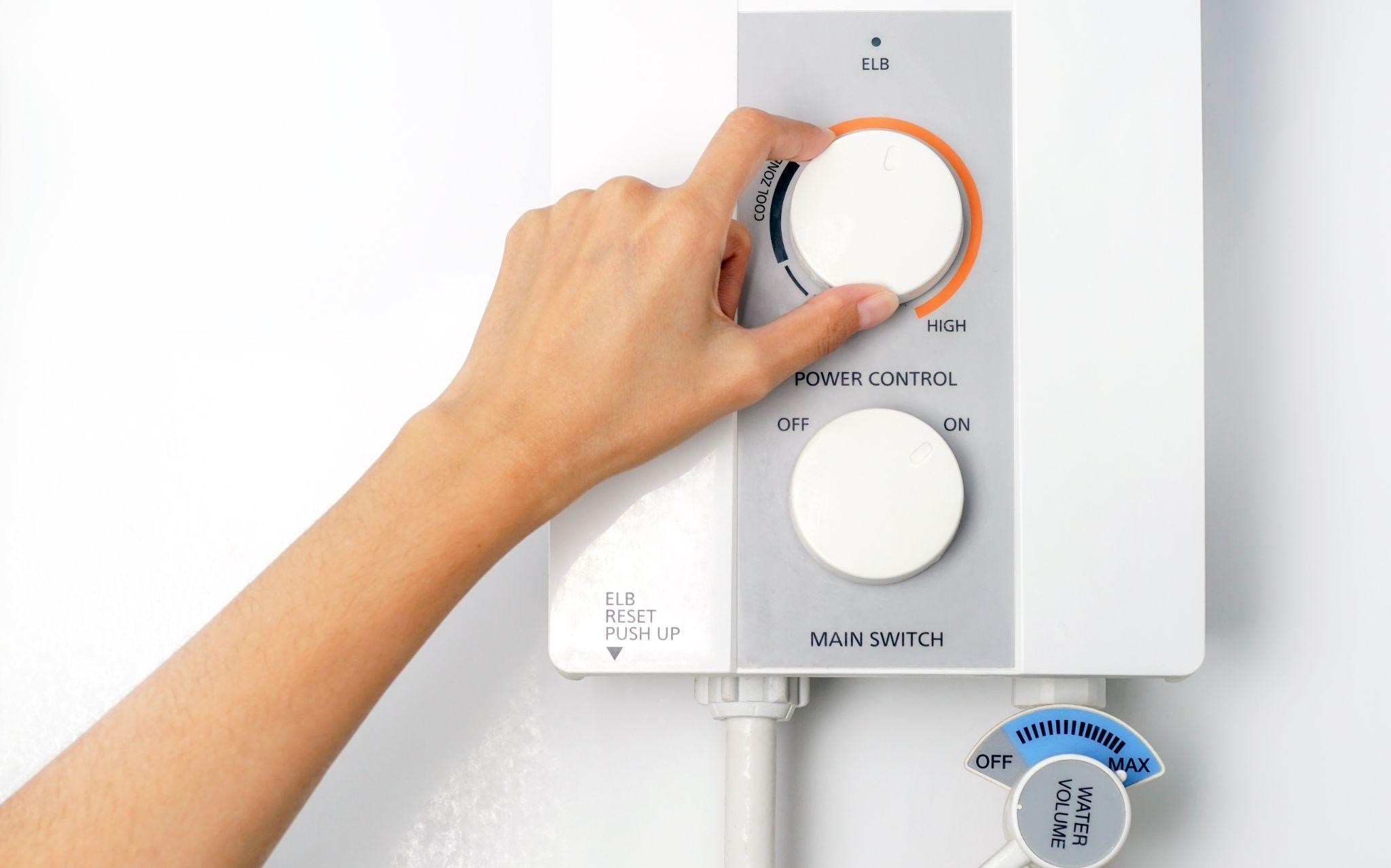
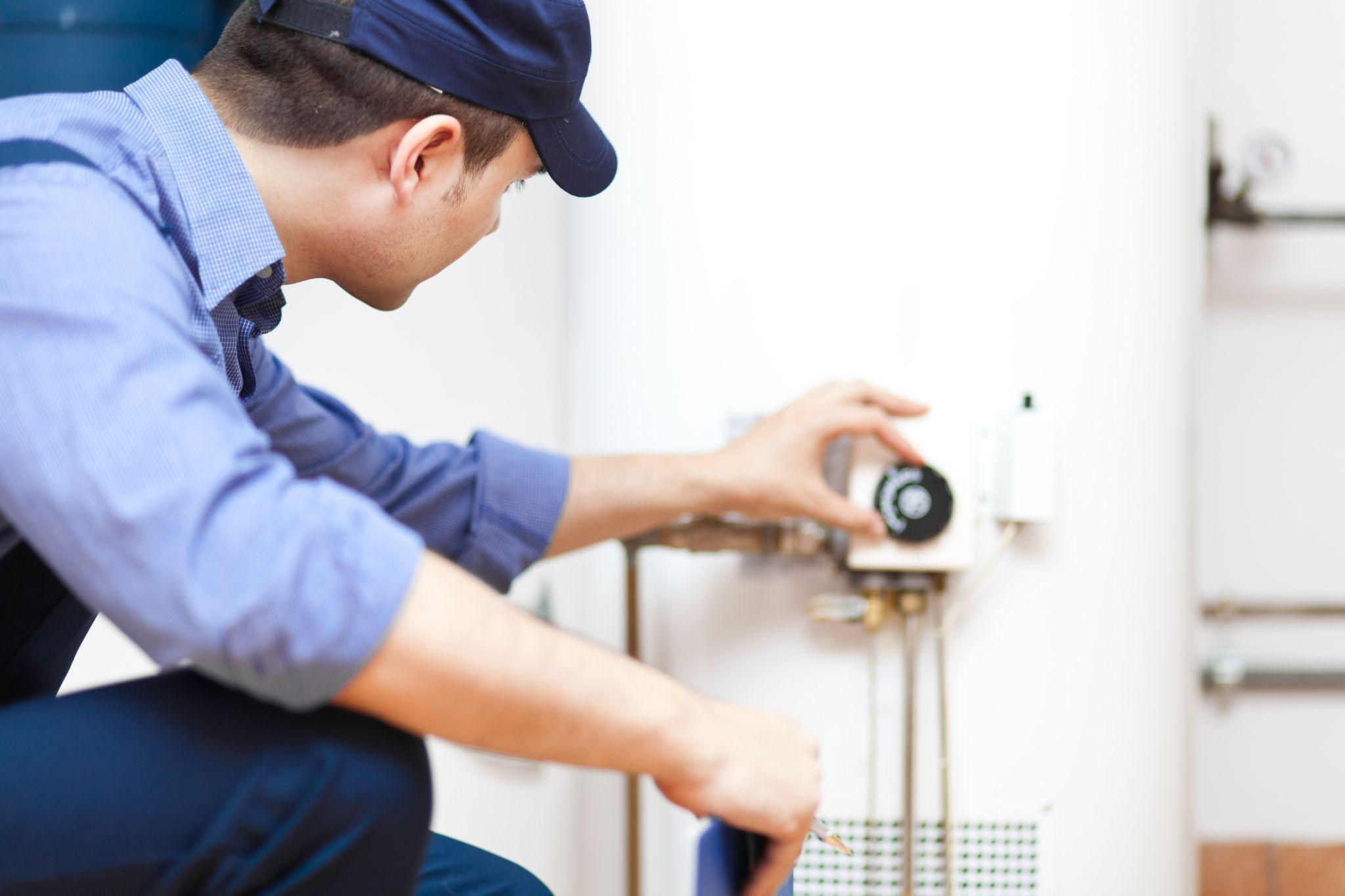
Changing the temperature on a tankless water heater from Christianson Air Conditioning & Plumbing

If you are concerned about energy efficiency and want to reduce your energy consumption and utility bills, a tankless unit is worth considering. Compared to conventional water heaters, tankless models operate on-demand, heating water only when needed. This eliminates standby heat loss and can result in significant energy savings over time.

Space Constraints

If you have limited space in your utility area or prefer to maximize your floor space, a tankless water heater’s compact, wall-mounted design can be a practical solution. It frees up valuable space for other uses and can be particularly beneficial in apartments, condos, or small homes.

Long-Term Cost Savings

Although tankless water heaters typically have a higher upfront cost compared to tank water heaters, they can provide long-term cost savings. With their energy efficiency and longer lifespan, you may save money over time through reduced energy bills and fewer replacements.

Environmental Considerations

If you are environmentally conscious and want to reduce your carbon footprint, a tankless water heater aligns with green initiatives. Its energy-efficient operation reduces energy waste and greenhouse gas emissions associated with water heating, which may make it worth your while to switch from a tank water heater to a tankless unit.

Convenience and Comfort

Tankless water heaters provide the convenience of instant hot water. There’s no need to wait for the tank to heat up, ensuring a continuous flow of hot water for as long as needed. This can be particularly advantageous for larger households or situations where multiple hot water demands occur simultaneously.

Long-Term Planning

If you are building a new home or undergoing a significant renovation, it’s an ideal time to switch to a tankless water heater. This allows for the proper size of a tankless water heater as well as installation, optimizing the system for your specific needs—specifically never running out of hot water again!

Talking to a professional plumber can provide valuable insights tailored to your situation and help you decide if tankless water heater installation is right for you.

Tankless Water Heaters vs. Tank-Style Water Heaters at a Glance

Features Tankless Water Heater Tank-Style Water Heater
Space Efficiency Compact, wall-mounted Requires floor space
Energy Efficiency High efficiency Lower efficiency
Continuous Hot Water Yes Limited storage capacity
Lifespan Up to 20 years 8 to 12 years
Initial Cost Higher Lower
Maintenance & Repair More complex Easier
Most Suitable For Larger households, high hot water demands Smaller households, lower hot water demands
Power Outage No hot water without backup power Limited hot water supply during outages
Convenience On-demand hot water Stored hot water

Call Christianson Air Conditioning & Plumbing

Plumber from Christianson Air Conditioning & Plumbing installing a tankless water heater

At Christianson Air Conditioning & Plumbing, we understand the importance of finding the perfect hot water delivery system for your needs. Whether you’re considering a traditional tank-style water heater or intrigued by the innovation of a tankless water heater, we’ve got you covered. Our team of water heater service experts is here to guide you in making the right choice for your location.

If you’re in San Antonio or Austin, TX, and need water heater troubleshooting, repair, replacement, or maintenance, give us a call today.

Why Is the Kitchen Sink Not Getting Hot Water?

Plumber fixing a kitchen sink that is not getting hot water

Hot water at the kitchen sink is essential for washing dishes, running the dishwasher, and cleaning. When there is no hot water coming out of the faucet, it can be frustrating. However, knowing why hot water is not coming out of the faucet and how to troubleshoot this problem will make it easier and let you know when you need to call a plumber for help.

Why Is My Hot Water Not Working at the Kitchen Sink?

The Hot Water Is Turned Off

You will not get hot water from the kitchen faucet if the hot water is turned off. Check underneath the sink to verify the hot water valve supplying hot water to the faucet is open. If it is closed or partially open, ensure you open the valve all the way.

There Is a Blockage

If there is a blockage between the water heater and kitchen faucet, it can stop the flow of hot water. Turn off the cold water faucet valve under the sink and verify the hot water is turned on. Turn on the faucet. If no water comes out, you have a blockage and should call your plumber.

Low Water Pressure

If there is a low water pressure problem, it can prevent the flow of hot water. So, it will seem like you are not getting sufficient output at the faucet. Verify if the problem is just in the kitchen or with other faucets in the house. Once you know which faucets are having problems, call your plumber to help pinpoint where the water pressure drops.

Water Heater Turned Off or Thermostat Turned Down

Most modern water heater installations have a secondary switch that can sometimes get shut off. If the switch is off, the heater won’t make hot water. In addition, you should check the thermostat on the front of the heater to verify it is set correctly—between 120 and 140 degrees Fahrenheit.

Broken or Malfunctioning Water Heater

Malfunctioning water heater

Various parts and components of the water heater could be broken or malfunctioning, such as heating elements. Check to see if you get hot water at any other faucets in the house. If not, you will want your plumber to diagnose the problem further.

Why Does It Take So Long for Water to Get Hot at the Kitchen Sink?

It can seem like it takes a long time for water to get hot at the kitchen sink for several reasons. For starters, when you turn on the hot water, there is already existing water in the line between the heat and the faucet.

So, all this water has to be moved before the hot water from the tank reaches the faucet. Next, the distance between the water heater and the kitchen sink determines how long it takes before you will get hot water.

Last, the outdoor temperatures influence how long it takes to get hot water to the faucet. Your crawl space or basement will be much colder in the winter. Even with insulated pipes, the colder temperatures will still lower water temperatures in the hot water supply lines. As a result, it takes longer to flush out the cold water.

How Can I Get Hot Water Faster?

  • Turn Up the Thermostat: You can turn the thermostat up to 140 degrees Fahrenheit to help get hot water faster.
  • Increase Insulation on Hot Water Pipes: Adding additional insulation can help retain more heat, providing hot water faster.
  • Install an Under-Sink Water Heater: A tankless under-sink water heater provides nearly instant hot water.

Benefits of Getting Help from a Professional Plumber

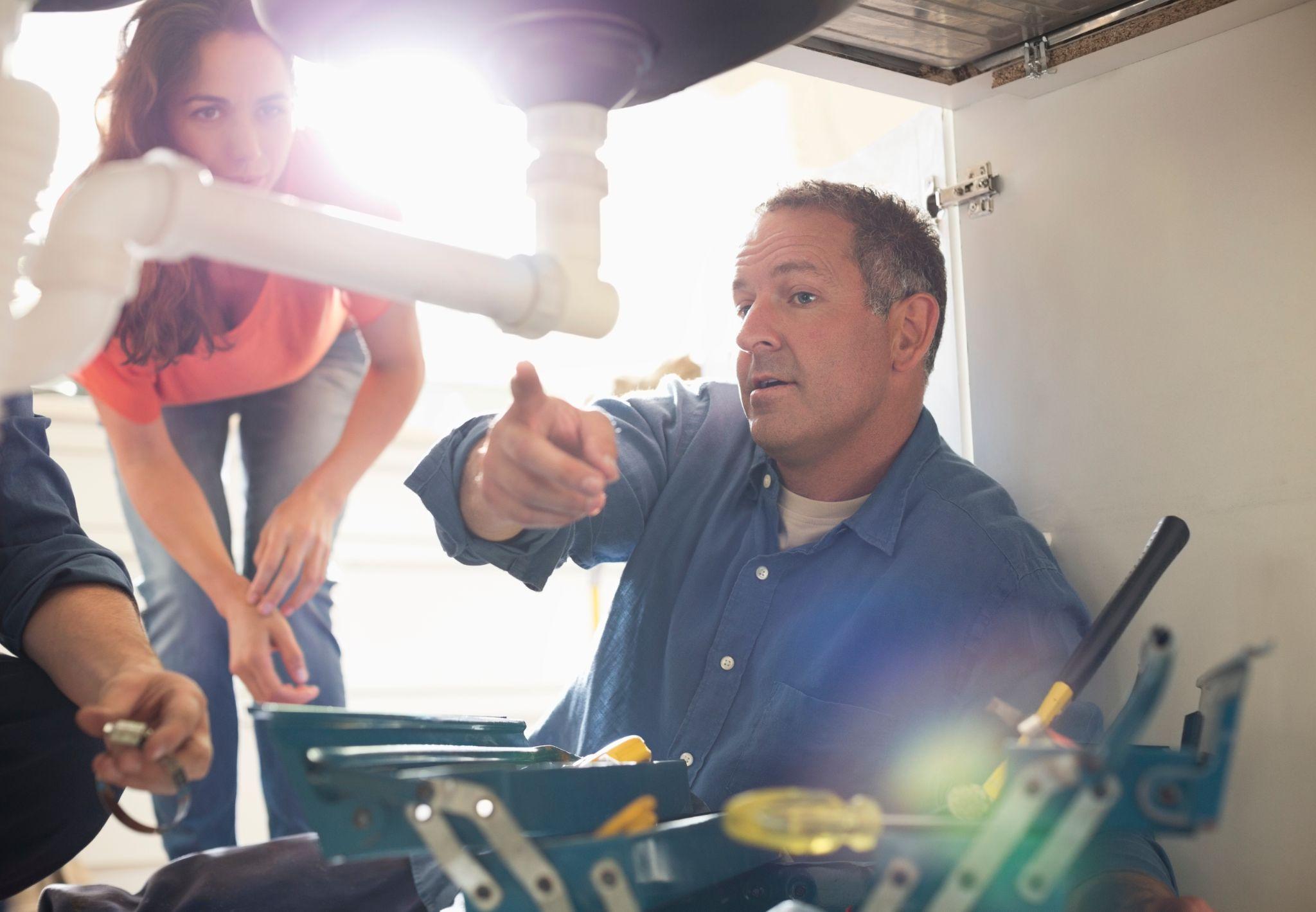
Plumber diagnosing a kitchen sink issue with a customer

When hot water is not coming out the faucet, getting help from a professional plumber provides you with several benefits, including:

  • Professional Diagnosis: A professional plumber can diagnose the root cause of why your kitchen sink is not getting hot water and provide a long-term solution for it.
  • Quality Parts & Service: Professional plumbing services use quality parts to ensure that any repairs or installations are done correctly, safely, and efficiently. This ensures that all plumbing issues are resolved properly without further problems arising later on down the line.
  • Guaranteed Workmanship: Most professional plumbing services offer a guarantee on their workmanship. You’ll know that if something goes wrong during or after the repair/installation process, it will be fixed at no extra cost to you.
  • Cost Savings: Hiring a professional plumber may save you money in the long run due to their expertise and knowledge of what needs to be done.
  • Preventative Maintenance: They may uncover other potential future problems while working on your issue, which could help prevent costly repairs in the future.

Have Hot Water Issues Fixed Today

When you need help determining the cause of no hot water coming out of the faucet, you can count on the experienced plumbers at Christianson Air Conditioning & Plumbing. Our San Antonio and Austin plumbers will diagnose the problem, provide viable solutions, and offer advice on ensuring your home has plenty of hot water. Schedule plumbing service by calling 512-246-5400 today.

Should I Replace My Thermostat?

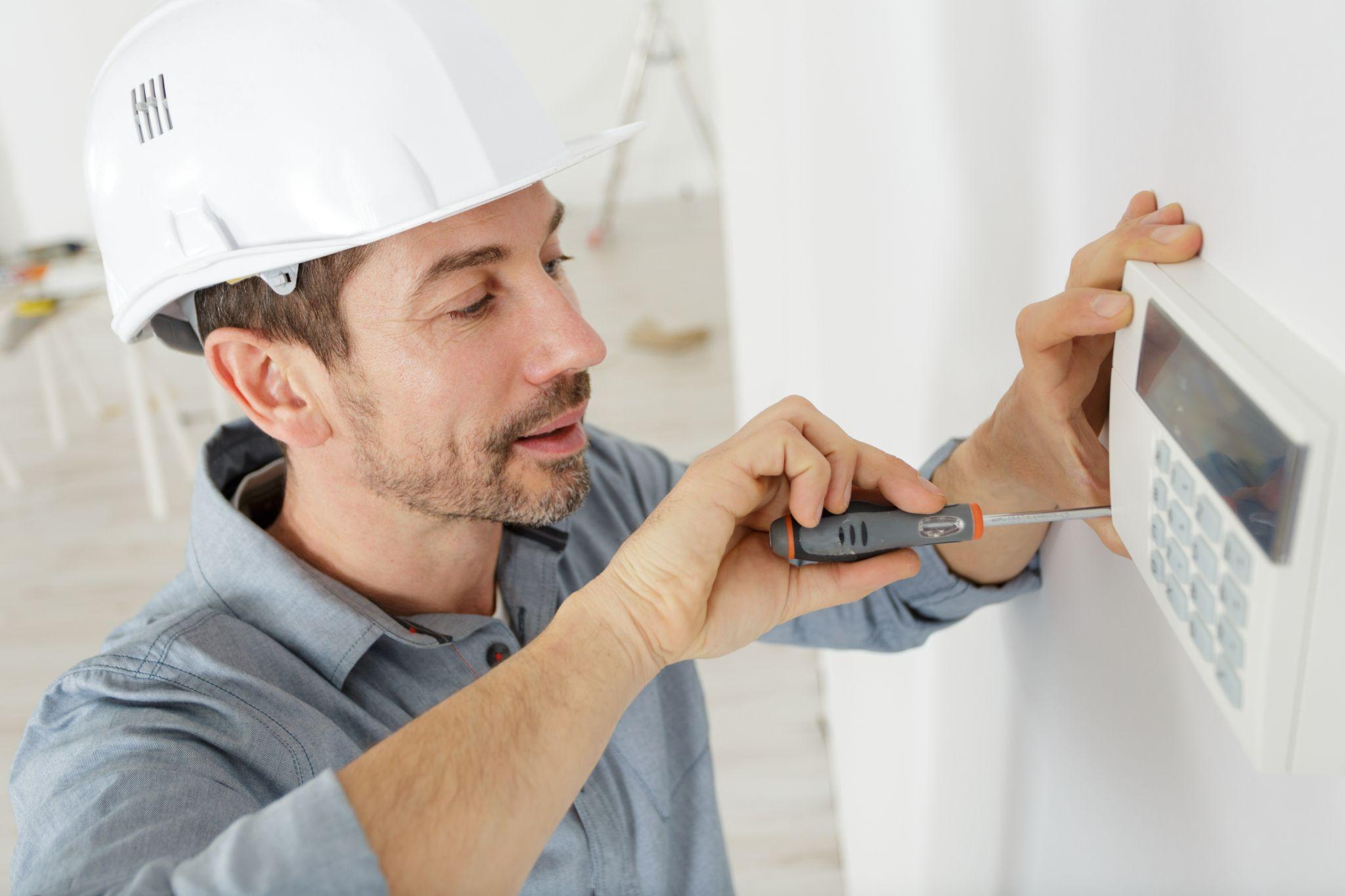
a happy plumber fixing thermostat

The thermostat is an essential part of your home’s HVAC system. This component is responsible for communicating with your air conditioning or heating system to turn on and off to keep your home comfortable. When you notice problems with your HVAC system not operating correctly, replacing the thermostat could solve your problems.

The Importance of a Good Working Thermostat

The thermostat is the heart of your home’s heating and cooling system. A good working thermostat can turn the system on and off to regulate and maintain desired indoor temperatures, whether it is hot or cold outside.

When you have an old thermostat, it can show signs that it is no longer communicating effectively with your HVAC system. For example, the thermostat may send false signals because it inaccurately reads indoor air temperatures.

As a result, your HVAC system can turn off or on unexpectedly. In addition, it could run longer or short-cycle because the thermostat is not sending the correct information to the system.

Signs Your Thermostat May Need Replacing

Smiling African American man using modern smart home system, controller on wall

  1. Your HVAC system will not turn on or off. If you notice your HVAC system is not turning on or will not shut off, the culprit could be your thermostat. Try adjusting the setting up or down to see if this turns on or shuts off your system.
  2. There is nothing on the display screen. If your thermostat is not getting power, it will not operate your HVAC system. Verify the breaker is not blown and attempt to reset it.
  3. The indoor temperature reading on the thermostat is inaccurate. When the temperature on the display screen is off by a few degrees or more, it will cause your home to be warmer or cooler. Adjusting the thermostat to compensate for the variance is a short-term solution. However, you will want to contact your HVAC technician to have them test the thermostat to see if it needs replacing.
  4. The thermostat is outdated for your HVAC system. Newer HVAC systems may not be compatible with old thermostats. If you recently upgraded your HVAC system or are planning on doing so, it is a good idea to replace the thermostat too.
  5. You notice an increase in heating and cooling bills. Aside from increases from your energy provider, other increases in energy bills could be related to your thermostat not working properly or indicate your HVAC system is aging. Have your HVAC technician test your system to determine the cause.
  6. You notice your air conditioning or heating is short cycling. Short cycling can occur when the thermostat signals the system to shut off before the heating or cooling cycle is complete. This can also happen when your current system is undersized for your home.
  7. The thermostat’s technology is outdated. Digital programmable thermostats have been around since the 1980s. However, newer technologies, like smart thermostats, can improve the efficiency of your HVAC system.
  8. It is installed in the wrong location. Your thermostat should be installed on an interior wall, away from direct sunlight and register vents. Direct sunlight will cause your thermostat to think it is warmer inside than it is in the rest of the house. If the thermostat is installed near register vents, when the system runs, the hot or cold air will heat or cool the thermostat, resulting in short cycling.

How Long Do Thermostats Last?

Most thermostats can last about ten years before they need to be replaced. In addition, digital and smart thermostats have backup batteries to retain settings that should be replaced every year or two. However, if you like having the latest technology, replacing a thermostat before it is ten years old will give you access to the latest features to heat and cool your home.

Thermostat Replacement in Austin and San Antonio

If you have an old thermostat, notice any of the signs we mentioned, or simply want to replace a thermostat to upgrade to the latest technologies, please feel free to call Christianson Air Conditioning & Plumbing at 512-246-5400 today. Our HVAC technicians will perform a detailed HVAC system inspection to determine if your thermostat is bad and to identify other potential HVAC problems.

How Cold Weather Affects Your Water Heater

Plumber repairing an hot-water heater

Many people do not consider how cooler winter temperatures affect their home’s plumbing and water heater. Instead, they take their water heater for granted for hot steamy showers and doing dishes. However, in wintertime, things are more likely to go wrong with your water heater and leave you wondering why your hot water is not working in cold weather.

How Does Cold Weather Affect a Hot Water Heater?

The water coming into your home will be much cooler than it is in the summer.

While temperatures do not get below freezing much in Austin or San Antonio, they still can get quite cold. As a result, you can expect the water coming into the home to be around 25 degrees cooler and even colder if it should get below freezing.

With the colder water refilling the water heater’s tank as you use hot water, it will need to run longer to bring it up to your desired temperature. So, you will notice right away an increase in energy bills.

Your water heater will have to run more often if it is not insulated.

The amount of heat transfer loss from the water heater will be more in the winter. So, as heat is lost, the water heater will run more frequently to maintain your desired temperature level. Unfortunately, this also places added wear and tear on the water heater. Therefore, you should insulate your water heater to reduce and prevent heat transfer loss.

The location of your water heater affects its wintertime performance.

Most homes have the water located in a garage, basement, or other areas of the house that have minimal protection from cooler weather. The colder air that circulates around the water tank lowers the water temperature and causes the water heater to run more often. Hence, the importance of insulating your water heater.

In addition, if there are air drafts, and you have a gas water heater, you need to keep an eye on the pilot light. The water heater pilot light goes out in cold weather more often because there tend to be more drafts than in summer. So, if you are scratching your head and thinking “Why is my water cold?”—check the pilot light.

Your water heater can start to make snapping, popping, and crackling noises.

The sediment found in the bottom of tank-type heaters will tend to become more noticeable in the winter. This is because as the water heats up, the sediment becomes warmer and draws in heat from the water. Not only does this cause your water heater to work harder, but it also causes the sediment to snap, pop, and crackle.

Your demand for hot water is often higher in the winter.

If you are like most people, you tend to take longer hot showers in the winter to warm up. Sometimes you may shower a few times each day. However, as hot water demands increase, your water heater may have a hard time keeping up.

While it can be tempting to crank up the temperature dial on the water heater, it increases the risk of being scalded. Plus, your water heater will have to work even harder to heat water to a higher temperature, shortening its lifespan.

The ideal temperature for a water heater is 120 to 140 degrees Fahrenheit. So, if your water heater is currently set at 120, it is okay to turn it up to 130 or 140 to see if this helps keep up with your hot water demands—but never go over 140.

How to Prevent Water Heater Problems in Cold Weather

Close-up of female hand adjusting temperature of water heater.

You can do several things to ensure you have plenty of hot water in your home all winter long. Many of these things will take the added strain, wear, and tear off your water heater too.

  • Insulate your water heater and exposed plumbing lines. We already mentioned insulating your water heater will help stop heat loss transfer and keep it from working as hard to maintain your desired water temperature. Furthermore, you should also insulate any exposed plumbing lines. Doing so will prevent a frozen water heater and frozen pipes should temperatures drop below freezing.
  • Have your plumber flush your water heater. Regular flushing will help remove sediment from the tank to help it last longer.
  • Schedule annual maintenance on your water heater. Yearly maintenance allows your water heater to be inspected and tested to identify any potential problems or parts that need to be replaced.
  • Upgrade to a tankless water heater this winter. Tankless water heaters are much more energy-efficient than tank-type heaters. Next, they can be installed just about anywhere inside the home, so they are not exposed to cooler temperatures. Best of all, they make hot water on demand to provide as much hot water as you need when you need it.

Signs Your Water Heater Needs to Be Repaired or Replaced

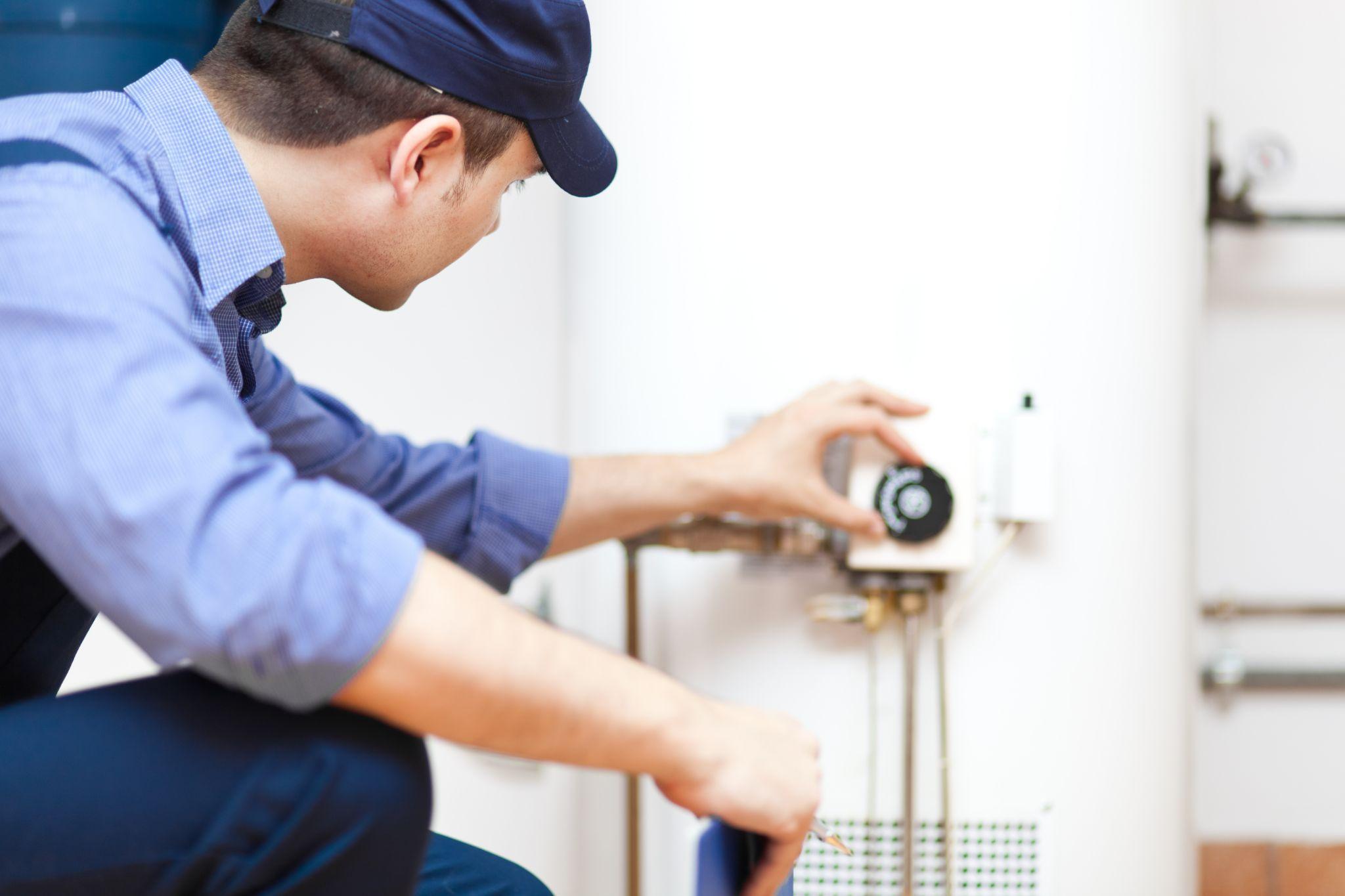
Worker adjusting temperature of water heater

Instead of waiting for your water heater to fail, it is better to be aware of common signs indicating that it needs to be repaired or replaced.

  • The hot water temperature never gets hot.
  • You run out of hot water frequently.
  • Your energy bills have increased excessively.
  • Your water heater is more than ten years old.
  • Your water heater is rusty or has leaks.
  • Your hot water has sediment or rust in it when it comes out of the faucet.
  • Your water heater constantly runs.
  • Your pilot light goes out often.
  • Your water heater is making strange sounds.

By taking the time to address these issues, you can avoid waking up on a cold winter morning and not having any hot water.

Water Heater Services in Austin and San Antonio

It is easy to ensure your water heater is prepared for cold weather by scheduling water heater service with the trusted and experienced plumbers from Christianson Air Conditioning & Plumbing. Our plumbers can take care of water heater maintenance, flushing, repairs, and new installations of tank-type and tankless water heaters. Contact us at 512-246-5400 today to book your appointment.

Save Energy with Your Water Heater This Summer

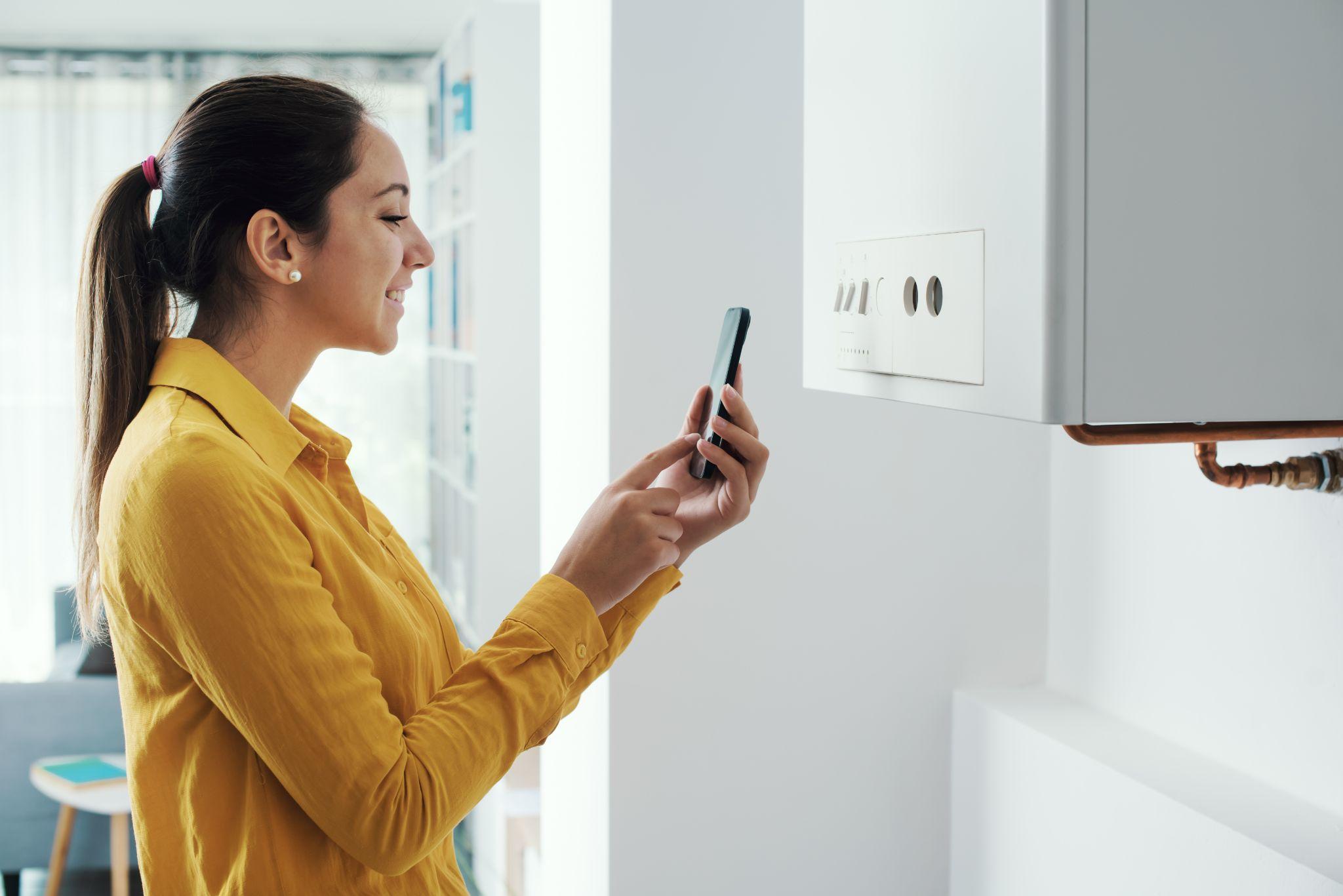
Woman managing her smart boiler using her phone

Woman managing her smart boiler using her phone

According to the Department of Energy, 20 percent of your home’s energy use is for water heating. Furthermore, the average household uses about 64 gallons of hot water daily. So, looking for ways to reduce water heater energy use is a great way to lower your water heating costs.

Before summer is over, now is the perfect time to start implementing cost-cutting measures by checking out these excellent ideas and tips.

Upgrade to Water-Saving Fixtures

Switching out your faucets and showerheads with ones that use less water cuts your hot water usage. Your local plumber can provide you with a selection of water-saving fixtures for your home.

Turn Down the Temperature Setting

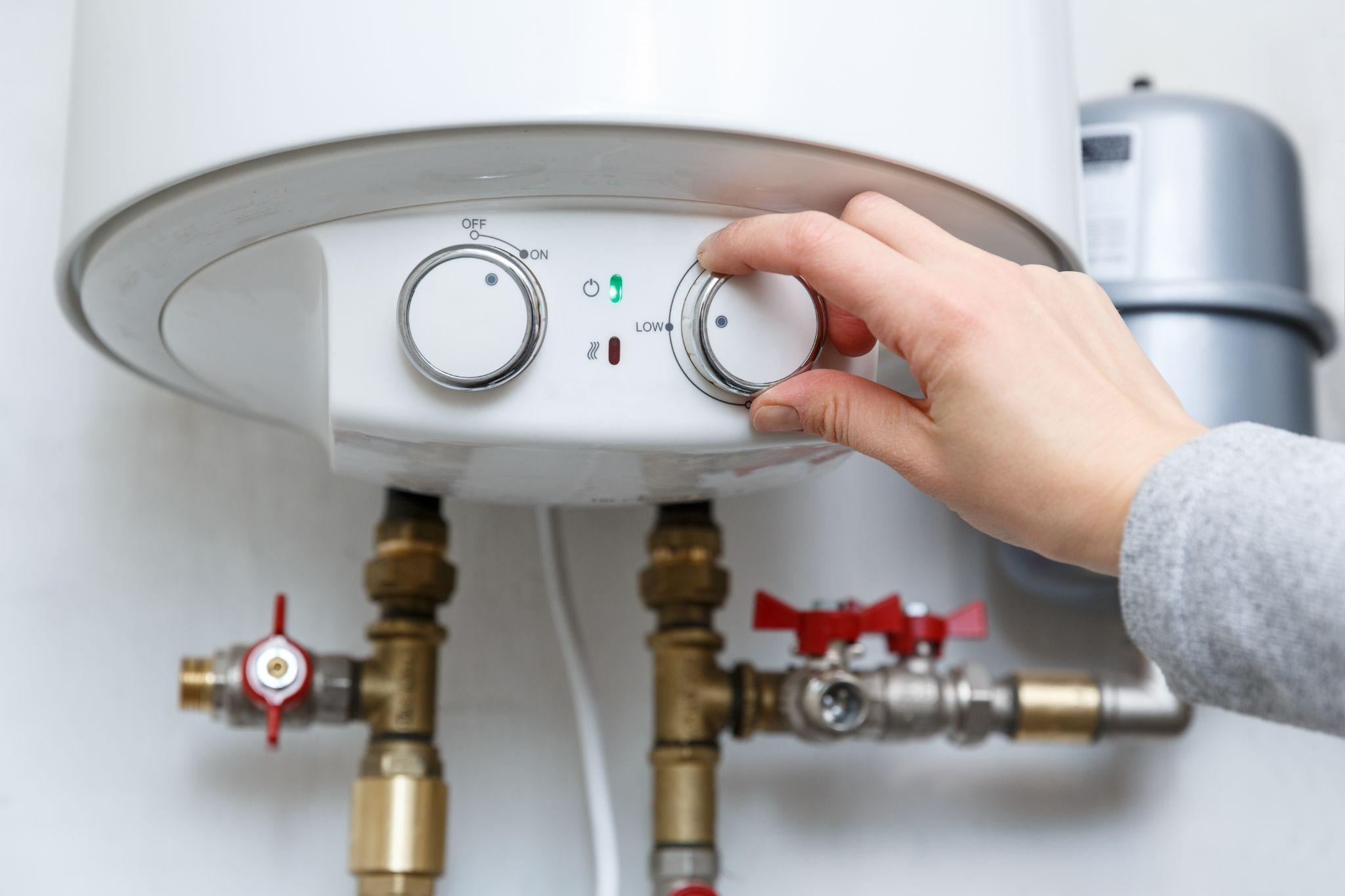
Female hand puts thermostat of electric water heater

You can lower your natural gas and electricity consumption by reducing the temperature setting on your water heater. You need to ensure you do not turn it below 120 degrees Fahrenheit because this is the lowest temperature where harmful bacteria are killed.

Insulate Your Water Tank

Your water heater uses energy to maintain your desired temperature by running periodically to compensate for heat loss. Heat loss transfer occurs when the tank is not insulated as the heat slowly escapes.

Insulating your tank helps create a barrier to reduce how fast the heat is lost. As a result, your tank runs less often to keep the water hot.

Insulate Your Pipes

Heat loss transfer also occurs if your hot water pipes are not insulated. As you run hot water, the water loses some of its heat. Therefore, the water heater has to work harder and run longer to provide the hot water you need. Having your pipes insulated helps reduce heat loss and keeps the water hotter.

You should also insulate the incoming cold water supply line that connects to your water heater. Insulating this line helps reduce temperature differences as the cold water enters the tank, resulting in less heating time and energy usage.

Upgrade Your Appliances

You could get a new washer or dishwasher with energy efficiency and water-saving features to reduce hot water usage. Some new appliances also have steam settings that use a fraction of hot water to clean clothes and dishes.

Only Run Full Loads

Get into the habit of not running the dishwasher or washing machine unless you have a full load. Partial loads waste hot water and increase your energy use.

Wash Your Clothes on Cold

Another way to lower hot water usage is only to use cold water to launder your clothes. Most detergents work just as effectively in cold water.

Wash Dishes in Your Dishwasher

It might seem faster to wash dishes by hand. However, you are wasting more hot water than loading and running the dishwasher. According to the NRDC, you use 27 gallons of water or more to hand wash your dishes compared to as little as three gallons using an Energy Star-rated dishwasher.

Even older dishwashers use less water ranging from five to ten gallons a cycle. Plus, you do not need to pre-rinse dishes before putting them in the dishwasher. You just need to scrape off excess food.

Schedule Water Heater Maintenance

Regular water heater maintenance helps ensure your water heater is operating properly. Over time, the heating elements will lose efficiency, so they should be replaced regularly.

In addition, sediment and particles accumulate inside the tank, further reducing water heating efficiency. Have your plumber flush your tank yearly as part of your annual maintenance.

Furthermore, maintenance helps identify potential problems and resolve them before they become major repairs.

Fix Any Water Leaks

If you have any hot water leaks in your plumbing system, you need to have those fixed. Not only are you wasting hot water, but you are also causing water damage to your house. As the water damage worsens, it promotes wood rot, mold, and mildew growth.

Fix Dripping Faucets and Fixtures

Do you have dripping faucets and fixtures where the drips are coming from the hot water supply? If so, these drips will cause your water heater to run more often. You are also wasting water. Resolving the drip could be as easy as having your plumber replace a washer inside the faucet handle.

Reduce Water Usage

Another way to reduce water heater energy use is to change your hot water usage habits. For example, instead of taking daily baths, take showers instead. If you have a bad habit of leaving the warm water running while brushing your teeth, break the habit by shutting the water off until you are ready to rinse.

Upgrade Your Water Heater

As water heaters age, they slowly lose their energy efficiency. So, if your current water heater is ten years or older, upgrading to a new tank-type heater can help reduce your energy usage. New tank-type heaters are more energy efficient than older models.

Better yet, upgrading your water heater to a tankless water heater will provide you with the most energy savings. Tankless water heaters make hot water on demand and provide an endless supply of it. Unlike tank-type heaters that run periodically to maintain the desired temperature, tankless heaters only run when you use hot water.

As a result, you save a significant amount of energy compared to tank-type heaters—up to 40 percent in energy savings. Plus, tankless water heaters are an upgrade that will add value to your home. Even though they cost more upfront, they have an average lifespan of about 25 years.

Plumber repairing an hot-water heater

Water Heater Services in San Antonio and Austin

Annual or bi-annual water heater maintenance from Christianson Air Conditioning & Plumbing ensures water is not wasted by finding corrosion, improper venting, leaks, and other potential problems that reduce energy efficiency.

When it is time to upgrade or replace your water heater, we provide access to energy-efficient tank-type water heaters and even more energy-efficient tankless water heaters with complete installation.

To schedule water heater maintenance or to request a quote on a new water heater, please feel free to contact us at 512-246-5400 today.

Sources:

  1. U.S. Department of Energy. Water Heating.

10 Signs Your Thermostat Is Not Working Properly

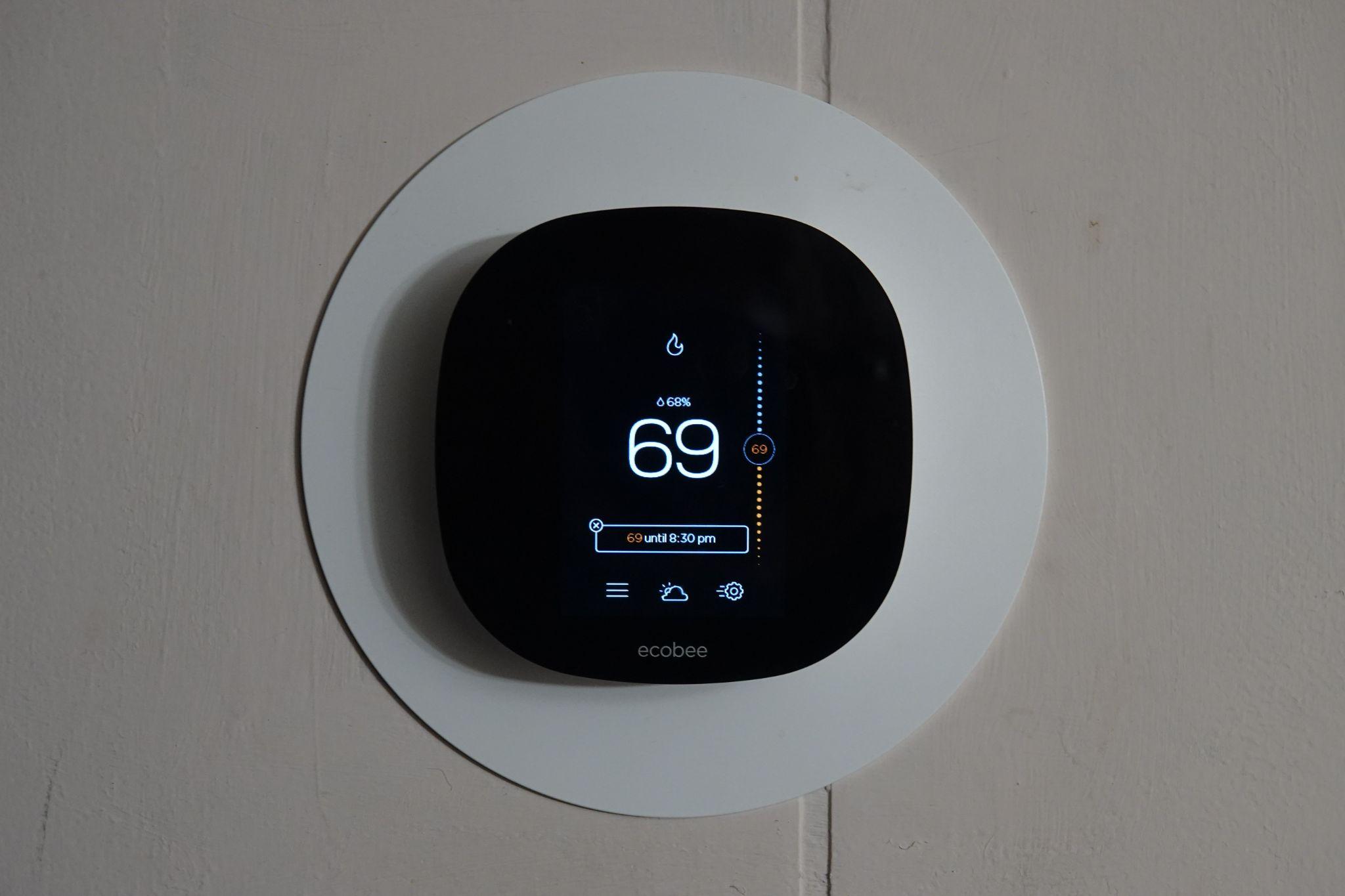
An Ecobee smart thermostat in a home

An Ecobee smart thermostat in a home

Your home’s heating and cooling system relies on the thermostat to tell it when to turn on and off. When you have problems with your thermostat, it can affect how your home heats and cools and whether the furnace or air conditioning runs correctly.

Knowing what signs to look for when things are not running how they should can help you determine if you need a new thermostat or if something is wrong with your air conditioner or furnace.

What Does a Thermostat Do?

A thermostat is connected to the heating and cooling system in your home. It monitors the indoor air temperature and turns on whenever the temperature gets above or below your preset preferences.

When it does, the thermostat electronically sends a signal to the air conditioner or furnace to start the cooling or heating cycle. It then monitors the cycle and sends another signal when the indoor temperature reaches the desired setting for the air conditioning or heating system to shut off.

While a thermostat looks like a basic electronic device, it is very complex. If you were to remove it from the wall, you would see different colored wires connected to specific terminals on the thermostat. Additionally, the thermostat’s wiring configuration is equally essential to ensure your system operates correctly.

Why Is My Thermostat Not Working Properly?

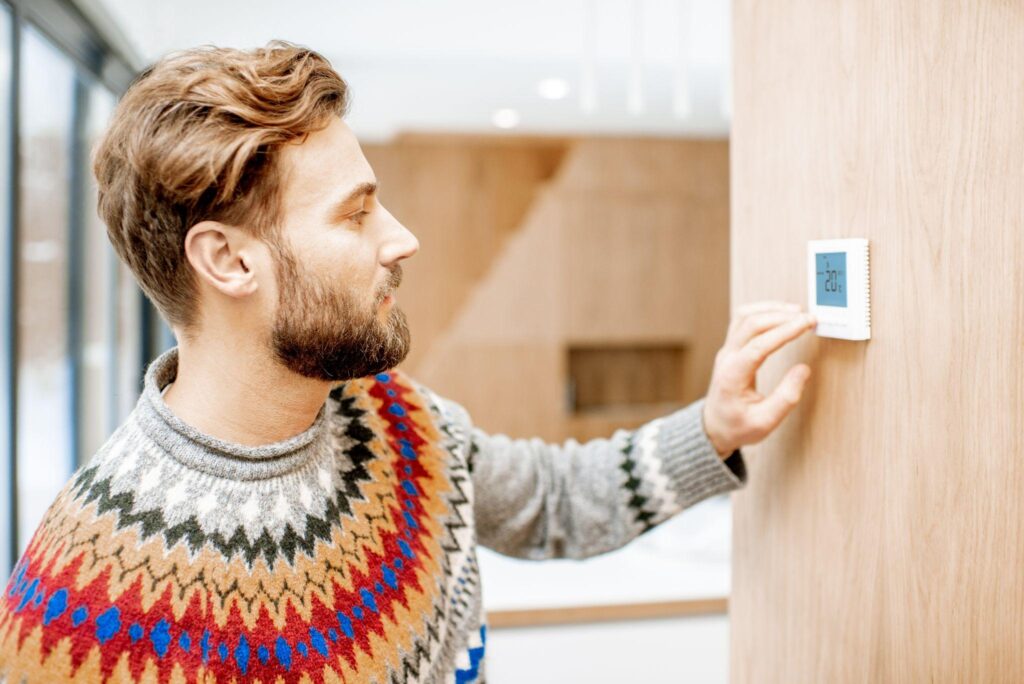
Man adjusting room temperature with electronic thermostat at home

#1. Installation Location

Your thermostat needs to be installed along an interior wall out of direct sunlight and away from potential heat sources. For example, if your thermostat is in a location where it is in direct sunlight, it will think it is hotter. As such, your air conditioning will run longer and more often.

A similar problem can occur when it is installed under an air duct. As the hot or cold air blows out, it will alter the temperature readings and cause your heating and cooling system to short cycle.

#2. HVAC System Won’t Turn Off

Once the desired indoor air temperature is reached, your thermostat should signal the HVAC system to shut off. When the shut off signal is not received by the system, there is something wrong with the thermostat. If it turns on without any issues, then it could be a bad board connection, a loose wire, or a broken wire.

#3. HVAC System Won’t Turn On

Another problem that can occur is when your thermostat is not able to communicate with your HVAC system to tell it to turn on. The issue could be a loose wire, a broken wire, or a faulty temperature sensor.

#4. No Power to the Thermostat

If you have a digital or smart thermostat and it does not have power, your heating and cooling system will not run. You should check your breaker box to see if you have a circuit breaker that needs to be reset. If the breaker blows after resetting it, then there is an electrical problem. So, you should call your HVAC technician for assistance right away.

#5. Will Not Respond to Changes in Temperature Settings

Whenever you turn the thermostat up or down below the current indoor temperature, the HVAC system should respond within 30 to 60 seconds. If it does not, or there is no response at all, your thermostat probably needs to be replaced.

#6. Inaccurate Temperature Readings

As thermostats age, the internal temperature sensor wears out. As a result, your thermostat may think the indoor temperature is from the actual temperature. When your thermostat cannot sense correct temperatures, your home will not be heated or cooled to the desired temperature.

#7. Increases in Your Energy Bills

As HVAC systems age, they lose their efficiency, and your energy bills will increase. The same is true with your thermostat. When it starts to wear out, it becomes less efficient and can cause heating and cooling cycles to run much longer and increase your energy usage.

#8. The HVAC System Short Cycles

Short-cycling is when the system turns on, runs for a short period, and shuts off. As a result, the system can never complete a full cycle, so your home is never able to reach the desired temperature. Short-cycling can be caused by a dirty air filter or problems with your thermostat.

#9. The Thermostat Keeps Resetting Itself

If you have a digital or smart thermostat and notice your program settings are being deleted or reset, the problem could be with the internal backup batteries. First, try replacing the batteries to see if that resolves the issue. If this does not resolve the issue, then you need to get a new thermostat.

#10. The Thermostat Is a Decade Old or Older

Thermostats are designed to last around ten years on average. So, if you notice problems with your thermostat, now is an excellent time to replace it with a new digital or smart thermostat. Upgrading to a newer model helps ensure your HVAC system runs more efficiently and helps reduce your energy usage.

Features to Look For When Replacing Your Thermostat

When replacing your thermostat, you will soon discover a wide range of options and features. Some of the favorite features most homeowners enjoy are:

A happy plumber fixing thermostat

  • Easy-to-Use Controls
  • Wi-Fi Enabled
  • Mobile App for Remote Control
  • Automatic Temperature Adjustments
  • Automatic Reminders
  • Smart “Learning”
  • Automatic Changeover from Heating to Cooling

Get a New Thermostat Installed Today

Have you noticed any of the signs mentioned above? If so, you may need a new thermostat if it needs to be replaced. The best way to find out is to contact Christianson Air Conditioning & Plumbing and have one of our experienced HVAC technicians diagnose your existing thermostat thoroughly.

Should you need a new thermostat, we provide access to the latest digital and smart thermostat models. Call us at 512-246-5400 to schedule thermostat repair and installation services in San Antonio or the Austin Metro area today!

Why Does Your Heater Keep Turning On and Off?

Sick ill young woman feel cold covered with blanket sit on sofa watching movie on laptop

As colder weather arrives in Texas, people will turn on their furnaces to keep their home’s heater to a comfortable temperature. So it is natural to wonder why your heater keeps turning on and off and whether you need furnace maintenance.

How often should a heater cycle on and off?

If your furnace is working properly and is sized correctly for your home, turning on and off is a normal heating system function. Usually, the furnace will cycle on and off about three to eight times an hour, depending on:

  • Your Thermostat Setting
  • How Well Your Home Is Insulated
  • How Cold It Is Outside

As outdoor temperatures drop, your furnace can run longer or cycle more often to keep your home nice and toasty. However, you need to be concerned if your furnace keeps turning on, runs for about five minutes or less, and shuts off.

If you notice your furnace is doing this, it is short-cycling, which is not good for your furnace. If the problem persists, you could require costlier furnace repairs or even replacement. Plus, your energy bills will skyrocket.

What could be causing your heater to turn on and off rapidly?

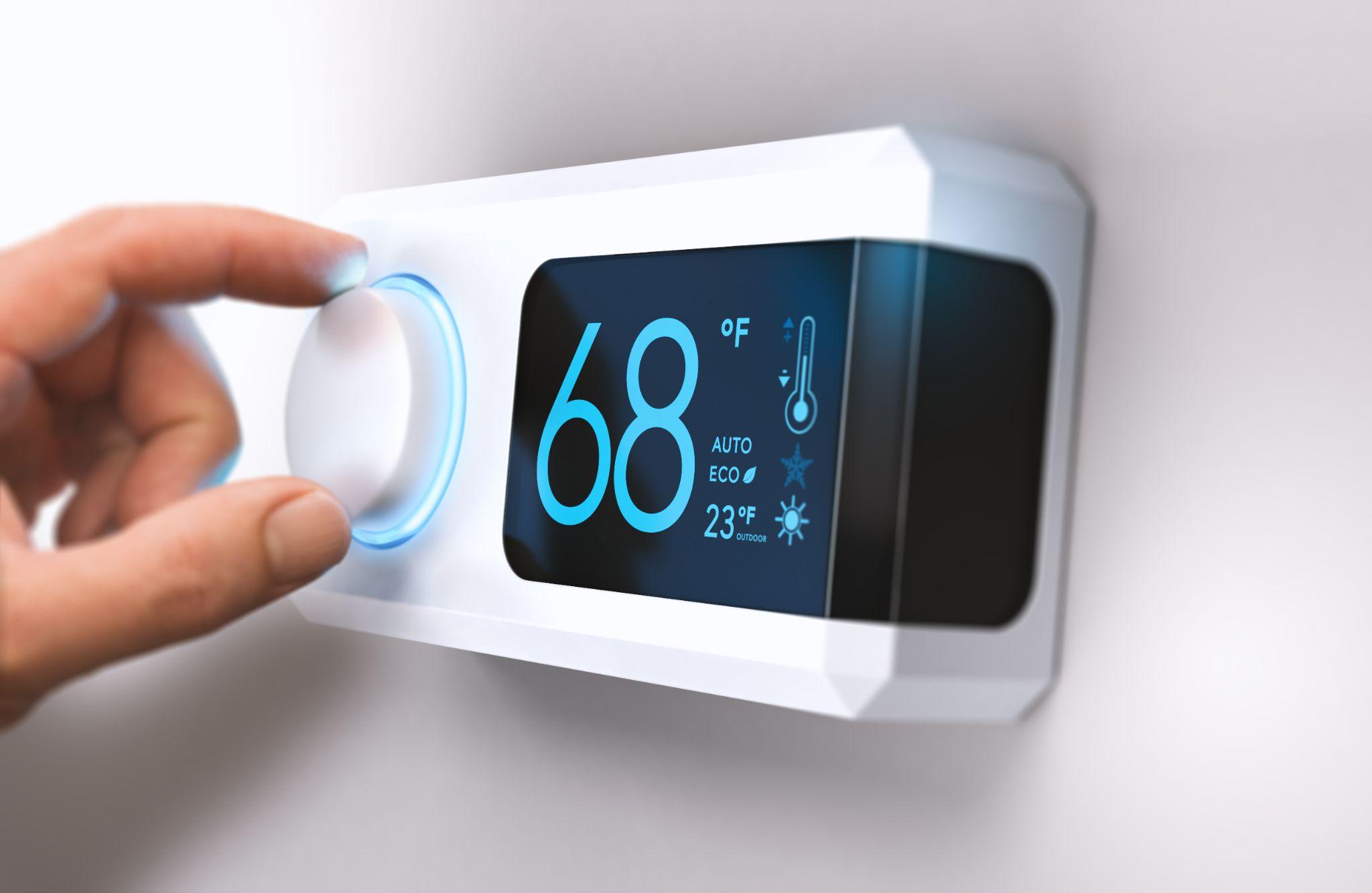
Hand turning a home thermostat knob to set temperature on energy saving mode.

Before you call your HVAC technician and tell them you have a short cycling furnace, there are a few things you can check to help see if that is the problem.

#1. Dirty Air Filter

Low airflow problems can cause your furnace to shut off before fully cycling. First, check your air filter and, if it is dirty, replace it. Some furnaces also have a secondary filter next to the unit, so you will also want to check that air filter.

#2. Thermostat Batteries Need Replacing

Many digital thermostats use batteries to store certain functions. When the batteries need to be replaced, it can cause short cycling. If it has been more than a year since you replaced the batteries, install new ones.

#3. Air Vents Are Closed or Clogged with Dust and Dirt

Airflow is essential to the operation of your heating and air conditioning system. If you have too many air vents shut or they are dirty, the system will not operate properly. In the rooms you do not want to heat as much, leave the vent slightly open to allow for minimal airflow.

#4. The Thermostat Is In the Wrong Location

Check your thermostat and the location where it is installed in your home. It should be on an interior wall that is not near other heat sources like an oven, stove, or fireplace. It also should be in a location where it does not get direct sunlight.

Thermostats installed near another heat source or that get direct sunlight will sense it is warmer in the house. As a result, they will read these results, short cycle, and not run as long as they should.

What else could be causing your furnace to short cycle?

Other causes why your heater keeps turning on and off and does not run a full cycle could include:

  • Thermostat Not Wired Correctly – If you recently upgraded your thermostat to a smart model and it was not wired correctly, it could cause short cycling.
  • Thermostat Malfunctioning – Thermostats do wear out. When they near the end of their useful lifespan, they can start to malfunction and cause heating cycles to shut off abruptly.
  • Furrance Is Too Big – An oversized furnace that is too big for your house will not function correctly. It will turn on, heat up quickly, and shut off.
  • Flame Sensor Problem – There is a flame sensor on natural gas furnaces. If this is dirty or corroded, it can have problems detecting when there is a flame and the gas valve is open. When it malfunctions, it closes the gas valve and shuts off the furnace.
  • Overheating – Furnaces have built-in safety features to shut down if internal components become too hot. If the temperature sensors in the furnace are dirty or corroded, they can malfunction, causing the furnace to shut down mid-cycle.
  • Damaged Heat Exchanger – Overheating can also occur when the heat exchanger is damaged and has cracks in it. Heat is released inside the furnace and can rapidly overheat the furnace.
  • Air Drafts – Sometimes the reason for short cycling is simply because the doors and windows in the home are not properly sealed. If you notice air leaks around doors and windows, have the windows sealed and weather stripping installed around the doors.
  • Electronic Ignition System Failure – If the electronic ignition system is having problems, it will shut down the furnace to prevent excess gas accumulation inside the furnace.
  • Flue Blockage – If there are leaves, twigs, nests, or even an animal that has taken up residence inside the flue, it will prevent your furnace from running a full cycle. A clogged flue causes the furnace to shut down to prevent carbon monoxide from being released into the home.

When should you call an HVAC technician for furnace maintenance?

Technician hands holding a manometers on equipment for filling air conditioners.

You will want to call your HVAC technician to further diagnose the problem after:

  • Checking the Air Filter
  • Replacing the Batteries
  • Opening the Air Vents
  • Cleaning the Air Vents
  • Or When Having the Thermostat Moved to a New Location

As you can see, there can be several issues and problems that could cause your furnace to turn on and shut off quickly. Furthermore, if your furnace is too big for your house, the only way to resolve this issue is by replacing it with a correctly sized furnace.

For help diagnosing your furnace and resolving short cycling problems in New Braunfels, Temple, San Antonio, or the Austin Metro area, please feel free to contact Christianson Air Conditioning & Plumbing at 512-246-5400 today!

What’s the Difference Between a Furnace and a Heater?

woman legs in warm woolen socks and mug of hot beverage on old windowsill against snow landscape from outside.

As colder weather arrives and we turn on the heat, you may be wondering what the difference is between a furnace vs. a heater. Most homes are equipped with either heaters or furnaces or sometimes both. While both keep us warm and help maintain the desired indoor temperature when it is cold outside, there are some key differences you need to know.

What Is a Heater?

For starters, a heater is a general term used to describe a wide range of heating devices that keep our homes warm. Some people use the term heater to describe their furnace. Other types of heating devices that can be called heaters include:

  • Heat Pumps
  • Space Heaters
  • Radiant Floor Heaters
  • Baseboard Heaters
  • Radiators
  • Fireplaces
  • Wood-Burning and Pellet Stoves
  • Gas Stoves
  • Gas Fireplaces
  • Electric Fireplaces
  • Electric Heaters

Essentially, any sort of device that produces heat and helps keep a specific area within the house warm could be considered a heater.

What Is a Furnace?

On the other hand, a furnace refers to the device that creates the heat that is then moved throughout your home. When we talk about furnaces, we often think of natural gas furnaces that use natural gas and fire to create heat.

However, there are also electric furnaces that use heating elements in place of the burners and heat exchanger found in gas furnaces in order to generate heat to keep your home warm.

Many houses have a gas or electric central heating furnace that consists of several components, including:

  • The Furnace – The furnace creates the heat needed to keep your house warm in the winter.
  • A Blower Motor – The blower motor is a fan-like device that creates airflow to push the heated air through the ductwork and out the air vents into the rooms inside your home.
  • A Thermostat – The thermostat is the device that monitors the indoor air temperature and signals the furnace to turn on when temperatures drop below the desired temperature.
  • Ductwork – The ductwork is a series of “tubes” connected to the furnace that allows the heater air to be blown into and transported to the different rooms in your house.
  • Air Vents – The air vents are located in each room of the home and allow the heated air to enter the room from the ductwork.
  • A Return Air Vent – The return air vent recycles the air and recirculates it back through the system to be reheated and blown back into the rooms in your home while the furnace is running.
  • Air Filter – The air filter is located inside the return air vent and filters out dust, pet dander, and other such contaminants to improve indoor air quality.

As you can see, your furnace is just one of the many components that are used to heat your home and keep it warm on cold winter days and nights.

What Is a Heat Pump?

Some homes might have a heat pump to generate heat to keep it warm indoors. A heat pump works differently from a furnace because it moves heated air between the outside and inside of the house.

In the summer, it moves the hot air from indoors to cool the home. Then, in the winter, it moves heated air from the outside to inside your home to create heat. This might seem confusing in winter because it is cold outside.

Unlike a furnace, a heat pump does not generate heat. Rather, it extracts heat from the outdoor air. As the air is drawn into the unit, it is passed over the cooling coils filled with refrigerant. Next, the refrigerant is compressed, which causes the release of heat.

As the refrigerant is moved through the coils, it becomes a hot gas. Indoor air is then passed over the coils containing the hot gas and absorbs the heat while cooling the gas. The cooled gas is then transferred back through the system.

The refrigerant continues to circulate through the system, and the heat pump continues to run until the desired indoor air temperature is reached. The heated air that cooled the gas is then blown into the home using a blower motor and ductwork, just like a traditional furnace.

What Is a Central Electric Heater?

Some homes might have what is called an electric packaged HVAC system. This type of HVAC system consists of an air conditioner and an electric heater contained inside a single unit outside the home. The unit is connected to ductwork and uses forced air to blow heated air into the home when the heater is turned on.

An electric heater uses electricity to generate heat on heating coils. When the system is in operation, the air is drawn into the system from inside the house and passed over the heating coils. The warmer air is then blown back into the house to keep it warm.

What Is an Electric Heater?

Technician is checking air conditioner

Electric heaters are commonly referred to as space heaters used in specific rooms in the house. For example, you might have your furnace keep the home heated to 68 degrees Fahrenheit.

However, you like it to be a bit warmer in the living room while relaxing and watching TV. So, instead of cranking up the thermostat and heating up the entire house, you use an electric heater to provide additional heat to make the room warmer and more comfortable.

Why Furnace and Heater Tune-Ups Matter

To keep your furnace, heat pump, or central electric heater running optimally, annual tune-ups are highly recommended. This type of maintenance helps identify potential problems before they become major repairs and keeps your heating system running smoothly all winter long.

For central heating furnace repairs, and replacements in New Braunfels, Temple, San Antonio, and the Austin Metro area, please feel free to contact Christianson Air Conditioning & Plumbing at 512-246-5400 today!