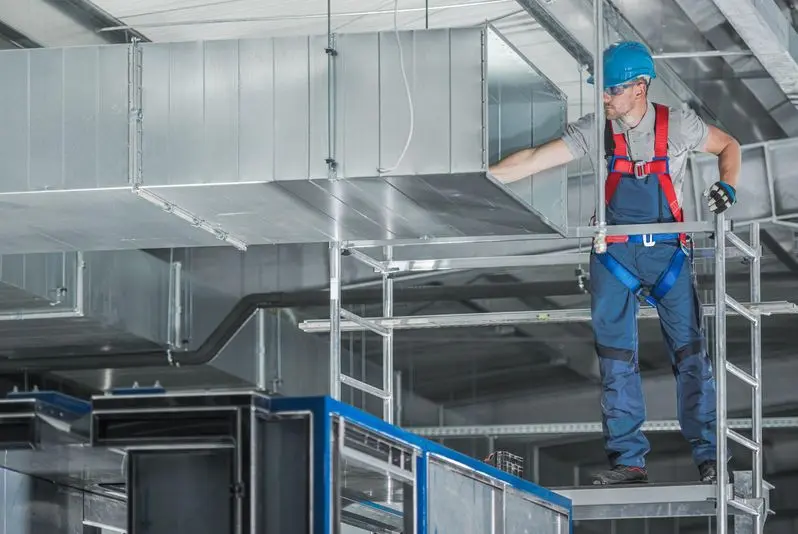
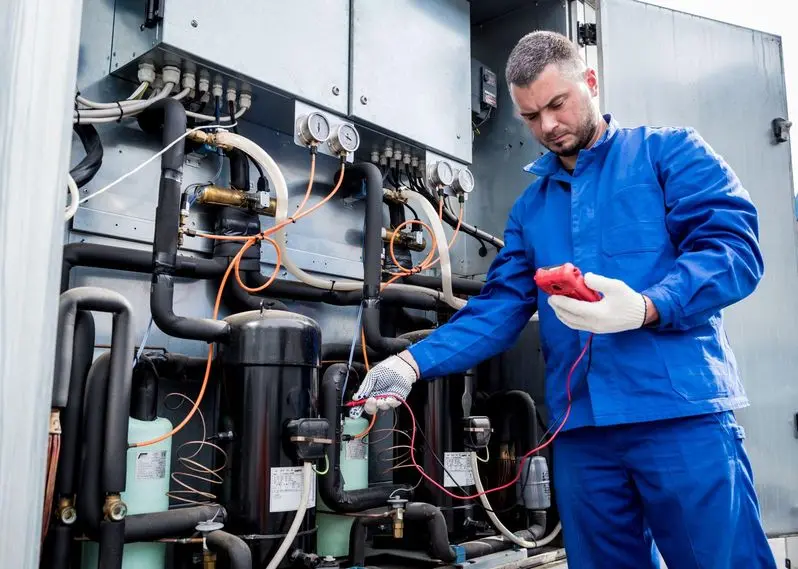
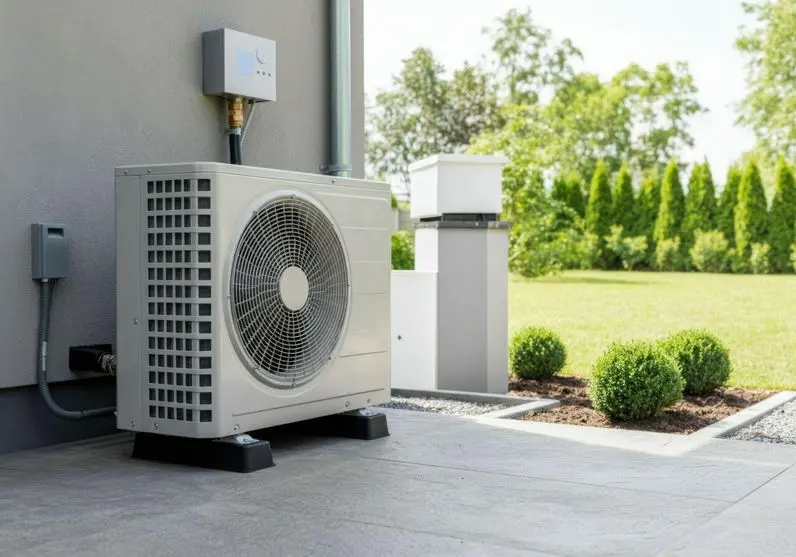
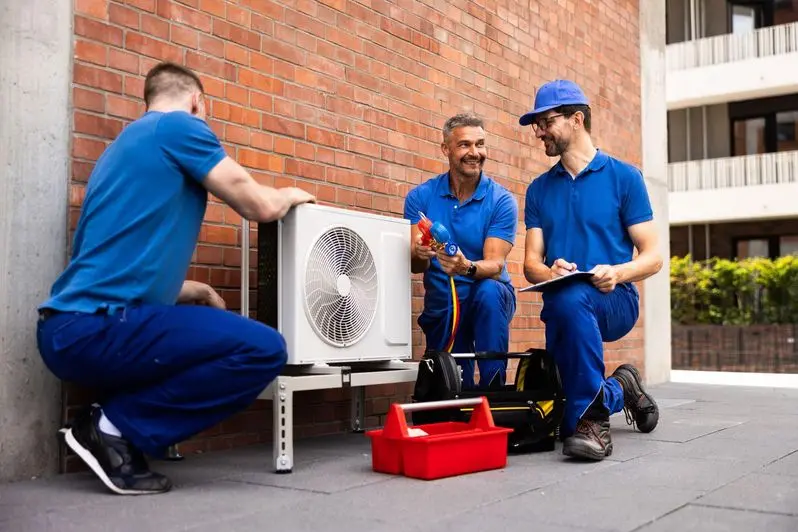
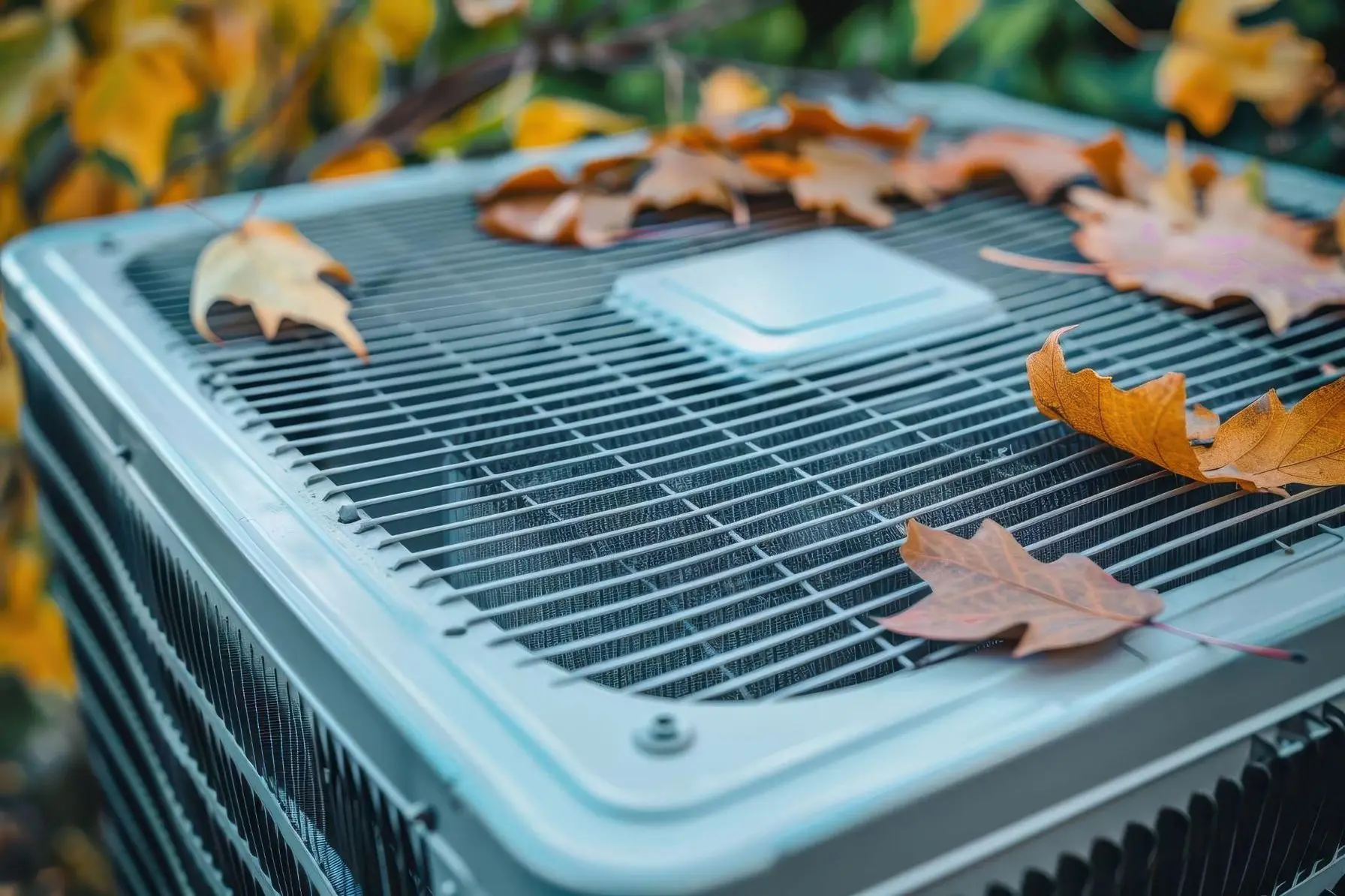
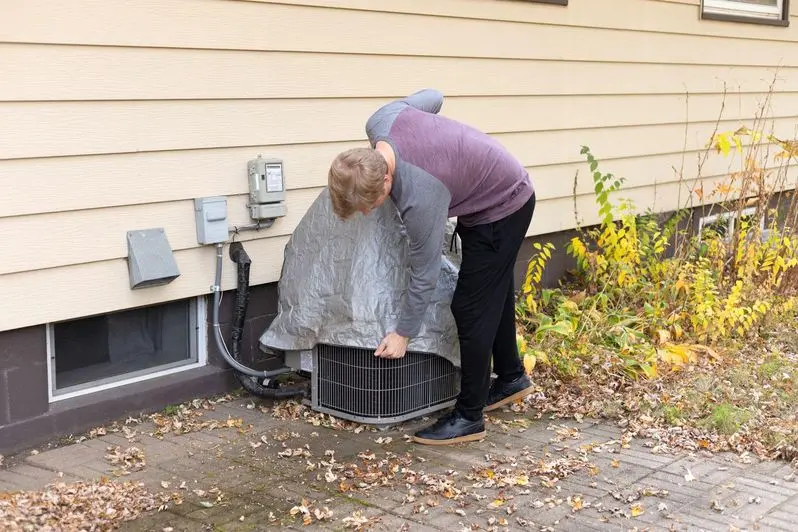
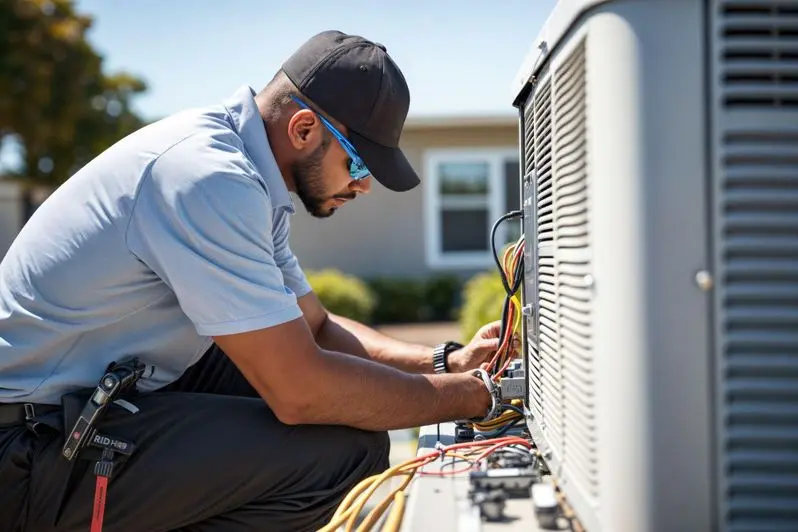
Mold growth in HVAC systems is a common but often overlooked issue that can impact both your indoor air quality and your family’s health. Whether it’s due to excess moisture, poor ventilation, or clogged filters, mold can thrive in ductwork, coils, and drip pans—often without immediate visible signs. Knowing how to check for mold in your HVAC system is essential for keeping your home safe and your system running efficiently.
What Are the Signs of Mold in Your HVAC?
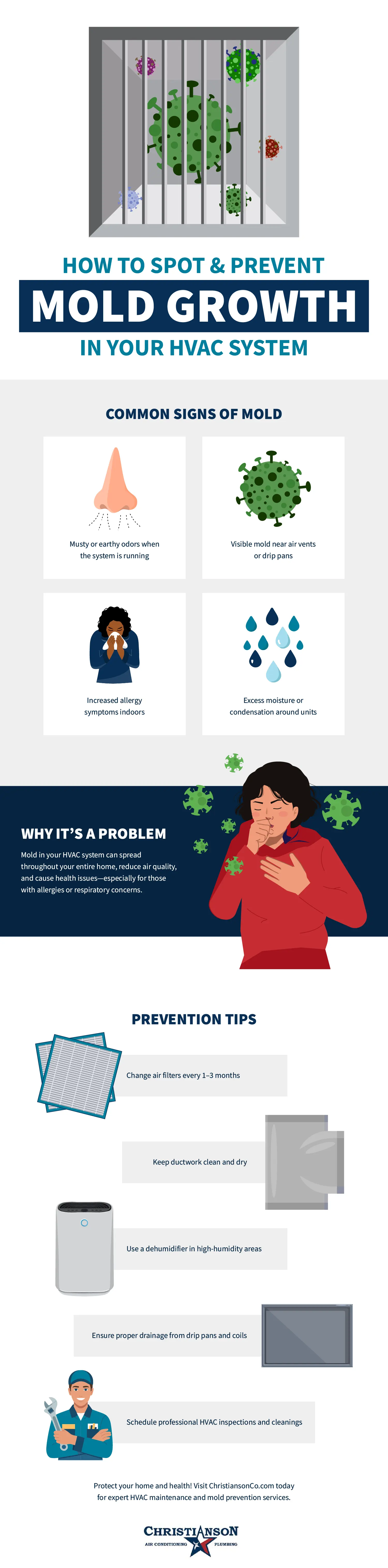
There are several indicators that you might have mold in your HVAC ductwork. A musty smell when the air conditioning kicks on, visible spots around vents, or an increase in allergy-like symptoms indoors can all be red flags. These symptoms of mold in your HVAC system shouldn’t be ignored, as the spores can circulate throughout your home every time the system runs.
Preventing and Eliminating Mold
Understanding how to prevent mold in HVAC systems is just as important as knowing how to get rid of mold in HVAC systems once it’s there. Regular maintenance, proper drainage, and consistent filter changes go a long way in preventing mold buildup. If mold has already taken hold, professional cleaning and inspection are critical to remove the contamination and prevent recurrence.
Take Action Today
Don’t wait for mold to become a major problem. Below, we’ll help you learn more about how to spot and prevent mold growth in your HVAC system. If you suspect mold in your HVAC ductwork or need expert help, Christianson Air Conditioning & Plumbing is here to help with trusted, local service across Central Texas.
Call us today to schedule a mold inspection for your HVAC system and keep your home safe and comfortable.
As HVAC technology evolves and energy efficiency becomes a top priority, homeowners across Texas are rethinking how they heat and cool their homes. The climate in Texas presents unique challenges, making it essential to choose a system that delivers reliable performance while keeping energy costs under control.
At Christianson Air Conditioning & Plumbing, we have provided trusted heating and cooling services in Central Texas for over 70 years. Our licensed professionals help homeowners make smart, informed decisions when selecting HVAC systems.
Key Takeaways
Texas homeowners need HVAC systems that offer reliable cooling, energy efficiency, and humidity control.
Proper sizing, high SEER ratings, and zoning options are key features to look for when choosing a system.
There are several types of HVAC systems available, including heat pumps, central air conditioning, ductless units, and hybrid options.
Texas homes experience hot summers, fluctuating humidity, and occasional cold spells during the winter. This variety makes HVAC system selection more complex than in states with a more moderate climate.
To stay comfortable and reduce utility bills, homeowners need heating and cooling systems that perform well in extreme conditions. Efficiency, moisture control, and adaptability are essential when selecting an HVAC system for Texas homes.
What’s the Best HVAC System for Homes?
There are several types of HVAC systems that work well in different parts of Texas. Choosing the right one depends on your home’s layout, local climate, and energy efficiency goals.
Central Air Conditioning and Furnace
This traditional setup is common in Texas homes with ductwork. The furnace provides heating in cooler months, while the central air conditioning unit handles summer cooling.
Best suited for homes that already have duct systems
Offers consistent temperature control throughout the home
May have higher energy usage if the system is not sized correctly
Heat Pumps
Heat pumps are energy-efficient systems that provide both heating and cooling using electricity. These systems are effective in areas with mild to moderate winters.
Ideal for Central and South Texas
Use less energy than traditional furnaces
May need backup heating in colder climates
Ductless Mini-Split Systems
Ductless HVAC units are ideal for homes without existing ductwork or for homeowners who want to zone specific areas.
Useful for additions, renovated spaces, or room-by-room control
Provide excellent energy efficiency
Typically have a higher upfront cost per unit
Hybrid Systems
A hybrid system combines a heat pump with a traditional furnace. The system switches between heat sources based on outdoor temperatures to maximize efficiency.
Good for areas with variable winter temperatures
Helps reduce energy use while maintaining indoor comfort
Requires professional installation and system monitoring
What to Consider When Choosing the Right HVAC System for Your Home
When looking for the best HVAC system for Texas, it is important to evaluate several technical and comfort-related factors.
SEER Ratings and Energy Efficiency
The SEER (Seasonal Energy Efficiency Ratio) rating indicates how efficiently an air conditioner or heat pump operates. Higher SEER ratings usually mean lower energy bills. Many of the best AC units for Texas homes have SEER ratings of 16 or higher.
Proper System Sizing
HVAC systems should be matched to your home’s size and layout. Oversized systems will short cycle, leading to increased wear and energy waste. Undersized systems will struggle to keep up during peak conditions. Our team performs professional load calculations to ensure accurate sizing.
Humidity Management
Humidity levels in Texas can make homes feel uncomfortable even when temperatures are moderate. A high-performing HVAC system should help regulate moisture levels as well as temperature.
Indoor Air Quality
Some of the top-rated home HVAC units now include air filtration, UV light purification, and allergen reduction. These features are especially helpful in homes with pets, allergy concerns, or occupants with respiratory sensitivities.
Smart Controls and Zoning
Zoned HVAC systems allow homeowners to control temperatures in specific areas, which can improve comfort and reduce energy waste. Smart thermostats can also monitor system performance and allow remote adjustments.
The Importance of Professional Installation and Maintenance
Installing a new HVAC system is a significant investment. A professionally installed system will operate efficiently and last longer. At Christianson Air Conditioning & Plumbing, our certified technicians follow manufacturer guidelines and building codes to ensure every installation is done right.
We also offer routine maintenance plans that help keep systems running efficiently. Regular inspections can catch minor issues before they become major problems and extend the lifespan of your equipment.
Ready to Upgrade Your HVAC System?
Christianson Air Conditioning & Plumbing is your source for Texas’s best heating and air services. Contact us today to speak with one of our HVAC specialists and schedule a home evaluation. We’ll help you find the best HVAC system for your Texas home.
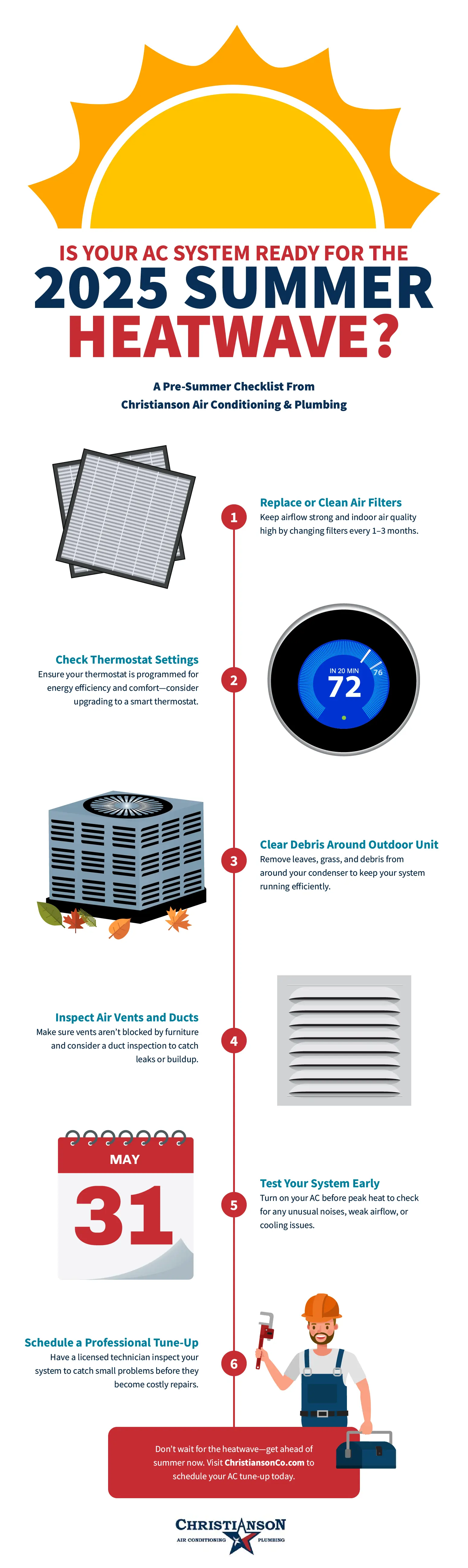
Central Texas summers are no joke—and forecasts for 2025 predict record-breaking heat. If your air conditioning system isn’t ready, you could be left facing uncomfortable temperatures, higher energy bills, or even emergency repairs at the worst possible time. That’s why now is the perfect time to review your HVAC summer maintenance plan and take a proactive approach.
Your AC system works hard to keep your home cool, and just like any hardworking machine, it needs regular attention to run efficiently. With our HVAC summer checklist, you’ll know exactly what steps to take before the heatwave hits. From adjusting your HVAC settings for summer to scheduling a professional inspection, a little preparation now can save you from costly breakdowns later.
Your HVAC Preventative Maintenance Checklist Starts Here
Our team at Christianson Air Conditioning & Plumbing has created a clear, homeowner-friendly guide to help you through essential summer HVAC maintenance steps. Whether you’re a first-time homeowner or have years of experience, these HVAC tips for summer can help you stay cool, safe, and energy-efficient all season long.
The checklist includes easy DIY items as well as reminders to schedule your summer HVAC service with a licensed technician. Regular maintenance not only extends the life of your system, it also ensures you’re getting the most out of every cooling dollar.
Schedule Your Summer HVAC Service Today
Don’t wait until your system is struggling to keep up with the heat. Take a few minutes to review our infographic and check off the items in your HVAC preventative maintenance checklist.
Need expert help? Call or request our services online today for your pre-summer HVAC services.
Spring is the perfect time to upgrade your home’s cooling system before the summer heat arrives. Whether you’re replacing an outdated unit or installing a new air conditioner for the first time, understanding your options will help you make the best investment for your home.
Below, we will walk you through how to buy a new HVAC system, what factors to consider, and the installation process, ensuring you get an energy-efficient and reliable system.
Key Takeaways
Choose the right size: A properly sized air conditioning system is crucial for energy efficiency and home comfort.
Energy efficiency matters: Look for a high Seasonal Energy Efficiency Ratio (SEER) rating to reduce long-term costs.
Installation is key: Hiring a professional HVAC technician ensures your new AC unit operates efficiently.
Budget for the investment: Prices vary based on unit type, size, and installation complexity—how much a new air conditioning unit is depends on several factors.
Spring is the best time: Avoid peak summer demand and enjoy better availability and potential savings.
What to Consider When Buying a New Air Conditioner
When buying an AC unit, it’s important to evaluate key factors that will impact comfort, efficiency, and long-term costs.
Understanding Air Conditioner Types
There are several types of air conditioning systems, and choosing the right one depends on your home size, cooling needs, and budget.
Central Air Conditioning: The most common option for whole-home cooling, using ductwork to distribute air.
Ductless Mini-Split Systems: Great for homes without ducts or for targeted cooling in specific areas.
Heat Pumps: Provide both cooling and heating, making them an energy-efficient year-round solution.
Window or Portable Units: Suitable for single-room cooling but not ideal for whole-home comfort.
Sizing Your New AC Unit
A new air conditioning unit must be the right size for your home. An undersized unit will struggle to cool effectively, while an oversized unit can cause short cycling and increased energy costs. A professional HVAC technician will perform a load calculation to determine the correct size based on factors like:
Square footage of your home
Insulation levels
Number of windows and their orientation
Local climate conditions
Seasonal Energy Efficiency Ratings (SEER)
Efficiency is a major factor when buying a new AC unit. The Seasonal Energy Efficiency Ratio (SEER) measures how efficiently an HVAC system converts electricity into cooling power.
A higher SEER rating means lower energy consumption and reduced electricity bills.
The minimum SEER rating in most states is 14, but high-efficiency models go up to 25+.
Look for ENERGY STAR®-certified models to ensure energy-efficient performance.
Smart Features and Technology
Modern air conditioning systems come with advanced features to enhance comfort and convenience:
Smart Thermostats: Allow you to control cooling remotely and optimize energy usage.
Variable-Speed Compressors: Adjust cooling output for better efficiency and temperature consistency.
Zoned Cooling Systems: Direct airflow to specific areas, reducing wasted energy.
How to Buy a New HVAC System and What to Expect During Installation
Step 1: Getting a Professional Assessment
Before buying a new AC unit, schedule a consultation with an HVAC technician to:
Evaluate your home’s cooling needs
Recommend the best HVAC system for your space
Provide cost estimates for the new AC unit installed
Step 2: Comparing Costs & Financing Options
One of the biggest concerns when buying a new AC unit is cost. How much is a new air conditioning unit? Prices vary based on:
Unit Type and Size: A central HVAC system costs more than a window unit.
Installation Complexity: Ductwork modifications, electrical work, and additional features add to the expense.
Brand and Efficiency Rating: Higher SEER models cost more upfront but save money over time.
Financing options and manufacturer rebates can help make installing a new air conditioner more affordable.
Step 3: Installing a New Air Conditioner
Once you’ve chosen your new AC system, professional installation ensures optimal performance. The installation process typically includes:
Removing the old air conditioning system
Installing the new AC unit and connecting it to ductwork
Testing and calibrating the system for efficiency
Reviewing maintenance tips and thermostat settings
Hiring an experienced HVAC technician is crucial to avoid costly mistakes and ensure your new air conditioning unit operates at peak efficiency.
Tips for Maintaining Your New Air Conditioning Unit
To keep your new AC unit running efficiently, follow these maintenance tips:
Change Air Filters Regularly: Dirty filters restrict airflow and reduce efficiency.
Schedule Annual Tune-Ups: A professional HVAC technician can catch potential issues early.
Keep Outdoor Units Clear: Remove debris and ensure proper airflow around the unit.
Check for Leaks & Insulation Issues: Ensure your ductwork is sealed to prevent energy loss.
For more in-depth information on caring for your system, check out our full guide on AC maintenance, where we cover detailed steps to keep your home cool and energy-efficient year-round.
Why Spring Is the Best Time to Get a New AC Unit Installed
Spring is the ideal season for installing a new air conditioner due to:
Better Availability: HVAC companies are less busy than in peak summer months.
Potential Discounts: Off-season promotions and rebates can help lower costs.
Comfort Preparedness: Having your new AC unit installed before summer ensures a cool and comfortable home.
Whether you’re buying a new AC unit or upgrading an existing system, taking the time to research, plan, and hire a qualified HVAC technician will help you make a smart investment in your home’s comfort and efficiency.
Schedule Your New AC Installation Today
Don’t wait until the summer heat arrives—get your new AC unit installed this spring for optimal comfort and efficiency. At Christianson Air Conditioning & Plumbing, our expert HVAC technicians are ready to help you choose the best air conditioning system for your home and provide professional installation services.
Call us today or schedule your consultation online to get started. Let us help you stay cool and energy-efficient all summer long.
Maintaining a commercial HVAC system is essential for ensuring energy efficiency, reducing operational costs, and extending the lifespan of HVAC equipment. As we navigate through 2025, advancements in HVAC technology and maintenance strategies are making it easier for business owners and facility managers to optimize their systems.
Whether you manage office buildings, retail spaces, or industrial facilities, adopting a proactive approach to commercial HVAC maintenance can improve comfort, reliability, and performance.
Key Takeaways
A planned commercial HVAC maintenance program prevents costly repairs and extends equipment lifespan with regular inspections and tune-ups.
Enhancing commercial HVAC energy efficiency lowers costs—upgrade systems, clean coils, and use smart thermostats for better performance.
Preventative maintenance ensures longevity—inspect ductwork, calibrate thermostats, and replace air filters regularly.
Selecting the right HVAC system depends on building size, climate, and energy efficiency
Working with a trusted HVAC service provider ensures expert care, regulatory compliance, and a tailored maintenance plan.
Implement a Planned Commercial HVAC Maintenance Program
A commercial HVAC maintenance plan is crucial for preventing unexpected breakdowns and costly repairs. Rather than waiting for HVAC equipment to fail, businesses should invest in planned commercial HVAC maintenance, which includes regular inspections, filter replacements, and seasonal tune-ups.
A well-maintained HVAC system not only operates more efficiently but also reduces long-term repair expenses.
To optimize your maintenance program:
Schedule routine commercial HVAC inspections to detect minor issues before they escalate.
Establish a seasonal maintenance schedule based on your type of HVAC system and climate conditions.
Partner with a licensed commercial HVAC service provider to ensure proper maintenance is performed.
Focus on Energy Efficiency to Lower Costs
Energy costs can be a significant expense for commercial buildings, but energy-efficient commercial HVAC solutions can help businesses save money. By improving commercial HVAC energy efficiency, companies can reduce their carbon footprint and lower monthly utility bills.
To enhance your system’s efficiency:
Upgrade to high-efficiency commercial HVAC systems that use smart technology for better control and monitoring.
Ensure commercial AC unit maintenance includes coil cleaning and refrigerant level checks to maximize efficiency.
Invest in programmable thermostats and building automation systems to optimize temperature settings.
Regularly replace air filters to maintain proper airflow and prevent strain on the system.
Prepare for Rising Refrigerant Costs and Phase-Out Regulations
With new environmental regulations taking effect, businesses should be aware of upcoming changes to refrigerants used in commercial HVAC systems.
According to an article by JOBBER, as of January 1, 2025, R-410A refrigerant will be phased out in favor of R-32 and R-454B due to environmental concerns. This transition is part of the AIM Act (U.S.) and ODSHAR (Canada), which aim to reduce hydrofluorocarbon (HFC) production by 85% by 2036.1
As a result, the cost of new HVAC equipment is expected to increase by 10-15%, and repairs for older systems using R-410A will become more expensive due to limited refrigerant availability.1
To stay ahead of these changes:
If you’re planning an HVAC upgrade, consider systems that already use next-generation refrigerants.
Schedule a commercial HVAC inspection to assess whether your system is affected by the R-410A phase-out.
Work with an HVAC professional to explore cost-effective transition strategies and energy-efficient
Prioritize Preventative Maintenance and Regular Inspections
Routine HVAC maintenance is essential for extending the lifespan of your commercial HVAC system and minimizing costly downtime. Preventative maintenance includes tasks like inspecting ductwork, checking electrical connections, and ensuring components are functioning correctly.
Key HVAC system maintenance tips for preventative care:
Inspect and clean air ducts to maintain indoor air quality and efficiency.
Lubricate moving parts to reduce wear and tear on motors and fans.
Test and calibrate thermostats for accurate temperature control.
Ensure condensate drains are clear to prevent water damage and mold growth.
By scheduling regular commercial HVAC inspections, you can catch potential problems early and keep your system running smoothly.
Choose the Right HVAC System for Your Building
Selecting the appropriate type of HVAC system for your commercial building is essential for achieving optimal performance. Different buildings require different solutions, whether it’s a rooftop unit, split system, or a centralized chiller system.
Consider these factors when selecting or upgrading an HVAC system:
Building size and occupancy levels.
Heating and cooling demands based on the local climate.
Energy efficiency ratings and available rebates for high-efficiency systems.
Compatibility with smart HVAC technology and automation controls.
A commercial HVAC system maintenance plan should also account for the specific needs of your system to ensure longevity and efficiency.
Work with a Trusted Commercial HVAC Service Provider
A professional HVAC repair and maintenance provider can ensure your system operates at peak efficiency. Partnering with a licensed and experienced team for commercial HVAC system maintenance means your system receives expert care, reducing the risk of emergency breakdowns.
Benefits of hiring a professional HVAC service provider:
Access to expert diagnostics and advanced maintenance techniques.
Compliance with local building codes and safety regulations.
Customized maintenance plans tailored to your business needs.
Schedule Your Commercial HVAC Maintenance Today
Don’t wait for costly breakdowns to disrupt your business operations. A well-maintained HVAC system ensures energy efficiency, reliability, and long-term savings. At Christianson Air Conditioning & Plumbing, we provide expert commercial HVAC maintenance, inspections, and repairs to keep your system running at peak performance.
Contact us today to schedule a commercial HVAC inspection or set up a customized commercial HVAC maintenance plan tailored to your business needs.
Climate change has elevated the need for sustainable solutions in every sector, and the heating, ventilation, and air conditioning (HVAC) industry is no exception. Refrigerants are a key component of HVAC systems and significantly impact global warming due to their high greenhouse gas potential. Transitioning to climate-neutral refrigerants is not just a trend but is a necessity for achieving environmental sustainability.
Environmental Impacts of HVAC Refrigerant
Refrigerants are chemical compounds used in HVAC systems to absorb and transfer heat, enabling cooling and heating processes. However, their environmental impact can be substantial. Two main issues arise from traditional refrigerants:
Ozone Depletion: Older refrigerants, such as chlorofluorocarbons (CFCs) and hydrochlorofluorocarbons (HCFCs), release chlorine and bromine when they break down, which depletes the ozone layer.
Global Warming Potential (GWP): Hydrofluorocarbons (HFCs), although ozone-safe, have a high GWP. When released into the atmosphere, they trap heat, significantly contributing to climate change.
The change to climate-neutral refrigerants aims to mitigate these impacts by using substances with zero or low GWP.
The Great Phase-Out of Air Conditioning Refrigerants
Recognizing the dangers of traditional refrigerants, international agreements, and regulations have initiated their phase-out:
The Montreal Protocol (1987): This landmark treaty addressed ozone depletion by phasing out ozone-depleting substances (ODS) such as CFCs and HCFCs. The Kigali Amendment (2016) added HFCs to the list, targeting their gradual reduction.
S. Policies: The Environmental Protection Agency (EPA) enforces the Significant New Alternatives Policy (SNAP) program, which identifies safer refrigerant alternatives and oversees the transition away from high-GWP substances.
As a result, HVAC manufacturers and HVAC refrigeration technicians are innovating to meet compliance standards while providing efficient, eco-friendly solutions.
Choosing a Climate-Neutral Alternative
Climate-neutral refrigerants minimize environmental harm while delivering reliable cooling and heating. Some different types of refrigerants include:
Natural Refrigerants
Carbon Dioxide (CO2): With an ultra-low GWP and non-toxic properties, CO2 is a promising alternative for residential and commercial systems.
Ammonia (NH3): Widely used in industrial applications, ammonia is energy-efficient but requires careful handling due to its toxicity.
Hydrocarbons (e.g., Propane, Isobutane): These offer low GWP and high energy efficiency but carry flammability risks requiring specialized equipment.
Synthetic Refrigerants
Hydrofluoroolefins (HFOs): These next-generation refrigerants boast low GWPs and zero ozone depletion potential, making them a popular choice for climate-friendly air conditioner refrigerants.
Selecting the right refrigerant depends on factors such as system compatibility, regulatory requirements, and safety considerations. Partnering with an experienced air conditioning and heating company can help homeowners and businesses make informed choices.
How Residential HVAC Systems Will Be Impacted
The transition to climate-neutral refrigerants is reshaping the residential HVAC landscape. Homeowners may face changes such as:
Equipment Upgrades: New refrigerants often require updated or specialized HVAC equipment. Older systems may need retrofitting or replacement to accommodate these substances.
Higher Initial Costs: Climate-neutral systems may have a higher upfront price tag, though energy savings and environmental benefits offset the investment over time.
Regulatory Compliance: Homeowners must ensure their systems adhere to local and federal refrigerant usage and disposal regulations.
Maintenance Needs: Handling eco-friendly refrigerants requires trained air conditioning system technicians equipped with the skills and certifications to manage these materials safely and effectively.
Benefits of Climate-Neutral Refrigerants
Switching to climate-neutral refrigerants offers a host of benefits:
Environmental Protection: Reduced greenhouse gas emissions and zero ozone depletion safeguard the planet.
Energy Efficiency: Modern refrigerants and systems are designed to operate more efficiently, lowering energy consumption and utility bills.
Regulatory Compliance: Adopting eco-friendly solutions ensures alignment with evolving environmental laws and standards.
Future-Proofing: Transitioning now prepares homeowners and businesses for stricter regulations in the future, avoiding costly retrofits or penalties.
Adopting climate-neutral refrigerants is more than an environmental imperative—it’s a practical, cost-effective step toward a sustainable future.
Ready to Go Green? Contact Christianson Air Conditioning & Plumbing Today
Christianson Air Conditioning & Plumbing is leading the charge in green HVAC solutions. Our team specializes in installing, maintaining, and repairing systems that use climate-neutral refrigerants, ensuring optimal performance with minimal environmental impact. Whether you need an upgrade to eco-friendly equipment, regular system maintenance, or expert advice, we’re here to help.
Contact us today to schedule a consultation and discover how we can make your home or business more energy-efficient and environmentally friendly.
As the temperatures cool and the leaves start to change, homeowners across Central Texas enjoy the beauty of fall. But while the season brings gorgeous colors, it also brings a challenge for your outdoor HVAC system: falling leaves and debris. Allowing leaves to accumulate around your air conditioning unit can lead to decreased efficiency, costly repairs, and even permanent damage. Here’s why it’s essential to keep your outdoor HVAC unit clean and protected this fall.
Why Leaves Are a Problem for Your Outdoor Unit
Your outdoor air conditioner is designed to handle a variety of weather conditions, but leaves in the AC unit can create issues that compromise its performance. When leaves and debris accumulate in and around the unit, they obstruct airflow, which can cause the system to overheat. This not only forces the unit to work harder, leading to higher energy bills, but it can also damage critical components over time.
Leaves in the air conditioner can also trap moisture, encouraging rust and corrosion on sensitive parts of the HVAC system. In the worst cases, leaf buildup can lead to motor strain or even a system breakdown, leaving you without reliable air conditioning just when you need it most. Keeping the area clear can help prevent these issues and extend the life of your air conditioning system.
The Risks of Ignoring Leaves and Debris Buildup
Ignoring leaves and other debris around your outdoor unit can quickly lead to costly consequences. Debris buildup causes your system to work less efficiently, which can shorten its lifespan and require frequent maintenance. Here are some of the key risks:
Increased Energy Bills: When airflow is restricted by leaves and debris, your air conditioner works harder, leading to higher energy consumption and costs.
Frequent Repairs: Debris buildup strains the unit, resulting in more frequent breakdowns and unexpected repairs, which can be costly.
Shortened System Lifespan: Constant strain on the HVAC system can shorten its overall lifespan, meaning you may need to replace it sooner than expected.
Poor Indoor Air Quality: A dirty HVAC system struggles to circulate clean air effectively, which can spread dust and allergens throughout your home, impacting respiratory health.
Higher Likelihood of Needing an HVAC Technician: With airflow obstructed, your system is more likely to shut down or perform inefficiently, increasing the need for professional maintenance.
By keeping the outdoor unit clean, you help maintain your system’s performance and protect indoor air quality, which is particularly important for family members with respiratory conditions or allergies.
Preventative Measures for Your Outdoor AC Unit
Fortunately, preventing leaves and debris from compromising your air conditioner is simple with a few proactive steps. One of the most effective ways to protect the unit is by investing in an outside air conditioner cover. These covers are specifically designed to shield the unit from leaves and other outdoor elements, keeping it protected throughout the season. When selecting a cover, choose one that is breathable to prevent moisture buildup.
Other protective measures include placing a fence or barrier around the unit to limit the number of leaves that blow into it. However, make sure to maintain at least a two-foot clearance around the unit to allow for proper airflow. AC protection tools, such as mesh guards and leaf screens, can also be effective at keeping out debris without affecting the unit’s efficiency.
How to Clean Leaves Out of Your AC Unit
Knowing how to clean leaves out of your AC unit can save you time and money on maintenance. Follow these simple steps to safely remove leaves and debris from your outdoor unit:
Turn Off the Power: Before you begin cleaning, ensure that the unit is powered off to prevent accidents and ensure your safety.
Remove Large Debris by Hand: Use gloves to carefully pick out any large leaves or twigs from the unit’s vents and surrounding area. Take care to avoid damaging any of the unit’s fins or coils.
Use a Hose to Spray Down the Unit: A gentle spray of water can help remove finer debris that may be stuck inside the unit. Be cautious not to use a high-pressure setting, as it could damage the fins.
Clear the Area Around the Unit Regularly: To minimize the need for cleaning, keep the area around the unit free of leaves and debris on an ongoing basis. Regular sweeping or raking can make a big difference.
These steps can help you protect your air conditioning system without professional assistance. However, for a thorough cleaning or if you notice performance issues, consider scheduling a visit from an HVAC technician.
When to Call an HVAC Technician
In some cases, routine cleaning may not be enough. If you notice unusual sounds, inconsistent performance, or increased energy bills, it may be time to call in a professional. An HVAC technician can perform a deep clean and inspect the unit for any underlying issues. They can also ensure your system is ready to handle the colder months ahead.
Protect Your Outdoor HVAC Unit This Fall – Schedule a Maintenance Visit
If fall leaves and debris are piling up around your outdoor unit, it’s time to take action. Regular HVAC maintenance will keep your system efficient, extend its lifespan, and prevent costly repairs. Contact Christianson Air Conditioning & Plumbing today to schedule your seasonal maintenance visit and ensure your air conditioning system stays in peak condition all year long.
Keeping your home safe and warm relies on the furnace limit switch, a critical but often overlooked component of your heating system. In this post, we’ll explore what a furnace limit switch is, how it works, and why it’s vital for safety and efficient heating.
What Is a Furnace Limit Switch?
The furnace limit switch, also known as an HVAC limit switch, is a safety device within the furnace. Its job is to monitor internal temperatures, triggering the blower when heat needs to circulate. When the furnace reaches its upper-temperature limit, the switch shuts off the burner to prevent overheating, thus protecting both your furnace and home.
Think of the furnace switch as a “safety net.” It controls the fan that pushes warm air through your vents and prevents the furnace from reaching unsafe temperatures, reducing fire hazards and improving home safety.
How Does a Furnace Limit Switch Work?
Understanding how a limit switch works clarifies why it’s essential. It consists of two main parts, a temperature sensor and a switch. Here’s how it operates:
The limit switch measures the temperature inside the furnace’s heat exchanger.
When the furnace reaches the set temperature, the switch signals the blower to distribute warm air.
If the furnace overheats, the switch shuts off the burner while the blower continues until it cools.
This process ensures a stable, controlled temperature within the heating system, preventing dangerous heat buildup.
Key Safety Features of a Furnace Limit Switch
The limit switch on a furnace is vital for safety, as it prevents temperatures from rising too high. If an unsafe temperature is detected, the limit switch turns off the burner until it’s safe to continue. This safety feature is critical, especially in cold months when heating systems are running frequently.
Without the furnace limit switch, your heating air system could overheat, increasing the risk of fires. It keeps the system at a manageable temperature, ensuring that your furnace is a safe appliance for your home.
Common Signs of a Faulty Furnace Limit Switch
Over time, a furnace limit switch may experience wear and require repair. Here are signs of a potential limit switch problem.
Constant Blower Operation: If the blower runs even when the furnace isn’t heating, the limit switch could be malfunctioning.
Short Cycling: Frequent on-and-off cycles can indicate that the limit switch is shutting down prematurely.
Overheating Warnings: Some furnaces display error codes or signals indicating overheating, which may point to limit switch failure.
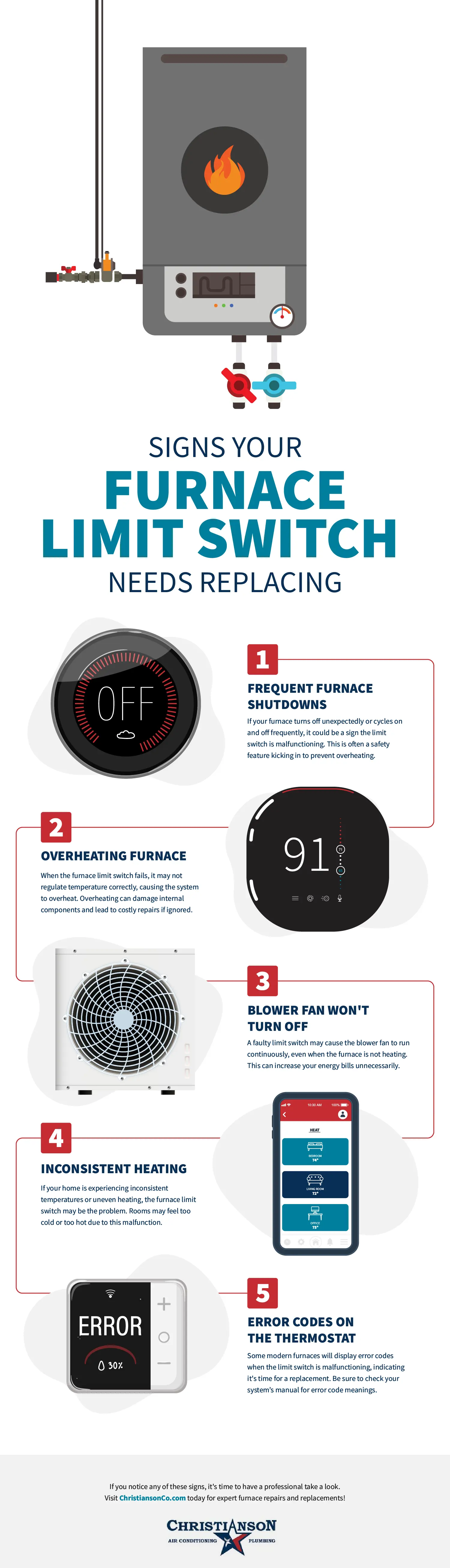
If you observe any of these symptoms, prompt furnace repair is essential to restore safe operation. For a detailed overview of these warning signs, check out our infographic that provides additional insights on identifying and addressing limit switch issues.
How to Prevent Limit Switch Issues with Regular Maintenance
Taking steps to prevent your furnace from encountering limit switch problems can save time and cost in the long run. Here are some maintenance tips:
Replace Filters Regularly: Dirty filters restrict airflow, causing the furnace to overheat, which places strain on the limit switch.
Schedule Seasonal Inspections: An HVAC professional can detect early signs of limit switch issues during routine maintenance, preventing larger problems.
Ensure Clear Vents: Obstructed vents make the furnace work harder, increasing the risk of overheating.
By following these maintenance practices, you can keep your heating system running efficiently and avoid limit switch issues.
Schedule Your Furnace Maintenance with Us Today!
If you’re experiencing issues with your furnace limit switch or want to ensure your heating system is operating safely, contact the licensed professionals at Christianson Air Conditioning & Plumbing. Our expert team can perform regular maintenance or necessary repairs to keep your system running smoothly. Reach out to us today to schedule an inspection or repair and keep your home comfortable and safe this winter!
The furnace limit switch is a crucial safety device that regulates the temperature inside your heating system. It prevents the furnace from overheating by turning off the burner when necessary and ensures the blower fan operates only when appropriate. Without this safety feature, your furnace could overheat, causing potential damage to the system or even posing a fire risk.
What Does a Furnace Limit Switch Do?
In simple terms, the furnace limit switch monitors the temperature within the heat exchanger. When the temperature rises beyond a safe level, the switch automatically shuts off the burner to avoid overheating. Additionally, it controls the blower fan, ensuring it only runs when the air is warm enough to circulate throughout your home. A faulty limit switch can lead to problems like the blower running continuously or the furnace shutting down unexpectedly.
Signs You Need Limit Switch Repair
If the limit switch malfunctions, it can lead to issues like unexpected shutdowns, continuous fan operation, or even damage to your furnace. Below, we’ll break down the key signs that indicate your furnace limit switch may need repair or replacement.
If you’re experiencing issues with your furnace limit switch, don’t wait! Contact Christianson Air Conditioning & Plumbing for professional furnace switch replacement services. We’re here to ensure your furnace operates safely and efficiently all season long!
Variable refrigerant flow (VRF) systems are known for their energy efficiency and ability to provide precise temperature control, making them an increasingly popular choice for HVAC systems in commercial buildings. However, like all mechanical systems, VRF systems require regular maintenance and can exhibit signs of wear or malfunction. Ignoring these warning signals can lead to more significant issues, costly repairs, or even system failure.
Below, we’ll discuss the key warning signals that your variable refrigerant flow system may need attention.
Inconsistent Temperatures
One of the most prominent signs that your VRF system requires repair is inconsistent temperatures throughout your commercial building. VRF systems are designed to maintain consistent temperatures by varying the flow of refrigerant to different zones. If some areas are too hot while others are too cold, it may indicate an issue with the refrigerant flow or a malfunctioning compressor.
Such inconsistencies can also suggest a problem with the sensors or the control system, which requires immediate attention to avoid further discomfort and potential damage to the system.
Unusual Noises
A well-maintained VRF HVAC system should operate quietly. If you start hearing unusual noises such as hissing, banging, or grinding, it’s a clear indication that something is wrong. These noises can stem from various issues, such as loose components, refrigerant leaks, or worn-out parts. Addressing these noises early can prevent a minor issue from escalating into a major problem, which could require extensive system repairs or even a complete replacement.
Increased Energy Bills
A spike in energy costs is another red flag that your VRF system may need attention. When a VRF system is not functioning efficiently, it has to work harder to maintain the desired temperatures, leading to increased energy consumption. This inefficiency can be caused by issues such as refrigerant leaks, clogged filters, or failing components. Regular monitoring of your energy bills can help you identify and address potential problems with your VRF system before they become more severe.
Frequent System Cycling
VRF systems are designed to cycle on and off to maintain optimal temperatures and energy efficiency. However, if your system is cycling on and off more frequently than usual, it could indicate a problem. Frequent cycling can be a sign of issues such as refrigerant imbalances, thermostat malfunctions, or clogged filters. If left unchecked, this constant cycling can lead to increased wear and tear on the system, resulting in costly repairs and reduced system lifespan.
Poor Airflow
Restricted or poor airflow is another common warning sign that your VRF system may need attention. Reduced airflow can result from several factors, such as dirty filters, obstructed ducts, or faulty fans. When airflow is restricted, the system has to work harder to distribute air throughout the building, leading to decreased efficiency and potential overheating of the system. Regular maintenance, such as filter changes and duct inspections, can help prevent airflow issues and ensure your VRF system operates smoothly.
Refrigerant Leaks
Refrigerant leaks are a serious issue that can severely impact the performance of your VRF air conditioning system. Signs of a refrigerant leak include reduced cooling efficiency, frozen coils, and unusual hissing noises. Refrigerant leaks not only decrease the efficiency of your system but can also pose environmental and health risks. It’s crucial to address refrigerant leaks as soon as they are detected to prevent further damage to the system and ensure the safety of your building’s occupants.
Unresponsive Controls
Modern VRF systems rely on advanced technology and controls to manage temperature settings and refrigerant flow. If you notice that the controls are becoming unresponsive or are not accurately adjusting the system, it may indicate an issue with the control board or communication between components. Unresponsive controls can lead to improper temperature regulation and decreased efficiency. Prompt attention to these issues can prevent more significant problems down the line.
Foul Odors
Foul odors emanating from your HVAC system are never a good sign. If you notice musty or burning smells when your VRF system is running, it could indicate mold growth within the system or electrical problems. Mold growth can result from excessive moisture buildup, often due to clogged drains or poor ventilation.
Electrical issues, on the other hand, may arise from overheating components or faulty wiring. Both of these issues can have serious consequences if not addressed quickly.
Maintaining the efficiency and longevity of your variable refrigerant flow system requires regular monitoring and timely repairs. By paying attention to warning signals, you can prevent minor issues from becoming major problems. Regular maintenance and prompt VRF system repair are key to ensuring your HVAC system continues to provide reliable heating and cooling for your commercial building.
Ensure Your VRF System Is Running Smoothly
If you’ve noticed any of these warning signs with your VRF system, now is the time to act. Don’t wait for a minor issue to turn into a costly repair. Contact the professionals at Christianson Air Conditioning & Plumbing today. Our experienced team is ready to diagnose and repair your system, ensuring it operates at peak performance.
Reach out to us now to schedule a service appointment and keep your commercial building comfortable and energy-efficient year-round.
Schedule Service
Email requests are handled by our service department during normal business hours. If you have an emergency, please call: Austin (512) 246-5200, San Antonio (210) 651-1212, or Temple (254) 773-7175.
Trusted Plumber
Licensed, insured, and locally respected for dependable workmanship.
Latest Technology
From video inspection to hydro-jetting and electronic leak detection, we use advanced tools for accurate repairs.
24-hour Emergency Service
Emergency response to minimize damage any time, day or night.
Community Involvement
We give back to Central Texas through partnerships with Christus Children's Hospital, Aid the Silent, All God's Children International, and local churches.
Membership Plan
The Christianson Annual Maintenance Program provides preventive care that protects your systems and your wallet.
Quality Service
From planning to final cleanup, every step is monitored for craftsmanship and performance so you get long-lasting, worry-free results.
Email requests are handled by our service department during normal business hours. If you have an emergency, please call: Austin (512) 246-5200, San Antonio (210) 651-1212, or Temple (254) 773-7175.