How Do You Know if Your Duct System Is in Good Condition?

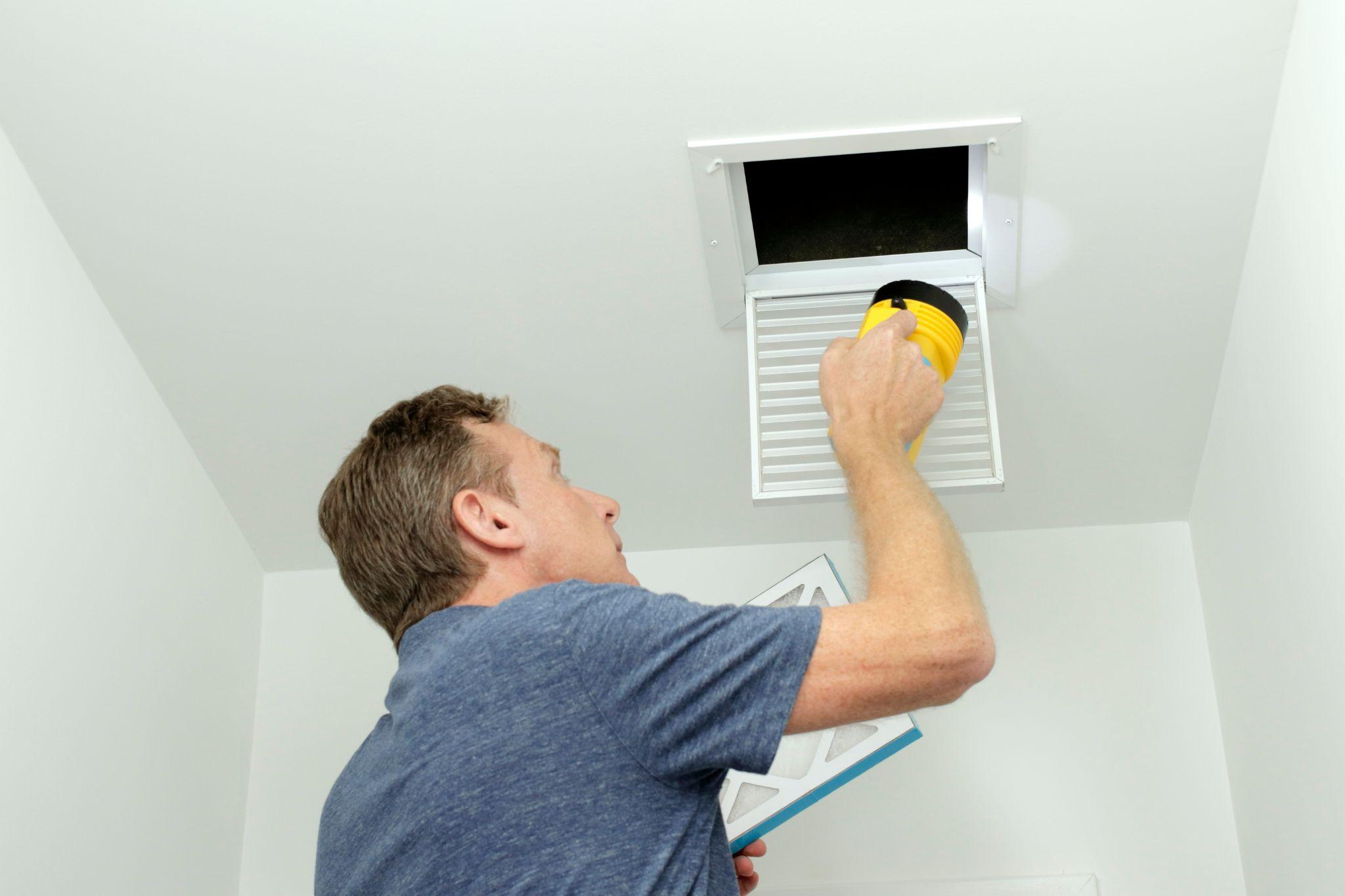
Man inspecting air ducts shining a flashlight through a small square ceiling vent into ducting pipes.

When your home has a forced-air cooling and heating system, it uses ductwork to force air throughout the house into the different rooms. A return air vent draws air out of the house and moves it through the air conditioning or heating system. However, you will need to consider air duct replacement or sealing eventually.

Why Is a Duct System Important?

According to Energy Star, most homes lose about 20 to 30 percent of the cooled or heated air in the duct system due to holes, leaks, or poorly connected ductwork. Unfortunately, most homeowners overlook their air ducts when maintaining their HVAC systems.

The duct system ensures that cooled and heated air is distributed evenly throughout the house. When there are leaks in the system, it causes a reduction in system air pressure.

As a result, the amount of air reaching each room in your home is diminished. In addition, your air conditioning or heating system has to work twice as hard to cool and heat your house.

So, how do you know if you need to repair or replace HVAC ductwork? By familiarizing yourself with the following signs.

Common Signs of Bad Ductwork

Sick woman blowing her nose

There are unexplained increases in your energy bills.

Suppose you notice your cooling or heating bills have been steadily increasing, and there have not been any major increases from your utility company. In that case, it is a good indication that your ductwork has air leaks.

Instead of keeping cooled or heated air inside the ductwork, it escapes. As the air escapes, it draws in uncooled or unheated air and pushes that air into the house. Therefore, your HVAC system has to run longer to reach your desired temperature setting.

You notice your house gets dusty really quickly.

While getting rid of dust completely is impossible, your home should not get dusty that fast. Yet, if you notice that dust is accumulating faster than usual, it could be a sign of bad ductwork. For example, you dust on Saturday and by midweek there is a thick layer of dust where you just dusted.

The excessive dust gets into your house through the air leaks in the ductwork. As we already mentioned, cooled and heated air is lost through the leaks, while uncooled or unheated air is drawn in. As this air is drawn in, it also draws in dust, which is blown throughout the home.

Your HVAC system seems louder than normal.

Your air conditioning and heating system will make some noise when it cycles. However, the noise should not be excessive. If it is, it can indicate a wide range of problems, including air duct problems.

For instance, if you hear a whistling noise when the system runs, this is common when the air leaks are sucking in air through tiny gaps. Another common sound you may hear is a rattling sound coming from the walls, ceiling, or floor, depending on how the ductwork was installed.

You notice an increase in pests inside the house.

Seeing a bug inside the home periodically is bound to happen. However, if you start seeing ants, roaches, or other bugs more often, this indicates they have gained access through an opening, often the ductwork. Increased rodent activity is another common sign of damaged air ducts.

Your seasonal allergies seem to be worse indoors.

If you notice you are sneezing or coughing more often indoors, this is directly related to the air quality inside your home. When you have problems with your air ducts, the air leaks can allow more allergens to enter the house through the cooling and heating system.

You have to change your air filter more often.

Another sign of bad ductwork to look for is how often you change your air filter. For example, if you have a 90-day air filter but have to change it every 45 to 60 days or sooner, this often indicates faulty ductwork that needs to be repaired or replaced.

You notice there are cold or hot spots in different parts of the house.

It is essential to remember air duct leaks can occur anywhere in the duct system. So, if you notice certain rooms in your home feel hotter in summer and colder in winter, it is a good idea to have your duct system inspected.

Should I Repair or Replace HVAC Ductwork?
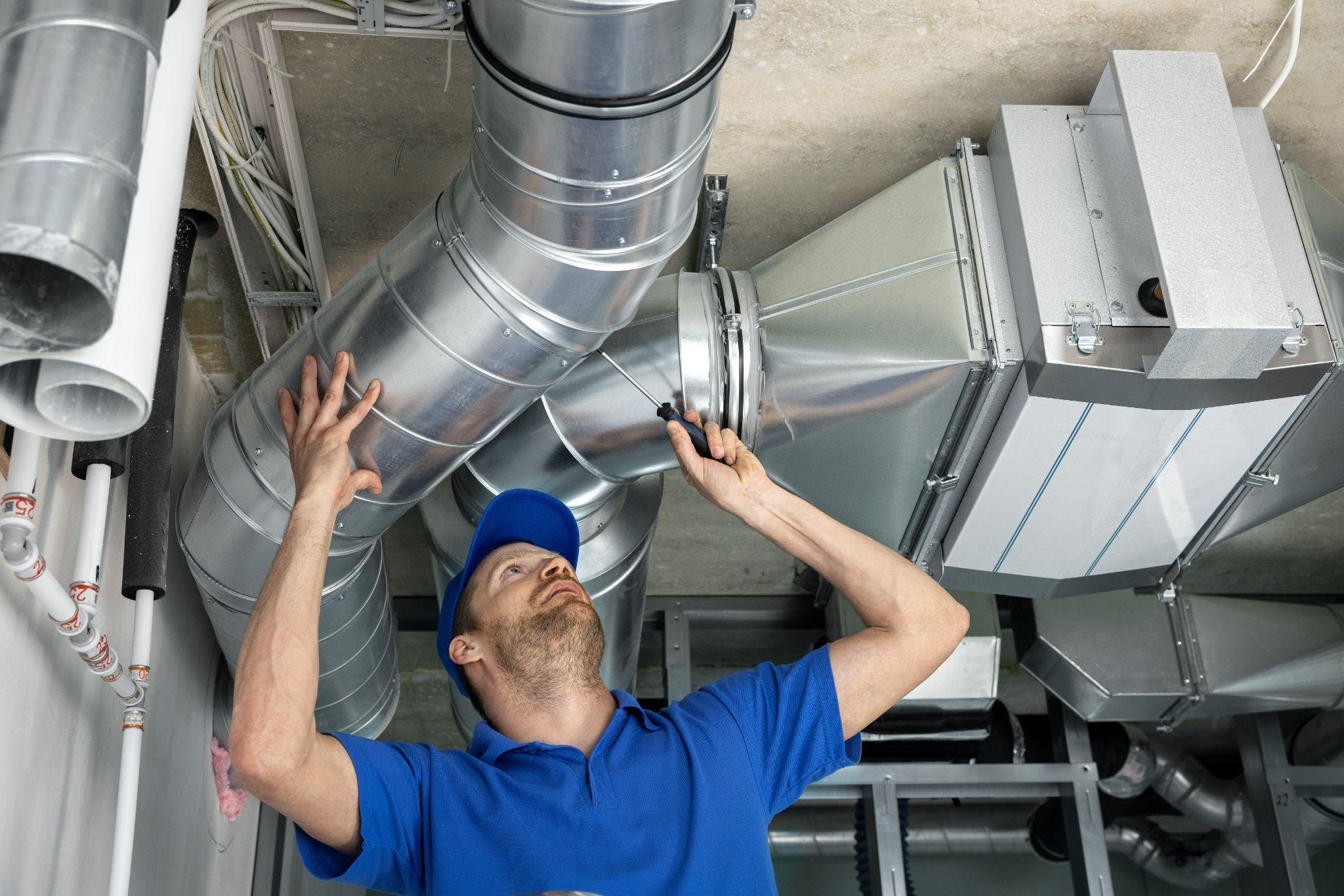
hvac services - worker install ducted pipe system for ventilation and air conditioning in house

Deciding whether repairing or replacing ductwork is best depends on whether you have a few areas that need to be repaired or if the entire duct system has numerous issues. Unless you replace the whole duct system, there are specific steps you will want to take to ensure the system is repaired correctly.

  1. Determine the location of air leaks. You will want to have your HVAC technician conduct an airflow and air quality analysis to help pinpoint the location of air leaks. If they are widespread, replacement might be necessary.
  2. Replace any necessary sections of the ductwork. If there are huge gaps between ductwork joints or extensively damaged sections, have these replaced and fixed.
  3. Have your ductwork cleaned. The next step in repairing ductwork is cleaning the entire system to remove excess dust, dirt, and debris.
  4. Have your ductwork sealed. After the duct system has been cleaned, you want to have it sealed. There are different sealing methods, and one of the more popular ones is to use a spray sealant and circulate that through the system until all air leaks have been sealed.
  5. Insulate and protect exposed ductwork. If you have exposed ductwork sections, like in your basement or crawl space, you should have these insulated and protected to help reduce the risks of air leaks.

If you replace the entire duct system after installing it, you will want to check for leaks and have it sealed as an added precaution.

How Often Should Ductwork Be Cleaned and Sealed?

It depends on the type of ductwork used in your house. For example, if you have plastic ductwork, you may need to have it sealed more often than metal ductwork. Your best option is to watch for the signs of bad ductwork and have your ducts inspected annually by your HVAC technician.

In addition, you should have your air ducts cleaned and sealed whenever you have a new air conditioning or heating system installed. This way, you do not have to worry about excessive dust entering the new system.

Schedule an Air Duct Inspection Today

When you notice any of these signs of bad ductwork, you will want to get your air ducts inspected today by one of our HVAC technicians at Christianson Air Conditioning & Plumbing. After your inspection, our technicians will tell you what is wrong and provide you with different air duct replacement, repair, cleaning, and sealing options to resolve air leaks.

Please feel free to call us at 512-246-5400 to schedule an air duct inspection today.

How to Handle Allergies Inside Your Home

Sick woman blowing nose in tissue paper while sitting at home

Sick woman blowing nose in tissue paper while sitting at home

The last thing you want when trying to stay cool indoors from the hot, triple-digit temperatures in summer is to start coughing and sneezing because of allergies from your AC. Unfortunately, some people can experience air conditioning allergic reactions.

However, the allergic reaction is not from the cold air being blown into the house. Rather, it is caused by one or more allergens in the indoor air.

What Are Allergens?

Allergens are various types of harmless antigens that the body’s immune system perceives as a threat, so it triggers an immune system response, such as:

  • Runny Noses
  • Watery, Itchy Eyes
  • Coughing
  • Sneezing

What Are Some Common Allergens?

The most common allergens people are sensitive to include:

  • Pollen
  • Dust
  • Mold
  • Mildew
  • Pet Dander
  • Dust Mites
  • Pollutants
  • House Plants
  • Chemicals Used in Household Cleaning Products

Reasons You Experience Allergies from Your AC Inside a Home

As cool air is circulated throughout your house, it easily spreads allergens to every part of the home. So, if you are sneezing, coughing, or experiencing other allergy symptoms, you need to track down the source of the allergens to determine how to best resolve the issue. Start by checking the following parts of your air conditioning system.

Is there an air filter in the air return, and is it dirty?

Running your air conditioning without an air filter is never recommended. Dust, dirt, and debris can get inside the cooling system. When it does, it can cause operational issues, shorten its lifespan, and spread the dust, dirt, and debris throughout the ductwork and the home, triggering your allergies.

When the air filter is dirty and not changed regularly, it can become clogged and no longer remove allergens from the indoor air. Therefore, you want to inspect your air filter monthly and change it whenever it is dirty.

What quality is the air filter?

Low-quality air filters will not filter out allergens that well. You want a decent air filter that does not restrict airflow yet can remove allergens from indoor air. To choose the best air filter for your AC system, ask your AC technician to recommend one.

Do you smell mildew when the AC is running?

If you do, chances are your home also has mold. Both mold and mildew thrive in humid environments, including inside your AC system. You should have your AC technician help find the source of the mold and mildew so it can be eliminated.

Do you have air leaks in your home?

Air leaks can occur around doors and windows, allowing pollen and other allergens to get inside. Another cause of air leaks is in your ductwork. You will want to resolve air leaks to prevent outside air from getting into the house.

When was the last time your AC system was serviced?

Regular maintenance is essential to help prevent problems that could contribute to allergens inside your home. For example, when the water drain on the AC is clogged, it can back up inside the unit, resulting in higher humidity levels that can lead to mold and mildew problems.

Your AC may also require cleaning to remove dust, dirt, and debris from the outside unit so that it doesn’t get into the system and into your home.

How Can Your HVAC Technician Help?

happy male worker removing ceiling air filter

Your HVAC technician offers a range of services to help reduce and eliminate most allergens from your indoor air, including:

  • Air Quality Inspections – You can find out what allergens and pollutants are in your air to determine what sort of solutions can help improve indoor air quality and reduce your allergies.
  • Air Duct Cleaning and Sealing – Cleaning and sealing your air ducts will help remove and prevent problems with dust, dirt, and debris being circulated through the AC system.
  • Allergen Reducing Air Filters – Getting a better air filter that helps remove allergens can improve indoor air quality and reduce your allergic reaction
  • Dehumidifiers to Control Humidity Levels – Maintaining humidity levels helps prevent problems with mold and mildew.
  • Air Purification Upgrades – Air purifiers, UV sterilization lighting, and special HEPA filters are some of the upgrades you might want to consider when you want to remove allergens from your home.

If you are experiencing air conditioning allergies inside your home and want help improving the indoor air quality to eliminate allergens, Christianson Air Conditioning & Plumbing can help. We can test your indoor air quality, clean and seal your air ducts, and make recommendations about what upgrades could benefit you and your family the most and provide you with the highest possible indoor air quality.

For further information or to schedule an appointment in San Antonio or the Austin Metro area, please feel free to call us at 512-246-5400 today.

10 Tips for Your HVAC System This Summer

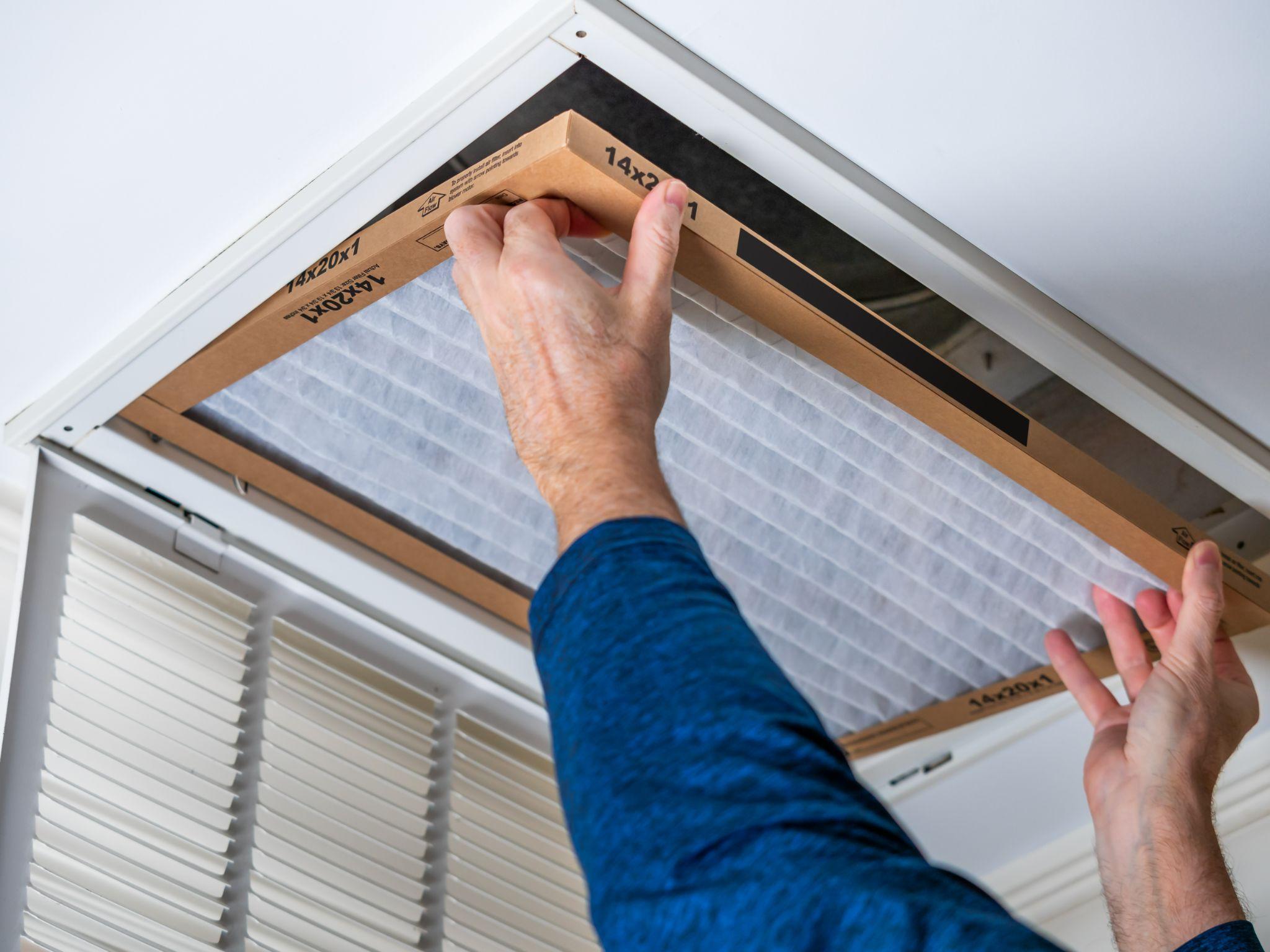
Man replacing dirty HVAC air filter in ceiling vent.

Man replacing dirty HVAC air filter in ceiling vent.

With record-breaking summer temperatures across Texas, the last thing you want is for your air conditioning system to stop working. Your air conditioning will be working overtime to keep your house cool and comfortable. Since it is running more often, it is essential to keep an eye on it to spot potential problems, so you can have them fixed before your HVAC system breaks down.

It is also beneficial to use the following summer HVAC tips to ensure you stay cool and comfortable to make the rest of your summer a breeze.

#1. Clean around the outside unit and remove any debris.

You need to ensure airflow is not restricted in any way by leaves, brush, or overgrown grass. You need at least three feet of clearance all around the unit for proper airflow.

#2. Check the drain pipe on your HVAC system.

Verify the drain pipe connected to the air conditioner is draining properly and is not clogged. You should also clean the drain pipe to remove any debris stuck to the inside of the pipe. When you schedule an AC tune-up, your HVAC technician will check and clean the pipe as part of the AC maintenance service.

#3. Schedule an AC tune-up with an HVAC technician.

An AC tune-up checks to make sure your air conditioner is running optimally and efficiently. It will help identify potential problems before they become major repairs. Your HVAC technician can also clean the outdoor unit to remove dust and debris from the cooling coils and interior where it could create airflow problems.

#4. Upgrade to a smart thermostat for better energy efficiency.

Young guy pushing button on smart home system.

While programmable digital thermostats are helpful at regulating your home’s temperatures, they are not as efficient as smart thermostats. Smart technologies allow your thermostat to learn your cooling preferences and make adjustments based on whether you are home or away to conserve energy.

#5. Verify your ceiling fans are in “summer” mode.

Switching the direction of your ceiling fans helps keep your house cooler and reduces how often your air conditioning runs. To determine if you need to switch directions, turn the ceiling fan on and look up to see which way the blades spin.

The blades should be spinning counterclockwise or to the left in the summer. If they are spinning clockwise or to the right, shut the fan off and adjust the switch on the ceiling fan to switch modes.

#6. Check your air filters monthly and change them when they are dirty.

Man replacing dirty HVAC air filter in ceiling vent.

Dirty air filters restrict airflow and will cause your HVAC system to work much harder and use more energy. Dirty filters also place added wear and tear on the system, so it wears out much faster.

For instance, even if you have a 90-day air filter installed, it may need to be replaced before 90 days. If you didn’t check it monthly, and it was clogged with dirt, dust, and debris, it could cause your AC system to work harder at trying to keep your house cooler. It could even cause your AC to overheat and stop working. This is why you should check the air filter monthly.

#7. Have your ductwork checked for proper airflow and to verify it is clean.

If your air filters are getting excessively dirty in a month or less, your ductwork and vents may need to be cleaned. Air leaks in air ducts draw in warm air and dust, reducing the efficiency of your air conditioning and lowering your indoor air quality. Your AC technician can perform different tests to check the airflow and clean and seal the ductwork when there are air leaks.

#8. Verify your home is properly insulated.

If your home lacks sufficient insulation, it will cause your AC system to run more often and longer. Adding more insulation to the walls and attic will help make your home and HVAC system more energy efficient.

#9. Keep window blinds and curtains drawn during the day.

Heat energy from the sun when it is excessively hot outside can heat up your home through the windows. By keeping your blinds and curtains drawn, it will help keep your home cooler. If you must have sunlight indoors, only open one blind or curtain partially in each room or wait until later in the day when it starts cooling down.

#10. Upgrade to a new, energy-efficient air conditioning system.

If your existing air conditioning is more than ten years old, or if you have noticed your energy bills have been increasing, you could benefit from a new, energy-efficient AC unit. New units provide better energy efficiency and use less electricity to keep your home cool all summer long.

Make the Rest of Your Summer a Breeze with Christianson Air Conditioning & Plumbing

By using HVAC tips, you can keep your house cool and comfortable for the rest of the summer. If you are having any cooling system problems or need an AC tune up in San Antonio or the Austin Metro area, please feel free to contact Christianson Air Conditioning & Plumbing at 512-246-5400 today!

What Qualifies as an HVAC Emergency?

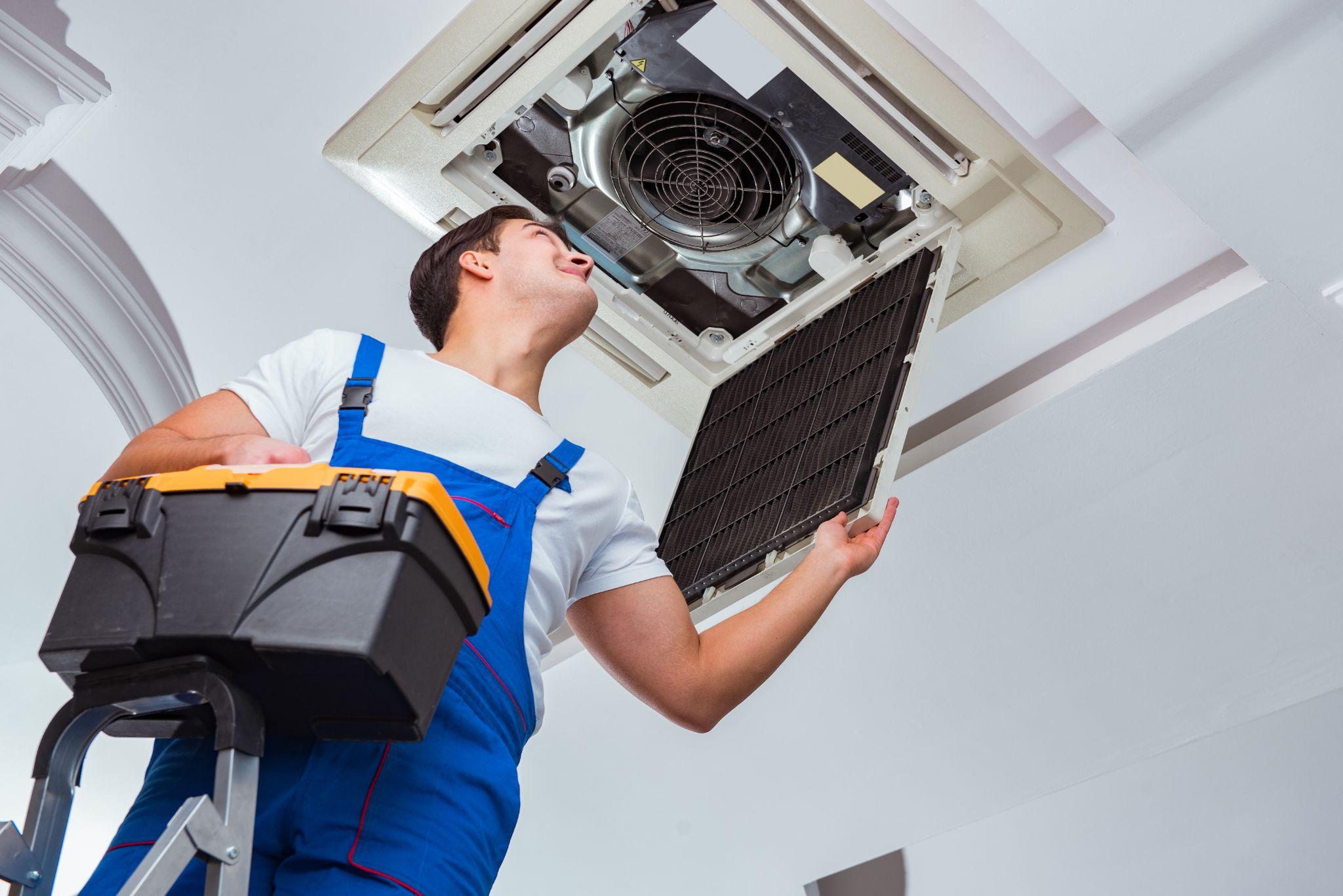
worker repairing ceiling air conditioning unit

As summer approaches, now is a great time to have your HVAC system serviced to ensure your air conditioning will work correctly when it heats up. Far too often, homeowners put off having annual AC maintenance performed in the springtime, only to need emergency HVAC repair on the hottest day of the year.

What Is Considered an HVAC Emergency?

worker repairing ceiling air conditioning unit

Deciding what is considered an HVAC emergency and what is not requires having a general working knowledge of your HVAC system. You should know how your system cycles, how to tell if it is blowing out hot or cold air, where the air filter is located, and how to check to ensure that it is draining correctly.

You should also be aware of the sounds your HVAC system makes when it is running in both heating and cooling settings. This will help you identify strange sounds should they become apparent and indicate a potential problem.

Keeping these things in mind, here are some common sounds and signs that indicate you need emergency HVAC service:

#1. No Heated or Cooled Air

If you put your hand up to the air vents and the air coming out is not heated or cooled, there is something wrong with the system. However, before calling your HVAC technician, check your air filter. Dirty and clogged air filters can prevent sufficient airflow and cause the system not to heat or cool correctly.

#2. Buzzing Sound or Burning Smell

Buzzing sounds and burning smells indicate electrical problems. They can occur from faulty connections to parts that are overheating and melting others. Shut off the system and contact your HVAC technician for emergency HVAC repairs asap.

However, it is worth noting that a burning smell is normal during the first few heating cycles, as it is burning off dust inside the system. Yet, if the burning smell continues to be present, then it could indicate a problem.

#3. Clunking, Banging, Screeching, and Popping Sounds

These noises are not normal and indicate something is wrong with the HVAC system. For example, screeching sounds could indicate the system is operating under excessively high pressure levels. If the system is not serviced, there are risks of the parts under high pressure rupturing and exploding.

#4. No Airflow

Another problem that often indicates you need heating and cooling emergency services is when the system turns on, but there is no airflow. The air handler unit and blower motor could have failed. There could also be an electrical problem where something shorted out, so the blower motor is not working properly.

#5. System Does Not Turn On

If your HVAC system does not turn on when it should, it could indicate a wiring or electrical problem. Start by checking the thermostat first to ensure it is set to heating or cooling and turned on. Next, check your breakers to verify they do not need reset. After checking these things, if the system still won’t turn on, then call your HVAC technician.

#6. You Smell a Strong Gassy Smell

If you have a gas heater and notice a strong rotten egg odor, it could indicate a gas leak. You should shut off the gas main immediately. Contact your HVAC technician for emergency service to check for gas leaks.

#7. The Pilot Light on Your Furnace Is Yellow

Natural gas flames should appear bluish in color. If your pilot light is yellow, it indicates there is excess carbon monoxide, which is dangerous. Contact your HVAC technician asap for emergency HVAC service. You should also open up doors and windows to let in fresh air or leave your home until the problem is resolved.

#8. The “Exhaust” Fan on the AC Unit Isn’t Working

There is an “exhaust” fan on outdoor AC units that helps remove heat from the cooling coils as the coolant cycles through the unit. If this fan is not spinning, the coolant overheats, and hot air is blown into the house. Shut the unit off and call your HVAC technician right away.

What Is Not an HVAC Emergency?

woman with flashlight looks into distribution board

Certain types of problems may seem like an HVAC emergency to you. However, not all problems require emergency HVAC service, including:

  • Low Airflow – Low airflow indicates a blockage like dirty and clogged air filters. So, you would want to schedule HVAC service, but it does not warrant an emergency repair.
  • Power Outages – You would be surprised by how many people call their HVAC technicians when the power is out. If there is no electricity, there is nothing your HVAC technician can do to get your system back on. You just have to wait for your electric company to repair the problem.
  • Bi-Annual Maintenance – Your regular system maintenance should never be scheduled as an emergency service.
  • Repairs That Can Wait for a Normal Service Call – When the temperatures are moderate, and you survive without heating or cooling, you may not need emergency HVAC service.

How to Handle an HVAC Emergency

As you can see, certain problems qualify as HVAC emergencies and require calling an HVAC technician. When you need emergency HVAC repair services in San Antonio or the Austin Metro area, call Christianson Air Conditioning & Plumbing at 512-246-5400 anytime, day or night, holidays or weekends.

Why You Have Poor Airflow Through the Vents in Your Home

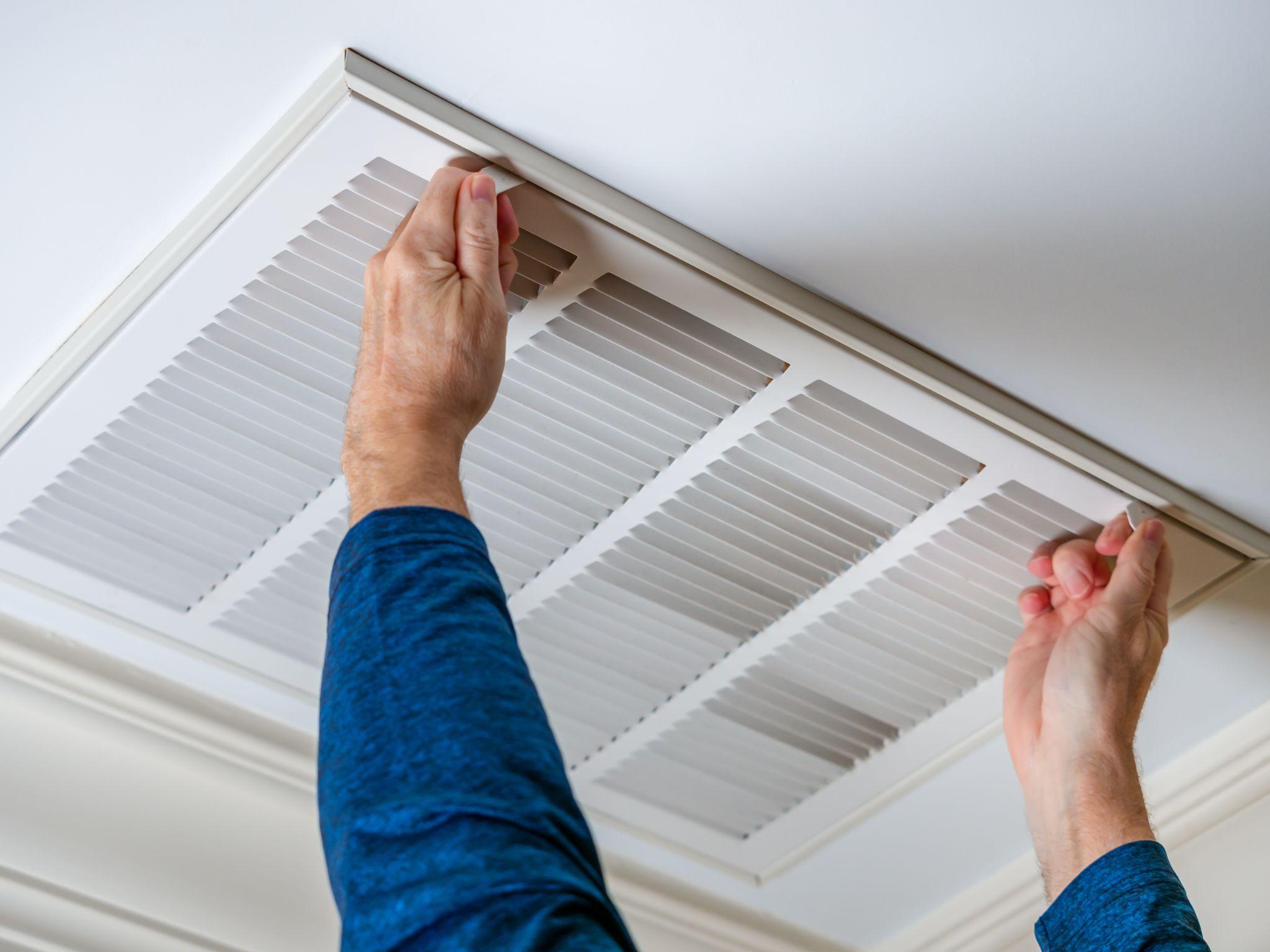
Man opening ceiling air vent to replace dirty HVAC air filter.

Have you noticed poor airflow through the vents in your home? Maybe there is low airflow from certain vents but not others? There can be several causes for poor airflow in HVAC systems. Therefore, it is essential to understand the potential causes for reduced airflow to pinpoint the problem and determine when you need to get assistance from a qualified HVAC technician.

#1. Dirty Air Filters

Dirty air filters will restrict airflow as it returns back through the HVAC system. Since the airflow is reduced, so is the amount of air being blown out of the vents. So, check your air filter and, if it is dirty, replace it with a new air filter to see if that resolves the airflow problems.

#2. Wrong Type of Air Filter

Air filters have different MERV ratings that need to be matched to your HVAC system. If the MERV rating is too high, it will restrict airflow and not allow it to move properly through the system.

Filters with higher MERV ratings have smaller air pores, so your system cannot function correctly. Verify your HVAC system can handle the MERV rating on the air filters you are using. If not, switch to a lower-rated filter compatible with your system.

#3. Undersized HVAC System

A common cause of poor airflow is an undersized HVAC system that is too small for your home. The unit cannot produce the output needed in a forced-air system to the entire house. As a result, you may notice uneven airflow from the HVAC system, with airflow being the strongest in the rooms closest to where the ductwork first enters the home and there being almost no airflow in the rooms farthest from the HVAC system.

To remedy this problem, you need to have your HVAC technician conduct an airflow analysis and determine the proper size HVAC system for your house.

#4. Closed Air Vents

When the air vents are closed, you will not notice any airflow coming out of the vent. So, if you put your hand up by the vent and notice no airflow, the first thing to do is to check to make sure the vent is open. If it is open and there is no airflow, you should check your air filter before calling your HVAC technician.

#5. Dirty Ductwork

Dust, dirt, pet hair, pet dander, and other debris can get into the ductwork. Over time, the accumulation of debris builds up and can start to affect airflow in your home. Another indication to look for to determine if you have dirty ductwork is when your home gets dusty very quickly. If so, you will want to schedule duct cleaning service with your HVAC technician.

#6. Clogged Ductwork

Clogs can occur in ductwork when small critters get into your house. For example, a mouse, rat, opossum, bat, or squirrel could find its way into the ductwork and move in. Unfortunately, when they build nests or simply restrict airflow around them because of their size, you will notice poor airflow through the vents.

To resolve clogged ductwork, you will need to have someone help remove the unwanted critters from your home safely and humanely. Next, they will need to find the entry point where they got into the ductwork. Last, you should have your HVAC technician clean the ductwork and make any necessary repairs.

#7. Air Leaks in the Ductwork

If the ductwork is not sealed correctly, there can be air leaks that allow air to escape rather than being blown into the rooms in your house. Air leaks also allow dust and other debris to be sucked into the system.

So, if you notice you have low airflow from the vents and your house gets dusty much faster when the HVAC system is in operation, you most likely have an air leak. Your HVAC technician can check the airflow pressure to determine if there are air leaks. If there is, they can repair, clean, and reseal the ductwork to eliminate any air leaks.

#8. Misshapen Ductwork

Some homes can have what is known as flex ductwork. This type of ductwork is made from plastic materials and wire rings with a layer of insulation. Another type of flex ductwork is made of metal, much like those flexible pipes used to connect the dryer to the exhaust vent.

As you can imagine, both types of flex ductwork are more prone to damage. They can get bent, kinked, and even broken or torn in places and create low and uneven airflow in HVAC systems. To restore airflow, you would need to replace the part of the damaged flex ductwork.

#9. Ductwork Too Big

Older homes tend to have ductwork with larger diameters that modern HVAC systems do not need to function properly. So, if the ductwork is too big, you will notice a reduction in airflow throughout the house. Of course, the solution for this problem is to decrease the diameter of the ductwork to match what is recommended for your HVAC system.

#10. Insufficient Return Air Vents

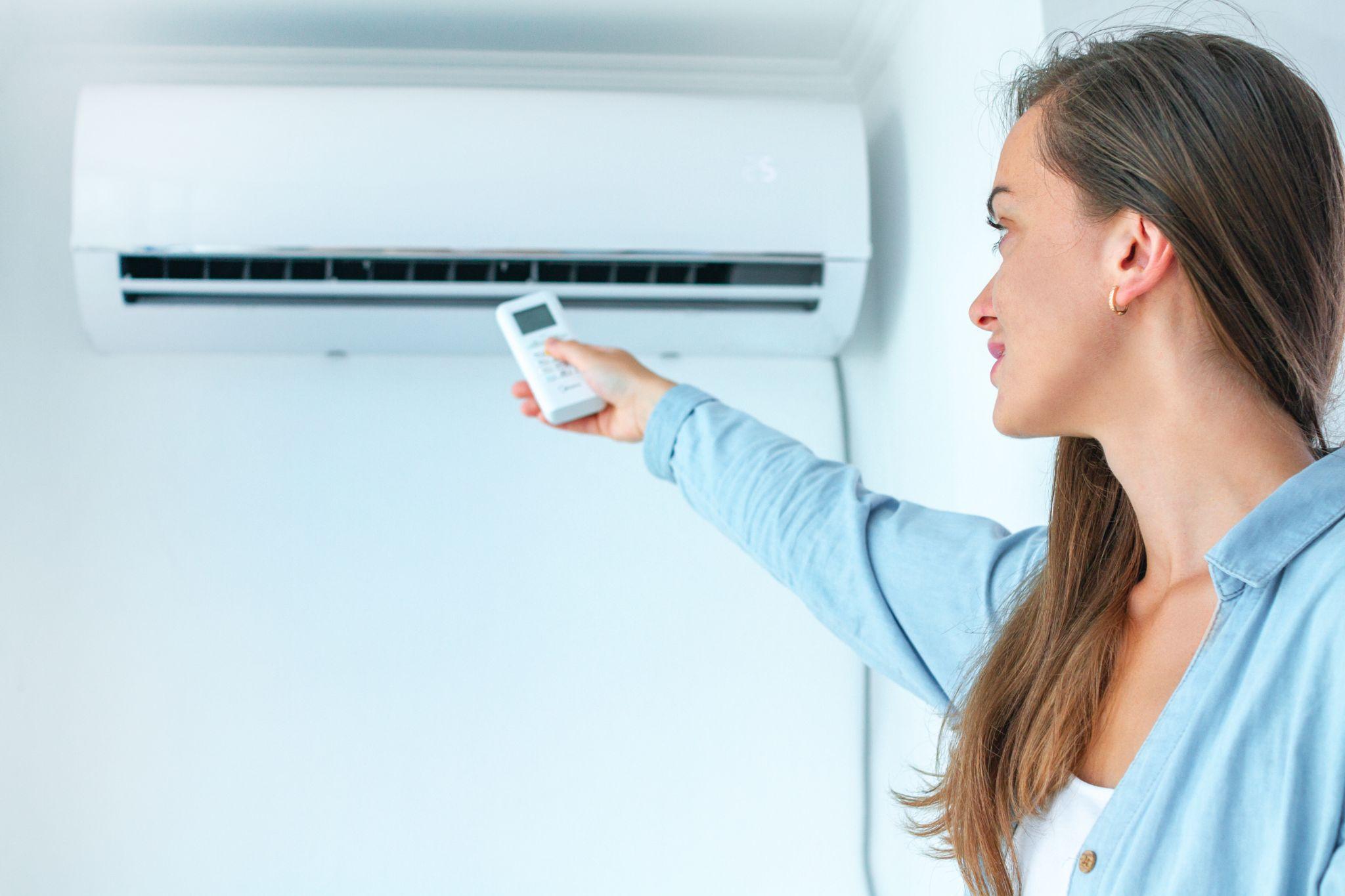
Young attractive woman using remote controller for adjustment air conditioner temperature in room at home.

Forced air HVAC systems require the air to flow through a closed-loop system. First, the air is blown out of the vents into the rooms in your house. Next, it is drawn out of the house through one or more return air vents to be cycled back through the system.

When your home has insufficient return air vents, airflow is restricted. So, the HVAC system cannot move the proper amount of air through the system.

For example, if you have a two-story house, you should have at least one return air vent on the main floor and one on the second floor. If you only had a single return air vent, the amount of air returned through the system could be insufficient.

As such, the amount of air being forced into the house is not the same as the amount of air being returned. The easiest solution to this problem is to have your HVAC technician install the necessary number of return air vents to ensure proper airflow.

#11. Vent Are Too Small

If the air vents in the rooms in your home are too small, they will restrict the amount of air entering the room when the HVAC system is in operation. Essentially, they create a “bottleneck” since they cannot allow the proper amount of air through the vent.

To resolve this type of HVAC low airflow problem, have your HVAC technician install larger air vents that are the

same diameter as the ductwork.

What if My Airflow Is Too High?

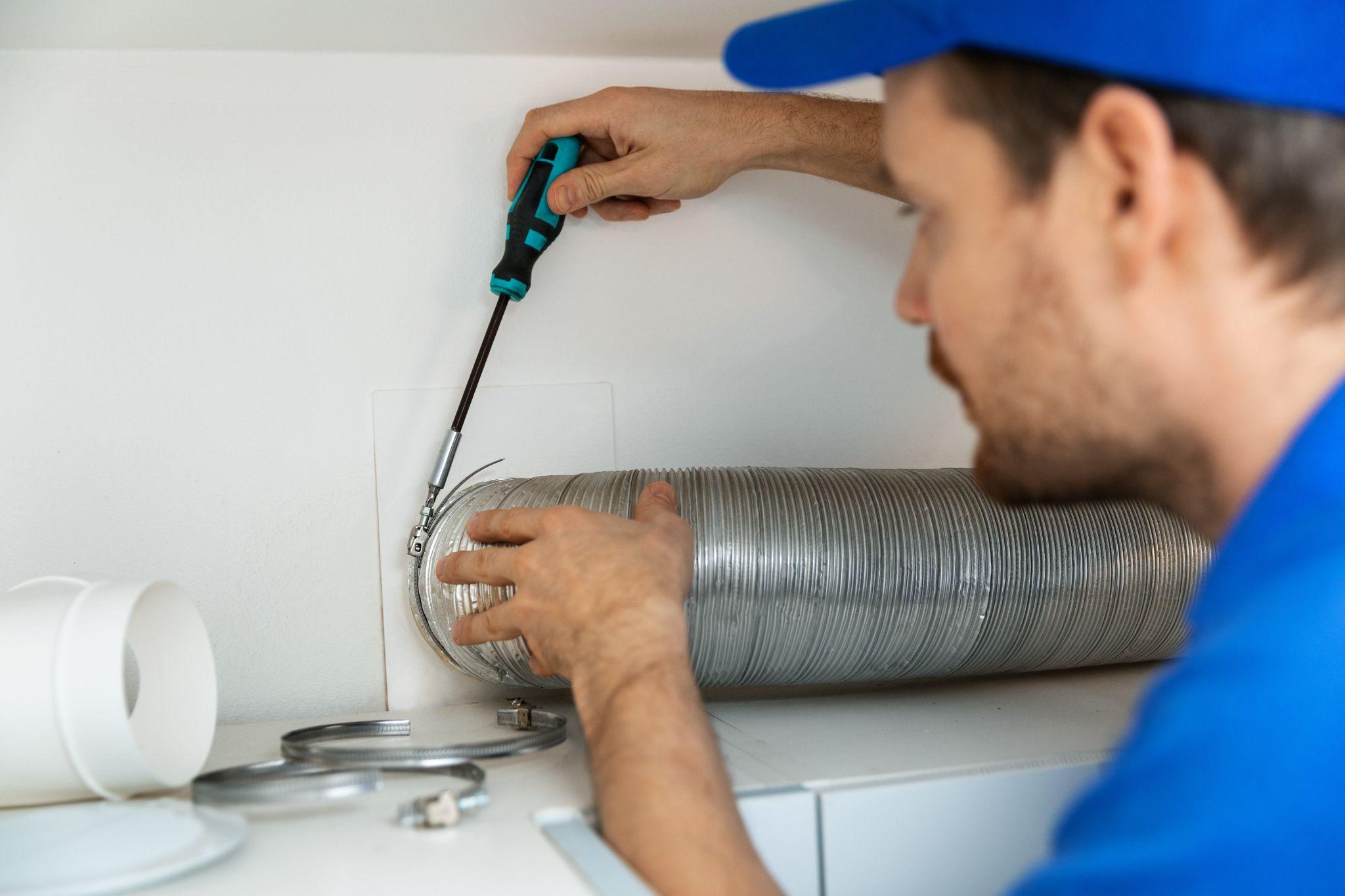
worker installing flexible aluminum ventilation tube for kitchen cooker hood exhaust system

Another type of problem that can occur is too much airflow. While this might seem like a good thing, it can strain the HVAC system and cause it to wear out much faster. Two of the most common causes of poor airflow that is too high include:

  • The HVAC system is oversized for your home. An oversized system outputs higher airflow. However, it never gets to peak operation, causing short cycling and energy inefficiency.
  • The ductwork in your home is undersized. When the ductwork’s diameter is too small, it will cause the airflow speed to increase. Yet, when the air moves back through the return air vent, the excess “force” the air creates can damage the HVAC system.

Resolving Poor Airflow in HVAC Systems

As you can see, there are several potential causes for poor airflow through vents in your home. While some of the problems might be easier to resolve, like changing your air filter or switching to a lower-rated MERV air filter, others require assistance from a qualified HVAC technician.

To find out why your home has low airflow problems, please feel free to contact Christianson Air Conditioning & Plumbing at 512-246-5400 to schedule an airflow analysis appointment in New Braunfels, Temple, San Antonio, or the Austin Metro Area today!

How to Prepare Your Home for a Texas Winter Freeze

Many Texans do not think about how to prepare their homes for a freeze until it’s too late. Sadly, they soon forget the cold weather and storm that hit Texas in February of 2021, leaving many homes with frozen water pipes, no power for weeks, and related damages.

Instead of waiting for the next Texas winter freeze and storm to hit, it is better to take steps now to prepare your home. The best place to start is by learning how to protect pipes from freezing, like having your plumber improve the insulation on all exposed water lines.

You should also know what to do to prevent frozen water pipes when temperatures are going to dip below freezing. Oftentimes, you will have at least a few days notice to take steps to prepare your house for the freezing weather.

Furthermore, make sure you have an emergency supply kit prepared in case of a power outage. It also doesn’t hurt to fill bathtubs with water before the freezing temperatures and weather arrive to have access to extra water.

To learn more about how to prepare your home for a Texas winter freeze, we invite you to continue reviewing the following infographic.

For help preparing your home’s plumbing lines against freezing, please feel free to contact Christianson Air Conditioning & Plumbing at 512-246-5400 today! Our experienced Austin plumbers and San Antonio plumbers are always available 24/7 should you ever have a plumbing emergency.

Preparing Your Texas Home for a Winter Freeze Infographic

Click below to embed this infographic into your website:

How Do I Know What Size HVAC I Need for My Home?

Young woman relaxing under air conditioner at home

Did you know that HVAC (heating, ventilation, and air conditioning) systems come in different sizes? Most homeowners who have never had to replace their HVAC units are somewhat surprised when purchasing a new HVAC system for their homes.

So, how do you know what size HVAC you need? The biggest misconception is basing your new system on your current system. Considering that most air conditioners last between 15 and 20 years and most furnaces last as long as 25 years, your current system could easily be outdated. So, basing your HVAC sizing on your current system is never a good idea.

Why does the size of the HVAC system matter?

The size of a new HVAC system is vital to ensure your home is heated and cooled efficiently. Having a system that is undersized or oversized can cause heating and cooling issues as follows:

Undersized HVAC System

Undersizing means your newly installed HVAC will not be able to keep up with your home’s heating and cooling needs. As a result, the system will run longer, increasing your heating and cooling costs.

Furthermore, an undersized HVAC system will work much harder. On extremely cold or hot days, the system will not be able to heat or cool your home to your preferred temperature settings. Therefore, ultimately, you will be shortening the lifespan of the new system.

Oversized HVAC System

You might think that having a larger HVAC system would not matter. However, systems that are too big are not able to cycle fully. Instead, they short cycle because they raise or lower the temperature too quickly.

Short cycling is also not energy efficient. The HVAC system uses the most energy when it turns on. Not to mention, short cycling places added strain on the system, causing it to wear out much faster.

How do I find out what size HVAC is best for my house?

Male technician repairing air conditioner at home

It is easy to calculate the size of HVAC needed for your home by using the square footage of the house. In general, you multiply the square footage by 25 to find out what BTU capacity you need. However, there are some other considerations you must factor into your calculations.

#1: BTUs for furnaces are different.

Your initial BTU calculation gives you an idea of what size air conditioner you need. To determine what size furnace you need, take your initial BTU capacity calculation and divide it by 0.80.

#2: Determine the zone where you live.

If you live in the south, the tonnage and BTUs are slightly different than living in the north. As such, the capacity of the system will need to be adjusted. For instance, your cooling BTUs will matter more than your furnace BTUs in the south since you use your AC more than the furnace.

#3: Know the tonnage of the HVAC system.

HVAC sizing is based on the tonnage of the units, not necessarily the BTUs. There is a BTU range that relates to the tonnage of the system. This calculation is easy to perform by taking the square footage of your home, multiplying it by 30, and then dividing it by 12,000.

Ensuring Your HVAC Sizing Is Precise

The calculations you make are generalized guidelines. Other factors need to be determined, such as the ceiling height, insulation, number of windows, etc. We highly recommend requesting a free HVAC system estimate to know what size HVAC you will need.

With winter just around the corner, now is a great time to get a new HVAC installation. Contact Christianson Air Conditioning & Plumbing at 512-246-5400 to schedule a free HVAC system estimate in Temple, New Braunfels, San Antonio, or the Austin metro area today!

AIR CONDITIONING MAINTENANCE TIPS TO HELP KEEP YOUR AC SYSTEM RUNNING EFFICIENTLY

Young woman relaxing under air conditioner at home

On average in central Texas, an air conditioning system will last from 10 to 12 years. The service life can be shortened or extended, depending on how regularly preventive maintenance is performed. Maintenance will also help the system run more efficiently so that your home or office stays more comfortable and it costs you less money.

Regular maintenance ensures your system is more energy-efficient and requires fewer repairs, both of which save you money.

There is some maintenance you can do yourself, while other maintenance requires the service of an HVAC system expert. Professional maintenance should be performed on an HVAC system twice a year, once in the spring and once in the fall.

The following is a list of the tune-up, inspection, and services offered at Christianson Air Conditioning & Plumbing:

  • Thermostat calibration & setting – Ensure comfort when at home and save energy when you’re away.
  • Check & tighten all electrical connections – System will operate more safely and it will increase the life of components.
  • Lubricate all moving parts – Reduce energy by minimizing friction and overheating.
  • Check & inspect condensate drain – Plugged drains can affect indoor humidity levels and, more seriously, cause water damage.
  • Check all system controls – Ensure the system starts, operates, and shuts off properly.
  • Clean condenser coils – Dirty coils increase energy costs and reduce the life of equipment.
  • Check refrigerant levels & adjust if necessary – Too much or too little refrigerant increases energy costs.
  • Clean & adjust blower components – Airflow problems can reduce efficiency up to 15%.
  • (If applicable) Check all gas connections, gas pressure, burner combustion, and heat exchanger – Improperly sealed gas connections are a fire hazard. Dirty burners or failed heat exchangers can allow carbon monoxide to escape, which can be extremely unsafe or possibly fatal.

Do-It-Yourself Air Conditioning Maintenance

Changing air conditioning air filters is probably the part of air conditioning maintenance that most people are most familiar with. Still, many fail to keep records or follow up with routine filter changes. Not only is this one of the most important parts of do-it-yourself air conditioning maintenance, but it is also one of the simplest.

When dirt builds up on air filters, air flow is obstructed, preventing the system from working efficiently. Additionally, it lowers indoor air quality. So, if you have allergies or asthma, you can notice an increase in respiratory problems when you have a dirty air filter.

Either cleaning a reusable filter or replacing it with a new one can improve energy efficiency by as much as 15%. To aid in system efficiency and help extend the life of your system, Christianson recommends cleaning or replacing filters once a month.

The air conditioner coils absorb heat, making them an important part of the cooling system. They are also prone to collecting dirt, even when the filter is kept clean. When dirt covers the coils, they are unable to absorb heat efficiently. Indoor units should be examined visually each year, prior to air conditioning cooling season, and cleaned if necessary.

On the outdoor condensing units, the coils are even more vulnerable due to exposure to foliage, dust, and grass clippings. It is important to keep grass, weeds, bushes, and plants cleared and trimmed away from the condensing unit. It is also a good idea to treat around the unit’s concrete slab with pesticide to prevent ants and spiders.

You may recognize the area on the evaporator and condenser coils known as “coil fins” by sight more than by their name. These flat metal pieces are extremely fragile and easy to bend. Be very careful when mowing or trimming to not damage the coils. Bent coils reduce airflow dramatically and impact the efficiency and life of your system. If the fins become badly bent or damaged, contact a service provider or a Christianson expert to restore them to good operating condition.

Other DIY Air Conditioning Maintenance Tips

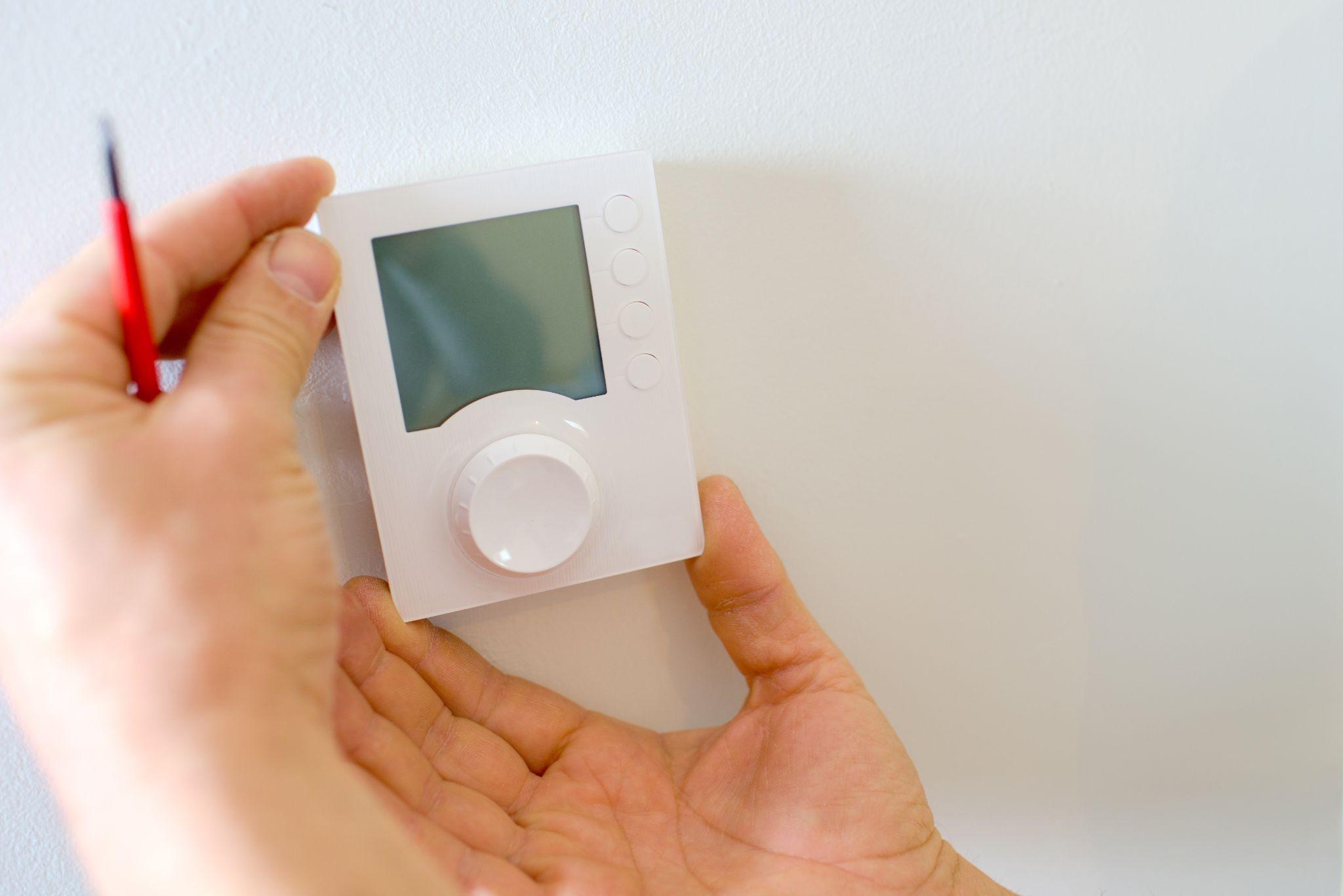
Electrician fitting a new thermostat

There are several other DIY AC unit maintenance you can do before scheduling HVAC maintenance, including:

#1: Upgrade Your Thermostat

Older thermostats are not as energy-efficient as programmable thermostats and smart thermostats. Smart thermostats are superior because they learn your routines and will automatically adjust temperatures based on those routines.

Additionally, you can access your thermostat from just about anywhere using an app on your smartphone. You can make changes to your settings, such as turning down the AC a few degrees when you leave work so your home is cooled to your desired temperature when you arrive.

#2: Clean the Drain Pan

Some air conditioning units have a drain pan that helps drain away water when the unit runs. Dirt, dust, and other debris can get into the bottom of the pan. Over time, as the water mixes with dirt and dust, it can create clogs in the drain line.

About once a month, check the drain pan to make sure it is clean. If it is dirty, wash it with a mild dish soap, rinse it, dry it, and put it back into the unit. Your AC technician can show you where the drain pan is the next time they perform AC maintenance.

#3: Verify the Outdoor Unit Is Level

The outdoor unit must be level in order for it to function correctly. If it is not level, the unit will still run but can lead to problems with condensation getting under the evaporator and making the insulation wet. Should this occur, then all the insulation has to be replaced since wet insulation no longer provides any resistance.

Not to mention, the wet insulation becomes a breeding ground for mold and mildew. When the AC runs, it will not only increase the humidity inside the house but also make it smell.

#4: Check the Drain Pipe on the Outdoor AC Unit

When the air conditioner runs, it will produce water as it cools hot air. The water should drain out a drain pipe on the side of the unit. If you notice the water is not draining properly, carefully remove the drain pipe and run hot water through it to remove any clogs.

Other DIY Tips to Improve Your Home’s Energy Efficiency

Aside from keeping up with air conditioning maintenance, there are several other things you can do to improve your home’s energy efficiency to keep it cool in summer and warm in winter, as follows:

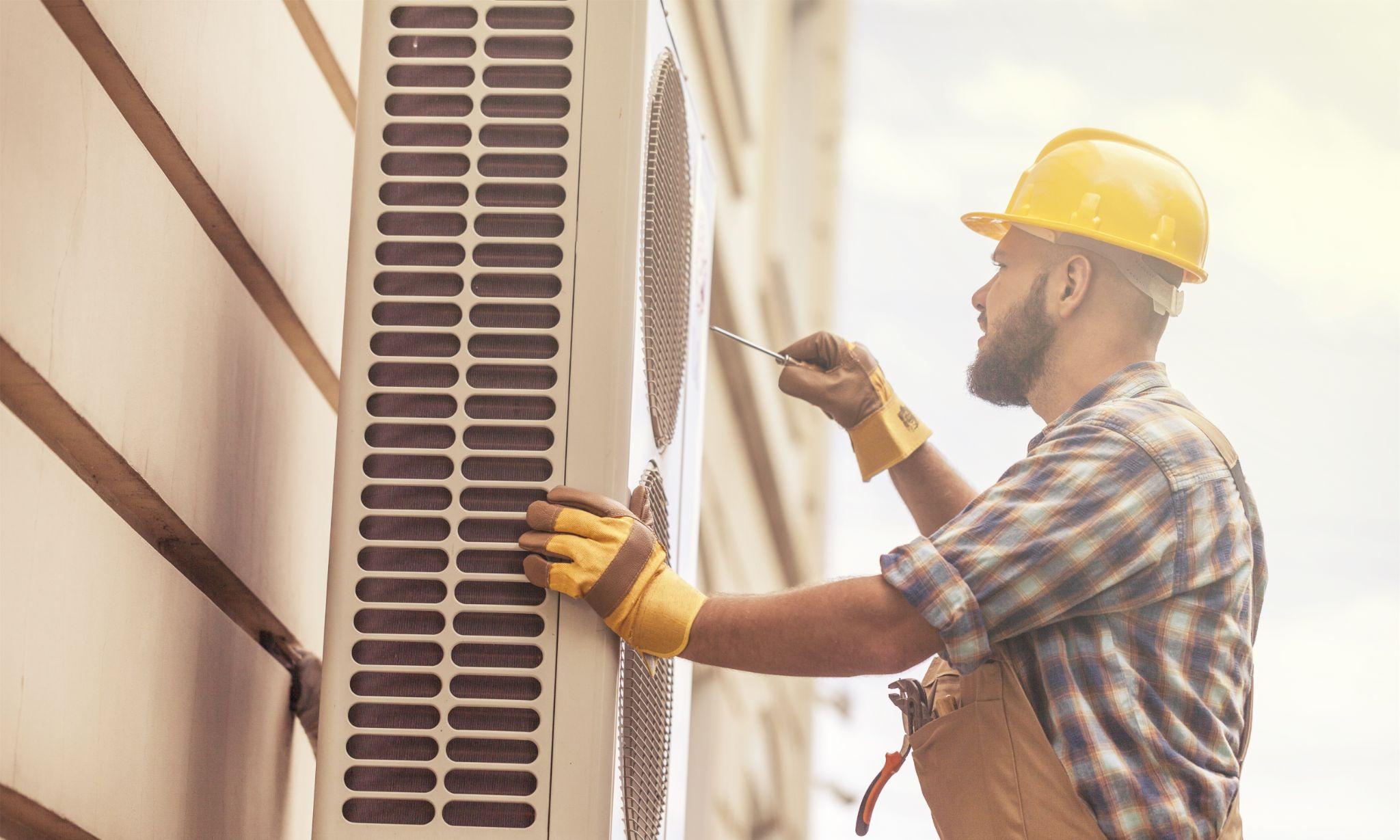
Worker repairing ceiling air conditioning unit

  • Recaulk Around Windows – You should replace the old caulk annually to help prevent air leaks around windows.
  • Replace Door Seals – Inspect the door seals around doors and replace anywhere you can see light coming in around the door.
  • Block Direct Sunlight – Use thick curtains or thick blinds to block out direct sunlight on sun-facing windows.
  • Replace Your Windows – Upgrading to energy-efficient windows does improve the overall energy efficiency of your home.
  • Add Attic Insulation – Another easy DIY project is to increase the amount of insulation in your attic.

Leave It to the Pros

Although some minor maintenance can be performed by the homeowner or business owner, a maintenance plan with Christianson Air Conditioning & Plumbing includes all the annual and bi-annual maintenance that will keep your HVAC system running more efficiently. These services include two precision system tune-ups annually: one in the spring and one in the fall.

Your air conditioning is a vital component of your comfort and utility bill. Don’t leave its efficiency to chance. Call Christianson Air Conditioning & Plumbing in Austin at (512) 246-5400 or our San Antonio location at (210) 651-1212 to schedule your maintenance services before hot weather rolls around.

How Often Should You Service Your HVAC?

Air Conditioning Technician and A part of preparing to install new air conditioner

Air Conditioning Technician and A part of preparing to install new air conditioner

Most homes have heating and air conditioning systems installed. These might be a split system where one part is the furnace and the other part the central air conditioner. They could be a packaged system that functions as an air conditioner in the summer and a heating system in the winter.

Since you essentially have two different systems for heating and cooling, regardless of the type of HVAC system you have installed, ideally you want to service your system twice a year to ensure each part of the system is operating optimally.

What happens if you do not service your system?

Several things can happen when you do not get regular maintenance. Most heating and air conditioning systems are designed to last about 15 years or so. Without maintenance, you are potentially putting more wear and tear on your system, which shortens its overall lifespan.

As your system works hard to heat or cool your home, it also starts using more energy to do so. Systems that are not maintained quickly become less efficient. Your heating or cooling energy costs and utility bills will gradually increase. You will also notice the system is running longer to maintain your ideal indoor air temperatures.

Most importantly, you are taking a risk that your heating system or air conditioner is not going to break down unexpectedly. The longer your system goes without maintenance, the more likely something will go wrong, so it is not a matter of if, but when, which could include:

  • System Parts Overheating – Many parts inside the system need regular lubrication to keep working correctly and prevent excess friction that can lead to overheating.
  • Clogged Air Vents – Dust and dirt can clog air vents and cause the system to work harder. A lack of sufficient airflow can also cause the system to overheat and fail prematurely.
  • Dirty Condensation Coils – These coils are on your AC unit and help to remove the hot air from your home and provide it with cold air. These get dirty. When they are, they cannot function properly.
  • Clogged Drain Lines – There is a drain line on AC units that allows condensation to drain away. When the line clogs, it can cause it to back up inside the system, increasing risks of electrical problems or it seeping into your home, causing water damage.
  • Loose Electrical Connections – Your heating unit and cooling unit are working pieces of machinery that vibrate. Over time, electrical connections can come loose. When they do, they can cause your system to malfunction, short out, or overload major components.

When is the best time to schedule HVAC maintenance?

The best time to schedule maintenance for your HVAC unit is in the spring for your air conditioner and the fall for your heating unit. You want to make sure your AC will be ready to cool your home, come the hot Texas summers, so spring is a great time since HVAC technicians are not as busy as they are in summer.

In the fall, you want to make sure your heating system is ready to go once those colder winter temperatures roll in and you need to switch your heat on. Again, HVAC technicians are typically not that busy in the fall but are very busy once cold weather arrives.

What is done during HVAC system maintenance?

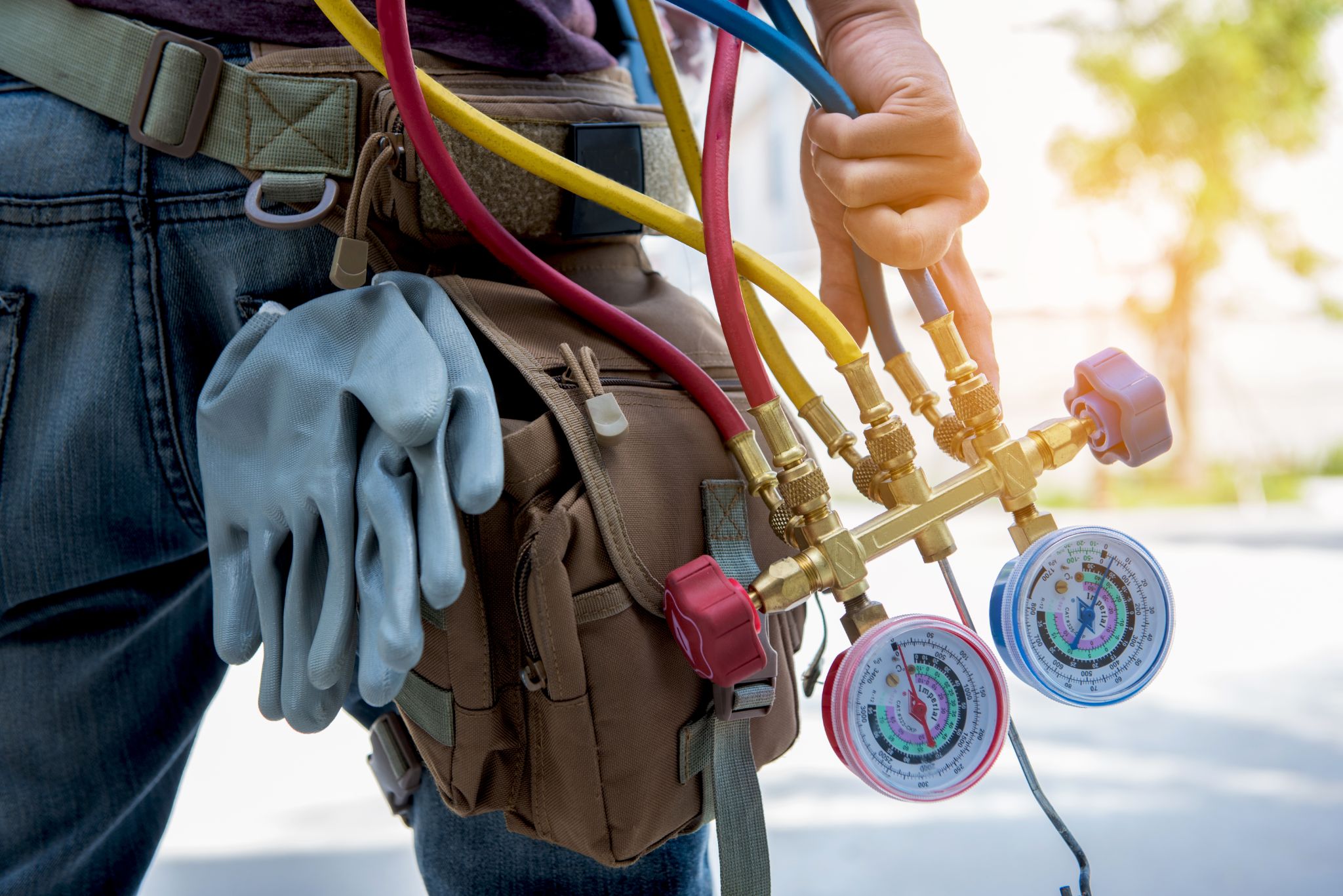
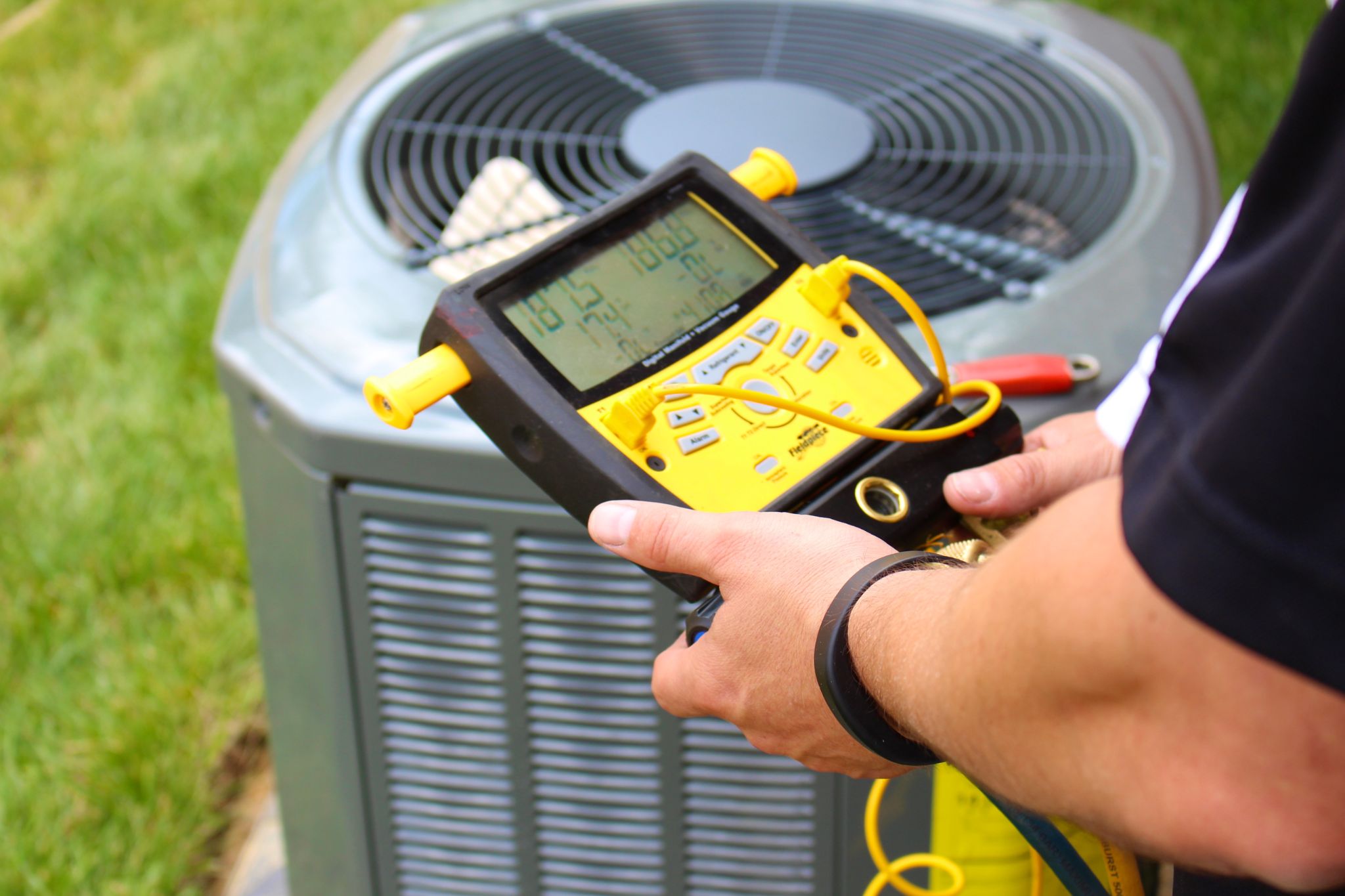
Technician is checking air conditioner ,measuring equipment for filling air conditioners

In the spring, your HVAC technician will be focusing primarily on your air conditioning unit and will perform the following tasks:

  • Overall Inspection of the AC Unit
  • Testing the Condenser
  • Inspecting and Cleaning the Condensing Coils and Evaporator Coils
  • Inspecting the Electrical Wiring
  • Cleaning the Drain Line
  • Testing the Refrigerant Levels
  • Testing the System Operating Pressures
  • Testing the Start-Up and Cycle Times
  • Checking the Air Filter

If the fall, your HVAC professional will focus on your heating unit and perform the following tasks:

  • Overall Inspection of the Heating Unit
  • Inspecting and Testing the Heat Exchanger, Burner Assembly, Heat Pump, etc.
  • Testing the Start-Up and Cycle Times
  • Inspecting the Electrical Wiring
  • Cleaning the Heat Exchange, Burner Assembly, etc.
  • Checking the Air Filter
  • Testing the Backup Heating Source on Heat Pumps
  • Testing the Piping and Gas Lines on Gas Systems

Please keep in mind that the system maintenance performed can and does vary based on the type of heating and air conditioning system you have. With regular preventative maintenance, your HVAC system will last longer, operate more efficiently, and be less prone to breakdowns.

For further information about HVAC maintenance and maintenance plans or to schedule maintenance service for your system in San Antonio, Temple, New Braunfels, or the Austin Metro area, please feel free to contact Christianson Air Conditioning & Plumbing by calling 512-246-5400 today!

How Long Do HVAC Systems Last?

young woman relaxing under air conditioner and holding remote control

HVAC systems can consist of different configurations—packaged systems, split systems, heat pumps, and window units. The average lifespan for most systems is between 15 to 20 years.

This is not to say that a system could fail before 15 years or that you could have a system that lasts more than 20 years. Some people have older oil furnaces and boilers that are 40 years old or older that still work perfectly fine to heat their homes.

HVAC System Lifespan Factors

It is essential that you understand the different factors that affect the lifespan of heating and cooling systems, including:

  1. Climate Change – The climate has changed over the past 30 years or so. We have hotter summers and colder winters. With these changes, it means your HVAC system is running more often to keep your home cold in summer and warm in winter.
  2. How Often the System Is Used – Some people are lucky enough to not need heating or cooling other than a few months each year. Of course, this means their air conditioners and furnaces are going to last longer. For the rest of us that rely on our air conditioners and furnaces almost year-round, our systems will have a shorter lifespan.
  3. How Energy-Efficient Your Home Is – If your home is not well insulated or you have windows without thermal resistance, your HVAC system will run more frequently to maintain your preferred indoor temperature. If you have a well-insulated home and thermal-resistant windows, your HVAC system does not have to run as often, so it will last longer.
  4. How Often HVAC Maintenance Is Performed – Systems that receive regular maintenance, tune-ups, and repairs tend to last longer than systems that are not given proper maintenance.
  5. Where You Live – The location of your home will affect the lifespan of your heating and cooling system. People that live in coastal areas have to deal with the corrosive effects of saltwater that causes their air conditioners to rust and wear out faster compared to someone living farther inland.

How to Extend the Life of Your HVAC System

Hvac technician inspecting an air conditioner

Whether you recently had a new HVAC system installed or have an older heating and cooling system, there are several things you can do to extend the life of your HVAC system.

  • Schedule Regular Maintenance – Have an HVAC professional service your system twice a year—once in the spring and once in the fall. These intervals ensure your air conditioning is ready for summer cooling and your furnace is ready for winter heating.
  • Replace Worn Out Parts and Components – Normal wear and tear occur as your HVAC system ages. By sticking to a proper maintenance schedule, your service technician notices when parts and components need to be replaced. Replacing them before they fail not only avoids emergency repairs but also extends the system’s life.
  • Replace Your Air Filter Frequently – The air filter should be changed every 30 to 90 days. It is a good idea to inspect the air filter If it looks dirty, replace it, even if the manufacturer says the filter should last longer. Clogged and dirty filters strain your HVAC system and shorten its lifespan.
  • Make Your Home More Energy-Efficient – There are different home improvements you can make like adding more insulation and upgrading to thermal-resistant windows to improve the energy efficiency of your home. These improvements not only will lower your energy bills but extend the life of your HVAC system.
  • Utilize Landscaping Features – Trees and shrubs should be used to help shade windows that receive a lot of direct sunlight. You should keep trees, shrubs, and other plants at least five feet away from the outdoor AC unit. It also helps to trim back trees that overhang the home and AC unit.
  • Have a Smart Thermostat Installed – Have your HVAC professional install a smart thermostat. Smart thermostats are designed to help learn your heating and cooling habits. They can also be programmed to automatically adjust the thermostat when you are away from home and turn it back down when you are at home to save energy since your system doesn’t run as often.
  • Have Your AC Unit Cleaned Annually – Dust, dirt, and other debris can get into the heat exchanger coils (cooling coils) and vents on the outdoor unit. Having it cleaned by your AC technician every year before you start using your air conditioner will help extend its life.
  • Turn on Your Ceiling Fans – If your home has ceiling fans, use them regularly to help circulate heated air or cooled air in your home. Remember to adjust the settings seasonally so the blades rotate in the right direction.

When to Replace Your Heating and Cooling System

There are several things to consider when your heating and cooling system is older, to decide when is the best time to replace it.

  • How has the system been performing? Is your system able to keep your home cooled and heated easily? If you notice the system is struggling to keep up, it could be that it is wearing out and needs to be replaced.
  • How much are your energy bills? If you notice your energy bills are increasing, this is common when an HVAC system is nearing the end of its useful life.
  • How often are you having to get the system repaired? As the system ages, you will start to notice that parts and components wear out and need to be replaced. If your system is breaking down frequently or the list of replacement parts and components is increasing at each service interval, it might be a better idea to invest in a new system.
  • Are the repair costs adding up to at least 50% of the cost of a new system? If your repair costs are creeping up and are running at around 50% of the cost of a new system, in the long run it would be better to have your HVAC professional install a new HVAC system.

As you can see, “How long do HVAC systems last?” depends on various factors and things you can do to help extend the life of your heating and cooling system, such as regular maintenance.

If you are not sure whether your HVAC system needs to be serviced or replaced, the best place to start is with an inspection performed by one of our experienced HVAC professionals. After the inspection, your technician will make recommendations based on what your system requires, provide you with a free quote, and advise you when replacement might be the better option.

To schedule an inspection of your HVAC system in New Braunfels, Temple, San Antonio, or the Austin Metro Area, please feel free to call Christianson Air Conditioning & Plumbing at 512-246-5400 today!