How Often Should You Change Your Furnace Filter?

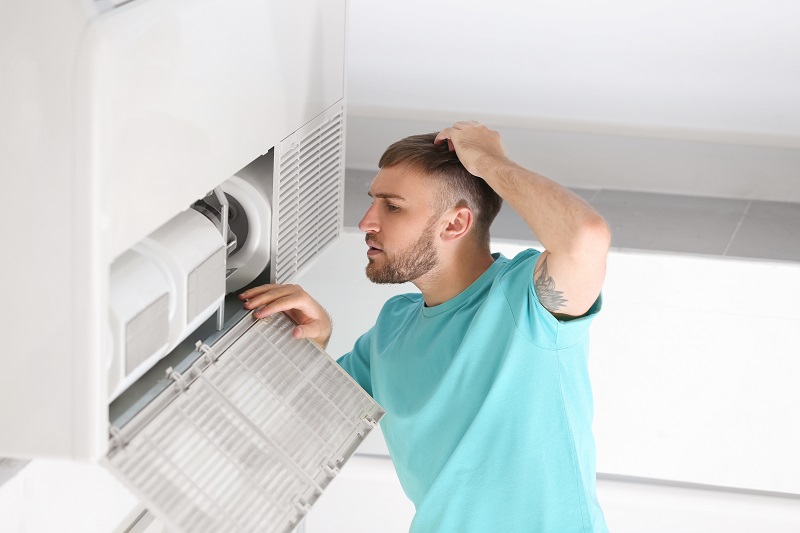
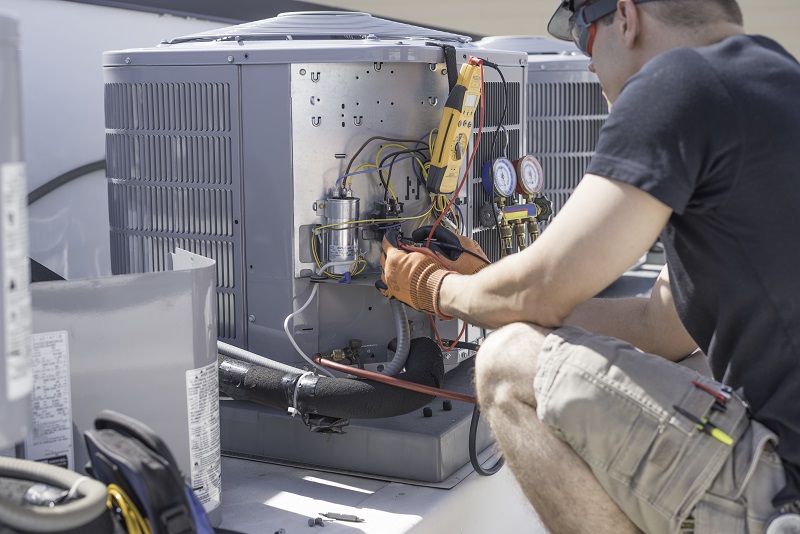
a mature air conditioning technician

How often should you change your furnace filter depends on a wide range of factors, including the type of furnace and air conditioning system you have installed, how frequently your HVAC system runs, your dust and pollen levels, and so on.

Why is it important to replace your air filter regularly?

The air filter is responsible for removing dust, pollen, pet dander, pet hair, dust mites, bacteria, spores, and other contaminants that float around in the air. Eventually, the air filter will accumulate these things in the filtration materials. As it does, the airflow through the filter will start to deteriorate.

If you do not replace your air filter regularly, your furnace or air conditioner will continue to run. Yet, it will run longer, work harder, strain, and increase your energy bills. The system could even overheat when airflow is almost fully cut off from a very dirty and clogged air filter.

Ensuring the air filter is replaced frequently helps keep your heating and cooling system running more efficiently, maintains better indoor air quality, and helps you get the most life out of your HVAC system.

How often should you change your HVAC system filter?

As a general rule, you should replace the filter every 90 days or 3 months. However, if you use fiberglass filters, then you need to change these every 30 days. Fiberglass filters are of a lower quality, so they quickly accumulate dirt, dust, and debris. Regardless of whether you use fiberglass or fabric-based pleated filters, you also need to account for various factors that could affect how often you need to replace your air filter.

What factors affect how quickly your air filter gets dirty?
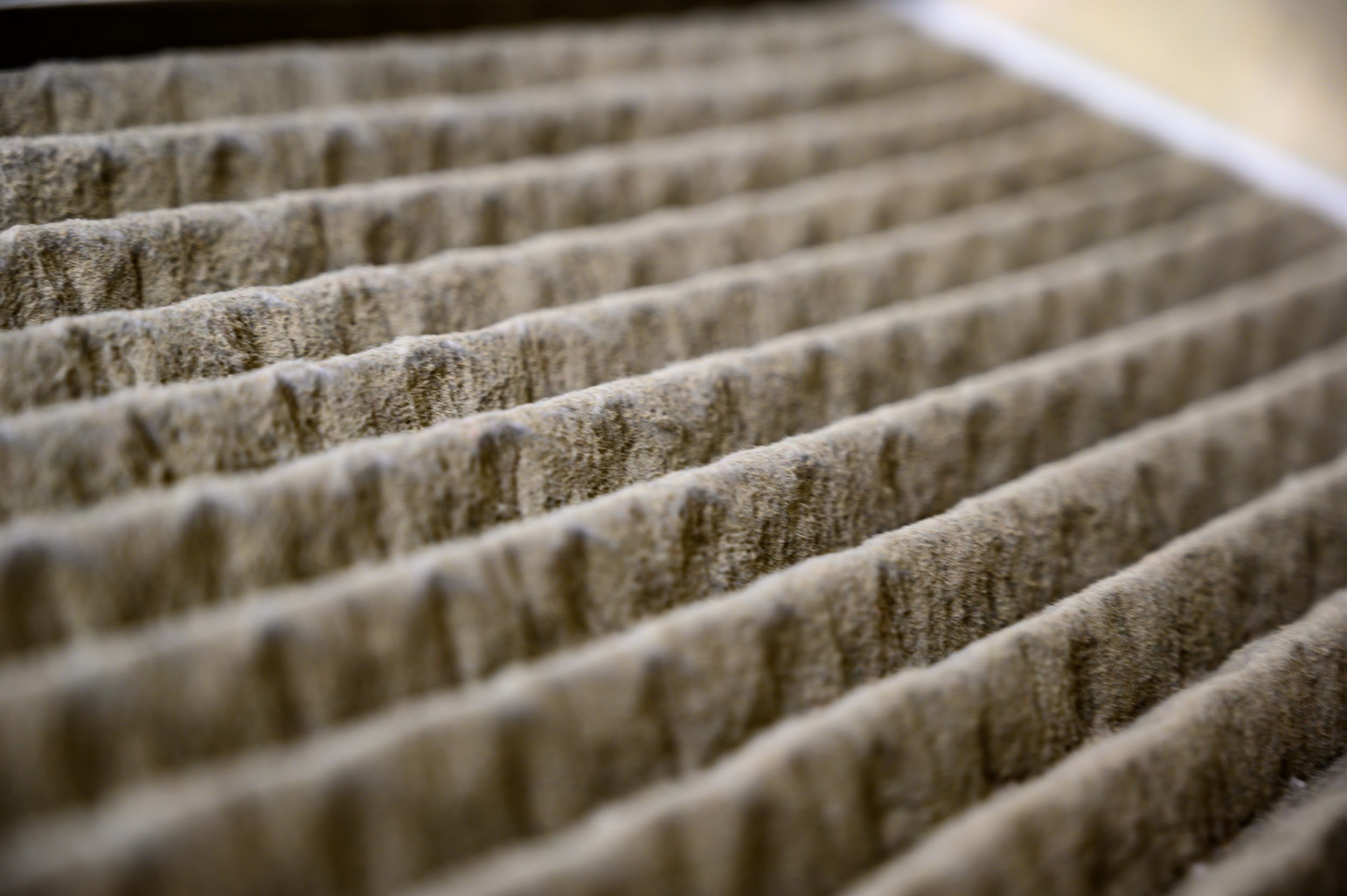
Dirty clogged air filter

Some of the more common factors that determine if you require more frequent filter replacement include:

  • The MERV Rating on the Filter: MERV ratings refer to the effectiveness of the air filter to remove particulate matter from the air. The higher the rating, the more effective the filter is, although higher-rated filters have smaller air holes and can clog more quickly.
  • How Often the HVAC System Runs: In Texas, you may not run your furnace much during the winter, so the 90-day general rule may not apply. However, during the hot Texas summers, your air conditioning can run constantly, so you may need to change the air filter more frequently.
  • The Size of Your Home: The larger the home, the more air that is circulated to heat and cool it. As such, your filter changes may need to occur more often.
  • The Number of Pets in Your Home: Homes with pets can require more frequent air filter changes since they can get clogged with pet hair and pet dander.
  • Certain Medical Conditions and Allergies: If you suffer from asthma or other respiratory medical conditions or have seasonal or other types of allergies, it is better to change the filter every 60 days.
  • Outdoor Air Quality: The outdoor air quality can influence the frequency of air filter replacements. In the spring, when pollen is a problem, you may want to change them more often. The same is true if there are extended periods where it is dry and dusty.
  • Home Renovation Projects: If you are renovating your bathroom, kitchen, or other interior areas, you will want to replace your air filter every few weeks to once a month, depending on the type of project, until it is completed.

As every household is different and will have different factors that influence the frequency of air filter replacement, it is best to do a visual inspection of fabric-based filters every month. Monthly visual inspections allow you to determine the proper filter replacement schedule for your home.

If you have any questions about air filter replacement or want to schedule an appointment for HVAC system maintenance in New Braunfels, Temple, San Antonio, or the Austin area, please feel free to contact Christianson Air Conditioning & Plumbing at 512-246-5400 today!
8 of the Most Common Furnace Problems and What They Mean

As we move into the winter months and colder weather, it means people will be running their furnaces to heat their homes. To keep your furnace running smoothly all season long, it is a great idea to contact your local furnace repair service and schedule furnace maintenance. Doing so now can help you avoid these common furnace problems later.

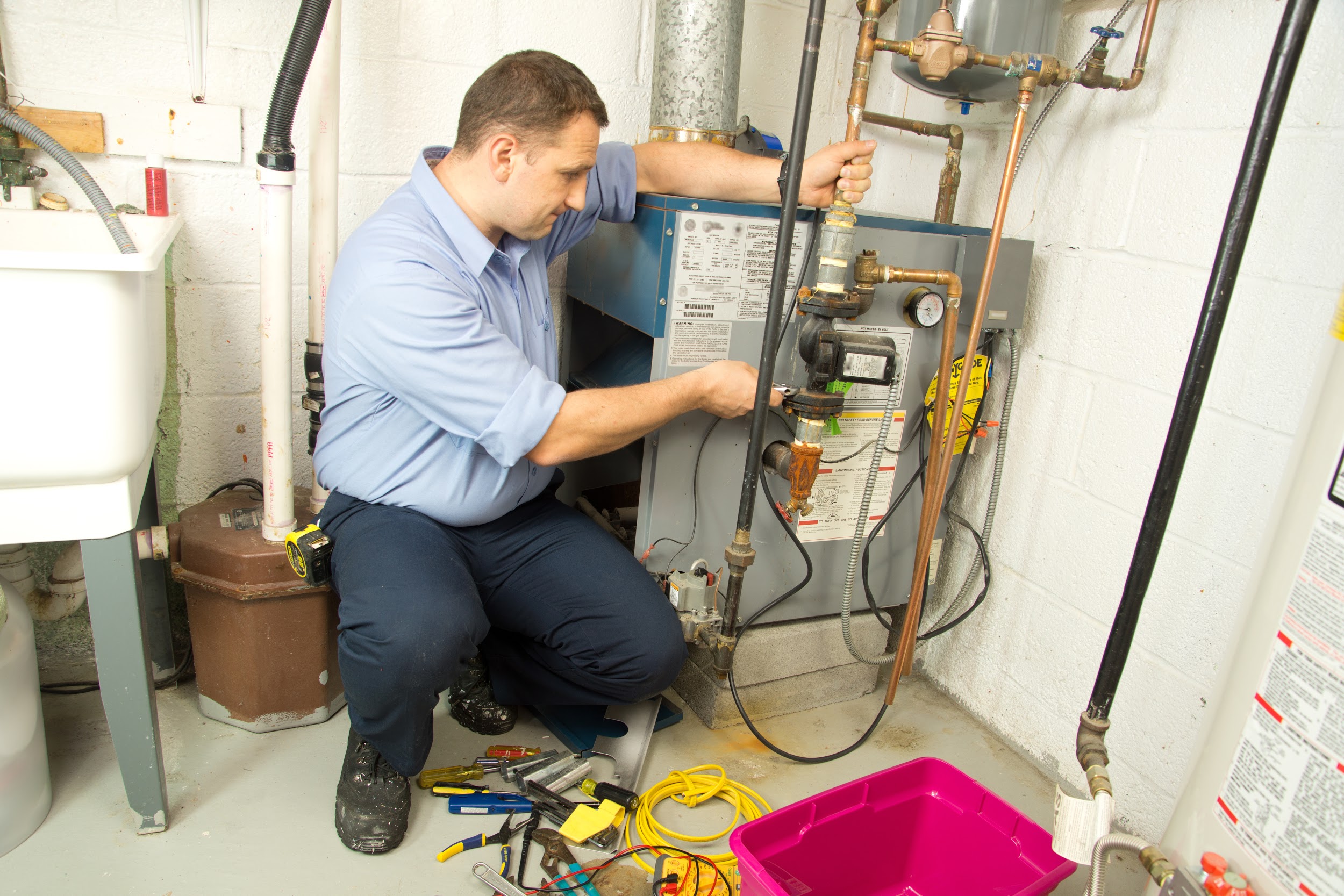
Plumber fixing gas furnace

1.  The furnace turns on, shuts off after a few minutes, and then repeats this cycle.

Furnaces have built-in sensors to ensure they are operating correctly. One of these sensors monitors how hot the furnace is. When it gets too hot, the sensor shuts it off. If your furnace is cycling on, runs for a few minutes, then shuts off, only to repeat the cycle over and over without ever heating your home, there is something wrong with the furnace.

Overheating can occur for various reasons. One reason you can easily check is your furnace filter. When your furnace is not getting sufficient airflow, it will overheat. If your air filter is dirty, change it and see if this fixes the problem. If not, call your furnace repair technician.

2.  There is no warm air coming out of the air vents.

Another common furnace problem is when there is no warm air. There are several things you can check before calling for furnace repair service. First, check to make sure the heat is turned on at the thermostat. If the thermostat was not changed from cooling to heating, your air conditioner may still run during the day.

If the thermostat is set to heat, the next thing to check is to see if the fan is turned on. If the fan is turned on and running, it will blow cool air out the air vents, even when the furnace is not cycling.

Next, check the air filter. If it is clogged and airflow is restricted, it can seem like no warm air is coming out of the vents. Replace the air filter to see if this fixes the problem.

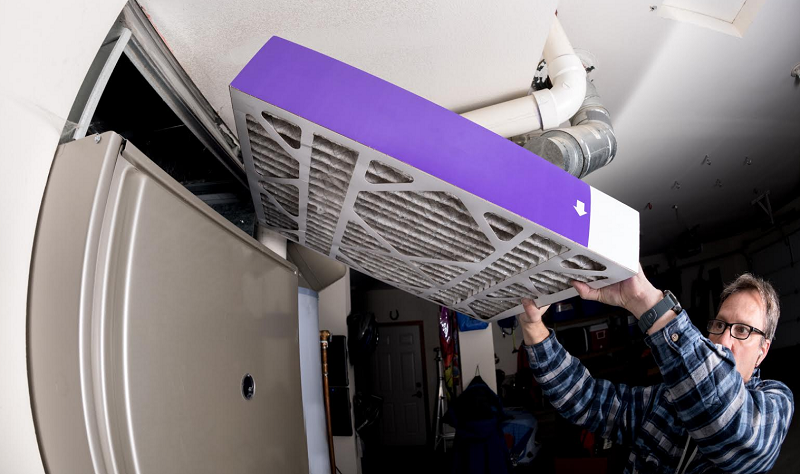
Large sized furnace filter loaded into the appropriate place

If you have a gas furnace, verify the pilot light is lit. If the pilot is not lit, the furnace won’t run. After lighting the pilot light, confirm it stays lit and does not go out. If it does, then there is something wrong with the pilot light that needs to be fixed.

If you have an electric furnace and have tried everything else, your heating coils may need to be cleaned or replaced. This is a job best left to your furnace repair technician.

3.  You notice a burning smell from the furnace.

A burning smell from the furnace is normal at the start of the heating season. The first time you turn on the furnace, you may notice this smell. The furnace is burning off the dust that has gotten inside the system and air vents. The smell should dissipate and go away in about two to three heating cycles.

If the smell does not go away, or you notice a strong natural gas smell around the furnace or coming through the air vents, shut the furnace off. Open up windows to let in some fresh air. Call for furnace repair service ASAP.

4.  You notice the furnace is leaking water.

If you have a furnace that is connected to your hot water heater or a newer model with energy-efficient features, you could experience this common furnace problem. One cause for the furnace leaking water is there are leaks in the pipes connected from the hot water heater to the furnace.

If you have a condensation unit on your furnace, you may notice water leaks too. The pipes can get clogged or develop leaks at pipe connections and other such areas. To pinpoint the leak and problem, it is best to call your furnace repair company.

5.  Your furnace seems louder than it used to be.

Furnaces make noise when they run. You will hear the sound of the blower motor as it blows the warm air throughout your home. You will hear the sound of the furnace unit running. On gas models, there can be a whooshing sound when the unit first turns on and the gas is set on fire.

Other sounds to listen for include clanging, banging, rattling, and knocking noises. These can indicate something is wrong with the furnace and the moving parts and components inside. If you suspect something is wrong, shut off the furnace and call for repair service. DO NOT keep running the furnace, as you could make the problem worse.

6.  There is no power to the thermostat or furnace.

The thermostat and furnace both require electricity, even if they are gas furnaces. If your power is out due to an outage, then your furnace will not work. If you notice you have power elsewhere in the home, then you will want to check your breaker box. There is a high probability that the circuit breaker blew.

Reset the breaker and see if that fixes the problem. If the furnace turns on but the breaker blows again, something is wrong. A wire could be exposed or there could be a faulty connection somewhere in the wiring. You will want to call for furnace repair service to have the problem pinpointed and resolved.

7.  The carbon monoxide monitor goes off each time the furnace runs.

This type of furnace problem should be taken seriously. If your monitor is being set off, that means there is too much carbon monoxide in the home. Shut the furnace down, call your furnace repair technician, and open up some windows to air the carbon monoxide out of the home.

8.  The furnace turns on and won’t shut off until you turn it off.

Another common furnace problem occurs when the furnace turns on but won’t cycle correctly and shut off. If the furnace has to be manually turned off at the thermostat or by resetting the breaker, something is wrong with it.

One possible cause is there is something wrong with the wiring between the thermostat and the furnace. The thermostat might be attempting to send the end of the cycle signal to the furnace, yet, if there is a broken wire, the signal may never reach the furnace. Regardless of the cause, this is one problem best left to your furnace repair technician.

Signs Your Furnace Needs to Be Replaced

Aside from the common furnace problems we covered, there are other things that can go wrong with your furnace. These things often indicate it is time to replace your furnace with a new model.

●    Your heating bills keep increasing.

If you notice the costs to heat your home have increased, and it has not been extremely cold, this could mean your furnace is not working properly and is using more energy to heat your home.

●    Your furnace is more than 10 years old.

The life expectancy of your furnace can vary from about 15 to 20 years. However, after 10 years of service, you need to start planning for a new furnace. Older furnaces are no longer energy-efficient and can start to cost too much to maintain.

●    Your furnace keeps breaking and needs frequent repairs.

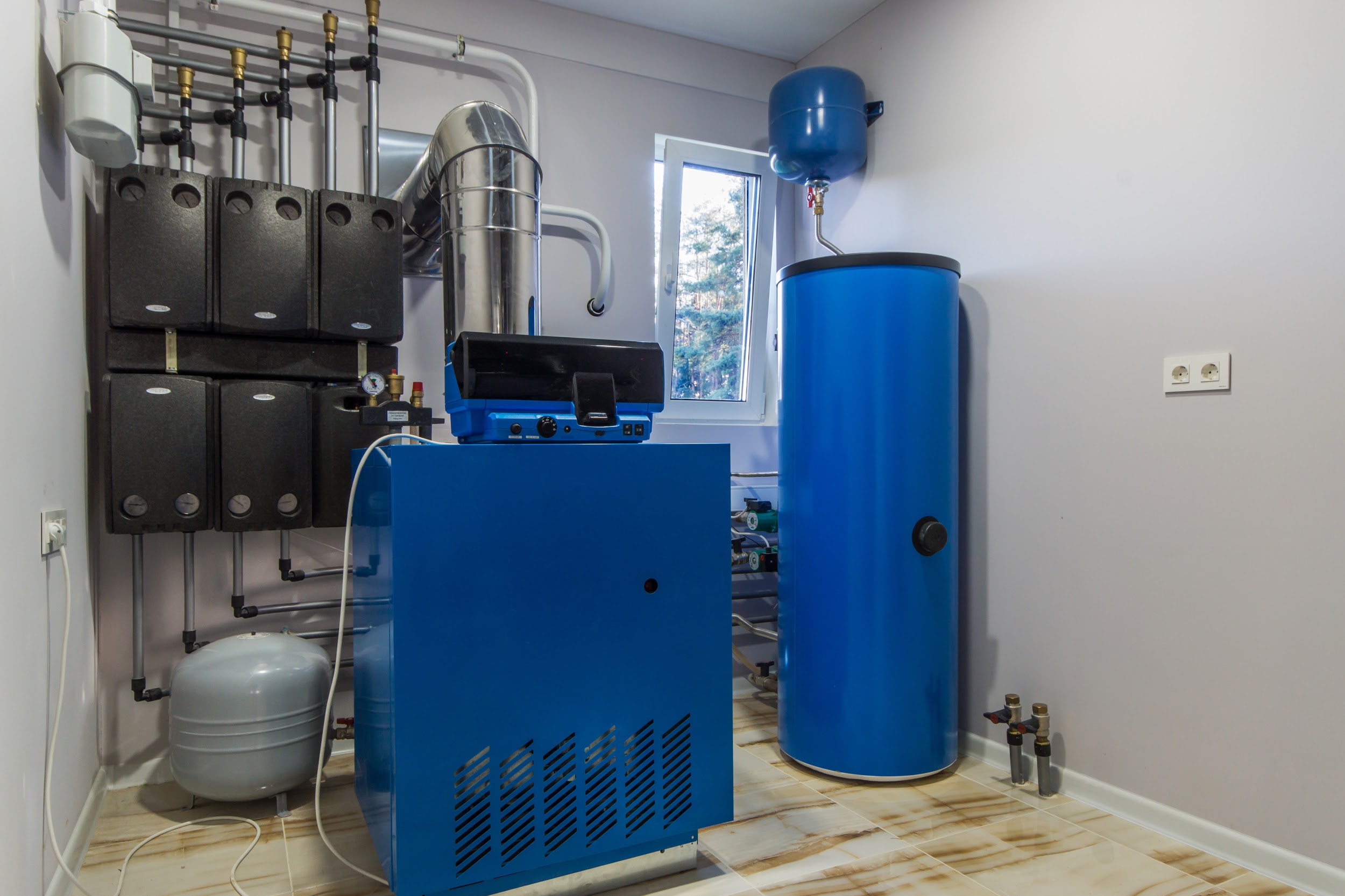
Heating system with hot water thermal storage tank

If you have to call your furnace repair technician every month or more often during the fall and winter for furnace problems, it is time for a new furnace. The costs to repair your furnace will end up costing you more in the long run rather than getting a new furnace now.

●    Your home doesn’t seem warm at your preferred thermostat setting.

If you have to turn up the thermostat to feel comfortable, it often indicates the furnace is not working properly. If the furnace is older, it could be on its last legs and ready for replacement.

As you can see, common furnace problems could indicate your furnace needs to be repaired in some cases. In others, it may need to be replaced with a new furnace.

For furnace repair service and furnace replacement service in San Antonio, Austin Metro, Temple, and New Braunfels, please feel free to contact Christianson Air Conditioning and Plumbing at 512-246-5400 today!
How to Prepare Your Heating System for Winter

Before winter arrives, one of the most important things you can do is prepare your heating system to make sure it’s clean and safe to run. These preparations will not only guarantee the safety of you and your family but will also ensure that your heating system runs as efficiently as possible, minimizing fuel costs in the process.

Preparing your heating system is especially important if you live in a warmer area of the country, especially in areas like Texas where heaters aren’t used as often. Though they may not be in use, heaters left off for months on end can still get dirty and develop other problems such as rust. As a result, most heating systems problems are only discovered after the heating system is turned on once it gets cold—talk about poor timing!

Thankfully, there are a few basic things you can do to ensure that your heating system is in top condition for winter. Some of these preparations include:

  • Changing the air filters
  • Inspecting blowers, chimneys, and other ventilation
  • Cleaning the furnace and heat exchanger(s)
  • Testing thermostats and carbon monoxide (CO) detectors
  • Having an annual inspection performed by a heating system professional

For more tips and information, check out the infographic below or visit us at ChristiansonCo.com.

How to Prepare Your Heating System for Winter Infographic

Click below to embed this infographic into your website:

Why Do I Need Air Conditioning Duct Cleaning?

Areas of the home that frequently get overlooked when cleaning are the air ducts. Regular air conditioning duct cleaning from an experienced HVAC company can help keep your home and indoor air quality cleaner. Another benefit of air duct cleaning is improved air conditioner efficiency and energy savings.

How Do Air Ducts Get Dirty?

Air ducts do get dirty for various reasons. Dust and dirt can get inside the ducts as air is recirculated through the home. One of the more common causes is running your air conditioner without an air filter or with a dirty filter.

When the AC system is run without an air filter, there is nothing to stop pet hair, dust, dirt, and pet dander from getting inside the AC system and into air ducts. Additionally, operating the AC without a filter will shorten the lifespan of the air conditioner and result in more frequent repairs.

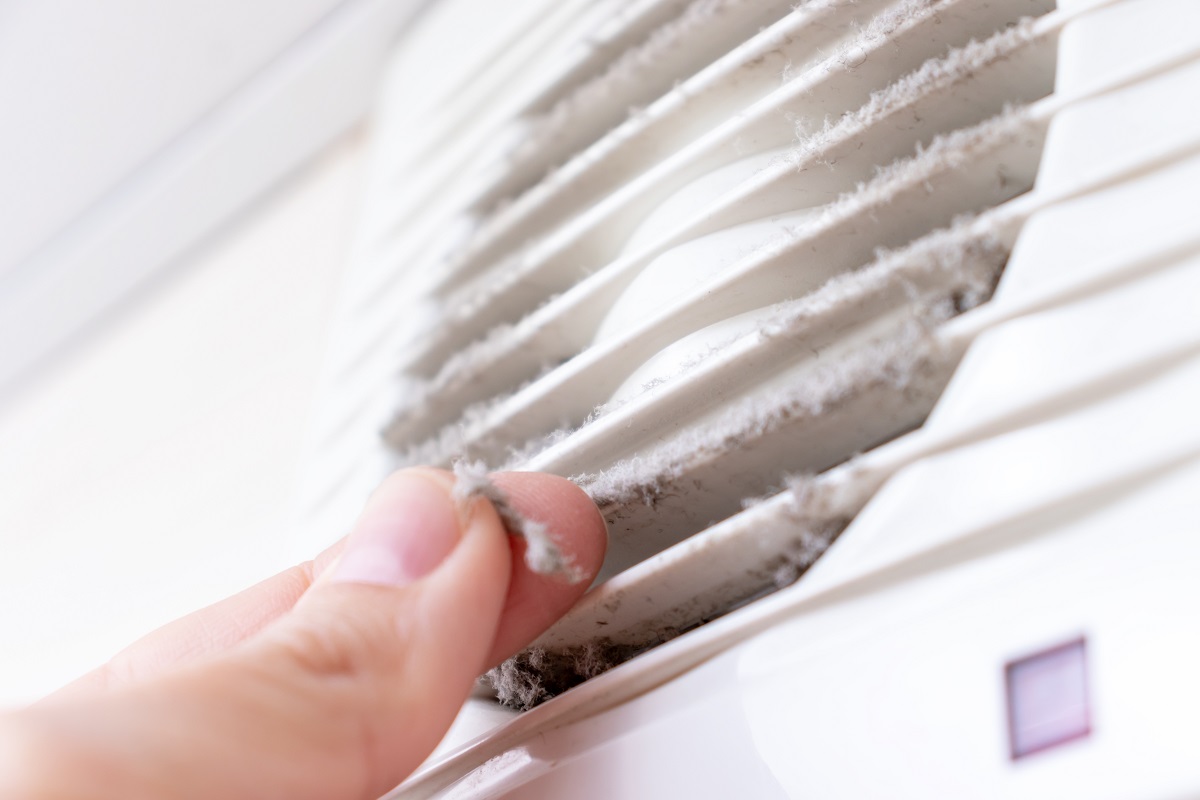
dusty white plastic ventilation air grille and a hand holding dust by fingers

A dirty filter is not able to remove any more particles from the air. As it attempts to do so, it gradually forces dirt through the filter and recirculates it into the home. It also strains the air conditioner to work harder to cool the home, which leads to increased energy bills and frequent repairs.

A third cause is also related to improperly sized air filters. If the air filter does not fit tightly and there are gaps around it, dirt can get sucked back in through the return air vent. Then it is recirculated into the air ducts and home.

Another cause is if there are disconnected, deteriorated, or poorly connected ducts where there are air gaps. When the AC runs, not only does the cooled air escape through these openings, but it also draws in dust, dirt, and other debris that is deposited inside ducts and blown into the home.

What Are the Common Signs I Need Air Duct Cleaning?

The most common sign you need air duct cleaning is if you notice your home gets dusty very quickly. If you dust, and then within a few days there is a layer of dust, the air ducts are dirty.

You may also notice that there are heavy dust and dirt deposits on air vents that keep returning quickly. Another common sign is a noticeable increase in your cooling bills. This indicates problems with the ductwork.

How Often Do I Need Air Duct Cleaning?

The frequency of air conditioning duct cleaning depends on several factors such as:

  • The age of your AC system.
  • How well you maintain the AC system.
  • Whether you have done any home renovations.
  • How often you change the air filter.
  • How quickly your home gets dusty.

Ideally, you will want to schedule air duct cleaning and maintenance every three to five years.

What Happens if Air Ducts Aren’t Cleaned?

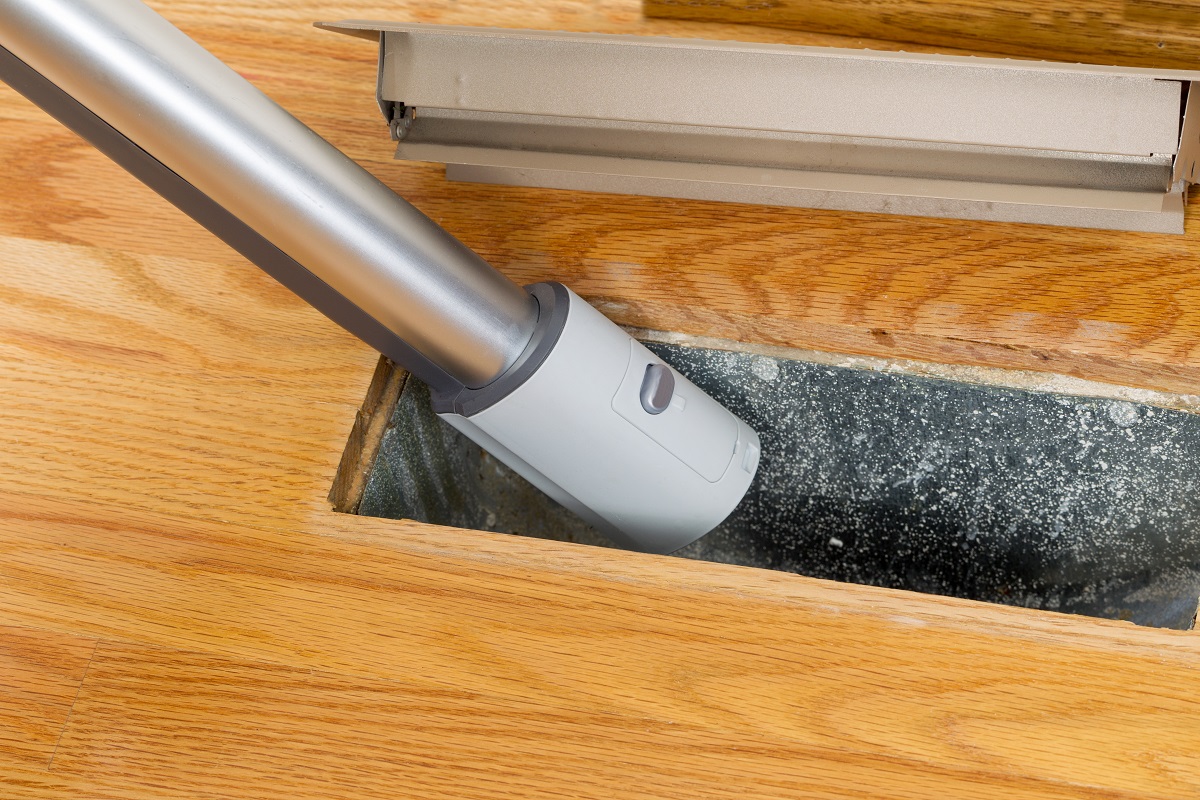
Cleaning inside heating floor vent with Vacuum Cleaner

If air ducts aren’t cleaned, it can lead to a host of problems with your air conditioner, and it lowers the indoor air quality. Your home will constantly be dusty and seem dirty, no matter how much you clean. You will notice your cooling bills increasing for no apparent reason.

You will notice that your air conditioner has problems cooling or it breaks down often. You will need to change a 3-month air filter every month. Additionally, your air conditioner will not last as long and will need to be replaced much sooner.

As you can imagine, regular duct cleaning from experienced AC technicians will help prevent these problems.

If you notice any of the signs of dirty air ducts or it’s been a while since your AC was last serviced, please feel free to contact Christianson Air Conditioning & Plumbing at 512-246-5400 to schedule air duct cleaning and AC maintenance service in the San Antonio, Austin Metro, Temple, and New Braunfels areas.

Troubleshooting Common Air Conditioning Problems

Is your air conditioning unit not working well—or at all? If not, you don’t have to wait for a professional. There are several common air conditioning problems you can troubleshoot on your own.

For instance, if your A/C unit won’t turn on, you can check to make sure the circuit breaker hasn’t been tripped. You can also check to make sure the thermostat settings are correct and that the condenser tray isn’t overflowing.

Of course, some problems might seem harder to solve. What if your A/C unit isn’t cooling or heating adequately? What if you’re getting poor airflow?

In both of these cases, there could be very simple solutions to the problem. In the case of your A/C unit not cooling or heating adequately, you might just need to replace the air filter. In the case of having poor airflow, opening up all the vents and making sure they are free from obstruction can solve the problem.

While problems with your air conditioning can seem daunting, once you know what to do you’ll find that the most common problems can be solved easily. To find out more about how to troubleshoot common air conditioning problems, read the infographic below.

Troubleshooting Common Air Conditioning Problems Infographic

Click below to embed this infographic into your website:

How to Choose the Best Thermostat for Your Home

Choosing a properly sized HVAC system isn’t enough for keeping your home comfortable. Your air conditioning contractor should also recommend the most suitable thermostats. There are now many types. Knowing the factors to consider will help you compare different products. A programmable or smart thermostat has many advantages, but finding the best thermostat requires identifying one that meets your needs; to do that, you must look at factors such as:

Price

Manual thermostats go for just a few dollars but, with the latest smart units, expect to spend in the hundreds. Programmable electronic thermostats are in the mid-range when it comes to pricing. Not all smart thermostats work with every type of HVAC system. Do your research, or you could end up wasting money. The right installation can result in energy savings, which translates to lower utility bills.

Accuracy

closeup of a digital, programmable thermostat

The room temperature should be close to what you set it to. Manual thermostats aren’t very accurate. Programmable devices allow you to create a heating and cooling schedule while controlling the setpoint. You can even set the temperature based on when you’re home or if you plan to be away or on vacation. Smart thermostats can track your temperature preferences and create a schedule automatically; some models use sensors to monitor room temperature and provide balanced heating and cooling.

Integration

If integration with devices such as virtual assistants (Amazon Alexa, Apple’s Siri, Google Assistant, etc.) is important, then go with a smart thermostat. It lets you set the temperature by voice without having to get up to make adjustments. Some models can be controlled with a smartphone app. A wireless setup can save you hassles if the unit supports it. If any complex wiring is required, hire a qualified electrician to install the device properly and safely.

Compatibility

A thermostat must be compatible with the voltage requirements of your HVAC system. It must also fit on an interior wall, preferably where the old unit was to avoid complex rewiring. The number of heating stages your A/C and heating system has will influence compatibility as well. Whether you have a single-stage, two-stage, or variable-speed system, a thermostat must support it. When choosing a replacement thermostat, consult with an air conditioning contractor to determine the most compatible solution.

Wiring

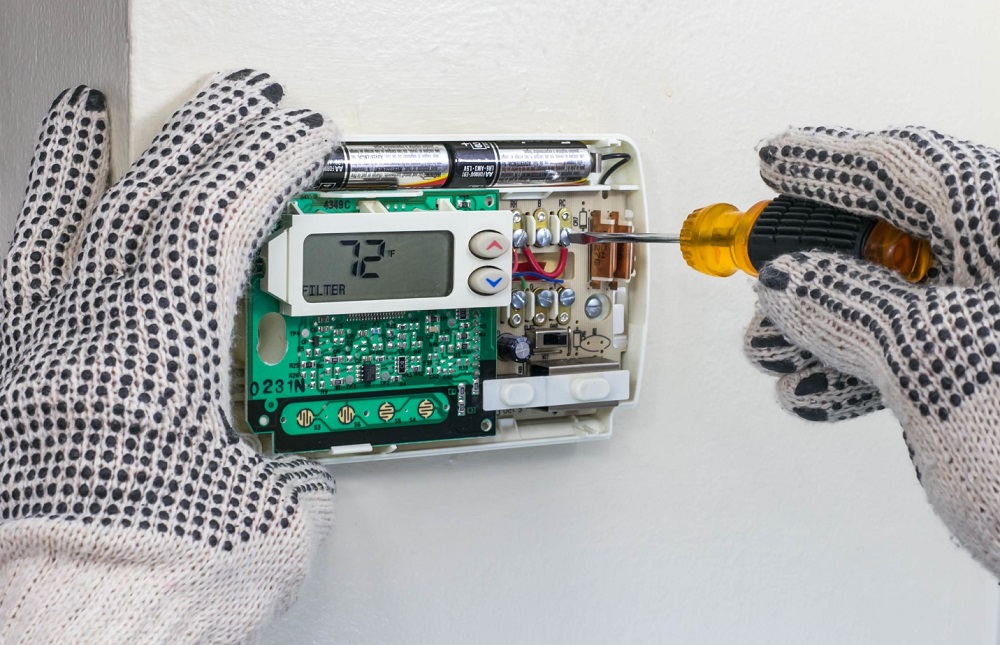
Technician repairing digital heating and cooling thermostat

Some newer thermostats have different wiring requirements than older models. Non-connected, programmable thermostats with as few as two low-voltage wires are common in older homes. Modern ones often require a C-wire to power displays, Wi-Fi, and other features. If you don’t have a C-wire, you can get a smart thermostat with a special power adapter or power extender, buy a third-party adapter, or choose a model that doesn’t require one. An electrician can professionally install a C-wire for you.

Contact Your Texas Air Conditioning Contractor

If you’re unsure of how to choose a smart thermostat or another model, contact Christianson Air Conditioning and Plumbing at 512-246-5400. Our company is trusted for HVAC/plumbing installation, repairs, maintenance, and other essential services in Austin, San Antonio, and surrounding areas.

Common Reasons Your A/C Freezes Up

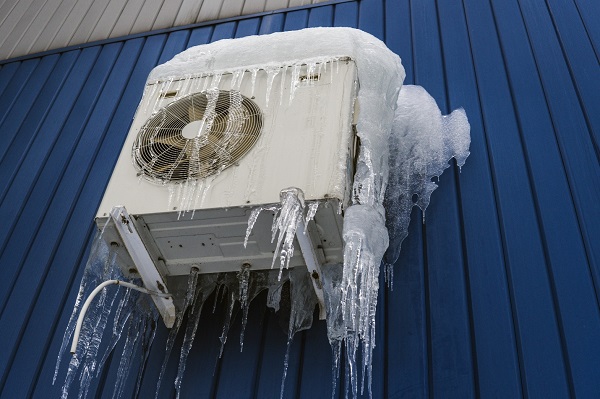
Air conditioning in ice, severe winter

Day after day, year after year, you depend on your air conditioner for indoor comfort, but when your A/C freezes up (which can happen even in the summertime), it can malfunction. Coolant cannot absorb heat from the indoor air when something is wrong that requires an air conditioning repair technician to address.

If frost forms on refrigerant lines or ice coats interior components, these are some of the most common reasons:

Blocked Airflow

When it’s running normally, the A/C draws indoor air and forces it over the evaporator coil, where the refrigerant absorbs heat. It’s important for air to continuously flow over the coil. Otherwise, condensation will form and the coil can freeze. If you see ice on the evaporator coil or excessive condensation, call a technician to determine why your A/C is freezing up.

Dirty Air Filters

Dirt can clog up filters more quickly in dusty air. If it’s been a few months since you changed the filter, it’s time to check it, whether you notice air conditioning issues or not. When the filter blocks air passing through the A/C system, not enough heat is transferred from your home to the refrigerant, so the coolant stays colder and causes condensation (and eventually ice) to form on the coils and outdoor unit.

Low/Leaking Refrigerant

Refrigerant enables the system to achieve the desired temperature you set on the thermostat. There must be enough of it to expand to the required amount. If levels are low or refrigerant is leaking, the coil may freeze over and the compressor can overheat and fair. If the leak is severe, or your system still uses R-22 refrigerant (which is being phased out in 2020), consider replacing the A/C system.

Mechanical Problems

Old air conditioner system compressor next to home

Air conditioners have many moving parts. A blower fan can jam up or break and refrigerant lines can corrode or leak. Various other components can break, get stuck, or clog up. An air conditioning company can inspect the system, if it’s freezing up, to find the exact cause and either fix it or provide a reliable replacement.

Dirty Coils

Just as dirt in the filter can cause trouble, so can dirt on the A/C coils. It can impede normal heat transfer, causing the colder refrigerant to condense moisture that freezes up. If you can access the coils, clean them or call a technician if you’re uncertain how to do it properly.

Faulty Thermostats

If the thermostat isn’t turning off at the right temperature, the air around the cooling coil can get too cold. This isn’t uncommon in older systems. The air conditioner can freeze if it continues to run when the temperature is too low, especially when it’s operating in cold weather.

Call Us if Your Air Conditioning Unit Is Freezing Up

At Christianson Air Conditioning and Plumbing, we can fix your frozen A/C and provide air conditioning maintenance, repair, installation and replacement services that are reliable. We have served Austin and San Antonio, Texas since 1950. Homeowners and builders depend on us for professional air conditioning repair. Call 512-246-5400 for prompt and professional service.

13 Tips About How to Save Money on Air Conditioning Costs

Keeping your house cool as the weather starts to heat up doesn’t have to break the bank. There are several effective ways of how to save money on air conditioning costs. To help you out, our experienced air conditioning repair technicians are pleased to share some of our top tips!

Tip #1: Schedule regular air conditioning repair and tune-up service.

Your air conditioning system should be serviced at least once a year. Ideally, bi-annual air conditioning repair and tune-up service is best-once in the spring and again in the fall. Bi-annual HVAC service keeps your system operating optimally and efficiently all year long.

electrician installing an air conditioning in a client house

Tip #2: Use glazed windows and doors and keep them closed while the air conditioning is running.

It is possible to reduce surface temperatures and excessive absorption of heat from the sun by using internal glazed doors and windows. It helps you save money on your energy bills and reduce your carbon footprint. Also, you would be surprised to know how many people open windows or doors while the AC is turned on. This allows warm, humid air indoors, so your AC is going to run more often and longer to try to compensate.

Tip #3: Make sure windows, doors, and the attic are properly sealed.

Air leaks around windows, doors, and the attic are other ways that increase energy bills and how often your air conditioner runs. The easiest way to find out if you have air leaks is to place your hand up near the window or door and slowly move it around the outside. If you feel any air, then there is an air leak.

Another quick check is if you seek sunlight coming from around the door or window. This means there’s a gap. The best time to check for air leaks is on windy days.

For attic leaks, a quick check is to simply touch the attic door cover. If it feels warm, then there are air leaks in the attack.

Fixing air leaks is not difficult. For windows, you just need to remove old caulk and apply new caulk to reseal them. For doors, you may need to remove old weather-stripping and install new.

In the attic, you have a few options. The easiest is simply to add more insulation to the attic. However, before doing so, it is a good idea to call your roofing contractor and have them do an inspection to ensure the attic is properly ventilated and there is no pre-existing water damage.

Tip #4: Change your air filters every two months.

Most air filters are designed to last longer, but the longer your leave them, the more dust and dirt the filter collects. When airflow is restricted, it places a strain on your AC system and causes it to work that much harder and longer, which results in higher energy bills.

Tip #5: Close air vents in rooms with multiple vents and rooms not being used.

If there are certain rooms in the home you don’t use that often, close the air vents. If you have multiple air vents in the same room, consider closing one at least partially. For example, if you have an air vent in the master bedroom and master bath, close the one in the bath since both don’t need to be open.

Tip #6: Ensure the thermostat is installed in the right location.

You want to make sure your thermostat is not installed on an exterior wall or in a location where it gets direct sunlight. There is a good chance the air conditioner will cycle more often than it needs to when it is installed on an exterior wall. When the thermostat is in direct sunlight, the sunlight can heat up the thermostat, so it will think it is hotter than the rest of the home and cause the AC to run more often.

Tip #7: Upgrade to a smart thermostat.

If you don’t already have a smart thermostat, have your AC repair technician install one. A smart thermostat allows you to program different settings for different times and days of the week. By creating different programs, you have more control over when the AC runs.

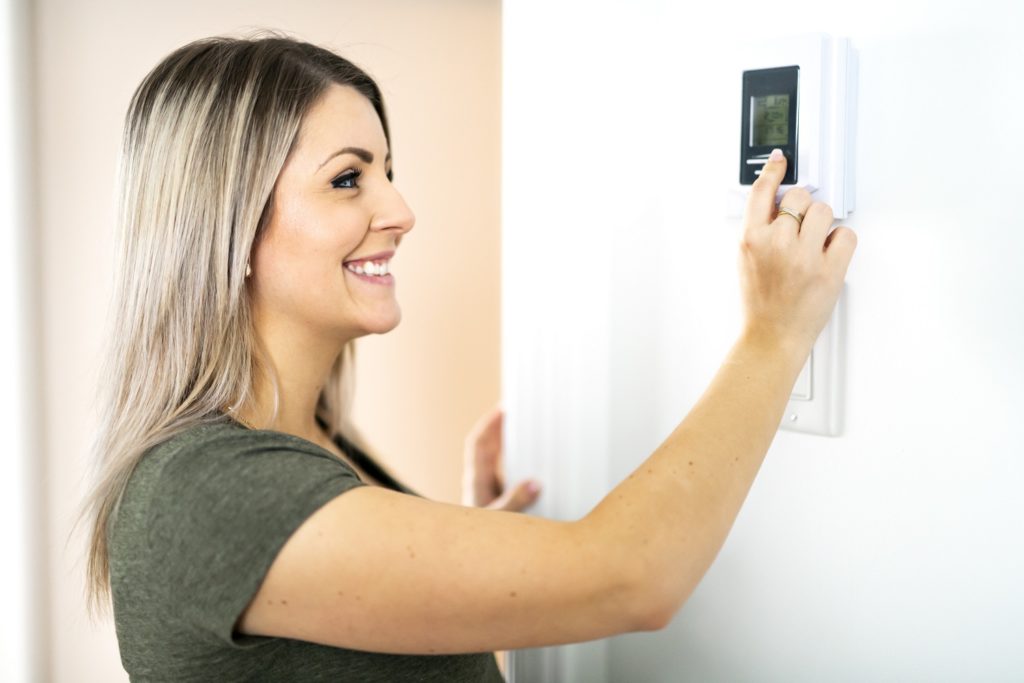
Woman programming temperature inside home

Tip #8: Turn the thermostat up a few degrees.

You might be surprised by how much money you can save by turning up the thermostat just a few degrees. On average, you could save between 2 – 4% each month, depending on your preferred setting. To maximize your savings, consider setting the thermostat at 78 degrees Fahrenheit.

Tip #9: Turn on ceiling fans set in “summer” mode.

Run your ceiling fans to help circulate cool air more evenly in the home. Doing so can help make your home feel cooler. To verify your ceiling fans are in “summer” mode, look up at them and verify they are spinning counterclockwise. If not, shut them off and slide the switch on the side of the fan to switch the direction of the fan.

Tip #10: Plant trees around the house to add shade and block out direct sunlight.

If you don’t have many shade trees around your home, consider planting some in the locations where the home gets the most direct sunlight. Blocking out direct sunlight helps keep the home cooler and reduces how often the AC runs.

Tip #11: Keep blinds and curtains closed on windows in rooms that get direct sunlight.

In rooms that get direct sunlight, get into the habit of keeping the blinds and curtains closed during the summer. Direct sunlight will heat up the room and make it feel warmer than the rest of the house. That heat also spreads to other areas of the home and can cause your AC to run more frequently.

Tip #12: Replace old air conditioning systems with new, energy-efficient systems.

If your current air conditioning is more than 15 years old, you should consider air conditioner replacement. Getting a new, energy-efficient AC system not only means your home will be cooled more efficiently and effectively but also reduces your overall cooling costs.

To find out more about getting a new air conditioning system for your home, contact your AC repair technician. They help determine the right size AC system you will need and show you different system options and their potential energy savings.

High efficiency modern AC-heater unit

Tip #13: Add more insulation to the exterior walls of the home.

To find out if you need more insulation in the exterior walls of your home, start by touching an interior wall. Pay attention to the coolness of the wall. Now touch the exterior walls of your home to see if it also feels cool like the interior wall.

If it feels warmer, this means that heat from the outdoors is getting inside due to a lack of sufficient insulation. Adding insulation to exterior walls is not difficult, as there are spray foam and loose-fill options.

Tip #14: Have your air ducts cleaned and sealed.

Another type of air leak that can occur is in homes with air ducts. The ducts can develop small gaps and openings where warmer air is sucked into the ducts and blown into the home. Air leaks in the air ducts also increase the amount of dust in the home and lower indoor air quality.

By using these tips, you can start to save money on your cooling costs. Please keep in mind, the amount you save does depend on which of these tips you start using. The more tips you utilize, the higher your savings could be.

To schedule ac repair and tune-up service, find out about air conditioner replacement, duct cleaning and sealing, and other AC system services, please feel free to contact your nearest Christianson Air Conditioning & Plumbing location in Aust Metro, San Antonio, New Braunfels, and Temple, TX by calling 512-246-5400 today!

Our experienced air conditioning repair technicians can show you how to save money on air conditioning costs.

First-Time Homebuyers HVAC System Checklist

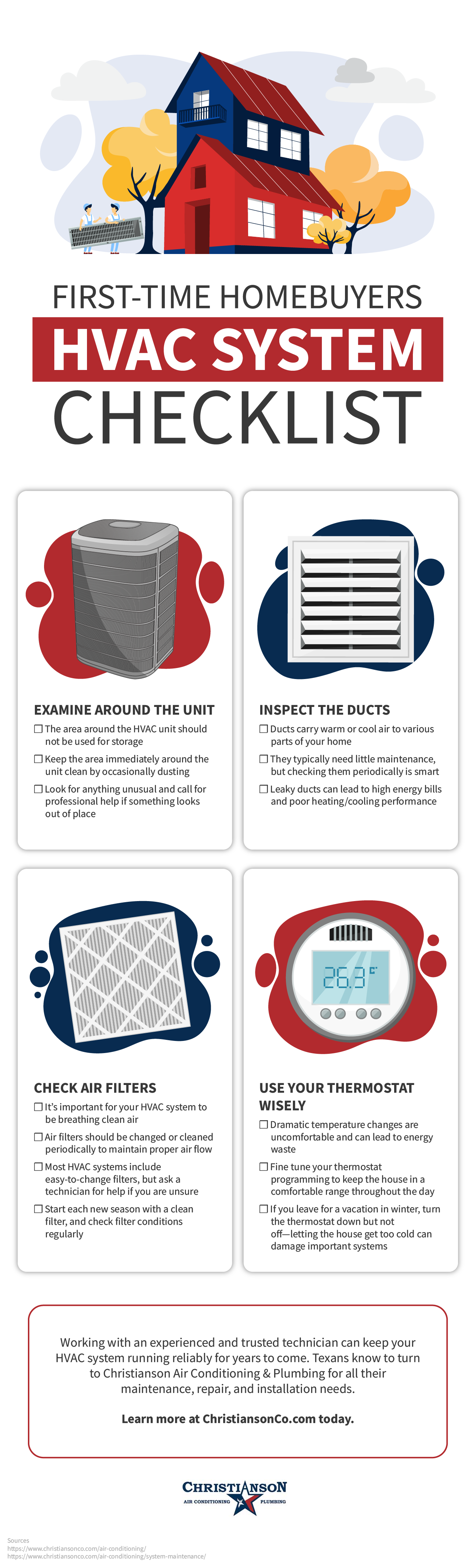
When you buy a home for the first time, you need to make sure to check several things. One of the biggest things you’ll want to check is the HVAC system to make sure it’s functioning well. If it’s not, you could be in for some expensive repairs and uncomfortable days.

Examine the HVAC unit itself to start, and make sure nothing looks out of place. Next, you can inspect the ducts, even though they require a lot less maintenance than other parts of the HVAC system. Perhaps the easiest part of the system to inspect is the air filters—and clean them periodically.

Once you’re satisfied that your HVAC system works, don’t forget to use your thermostat wisely. Doing so can cut down on dramatic temperature changes and save money.

Buying a home is a huge decision. You’ll want to make sure everything is in good working order, especially your heating and cooling system. To read the complete checklist of what you need to examine in an HVAC system, read the infographic below.

First-Time Homebuyers HVAC System Checklist Infographic

Click below to embed this infographic into your website:

HVAC Repair 101: 6 HVAC System Sounds You Never Want to Hear

Your HVAC system will make noises when it is heating or cooling your home. With the weather starting to warm up here in San Antonia and Austin, we are at the time of year when we switch from AC to heat and vice versa. Now is a great time to do a self-inspection of your HVAC system to determine if it is making strange sounds that could require HVAC repair.

1. Loud Squealing Sound

This sound is like the one you might hear when turning on the AC in your car for the first time. It could mean one of several different things:

  • You have a loose fan belt that is slipping and needs to be tightened.
  • The fan belt is getting ready to break.
  • For systems without fan belts, this sound often indicates various moving parts and components need to be lubricated.

Young man fixing air conditioner at home

2. Banging or Scraping Sound

If you hear metal-on-metal banging or scraping, this is never good. Shut the HVAC system off right away to avoid further damage. Something has come loose and is allowing moving parts to bang or scrape against each other.

Ignoring the problem will only cause it to get worse. When whatever came loose falls off, it could damage the fan or other moving parts, resulting in a costlier repair.

3. Loud Clunking or Banging Sound at System Start-Up

If your HVAC system is making a loud clunking or banging sound when it starts up, something is wrong. With gas furnaces, this could indicate a buildup on the burner unit. When the heat turns on, essentially, you are creating a mini-explosion inside the furnace.

With air conditioners, this sound can occur if parts need to be lubricated, as the system is having to work harder to get everything moving. The system may continue to bang or clank or, if there is some lubrication left, it may stop while the system runs.

4. Shaking and Rattling Sounds

These sounds mean something is not right inside the system. There is excess vibration occurring that is causing the system to shake and rattle. A bolt or fan blade could have come loose.

You could also have other types of parts inside that are loose and causing the excessive vibrations. You definitely want to call a heating and air conditioner contractor for repair service ASAP.

HVAC technician working on controls of air conditioner

5. Clicking Sounds at the Thermostat

Clicking is normal when the thermostat sends a signal to turn the system on and again when it sends the signal to shut the system off. However, if you notice that the clicking sounds have changed or continue while the system is running, something is wrong. Typically, it is some type of electrical problem like a wire having come loose or your thermostat getting ready to fail.

6. Buzzing Sounds

If your HVAC system is buzzing but not turning on, shut it off right away and schedule HVAC repair. Buzzing indicates a few different types of problems that could include:

  • Bad Ignitor Switch
  • Bad Ignitor
  • Bad Blower Motor
  • Bad Blower Fan
  • Loose Electrical Wires

If you notice any of these sounds or others that do not seem normal, please feel free to contact Christianson Air Conditioning & Plumbing at 512-246-5400 to schedule HVAC repair service. We service the San Antonio, Austin Metro, Temple, and New Braunfels areas.

Now is also a great time of year to schedule HVAC system tune-up maintenance service to make sure your system is all ready for the hot Texas summers!