HVAC Fire Hazards: Tips for Prevention

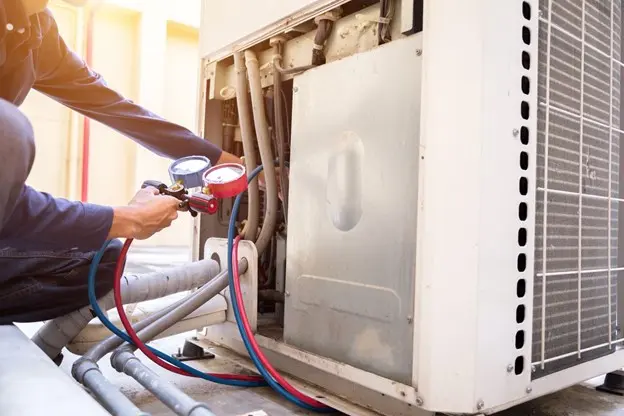
HVAC repair man from Christianson Air Conditioning and Plumbing

The importance of an efficient HVAC system in your home cannot be overstated. It ensures you’re comfortably warm during the cold months and refreshingly cool during the scorching Texas heat. However, like all electrical equipment, HVAC units come with their own set of challenges, including the risk of fire hazards. We’ll discuss common HVAC fire hazards and how you can avoid them to ensure a safe environment.

Understanding the Risks: What Causes HVAC Units to Become Fire Hazards?

The HVAC system in your home is a complex assembly of components, and its safety hinges on the optimal performance of each of these parts. Common causes of HVAC fire hazards include:

Electrical Problems: Faulty wiring or defective components can cause electrical surges. If these issues are not addressed, they could lead to the air conditioner catching fire.

Overheating: This can occur when the HVAC system is overworked or when there is insufficient airflow. Overheating can cause parts of the unit to catch fire.

Blocked Vents: Obstructed vents can lead to reduced airflow, causing the system to overheat and increasing the risk of catching fire.

Contributing Factors: Beyond the Obvious Issues

When discussing the safety and efficiency of HVAC systems, there are some underlying factors that homeowners often overlook, yet they play a crucial role in the system’s overall performance and safety. A prime factor is the age of the unit. As with many things, age brings wear and tear, and older HVAC units are no exception.

Over time, they might not only become inefficient but also fail to meet current safety standards. This makes them susceptible to malfunctions, turning them into potential fire hazards. Similarly, the manner in which an HVAC system is installed can dramatically influence its long-term safety and efficacy. An improperly installed system, even if it’s brand new, can pave the way for many problems in the future, including heightened fire risks.

Tips to Avoid HVAC Fires
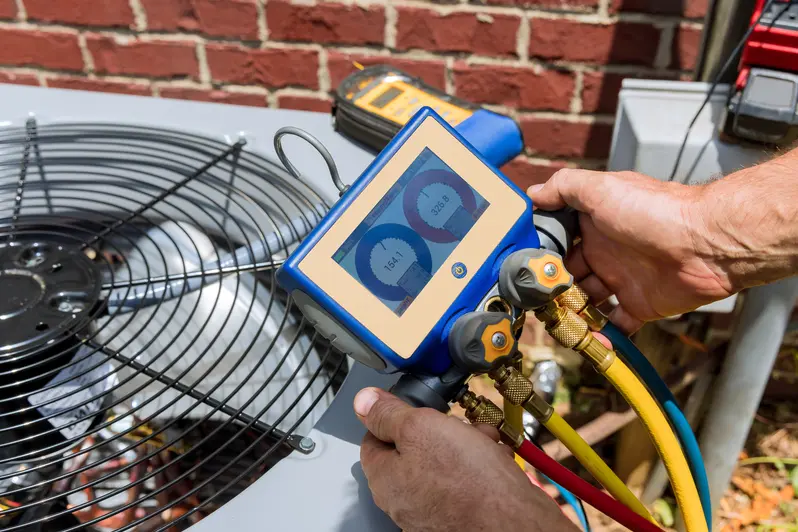
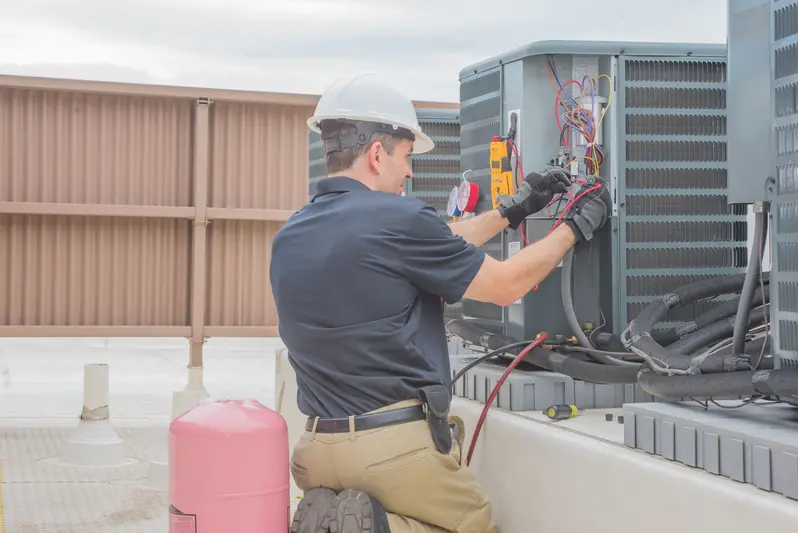
HVAC diagnostic tests being done by a professional at Christianson Air Conditioning and Plumbing

Regular Maintenance: Ensure that your HVAC unit is checked periodically. Professionals can spot electrical problems and replace any damaged components before they pose a risk.

Clear Surroundings: Make sure the area around your air conditioning unit is clear of debris, leaves, and other combustibles. Cleaned up surroundings can significantly avoid HVAC fires.

Check Electrical Connections: Loose or frayed electrical connections can result in a ticking time bomb. It’s crucial to periodically check these connections and replace them if needed.

Install Smoke Detectors: While this won’t prevent a fire, a smoke detector can alert you early on, giving you precious time to take action and potentially prevent catastrophic damage.

Educate and Equip: Understand the signs of a failing HVAC system and be prepared. Have a fire extinguisher accessible and ensure everyone in the household knows how to use it.

Recognizing Warning Signs: When to Seek Professional Help

Awareness is the first line of defense against potential hazards. There are a few telltale signs to be on the lookout for that may indicate that your HVAC system requires immediate attention. One such sign is a strange odor.

If you ever notice a burning or any unusual smell emanating from your HVAC system, it’s imperative to switch it off immediately and call for professional service. Similarly, an HVAC system that frequently trips the circuit breaker is signaling a potential electrical issue that should not be ignored.

Last, always be attentive to the sounds your HVAC unit makes. While some noises during startup or shutdown might be standard, any buzzing, crackling, or popping noises during operation could be indicative of electrical problems or malfunctioning components. In such cases, seeking professional help is not just advisable, but essential.

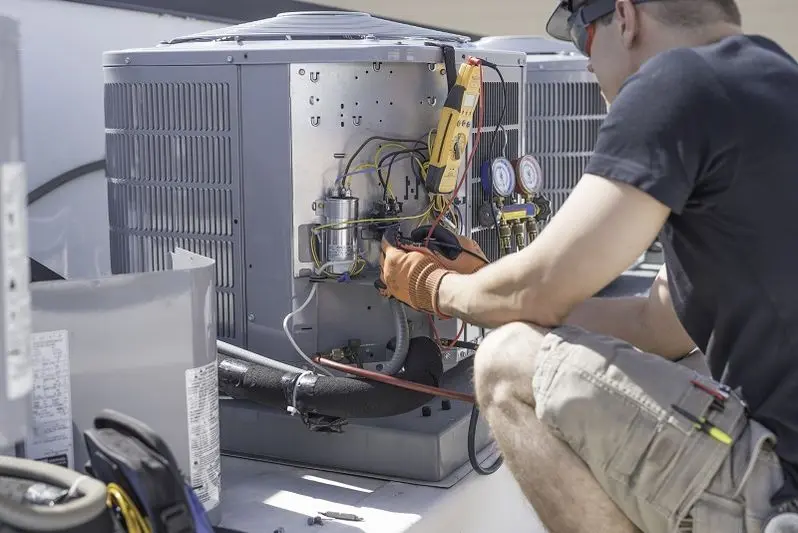
Christianson Air Conditioning and Plumbing professional working on a AC with a client

Christianson Air Conditioning & Plumbing: Your Safety Partners

At Christianson Air Conditioning & Plumbing, we prioritize your safety above everything else. Our team of professionals is well-equipped and trained to identify and rectify potential fire hazards in your HVAC systems. Living in Central Texas, we understand the indispensability of a fully functional air conditioner. More than that, we recognize the importance of it functioning safely.

Don’t wait for a disaster to strike. If you’re in Central Texas and want to ensure your HVAC system is efficient and safe, visit Christianson Air Conditioning & Plumbing today. Let’s work together to ensure your comfort doesn’t come at the cost of your safety.
HVAC Repair 101: 6 HVAC System Sounds You Never Want to Hear

Your HVAC system will make noises when it is heating or cooling your home. With the weather starting to warm up here in San Antonia and Austin, we are at the time of year when we switch from AC to heat and vice versa. Now is a great time to do a self-inspection of your HVAC system to determine if it is making strange sounds that could require HVAC repair.

1. Loud Squealing Sound

This sound is like the one you might hear when turning on the AC in your car for the first time. It could mean one of several different things:

  • You have a loose fan belt that is slipping and needs to be tightened.
  • The fan belt is getting ready to break.
  • For systems without fan belts, this sound often indicates various moving parts and components need to be lubricated.

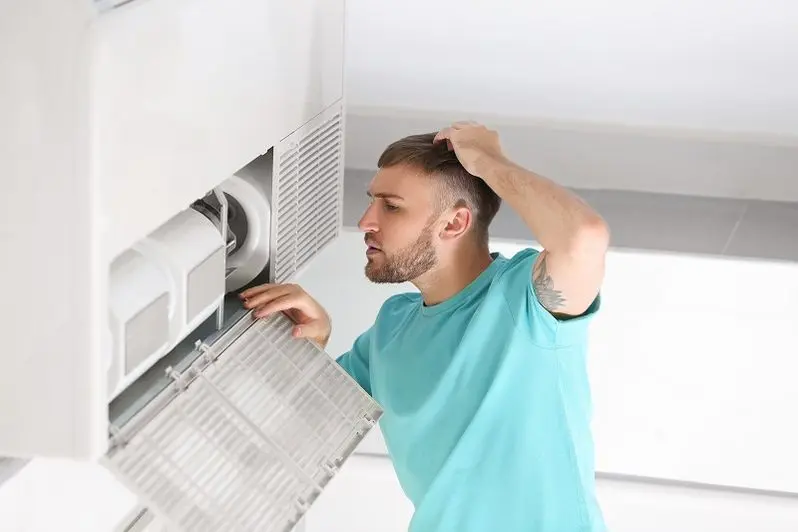
Young man fixing air conditioner at home

2. Banging or Scraping Sound

If you hear metal-on-metal banging or scraping, this is never good. Shut the HVAC system off right away to avoid further damage. Something has come loose and is allowing moving parts to bang or scrape against each other.

Ignoring the problem will only cause it to get worse. When whatever came loose falls off, it could damage the fan or other moving parts, resulting in a costlier repair.

3. Loud Clunking or Banging Sound at System Start-Up

If your HVAC system is making a loud clunking or banging sound when it starts up, something is wrong. With gas furnaces, this could indicate a buildup on the burner unit. When the heat turns on, essentially, you are creating a mini-explosion inside the furnace.

With air conditioners, this sound can occur if parts need to be lubricated, as the system is having to work harder to get everything moving. The system may continue to bang or clank or, if there is some lubrication left, it may stop while the system runs.

4. Shaking and Rattling Sounds

These sounds mean something is not right inside the system. There is excess vibration occurring that is causing the system to shake and rattle. A bolt or fan blade could have come loose.

You could also have other types of parts inside that are loose and causing the excessive vibrations. You definitely want to call a heating and air conditioner contractor for repair service ASAP.

HVAC technician working on controls of air conditioner

5. Clicking Sounds at the Thermostat

Clicking is normal when the thermostat sends a signal to turn the system on and again when it sends the signal to shut the system off. However, if you notice that the clicking sounds have changed or continue while the system is running, something is wrong. Typically, it is some type of electrical problem like a wire having come loose or your thermostat getting ready to fail.

6. Buzzing Sounds

If your HVAC system is buzzing but not turning on, shut it off right away and schedule HVAC repair. Buzzing indicates a few different types of problems that could include:

  • Bad Ignitor Switch
  • Bad Ignitor
  • Bad Blower Motor
  • Bad Blower Fan
  • Loose Electrical Wires

If you notice any of these sounds or others that do not seem normal, please feel free to contact Christianson Air Conditioning & Plumbing at 512-246-5400 to schedule HVAC repair service. We service the San Antonio, Austin Metro, Temple, and New Braunfels areas.

Now is also a great time of year to schedule HVAC system tune-up maintenance service to make sure your system is all ready for the hot Texas summers!

Why Is My Air Conditioning System Dripping Water?

Air Conditioning Dripping WaterNo matter what type of air conditioner you have on your home—split system, packaged system, or window unit—they all work similarly and will produce water through condensation. This is a normal function of all AC systems to create cold air and can make it look like your air conditioner is leaking water.

The water condensation is created by the following AC operations:

  1. When the ac unit is turned on, it starts to pull the warm humid air out of your home and over the cooling coils.
  2. The cooling coils are colder because they are filled with some type of refrigerant that is circulating through the coils.
  3. The water vapor in the warm humid air starts to condense on the cooling coils.
  4. As more water condenses, it will eventually start dripping off the coiling coils into a drain pan.
  5. As the drain pan starts to get full, the water slowly drains away down a connected condensate drain line or drain pipe.

Depending on the type of AC system you have installed, it will determine how the drain pipe is connected. On split systems and packaged systems, where the AC cooling coils are outdoors, the condensate drain line is normally attached to the side of the unit and drains directly into the ground away from the unit.

For indoor air conditioners, the drain pipe could be connected to one of your plumbing drain lines. For window ac units, the condensate drain line is located on the back of the unit, farthest from the window. The water drips out of the line and onto the ground.

When Air Conditioning Leaking Water Is Not Normal

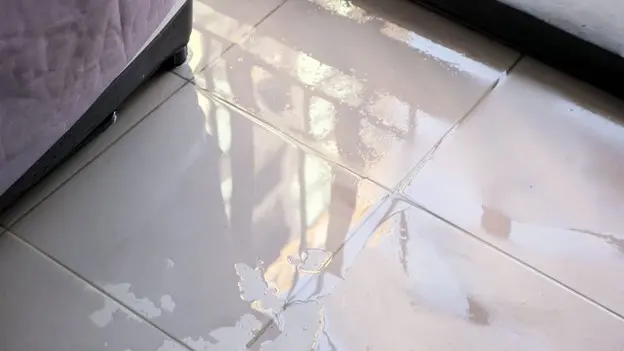
Water on Floor Because AC BrokeThere are a few different situations where air conditioners leaking water is not normal. An excessive amount of water flowing from under the base of an outdoor unit or water backing up inside the home around the indoor part of a split AC system could be caused by the following problems:

  • Clogged Drain Line: If the drain line gets clogged, the drain pan will overflow since water cannot flow out the drain pipe.
  • Rusted or Damaged Drain Pan: On older units, the drain pans were made of metal and can rust, so water just flows freely from under the unit. On newer units, the pans are made of plastic but could still crack and break from normal wear and tear.
  • Dirty Cooling Coils Vents: If the cooling coils and air vents on your outdoor unit are dirty, it can create airflow problems and cause the condenser and evaporator coils to freeze. When they thaw, it creates excess water, and the drain pan overflows.
  • Broken or Disconnected Drain Pipe: If the drain pipe is broken or becomes disconnected from the drain pan, the water will not drain correctly.
  • Refrigerant Level Is Low: If your AC system is low on refrigerant, it, too, will cause the condenser coils and evaporator coils to freeze.
  • Condensation Pump Broken: Some units have a condensation pump that pumps the water out of the condensate pan and into the drain line. If the pump breaks, the pan can overflow.
  • Dirty Air Filter: If the air filter is dirty, it can cause your AC unit to work harder to cool your home. Since the HVAC system is working harder, it can overheat and cause the condenser and evaporator coils to freeze.
  • Refrigerant Leak: If a crack develops in the condenser or evaporator coils, refrigerant leaks out of the system. If it is hot outside, the refrigerant will create condensation that makes it look like your ac is leaking. If you notice your air conditioner is not cooling properly, you could have a refrigerant leak.

To determine what is causing water to leak from your AC system or if you have general concerns or questions about why your air conditioner is leaking water, call a professional air conditioner repair technician from Christianson Air Conditioning & Plumbing at 512-246-5400 today!

We perform AC repairs, replacements, tune-ups, and inspections in New Braunfels, Temple, San Antonio, and the Austin Metro Area.