11 Warning Signs Your Air Ducts Are Clogged

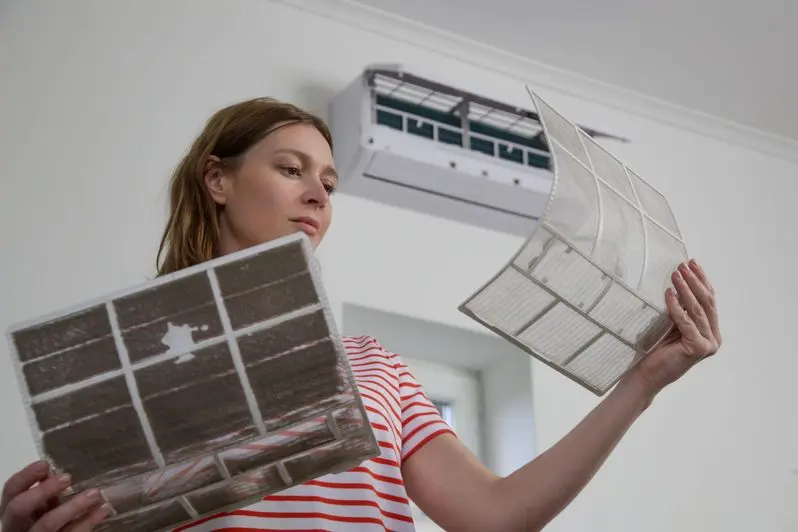
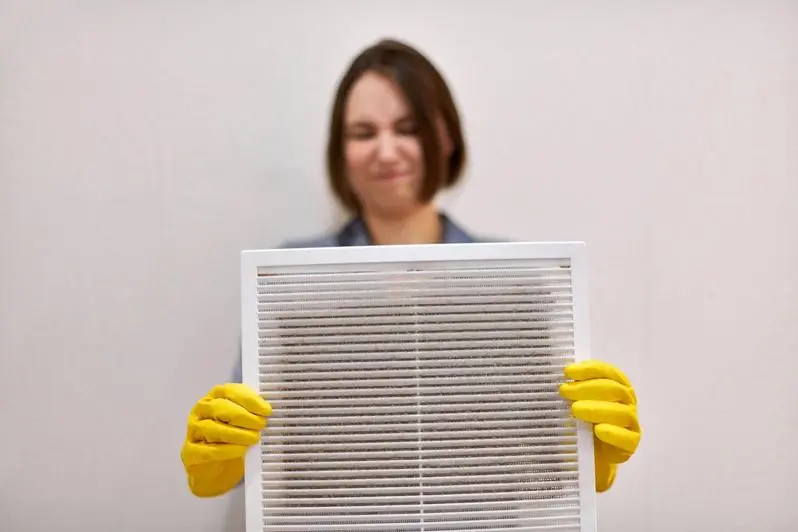
Woman holds ventilation grill with dust filter to clean it

The air ducts in your home are an essential part of your home’s HVAC system. Without air ducts, it is much more difficult to heat and cool your home to your preferred comfort levels. The primary purpose of air ducts is to direct the heated or cooled air from the furnace or air conditioner into each of the rooms in your home.

The duct system can be rather intricate with different branching and connections to ensure proper airflow at the desired output, so each room receives the same amount of heated and cooled air.

Another crucial part of your air duct system concerns the air vents. The air vents help direct the heated or cooled air into the rooms inside your home. Your home could have ceiling or floor air vents or both.

The return air vent is another type of air vent that helps circulate heated and cooled air to keep your home comfortable. Depending on the time of the year, the return air vent draws in warm or cold air and sends it back to the furnace or air conditioner so it can be heated or cooled.

The process of circulating the heated or cooled air through your home is continuous when your furnace or air conditioner is running. Due to the very nature of how the air flows through the home, over time you can start to notice the following signs of dirty air ducts and clogged air ducts.

#1: Dust accumulates much faster than normal.

If you notice that dust appears much faster and the accumulation of dust is much heavier, this is a common sign of dirty air ducts. The increase in dust could also indicate an air leak somewhere in the air ducts, so it is drawing in dust and dirt when your HVAC system operates.

#2: Your air vent covers are dirty.

Another sign of clogged air ducts is when you notice air vents in every room in the home have dirt on them. The dirt and dust debris on the vent covers indicate that the ducts are dirty and you need air duct cleaning services.

#3: Your air filter needs to be changed more frequently.

Since airflow through your house is cycled through the duct system and return air vent, the air filter helps catch dust, dirt, and other debris to help prevent it from getting inside your HVAC system. So, if you notice the air filter is getting clogged long before it needs to be replaced, you could have clogged air ducts.

#4: You notice a change in airflow in certain areas of the home.

The airflow from your HVAC system should be the same in every room of the home. If it seems like air is flowing out of air vents more slowly or not at all, it indicates a clogged air duct.

#5: There are noticeable differences in temperature variances between rooms in your home.

If you notice that some rooms seem warmer or colder than others, this indicates an airflow problem. Sometimes the airflow coming out of the air vents may seem normal, yet it may not feel as hot or cold as the air blowing out vents in other areas of the house.

#6: You notice your energy bills have increased.

Angry woman sitting on couch holding letter reading awful news

An increase in energy bills is another sign of clogged air ducts and dirty air ducts. Since the rooms that are affected by the clog are not able to reach your desired temperature as easily, your HVAC system has to run longer to bring the entire home to the desired comfort level.

#7: You notice a dust cloud when your HVAC system turns on.

An easy indication that your air ducts are dirty or clogged is when the system turns on, you may see a cloud of dust coming out the air vents. You can double-check this by turning off the HVAC system and waiting a few minutes after it has shut down. Turn it back on and see if dust clouds come out the vents. If they do, call Christianson Air Conditioning & Plumbing for air duct cleaning services.

#8: You just completed a major home renovation project.

Renovation projects create a lot of dust and dirt that can get blown into the air ducts. The last thing you want is all that construction dust and dirt getting spread around the entire home. If you overlook this, your home will get dusty and dirtier faster. After your renovation project is completed, make sure to get your ducts cleaned.

#9: You notice a musty odor throughout the house.

During the summer months, humidity is an issue that can cause mold and mildew to grow inside the air ducts, especially if they are dirty. Water droplets will form on dust and dirt particles inside the ducts, which creates the perfect environment for mold in air ducts.

#10: You notice your allergies seem worse.

Dust can contain all sorts of allergens that aggravate your allergies. If you are sneezing, coughing, or experiencing watery, itchy eyes that seem much worse than normal, your air ducts are probably dirty.

#11: You are having respiratory issues or other health problems.

Poor indoor air quality can trigger respiratory issues and other health problems. If you have asthma, you might notice your flare-ups are occurring more frequently. If you or your family members are constantly sick with colds and the flu, it could be caused by dirty air ducts. It is also good to keep on hand any nasal clearing medications too, so you can keep your airways clear and healthy in between cleans.

How to Check for Dirty or Clogged Air Ducts

Aside from the above signs of clogged air ducts and dirty air ducts, there are a few things you can check before calling your HVAC technician, as follows:

  1. Remove the air vent cover and take a look inside the duct. If there is a lot of dust and dirt, then you know you need to have your air ducts cleaned.
  2. Open the return air vent and check it for dust accumulations. If you notice fuzzy and thick dust on the inside of the return air vent slats, it is a good indication your air ducts need cleaning.
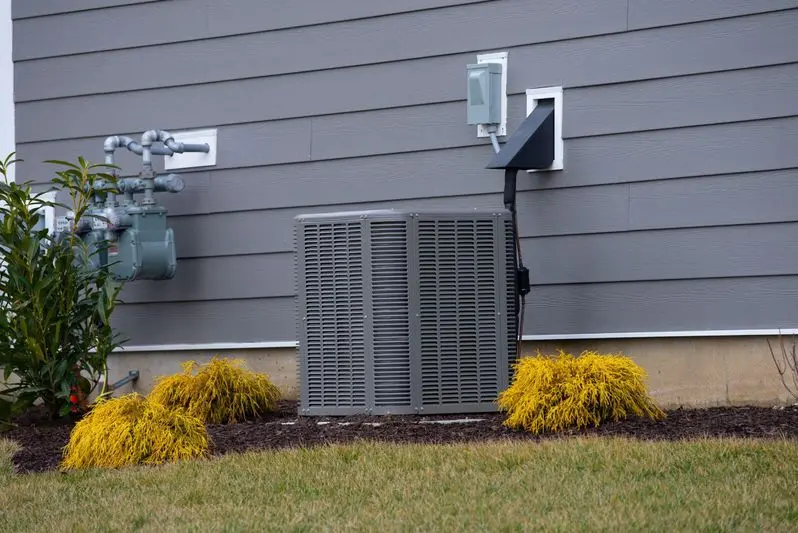
  3. Inspect the outdoor AC unit’s cooling coils. The cooling coils are typically wrapped around the exterior of the unit. You can often look inside through the top or in between the air vent slats on the sides. If you notice these are dirty and dusty, they need to be cleaned, along with your air ducts. Your air return needs to be checked, as well, because it is not working correctly. It is allowing dust and dirt to be spread throughout the home.
  4. Inspect the blower motor. If you have a split system, where your furnace is inside with the blower motor, you can open the furnace door to check for dust and dirt accumulations. If you notice an excessive amount, then your ducts could be dirty or clogged.

How Often Do Air Ducts Need to Be Cleaned?
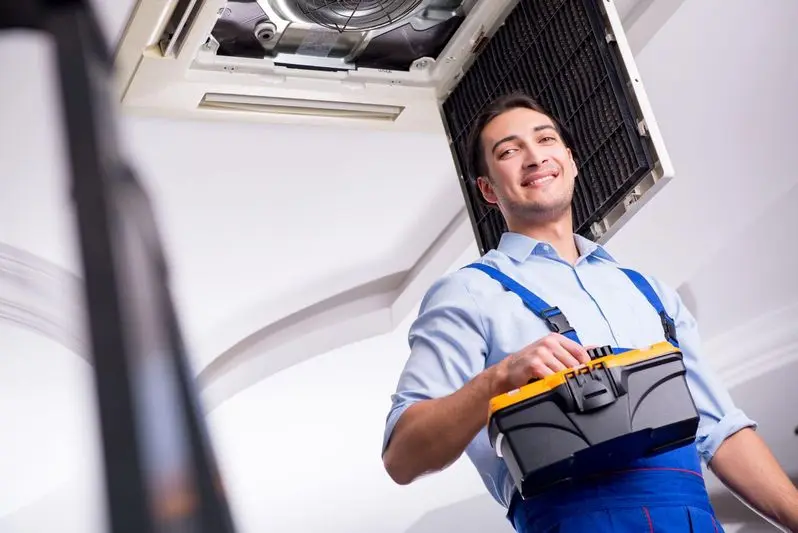
Young repairman repairing ceiling air conditioning unit

You should have your air ducts inspected every three years. Normally, ducts require cleaning every three to five years to remove dust, dirt, and other debris.

Air duct cleaning is also the perfect time to verify your air ducts are properly sealed. When air ducts are not sealed, they can draw in dust and dirt anytime the HVAC system is in operation. Plus, air gaps affect your system’s efficiency because the system is drawing into the air ducts hot or cold air, depending on the time of year.

How Much Does Air Duct Cleaning Cost?

Air duct cleaning costs vary depending on your home’s size and how much cleaning is needed. The number of ducts, how easy they are to access, and how dirty they are can affect the price. Regular cleaning helps keep your system efficient and improves air quality, making it a good investment. Contact us today about air duct cleaning costs and financing options.

How Can You Spot Signs of Mold in Your Air Ducts?

To spot mold in your air ducts, look for visible signs and use your sense of smell. Musty odors, especially when the HVAC system is on, suggest mold. Look for black or green patches near vents or inside ducts. If anyone in your home has more allergy symptoms or breathing issues, it might be due to mold, and you should get the ducts checked and cleaned right away.

How to Get Rid of Mold in Air Ducts

To remove mold from air ducts, hire a professional HVAC cleaning service to clean and disinfect them. Fix any moisture problems to prevent mold from coming back. Regular maintenance and changing air filters can help keep your ducts mold-free.

When Should You Replace Your Ductwork?

Replace your ductwork if it is over 15 years old, as it can develop leaks and damage that reduce your HVAC system’s efficiency. Signs you need ductwork replacement include frequent repairs, poor air quality, and uneven heating or cooling. If you see mold, rust, or pests in your ducts, it’s also time to replace them to maintain good performance and air quality.

Ductwork replacement costs vary depending on the size of your home, the type of ductwork, labor costs, and more. Contact us to learn more about our service costs and affordable financing options.

Schedule Air Duct Cleaning Today

If you notice any of the signs of clogged air ducts and dirty air ducts we mentioned, or if it has been more than five years since your air ducts were cleaned, your air ducts need cleaning. Please feel free to contact Christianson Air Conditioning & Plumbing at 512-246-5400 to schedule an appointment for air duct cleaning in New Braunfels, Temple, San Antonio, or the Austin Metro area today!
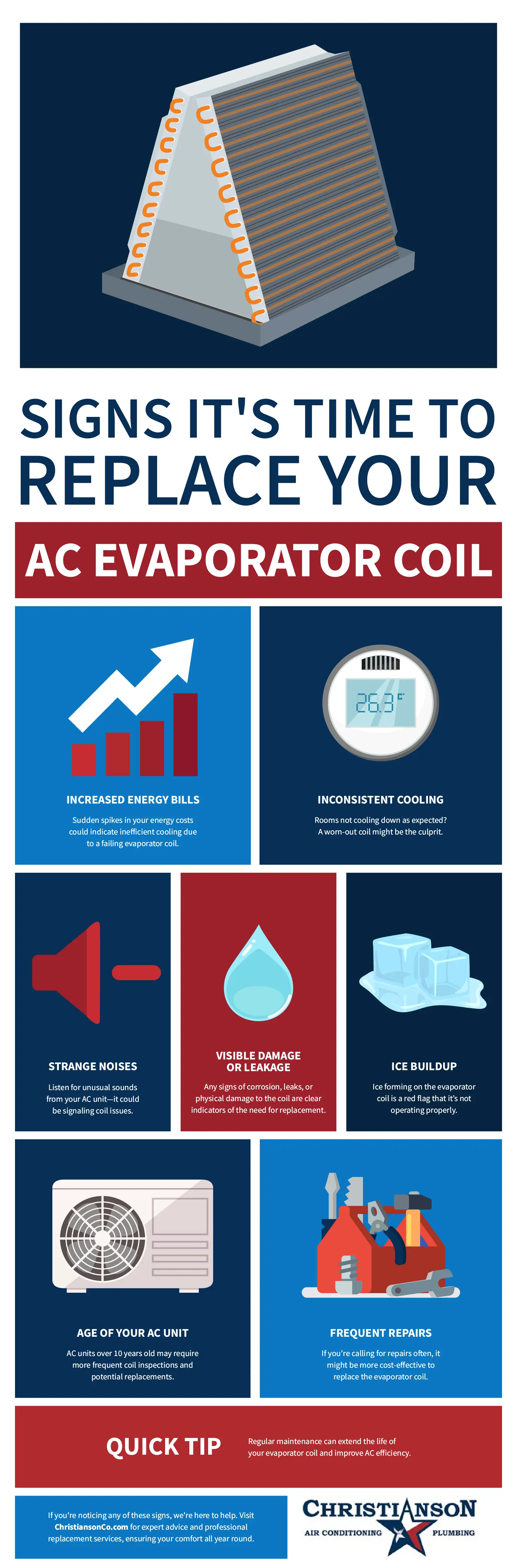
Signs It’s Time to Replace Your AC Evaporator Coil

Your air conditioning system is the heart of your home’s comfort, especially during the hot Central Texas summers. At the core of this system lies the AC evaporator coil, a crucial component responsible for absorbing heat from the air in your home. However, like any part of your AC system, the evaporator coil has a lifespan, and understanding when it needs replacement is key to maintaining your comfort and your AC’s efficiency.

How Long Does an AC Coil Last?

The answer can vary, but typically, a well-maintained evaporator coil can last between 10 to 15 years. However, factors such as usage, maintenance frequency, and environmental conditions can affect this lifespan.

Replacing an evaporator coil is not just about rectifying current issues—it’s about investing in the longevity and efficiency of your air conditioning system. A replacement evaporator coil can restore your system to its peak performance, ensuring you stay cool and comfortable without unnecessary energy expenditure.

Recognizing the Signs of Wear

Knowing the signs that indicate it’s time for an evaporator coil replacement can save you from discomfort and high repair costs. Below, our infographic will guide you through the essential indicators that your AC’s evaporator coil might be nearing the end of its useful life.

Expert Care for Your AC System

At Christianson Air Conditioning & Plumbing, we understand the importance of a fully functional AC system. If you’re experiencing signs of a failing evaporator coil or if you’re in need of air conditioning evaporator coil repair, our team of licensed professionals is ready to provide the expertise and service you need.

Contact Christianson Air Conditioning & Plumbing today for an inspection or to discuss your evaporator coil replacement options. Ensure your home stays cool and comfortable with our expert services.

Replace Your AC Evaporator Coil Infographic

Click below to embed this infographic into your website:

Understanding 2-Stage HVAC Systems

New air conditioner install

In Central Texas, where the heat can be relentless, the quest for an efficient way to cool your home is critical. Christianson Air Conditioning & Plumbing, a trusted name in licensed plumbing and HVAC services, offers a deep dive into the world of 2-stage HVAC systems. Below we will help you understand how these systems work and why they might be the perfect solution for your home, especially during those hot summer days.

What Is a 2-Stage HVAC System?

A 2-stage HVAC system, unlike traditional single-stage systems, can operate at two different levels of output: full capacity for the hottest days and a reduced capacity for milder conditions. This flexibility allows for better energy efficiency and improved comfort within your home, as the system can adjust its output to more precisely match your cooling or heating needs.

What Is a 2-Stage Air Conditioner?

A two-stage air conditioner is a type of 2-stage HVAC system designed specifically for cooling. On moderate days, the unit runs on its lower, more energy-efficient stage, effectively maintaining your home’s temperature without the constant on-and-off cycling typical of single-stage air conditioners. During the peak of summer heat, the system ramps up to its full capacity, ensuring your home stays cool even on the hottest days.

This adaptability not only helps in maintaining a consistent temperature but also significantly improves energy efficiency and air quality by reducing the humidity levels and filtering the air more effectively.

What Is a 2-Stage Heating System?

Similar to its cooling counterpart, a two-stage heating system can adjust its output based on the heating demands of your home. During mildly cold days, it operates at a lower stage, providing enough warmth to maintain comfort without overworking. When the temperature drops significantly, the system switches to its higher stage to deliver the additional warmth needed to keep your home cozy.

This adaptability results in a more even heat distribution, fewer temperature fluctuations, and, importantly, improved energy efficiency compared to a single-stage heating system.

Enhanced Comfort and Efficiency

Whether it’s a 2-stage air conditioner or a 2-stage heating system, they both can provide a more consistent and comfortable indoor environment. By operating for longer periods at a lower stage, these systems offer a steady and even temperature throughout your home, eliminating the hot and cold spots that are often found with single-stage systems.

Moreover, longer running times at lower speeds mean more air passes through the filters, significantly improving indoor air quality.

Is a 2-Stage HVAC System Worth It?

Investing in a 2-stage HVAC system, whether a 2-stage AC unit or heating system, can offer significant benefits in terms of comfort, air quality, and energy savings. While the initial cost may be higher compared to single-stage systems, the long-term savings on energy bills and the enhanced comfort level in your home can make a 2-stage system a worthwhile investment, especially in regions experiencing extreme temperatures.

Understanding the benefits and workings of 2-stage HVAC systems can help you make an informed decision about your home’s heating and cooling needs. With their ability to adjust their output to the precise needs of your home, these systems offer a superior level of comfort and efficiency.

Ready to Upgrade? Contact Christianson Air Conditioning & Plumbing Today!

Professional 2-stage HVAC installation

If you’re considering upgrading to a 2-stage HVAC system, Christianson Air Conditioning & Plumbing is here to help. Our skilled professionals will assist you in selecting and installing the ideal system tailored to your home’s unique requirements. Don’t let the extreme Texas weather affect your comfort and energy bills any longer.

Take the first step toward a more comfortable and efficient home by contacting Christianson Air Conditioning & Plumbing today. Our professionals are ready to help you explore the benefits of a 2-stage HVAC system and ensure your home remains a haven of comfort year-round.

Signs Your AC Compressor Unit Is Malfunctioning

Professional repairing an AC compressor unit

Professional repairing an AC compressor unit

As summer temperatures soar in Central Texas, the last thing you want is a malfunctioning AC unit. At the heart of your air conditioning system, the AC compressor unit plays a pivotal role in cooling your home. Recognizing the signs of a failing compressor can save you from discomfort, prevent costly repairs, and extend the life of your HVAC system. In this guide, Christianson Air Conditioning & Plumbing, your trusted HVAC contractor, will walk you through the key signs of compressor failure and what steps you should take to address them.

What Happens if an Air Conditioner Compressor Fails?

The compressor in your AC unit is essential for circulating refrigerant and maintaining the cooling cycle. When it fails, the entire air conditioning system grinds to a halt. A broken AC compressor can lead to a series of issues, including inadequate cooling, higher energy bills, and, in some cases, the need for a complete AC compressor replacement. Understanding the implications of compressor failure is crucial for homeowners to take timely action.

How Do I Know If My Air Conditioner Has a Compressor Problem?

Identifying compressor problems early can save you from a sweltering home and unexpected expenses. Here are common AC compressor symptoms to watch out for:

  • Unusual Noises: Strange sounds such as clicking, buzzing, or hissing from your AC unit may indicate compressor failure.
  • Reduced Cooling Efficiency: If your air conditioning system is struggling to cool your home as effectively as it used to, it could be a sign of compressor issues.
  • Hard Starts: When the compressor struggles to start up, often termed as “hard starting,” it points toward potential compressor failure.
  • Warm Air: When your AC system blows warm air, check if the compressor is bad; this is a classic sign of malfunction.
  • Electrical Issues: Frequent circuit breaker trips when your AC is running could indicate a failing compressor.

Recognizing AC Compressor Symptoms

Woman stressed about her AC not working

Beyond the basic signs, there are more specific compressor symptoms that require attention:

  • System Leaks: Leaking refrigerant can be a symptom of compressor issues, impacting the efficiency of your AC system.
  • Vibrations at Start-Up: Known as “hard starting,” this phenomenon indicates compressor distress.
  • Increased Energy Bills: A failing compressor can cause your AC unit to work harder, leading to higher energy consumption.

Can an AC Compressor Be Repaired?

In some cases, repairing an existing compressor is possible and can be a cost-effective solution. However, this depends on the extent of the damage and the age of your HVAC system. Consulting with a skilled HVAC technician is crucial to diagnose the issue accurately and recommend the best course of action, whether it’s repair or replacement.

AC Compressor Replacement Cost

The cost of replacing the compressor can vary widely based on factors such as the model of your AC unit, the complexity of the installation, and the rates of your local HVAC professional. It’s important to weigh the cost of replacement against the age and overall condition of your air conditioning system to make a financially sound decision.

Tips for Maintaining Your Air Conditioning System

Woman replacing old dusty air filter with new one on air conditioner.

Keep your AC running smoothly with these straightforward maintenance tips:

  • Annual Check-Ups: A yearly service by an HVAC pro can catch and fix small issues before they escalate.
  • Clean Filters: Swap out or clean air filters every 90 days to ensure good airflow and prevent strain on your system.
  • Clear Space: Ensure the outdoor unit has room to breathe with at least two feet of clear space around it.
  • Monitor Refrigerant: Low levels can overwork your compressor. If you suspect an issue, call a professional.
  • Listen Up: Odd noises or reduced cooling efficiency could hint at compressor problems. Don’t ignore these signs.

Regular maintenance not only prevents major issues but also keeps your home comfortably cool, especially during those hot Texas summers.

Seeking Professional Help

HVAC professional diagnosing an AC problem

When it comes to diagnosing and repairing a malfunctioning compressor, the expertise of an HVAC professional is invaluable. Attempting DIY repairs without the proper knowledge and tools can lead to further damage and even void your warranty. Professionals can also advise on whether repairing or replacing the compressor is more cost-effective in the long run.

Recognizing the signs of a malfunctioning AC compressor unit is the first step in ensuring the longevity and efficiency of your air conditioning system. Whether it’s unusual noises, reduced cooling efficiency, or physical leaks, addressing these issues promptly can save you from discomfort and high repair costs. If you’re experiencing any of these compressor symptoms, it’s time to consult with an HVAC technician.

Need AC Help? Reach Out Now!

Experiencing compressor troubles? Don’t sweat it. Christianson Air Conditioning & Plumbing is at your service. Our skilled HVAC professionals are ready to diagnose and fix your AC issues, ensuring your home stays cool and comfortable. Whether it’s a repair or a full compressor replacement, we’ve got you covered.

Don’t wait for the heat to beat you. Contact us now for prompt, reliable service and enjoy a perfectly cooled home all summer long. Your comfort is our priority, and we’re here to ensure your AC runs smoothly.

Breaking Down the Types of Furnaces: Features and Benefits

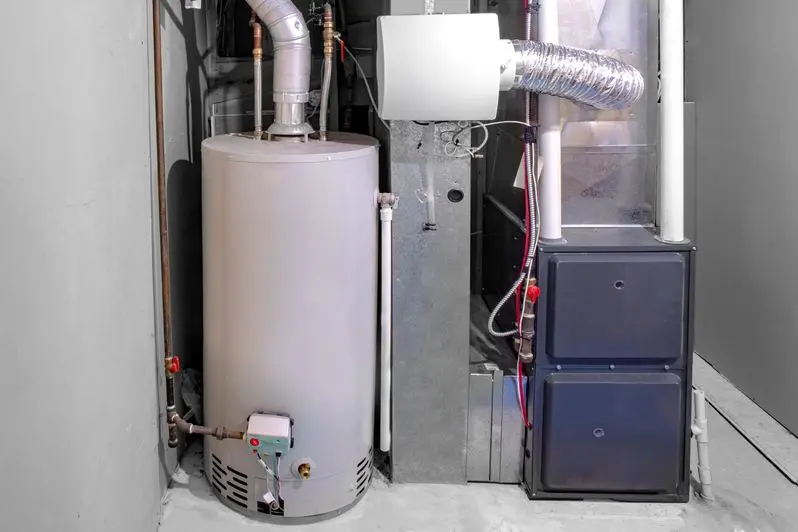
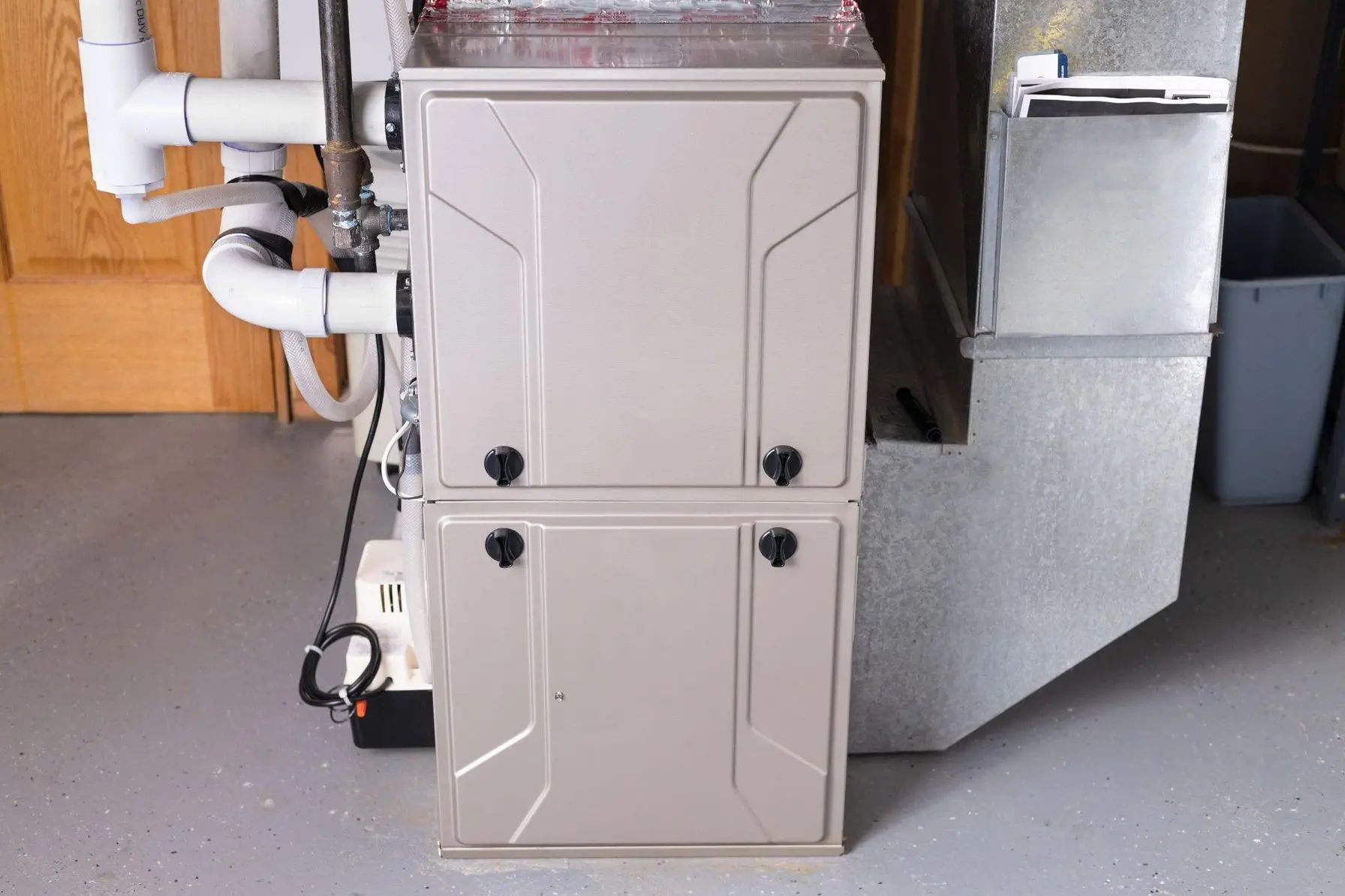
A home high efficiency furnace with a residential gas water heater & humidifier.

When the chill of winter creeps into our homes, a reliable heating system becomes more than a comfort—it’s a necessity. Here at Christianson Air Conditioning & Plumbing, we understand the importance of a well-chosen furnace that not only keeps your home toasty but also aligns with your energy efficiency goals and budget.

Our comprehensive guide will walk you through the various types of furnaces, focusing on their fuel source, efficiency, and benefits, to help you find the best home furnace.

Understanding the Fuel Source

The fuel source is a fundamental aspect that differentiates the types of furnaces. The most common types include gas, oil, and electric furnaces, each with unique features catering to different needs.

Natural Gas Furnaces

Widely regarded for their efficiency, natural gas furnaces are a popular choice among homeowners. These furnaces utilize the readily available natural gas pipeline network, offering a cost-effective and energy-efficient heating solution. They are known for producing warm air that comforts your home swiftly, making them an excellent choice for those in colder regions.

Oil Furnaces

In areas where natural gas is not readily accessible, oil furnaces stand as a robust alternative. Although oil furnaces require on-site storage and have higher fuel costs, their high efficiency and longevity make them a worthwhile investment for many.

Electric Furnaces

Electric furnaces are celebrated for their simplicity and safety. They convert electric energy into heat, providing a clean and efficient way to warm your home. While the operating costs can be higher, especially in regions with expensive electricity, their minimal maintenance requirements and long lifespan make electric furnaces an attractive option for many.

The Common Types of Furnaces and Their Efficiency

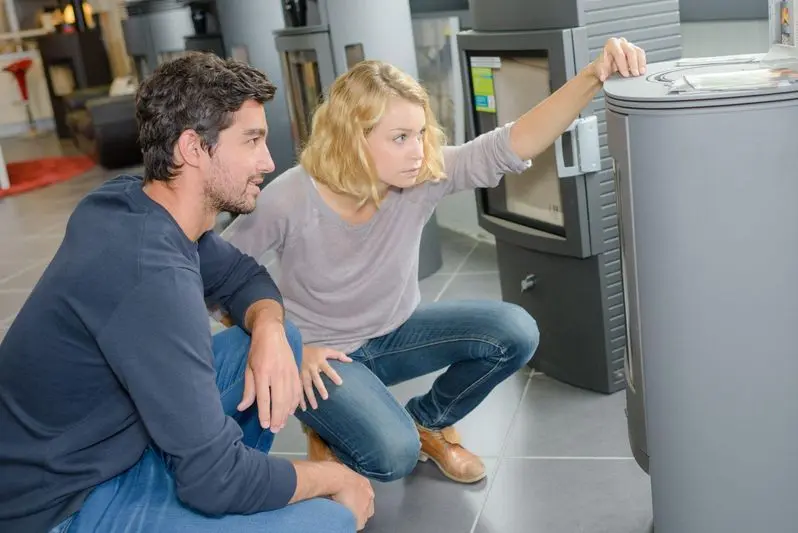
Couple choosing a furnace in store

When selecting a furnace, the term “high efficiency” is crucial. High-efficiency furnaces convert a greater proportion of their fuel source into heat, ensuring that your home stays warm without unnecessary energy wastage.

High-Efficiency Gas Furnaces

These furnaces boast an Annual Fuel Utilization Efficiency (AFUE) rating of 90% or higher, meaning they convert 90% or more of their fuel into heat. This efficiency is achieved through features like secondary heat exchangers and sealed combustion units.

Efficiency of Oil Furnaces

Modern oil furnaces have significantly improved in efficiency, with many models achieving an AFUE rating of 80-90%. Advanced features like high-pressure flame retention burners enhance their efficiency, making them a competitive option for heating.

Electric Furnace Efficiency

Electric furnaces can have nearly 100% AFUE ratings, as almost all the electricity they consume is converted into heat. However, the overall energy efficiency can vary depending on the source of the electricity and its cost in your area.

Features and Benefits Across Different Kinds of Furnaces

Each type of furnace brings a set of benefits tailored to specific needs and preferences:

  • Gas Furnaces: Offer rapid heating and are cost-effective in areas with low natural gas prices. They’re suitable for large homes and those in colder climates due to their powerful heating capabilities.
  • Oil Furnaces: Provide excellent heating capacity, ideal for regions with harsh winters. They’re durable and can be more economical where oil prices are competitive.
  • Electric Furnaces: Stand out for their ease of installation, low upfront cost, and safety. They’re best suited for areas with mild winters or for homeowners prioritizing low maintenance and installation ease.

Choosing the Best Home Furnace for You

When evaluating a new heating system, it’s important to consider aspects such as your region’s climate, the availability of different fuels, and the cost of energy in your area. For instance, an electric furnace could be an ideal option for those looking for a reliable, efficient, and low-maintenance heating solution, particularly in regions where electricity is reasonably priced and the winters are not excessively harsh.

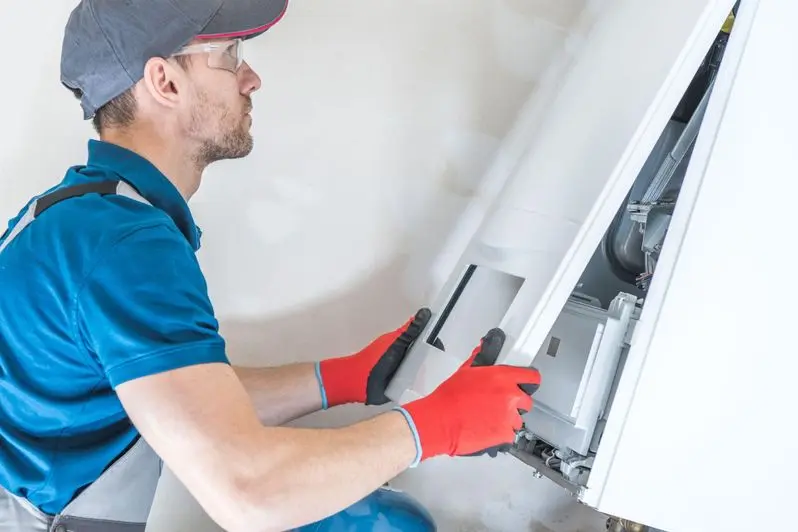
Furnace installation

In contrast, for those in colder climates or areas with accessible natural gas, a high-efficiency natural gas furnace might be the most cost-effective and efficient choice. It’s crucial to weigh the initial investment against long-term operating costs and potential savings from reduced energy consumption.

Understanding the different kinds of furnaces, from gas oil to electric furnaces, and their respective features and benefits, is essential in selecting the right heating system for your home. Whether you prioritize energy efficiency, cost-effectiveness, or specific fuel sources, there’s a furnace type that meets your needs.

Ready to Upgrade Your Home Heating System?

Are you considering a new furnace but unsure where to start? Let Christianson Air Conditioning & Plumbing guide you through the process. Our team of licensed professionals is here to help you choose the perfect heating solution tailored to your home’s needs, ensuring you get the comfort, efficiency, and reliability you deserve. Contact us today to explore your options and take the first step toward a warmer, more energy-efficient home.

Top Most Eco Friendly Toilets

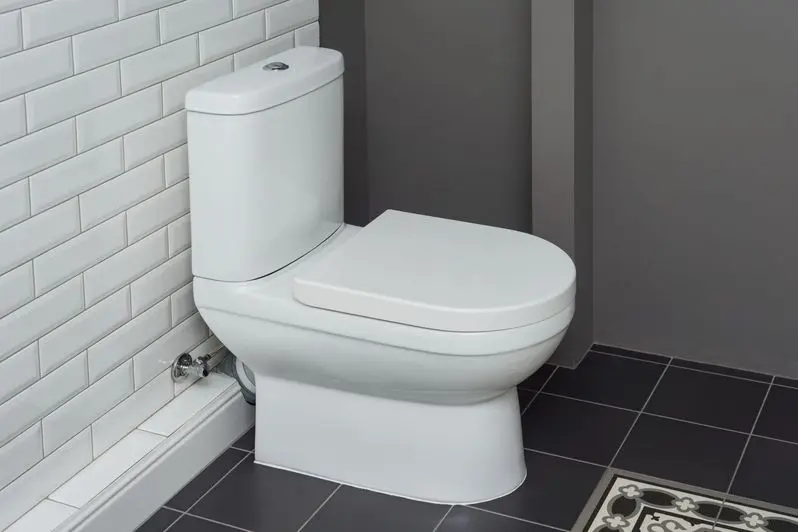
Eco friendly toilet

In our continuous quest for sustainability and environmental preservation, Christianson Air Conditioning & Plumbing is at the forefront of promoting eco-friendly solutions for homes across Central Texas. One significant way to contribute to this cause is by rethinking a basic yet vital household fixture: the toilet. Transitioning to eco-friendly toilets not only drastically reduces water usage but also minimizes environmental impact, making it a crucial step toward a more sustainable bathroom.

Understanding the Eco-Friendly Toilet

An eco-friendly toilet goes beyond the standard functionalities to incorporate water savings features and sustainable technologies. These toilets are designed to minimize water consumption and reduce the solid waste that enters sewage systems. Unlike regular toilets, which can use up to 1.6 gallons per flush (GPF), eco-friendly models strive for efficiency without compromising performance.

Types of Eco-Friendly Toilets

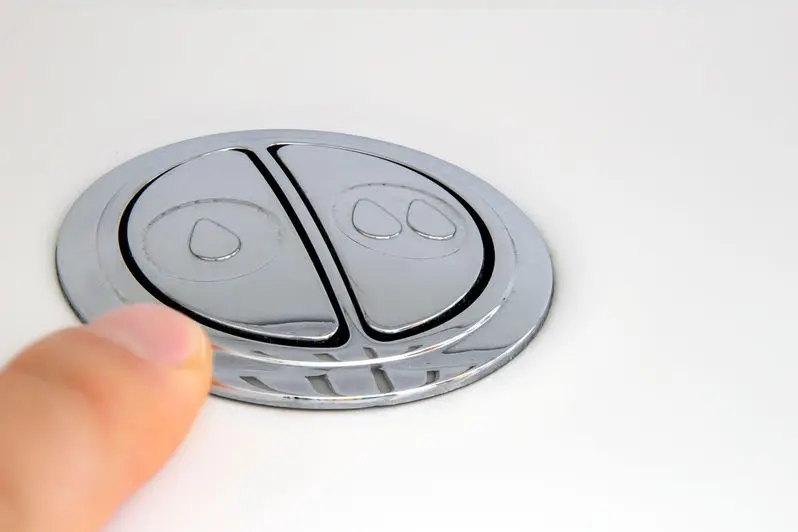
  1. Dual Flush Toilets: These friendly toilets offer two flushing options: a low-volume flush for liquid waste and a standard flush for solid waste. This system allows you to control water usage, reducing gallons per flush and leading to substantial water savings over time.
  2. Composting Toilets: Transforming waste into compost, these toilets are the pinnacle of an eco toilet system. Composting toilets require no water for flushing, making them ideal for drastically cutting water consumption and reducing environmental impact. They are perfect for eco-friendly bathroom setups, especially in areas with limited water resources.
  3. Low-Flow and High-Efficiency Toilets (HET): These toilets use advanced technology to provide effective flushing with less water—typically using 1.28 GPF or less. By opting for such a toilet system, households can achieve significant water savings without sacrificing functionality.

Benefits of Switching to Eco-Friendly Toilets

Water Savings

The most immediate impact of installing an eco-friendly toilet is the significant reduction in water usage. Given that toilets are one of the primary sources of water consumption in homes, switching to a model that uses less water per flush can lead to considerable savings on water bills and conserve precious water resources.

Environmental Impact

Reducing water usage also means a smaller environmental footprint. By opting for eco-friendly toilets, we can lessen the strain on water treatment facilities and reduce the energy used in pumping and treating water, thus contributing to a healthier planet.

Waste Reduction

Composting toilets take eco-friendliness a step further by converting waste into compost, which can be used to nourish soil. This process not only reduces water usage but also turns waste into a resource, closing the loop in a sustainable cycle.

Choosing the Right Eco-Friendly Toilet for Your Home

Dual flush toilet

When selecting an eco-friendly toilet, consider the following factors to ensure it meets your household’s needs while contributing to environmental conservation:

  • Water Efficiency: Look for toilets with a low GPF rating. Models with WaterSense certification are guaranteed to be 20% more water-efficient than average products in the same category.
  • Size and Design: Ensure the toilet fits your bathroom space and complements its design. Eco-friendly doesn’t mean you have to compromise on style.
  • Type of Toilet: Decide between dual flush, composting, or low-flow models based on your household’s needs and environmental goals.
  • Budget: While eco-friendly toilets can be an investment, the long-term savings on water bills and the positive environmental impact make them a worthwhile purchase.

At Christianson Air Conditioning & Plumbing, we understand the importance of making environmentally responsible choices. By integrating eco-friendly toilets into our homes, we can significantly reduce water consumption, decrease our environmental impact, and move toward a more sustainable lifestyle. Whether you’re renovating your bathroom or simply looking to make more eco-conscious choices, consider installing an eco-friendly toilet to contribute to a healthier planet and a more sustainable future.

Ready to Transform Your Bathroom? Let’s Go Green Together!

Are you inspired to make a difference and contribute to environmental sustainability right from your bathroom? Christianson Air Conditioning & Plumbing is here to guide you through every step of the process. Our team of licensed professionals is committed to providing you with the best eco-friendly solutions tailored to your needs.

From selecting the right eco-friendly toilet to seamless installation or repairs, we ensure a hassle-free experience that aligns with your eco-friendly goals. Contact us today, and let’s embark on this green journey together.

Navigating a Cracked Heat Exchanger: Signs and Solutions

Repairing a cracked heat exchanger

A cracked heat exchanger in your furnace is a serious issue that can affect the efficiency and safety of your heating system. As a licensed plumbing and HVAC company serving Central Texas, Christianson Air Conditioning & Plumbing is here to guide you through the signs of a failed heat exchanger and the solutions available to you.

Understanding the Heat Exchanger

The furnace heat exchanger is a crucial component of your heating system. It separates the combustion process from the air in your home, ensuring that only clean, warm air is circulated. Over time, due to wear and tear, the metal walls of the heat exchangers can develop cracks, leading to potential safety hazards and reduced efficiency.

Signs of a Cracked Heat Exchanger

  • Unusual Smells: A malfunctioning heat exchanger can produce a strong odor similar to formaldehyde, which is a clear indication of a problem.
  • Water Leakage: While condensation in some furnaces is normal, excessive water around your furnace could signal a crack in the heat exchanger.
  • Soot Inside the Furnace: Black soot inside the furnace is a telltale sign of incomplete combustion, often due to a failed heat exchanger.
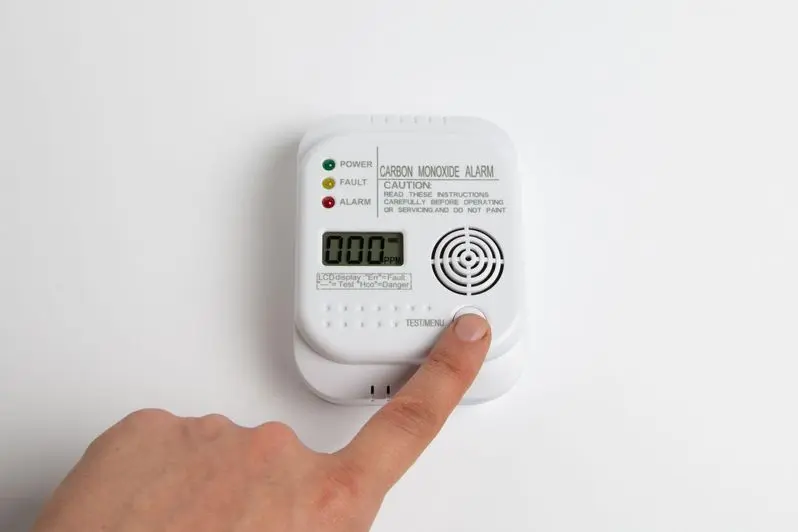
  • Carbon Monoxide Alarms: One of the most dangerous signs is the activation of carbon monoxide detectors, indicating that harmful gases are entering your living space due to a crack.
  • Visible Cracks or Corrosion: Upon inspection, any visible cracks or corrosion on the surface of the heat exchanger can confirm your suspicions.

How to Tell if Your Heat Exchanger Is Cracked

Carbon monoxide alarm

Inspecting a furnace heat exchanger requires specialized knowledge and tools. It involves examining the exchanger for any signs of cracks or damage. This task is best left to professionals who have the expertise and equipment to conduct a thorough inspection safely.

Advanced diagnostic techniques, such as using specialized cameras to peer inside the system, are often employed to detect even the smallest imperfections. Moreover, experienced technicians can also perform tests to measure the integrity of the exchanger, ensuring a comprehensive assessment of its condition.

Solutions for a Cracked Heat Exchanger

  • Repair: In some cases, it may be possible to repair a cracked heat exchanger. However, this is often a temporary solution and is not recommended for extensively damaged exchangers.
  • Replace the Heat Exchanger: For many furnaces, replacing the heat exchanger is a viable option. This can restore the safety and efficiency of your heating system without the need for a complete furnace replacement.
  • Furnace Replacement: If the furnace is old or the exchanger is extensively damaged, replacing the entire furnace might be more cost-effective. When selecting a new, sized furnace, choosing one that matches your home’s heating needs is essential to ensure optimal efficiency.

Preventing Future Cracks

Regular maintenance is key to preventing wear and tear that can lead to cracks in heat exchanger walls. Annual inspections by a qualified technician can help identify potential issues before they escalate into serious problems.

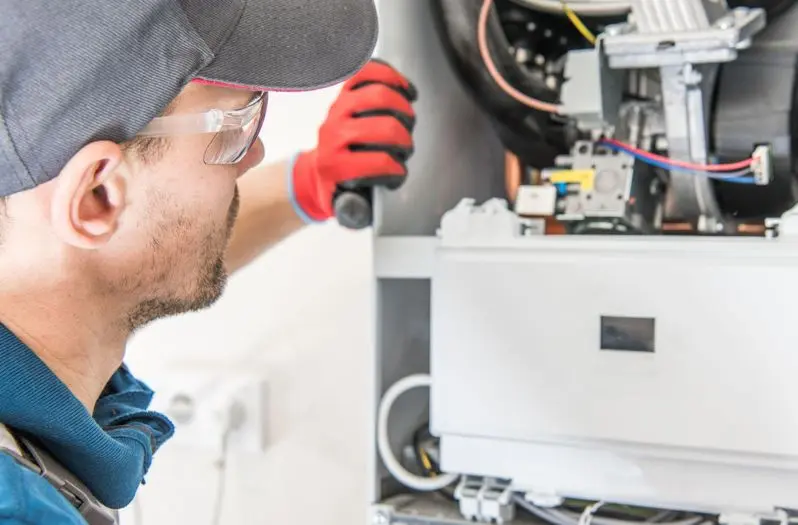
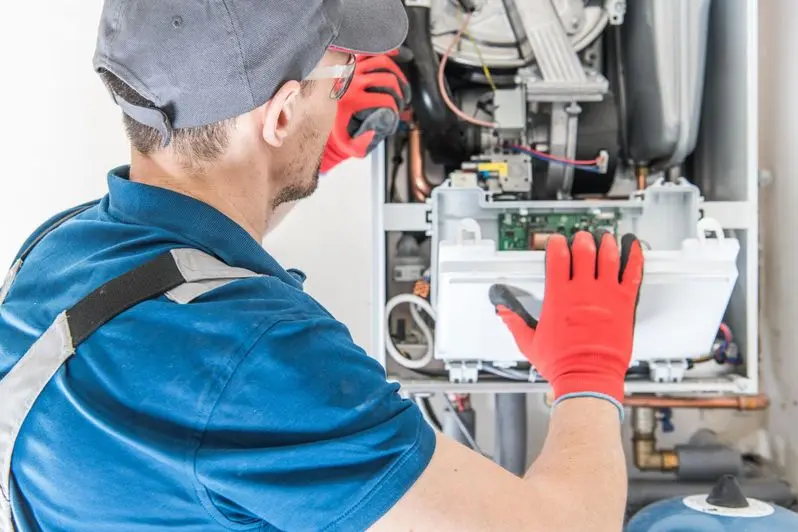
AC professional inspecting and repairing a furnace

A cracked heat exchanger is a serious concern that requires immediate attention. Recognizing the signs of a cracked heat exchanger and understanding the solutions available are crucial steps in ensuring the safety and comfort of your home.

Whether it’s through repair, replacement of the heat exchanger, or an entirely new furnace, Christianson Air Conditioning & Plumbing is here to provide professional guidance and services to keep your heating system running smoothly.

Take Action Now With Christianson Air Conditioning & Plumbing

If you suspect your furnace may have a cracked heat exchanger or if you’re experiencing any of the signs mentioned above, don’t wait for the problem to worsen. Contact Christianson Air Conditioning & Plumbing today for a comprehensive inspection and expert consultation.

Our team of certified professionals is ready to provide you with the best solutions to ensure your home remains safe, warm, and comfortable. Trust us to handle your heating needs with the care and expertise you deserve.

Tips on Lowering Your Utility Bills

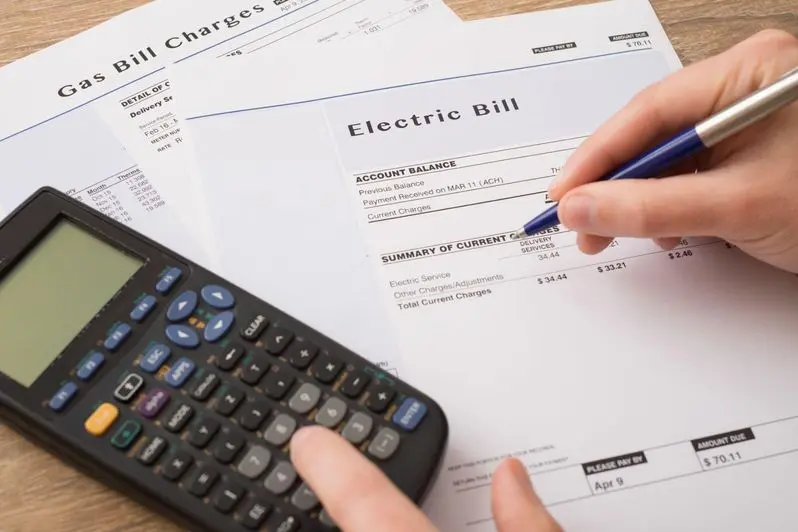
Budgeting for a expensive gas and electric bill

Utility bills can be a significant monthly expense for many households in Central Texas. At Christianson Air Conditioning & Plumbing, we understand the importance of managing these costs. Whether it’s your water service or heating bill, there are several strategies to reduce your monthly bill without sacrificing comfort. Below, we’ll explore practical tips on how to cut down utility bills.

Water Conservation

Water conservation is not just good for the environment; it’s also a smart way to reduce your utility bill payments. Simple changes in daily habits can lead to significant savings. For example, fixing leaky faucets, using water-efficient fixtures, and being mindful of your water usage during daily activities can make a noticeable difference in your water service charges.

Consider Smart Home Upgrades

A substantial portion of your utility bill comes from heating and cooling your home. One effective way to manage these costs is by upgrading to smart home technologies. Installing a programmable thermostat is a great example. It allows you to better control your home’s temperature, adapting to your schedule and preferences, which can lead to significant savings on your heating and cooling bills.

Smart thermostats can learn your habits and adjust the temperature accordingly, ensuring energy is not wasted when no one is home.

Additionally, investing in energy-efficient appliances and lighting can also contribute to lowering your utility bills. LED lighting, energy-saving power strips, and high-efficiency appliances use less energy, reducing your overall consumption and monthly bill.

Explore Payment Options

Many utility companies offer various payment options that can help manage your utility bill payments. This might include budget billing, which averages your yearly consumption to create a consistent monthly bill, or payment plans that can assist in managing larger bills. Contact your utility providers to explore available payment options.

Adopt Energy-Efficient Practices

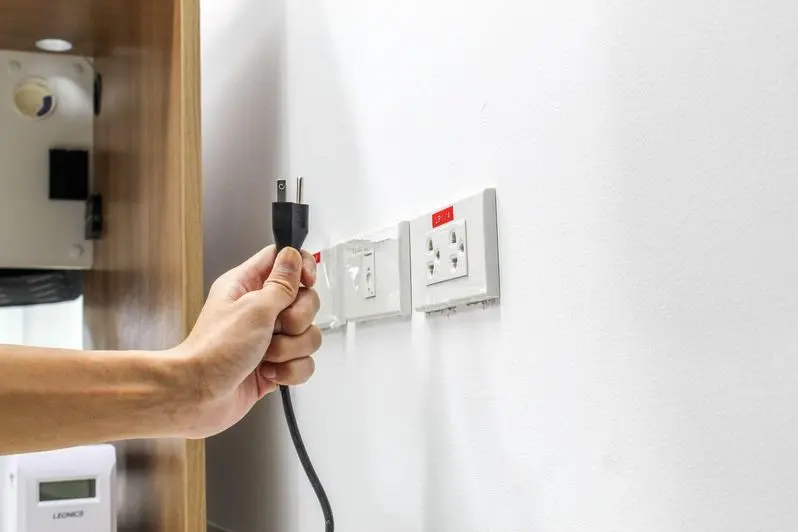
Unplugging electronics

Simple practices like turning off lights when not in use, unplugging electronics, and using energy-efficient appliances can contribute to lower monthly bills. Consider insulating your home to maintain a consistent temperature, thereby reducing the strain on your heating and cooling systems.

Use Renewable Energy Sources

If feasible, investing in renewable energy sources like solar panels can significantly cut down on your utility bills in the long run. While there’s an upfront cost, the long-term savings and environmental benefits are considerable.

Monitor Your Monthly Bill

Regularly monitoring your monthly bill can help you identify any unusual spikes in usage. This vigilance can lead to early detection of issues such as water leaks or inefficiencies in your home’s heating or cooling systems.

Educate Everyone in the Household

Everyone in the household should be aware of the importance of conserving energy and water. Educating family members about simple ways to save, like taking shorter showers or turning off appliances, can collectively make a big difference in your utility bill payments. Encourage children to develop these habits early on, making energy conservation a family effort.

Setting specific goals, such as reducing the monthly bill by a certain percentage, can motivate everyone to actively participate in energy-saving practices.

Consider Routine HVAC Maintenance

Regular maintenance of your heating, ventilation, and air conditioning (HVAC) systems is key to ensuring efficiency and reducing your utility bills.

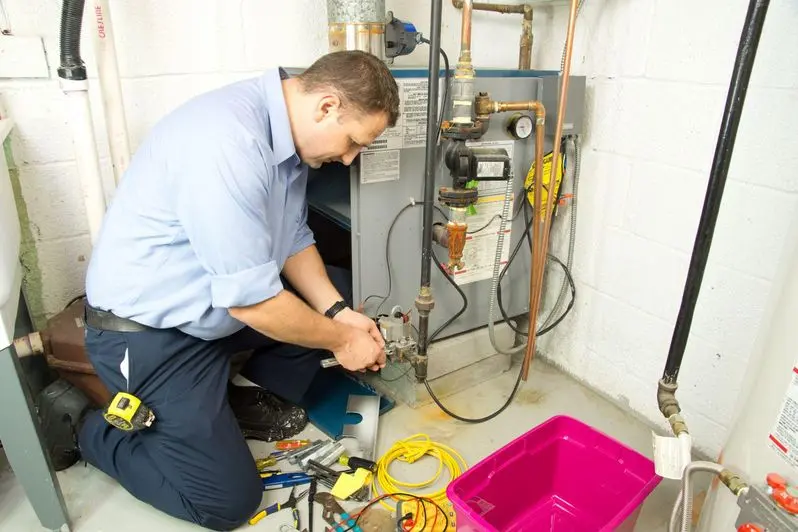
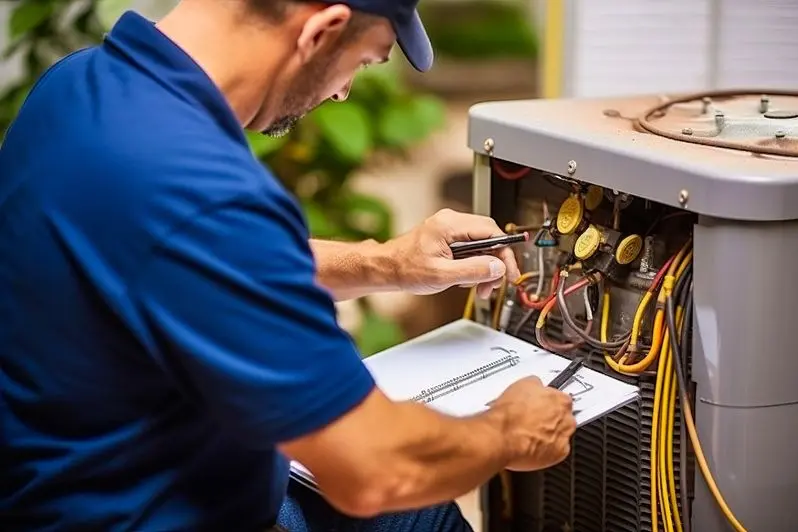
HVAC professional doing a routine AC unit inspection

  • Routine Check-Ups: Scheduling professional check-ups for your heating, ventilation, and air conditioning (HVAC) systems is crucial. Regular inspections can identify and resolve issues that may lead to increased energy usage.
  • AC Repair: Addressing any needed repairs promptly ensures that your air conditioning system operates efficiently, avoiding unnecessary energy consumption.
  • Clean Filters: Regularly cleaning or replacing dirty AC filters is essential. Clean filters improve airflow and system efficiency, reducing strain on the unit.
  • Heating System Maintenance: Ensuring your heating system is functioning optimally, especially before the colder months, can significantly impact your energy bills.
  • Proactive Approach: Adopting a proactive approach to maintenance not only helps in saving on your monthly bill but also extends the lifespan of your equipment, offering long-term savings.

Paying your utility bill doesn’t have to be a stressful part of your month. By implementing these tips, you can enjoy a more energy-efficient home while keeping your utility costs in check. Remember, small changes can lead to big savings over time.

For specialized services like AC repair or routine HVAC maintenance in Central Texas, feel free to contact Christianson Air Conditioning & Plumbing. We’re here to help you save on your utility bills by ensuring your home’s HVAC systems are running efficiently.

Get in Touch with Christianson Air Conditioning & Plumbing Today!

Are you ready to cut down on your utility bills? Contact Christianson Air Conditioning & Plumbing for expert advice and top-notch service. Whether you need AC repair, routine HVAC maintenance, or tips on water conservation, our team is dedicated to helping you achieve maximum efficiency and savings.

Don’t let high utility bills weigh you down. Call us today or visit our website to learn more about our services.

Everything You Need to Know About High Efficiency Furnaces

High efficiency furnace for a residential home

Welcome to our comprehensive guide on high-efficiency furnaces. With the cold months approaching in Central Texas, it’s essential to understand how a high-efficiency furnace can make heating your home more effective and energy-efficient.

What Is a High Efficiency Furnace?

High efficiency furnace for a residential home

A high-efficiency furnace is designed to use less fuel while delivering more heat compared to traditional models. This efficiency is achieved through advanced technology, such as secondary heat exchangers and improved control systems, which extract more heat from the fuel being burned.

High-efficiency models often incorporate smart thermostats and zoning capabilities, allowing for precise temperature control and reduced energy waste. These models, especially those running on natural gas, are known for their superior performance in heating homes effectively. They also tend to have a longer lifespan and greater reliability, ensuring that homeowners enjoy sustained comfort and savings over the years.

Understanding Efficiency Ratings

The efficiency of a furnace is measured by its Annual Fuel Utilization Efficiency (AFUE) rating. High efficiency furnaces typically have an AFUE rating of 90% or more, meaning they convert 90% of the fuel to heat.

The higher the efficiency rating, the more energy efficient the furnace is. This increased efficiency translates into lower heating bills and a reduced carbon footprint, making it an environmentally and economically beneficial choice.

Additionally, furnaces with higher AFUE ratings often qualify for government rebates and incentives, providing additional financial benefits to homeowners.

Types of High Efficiency Furnaces

When exploring furnace models, you’ll encounter various high efficiency gas furnaces. These models are popular for their effectiveness in heating and cost-efficiency.

These models often incorporate advanced features like modulating heat output, which adjusts the burner level and blower speed to precisely match your home’s heating needs. This not only enhances comfort but also contributes to significant energy savings over time.

Some high-efficiency furnaces also feature variable speed technology, which allows the furnace to operate at different speeds, providing more consistent and efficient heating.

Benefits of High Efficiency Furnace Models

  • Energy Efficient: They use less energy, which translates to lower utility bills.
  • Variable Speed: This offers precise control over temperature, enhancing comfort and efficiency.
  • Environmental Impact: High efficiency models are better for the environment due to lower emissions.

Considerations for Your Home

Choosing the most efficient furnace for your home typically depends on several factors, including the size of your home and your heating needs. It’s important to select an efficiency model that is appropriately sized for your space to ensure optimal performance.

An oversized furnace can lead to unnecessary energy consumption and uneven heating, while an undersized one may struggle to adequately heat your home. Consulting with a professional to assess your specific requirements is crucial for selecting the right furnace that balances efficiency and comfort.

High Efficiency Furnace Installation

Furnace installation is a critical step. Proper installation of a high efficiency furnace requires expertise to ensure it operates at its peak efficiency. Christianson Air Conditioning & Plumbing offers professional furnace installation services, ensuring your system is set up correctly for optimal performance and safety.

Furnace Replacement and Upgrading

Professional high efficiency furnace install

If your current furnace is old or inefficient, considering a furnace replacement with a high efficiency model is a wise decision. Upgrading to a high efficiency heating system can significantly reduce your heating costs and improve your home’s comfort. With various models available, including the most efficient furnaces on the market, there’s an option suitable for every home.

If you’re considering high efficiency furnace installation or replacement, Christianson Air Conditioning & Plumbing is here to help.

Trust Christianson Air Conditioning & Plumbing for All Your Furnace Needs!

Ready to upgrade to a high-efficiency furnace? Don’t wait any longer to enjoy the benefits of a more efficient, effective heating system. Contact Christianson Air Conditioning & Plumbing now to discuss your options and find the perfect high efficiency furnace model for your home.

Our team of experts is dedicated to providing top-notch service and ensuring your complete satisfaction. Call us today or look through our website to schedule your consultation and take the first step toward a warmer, more energy-efficient home this winter!

Everything You Need to Know About HVAC Odors

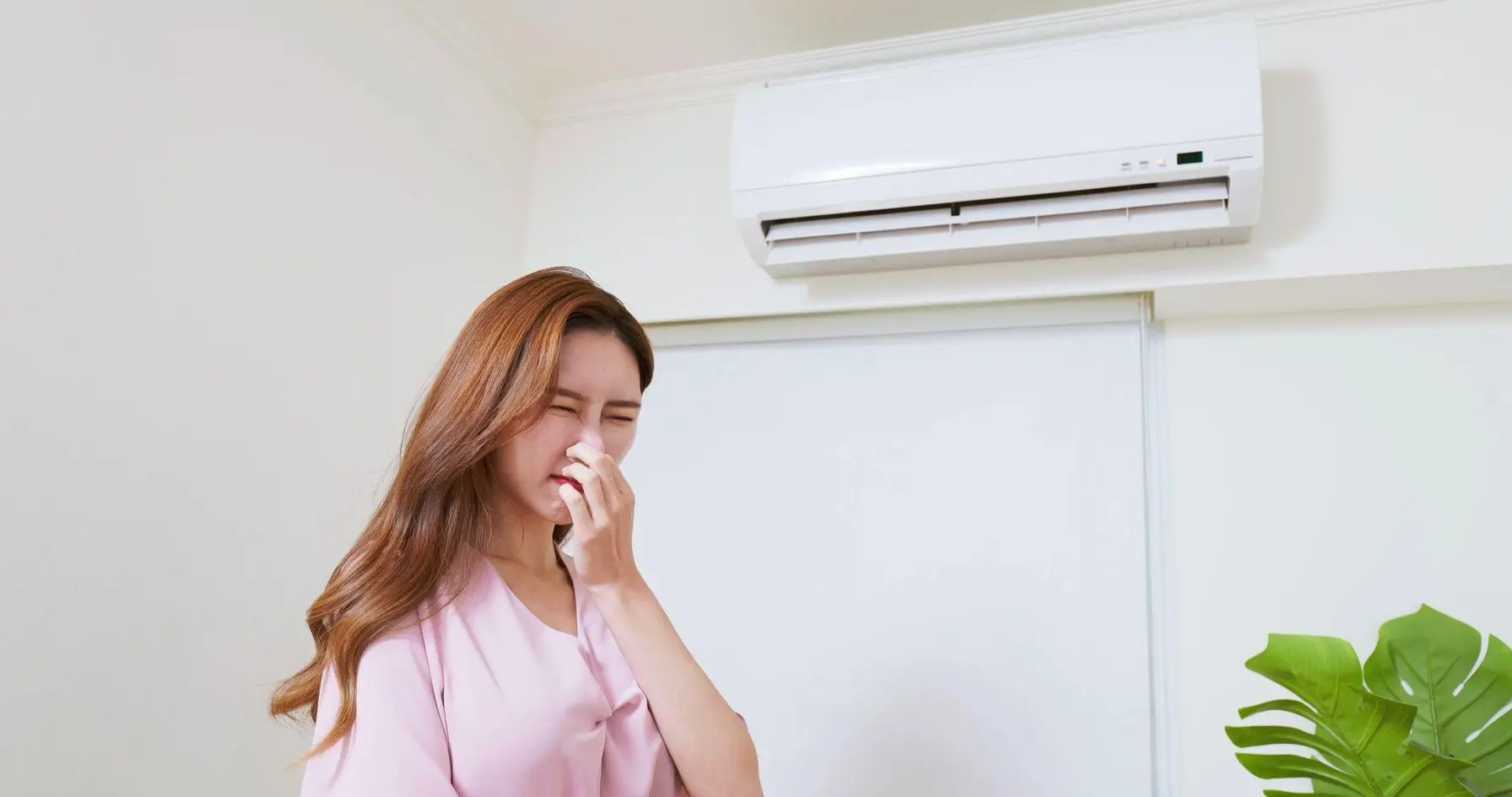
Odor coming from a AC unit in home

Odor coming from a AC unit in home

As a trusted HVAC professional serving Central Texas, Christianson Air Conditioning & Plumbing understands that maintaining indoor air quality is crucial for your comfort and safety. One common concern many homeowners face is identifying and addressing various HVAC odors. Whether it’s a musty smell or a burning scent, understanding these odors can help you determine when to call an HVAC technician or even a gas company.

Common HVAC Odors and Their Causes

Rotten Egg Smell

If you detect a rotten egg smell coming from your HVAC unit, it’s a serious warning sign. This odor often indicates a natural gas leak. Natural gas is odorless, so utility companies add a substance that smells like rotten eggs to alert homeowners of a leak. If you smell this, open the windows immediately, leave the house, and contact your gas company or a local HVAC professional.

Burning Smell

When you first turn on your air conditioners for the season, a slight burning smell is normal as dust burns off. However, if the burning smell persists, it could indicate an electrical issue or a problem with your air conditioning unit’s motor. Turn off your system and call a HVAC technician.

Musty Smell

A musty smell typically signifies the presence of mold and mildew within your HVAC system, especially in the evaporator coil or the air ducts. This odor impacts the indoor air quality and requires attention. Replacing the air filter and regular maintenance by a HVAC professional can help prevent this issue.

Sweet Smell Coming from AC

A sweet smell can indicate a refrigerant leak in your air conditioning unit. Refrigerant leaks are not only harmful to the environment but can also affect the efficiency of your system. It’s crucial to contact an HVAC technician to address this issue.

AC Stinks When First Turned On

If your AC stinks when first turned on, it could be due to stagnant water in the drain pan or a clogged condensate drain line. Regular cleaning and maintenance can prevent this smell.

Why Does My HVAC Smell and How to Fix It

  • Poor Maintenance: Lack of regular maintenance can lead to various smells. Ensure regular servicing of your HVAC systems to keep them clean and well-functioning.
  • Dirty Air Filters: A clogged air filter can cause a musty smell and affect your system’s efficiency. Regularly check and replace your air filters.
  • Moisture Issues: Excess moisture can lead to mold and mildew growth, causing a musty smell. Ensure proper humidity levels and inspect your system for any leaks.
  • Electrical Problems: Any burning smell might indicate an electrical problem. If you notice this, turn off your system and call a professional immediately.

When to Contact a Professional

While some odors can be resolved by simple solutions like changing the air filter or opening the windows, others require professional attention. If you encounter persistent odors or smells that indicate a serious issue like a gas leak or an electrical problem, it’s vital to contact a local HVAC professional or the gas company immediately.

Preventive Measures

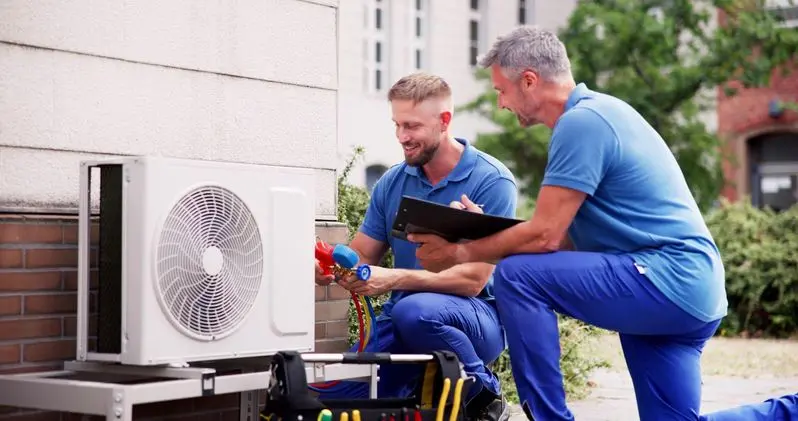
HVAC professionals from Christianson Air Conditioning & Plumbing

To ensure the longevity of your HVAC systems and maintain optimal indoor air quality, it’s essential to adopt a few preventive measures. First, regular maintenance checks by a qualified HVAC technician are indispensable. These professionals can identify and address potential issues before they develop into problematic odors.

Additionally, changing your air filters every few months is a key step in preventing dust and mold accumulation, helping to avoid musty smells that can affect your comfort. It’s also important to clean the drain pans and lines of your air conditioners regularly, as this prevents water stagnation and eliminates related odors.

Last, keeping a close eye on indoor humidity levels is crucial for preventing mold growth and ensuring your home’s air remains healthy and fresh.

Understanding HVAC odors is crucial for maintaining a healthy, comfortable, and safe home environment. Regular maintenance and prompt attention to unusual odors can keep your HVAC system running smoothly and ensure your indoor air is fresh and clean.

Get Expert Help with Your HVAC Concerns

Are you experiencing strange odors from your HVAC system? Don’t wait for the problem to escalate. Contact Christianson Air Conditioning & Plumbing for professional assistance. Our experienced team is ready to provide swift and reliable solutions for all your HVAC needs, ensuring your home remains a safe and comfortable haven.

Call us or look through our website for expert service that brings peace of mind. Let us help you breathe easier in your own home.