10 Common Water Heater Problems

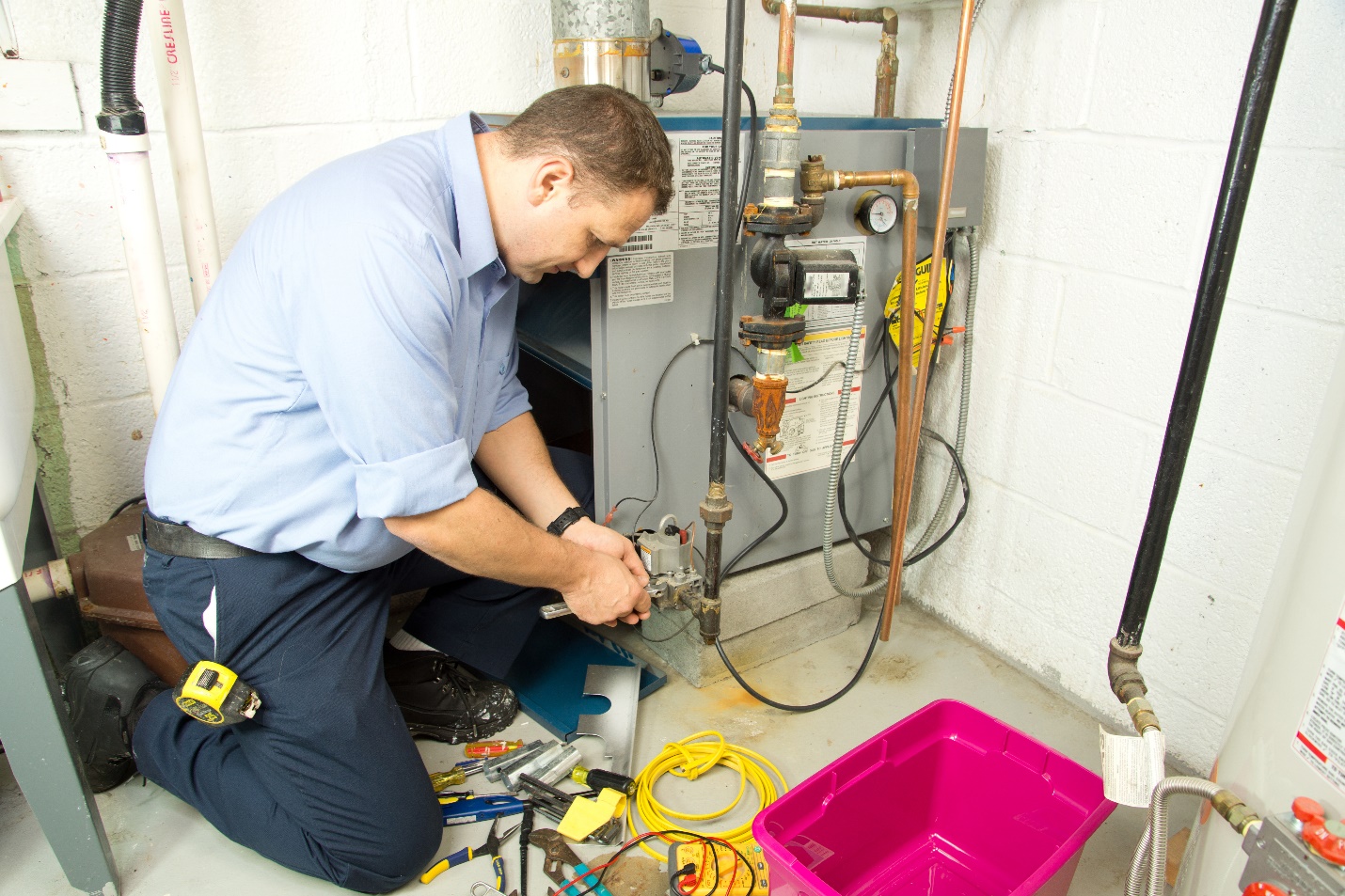
modern home gas fired boiler

We rely on our hot water heaters to heat the water we need for bathing, doing laundry, and washing dishes. We often take our water heaters for granted because we rely on it daily. Just like the other appliances in our homes, problems with water heaters can occur.

Whether your home has an electric or gas tank-type water heater or an electric or gas tankless water heater, it is essential to understand what can go wrong and things you could check before calling your plumber.

#1. No Hot Water

When there is no hot water, the water heater is not working because the heating elements are not turning on. Things to check include:

  • Verifying the electric switch next to your water heater is turned on
  • Checking your breaker box to see if the breaker needs to be reset
  • Removing the access panel on electric tank-type heaters and pressing the reset button
  • On gas water heaters, confirming the pilot light is lit
  • On electric tankless water heaters, checking the sub-breakers in the water heater to see if they need to be reset
  • Checking the thermostat setting to verify it did not get turned down

#2. Hot Water Runs Out Quickly

If you are constantly running out of hot water, your water heater may be too small for your home. Before you replace our water heater, check to see that the thermostat is set correctly. If it gets turned down, you could run out of hot water faster. The thermostat could also be defective where it is not running correctly.

#3. Water Temperature Is Too Hot

If the water is too hot, chances are the thermostat got turned up and is set too high. The thermostat on your water heater should be set between 120 degrees and 140 degrees Fahrenheit. Check to make sure it is set correctly.

If it is, there could be a problem with the heating elements overheating the water. To be safe, shut off the breaker to your water heater and contact your plumber for water heater service.

#4. Water Not Hot Enough

When the water temperature is not hot enough, this could indicate a few different problems, such as:

  • The heating elements are starting to fail.
  • The thermostat is defective.
  • The thermostat is set too low.
  • There is excessive sediment buildup inside of your gas or electric water heater.

#5. Discolored Water
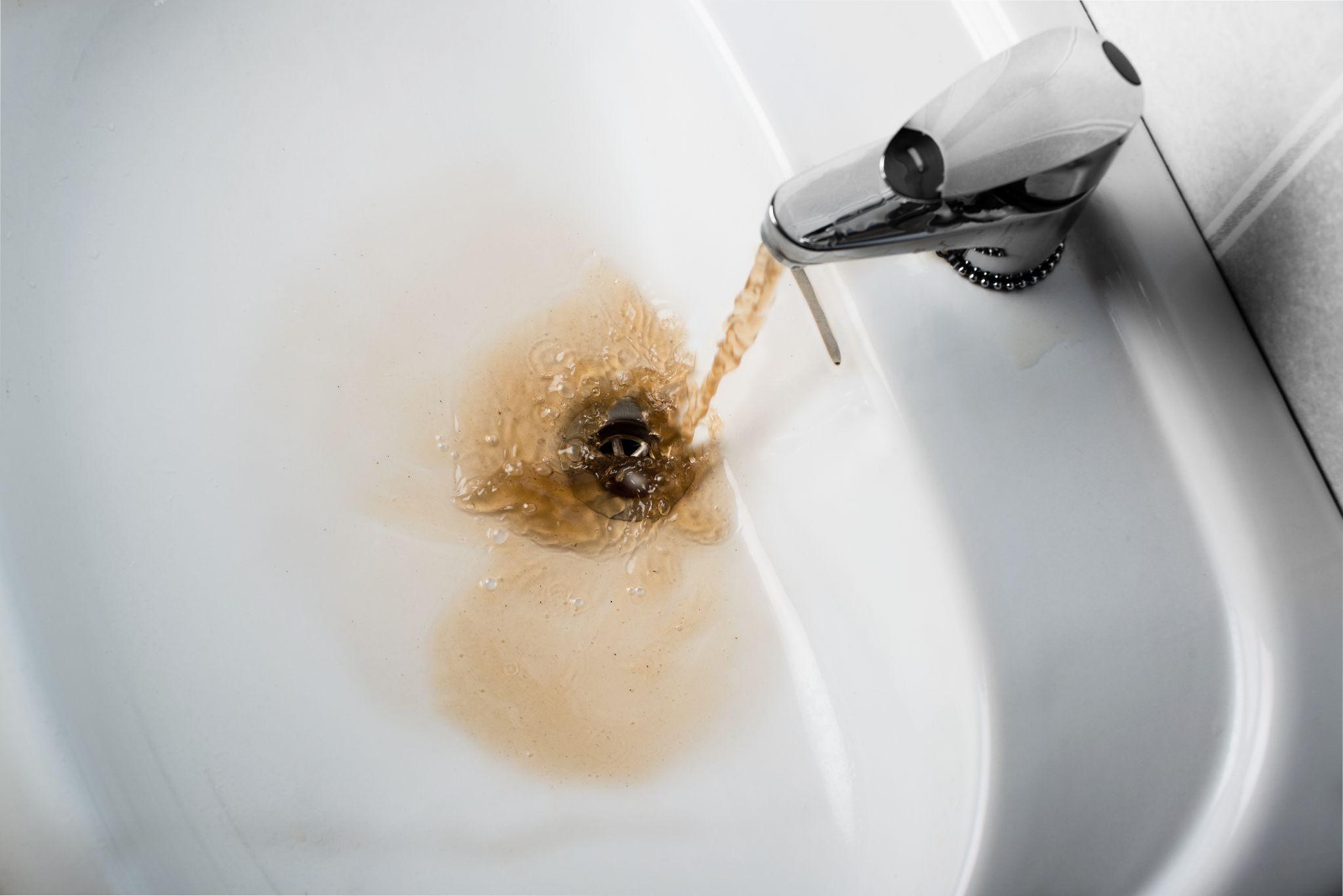
Dirty brown water running into a white sink.

Discolored water that is red, brown, or yellowish means there is corrosion either in the water heater or your home’s plumbing lines. A quick test you can do is turn on the cold water and see if it is discolored too.

If the cold water is also discolored, you could have an older home with steel or iron pipes that are rusting. If it is not, the problem is with the hot water supply, which could indicate corrosion inside your water heater or corrosion inside the hot water supply lines.

#6. Odd Smelly Water

If you notice the hot water has a funky rotten eggs smell, it could indicate bacteria inside your water heater. For tank-type heaters, replacing the anode rod may be necessary. Additionally, rotten eggs smells could also indicate a gas leak if you have a gas water heater.

#7. Noisy Water Heater

If you hear snapping, popping, or cracking coming from your water heater, this indicates there is excessive sediment buildup inside the heater. You will want to call a professional plumber to have your tank flushed and cleaned.

If you have a tank-type heater and hear the water boiling inside the tank, shut off the tank immediately. The boiling water will create excess water pressure and could cause the tank to explode if there is something wrong with the pressure relief valve. You should not use the water heater until you can have it serviced by your plumber.

#8. Pilot Light Won’t Light

If the pilot light on your gas water heater will not light, check to see that the gas is turned on. If it is, you could have an obstruction in the gas supply line, or the gas valve could be stuck shut. The thermocouple on the unit could also be defective and need to be replaced.

#9. Pilot Light Won’t Stay Lit

When the pilot light does not stay lit, it means there is not sufficient gas coming through the gas line to keep it lit. This could indicate a faulty gas valve or defective thermocouple.

Another problem could be that you are not keeping the valve pressed down long enough when you light the pilot. Usually, you have to keep it depressed for about a minute before you turn it to its standby setting.

#10. Water Leaking

There can be several causes for water leaking out of the water heater, such as:

  • The plumbing pipes are not connected securely to the water heater.
  • The plumbing fittings have come loose.
  • The gasket seals inside the water heater need to be replaced.
  • The water heater is heavily corroded and has rusted through to the outside of the tank.
  • The pressure relief valve is stuck in the open position.

When to Call a Professional
Technician servicing an hot-water heater

As you can see, your water heater could stop working for various reasons. Sometimes you can check the heater and resolve the issue on your own, as when the thermostat got turned up or turned down. Other times, it is better to call a professional plumber for assistance, in cases where the heater is leaking, the pilot won’t light or stay lit, or the tank needs to be flushed.

For water heater repairs and replacement services in Temple, New Braunfels, San Antonio, and the Austin Metro area, please feel free to contact Christianson Air Conditioning & Plumbing at 521-246-5400 today!
Gas Water Heaters 101

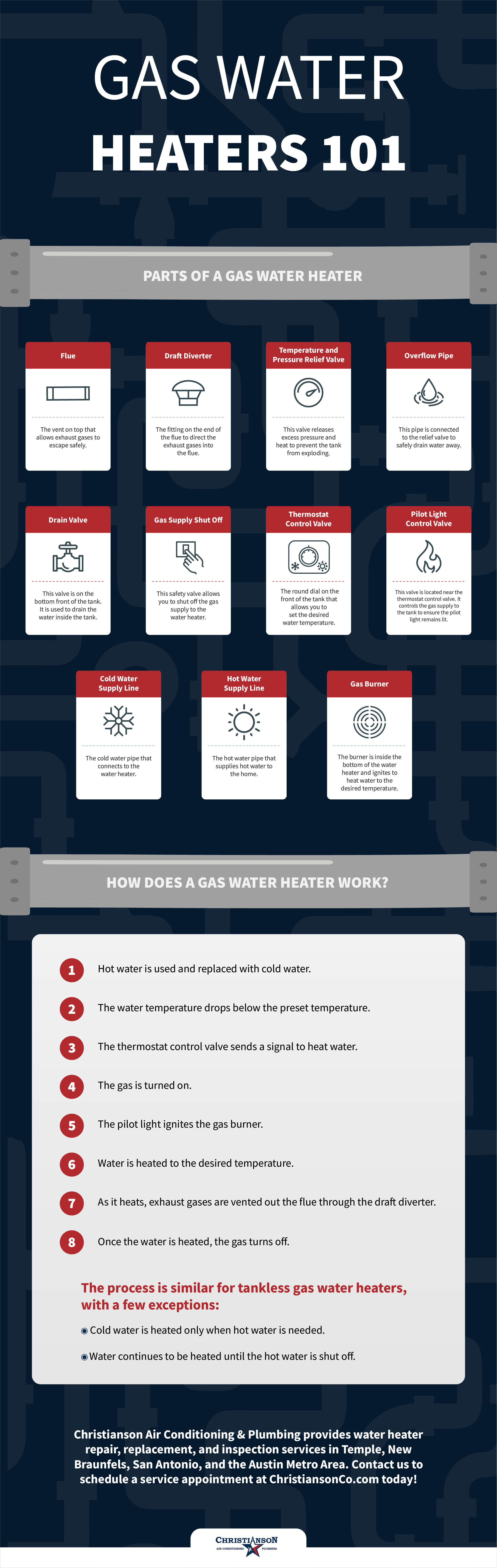
Gas water heaters help make hot water for showers, doing dishes, and washing clothes. Every homeowner should know several essential parts of a gas water heater to understand what they do. It is equally important to understand the basics of how a gas water heater makes hot water for your home.

The most common parts of a gas water heater are on the outside and include:

  • Flue
  • Draft Diverter
  • Temperature and Pressure Relief Valve
  • Overflow Pipe
  • Gas Supply Shut Off
  • Thermostat Control Valve
  • Pilot Light Control Valve
  • Cold Water Supply Line
  • Hot Water Supply Line
  • Gas Burner

Whether you have a tank-type gas water heater or a tankless gas water heater, you will find these common parts. There are parts inside, too, but they are ones your plumber needs to know about when performing water heater repair service.

To learn more about what each of the common parts of a gas water heater does, we invite you to continue reviewing the following infographic.

If you need water heater repair, replacement, or inspection services in Temple, New Braunfels, San Antonio, and the Austin Metro Area, please feel free to contact Christianson Air Conditioning & Plumbing at 512-246-5400 today!

Gas Water Heaters 101 Infographic

Click below to embed this infographic into your website:

How Long Do HVAC Systems Last?

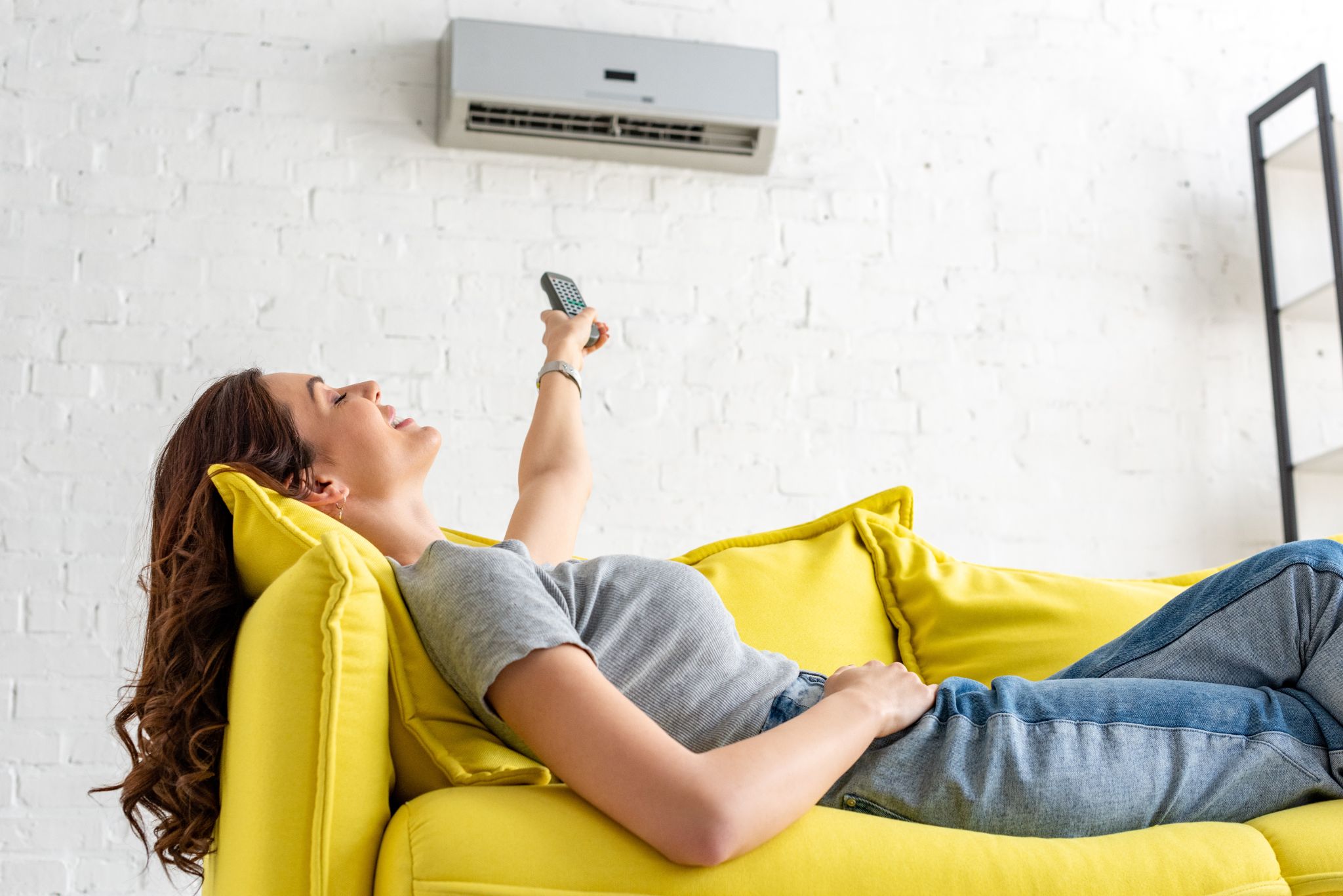
young woman relaxing under air conditioner and holding remote control

HVAC systems can consist of different configurations—packaged systems, split systems, heat pumps, and window units. The average lifespan for most systems is between 15 to 20 years.

This is not to say that a system could fail before 15 years or that you could have a system that lasts more than 20 years. Some people have older oil furnaces and boilers that are 40 years old or older that still work perfectly fine to heat their homes.

HVAC System Lifespan Factors

It is essential that you understand the different factors that affect the lifespan of heating and cooling systems, including:

  1. Climate Change – The climate has changed over the past 30 years or so. We have hotter summers and colder winters. With these changes, it means your HVAC system is running more often to keep your home cold in summer and warm in winter.
  2. How Often the System Is Used – Some people are lucky enough to not need heating or cooling other than a few months each year. Of course, this means their air conditioners and furnaces are going to last longer. For the rest of us that rely on our air conditioners and furnaces almost year-round, our systems will have a shorter lifespan.
  3. How Energy-Efficient Your Home Is – If your home is not well insulated or you have windows without thermal resistance, your HVAC system will run more frequently to maintain your preferred indoor temperature. If you have a well-insulated home and thermal-resistant windows, your HVAC system does not have to run as often, so it will last longer.
  4. How Often HVAC Maintenance Is Performed – Systems that receive regular maintenance, tune-ups, and repairs tend to last longer than systems that are not given proper maintenance.
  5. Where You Live – The location of your home will affect the lifespan of your heating and cooling system. People that live in coastal areas have to deal with the corrosive effects of saltwater that causes their air conditioners to rust and wear out faster compared to someone living farther inland.

How to Extend the Life of Your HVAC System

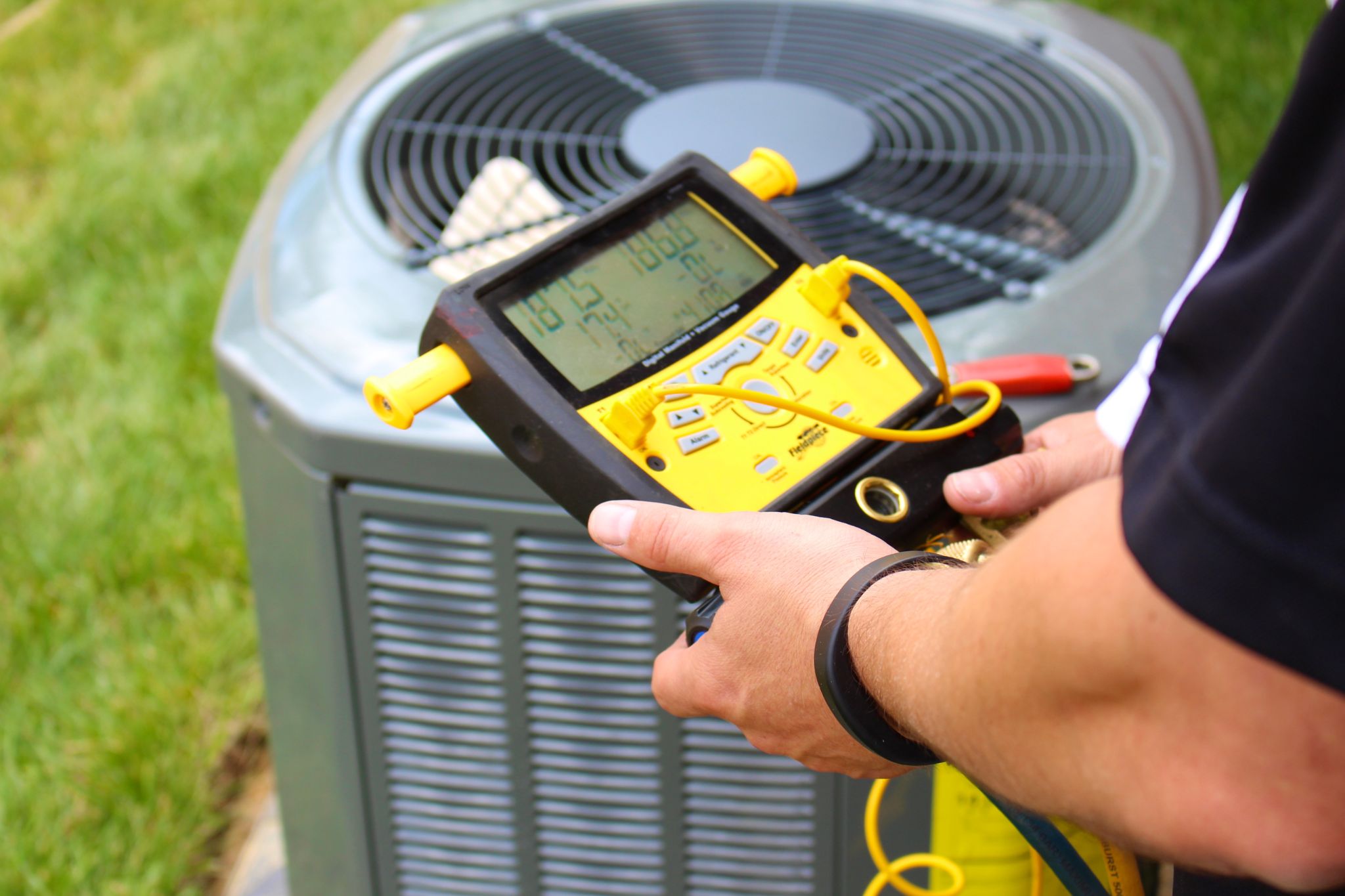
Hvac technician inspecting an air conditioner

Whether you recently had a new HVAC system installed or have an older heating and cooling system, there are several things you can do to extend the life of your HVAC system.

  • Schedule Regular Maintenance – Have an HVAC professional service your system twice a year—once in the spring and once in the fall. These intervals ensure your air conditioning is ready for summer cooling and your furnace is ready for winter heating.
  • Replace Worn Out Parts and Components – Normal wear and tear occur as your HVAC system ages. By sticking to a proper maintenance schedule, your service technician notices when parts and components need to be replaced. Replacing them before they fail not only avoids emergency repairs but also extends the system’s life.
  • Replace Your Air Filter Frequently – The air filter should be changed every 30 to 90 days. It is a good idea to inspect the air filter If it looks dirty, replace it, even if the manufacturer says the filter should last longer. Clogged and dirty filters strain your HVAC system and shorten its lifespan.
  • Make Your Home More Energy-Efficient – There are different home improvements you can make like adding more insulation and upgrading to thermal-resistant windows to improve the energy efficiency of your home. These improvements not only will lower your energy bills but extend the life of your HVAC system.
  • Utilize Landscaping Features – Trees and shrubs should be used to help shade windows that receive a lot of direct sunlight. You should keep trees, shrubs, and other plants at least five feet away from the outdoor AC unit. It also helps to trim back trees that overhang the home and AC unit.
  • Have a Smart Thermostat Installed – Have your HVAC professional install a smart thermostat. Smart thermostats are designed to help learn your heating and cooling habits. They can also be programmed to automatically adjust the thermostat when you are away from home and turn it back down when you are at home to save energy since your system doesn’t run as often.
  • Have Your AC Unit Cleaned Annually – Dust, dirt, and other debris can get into the heat exchanger coils (cooling coils) and vents on the outdoor unit. Having it cleaned by your AC technician every year before you start using your air conditioner will help extend its life.
  • Turn on Your Ceiling Fans – If your home has ceiling fans, use them regularly to help circulate heated air or cooled air in your home. Remember to adjust the settings seasonally so the blades rotate in the right direction.

When to Replace Your Heating and Cooling System

There are several things to consider when your heating and cooling system is older, to decide when is the best time to replace it.

  • How has the system been performing? Is your system able to keep your home cooled and heated easily? If you notice the system is struggling to keep up, it could be that it is wearing out and needs to be replaced.
  • How much are your energy bills? If you notice your energy bills are increasing, this is common when an HVAC system is nearing the end of its useful life.
  • How often are you having to get the system repaired? As the system ages, you will start to notice that parts and components wear out and need to be replaced. If your system is breaking down frequently or the list of replacement parts and components is increasing at each service interval, it might be a better idea to invest in a new system.
  • Are the repair costs adding up to at least 50% of the cost of a new system? If your repair costs are creeping up and are running at around 50% of the cost of a new system, in the long run it would be better to have your HVAC professional install a new HVAC system.

As you can see, “How long do HVAC systems last?” depends on various factors and things you can do to help extend the life of your heating and cooling system, such as regular maintenance.

If you are not sure whether your HVAC system needs to be serviced or replaced, the best place to start is with an inspection performed by one of our experienced HVAC professionals. After the inspection, your technician will make recommendations based on what your system requires, provide you with a free quote, and advise you when replacement might be the better option.

To schedule an inspection of your HVAC system in New Braunfels, Temple, San Antonio, or the Austin Metro Area, please feel free to call Christianson Air Conditioning & Plumbing at 512-246-5400 today!

How Long Can I Expect My Hot Water Heater to Last?

Just like other appliances in your home, your hot water heater will eventually wear out and need to be replaced with a new water heater. In general, water heaters will typically last around ten years to fifteen years.

Factors That Affect How Long Hot Water Heaters Last

Not all water heater models will last this long. “How long do hot water heaters last” is a question affected by several different factors, including:

Where is the water heater located?

Water heaters that are in the garage or crawl space will work harder to produce hot water. Since they have to work harder, it can shorten the lifespan of the water heater. Ideally, you want the water heater installed in a controlled environment.

What is the quality of your water?

If you have hard water, this will definitely shorten the lifespan of your water heater. Hard water will leave calcium and mineral deposits on the heating elements inside the water heater. Eventually, the buildup becomes so bad, the water heater cannot efficiently make hot water.

What type of water heater do you have in your home?

A tank-style water heater typically has a shorter lifespan compared to a tankless model. Traditional tank-based heaters deteriorate faster from having to store and maintain pre-heated water at the desired temperature. With tankless water heaters, hot water is created on demand so there is not much as a strain on the heater. Some tankless models have lasted as long as 20 years or more!

How does the water heater make hot water?

Electric water heaters tend to not last as long as gas water heaters. This is because natural gas is more efficient at heating water. With electric heaters, there are heating elements and other components that are required to heat the water. These parts and components tend to wear out much faster, becoming corroded or calcified.

Do you have water heater maintenance performed regularly?

Water heaters do require regular maintenance to maintain efficient operation. Ideally, you want to have your water heater serviced annually. Additionally, regular maintenance may be required as part of your warranty coverage.

How to Make Your Water Heater Last as Long as Possible

There are a few simple things you can do to help extend the life of your water heater, as follows:

  • Have your plumber perform annual maintenance on your water heater. Annual maintenance can help identify potential problems and resolve them before they become major repairs.
  • Have a water softener and filtration system installed if you have hard water. Soft water won’t leave deposits and buildup inside the water heater.
  • Insulate your tank-style water heater so it doesn’t have to work as hard. Have your plumber install insulation around the water heater to reduce heat loss.

Signs It Is Time to Replace Your Water Heater

As your water heater is nearing the end of its life, it will start to exhibit certain signs to give you fair warning it is time to start thinking about getting a new water heater. Some of the more common ones include:

  • The water heater keeps running out of hot water.
  • The water heater cannot keep up with your home’s hot water demands.
  • There is sediment buildup inside the water heater.
  • The bottom of the tank is rusting or leaking.
  • You are taking more cold showers than hot showers.
  • You hear popping, snapping, and cracking sounds coming from the water heater.
  • You notice rust is coming out of your faucets when using hot water.
  • You notice warm water, not hot water, coming out your faucets that quickly turns to cold water.

There are also a few replacement situations you need to be aware of that are potentially dangerous and hazardous:

  • If you hear the water inside the tank boiling, you need to shut off the power and gas, if applicable, to the heater and call your plumber immediately.
  • If you notice the pilot light will not stay lit, or you hear small exploding noises when your gas water heater turns on, shut off the gas and power to the water heater and call your plumber.

What Water Heater Replacement Options Are Available?

Water heater replacement options include tank-style water heaters and tankless water heaters. Both are available in electric and gas models. Tankless models tend to be more energy-efficient and environmentally friendly since the heater only makes hot water when you need it.

Deciding what replacement option is best for your home does depend on your hot water needs and the volume of hot water you use daily. For further assistance and help choosing the best water heater replacement for your home, or water heater repairs and maintenance, please feel free to contact Christianson Air Conditioning & Plumbing at 512-246-5400 today!

We can also take care of all your other plumbing, heating, and cooling needs in San Antonio, Temple, New Braunfels, and the Austin Metro area.

How Does a Water Softener Work?

A water softener removes dissolved minerals that make water “hard.” It replaces these minerals with sodium, which makes water “soft.”

Calcium and magnesium are two of the most common and troublesome hard water minerals. They aren’t harmful to consume. But they can wreak havoc on your appliances, plumbing fixtures, and even your skin and hair. If you find crusty deposits in your bathtub or water spots on your dishes or coffee pot, odds are you’re one of the 85% of households in the U.S. with hard water, according to the U.S. Geological Survey.

Components of a Water Softener System

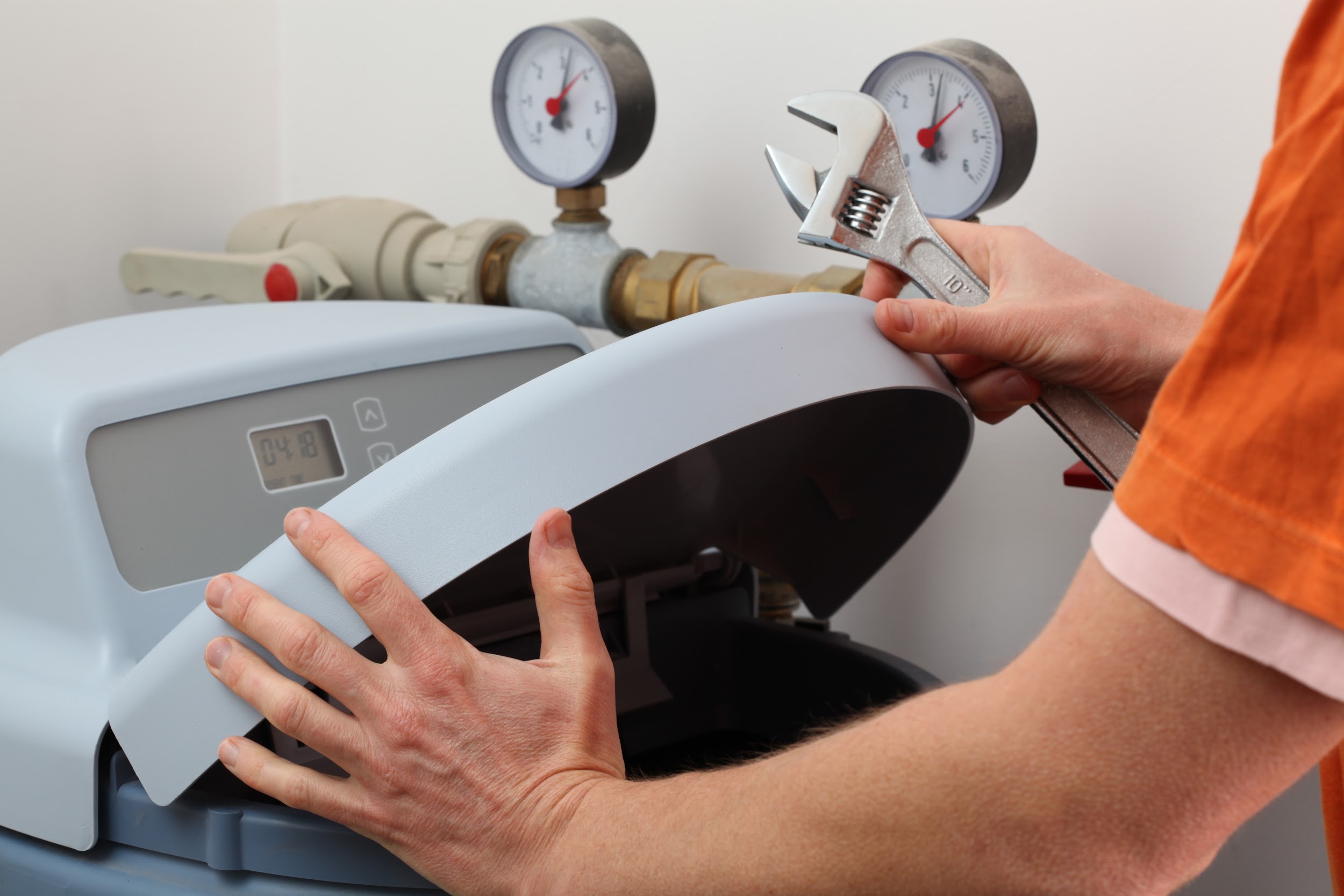
 plumber with a wrench

Water softeners remove problem-causing minerals through a process called ion exchange. The typical salt-based water softening system contains three main components: a softener tank, a brine tank, and a control valve.

Water enters the softener tank and moves through resin beads that are charged with sodium ions. The positively charged minerals in the water cling to the negatively charged sodium ions in the resin beads, like a magnet. The minerals are swapped out with small amounts of sodium, making the water soft.

The brine tank regenerates the system. It contains a concentrated salt solution, which is flushed through the softener tank. This serves two purposes. First, it washes away the hard-mineral deposits from the resin beads. Second, it recharges the resin beads with sodium ions. Regeneration cycles typically happen at night and allow the system to continue providing soft water.

The control valve gauges how much water passes through the softener tank. It automatically triggers regeneration cycles, as needed, to keep the system functioning optimally. The built-in computer on the valve can be programmed with information about your household—things like the size of your home and the hardness level of your water.

How do I know if I have hard water?

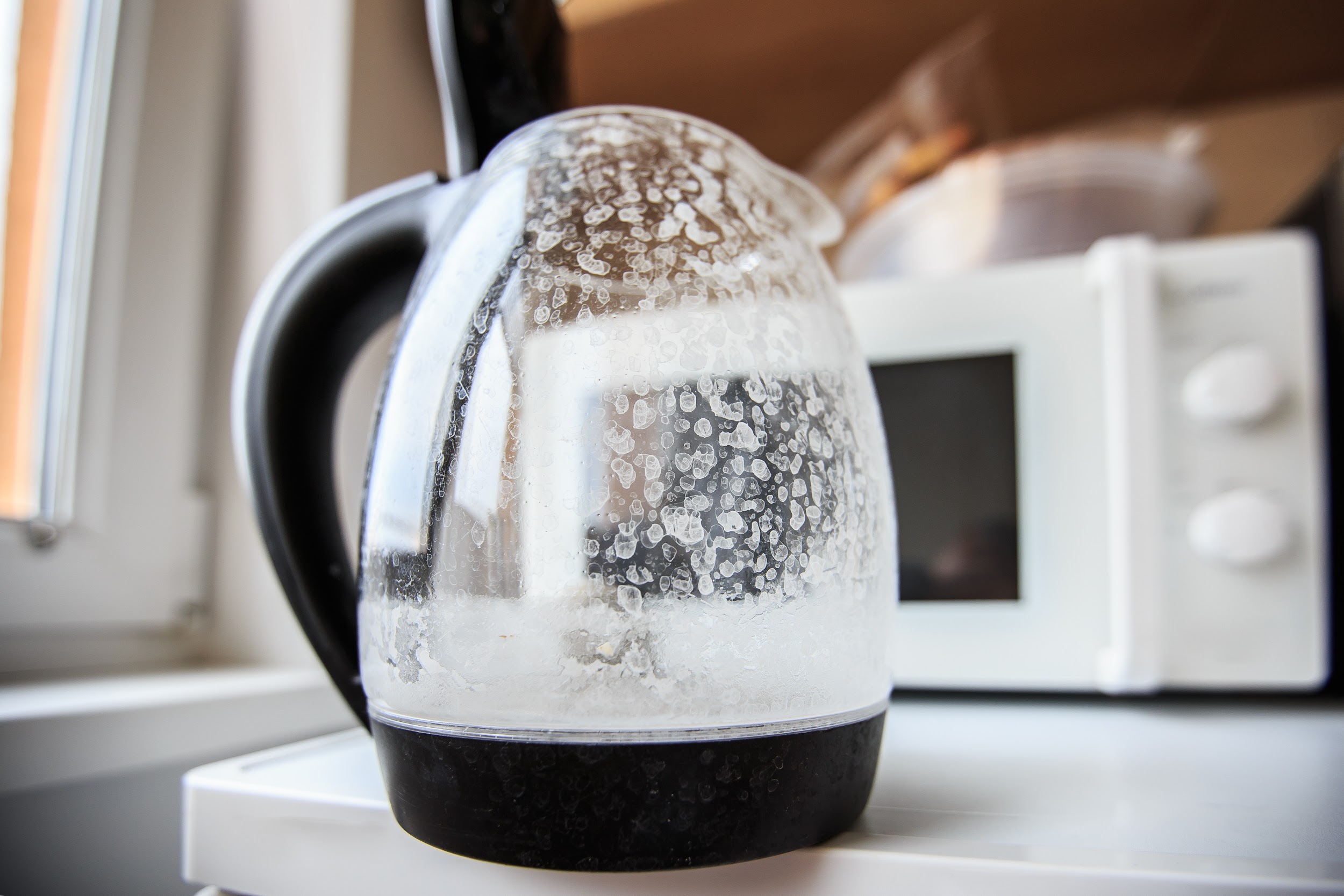
hard water in the cattle

Hard water causes the familiar spots on dishes and the scummy film that coats sinks, tubs, and shower curtains. Over time, it causes scale deposits in plumbing lines, which can reduce your home’s water pressure and damage your plumbing system.

Hard water also shortens the lifespan of appliances, like dishwashers and coffee makers. If you’ve ever noticed a popping sound from your hot water heater, it’s likely due to scale build-up on the unit’s heating element.

Bathing with hard water causes itchy skin and dry hair and makes it hard to get a good lather.

All of these are signs you have hard water. To know for sure, consider hiring a professional plumber to perform a water quality inspection. In addition to testing hardness, a professional inspection can reveal whether your water contains harmful substances like lead, nitrates, and radon.

What are the benefits of soft water?

We’ve covered some of the problems associated with hard water, from reduced water pressure to scale build-up. Let’s look at the benefits of installing a water softener.

Increased longevity of appliances

Scale build-up from hard water is incredibly damaging to appliances. Investing in a water softener can extend the life of your appliances by many months or years.

Easier cleaning

Scale build-up and hard water stains make cleaning more difficult and time consuming. A water softener will reduce or even eliminate scale deposits.

Better performance of soaps and detergents

Soft water makes soaps and detergents work more efficiently. In fact, sudsy products should be used more judiciously with a water softener, as a little goes a long way. This also means you’ll save money on cleaning products.

Softer skin and hair

Hard water dries out skin, hair, and nails. You’ll likely notice a difference immediately after installing a water softener system.

Reliability and low maintenance

Modern water softeners are efficient and easy to maintain. Other than adding salt pellets to the brine tank periodically (and the recommended annual service check), these self-contained systems tend to be exceptionally reliable, requiring little work for homeowners.

Ready to Install a Water Softener System?

A water softener should be installed by a licensed plumber or contractor, especially if your home is on well water. The experts at Christianson Air Conditioning and Plumbing will recommend the optimal system for your home, based on the hardness level of your water and your needs. Our full-service plumbing and air conditioning company has been faithfully serving customers in the Greater Austin-San Antonio region for 70 years. Learn more about our company and contact us to schedule an appointment.

5 Signs Your Heater Is Not Working Properly

This time of year, you rely on your furnace or heater more and more for indoor comfort. With that warmth comes the risk of a breakdown if you don’t act on signs of trouble. Most heater problems can be spotted early. Here are signs you should contact a heating repair professional before you’re left shivering on a cold winter’s day.

1. Something Doesn’t Sound Right

A furnace making noise isn’t always a reason to panic, but if you suddenly hear rattling, banging, squeaking, clicking, popping, or hissing sounds, the best thing is to call a technician. If a furnace suddenly stops making sounds and is silent, that’s also a reason for it to be serviced. Heater noise may originate from a faulty blower fan, a loose belt, or even a gas leak.

2. Odd Smells

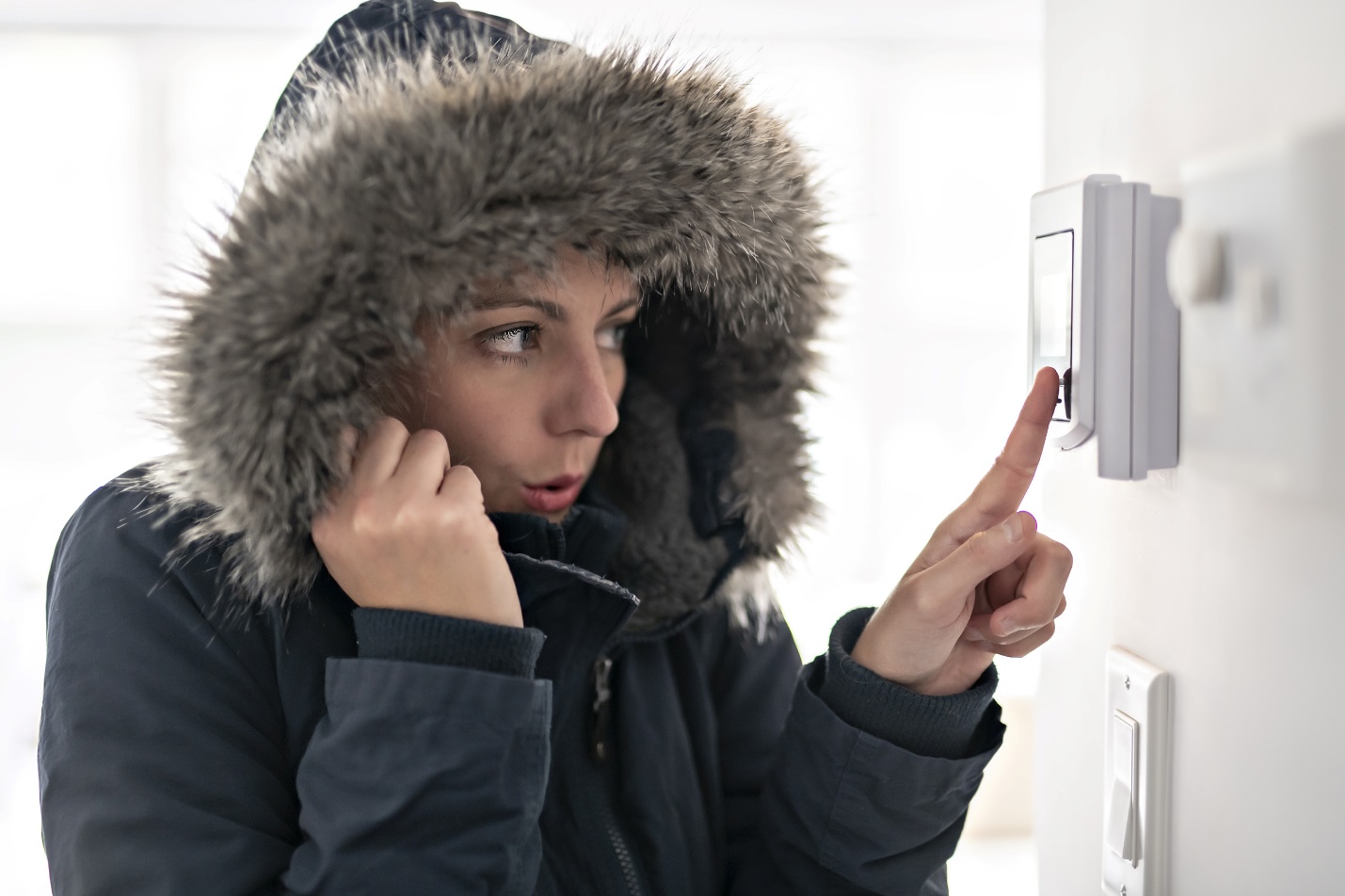
Woman With Warm Clothing Feeling The Cold Inside House

If you smell a musty odor when your heater is running, there may be dust inside the ducts. The odor tends to dissipate over time—call a professional if it lasts more than a few hours. If your heater smells like it’s burning, there may be a mechanical malfunction or plastic or rubber components burning in the system.

3. Your Home Isn’t Hot Everywhere

Some parts of your home may be cold while other areas are warm and cozy. Try looking at whether every vent is open. If it’s not your vents, then something may be wrong with the appliance. In extreme cases, you may notice ice forming. Also, be on the lookout for areas that are too hot; your furnace may be inefficient and wasting energy.

4. Your Energy Bill Has Spiked

While abnormally low temperatures and other factors may cause utility bills to rise, a struggling heater will burn more energy to get the same job done—thus, there’ll be a noticeable increase in your energy bill. If the number goes up in moderate temperatures or compared to last year at the same time, check the filter or have a professional troubleshoot any potential issues.

5. The Pilot Light Is a Color Other Than Blue

Plumber fixing gas furnace

The pilot light in a gas furnace should always be bright blue. A yellow or orange pilot light flame means the gas isn’t burning properly and carbon monoxide may be present. If so, there may be soot streaks on the heater, signs of moisture on exterior windows and walls, water pooling below the chimney or flue pipe, or rust on the vent pipe. Also, know the signs of CO poisoning, such as headaches, nausea, dizziness, flu-like symptoms, and hallucinations.

Call Christianson Air Conditioning and Plumbing

These are just a few common problems with heating systems. If not addressed, they can lead to heater breakdowns and even indoor air quality and health issues. Customers in Austin and San Antonio rely on us for high-quality heating repair, no matter what kind of issue is occurring. To schedule heating system repair, we can be reached 24/7 by calling our local offices:

  • Austin: 512-246-5400
  • San Antonio: 210-651-1212
  • Temple: 254-773-7175
  • New Braunfels: 830-627-2211