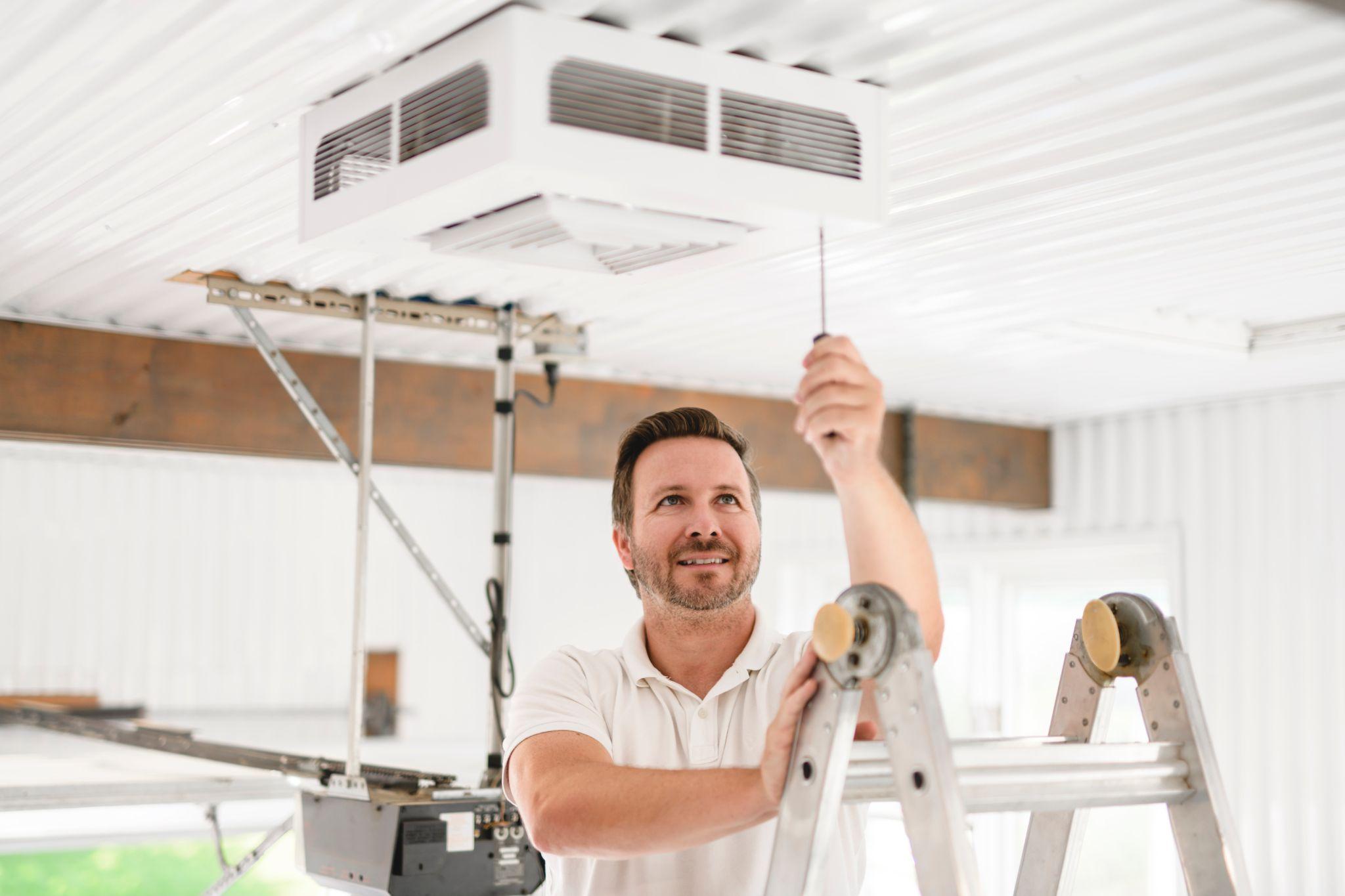
The Ultimate Guide to Garage Heaters

Garage heaters

Garage heaters

Garages serve many purposes—storage, workspaces, laundry areas, or even home gyms. But during cold mornings or cold fronts in Central Texas, they can become unusable without proper heating. A quality garage heater helps you maintain comfort, preserve equipment, and reduce heat loss from your home.

At Christianson Air Conditioning & Plumbing, we offer professional recommendations and installation of garage heaters that meet safety standards and deliver reliable performance.

Key Takeaways

  • Heating your garage improves comfort and protects tools, appliances, and stored items.
  • The best garage heaters include electric, natural gas, propane, and infrared options.
  • Professional installation ensures safety, ventilation, and code compliance.
  • Insulation upgrades increase heating effectiveness and reduce operating costs.
  • Christianson Air Conditioning & Plumbing delivers customized solutions with trusted results.

Common Garage Heater Options
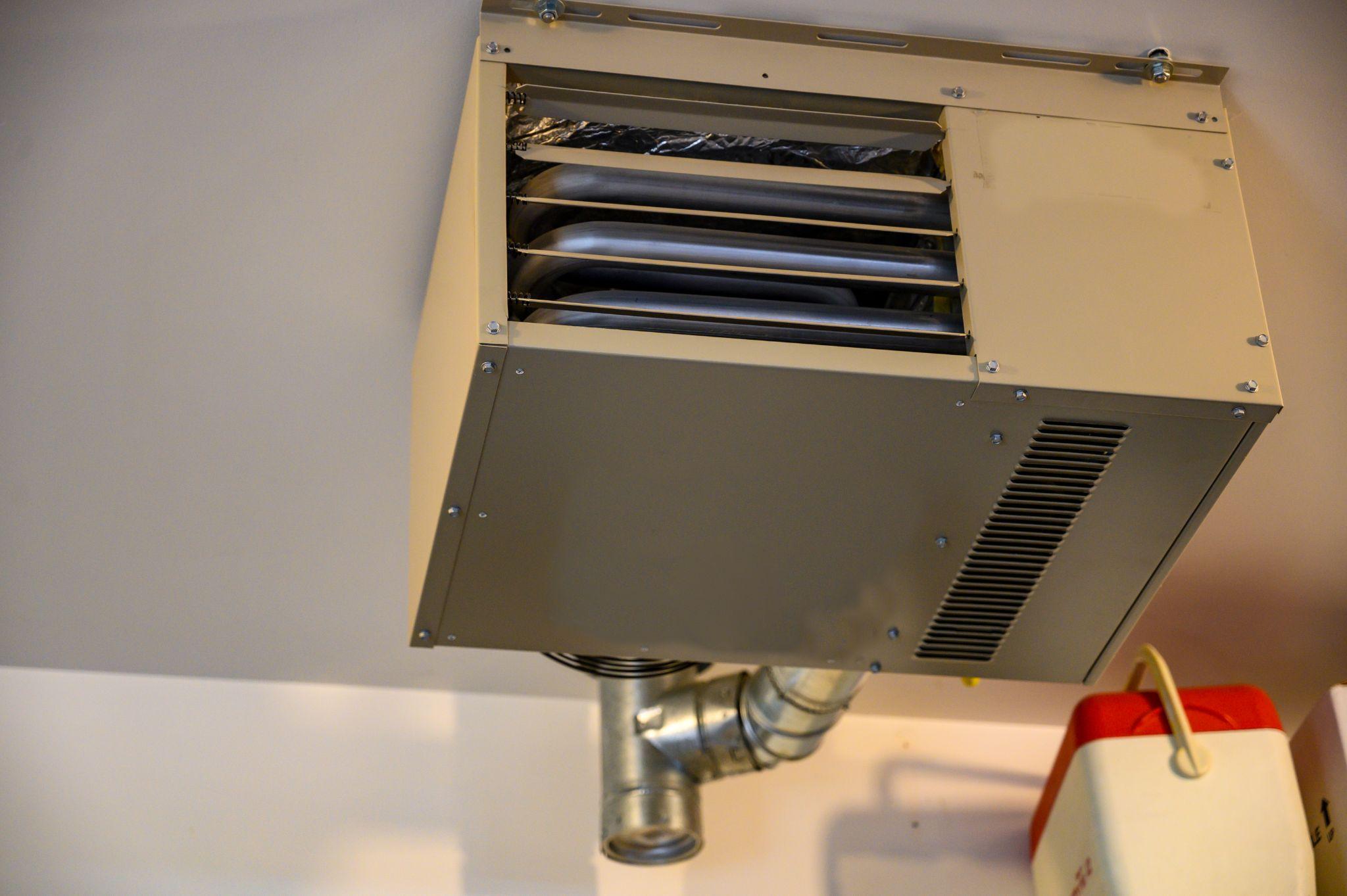
Best garage heaters

Choosing from the best garage heaters depends on how your garage is used, available fuel sources, and desired heat output.

Electric Garage Heater (240v)

A 240v electric garage heater is one of the most accessible and maintenance-free options. It works best for attached garages and occasional use. These units are typically mounted to the wall or ceiling and provide steady warmth without the need for fuel storage.

Pros

  • Clean and quiet operation
  • Easy to install
  • No ventilation required

Cons

  • Higher electric usage in large spaces
  • Slower heat-up time in poorly insulated areas

Natural Gas Garage Heater

A natural gas garage heater is a high-output solution ideal for daily use, quickly heating larger areas. It requires a gas line and appropriate venting, which must be installed by licensed professionals.

Pros

  • Fast, consistent heat
  • Low operating cost per BTU
  • Ideal for frequent use

Cons

  • Requires gas connection and ventilation
  • Must be properly vented to meet safety and building codes

Propane Garage Heater

A propane garage heater gives flexibility in areas without gas lines, like detached garages or rural properties. These heaters are available in portable or fixed models, depending on the setup.

Pros

  • High heat output
  • Useful for unconnected garages
  • Fuel can be stored onsite

Cons

  • Requires refueling and proper tank storage
  • Ventilation may be needed depending on unit type

Infrared (Radiant) Heaters

Infrared heaters warm surfaces rather than the air. They are best for spot heating or partial garage use. This makes them useful for workshops or stations within a larger space.

Pros

  • Efficient for targeted heating
  • No blower or moving parts
  • Quick response time

Cons

  • Limited to heating objects in direct line of sight
  • Less effective in very open or drafty garages

What to Expect During Garage Heater Installation
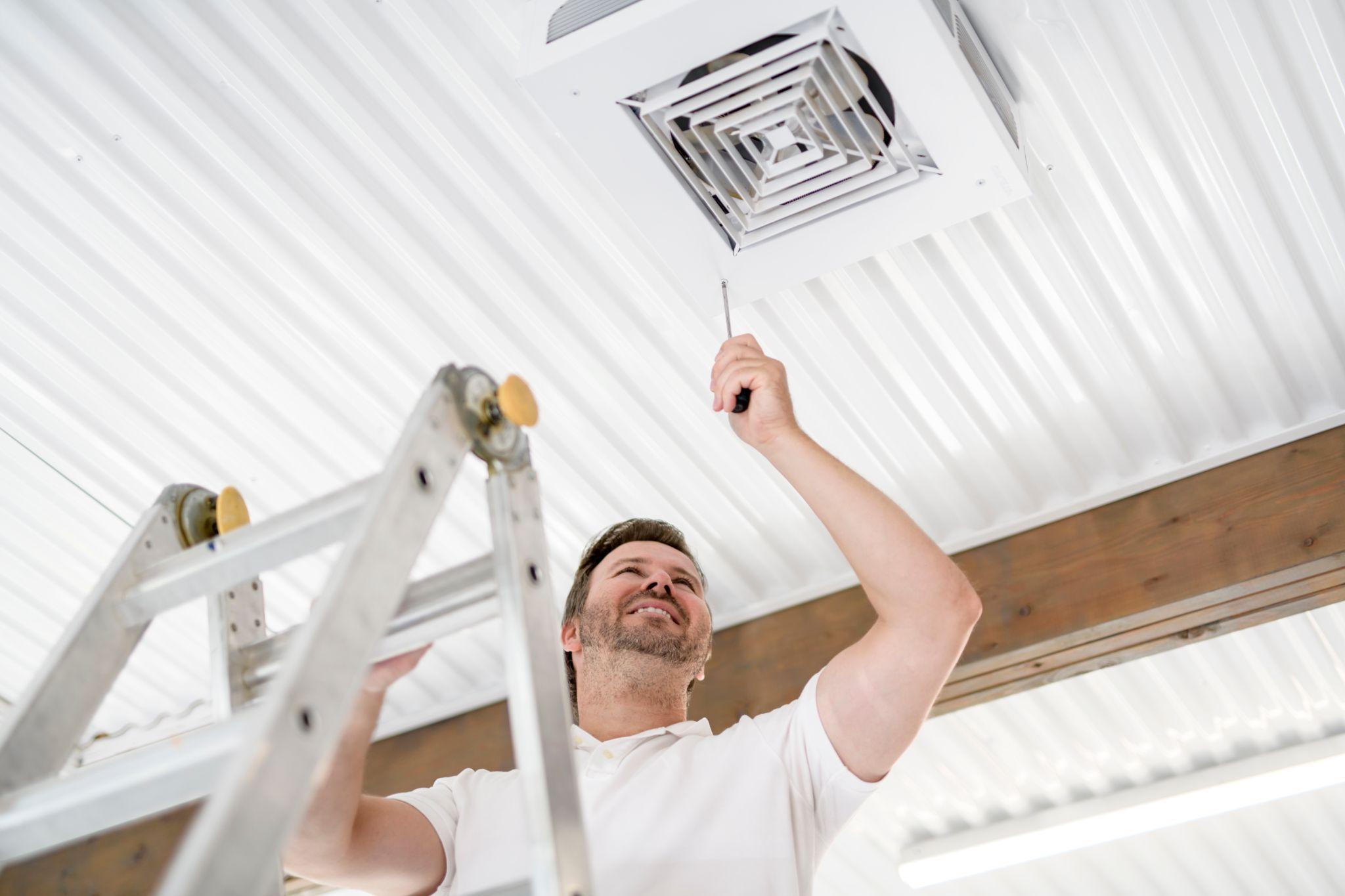
Garage heater installation

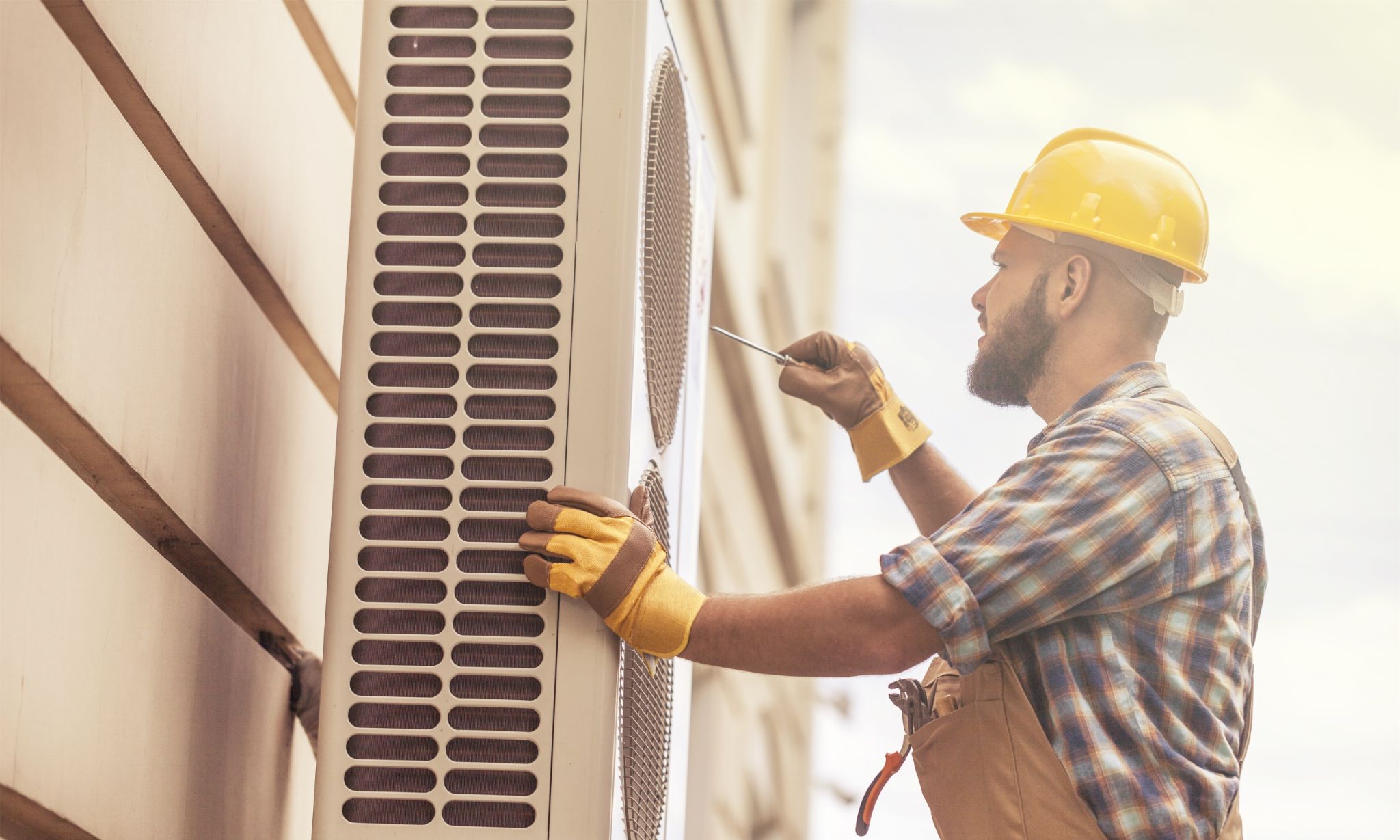
At Christianson Air Conditioning & Plumbing, every garage heater installation follows a process that protects your property and ensures lasting performance.

  • Evaluation: We inspect garage insulation, fuel availability, square footage, and usage patterns. We also walk you through the gas vs electric heater for garage decision to ensure the chosen system matches your needs, budget, and infrastructure.
  • Heater Selection: We help you select from the best garage heaters—gas, electric, propane, or radiant—based on your specific needs.
  • Code-Compliant Installation: Our licensed technicians perform all venting, mounting, electrical, and gas connections using approved materials and local code standards.
  • Safety and Testing: Once installed, we test the unit, confirm safety controls are working, and explain how to operate and maintain the system.

Insulation: A Critical Step for Efficiency

Garage heating is far more effective when proper insulation is installed. Walls, ceilings, and especially garage doors should be insulated to prevent heat loss. Without it, even the best heater will struggle to keep the space warm.

Christianson Air Conditioning & Plumbing can evaluate current insulation and recommend upgrades that help your system run efficiently and cost-effectively.

Why Homeowners Trust Christianson Air Conditioning & Plumbing

For over 70 years, Christianson Air Conditioning & Plumbing has delivered high-quality service across Central Texas. Our trained professionals install safe heating for garage spaces with careful attention to detail and long-term value.

You can expect:
Safe heating for garage

  • Clear, honest recommendations
  • Licensed installation and code compliance
  • Clean work areas and respectful technicians
  • Verified performance and follow-up support

Ready to Improve Your Garage Comfort?

If your garage is too cold to use or you want to protect your tools and equipment, now is the time to install a reliable heater. Christianson Air Conditioning & Plumbing is here to help Central Texas homeowners choose the right product and install it the right way.

Call today or schedule your appointment online. We’re ready to bring warmth to your garage with excellence.

How to Repair or Replace a Water Heater to Enhance Water Heater Performance

Plumber inspecting a water heater in a home

Few things disrupt your day like running out of hot water. If you’re noticing inconsistent temperatures, longer wait times, or rising energy bills, it could be time to evaluate your water heater’s performance.

Knowing whether to repair or replace a water heater can help you save money, avoid unexpected breakdowns, and ensure your home stays comfortable year-round.

Start by Evaluating the Age of Your Water Heater

The very first thing to consider when improving hot water performance is the age of your system. Most standard water heaters have a lifespan of about 8 to 12 years. If yours is over a decade old, even with routine maintenance, you may want to consider replacing it.

Older units often:

  • Lose efficiency
  • Consume more gas or electricity
  • Take longer to heat water
  • Develop recurring issues like sediment buildup or heating element wear

In these cases, replacing the unit may be the most cost-effective long-term solution, especially if repair costs begin to add up.

Performance Tips for Newer or Mid-Life Water Heaters

Plumber repairing a water heater

If your water heater isn’t too old and appears to be in good shape, there are several ways to enhance its performance without replacing it. These methods can help you get the most out of your unit while potentially lowering energy bills.

1. Install a Water Heater Blanket

If your water heater feels warm to the touch, it’s losing heat. A water heater blanket provides an insulating layer that reduces standby heat loss, allowing the unit to work less and save energy.

2. Insulate Hot Water Pipes

Exposed hot water pipes can also lead to heat loss. Insulating them ensures water stays warmer longer as it travels through your home. Some pipes may be difficult to access, so hiring a professional plumber is often the safest route.

3. Lower the Thermostat Setting

Turning down your water heater’s thermostat by 10 degrees (usually to about 120°F) not only improves efficiency but also reduces the risk of scalding. This simple adjustment can save energy and still provide comfortably hot water.

4. Schedule Annual Flushing

Minerals and sediment naturally settle at the bottom of your tank. This buildup can hinder heating performance and cause strange noises. Having your plumber flush the tank annually will help maintain efficiency and prevent long-term damage.

If you’re unsure whether fixing a water heater is a better choice than replacing it, a professional assessment can help guide your decision based on condition and usage patterns.

High-Efficiency Replacement Options

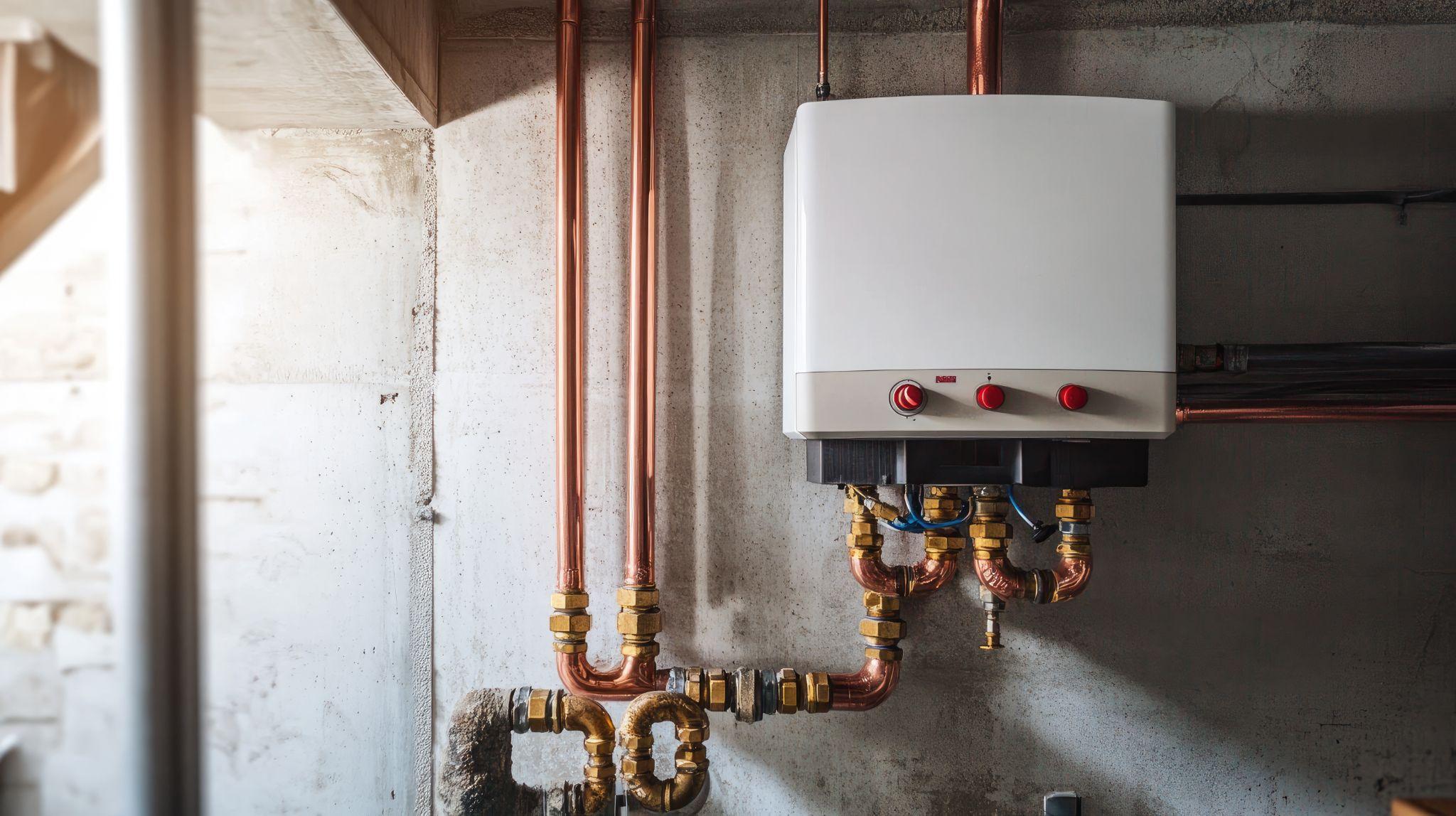
High efficiency tankless water heater

If you determine that replacement is the better route, today’s models offer a variety of energy-efficient options that cater to different home sizes and needs.

High-Efficiency Storage Water Heaters (Gas & Electric)

These models retain the traditional tank design but incorporate improved insulation, better thermostats, and higher energy ratings. Some even feature smart programming for customized heating cycles.

Tankless Water Heaters

Tankless systems heat water on demand, eliminating standby heat loss and offering high energy efficiency. They’re a great choice for households that need continuous hot water, want to save on energy bills, or are working with limited space. You can install a single whole-home unit or opt for smaller point-of-use models in high-demand areas like bathrooms or kitchens. Tankless heaters are a flexible, long-lasting solution for a wide range of hot water needs.

Heat Pump Water Heaters

These electric models use surrounding air to help heat water, functioning similarly to a heat pump HVAC system. For high-demand situations, an internal heating coil supplements the heat when needed. These are among the most efficient options available today, making them ideal for eco-conscious homeowners.

FAQs

How do you know when to replace a water heater?

If your water heater is over 10 years old, requires frequent repairs, or isn’t providing consistent hot water, it may be time to consider a replacement. Signs like rust-colored water, rumbling noises, or visible leaks often indicate serious internal issues.

Can a water heater be repaired?

Yes, many common issues—like faulty thermostats, heating element failures, or sediment buildup—can be fixed. The repairability depends on the specific problem and the age of the unit. Routine maintenance and minor problems are often handled quickly and effectively by a qualified hot water heater repairman.

How do you fix a hot water heater?

Fixing a water heater depends on the issue. Common repairs include resetting the thermostat, replacing a heating element, flushing out sediment, or relighting the pilot light. It’s best to have a professional inspect the unit to ensure safe and accurate repairs.

How much does it cost to repair a water heater?

Water heater repair prices vary based on the type of unit and the nature of the problem. Minor issues like thermostat replacements are generally less costly, while more involved repairs—such as water heater heating element repair—can be more expensive due to parts and labor. In cases where multiple components are failing or the unit is older, replacement may be the more cost-effective long-term solution.

Get Expert Help with Repairs or Replacements

Woman calling Christianson Air Conditioning an Plumbing for water heater repair

No matter if you’re facing a total breakdown or just looking to enhance performance, knowing when to repair or replace your water heater is key to managing your home’s comfort and energy costs. From sediment flushing to insulation upgrades, small improvements can extend the life of your unit. But when it’s time to upgrade, newer models offer big benefits in performance and efficiency.

If you need a professional assessment, water heater repair services, or assistance choosing a new system, contact Christianson Air Conditioning & Plumbing. We proudly serve homes in New Braunfels, Temple, San Antonio, and the Austin Metro area. Let us help you decide the best route—whether it’s electric water heater repairs or a full system replacement.

How to Make Your Faucet Last Longer

Maintaining your faucets is essential to ensure they last as long as possible. Whether you’re wondering “how long do kitchen faucets last” or “how long do bathroom faucets last,” proper care can significantly extend their lifespan. Most kitchen faucets can last 15-20 years, while bathroom faucets often last up to 10-15 years with regular maintenance. However, wear and tear, water quality, and usage can impact these numbers.

The Importance of Faucet Maintenance

Your faucets are among the most frequently used fixtures in your home. Over time, they are subject to mineral buildup, leaks, and general wear. By addressing these issues early, you can avoid costly faucet repair or the need for replacing bathroom faucet fixtures prematurely. Simple practices like cleaning regularly and fixing small drips promptly can make a big difference.

Why You Should Care

Taking steps to maintain your faucets not only saves money but also ensures convenience and efficiency in your daily routine. From reducing water waste to avoiding unnecessary faucet repair bills, proper care delivers benefits that go beyond the fixture itself. When it’s time for upgrades or replacements, knowing what to do can make tasks like replacing bathroom faucet fixtures easier and more cost-effective.

Ready to keep your faucets in top shape? Explore our practical tips for extending their lifespan. For professional assistance with maintenance, repairs, or replacements, trust Christianson Air Conditioning & Plumbing to handle all your plumbing needs!

How to Make Your Faucet Last Longer Infographic

Is a New HVAC Unit Tax Deductible?

Ac air appliance change checking clean condition

Energy Star equipment tax credits for residential homeowners were extended by the IRS through December 31, 2021. Taxpayers who make qualifying home improvements before the end of 2021 can claim a tax credit when they file their 2021 tax returns.

Included in the eligible tax credits are certain HVAC systems that meet specific qualifying requirements when you have a new system installed by a professional heating and cooling company. There are two specific qualifying conditions you must satisfy to be eligible for a federal tax credit, as follows:

#1: The new air conditioner must be installed at your primary residence.

You can only qualify for the tax credit when the new system is installed in your primary residence. For most people, this will be their existing home. If you own more than one home, only the one you use as your primary residence qualifies for the tax credit.

#2: The new air conditioner must meet energy-efficiency improvement requirements.

The new HVAC system must meet the required energy efficiency rating. Energy efficiency ratings are determined by the type of system you have installed. It is highly recommended you review what systems qualify for the energy property tax credit with your HVAC installer to ensure you select an eligible unit.

How Much Is the Energy Efficiency Tax Credit Worth?

The maximum amount of the energy efficiency tax credit will vary depending on the type of system installed. You could qualify for a tax credit if you have one of the following HVAC systems installed in your home:

  • Gas Furnace
  • Split System Heat Pump
  • Packaged AC System
  • Heat Pump/Dual Fuel Systems
  • Central Air Conditioning Split Systems
  • Gas Furnace or Packaged System with an Advanced Main Air Circulating Fan

Qualified home improvement HVAC system installations can earn tax credits ranging from $50 to $300. However, some homeowners may qualify for 10% of the installed costs up to $500 maximum. You can also get incentives and tax credits on other home renovation projects like solar electric gadgets, clean energy, electric vehicles, smart home, etc. If you clear for any of these programs, you can search for a tax accountant near me and consult a reputable company to help you file for personal taxes and rebates.

Why Does This Home Improvement Incentive Exist?

In efforts to get homeowners to make energy-efficient home improvements, the federal government rolled out the incentive program back in 2006. Since that time, they have continued to renew the program, extending its expiration date. Originally, the program was slated to expire on December 31, 2020. However, it was extended for another year.

There is no guarantee the program will be extended beyond 2021. Furthermore, each time the program is extended, the amount of qualifying energy-efficiency tax credits have been gradually reduced. So, if you have been thinking about having a new HVAC system installed and want to take advantage of the federal tax credits, now is the perfect time.

Aside from the energy property tax credits for HVAC systems, there are tax credits for qualifying water heaters as well. You can combine tax credits up to the maximum $500 amount.

How Do You Claim This Tax Credit?

Accountant working with US tax forms

To claim the energy-efficient home federal tax credit, you need to fill out IRS Form 5695 and complete Form 1040 when preparing your federal income tax return. If you use a tax preparation software or application, make sure to select that you need to fill out Form 1040.

The application should prompt you by asking questions about energy-efficiency improvements you made to your home. If you have a tax accountant prepare your tax return, simply let them know you want to claim this tax credit on your 2021 tax return.

Find Out How Much You Could Qualify For

If you want to find out how much you could qualify for when you have a new HVAC systeminstalled in your home, please feel free to contact Christianson Air Conditioning & Plumbing. Call us at 512-246-5400 to schedule an in-home consultation in New Braunfels, Temple, San Antonio, or the Austin Metro Area today!

We can also provide you information about water heater replacements that qualify for federal tax credits.

Can Facial Tissue Be Flushed Down the Toilet?

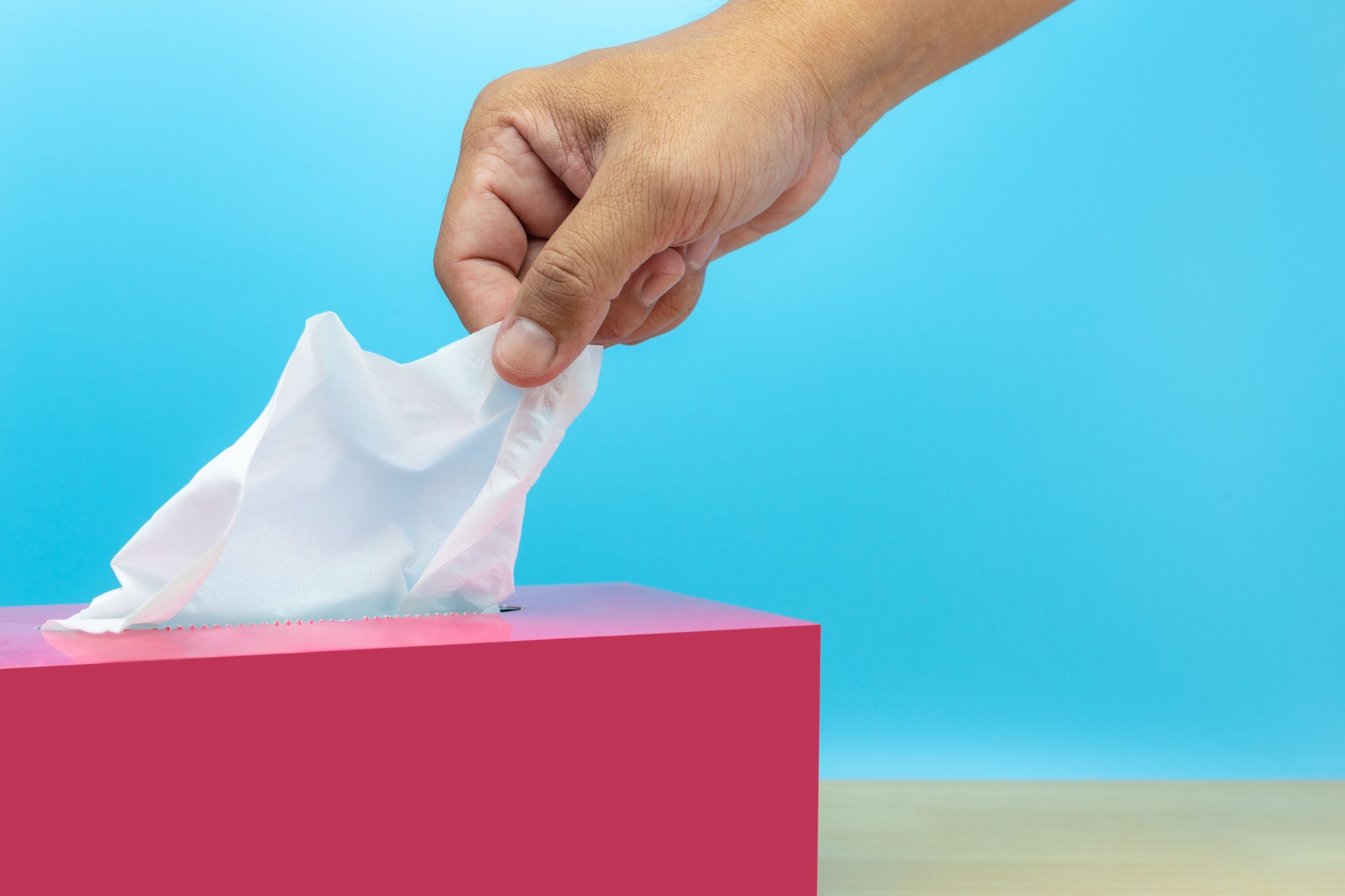
hand picked tissue form pink box

hand picked tissue form pink box

It is not uncommon for people to interchangeably use toilet paper and facial tissues. For example, they might use toilet paper to blow their nose when tissues are not handy. They may use facial tissues to wipe when they run out of toilet paper.

However, there are some key differences between the two and the effects they can have on your home’s sewer system.

What is the difference between facial tissue and toilet paper?

Facial tissue and toilet paper are both paper products. They are designed for single-use applications. These are the only two similarities between the two.

Facial tissues have a special coating on the paper that helps the tissues retain their shape and absorb moisture. Some tissues have lotions or other coatings to help keep the nose soft and from getting red and irritated.

Compared to facial tissues, toilet paper is designed to be absorbent when used. Yet, it will start to dissolve and break down in a short period of time when exposed to water. Depending on the toilet paper quality, this could occur as soon as it is discarded into the toilet bowl.

What happens if you flush facial tissues?

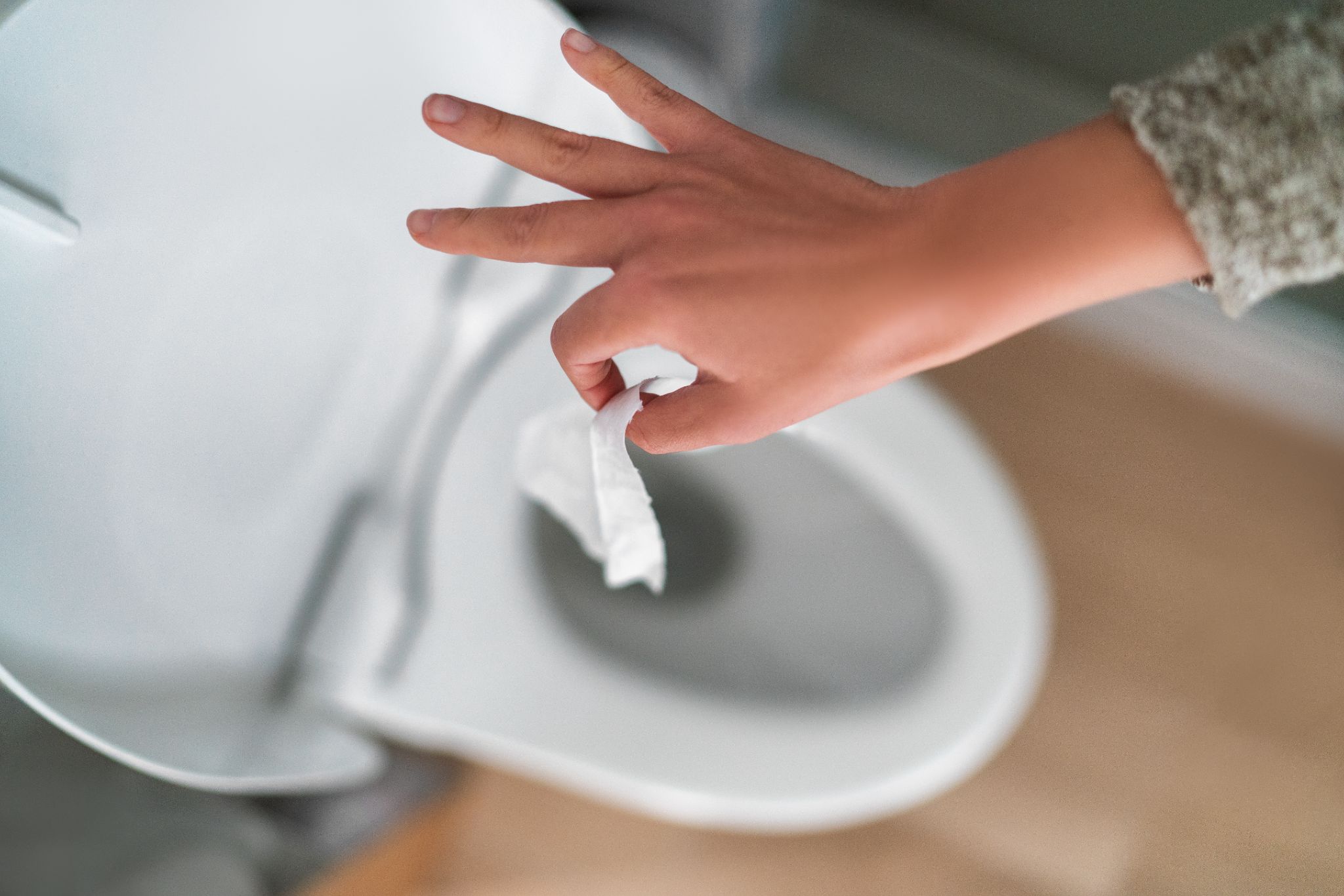
Facial tissues are not designed to break down quickly. While they will degrade over time, it can be days or weeks before the tissues start breaking down. Since tissues retain their shape longer, they can cause all sorts of problems if you flush them down the toilet.

Tissues can get stuck in various areas of your home’s sewer system. If you flush multiple tissues simultaneously, you could accidentally create a clog that can be difficult to remove. Not to mention, facial tissues are not as easily processed by water treatment plants and will cause septic system tanks to fill up faster.

What can you do if your toilet clogs from flushing facial tissues?

If you clog your toilet from flushing facial tissues, there are a few things you can do. The first thing you do is use a plunger to try to remove the clog. Sometimes, plunging the toilet will work if you usually do not flush tissues down the toilet.

For more difficult clogs, it could be necessary to call a plumber for assistance. Your plumber will use various tools and methods to remove the clog. If you were habitually flushing tissues down the toilet, it is highly recommended you also have your plumbing system sewer lines cleaned to ensure every bit of tissue is removed.

What other items should you never flush in the toilet?

Flushing down disinfectant wipes as toilet paper

Facial tissues are not the only items that you should never flush in the toilet. Other items that are not safe to flush include:

  • Paper Towels
  • Disposable Diapers
  • Dental Floss
  • Baby Wipes
  • Tissue Paper
  • Q-Tips
  • Cat Litter
  • Cleaning Wipes
  • Condoms
  • Cigarette/Cigar Butts
  • Feminine Hygiene Products
  • Medications

What about flushable wipes? Are they safe to flush?

There are numerous brands of flushable wipes on the market. You need to read the packaging to see if it says it is safe to flush. If there is nothing on the package indicating this, do not flush the wipes in the toilet.

Additionally, you should never flush more than two flushable wipes at a time. Otherwise, excessive amounts could also cause a clog.

For help removing toilet clogs and other plumbing problems in New Braunfels, Temple, San Antonio, or the Austin Metro area, please feel free to contact Christianson Air Conditioning & Plumbing at 512-246-5400 today!

How to Prevent Damage from Frozen Pipes

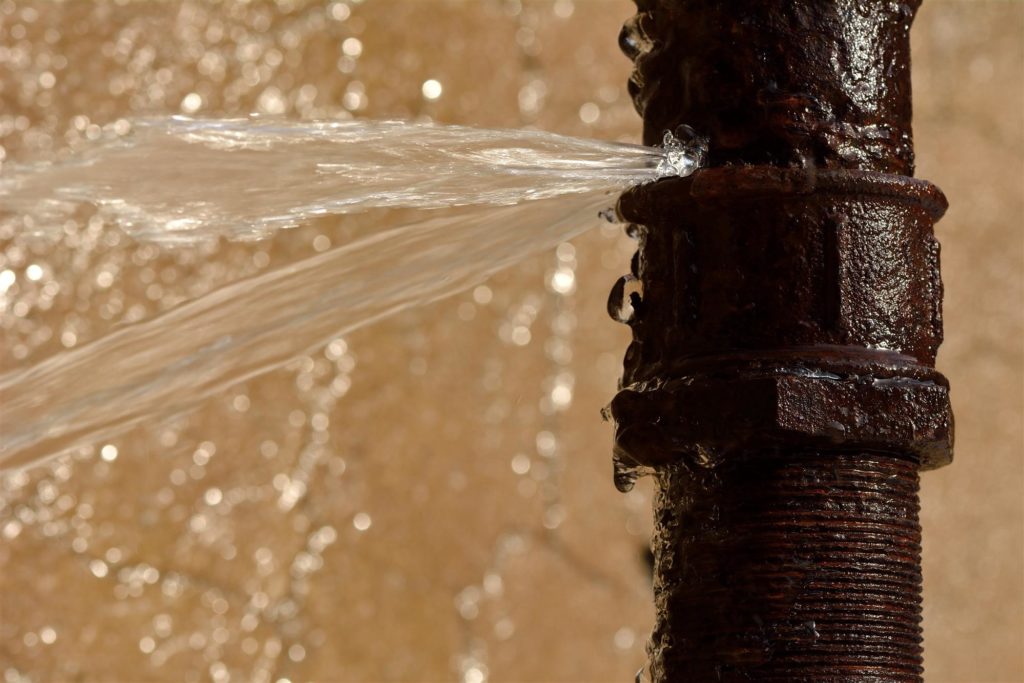
Freezing can cause water pipes to suddenly burst. Water within a pipe expands when it turns to ice, eventually causing the pipe to burst, which can lead to extensive water damage in your home. Call a 24-hour plumber immediately to resolve potential problems, before your home floods and you experience major losses.

The temperature threshold for pipe freezing is 20 F, according to the Building Research Council,1 although you want to keep your home above the freezing point, which is 32 F. One of the greatest risks of property damage in low temperatures, burst pipes often occur in basements. About 37 percent of all pipe failures happen in a basement, and a water pipe burst typically causes $5,000 in water damage. By comparison, pipe insulation, which can prevent pipe freezing, costs as little as $0.50 per linear foot.1

Why Do Pipes Freeze?

The simplest answer is that water expands as it turns to ice. The pressure it can exert on a conduit such as a pipe is quite strong. Pipes most susceptible to freezing include those exposed to outdoor temperatures, located near uninsulated exterior walls and in basements, attics, garages, and other unheated interior spaces. The problem with this is that, once the ice thaws, water is then free to flow where it likes, which can result in extensive damage or even flooding if the burst pipe occurs in the basement. This can then lead to damage to foundations, which will call for foundation repair central Missouri or somewhere close to you in order to rectify.

Pipes don’t usually break exactly where an ice blockage forms. One can imagine the radial expansion of ice pushing against the pipe walls, causing them to crack, but that’s not often the case. Freezing and expansion dramatically increase the water pressure between the blockage and a closed faucet. A burst tends to happen somewhere along that length of pipe, often where there is little or no ice.

burst pipe

On the other side of a blockage, water can always return to its source. Pressure buildup there isn’t a problem, yet pipes should be insulated and exposed to heating along their entire lengths. In northern climates, they’re usually installed inside of building insulation. Although not completely immune to problems during extremely cold weather, pipes in northern climates can be further protected by sealing any holes in the building.

In homes built in southern climates, water pipes are more often found in unprotected areas since sub-freezing temperatures occur so rarely. Contractors and homeowners often overlook the need for insulation. A lack of protection means exposed pipes are more vulnerable during southern cold spells. More cracks or openings in walls-especially where TV, cable, and phone lines enter-and the wind chill effect can accelerate ice blockage in pipes.

Potential Damage from Pipe Bursts

Pipes are most at risk from freezing in unheated areas of your home. A heating system failure can, however, increase the risk of freezing anywhere. The higher up the break occurs, the more space the water has to fall because it is under the influence of gravity. It will continue until it reaches the lowest floor, basement, or crawlspace, causing water damage to every flooring material, piece of furniture, and structural component it touches.

Mold is another potential problem. It doesn’t take long to form in the presence of moisture, and it can crop up long after the initial cleanup. Mold can cause further property damage and trigger allergies, asthma, and other health conditions. It can be particularly dangerous for people with weakened immune systems.

If you have an older home, cleaning up after a broken water pipe can expose you to other dangers. Lead-based paint can be problematic in damaged areas. Asbestos in old homes can be broken loose during a break, or the clean-up process can release asbestos dust into the air. Microscopic abrasive fibers can damage sensitive respiratory tissues and lead to serious health problems over time.

What to Do if Your Pipes Freeze

Once a pipe has burst and water is flooding your home, get to the shut-off valve immediately. Call your local 24-hour plumber for help finding the break and to send an experienced professional to repair the pipe. If the pipe is frozen but hasn’t yet burst, you can thaw it out by:

  • Using a portable space heater, electric heating pad, hair dryer, or hot-water-soaked towel.
  • Slowly moving the heat source toward the coldest spot you can find.
  • Turning on the faucet, letting water run until the pipe thaws out.

Continue applying heat until full water pressure is restored. Be sure to check other faucets as well; if one pipe has frozen, it’s safe to assume others may have.

However, you don’t want to concentrate the heat on a single location. If the ice cracks, it can shatter the pipe. Nor do you want to use a blowtorch or any device with an open flame for thawing pipes, due to the fire risks. Call a plumber if you can’t reach the frozen area or if you suspect there is one, especially if you turn on a faucet and the water just trickles out.

dripping tap

How to Keep Pipes from Freezing

If you are in the middle of a cold spell, there are limited options for eliminating the causes of the problem. However, during cold weather, here are ways you can prevent pipes from freezing:

  • Close garage doors to minimize contact between cold air and water supply lines.
  • Let cold water drip from faucets; running water helps prevent freezing.
  • Open kitchen/bathroom cabinets to bring warmer air closer to plumbing.
  • Set the thermostat to the same temperature, day and night.
  • Keep the heat no lower than 55 F when away from home.

These long-term solutions can protect your home and pipes during future cold spells:

  • Insulate basements, crawlspaces, and attics that don’t have insulation already.
  • Seal cracks and openings around doors, windows, and near the foundation.
  • Drain any water from swimming pools and water sprinkler supply lines.
  • Remove and drain any outdoor hoses and store them indoors.
  • Close inside hose bib supply valves and open outside valves so water can expand without breaking your pipes.

Before an impending freeze, you might realize your home has insufficient insulation. There’s little time to schedule a renovation. You can, however, drain and stow away hoses, drain your swimming pool circulation system, and cover vents around the foundation. A quick way to protect faucets and exposed pipes is to wrap them in newspaper, plastic foam, or trash bags. Old rags can prevent frozen pipes as well.

These steps may protect your pipes in cold weather. This, in turn, can help you avoid losses associated with water damage. Contact your insurance company right away if pipe breakage and water damage do occur. The sooner you file a written claim, the more protected you may be.

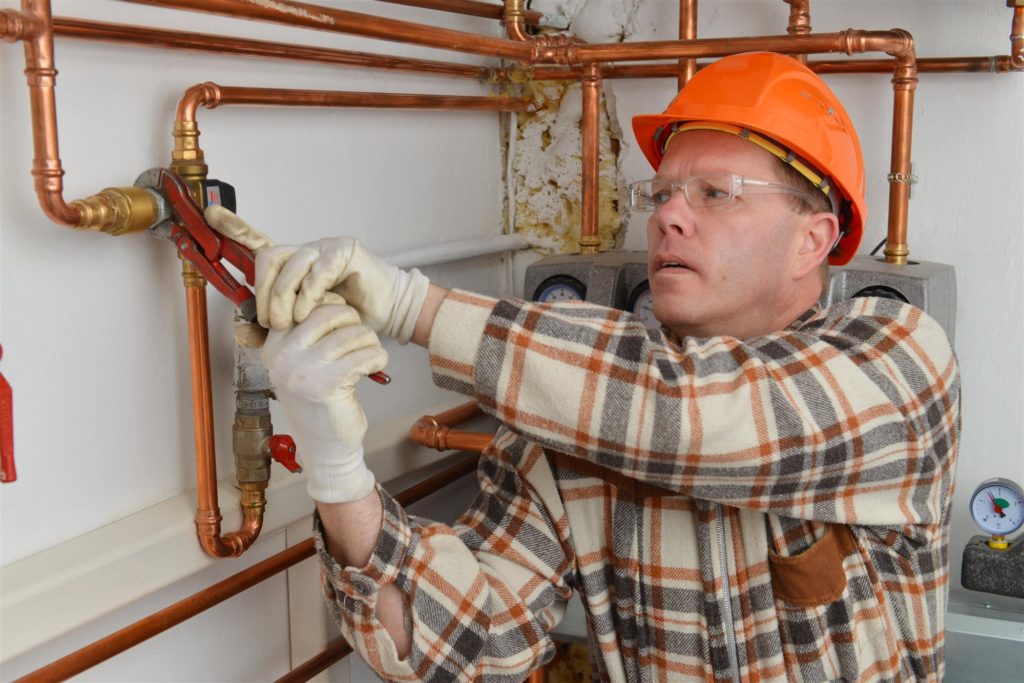
Plumber at Work

Also, review your coverage to see whether property repairs, debris removal, and living expenses (if you need to find temporary housing) are covered. Temporary repairs may be required by your homeowner’s insurance policy. Don’t fix anything permanently, or your claim may be denied. Be sure to keep photos and videos of the damage, as well as receipts for any bills associated with temporary repairs or housing costs.

The concern about frozen water pipes is that many insurance policies don’t cover them unless you’ve taken reasonable care to maintain your heating system, drain water from your plumbing system, and shut off the water supply.

Suspect You Have a Frozen Pipe? Call a Plumber

Christianson Air Conditioning & Plumbing provides all types of plumbing service, including leak repair and emergency services. You can call a technician in Austin or San Antonio who can tell you how to unfreeze pipes or find your water supply shut-off valve.

If in immediate need of service and a 24-hour plumber, call us or request service online, letting us know what the problem is so our technicians are ready to fix it as soon as they arrive. To reach our Austin office, call 512-246-5400. To reach us in San Antonio, call 210-651-1212 today.

Bathroom Plumbing and Caulking Tips: How to Caulk a Bathtub

Bathtubs have caulk around them to prevent water and moisture from running down behind and under the tub, as well as into the walls. Some of the more common signs it is time to replace the caulk around your tub include:

  • Cracked Caulk
  • Missing Sections of Caulk
  • Mold & Mildew in the Caulk
  • Caulk Discolorations (Yellowing)

Replacing the caulk is a task some people can do, while others may find it more challenging and messy. If you don’t want to attempt the project, our bathroom plumbing experts are more than happy to replace the old caulk with new for you.

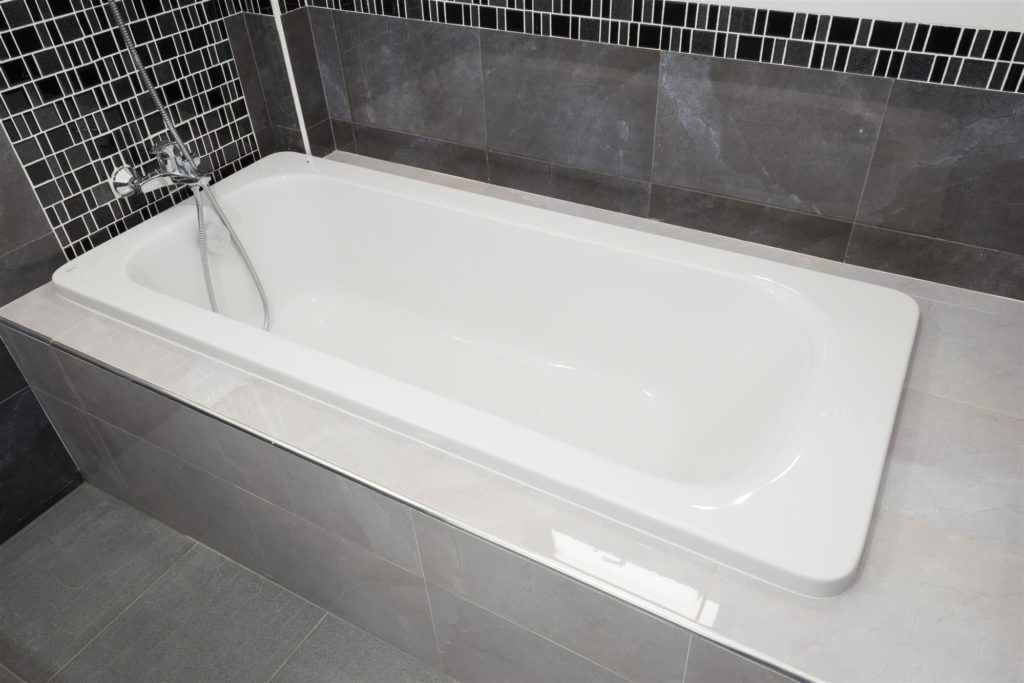
bathtub white ceramic interior in bathroom

Ready to get started? Here are our tips for calking a bathtub.

Gather All Tools and Materials

You will want to make sure you have everything you need to do the project beforehand. The last thing you want to do is to stop halfway through because you forgot something.

  • Plastic Scarper/Utility Knife: Make sure it has a plastic blade so it does not damage the tub.
  • Shop-Vac: You need a vacuum cleaner with a hose attachment.
  • Painter’s Tape: You want the tape to be at least two inches wide or wider.
  • Caulking Gun: This tool is needed to apply the caulk unless you get the prefilled tubes.
  • Caulk: You want bathroom tub and tile caulk. Choose acrylic for ceramic bathtubs and silicone for all other tub material types.
  • A Sponge/Cleaning Rags/Paper Towels: These are needed to clean up after removing the old caulk and putting the finishing touches on the new caulk.
  • Rubbing Alcohol: This helps clean and remove smaller pieces of the old caulk.
  • Chlorine Bleach: If your caulk had mold and mildew in it, you will need bleach to treat the area before applying new caulk.
  • Caulk Removal Tool: This special tool can be beneficial to have if the caulk is difficult to remove.

Removing the Old Caulk

Start by using your plastic scraper to scrape off the old caulk. If you opted for a utility knife, you can use it to separate the caulk from the tub and wall first, then use the caulk removal tool to scrape it off.

Once you have gone completely around the tub, remove any large sections of old caulk and discard. Vacuum around the tub. Run your hand over the spot to do a final check to ensure you did not miss any old caulk. If you have more caulk to remove, make sure to vacuum around the tub once you are done.

If you have mold and mildew, you will want to mix about a half cup of chlorine bleach with a gallon of cold water. Using a sponge or rag, completely scrub the areas where the caulk used to be around the tub. Allow this to dry overnight.

Next, use the rubbing alcohol and a sponge or rag to wipe around the area where the old caulk used to be. You want to make sure to use it on the wall and tub, too. This helps prepare the surface so the new caulk sticks and seals correctly.

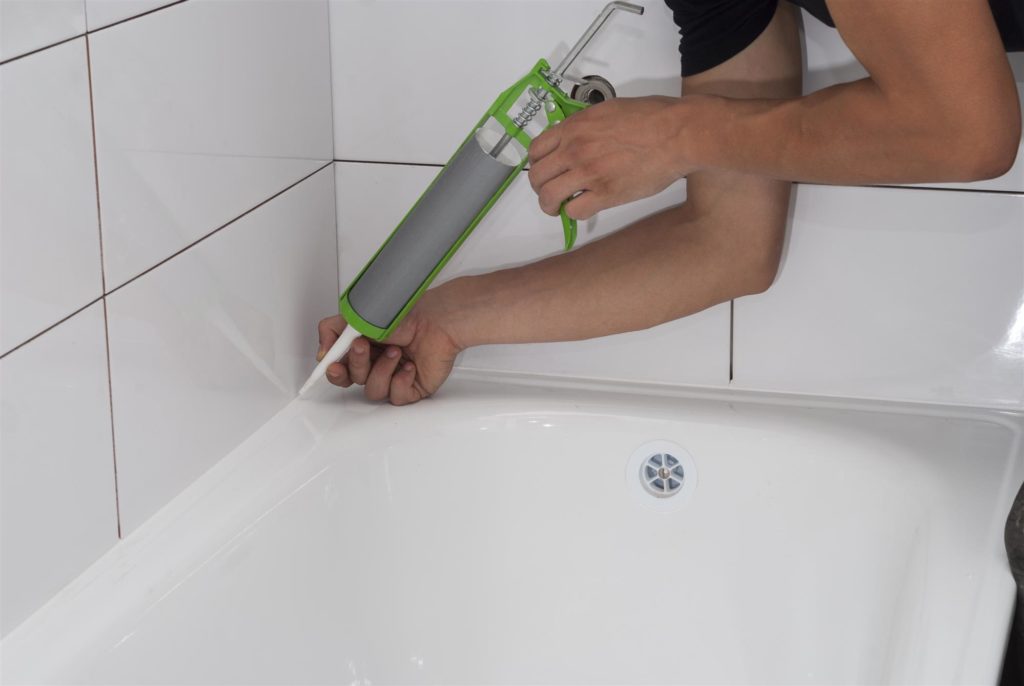
bathroom caulking applying silicone

Applying the New Caulk

Use the painter’s tape and go around they tub twice—once above the area where the caulk will go and a second time below the area where the caulk will go. The gap in between is where the new caulk will be applied, so you do not want the gap too big.

Cut the tip off the end of the caulk tube at a 45-degree angle. You will need to puncture the seal to release the caulk. Most caulk guns have small “stick” on their ends to do this. Load the caulk into the gun and slowly depress the trigger until you can see caulk at the end of the tip.

Holding the gun and caulk tube at a 45-degree angle, apply it completely around the tub. Next, lightly dampen a paper towel and using your finger run it over the caulk to smooth it into a concave shape. It’s okay if caulk gets onto the painter’s tape, but it should not go past the tape.

After the caulk is smoothed, slowly and carefully remove the painter’s tape. You can use a lightly dampened paper towel to smooth out any ridges the tape left. The caulk should be left alone and the tub should not be used for at least 48 hours so it has time to cure and dry.

There are many steps to removing the old caulk and applying new caulk around your bathtub. It is important to do these correctly for properly sealed caulk and a great looking finish. If you need help doing this or have other bathroom plumbing repairs, please feel free to contact your nearest Christianson Air Conditioning & Plumbing location in New Braunfels, Temple, San Antonia or the Austin Metro Area today!

Ten Reasons You Should Consider Replacing Your Furnace

Depending on the type of furnace you have, most home heating systems will last around 15 to 20 years with regular furnace maintenance. As your furnace gets older, you will want to start making plans for home furnace replacement, like starting a special savings fund. That way, when your furnace does need to be replaced, you will have—at least part of—the money set aside for a new furnace.

Aside from your furnace wearing out and not working, you should also consider home heating replacement for the following reasons:

  1. Problems with the pilot light staying lit.

There are all sorts of underlying causes why pilot lights on gas heating systems will not stay on. There could be a bad thermocouple, which monitors the pilot light and shuts it off if there is something wrong. When the thermocouple wear outs, it will start shutting off gas to the pilot light for no reason whatsoever. You can have your heating installer replace the thermocouple.

There could also be problems with residue on the gas nozzles inside the furnace. Over time, they can become clogged. This can cause your furnace’s heating cycle not to run correctly or not to produce the right amount of heat in the home. You can have these things replaced as well.

However, if issues with the pilot light and related hardware start to become ongoing, where you have to call your home heating installer for service on a weekly or monthly basis, you may want to consider getting a new furnace instead.

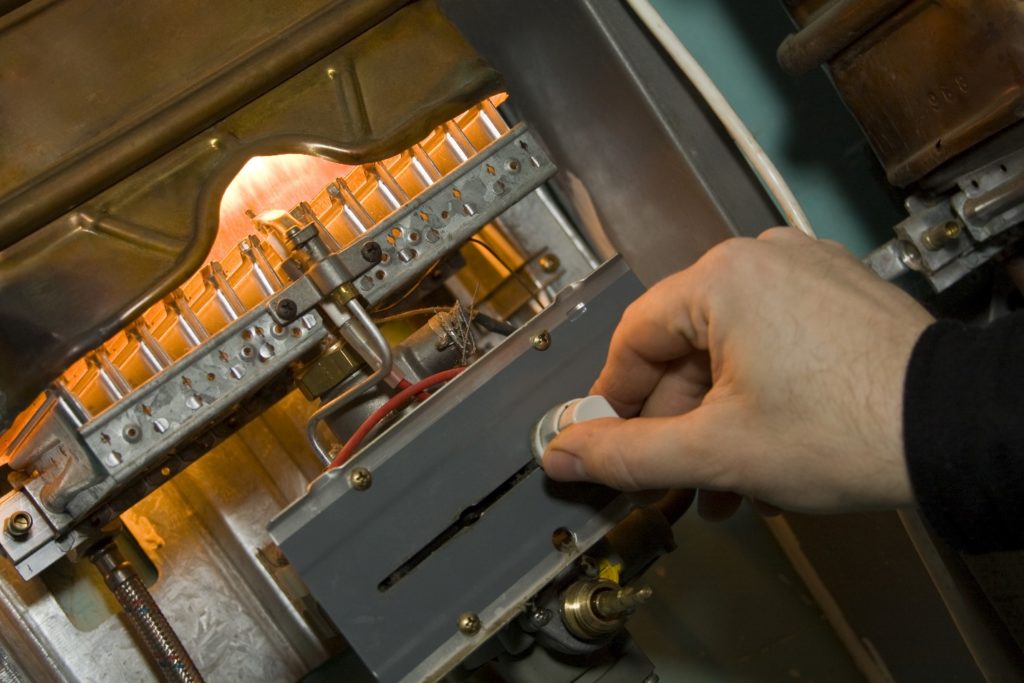
hand adjusting gas furnace

  1. The blower motor has failed.

The blower motor is responsible for blowing the heated air through the ductwork and into your home. If it goes out, none of the heated air will be forced into the rooms inside your home. Rather, all that heat will remain around the furnace. The cost to get a new blower motor installed could range from $400 to $1,000.

If you compare the costs of a new blower motor with the costs of a new furnace, along with the benefit of a new system, you could end up saving money in the long-run by replacing your furnace right away. New furnaces have modern features like variable speed blower motors to improve heating efficiency. Some models may even offer special incentives like rebates or tax breaks.

  1. The heat exchanger inside the furnace is cracked.

The heat exchanger is the part of the furnace that helps keep carbon monoxide and other exhaust gases from getting inside the home. It vents these dangerous gases out through an attached air vent. When the heat exchanger cracks, it allows these deadly gases to move freely into ductwork and be blown around the home.

The cost to replace and install a cracked heat exchanger can end up totaling $2,000 or more. If you were to consider a new, energy-efficient modern furnace, you may be surprised to discover that the costs are very similar. It would make more sense to replace your furnace if you have an issue with the heat exchanger.

  1. A circuit board inside the furnace needs to be replaced.

Circuit boards control a wide range of functions on the furnace. These are also required to receive signals and send feedback to the thermostat. Essentially, circuit boards are the furnace’s brain. If one or more goes bad, the furnace will not operate correctly. For instance, the furnace could turn on and run constantly without ever shutting off.

Depending on how technologically advanced your current furnace is, replacement costs for a new circuit board can run from around $300 to $1,200. While it might seem better to replace the circuit board, stop to consider the age of the furnace. If it is already 15 years old, getting a new circuit board may only add another five years or so to the life of the furnace.

On the other hand, investing in a new furnace means you will have between 15 and 20 years of life. Not to mention, you would get all the latest features, options, and energy-efficient updates that your current system lacks.

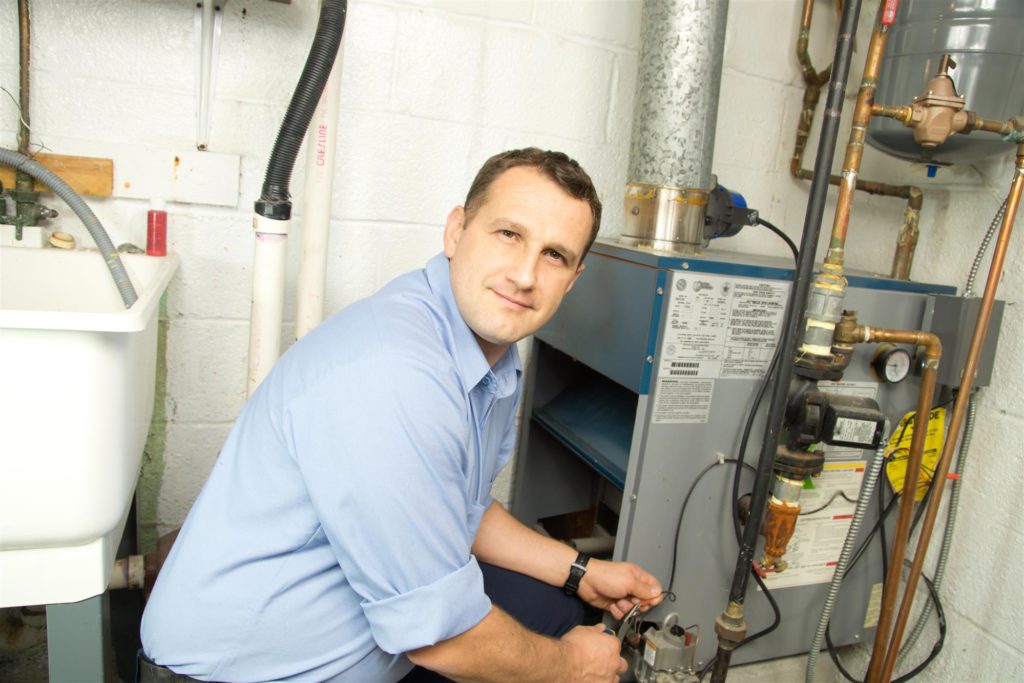
plumber repairs furnace

  1. The maintenance and repair costs on your current furnace are becoming more frequent.

If your furnace has reached the point where you are having to replace hardware, parts, and components on a regular basis, or it is constantly breaking down, it is time for a new furnace. Over time, you could end up spending as much on maintenance and repairs as you would for the cost of a brand new furnace.

  1. You are replacing your air conditioning unit.

It can be a good idea to replace your furnace at the same time you are replacing your air conditioning unit. Even though you can find new AC systems that are compatible with your current furnace, they will not always allow you to take advantage of all the energy-saving features found on your new AC.

For example, if the new AC offers variable speed cooling but your furnace’s blower motor, which is also used by your AC, is not a variable speed motor, then you will not be able to use this feature. However, if you upgrade your furnace at the same time to one with a variable speed motor, then you would be able to use this feature on your new AC.

  1. You are looking to lower your home heating energy bills.

Installing a new furnace will help lower your energy bills. According to Energy.gov, an Energy Star® furnace could save you as much as $1,241 in heating costs. If you choose the best model available, your savings could increase to as much as $1,443.1

In addition to getting a new furnace installed, ensuring there are no air leaks around doors and windows can help lower your home’s heating cost. In addition, you should have weather stripping and/or have new caulking installed.

  1. Your home does not feel as comfortable as you would like it.

As your furnace gets older, it can reach a point where it is no longer capable of maintaining your preferred comfort level. You may notice some rooms seem warmer than others, or that your furnace has to run longer, causing you have to set the thermostat higher to achieve the desired temperature.

Another cause for this type of problem is that your furnace may not have been sized correctly for your home. If the furnace is too small, it will not be able to deliver heat properly. It will have to run more frequently and for longer intervals, which shortens its lifespan, in order to attempt to heat the home. Getting a new furnace installed by your home heating installation company will help resolve either of these issues.

  1. You are getting ready to sell your home.

If your home’s current heating and cooling system is more than 10 years old, it can be beneficial to get a new system installed before listing your home. Doing so could potentially increase the value of your home. In addition, you are often able to attract more potential buyers.

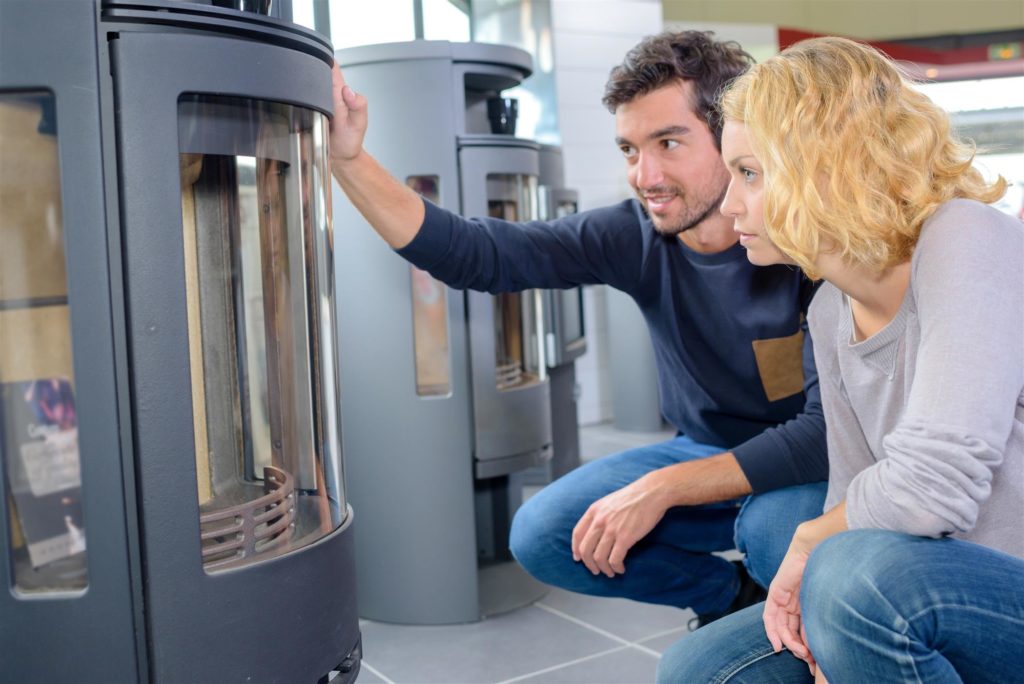
couple choosing the furnace unit

  1. You like having access to the latest technologies.

If you want to take advantage of new smart home technologies, which can also help reduce energy usage, then you will want to get a new furnace installed. Modern systems could allow you to remotely control the furnace through an app on your smartphone.

You may even have access to energy usage reports and other useful data that can show you ways to lower your energy usage while maintaining your preferred comfort level inside your home.

For additional information about heating replacement and how to get the savings and comfort provided by a new furnace, please feel free to contact your nearest Christianson Air Conditioning & Plumbing location in New Braunfels, Temple, San Antonio, or Austin Metro to schedule an appointment today!

Source:

  1. https://www.energy.gov/eere/femp/purchasing-energy-efficient-residential-furnaces

Do I Need to Replace My Furnace and AC at the Same Time?

furnace is nearing the end of its useful lifespan. One question that comes up quite frequently with homeowners is whether they have to replace their furnace and their AC unit at the same time.

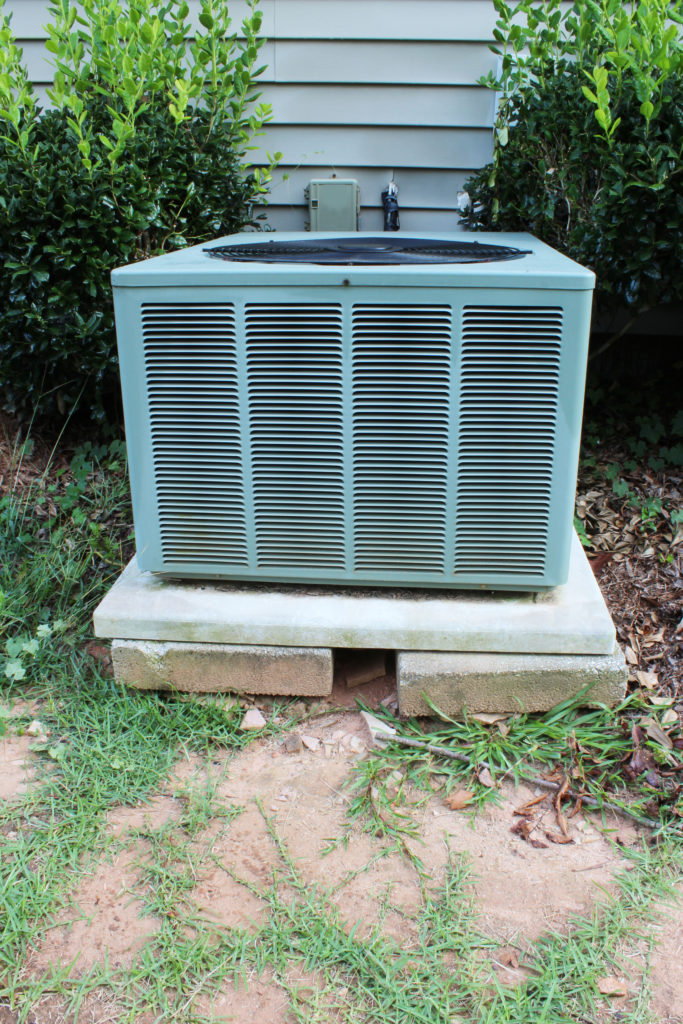
Front view of a heat pump

To answer this question, it will largely depend on the type of heating and cooling system used in your home. In Texas and other southern states, packaged systems are very common. A packaged system is an “all-in-one” cooling and heating solution that is installed outside the home.

Packaged systems are well-suited in areas where you tend to use your AC more throughout the year, compared to heating. They also help save space inside the home since the entire unit is installed outside.

If the heating or cooling part of the packaged system fails and needs to be replaced, then, yes, you would have to replace both at the same time. This is because both heating and cooling functions are integrated into the packaged system. Fortunately, packaged systems can last up to 20 years or longer with proper AC and heating maintenance.

On the other hand, if your home has a split system—where the AC unit is outdoors and the furnace and blower motor are indoors—then you do have a few different options when you need to replace your furnace.

  • You could replace just the furnace. With split systems, you do not have to replace both at the same time. If your AC is not that old and still working great, then you just need to find a compatible furnace that works with your AC unit.
  • You could replace both the furnace and the AC. If both the furnace and AC are older, it can be beneficial to get an entirely new split system installed. One of the primary reasons for doing this is when you want an energy-efficient heating and cooling solution for your home.

Other Benefits of Replacing Both Your Furnace and AC at the Same Time

Aside from having a matching, modern, and energy-efficient split heating and cooling system, other benefits of replacing both at the time include:

  • Tax Incentives: Some systems might qualify for government tax incentives or tax rebates you can deduct off your federal taxes. We do advise checking with your accountant to find out what the current incentives are for homeowners.

couple choosing the furnace unit

  • Rebates: Some heating and cooling system manufacturers can offer rebates when you replace your furnace and AC at the same time. You can find out what rebates are currently available by talking to your local AC and heating installation
  • Special Discounts: Some heating and cooling contractors and companies may offer special discounts on top of any other incentives and rebates when purchasing both a new furnace and AC at the same time.

To learn more about packaged systems and split systems and whether you should replace just your furnace or both the furnace and AC at the same time, please feel free to contact your nearest Christianson Air Conditioning & Plumbing location in Austin Metro, San Antonio, Temple, or New Braunfels today!

The A to Z List of Causes for Clogged Toilets

Over the years, our toilet plumbing professionals have encountered a wide range of clogged toilets. We thought it might fun to share some of the things we have encountered, some of which may seem a bit weird and unusual.

A: Automobile Fluids

You should never flush gasoline, antifreeze, brake fluid, or other such fluids down the toilet. While they do not necessarily cause clogs, they are dangerous and could cause your toilet and pipes to explode, crack, and break, creating a much bigger mess.

B: Baby Wipes

If you look at the small fine print on baby wipes’ packaging, it clearly states to not flush these down the toilet, as they can cause a clog.

C: Cotton Balls and Cotton Swabs

The cotton can get stuck and caught in different areas of the toilet’s drain pipes. Cotton will absorb water and continue to expand until there is a clog.

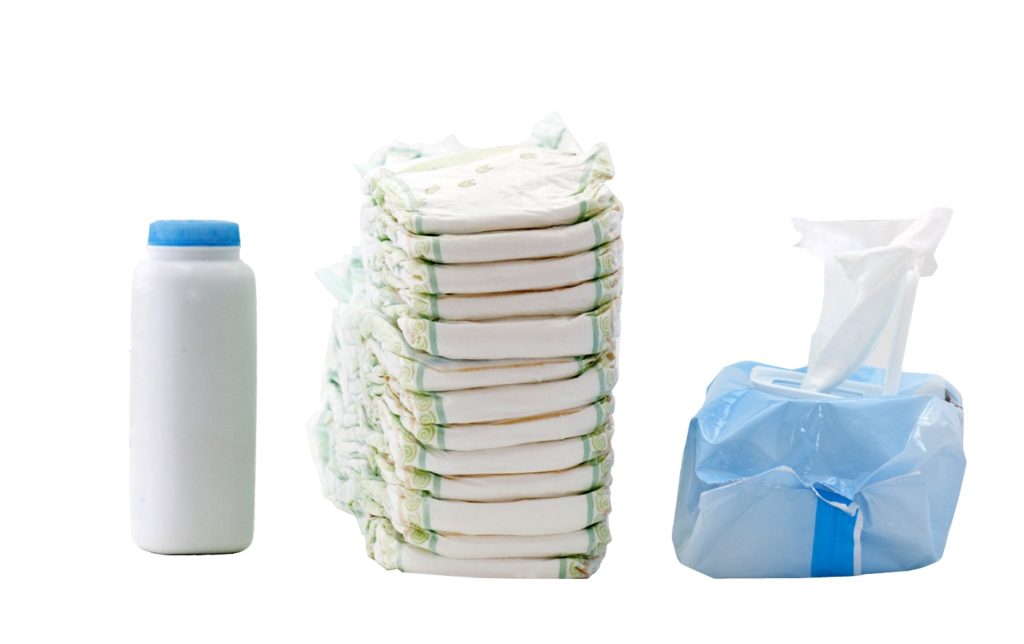
D: Disposable Diapers

This is another baby item that should never be flushed down the toilet. Disposable diapers are meant to absorb liquids, so, if one or more get stuck in the drain pipes, they can expand and eventually clog up the toilet.

baby disposable diapers and powder

E: Extensions

Those hair extensions you have worn for several weeks and which now need to be replaced should never get flushed down the toilet. Even if they are made from real human hair, it can clog up the toilet.

F: Food Scraps

You might be surprised by how many people flush food scraps down the toilet instead of putting them in the garbage or starting a composting pile. Various food products can even cause internal pipe damages, which could lead to leaky pipes.

G: Garbage

Some people get into the habit of emptying their bathroom wastebasket and flushing it down the toilet. Any type of garbage is not good for your pipes, not to mention, it can create problems if you have a septic tank.

H: Hot Grease

The moment you pour hot grease into the cold water in the toilet, it will start to congeal and solidify inside the pipes. Eventually, there can be so much grease on the interior of the pipes, it clogs up.

I: iPhone

If you accidentally drop your iPhone into the toilet, do not flush it—even if it is sitting in bodily waste. The phone can block drain pipes if it is tilted upright as it goes down the drain.

J: Jell-O Gelatin

Gelatin helps turn liquids semi-solid. If you flush Jell-O down the toilet, the gelatin can still cause the water in the drain pipes to start to thicken and create a clog.

K: Kitty Litter

No type of kitty litter should ever be flushed down the toilet. You should also not scoop the litter pan and put cat waste down the toilet, as litter will be stuck to it. Most kitty litters on the market today are clumping types, which means the moment they get wet, they turn solid.

L: Latex and Nitrile Condoms

These items are not intended to be flushed down the toilet. They can get stuck in the drain. Plus, it could be embarrassing to have your plumber find the cause of your clog was from latex and nitrile condoms.

M: Menstrual Products

Personal hygiene menstrual products, including sanitary napkins and tampons, weren’t designed to be flushed in the toilet. They absorb bodily fluids and will continue to absorb water and expand if you flush them.

N: Neon Tetra Fish

While these fish look great in your tank, you should avoid flushing them down the toilet when they die. Even though they might not seem that big, they can and do get caught on various parts of the plumbing. As they degrade, they not only smell bad but could cause a clog.

O: Oil

Any type of oil—whether it is olive oil, cooking oil, motor oil, or oil from a hot oil hair treatment—should not get flushed. Not only is it damaging to your pipes but also the environment.

P: Prescription Drugs

Aside from posing risks to reclaimed water sources, prescription drugs can be the cause of a clogged toilet. The drugs are made using various capsules, gelatin, and other such coatings and materials that could stick to the inside of pipes.

Q: Quills and Feathers

It might seem like a great idea to flush the quills and feathers of a chicken, duck, or another wild bird you caught and are getting ready to cook. However, quills and feathers can get stuck in the pipes and are difficult to remove.

R: Rubber Gloves

Rubber gloves are not meant to be flushed. Rubber is a flexible material, but if it covers and blocks the drain pipe, your toilet will become clogged.

rubber gloves for cleaning

S: Sponge Animal Toys

Those toys that expand when they get wet and which come in a capsule can clog up the toilet drain pipe. Once the capsule part gets wet, the toys will start expanding inside the pipes and, before you know it, the toilet is overflowing into the home.

T: Toilet Paper

An excessive amount of toilet paper can lead to a clog. Generally, you should only use a small amount per flush. If you must use a lot, it is highly recommended to flush several times.

U: Underwear

Underwear and socks are common items that cause clogs in toilet drains. This problem commonly occurs in homes with children and teens.

V: Vegetable and Fruit Peelings

Any type of peelings from vegetables and fruit should not be flushed. If you have ever attempted to put potato peelings in a garbage disposal, you know they can quickly clog up the drain.

W: Wigs

When you grow tired of wearing the same wig, do not flush it. Just like extensions, the hair and materials the wig is made from can result in a backed-up toilet.

X: Xylophone

This popular kid’s toy sometimes ends up getting flushed by toddlers. They are fascinated at seeing the toy go down the drain, but they do not understand when it does not come back and the water overflows onto the bathroom floor.

Y: Yo-Yos

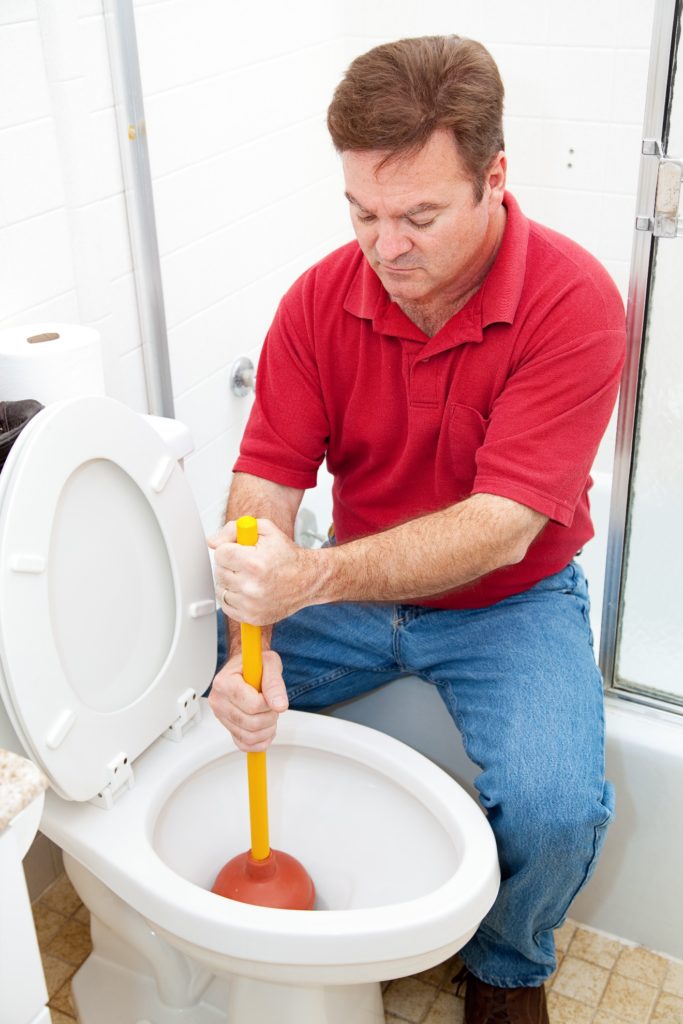
plumber using a plunger to unclog a toilet

Yo-yos are another kid’s toy that gets flushed down the toilet. Children often hold onto the end of the string to pull the yo-yo back up. Yet, that does not always work as well as they might have planned.

Z: ZhuZhu Pets

Little kids might want to give these popular animal toys a “bath” in the toilet. Then they decide to rinse off it off by flushing, and there goes their ZhuZhu Pet!

Toilet plumbing is not designed to handle everything, even though it might seem like it can. In fact, certain foreign objects can not only cause a toilet clog but potentially break your pipes.

When to Call in a Toilet Plumbing Professional

You may be able to remove your average type of toilet clogs on your own using a plunger. However, you should avoid using chemical-based drain cleaners and clog removers. Most of these products are not effective at completely removing the clog. Many contain corrosive chemicals that could cause damage to your drain pipes.

It is time to call in your local toilet plumbing professional for help if one or more of the following continues to occur:

  • The clog keeps reoccurring.
  • You are not able to remove the clog with a plunger.
  • There is waste or sewage overflowing into the bathroom.
  • The toilet is gurgling.
  • There is water that is spilling over the sides of the toilet.
  • You hear water running and the toilet tank is not refilling.
  • You notice the water is not shutting off after flushing the toilet.

Please feel free to contact your nearest Christianson Air Conditioning & Plumbing location in San Antonio, New Braunfels, Temple, or Austin Metro to schedule toilet plumbing clog removal services today! Our plumbers are also available for emergency plumbing service calls 24/7!