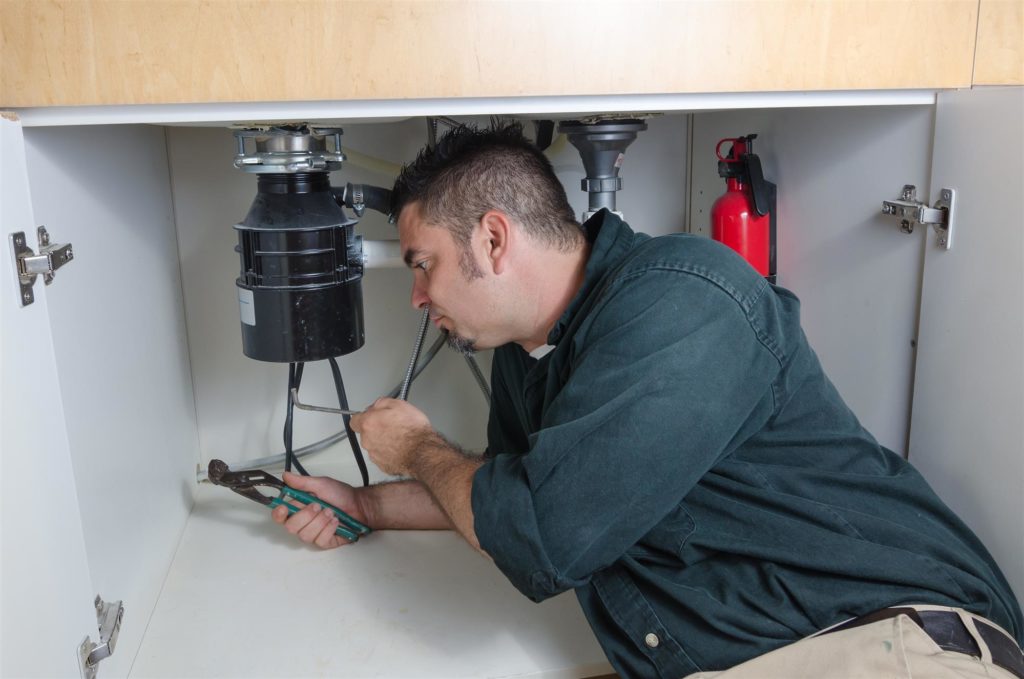
If you have a garbage disposal as part of your kitchen sink, it is important to clean it to prevent foul odors from stinking up the kitchen. The foul odors come from grease, food particles, and other such things that get stuck to the inside of the garbage disposal and the kitchen sink plumbing.
There are several effective methods for cleaning the disposal to keep odors away and your disposal working great. To clean your disposal, you will want to gather the following cleaning supplies:
- Grease-Cutting Dish Soap
- Sponge
- Vinegar
- Baking Soda
- Ice
- Kosher/Rock Salt
- Lemons or Limes
Once you have your cleaning supplies ready, the first and most important step is to make sure your disposal is off.
WARNING: Before cleaning your disposal, make sure to unplug it from the power outlet or shut off the breaker in your breaker box. Verify the disposal does not have power by turning it on. If you shut it off correctly, it will not turn on.
Step 1: Wash the inside of the disposal.
Wet the sponge in warm water and apply a liberal amount of grease-cutting dish soap. Scrub the inside of the disposal chamber. If you have a dual-sided sink, fill the non-disposal side with warm water to rinse the gunk out of the sponge. Reapply more dish soap if needed and repeat. Allow the dish soap to penetrate and cut through the grease for 5 to 10 minutes. Rinse out the disposal with warm water.
Step 2: De-gunk the hard-to-reach areas of the disposal.
Pour one-half to three-quarters of a cup of baking soda into the disposal. Slowly add an equal amount of vinegar into the disposal. You will hear the two interact and start foaming. Place the sink drain cover over the drain opening.
Allow the fizzing action to work for 15 to 20 minutes. Rinse the disposal out with cold water by allowing it to run down the drain for about 2 to 3 minutes.
Step 3: Remove difficult buildup from the disposal chamber.
Fill the disposal full of ice cubes. Pour in about one cup of kosher or rock salt. Plug the disposal back into the outlet or turn the breaker switch back on. Turn on the cold water so it trickles down the drain and turn on the disposal. The ice and salt “scrub” the inside of the chamber.
Step 4: Freshen up the disposal.
Take your lemons or limes and cut them into quarters. Be sure to remove any seeds and discard them. Drop the citrus pieces down the disposal and turn it on while running cold water down the drain. The oils in the citrus freshen up the disposal and drain and make it pleasant-smelling.
How frequently should I clean my garbage disposal?
It depends on how much you use it. If you use it every day, then you want to clean it every 1 to 2 weeks. If you use it a few times each week, then once a month is sufficient. Part of keeping your disposal clean is also paying attention to what you put in it.
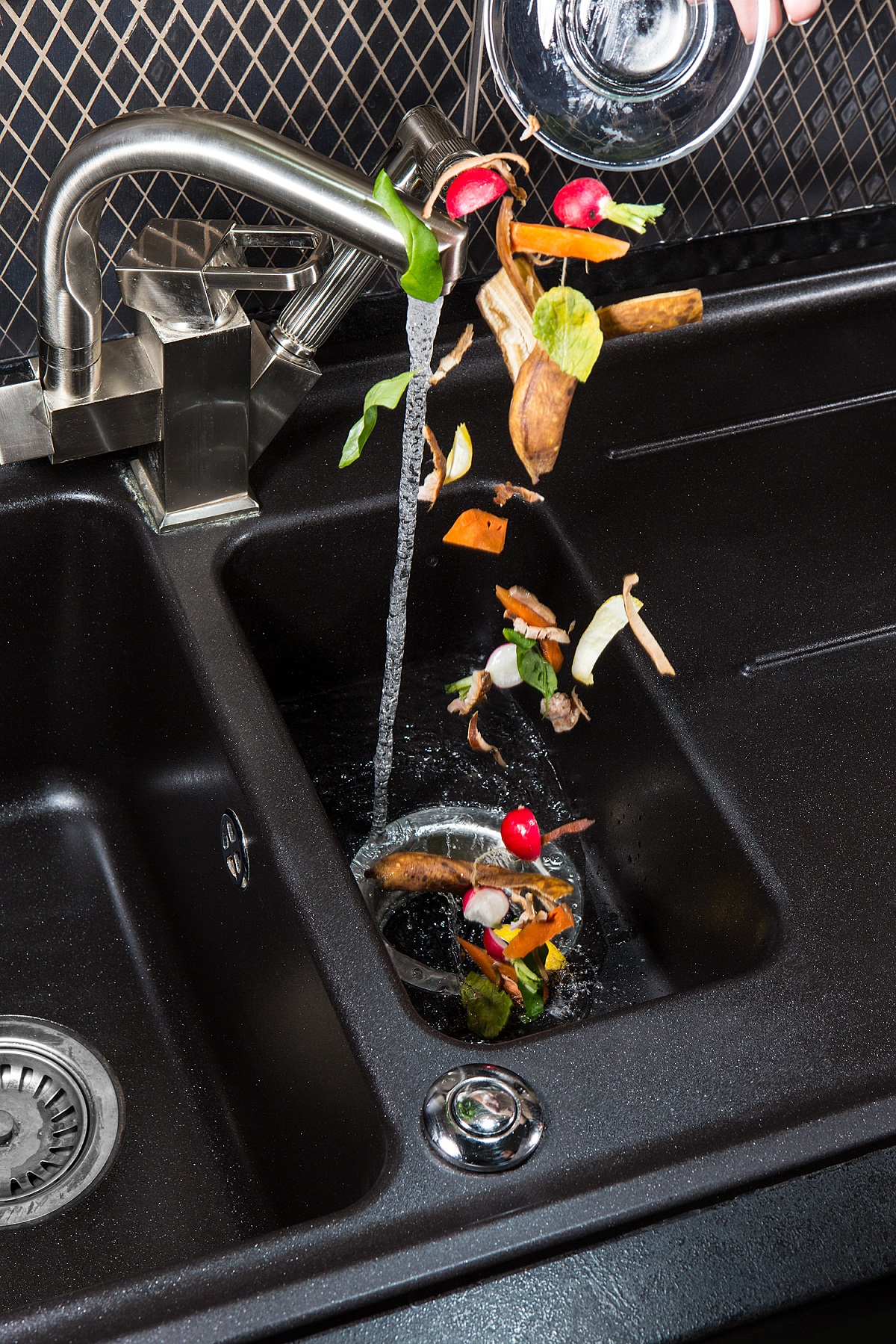
You should never put any of these items into the disposal:
- Potatoes
- Potato Peelings
- Pasta
- Egg Shells
- Bones
- Fruit Seeds and Pits
- Coffee Grounds
- Rice
- Hot Grease
- Any Non-Food Item
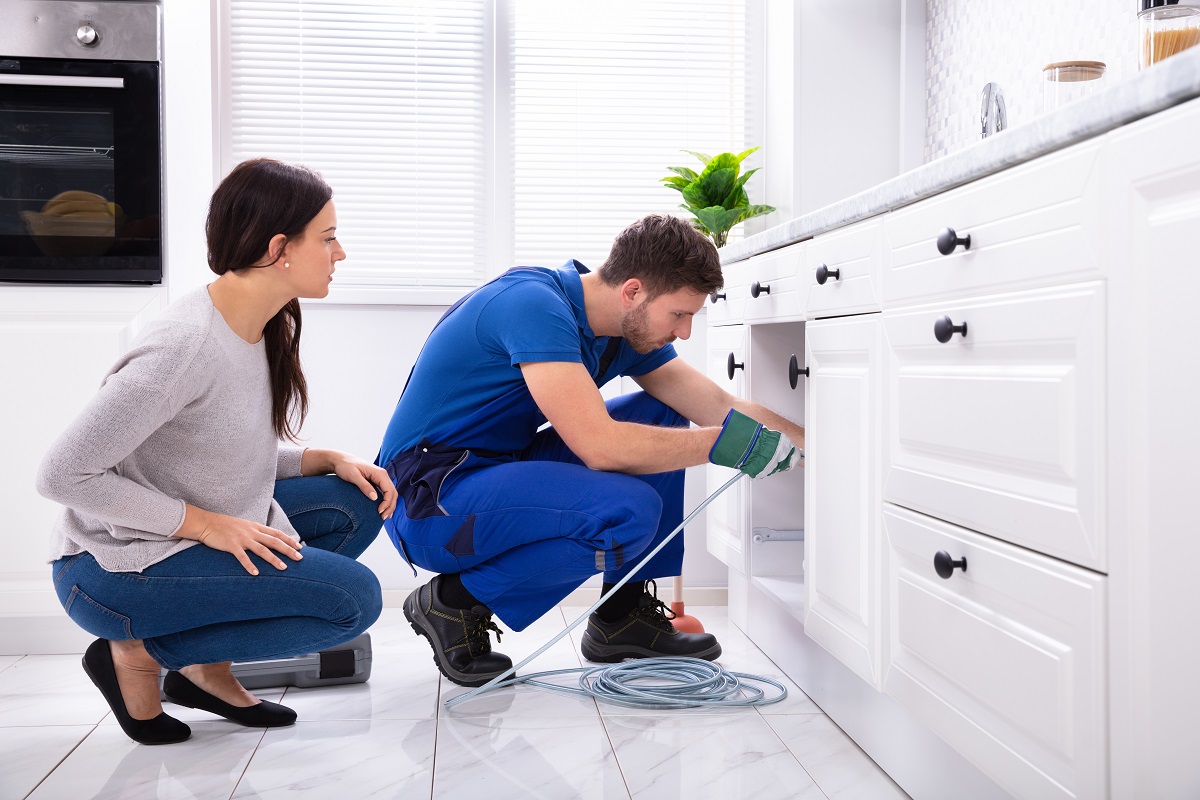
If you have a clogged kitchen sink and disposal, do not use harsh chemical drain cleaners and clog removal products. Try using a plunger and, if that does not work, get help from one of our professional plumbers.
Our plumbing experts can help you with all of your kitchen plumbing maintenance, repairs, and new installations, including garbage disposal replacement. Call your nearest Christianson Air Conditioning & Plumbing location in San Antonio, New Braunfels, Temple, or the Austin Metro Area today!