Kitchen Sink Plumbing 101: Cleaning Your Garbage Disposal

If you have a garbage disposal as part of your kitchen sink, it is important to clean it to prevent foul odors from stinking up the kitchen. The foul odors come from grease, food particles, and other such things that get stuck to the inside of the garbage disposal and the kitchen sink plumbing.

There are several effective methods for cleaning the disposal to keep odors away and your disposal working great. To clean your disposal, you will want to gather the following cleaning supplies:

  • Grease-Cutting Dish Soap
  • Sponge
  • Vinegar
  • Baking Soda
  • Ice
  • Kosher/Rock Salt
  • Lemons or Limes

Once you have your cleaning supplies ready, the first and most important step is to make sure your disposal is off.

Food waste disposer machine.

WARNING: Before cleaning your disposal, make sure to unplug it from the power outlet or shut off the breaker in your breaker box. Verify the disposal does not have power by turning it on. If you shut it off correctly, it will not turn on.

Step 1: Wash the inside of the disposal.

Wet the sponge in warm water and apply a liberal amount of grease-cutting dish soap. Scrub the inside of the disposal chamber. If you have a dual-sided sink, fill the non-disposal side with warm water to rinse the gunk out of the sponge. Reapply more dish soap if needed and repeat. Allow the dish soap to penetrate and cut through the grease for 5 to 10 minutes. Rinse out the disposal with warm water.

Step 2: De-gunk the hard-to-reach areas of the disposal.

Pour one-half to three-quarters of a cup of baking soda into the disposal. Slowly add an equal amount of vinegar into the disposal. You will hear the two interact and start foaming. Place the sink drain cover over the drain opening.

Allow the fizzing action to work for 15 to 20 minutes. Rinse the disposal out with cold water by allowing it to run down the drain for about 2 to 3 minutes.

Step 3: Remove difficult buildup from the disposal chamber.

Fill the disposal full of ice cubes. Pour in about one cup of kosher or rock salt. Plug the disposal back into the outlet or turn the breaker switch back on. Turn on the cold water so it trickles down the drain and turn on the disposal. The ice and salt “scrub” the inside of the chamber.

Step 4: Freshen up the disposal.

Take your lemons or limes and cut them into quarters. Be sure to remove any seeds and discard them. Drop the citrus pieces down the disposal and turn it on while running cold water down the drain. The oils in the citrus freshen up the disposal and drain and make it pleasant-smelling.

How frequently should I clean my garbage disposal?

It depends on how much you use it. If you use it every day, then you want to clean it every 1 to 2 weeks. If you use it a few times each week, then once a month is sufficient. Part of keeping your disposal clean is also paying attention to what you put in it.

You should never put any of these items into the disposal:
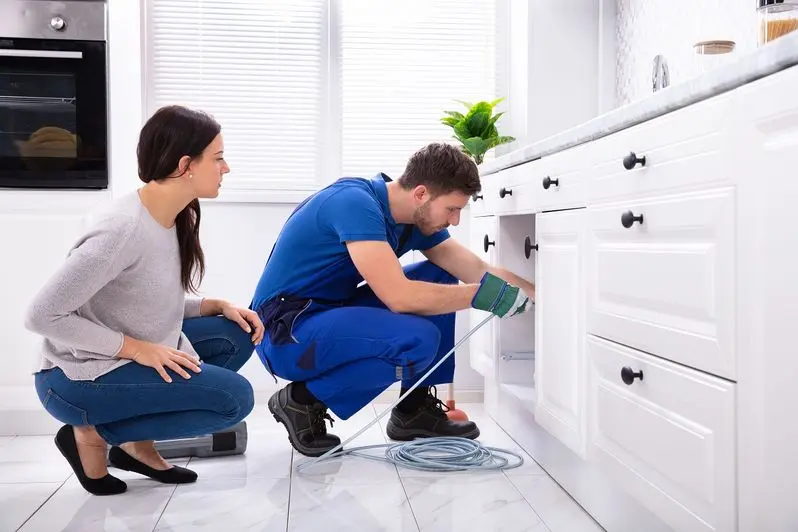
Woman Looking At Male Plumber Cleaning Clogged Sink Pipe

  • Potatoes
  • Potato Peelings
  • Pasta
  • Egg Shells
  • Bones
  • Fruit Seeds and Pits
  • Coffee Grounds
  • Rice
  • Hot Grease
  • Any Non-Food Item

If you have a clogged kitchen sink and disposal, do not use harsh chemical drain cleaners and clog removal products. Try using a plunger and, if that does not work, get help from one of our professional plumbers.

Our plumbing experts can help you with all of your kitchen plumbing maintenance, repairs, and new installations, including garbage disposal replacement. Call your nearest Christianson Air Conditioning & Plumbing location in San Antonio, New Braunfels, Temple, or the Austin Metro Area today!
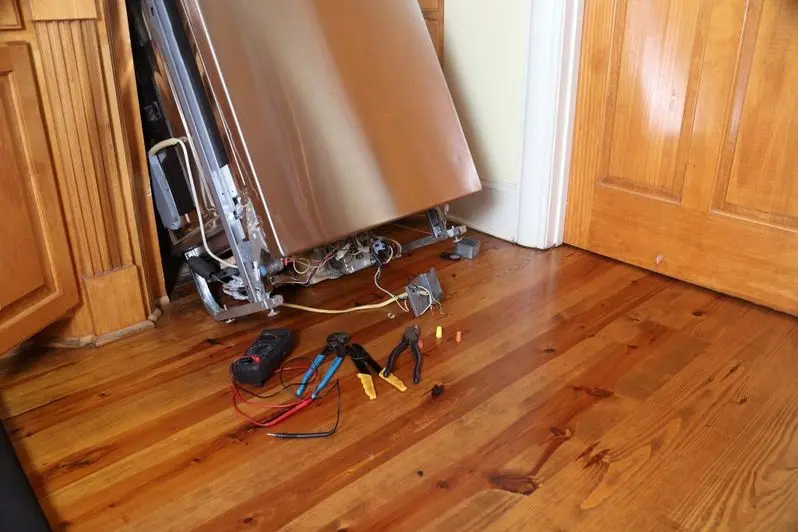
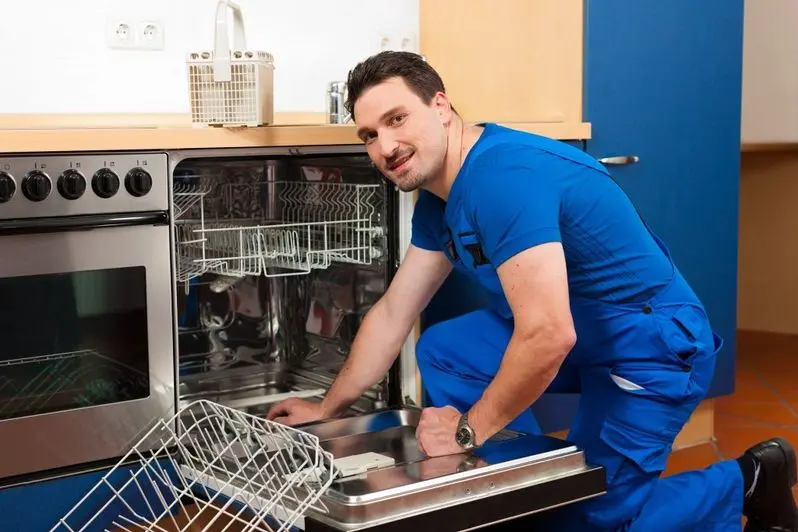
Most Common Dishwasher Installation Kitchen Plumbing Problems

If you are tired of doing dishes by hand, are looking to conserve water, or need dishwasher replacement, you need to be aware of some of the most common dishwasher installation kitchen plumbing problems people can have when attempting to do the install as a DIY project. Let’s take a look at both adding a dishwasher and replacing a dishwasher, and the problems you could encounter.

Adding a Built-In Dishwasher to Your Kitchen

If your home doesn’t currently have a dishwasher, you will need to find a location to install it. The location needs to be next to the kitchen sink since dishwashers are connected directly to the kitchen sink plumbing.

Broken Dishwasher being repaired

The space also needs to be deep enough to leave sufficient room for the hot water intake and drain lines and electrical wiring. In addition to space and location considerations, plumbing problems you could face may include:

  1. Breaking the existing drain line and hot water line. You will need to split the drain line and hot water line to install a new dishwasher. During this process, some people accidentally break the lines and damage them, resulting in further plumbing repairs.
  2. Leaks from the drain line and hot water line. If you do not correctly connect the dishwasher drain line and hot water line, you may discover water leaking from under the dishwasher or from under the sink.
  3. Using the wrong size drain pipe. Another issue has to do with the size of the drain pipe. There are special kitchen sink drain pipes that come pre-tapped for dishwasher hookup. All you have to do is replace the existing drain pipe with the new one. Kitchen sink drain pipes do come in different sizes to accommodate different types of sinks and dishwasher models.
  4. Forgetting to purchase the dishwasher installation kit. Most modern dishwashers require you to purchase a separate installation kit. The installation kit has the connectors and other essential hardware required to connect the dishwasher drain and hot water lines.
  5. Not installing a shutoff valve to the dishwasher. When tapping into the existing hot water line, you want to make sure to also install a shutoff valve in the right location.

Replacing an Existing Dishwasher

If you are replacing an existing dishwasher, you can still encounter various plumbing problems if you attempt to remove and install the dishwasher yourself. Some of the more common ones include:

Techniker repariert den Geschirrspüler

  1. Forgetting to shut off the water. You would be surprised by how many people make this mistake. They assume since the dishwasher is not running, the water is shut off.
  2. Not purchasing the dishwasher installation kit. You may think you already have everything you need for your new dishwasher install. However, what you may not know is you still need the kit that goes with your new dishwasher as intake, connection sizes change.
  3. Not replacing the drain line. When installing a new dishwasher, it is a good idea to also replace the drain line. Your old one could have gunk, grease, and other gross stuff in it that could lead to a clog later.
  4. Breaking the hot water line. You have to be careful when disconnecting and reconnecting the hot water line. If you are too rough on the line, you could break it.
  5. Leaks from the drain line and hot water line. If you do not connect the drain line and hot water line correctly, leaks can occur underneath the dishwasher and under the sink.

While installing a dishwasher might not seem that difficult, it is often a task best left to a professional dishwasher and kitchen sink plumber. Doing so helps you avoid all these plumbing problems and ensures your new dishwasher is installed correctly.

For help installing your new dishwasher in the San Antonio, Austin Metro, New Braunfels, or Temple areas, please feel free to call your nearest Christianson Air Conditioning & Plumbing location today!

7 Common Kitchen Renovation Mistakes to Prevent

Is a kitchen renovation project one of the things you put on your 2019 New Year’s resolutions list? This can be a great project to complete to give you that dream kitchen you have always wanted and desired. In addition, should you ever decide to sell your home, a modern, updated kitchen with the latest “smart” appliances can boost the resale value of the house.

Before you get started on ripping out cabinets and countertops and starting your renovation, our kitchen sink and plumbing experts encourage you to review these seven common kitchen renovation mistakes first so you don’t make them.

1. Not having a plan that fully utilizes the space.

You need to sit down and carefully plan how you want to use every square inch of available space. It is best to start with a blank slate and not worry about the current kitchen layout. Don’t forget to think about how the placement of cabinets and appliances will affect your design. The last thing you want is to open a cabinet door or the refrigerator and find out it won’t open all the way due to space constraints. That being the case, you might also need to consider extending the kitchen space or redesigning the existing space to accommodate all the elements of the kitchen. Renovation can give you enough room to include some extra additions and also enhance the overall look of your kitchen. If you are unsure about tackling it on your own, a simple google search can help you to find a suitable firm for undertaking the renovation project. For example, if you are living near Wisconsin, you could search ‘’home additions Wisconsin” to get assistance from a similar service nearby that could optimize your kitchen space.

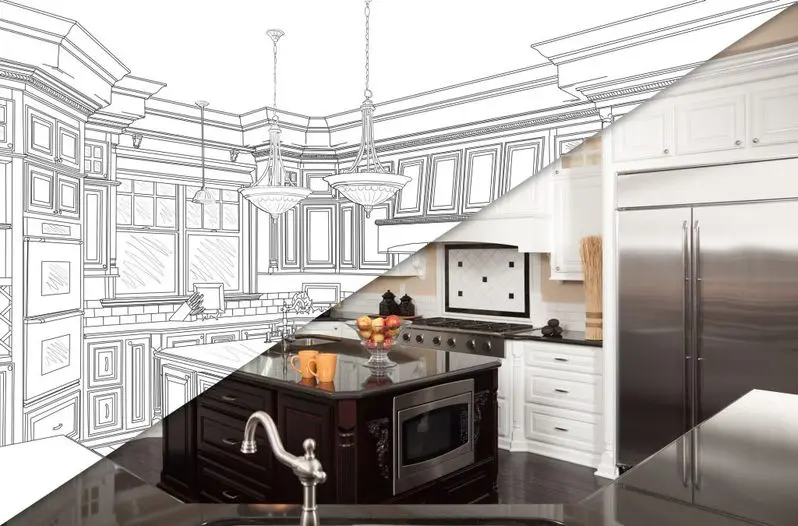
diagonal split screen of drawing and photo of new kitchen

2. Not consulting with a professional.

Even if you are doing most of the work yourself, it never hurts to get input from a kitchen design professional. They can help you work out the small details and point out essential things you may have missed when you created your plan. You can visit the website of a company like easybathroom.ca or one similar to it, to discuss with them your vision and see how they can help you.

3. Not creating a budget for your project.

You will want to set a budget on how much you plan on spending for your kitchen renovation project. Without a budget, it is easy to spend way more than you intended. You could also run out of money long before your project is complete and not have a fully functional kitchen.

4. Not choosing appliances at the start.

If you wait until later in the project to choose appliances, they may not fit with your new cabinets and countertops. It is better to decide what new appliances you want and where you want them installed.

5. Not planning plenty of storage space.

It can be nice to have an “open” kitchen design, but where are you going to put dishes, glasses, cookware, and all your dry and canned foods? Make sure your design includes all the storage you require. While some things like spatulas, ladles, spoons, etc., that are used more often than other utensils can be hung with the help of hooks or mouldable glue, larger cookware need substantial space so make sure to designate proper areas for storing them.

6. Not planning sufficient counter space.

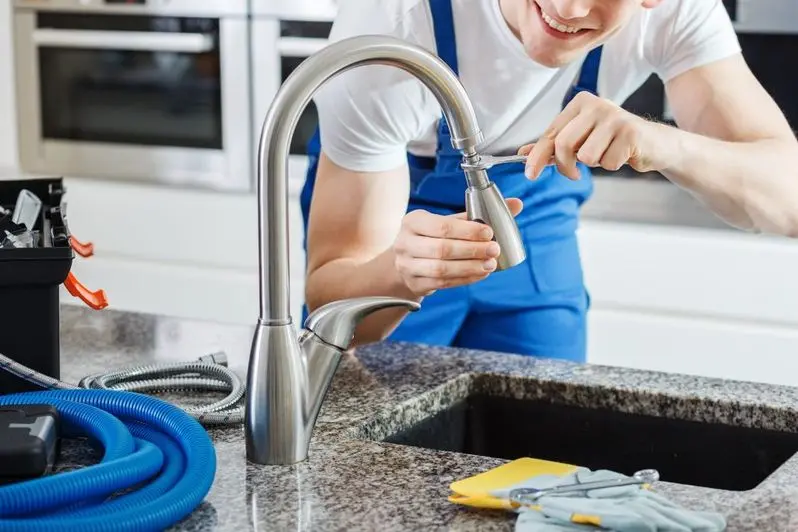
Smiling plumber fixing faucet

If you have small appliances that take up counter space, make sure you include more so you have somewhere to prepare meals. If your kitchen is large enough, consider installing an island in the middle with a small sink, as this can provide the counter space you need.

7. Going the DIY route for every part of the renovation.

Doing a DIY kitchen renovation can help reduce how much your project will cost. However, you will want to enlist the help of certain professionals to avoid costly mistakes later. For instance, if you need to run new plumbing lines or install a new dishwasher, a sink, faucets, or a garbage disposal, it is better to hire a professional plumbing service to ensure everything is installed correctly and up to current building codes.

For assistance with all your kitchen renovation plumbing needs, please feel free to contact your nearest Christianson Air Conditioning & Plumbing location in San Antonia, New Braunfels, Temple, or the Austin Metro Area by calling us today!

What Things Shouldn’t Go in a Garbage Disposal and Why?

Garbage disposals are wonderful appliances many homeowners have, as they help break down many different types of food wastes. When used correctly, they can prevent a clogged kitchen sink, compared to putting food waste down a sink drain without a disposal.

However, you need to remember, garbage disposals do not work with all types of food waste. This is a common misconception many homeowners take for granted. Unfortunately, they learn the hard way that their disposal was not designed for certain things when it stops working, a clog develops, or other problems appear.

Not sure if you are using your garbage disposal correctly? Then check out our plumbers’ list of things you should never put into a garbage disposal:

  • Rice and Pasta: Both rice and pasta will continue to absorb water, even after it is cooked to your preference. If you dump it down the disposal, the small bits that go down the drain will get bigger and can lead to clogs. Plus, pasta and rice can get stuck in the disposal’s drain trap.

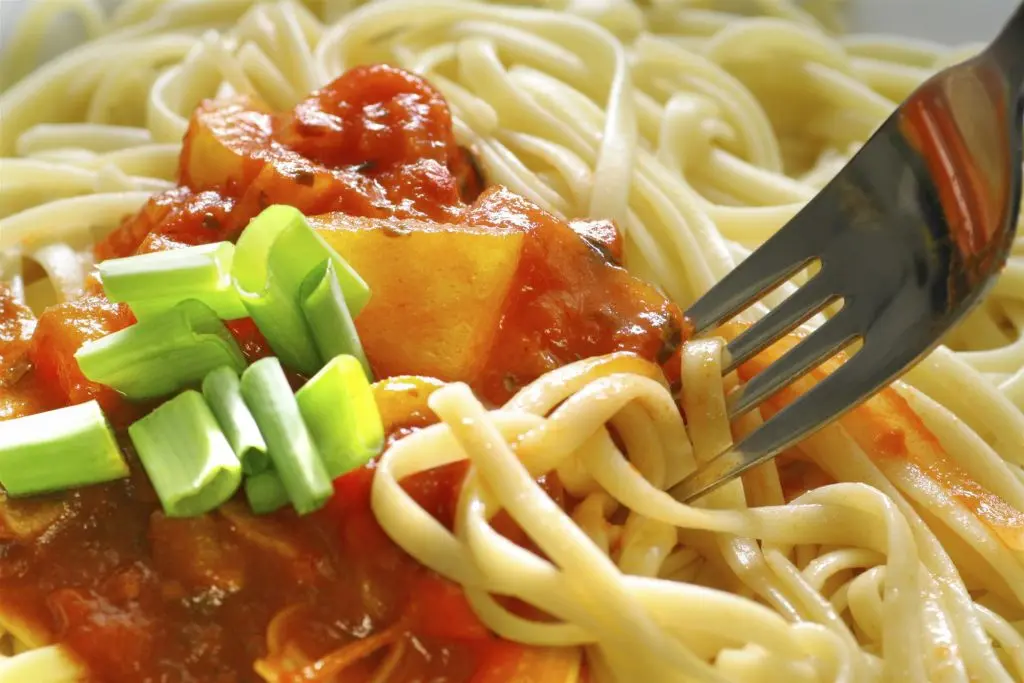
noodles


  • Potatoes/Potato Peelings: Potatoes are starchy and can create a big mess in your disposal. Cold water and potatoes make a paste that is gummy and can create sink clogs. Potato peelings are equally starchy and also hard to grind up. Not to mention, any residues, if you do avoid problems, still smell very bad.
  • Hot Grease: Hot grease and cold water do not mix. The cold water causes the grease to cool and stick to the insides of the components on the disposal, as well as the drain pipes.
  • Bones of Any Size or Shape: Bones do not play well with your disposal. The blades might be able to crack and snap some smaller ones. Even if they do make it through the disposal, the bits and pieces can create a clog.
  • Coffee Grounds: The grounds may seem small and like they would go easily down the disposal. Yet this is not the case, and used coffee grounds can turn your sink into a big mess. The friction caused while running the disposal turns them into sludge.
  • Fibrous Vegetables: Vegetables that have fibrous strings in them, such as celery and asparagus, can cause problems for your disposal. The strings wrap around moving parts and components and can cause the disposal to overheat and stop working.
  • Corn Cobs/Silk/Husks: These things are rough on your disposal and only create more problems in the long run. The cobs will not break down easily and could create a clog. The silk and husks are stringy and will wrap around moving parts.

By avoiding putting these items into your disposal, not only will it last longer, but you also can avoid kitchen sink plumbing problems.

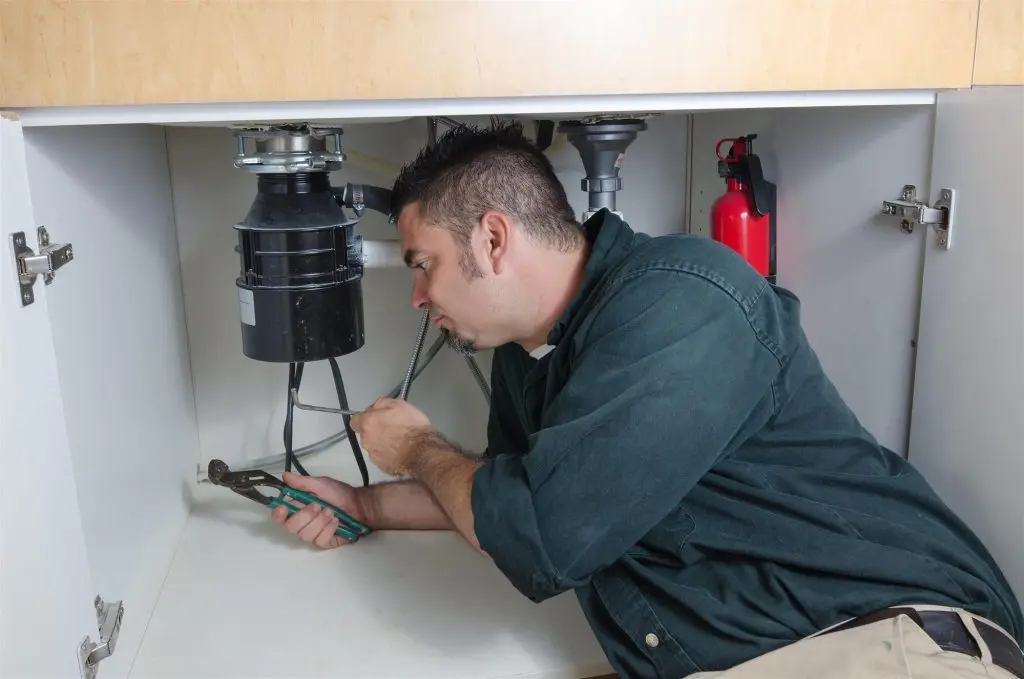
man fixing kitchen sink plumbing

In the event you do have a problem with your disposal, clogged sink, or any other plumbing problems, do not hesitate to contact your nearest Christianson Air Conditioning & Plumbing location in Austin, New Braunfels, Temple, or San Antonio today!