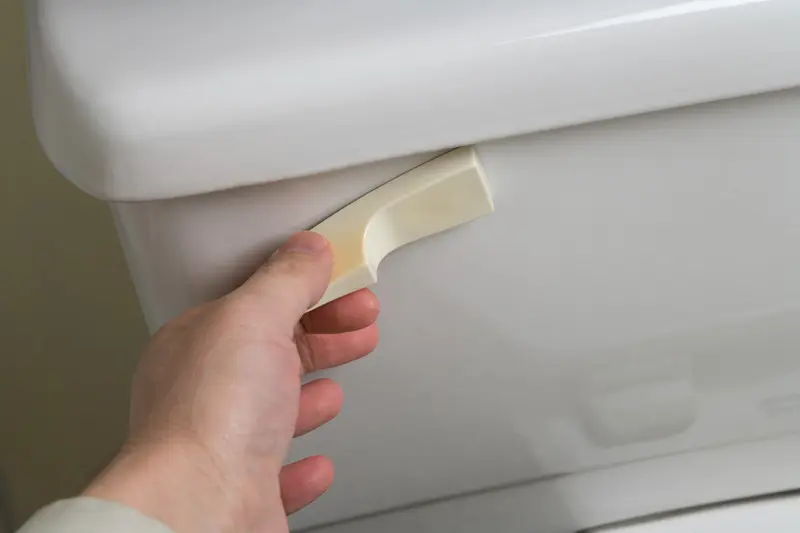
A properly functioning toilet is a fundamental necessity in any household. However, many of us have encountered the frustrating situation of a toilet handle that requires extra force or multiple attempts to flush. This common problem can disrupt our daily routines and leave us scratching our heads about the underlying causes.
Below, we’ll explore the various factors that can make a toilet handle hard to flush, and by understanding these reasons, we can provide you with the knowledge to troubleshoot and resolve the issue effectively.
Mechanical Issues
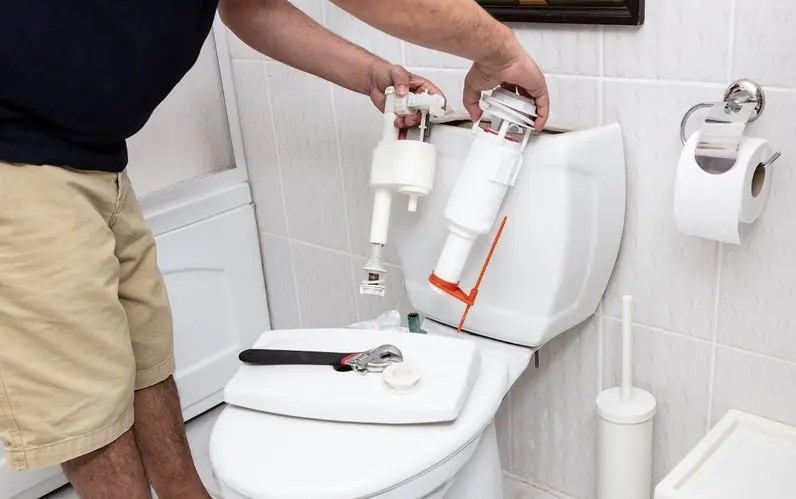
One of the primary reasons for a hard-to-flush toilet handle is mechanical issues within the flushing mechanism. The flush valve, which is responsible for releasing water into the toilet bowl during draining, can become faulty over time. If the valve does not open fully or gets stuck, it restricts the flow of water. This can result in a weak or no flush at all.
Another common mechanical problem involves a flapper valve that has become worn out. When the flapper valve wears down, it hampers the ability to create a proper seal, resulting in water leakage and inefficient drainage.
Additionally, mineral deposits and debris can accumulate in the valve or the connecting parts, obstructing smooth operation. This buildup restricts water flow and causes weak performance. Similarly, a loose or broken handle mechanism can inhibit the transmission of force from the handle to the flushing components, making it difficult to create enough draining power.
Water-Related Factors
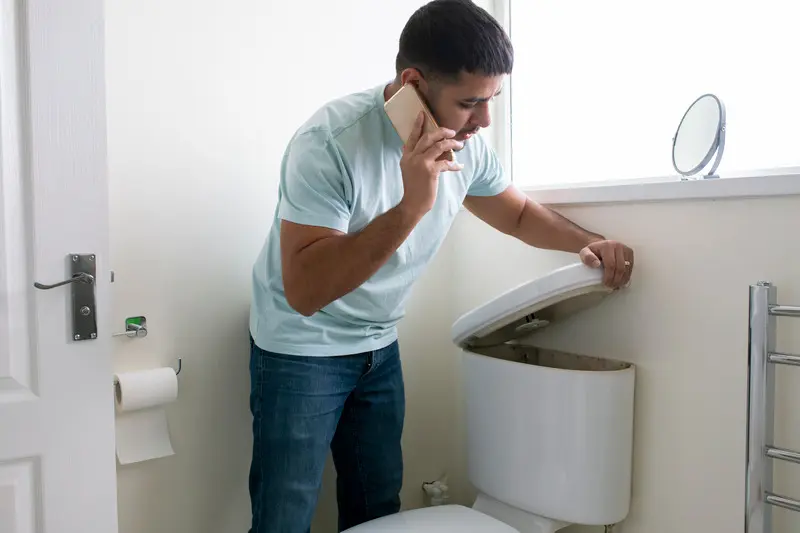
Water pressure plays an important role in a toilet’s performance. Low water pressure, often caused by supply line issues or clogged pipes, can make it challenging to drain efficiently. Insufficient water volume can result in weak or incomplete flushing, as there isn’t enough force to clear waste effectively. On the other hand, excessively high water pressure can create a sudden surge of water, overwhelming the system and causing ineffective emptying.
Furthermore, problems with the fill valve or the float mechanism can affect the proper functioning of the toilet. A malfunctioning fill valve may not allow enough water into the tank, resulting in inadequate flushing power. Similarly, a malfunctioning float mechanism may lead to incorrect water levels, impacting the drain performance.
Maintenance-Related Causes
Regular maintenance is crucial to keep a toilet functioning optimally. Neglecting maintenance tasks can contribute to a toilet handle becoming hard to use. Over time, mineral deposits, such as limescale, can accumulate in the toilet bowl, tank, or flushing components. This buildup restricts water flow and hampers the process.
Clogged pipes are another common maintenance-related issue. Accumulated debris, waste, or foreign objects can obstruct the plumbing system, causing water flow restrictions and resulting in a hard-to-flush toilet handle. Similarly, a partially clogged or blocked trapway can impede the flow of waste and water, leading to inefficient emptying.
Regular inspection and cleaning of the flushing mechanism, tank, and pipes can help prevent these maintenance-related issues.
A toilet handle that is hard to flush can be a frustrating experience, but by identifying and resolving these issues, we can restore the functionality of the toilet and ensure smooth flushing operations. Remember, a little knowledge and proactive maintenance can go a long way in keeping toilets in optimal working condition.
Hire an Expert Today
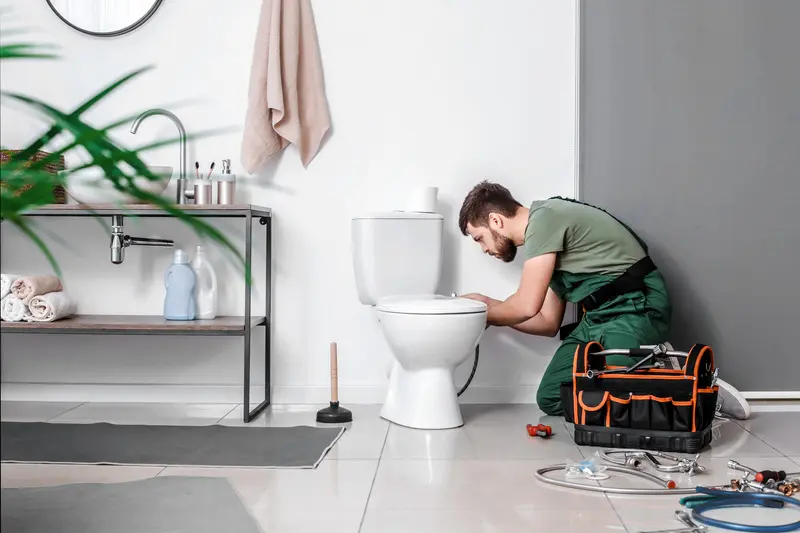
If you’re experiencing difficulties with a hard-to-flush toilet handle, don’t let it disrupt your daily routine any longer. Take action now to resolve the issue and restore optimal performance to your toilet. Contact Christianson Air Conditioning & Plumbing, a trusted provider of comprehensive plumbing services and solutions.
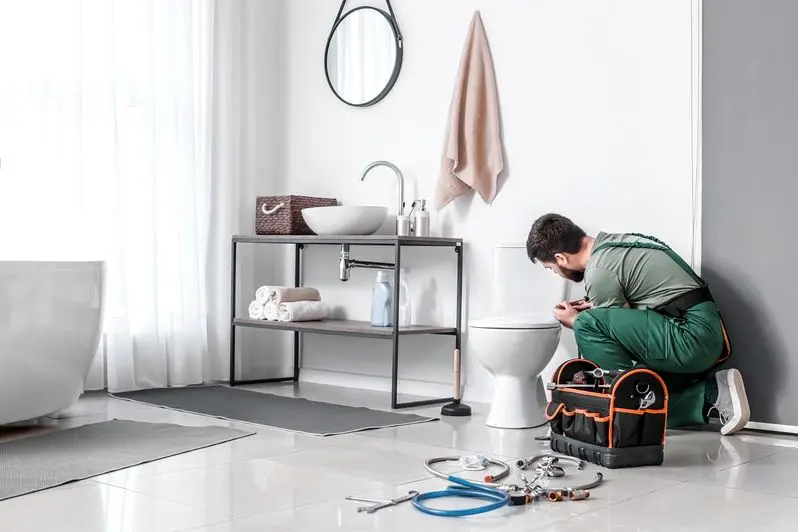
Our experienced team specializes in diagnosing and fixing a variety of toilet-related problems. Whether it’s addressing mechanical issues, water-related factors, or maintenance-related causes, our licensed plumbers can provide the necessary assistance to get your toilet working smoothly again. Don’t hesitate to reach out and benefit from professional expertise!