

Avoid Post-Storm Plumbing Problems: What to Check After Heavy Rain
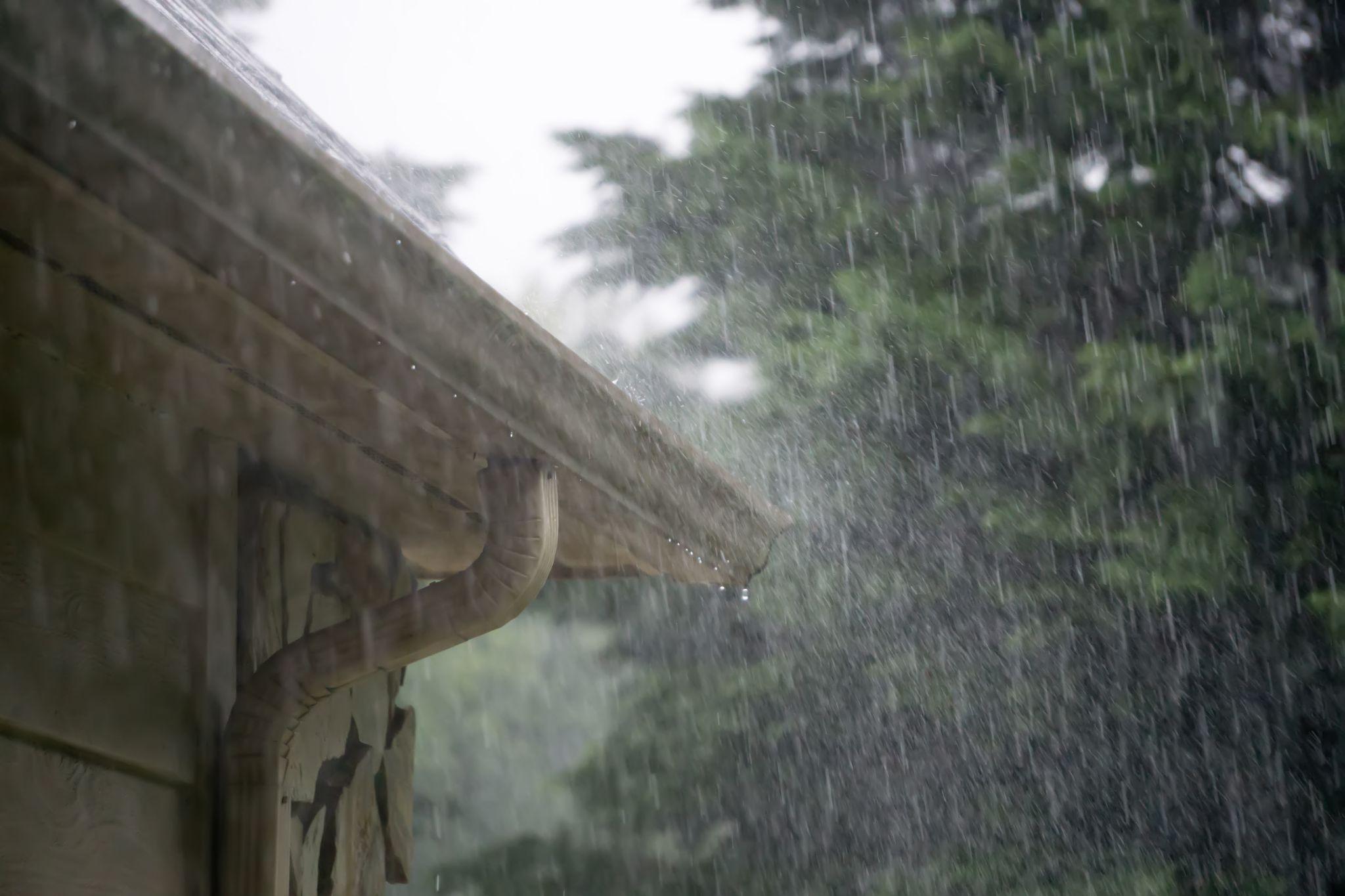
In Central Texas, sudden storms and heavy rainfall can do more than flood streets and damage roofs. They can also create serious plumbing problems inside and outside your home. From clogged drains to sewer backups, water damage after a storm often starts where you least expect it—your plumbing system.
Stormwater can overload sewer lines, saturate soil, and even shift underground pipes. Ignoring these effects may lead to unexpected plumbing emergencies, especially if warning signs go unnoticed. Below are the most important areas to inspect and what to do if you suspect damage.
Key Takeaways
- Heavy rain can lead to plumbing problems like sewer line backups, slow drains, and foundation drainage issues.
- Toilets that won’t flush after heavy rain or drains that gurgle may signal bigger issues within your sewer line.
- Check toilets, sinks, yard drains, and water heaters after a storm to catch early signs of damage.
- Call an emergency plumber immediately if you experience sewage smells, visible backups, or flooding.
- Preventive plumbing maintenance helps reduce your risk of costly plumbing repairs after severe weather.
Can Heavy Rain Cause Plumbing Problems?
Yes, and it happens more often than most homeowners realize. Heavy rain puts pressure on your home’s drainage systems and city sewer lines. When stormwater overwhelms these systems, water can back up into your home. Older or damaged pipes are especially vulnerable during high-volume rainfall.
Common signs of trouble include:
- Water backing up into bathtubs or basement drains
- Gurgling toilets or sluggish sinks
- Strong sewer odors inside or outside the home
- Flooded yards or standing water near clean-outs
Top Plumbing Areas to Check After a Storm
1. Toilets and Drains
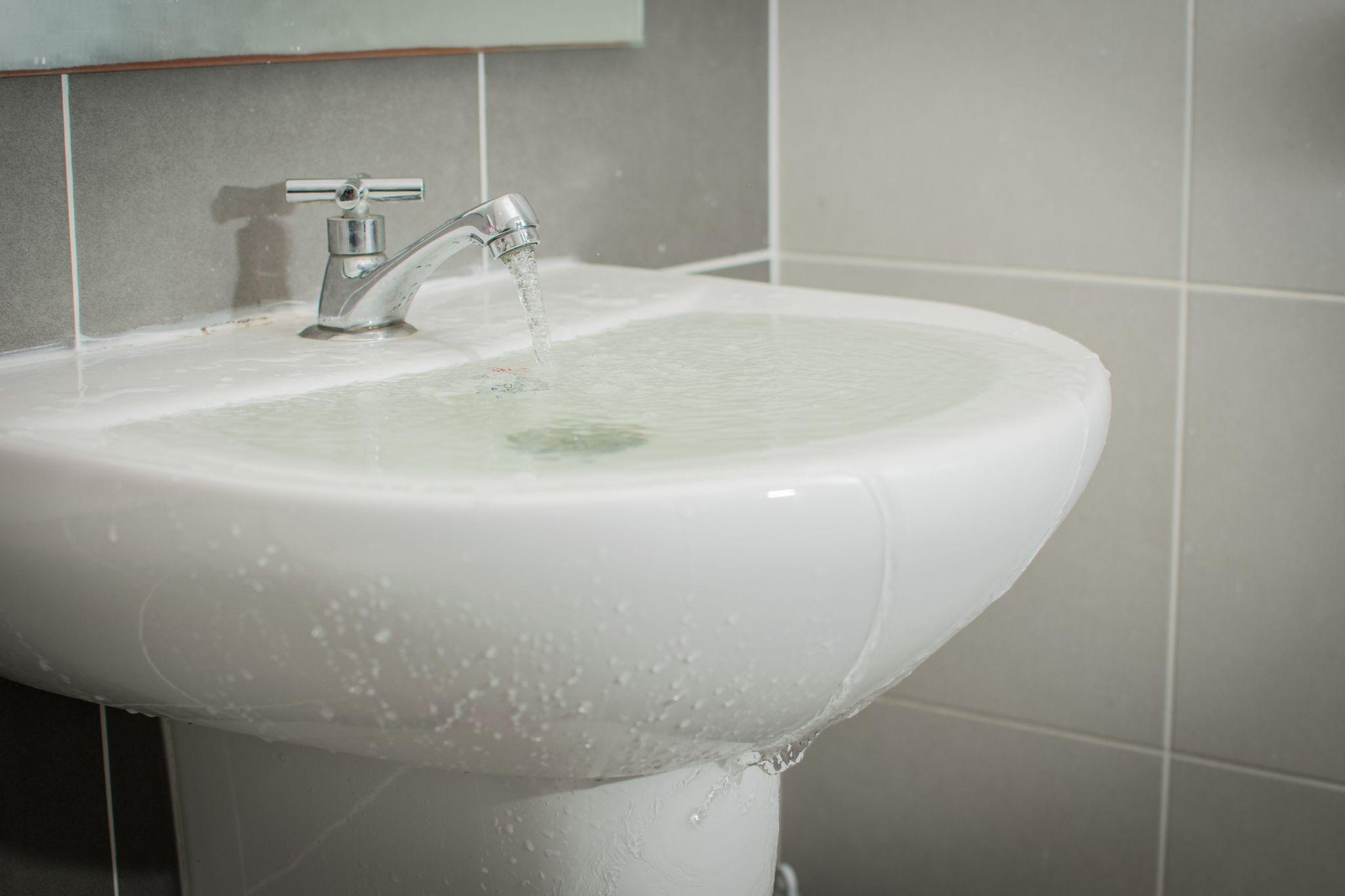
If you’re asking, can heavy rain cause toilets to back up—yes, it can. Stormwater surges can overwhelm public sewer systems, pushing wastewater back into your home. This often shows up as toilets that won’t flush after heavy rain or water bubbling up from shower and tub drains.
Drains and toilets often give early warnings when there’s a blockage or pressure imbalance. Don’t ignore strange noises, foul smells, or slow drainage.
What to check:
- Toilets that flush slowly or not at all
- Sinks and tubs that drain slower than usual
- Gurgling or bubbling from any plumbing fixture
- Water backing up into low-level drains or floor openings
2. Outdoor Drainage and Yard Areas
Poor outdoor drainage makes homes more vulnerable during and after storms. When water can’t properly drain away from your home, it collects near the foundation or seeps into underground plumbing lines. This added pressure can crack pipes and create blockages.
What to check:
- Soggy patches or standing water in your yard
- Overflowing gutters or disconnected downspouts
- Water leaking into crawl spaces or basements
- Grates or storm drains blocked with debris
3. Sewer Lines
Heavy rain stresses sewer systems more than any other part of your plumbing. If your sewer line is clogged, cracked, or blocked by tree roots, it’s more likely to fail when water levels rise. If you experience drain backups in multiple parts of your home, call a professional for emergency plumbing service.
What to check:
- Persistent foul smells near drains or outside clean-outs
- Slow drainage across all sinks and toilets
- Gurgling sounds when using multiple fixtures
- Overflow near the sewer clean-out in your yard
4. Water Heater and Appliances
Power outages and flooding can affect your water heater and any appliance connected to your plumbing system. After a storm, inspect each appliance for leaks, malfunctions, or signs of water damage.
What to check:
- Cold water when hot water is expected
- Leaking water heater tanks
- Water pooled under washing machines or dishwashers
- Tripped electrical breakers related to plumbing fixtures
When to Call an Emergency Plumber
Not all plumbing problems can wait. If your home is experiencing flooding, sewage backups, or unusable bathrooms, that’s a clear sign of a plumbing emergency. Call for emergency plumbing services immediately to minimize property damage and restore safe conditions.
Urgent issues that require immediate help:
- Water entering your home through drains or toilets
- Sudden loss of water pressure with no explanation
- Toilets that won’t flush and no secondary restroom available
- Sewage or gas odors inside the home
Christianson Air Conditioning & Plumbing is always ready to respond with 24/7 service across Central Texas. Our trained technicians can diagnose storm damage quickly and perform fast, reliable plumbing repair services.
Protect Your Home With Preventive Plumbing Maintenance
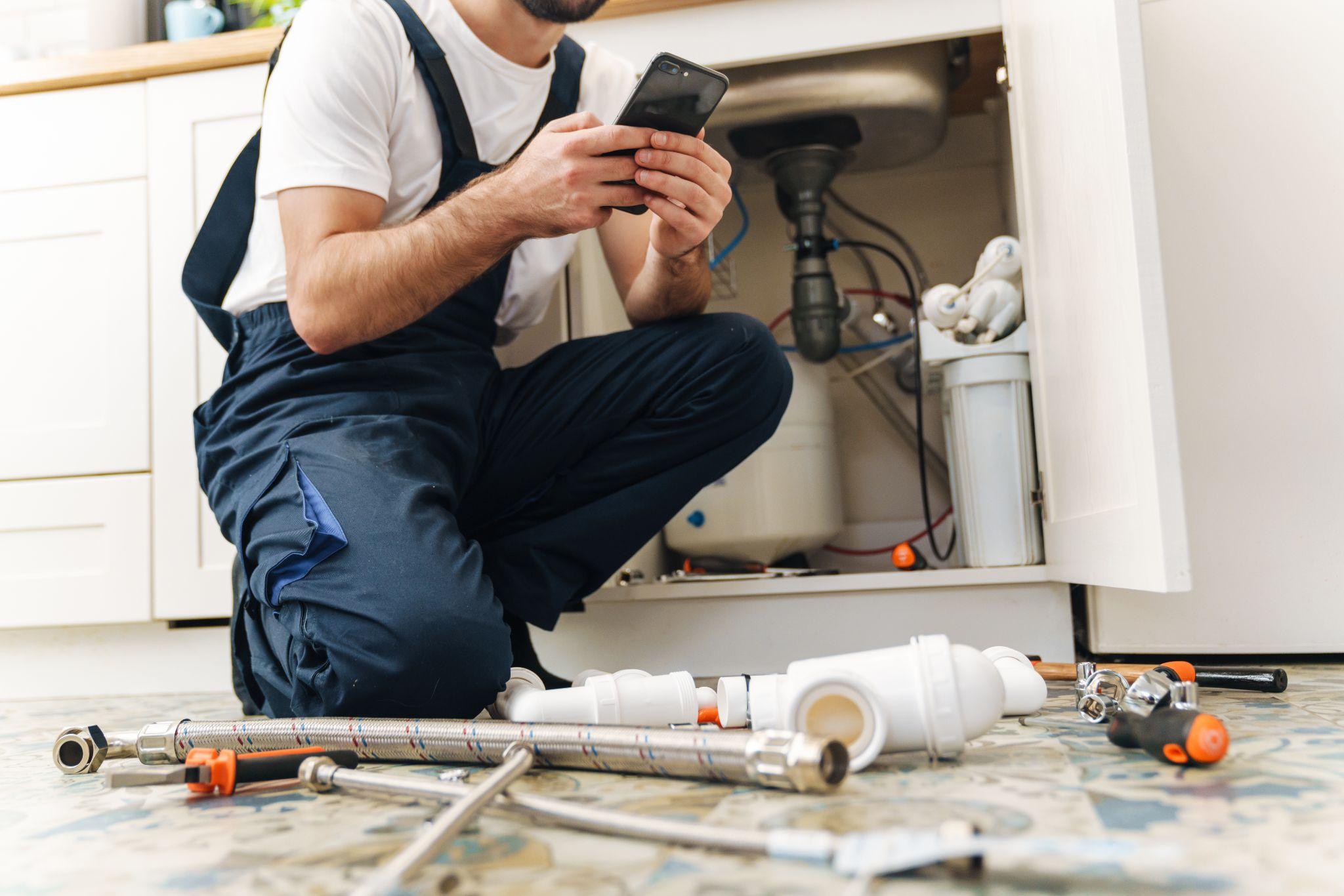
Storm season can reveal weak spots in your plumbing system. Regular inspections and preventive maintenance help you catch small issues before they become emergencies. Camera inspections, drain cleaning, and sewer checks are smart steps that protect your home long before the skies open up.
If your plumbing system has not been inspected recently—or if you’re unsure about its storm readiness—schedule a visit. A proactive approach keeps your plumbing performing efficiently and minimizes the risk of major repairs during the next downpour.
Need Storm-Related Plumbing Repair? Call Christianson Air Conditioning & Plumbing Today
If your home shows signs of damage after heavy rain or you’re dealing with sudden drainage issues, don’t wait. Christianson Air Conditioning & Plumbing provides reliable, fast-response plumbing repair services throughout Central Texas.
From emergency plumbing needs to scheduled maintenance, our licensed team is ready to help. Contact us or call (512) 246-5400 to schedule service today.
Sorry, comments for this entry are closed at this time.