Texans serving Texas since 1950

Call Us Now:

Austin Metro (512) 246-5400
San Antonio (210) 651-1212
Temple (254) 773-7175
New Braunfels (830) 627-2211

When Is the City Responsible for Sewer Line Issues?

Posted on June 18th, 2022 by Jill Ponek

When you have issues with your sewer plumbing, it is essential to understand who is responsible for fixing the sewer line. In some cases, your city may be responsible for making the repairs. In other cases, it is your responsibility to call a plumber and have it fixed.

When Is the City Responsible?

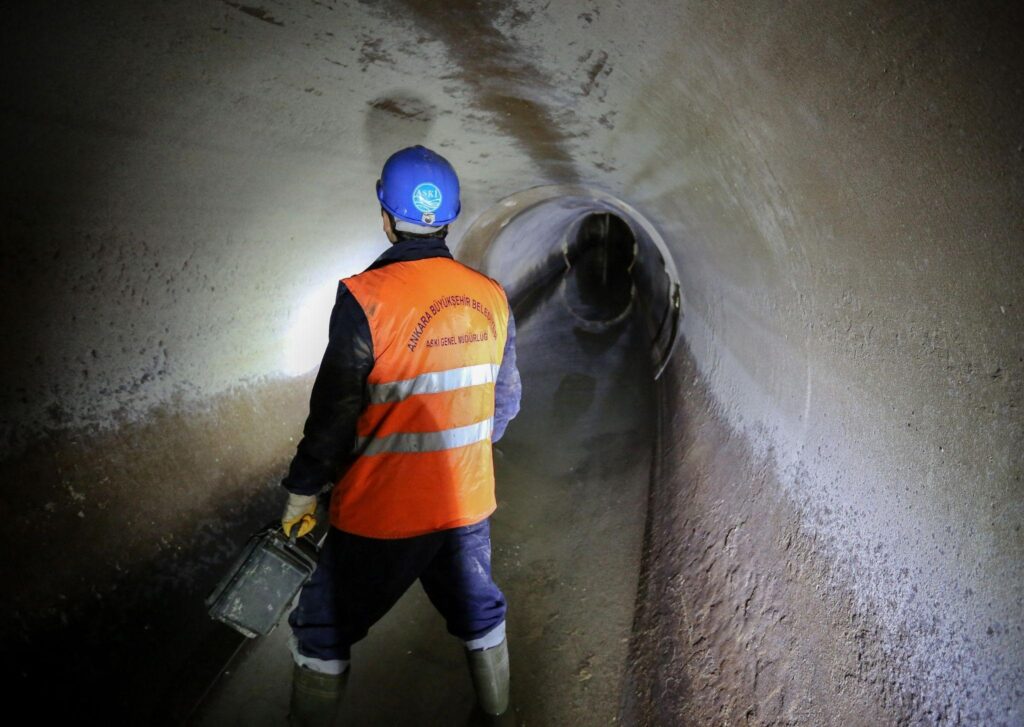
sewer inspector

To determine when the city is responsible for sewer lines, you need to locate the source of the problem. Unfortunately, many people mistakenly assume the plumbing that runs into and out of their homes is the city’s responsibility.

However, that is not the case. Homeowners are responsible for all sewer lines on their property, regardless of who installed the lines. Essentially, the city is only responsible for the main sewer line, which is usually located under a street or another location on city property.

Additionally, the city can be responsible for the sewer lines that run from your property line to the main sewer line. Yet, that is not always the case, as you will see shortly.

What Is Your Responsibility?

As previously mentioned, you are responsible for sewer and water lines that are on your property. So, if there are drainage problems, backups, or other problems, you have to get them fixed. You may also be responsible for tree roots and clogs for the part of the sewer line that runs from your property line to the main sewer line.

For example, trees on your property may have grown into the pipes and damaged them. Since the trees are on your property and connected to the roots, you are responsible for the tree root damage.

Another example is when a clog forms in this part of the sewer line. If the cause of the clog can be traced back to your home and sewage waste, then you are responsible for the costs of removing the clog.

What Can You Do to Avoid Sewer Line Problems?

There are several effective ways to help reduce and avoid sewer line problems that are your responsibility.

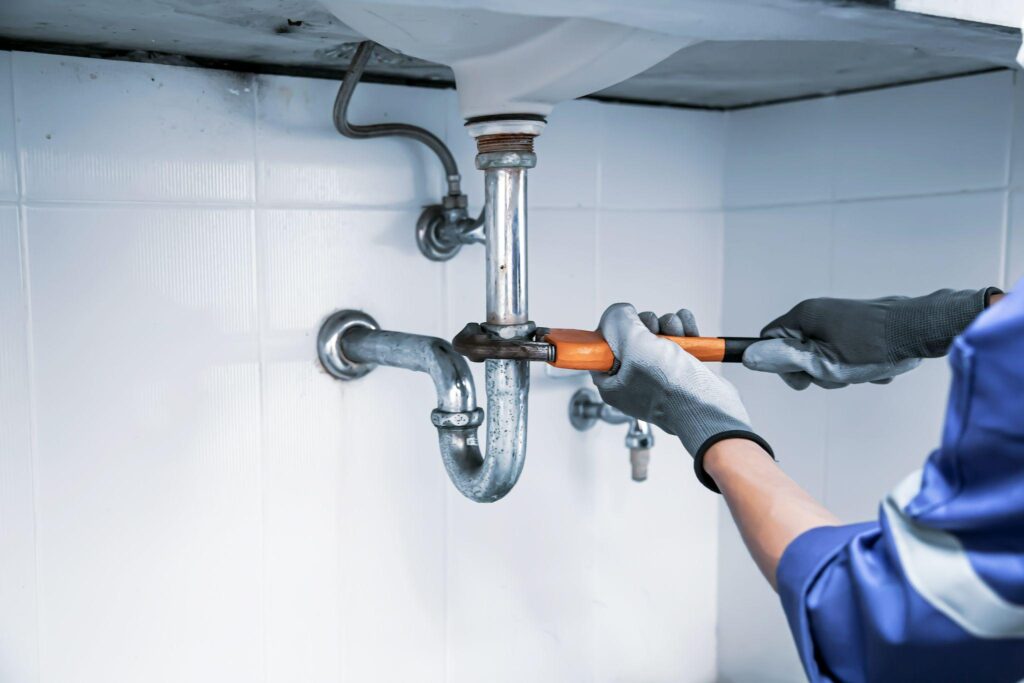
Plumber working in the bathroom, plumbing repair service, repairing leaking sinks with adjustable wrench

  • Sewer Line Inspections – Have your plumber perform a sewer camera line inspection annually. This can help identify potential problems, such as tree roots, clogs, and cracking and breaking sewer lines.
  • Have Your Sewer Line Cleaned – Regular cleanings can help remove waste, sludge, and small tree roots. The frequency of cleaning depends on your household size.
  • Resolve Leaks Quickly – If your sewer lines are leaking, have them repaired by your plumber sooner than later. Trenchless repair is a great way to resolve leaks and tree root problems without digging up your entire yard.
  • Review Your Insurance Coverage – Contact your insurance provider to find out what type of sewer line coverage you have available. Knowing what types of losses are covered is beneficial and can put your mind at ease should a sewer line problem occur.

Sewer Line Inspections, Cleaning, and Repair Services

Whether you suspect a sewer line problem and want a camera inspection, your sewer lines need cleaning as part of annual maintenance, or you have a sewer line problem that needs to be fixed, the experienced plumbers at Christianson Air Conditioning & Plumbing are here to help.

Please feel free to contact us at 512-246-5400 to schedule sewer plumbing service in San Antonio or the Austin Metro area today!

Tags: , ,


How to Find a Good Plumber for Your New Construction

Posted on June 15th, 2022 by ChristainSon_Admin

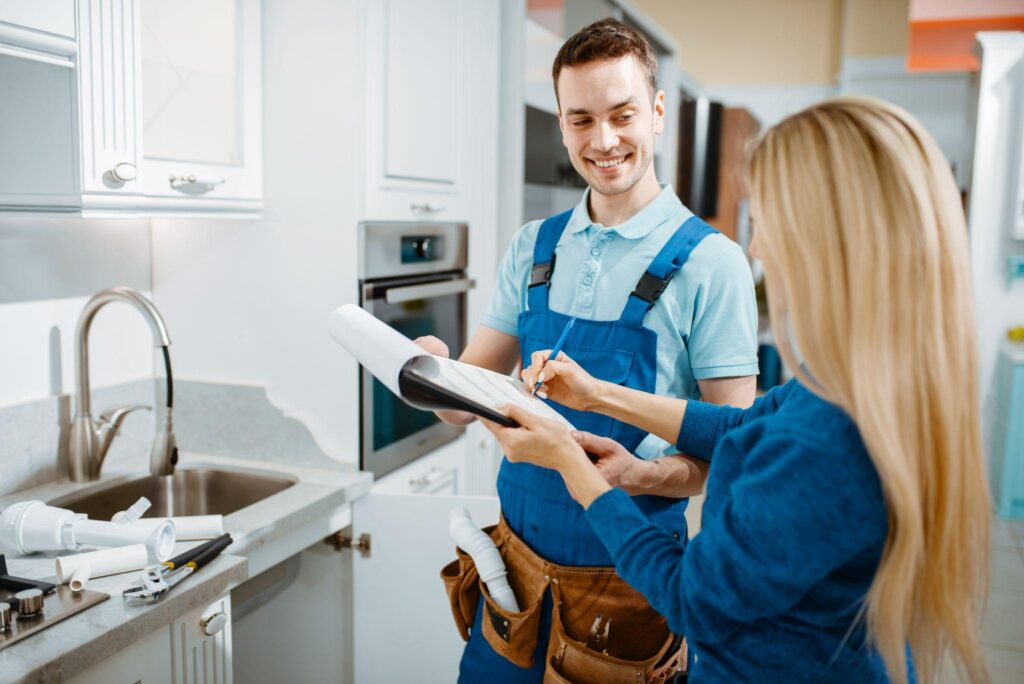
Handy man having a deal with young woman client after the repairment on the kitchen.

When you are getting ready to build your new home, apartment community, or subdivision, it is essential that you find a good new construction plumber to take care of all your plumbing needs. It might be tempting to simply hire a general contractor and let them handle hiring other contractors required for your project, such as electricians, plumbers, and HVAC technicians.

However, it is better to do your own research and verify you are hiring the best new construction contractors for the job. Choosing the right contractors yourself ensures you will be entirely satisfied with the quality of work.

How to Choose the Right Plumber

There are several things you should look for when choosing the right construction plumber or plumbing company for your plumbing needs, as follows:

#1. Age of Business

How long has the plumbing company been in business? The company should be well-established as this shows they have been offering home services and construction services for decades to the local community. Ideally, the contractor should have at least a decade of experience in construction projects.

#2. Training

How well does the plumbing company take care of its plumbers? Do they provide ongoing training and certification programs to ensure their plumbers are up-to-date on current building codes, plumbing methods, etc.? You want to verify the plumbing contractors you are considering to hire for your project are current on their training and certifications.

#3. Years of Experience

While the plumbing contractor may have other plumbers working under them, the plumber in charge of your project should have the most years of experience. You also want to confirm they have experience in new construction plumbing.

#4. Emergency Services

Should there be a plumbing problem during the construction project or long after, you want a reliable plumber who will be there to respond to plumbing emergencies. Verify what emergency services your plumber offers and how fast their response time is to resolve plumbing issues.

#5. Range of Services/Offerings

It doesn’t hurt to review what other types of services and offerings are available from your construction plumber. For example, some plumbing companies also provide access to experienced HVAC contractors to take care of your heating and cooling system needs. So, you may find you can hire both a construction plumber and a construction HVAC technician through a single plumbing company.

#6. Commitment to Customers

You want a plumber who is committed to their customers and takes pride in helping resolve their customers’ plumbing problems. You can verify their commitment easily by researching and reviewing online reviews of the plumber, their work, and the quality of customer service.

#7. Credentials

The quality of the work is also directly related to the types of credentials the plumbing contractor has obtained. For example, whether plumbers, electricians, or HVAC technicians, construction contractors should be certified by the NAHB (National Association of HomeBuilders).

The NAHB requires applicants to undergo a rigorous quality improvement program and regularly audits the contractor to ensure they maintain the standards of quality required for certification through each respective trade.

#8. Honesty

How honest does the plumber seem to you? Are they direct about the scope of the work needed, the plumbing materials required, and the best way to take care of your construction plumbing needs? If they do not know the answer to your questions, do they tell you so?

Honesty is based on integrity and the plumber’s commitment to their customers. You want a plumber who is not afraid to tell you the truth, even when they cannot answer one of your questions.

#9. Upfront Pricing

Does their pricing seem fair and reasonable? Does their project estimate detail all the work to be completed without any risks of hidden charges or fees? The last thing you want is to get a final bill with a bunch of added charges and fees for plumbing system installation in your home, apartments, or subdivision homes.

#10. Single Point of Contact

The best contractors provide a single point of contact for you to work with from the early planning stages of the project right on through until project completion.

#11. Can Work Well with Other Contractors

When evaluating plumbers for your construction project, take the time to inquire about how well they get along with other contractors. You want the type of plumber who can work alongside other contractors to ensure your project is completed on time.

Additional Tips for Hiring a Plumber

Male plumber and female customer in the kitchen

Hire a plumber at the start of the project.

It is always a good idea to find a plumber the moment you decide you are going to start a construction project. Your plumber can have input into the planning and placement of plumbing lines, bathroom design, and other details that can ensure you are not overspending on plumbing services.

Verify they know what plumbing materials are required to meet current building codes.

All new construction projects must meet current building codes. Before the project can be signed off and completed, a detailed inspection is performed. The last thing you want is for your inspector to tell you the plumbing doesn’t meet code. Choosing a plumbing contractor with knowledge of current building codes ensures you won’t have to deal with plumbing issues later.

The best plumbing contractors can help you choose the best plumbing fixtures.

Water conservation and energy efficiency are becoming increasingly important to homeowners and renters alike. Experienced plumbers should know which plumbing fixtures and water heaters can help ensure your project conserves water and is energy efficient.

Hiring a New Construction Plumber in Central Texas

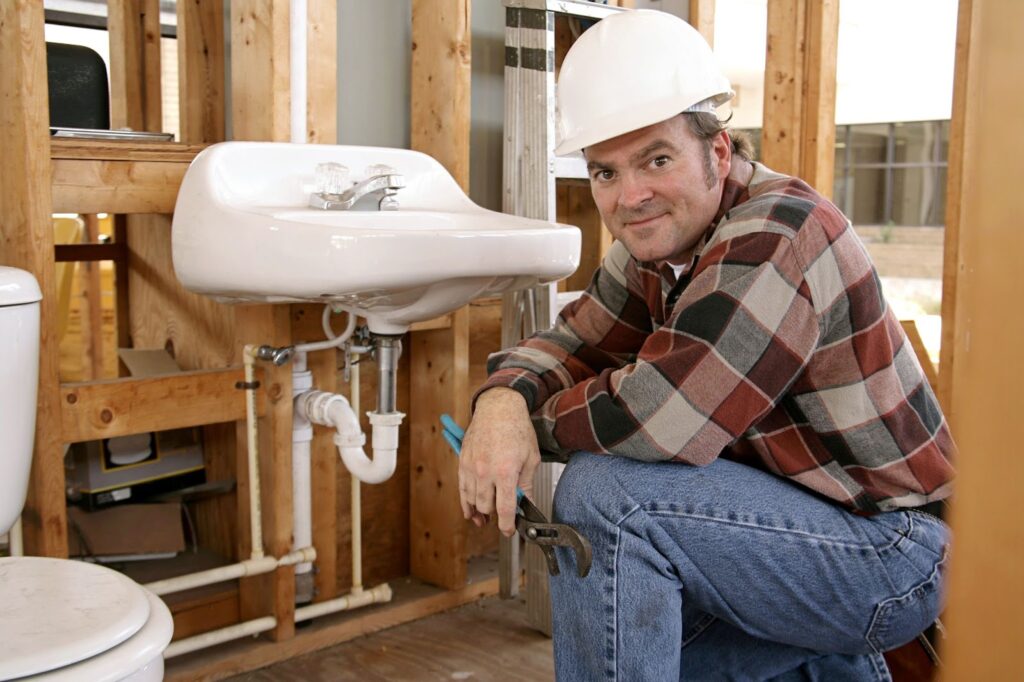
A construction plumber installing bathroom fixtures in a home under construction.

At Christianson Air Conditioning & Plumbing, we have started as many as 15,000 single-family air conditioning and plumbing projects during the yearly peak construction season. We offer onsite project management, quality assurance, and safety, and we follow all current building codes within the scope of your project.

We work closely with you and your other contractors to ensure all scheduling is optimized at the right times during the construction processes. Additionally, we are happy to assist in the planning stage using CAD (computer-aided design) processes.

Furthermore, the job is not finished once we complete your project. More than 85% of our customers are repeat customers we continue working with by providing plumbing, heating, and cooling maintenance, repairs, and related services.

When you are looking for honest, dependable, experienced, and licensed plumbers for your new construction project, please feel free to contact Christianson Air Conditioning & Plumbing at 512-246-5400 today!


Toilet Buying Tips: Choosing the Perfect Toilet for Your Bathroom

Posted on May 18th, 2022 by Jill Ponek

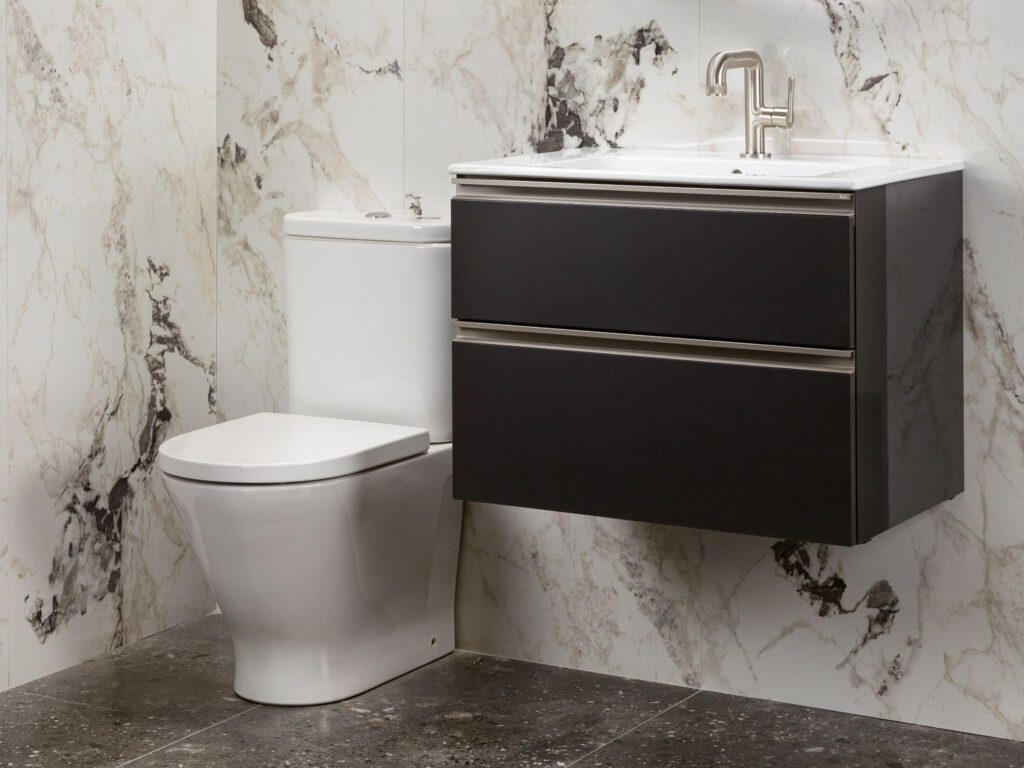
Interior of modern bathroom with toilet and sink

The toilet in your bathroom is designed to last a long time with the proper maintenance and care. However, there can be many reasons why you would want to buy a new toilet. For example, you may be renovating your bathroom or want to get a new low-flow toilet to conserve water. To help you choose the perfect toilet for your bathroom, we invite you to review these toilet buying tips.

#1. Decide on a Color

Toilets come in just about any color you can imagine. When choosing a color, think about how the toilet will fit with the rest of your bathroom decor.

#2. Elongated vs. Round Toilet

The difference between elongated and round toilets is the shape of the toilet. Elongated toilets are more oval-shaped and offer a larger seating area compared to round toilets. So, if you desire a larger toilet seat size, then opt for an elongated toilet.

#3. Self-Cleaning or Manual Cleaning

Certain modern toilet brands include self-cleaning features to keep the toilet clean. A self-cleaning model is a good decision if you dislike cleaning the toilet.

#4. Heated Toilet Seat

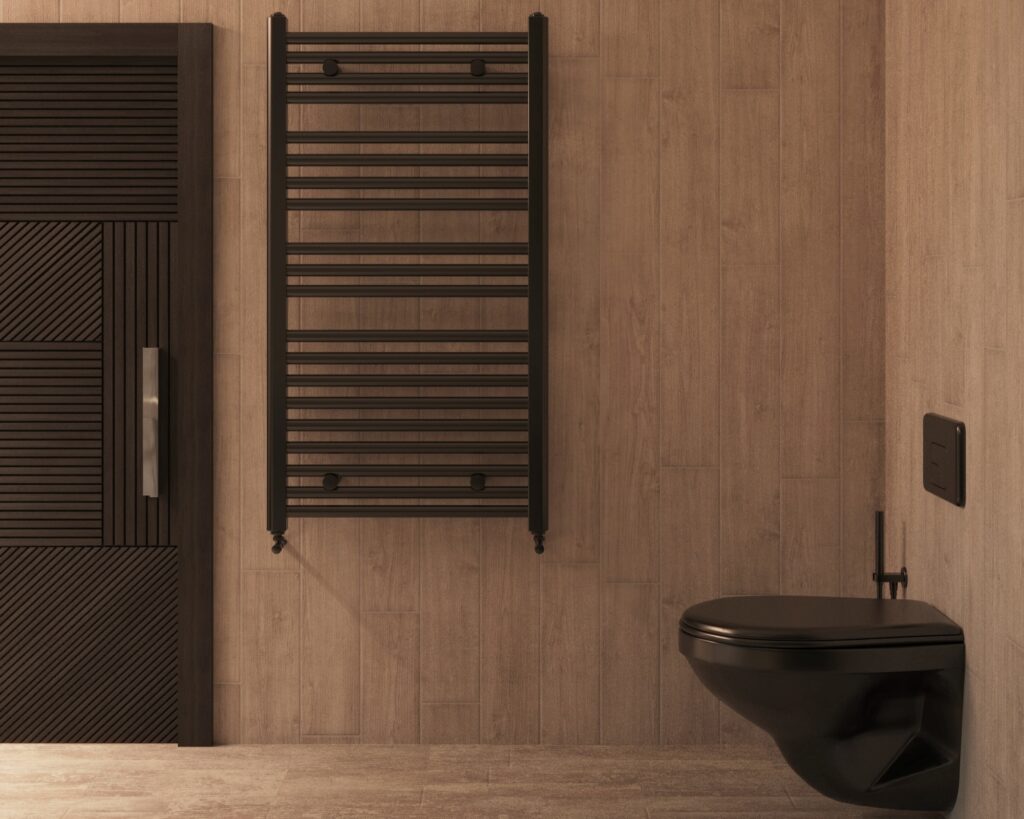
Modern bathroom

When buying a new toilet, another modern feature you can find is a heated toilet seat. So, if you dislike sitting on a cold toilet seat, you may want to invest in a heated seat.

#5. Water-Conserving Features

If you want to reduce the water used when flushing the toilet, you should consider the flush performance rating. The performance rating is how many gallons of water is used per flush. You can also find toilets with two different flushing modes to choose whether you need a partial flush or full flush.

#6. The Placement of the Toilet

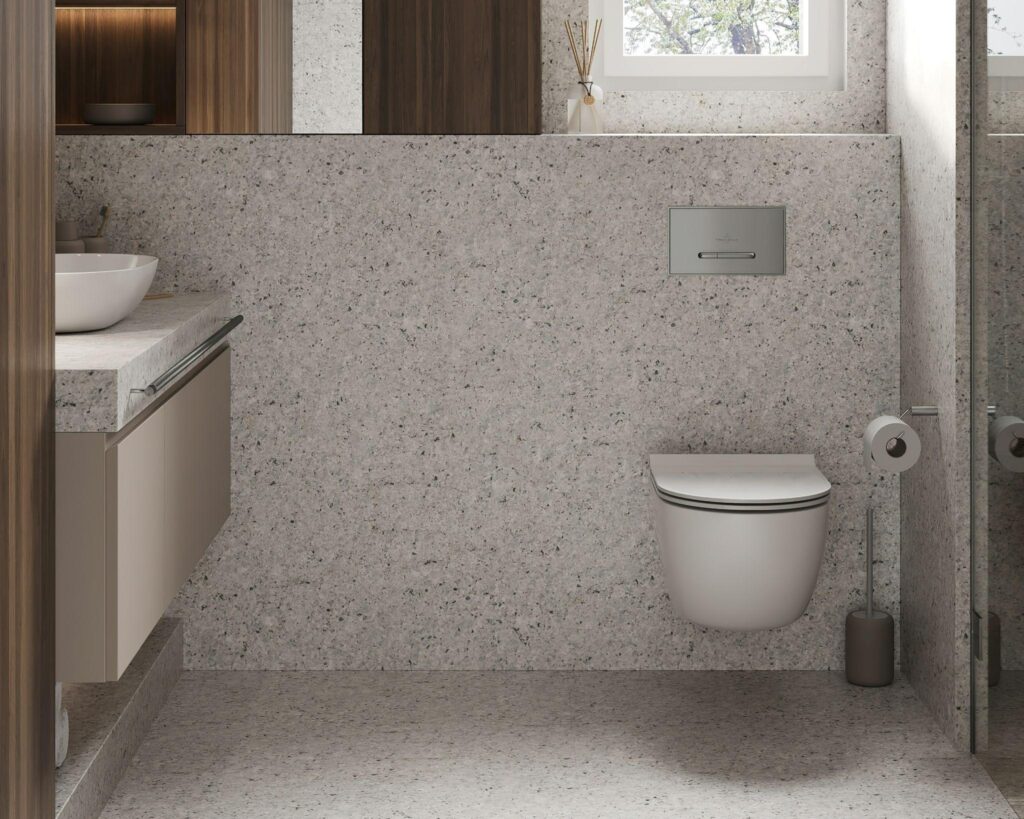
Most residential toilets are secured to the floor with the drain directly below the toilet. However, some people are upgrading to toilets attached to the wall to free up space, especially in smaller bathrooms. If you are considering a wall-mounted toilet, you need to also consider the toilet drain to wall distance, as your existing drain line will need to be moved.

#7. Toilet Seat Comfort

You want a comfortable toilet seat that does not make your backside sore or one that is unpleasant to sit on while you do your business. When selecting a regular toilet seat, look for thicker ones or upgrade to a padded toilet seat for maximum comfort.

#8. Toilet Bowl Shape

Modern spacious bathroom with bright tiles with toilet and sink.

There are many choices available in toilet bowl shapes, from retro styles to modern and sleek styles. Just remember, if you get a different bowl shape than you currently have, you may need some plumbing work to accommodate the new toilet bowl.

#9. Single-Piece or Dual-Piece Toilet

Most people are familiar with dual-piece toilets where the bowl and tank are separate components. However, single-piece toilets are becoming equally popular in homes. It really comes down to personal preferences and aesthetics when deciding which one you want for your bathroom.

#10. Toilet Height

The height of the toilet will determine how low you feel to the ground when sitting on it. If you like the height of your current toilet, measure from the base to the top of the toilet bowl. Next, measure the distance between the toilet bowl and the toilet seat. These measurements will let you know the height of the toilet and the thickness of toilet seat you need.

Buying a New Toilet

When buying a new toilet, use these toilet buying tips to make a list of everything you want in your new toilet. This way, you can easily verify the toilet brand and model includes all the features and options you desire.

For help choosing and picking out a new toilet for your home in San Antonio, or the Austin Metro area, please feel free to contact Christianson Air Conditioning & Plumbing at 512-246-5400 today!

Tags: , ,


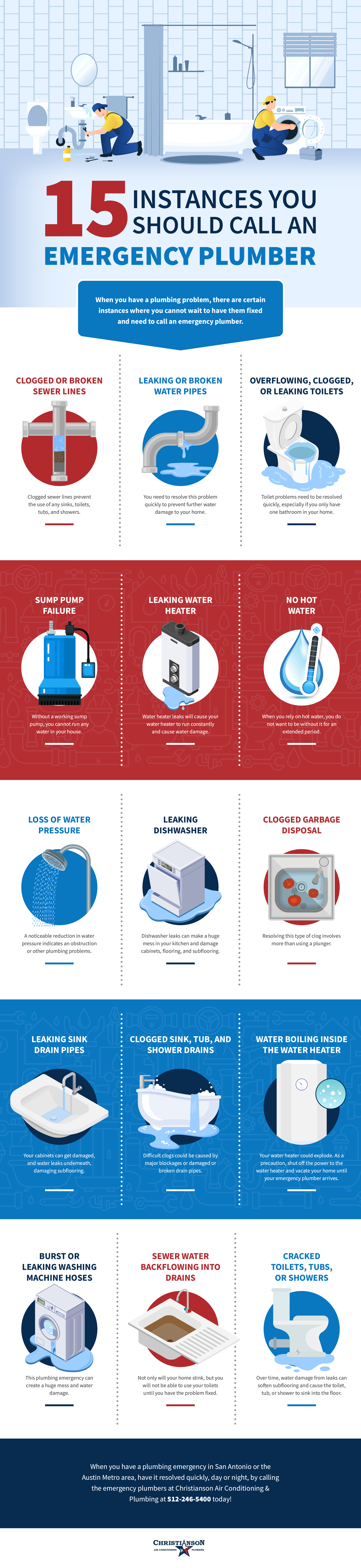
15 Instances You Should Call an Emergency Plumber

Posted on April 25th, 2022 by ChristainSon_Admin

Plumbing emergencies often occur when we least likely expect it. You might be woken up in the middle of the night to the sound of running water because a water pipe burst. You could flush your toilet only to have it overflow from a major clog.

What Is Considered a Plumbing Emergency?

A plumbing emergency is any type of plumbing problem or failure that prevents you from using your home’s plumbing system. Certain types of plumbing problems are pretty clear and require an emergency plumber.

For example, if your sump pump fails, the water the sump pump normally pumps safely away could back up and flood your basement. So, you would want to get emergency plumbing repair for your sump pump as soon as possible.

On the other hand, finding out you have no hot water when you take your shower could be an emergency situation for you, or it may not. It just depends on the level of inconvenience and potential for water damage the plumbing problem is creating for you and your family.

To find out more about the instances when you should call an emergency plumber, we invite you to continue reviewing the following infographic.

When you have a plumbing emergency in San Antonio or the Austin Metro area, have it resolved quickly, day or night, by calling the emergency plumbers at Christianson Air Conditioning & Plumbing at 512-246-5400 today!

Instances You Should Call an Emergency Plumber Infographic

Click below to embed this infographic into your website:


How to Prevent Clogged Bathtub Drains

Posted on April 20th, 2022 by ChristainSon_Admin

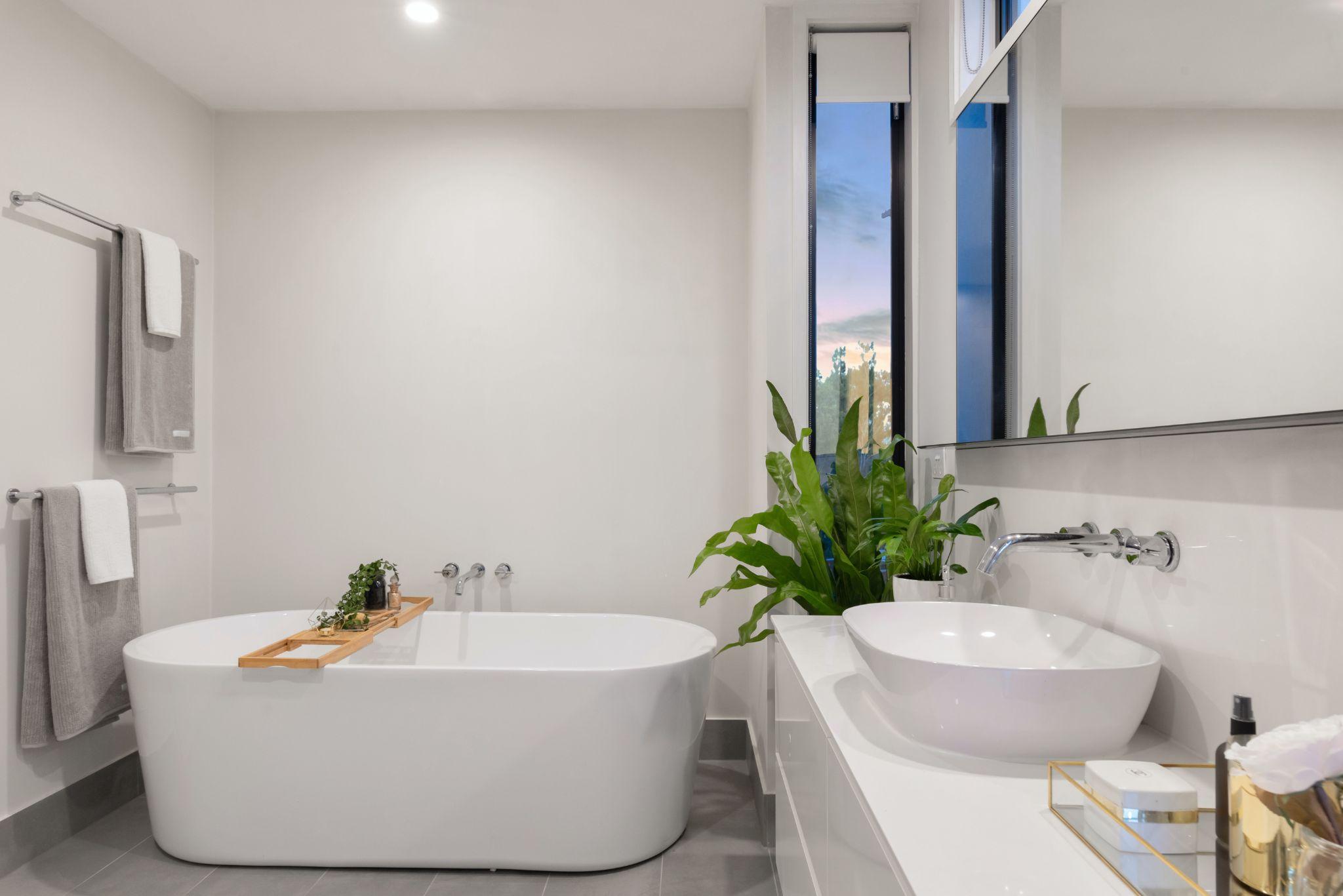
white Bathroom with Amenities, Bathtub and sink.

Bathtub drain clogs are preventable by giving your bathtub drains some attention. Luckily, the amount of attention you need to give them does not require much additional work on your part. However, before you can take preventative measures, you need to understand what causes clogged bathtub drains.

Why Is My Bathtub Clogged?

Bathtub drain clogs gradually appear from continued use of the drain. You may first notice water does not drain as quickly as it once did. This indicates that a clog is developing and will eventually cause a blockage. Some of the more common causes of clogged tub drains include:

#1. Soap, Shampoo, Conditioner, Shaving Gel Scum

You would think that these personal hygiene items would not cause clogs, but they do. As soap, shampoo, and conditioner go down the drain, they can leave a residue that turns into a gel-like scum. Over time, the gel-like substance will start to harden, similar to bar soap. Eventually, it can build up so badly inside the drain line that it causes a clog.

#2. Dirt, Grass, and Other Outdoor Debris

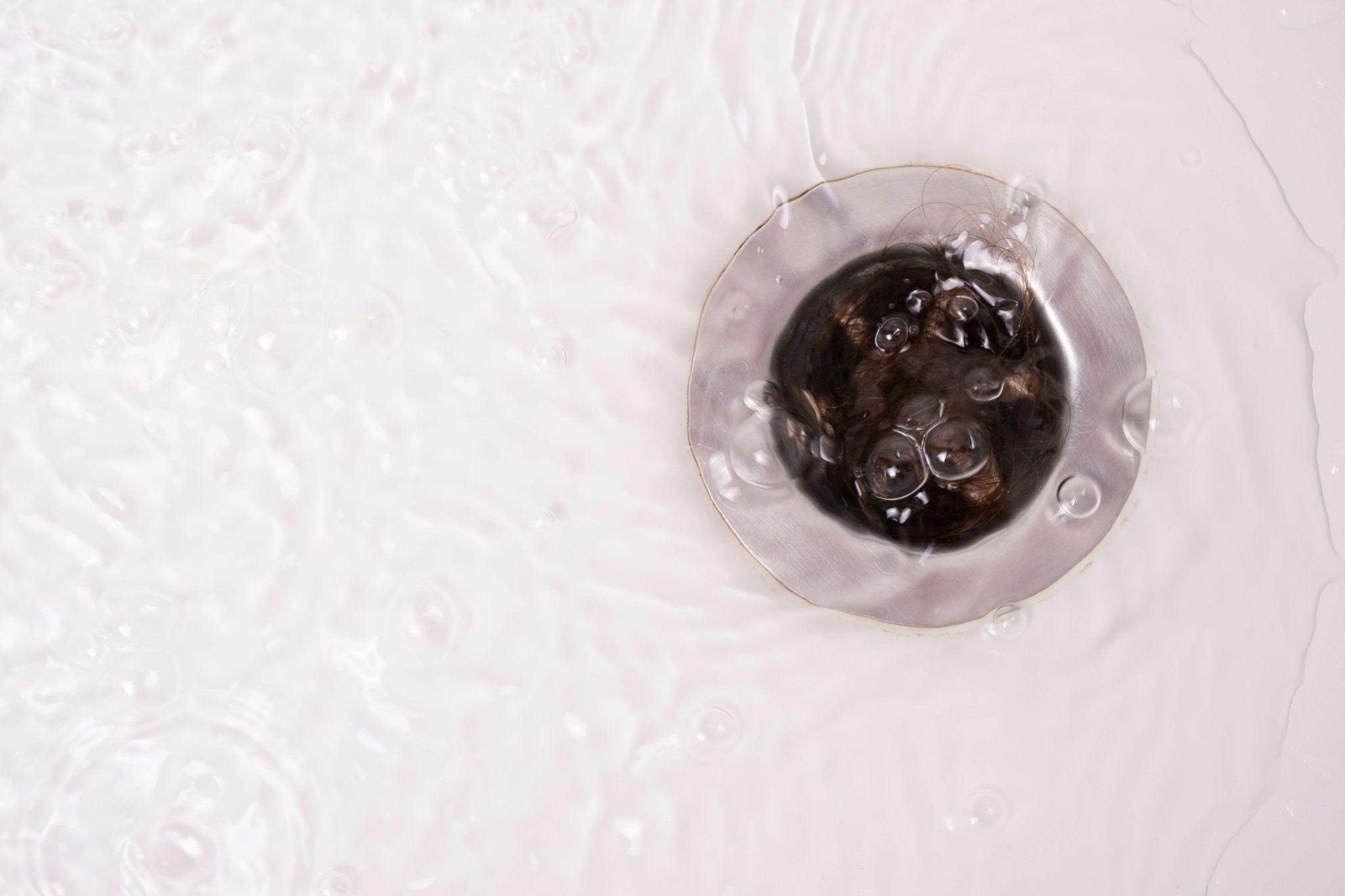
plum in the bathroom clogged with hair

You may be wondering how a bathtub drain gets clogged with dirt, grass, and other debris. If you spend time outdoors doing yard work or mowing the lawn, you can quickly get dirty.

When you bathe or shower, that debris gets rinsed down the drain. If you have children that enjoy playing outdoors, they also can get covered in dirt and debris that gets washed off and sent down the drain.

#3. Hair

We all shed some hair when we shower or bathe. If you shave while in the shower, that hair also goes down the drain. The hair gets stuck to other debris inside the drainpipe, where it continues to build up and eventually causes a clog.

#4. Pets

Pets are another reason bathtub drains clog from pet hair, pet dander, dirt, and the pet shampoo we use to clean our furry family members.

#5. Hard Water

Homes with well water have hard water unless they have a water softener. The calcium and minerals in hard water turn into scale deposits that build up inside the bathtub drain pipe and attract other debris.

#6. A Combination of All of the Above

Most clogged bathtub drains are caused by a combination of everything mentioned above. For example, the gel-like substance from personal hygiene products makes it easier for hair to get stuck in the drain line.

How to Unclog Bathtub Drains

Before you can start to use preventative measures to reduce the frequency of tub clogs, you need to resolve current clogs and slow drainage issues. For minor problems, using a plunger may be all that is necessary.

However, if your bathtub keeps clogging, starting with clean drain lines is better. Your plumber has special plumbing snakes and other tools they use to professionally clean and remove all buildup from inside your tub drains. So, it is recommended to schedule a professional drain cleaning service if your drain pipes have never been professionally cleaned.

What About Using Drain Cleaners?

Drain cleaners are ineffective at fully removing clogs and can cause more damage than good. In addition, most of these products use harsh and toxic chemicals that are not good for your plumbing lines.

Furthermore, drain cleaners only address certain types of clogs. So, your clog may not even go away. Therefore, it is better for your home’s plumbing system to have your plumber clean the drain lines.

Tips to Prevent Drain Clogs in Bathtubs

Once your bathtub drains are cleaned, you will want to take steps to prevent clogged bathtub drains in the future using these great tips:

#1. Flush the drains weekly.

Sprinkle some baking soda in the tub drain. Allow this to sit for about 10 minutes. While that is sitting, boil about a gallon of water, and then carefully pour the boiling water into the tub drain. The hot water and baking soda helps remove scum and other debris from inside the drain pipe.

#2. Install Drain Covers

Drain covers are essentially filters for your tub drains. They contain small openings to allow the water to drain away while catching hair and larger debris. Some covers fit over the drain, and others are like mini baskets that fit into the drain. Just remember to clean these out after showering or bathing by wiping them out with a paper towel.

#3. Get a Water Softener

If your home has hard water, you should consider having your plumber install a water softener system. Besides eliminating the calcium and minerals from your water, you will also benefit from never having white scale spots on your tub walls or dishes. Plus, you will save money on detergents and personal hygiene products because you won’t need to use as much.

#4. Rinse the Tub Out

We are all guilty of getting out of the tub and just letting the water drain. Once the water has fully drained, get into the habit of turning on the hot water and allowing it to run for a few minutes to help rinse off any remaining residue and ensure it is flushed out of the drain.

#5. Never pour mop water down the drain.

Another bad habit a lot of us have is pouring dirty mop water down the bathtub drain. All that dirt, debris, hair, and anything else you mopped off the floors will go right down the drain and could lead to a clog eventually.

If you cannot dispose of the mop water outdoors, use a fine mesh strainer to catch the debris before pouring the dirty mop water down the drain. Afterward, rinse out the drain with hot water.

#6. Rinse Off Dirt and Grass Outside

After doing outdoor chores or playing with your kids, rinse off excess dirt, grass, and dust outside. This way, most of what was stuck on you or your kids gets left outdoors instead of in your tub drain line.

When to Call a Plumber for Help with a Bathtub Clog

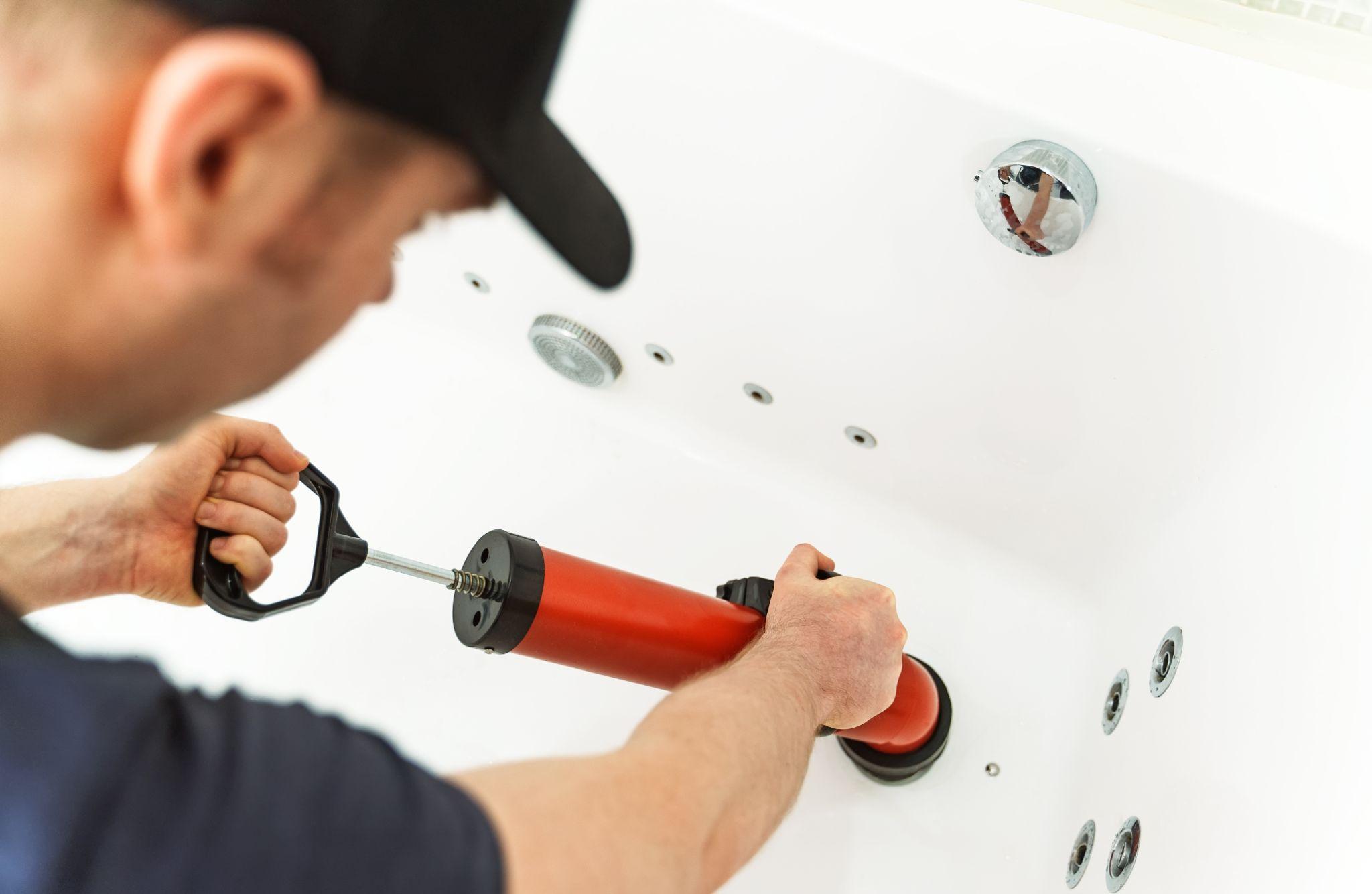
Plumber unclogging bathtub with professional force pump cleaner.

Even with your best efforts to prevent clogged bathtub drains, you may still need to call a plumber for professional help to unclog and clean bathtub drains. However, the frequency of clogs will be less often thanks to your hard work at using the above tips to prevent bathtub clogs.

You should also call a plumber if you are experiencing the following problems:

  • You have multiple drains that drain slowly or seem clogged.
  • You hear gurgling sounds coming from drains not being used.
  • You notice wastewater backs up into shower and tub drains when flushing the toilet or running water elsewhere in the house.

These types of plumbing problems often indicate a broken or damaged sewer line.

For professional help removing bathtub drain clogs, drain cleaning, and resolving other plumbing problems in San Antonio or the Austin Metro area, please feel free to call Christianson Air Conditioning & Plumbing at 512-246-5400 today!


What Qualifies as an HVAC Emergency?

Posted on April 18th, 2022 by ChristainSon_Admin

As summer approaches, now is a great time to have your HVAC system serviced to ensure your air conditioning will work correctly when it heats up. Far too often, homeowners put off having annual AC maintenance performed in the springtime, only to need emergency HVAC repair on the hottest day of the year.

What Is Considered an HVAC Emergency?

worker repairing ceiling air conditioning unit

Deciding what is considered an HVAC emergency and what is not requires having a general working knowledge of your HVAC system. You should know how your system cycles, how to tell if it is blowing out hot or cold air, where the air filter is located, and how to check to ensure that it is draining correctly.

You should also be aware of the sounds your HVAC system makes when it is running in both heating and cooling settings. This will help you identify strange sounds should they become apparent and indicate a potential problem.

Keeping these things in mind, here are some common sounds and signs that indicate you need emergency HVAC service:

#1. No Heated or Cooled Air

If you put your hand up to the air vents and the air coming out is not heated or cooled, there is something wrong with the system. However, before calling your HVAC technician, check your air filter. Dirty and clogged air filters can prevent sufficient airflow and cause the system not to heat or cool correctly.

#2. Buzzing Sound or Burning Smell

Buzzing sounds and burning smells indicate electrical problems. They can occur from faulty connections to parts that are overheating and melting others. Shut off the system and contact your HVAC technician for emergency HVAC repairs asap.

However, it is worth noting that a burning smell is normal during the first few heating cycles, as it is burning off dust inside the system. Yet, if the burning smell continues to be present, then it could indicate a problem.

#3. Clunking, Banging, Screeching, and Popping Sounds

These noises are not normal and indicate something is wrong with the HVAC system. For example, screeching sounds could indicate the system is operating under excessively high pressure levels. If the system is not serviced, there are risks of the parts under high pressure rupturing and exploding.

#4. No Airflow

Another problem that often indicates you need heating and cooling emergency services is when the system turns on, but there is no airflow. The air handler unit and blower motor could have failed. There could also be an electrical problem where something shorted out, so the blower motor is not working properly.

#5. System Does Not Turn On

If your HVAC system does not turn on when it should, it could indicate a wiring or electrical problem. Start by checking the thermostat first to ensure it is set to heating or cooling and turned on. Next, check your breakers to verify they do not need reset. After checking these things, if the system still won’t turn on, then call your HVAC technician.

#6. You Smell a Strong Gassy Smell

If you have a gas heater and notice a strong rotten egg odor, it could indicate a gas leak. You should shut off the gas main immediately. Contact your HVAC technician for emergency service to check for gas leaks.

#7. The Pilot Light on Your Furnace Is Yellow

Natural gas flames should appear bluish in color. If your pilot light is yellow, it indicates there is excess carbon monoxide, which is dangerous. Contact your HVAC technician asap for emergency HVAC service. You should also open up doors and windows to let in fresh air or leave your home until the problem is resolved.

#8. The “Exhaust” Fan on the AC Unit Isn’t Working

There is an “exhaust” fan on outdoor AC units that helps remove heat from the cooling coils as the coolant cycles through the unit. If this fan is not spinning, the coolant overheats, and hot air is blown into the house. Shut the unit off and call your HVAC technician right away.

What Is Not an HVAC Emergency?

woman with flashlight looks into distribution board

Certain types of problems may seem like an HVAC emergency to you. However, not all problems require emergency HVAC service, including:

  • Low Airflow – Low airflow indicates a blockage like dirty and clogged air filters. So, you would want to schedule HVAC service, but it does not warrant an emergency repair.
  • Power Outages – You would be surprised by how many people call their HVAC technicians when the power is out. If there is no electricity, there is nothing your HVAC technician can do to get your system back on. You just have to wait for your electric company to repair the problem.
  • Bi-Annual Maintenance – Your regular system maintenance should never be scheduled as an emergency service.
  • Repairs That Can Wait for a Normal Service Call – When the temperatures are moderate, and you survive without heating or cooling, you may not need emergency HVAC service.

How to Handle an HVAC Emergency

As you can see, certain problems qualify as HVAC emergencies and require calling an HVAC technician. When you need emergency HVAC repair services in San Antonio or the Austin Metro area, call Christianson Air Conditioning & Plumbing at 512-246-5400 anytime, day or night, holidays or weekends.

Tags: , ,


Are Noisy Pipes in a House Normal?

Posted on March 24th, 2022 by ChristainSon_Admin

Chrome pipe lines installation

When you hear strange sounds coming from your plumbing, it is easy to understand you have concerns about whether noisy pipes are normal. For starters, noisy pipes in a house can be a common occurrence as the home ages. However, certain sounds often indicate a plumbing problem that needs to be addressed before it creates an even bigger plumbing problem.

Are Noisy Water Pipes Dangerous?

One common sound you could hear is a knocking or banging sound. This sound is usually caused by water hammer, which is when the water is moving through the plumbing lines and the valve shuts off quickly.

When the flow of the water is stopped abruptly, it “bangs” against the inside of the plumbing lines. Most modern houses are outfitted with air chambers that help absorb the shock when water stops suddenly. Yet, these air chambers can fill with water. When they do, you will notice water hammer.

If you do not resolve water hammer problems, they can gradually damage pipe fittings and connections. Should they get knocked loose, you will have to deal with plumbing leaks, potential flooding, and problems with mildew and mold.

So, while water hammer is not initially dangerous, it can lead to a host of other plumbing problems you can easily avoid.

Can High Water Pressure Cause Noisy Pipes?

High water pressure can cause humming or vibrating noises whenever you run water. In addition, high water pressure is not good for your plumbing lines, appliances, and water heater and can cause damages that will further add to your plumbing repairs.

An easy fix for high water pressure is checking and seeing if you have a water pressure regulator installed. Usually, this will be located where the water main comes into your home. If you do, simply turn the water pressure down. However, if you are unsure what to set it to or do not have one, you want to call a plumber for assistance.

Are Rattling Noisy Pipes in a Wall Normal?

While rattling noisy pipes in a wall are sometimes attributed to water hammer, in most cases they occur because they are no longer secured. For example, if you had a water hammer problem that was resolved, it could have caused the fasteners holding your pipes in place to become loose or break.

As a result, the pipes will rattle anytime water is running as they bang against the interior studs or wall. To fix rattling sounds, you would need to pinpoint the location of the pipes first. Then you will need to remove drywall to access the pipes and re-secure them. Since this type of repair can be rather complex, calling a plumber to help is often better.

What Do Squeaking or Whistling Noisy Pipes Mean?

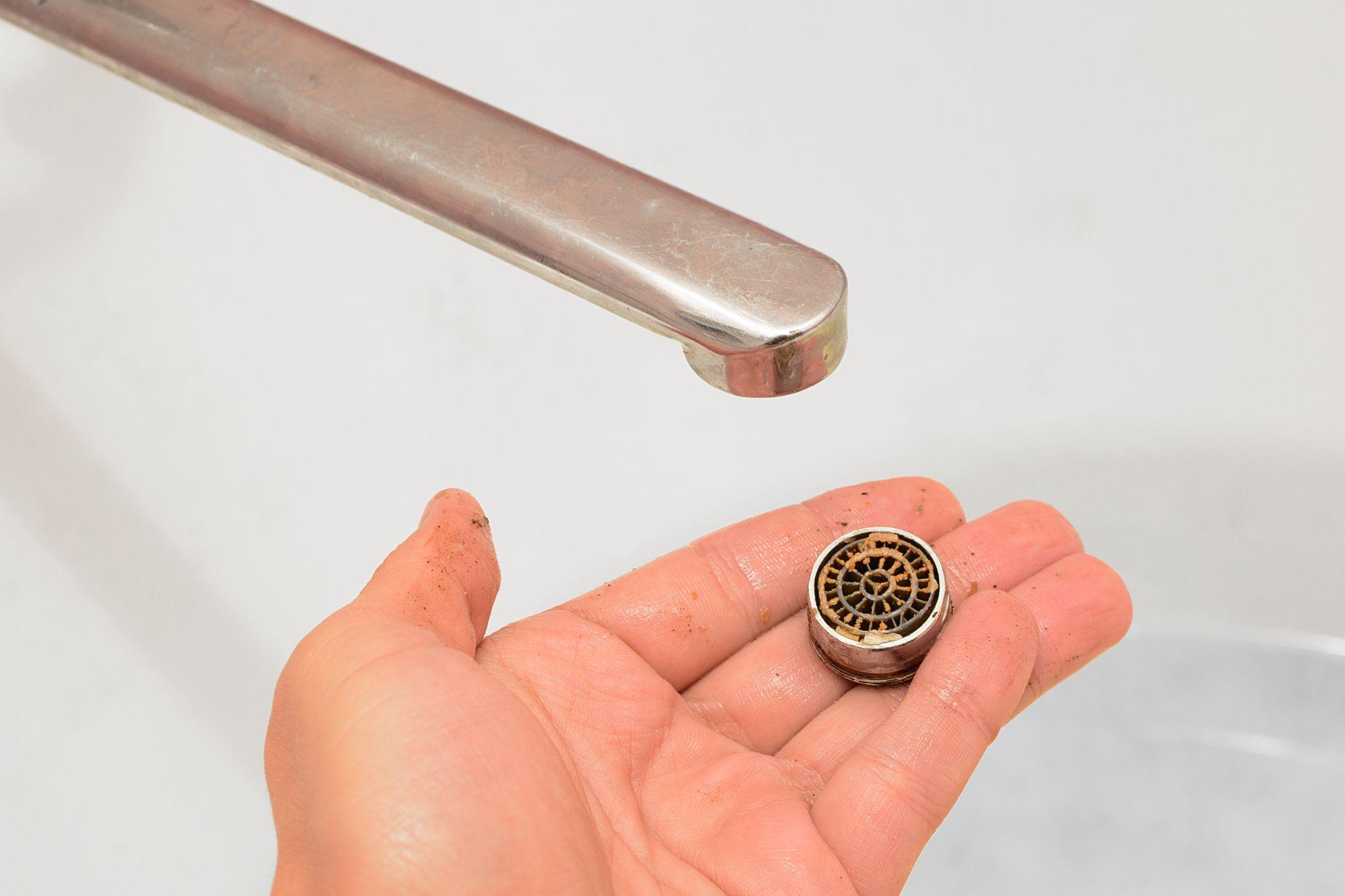
On the palm of the hand is a twisted water aerator

Squeaking or whistling noisy pipes indicate something is wrong with the flow of water through the pipes.

  • There could be an obstruction in the plumbing line.
  • There could be a defective washer or aerator if the sound is coming from a faucet.
  • Your shut-off valve may be partly closed.

There could also be mismatched pipe connections. For example, the connection to your wash machine is smaller than the supply line. Since water is forced into a smaller connection, it can create a squeaking or whistling sound.

However, whistling sounds can be normal if you recently purchased new appliances. So, check the FAQs or contact the manufacturer to find out if whistling sounds are normal.

When to Call a Plumber for Help with Noisy Pipes

When you notice noisy pipes in your house, the first thing you need to do is determine what sound they are making to know what type of problem you have. Next, you will need to decide if resolving the problem is quick and easy, such as:

  • Replacing an Aerator
  • Turning Down the Water Pressure

If not, or if it is something you are not comfortable with, then you will want to call a plumber for help.

To help determine the cause of noisy pipes in your New Braunfels, Temple, San Antonio, or Austin Metro Area house and have them resolved, please feel free to call Christianson Air Conditioning & Plumbing at 512-246-5400 today!

Tags: , ,


Why You Have Poor Airflow Through the Vents in Your Home

Posted on March 21st, 2022 by ChristainSon_Admin

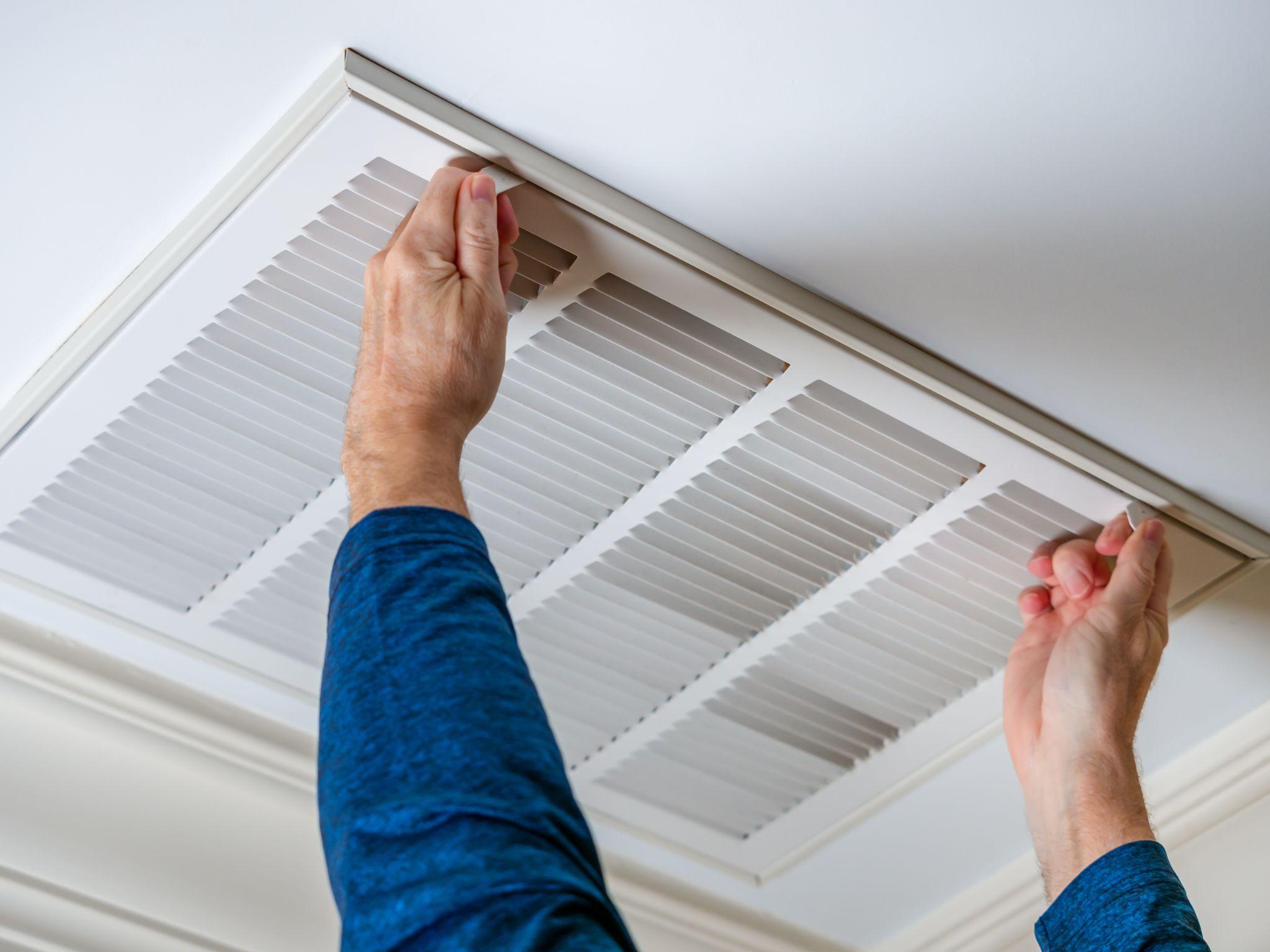
Man opening ceiling air vent to replace dirty HVAC air filter.

Have you noticed poor airflow through the vents in your home? Maybe there is low airflow from certain vents but not others? There can be several causes for poor airflow in HVAC systems. Therefore, it is essential to understand the potential causes for reduced airflow to pinpoint the problem and determine when you need to get assistance from a qualified HVAC technician.

#1. Dirty Air Filters

Dirty air filters will restrict airflow as it returns back through the HVAC system. Since the airflow is reduced, so is the amount of air being blown out of the vents. So, check your air filter and, if it is dirty, replace it with a new air filter to see if that resolves the airflow problems.

#2. Wrong Type of Air Filter

Air filters have different MERV ratings that need to be matched to your HVAC system. If the MERV rating is too high, it will restrict airflow and not allow it to move properly through the system.

Filters with higher MERV ratings have smaller air pores, so your system cannot function correctly. Verify your HVAC system can handle the MERV rating on the air filters you are using. If not, switch to a lower-rated filter compatible with your system.

#3. Undersized HVAC System

A common cause of poor airflow is an undersized HVAC system that is too small for your home. The unit cannot produce the output needed in a forced-air system to the entire house. As a result, you may notice uneven airflow from the HVAC system, with airflow being the strongest in the rooms closest to where the ductwork first enters the home and there being almost no airflow in the rooms farthest from the HVAC system.

To remedy this problem, you need to have your HVAC technician conduct an airflow analysis and determine the proper size HVAC system for your house.

#4. Closed Air Vents

When the air vents are closed, you will not notice any airflow coming out of the vent. So, if you put your hand up by the vent and notice no airflow, the first thing to do is to check to make sure the vent is open. If it is open and there is no airflow, you should check your air filter before calling your HVAC technician.

#5. Dirty Ductwork

Dust, dirt, pet hair, pet dander, and other debris can get into the ductwork. Over time, the accumulation of debris builds up and can start to affect airflow in your home. Another indication to look for to determine if you have dirty ductwork is when your home gets dusty very quickly. If so, you will want to schedule duct cleaning service with your HVAC technician.

#6. Clogged Ductwork

Clogs can occur in ductwork when small critters get into your house. For example, a mouse, rat, opossum, bat, or squirrel could find its way into the ductwork and move in. Unfortunately, when they build nests or simply restrict airflow around them because of their size, you will notice poor airflow through the vents.

To resolve clogged ductwork, you will need to have someone help remove the unwanted critters from your home safely and humanely. Next, they will need to find the entry point where they got into the ductwork. Last, you should have your HVAC technician clean the ductwork and make any necessary repairs.

#7. Air Leaks in the Ductwork

If the ductwork is not sealed correctly, there can be air leaks that allow air to escape rather than being blown into the rooms in your house. Air leaks also allow dust and other debris to be sucked into the system.

So, if you notice you have low airflow from the vents and your house gets dusty much faster when the HVAC system is in operation, you most likely have an air leak. Your HVAC technician can check the airflow pressure to determine if there are air leaks. If there is, they can repair, clean, and reseal the ductwork to eliminate any air leaks.

#8. Misshapen Ductwork

Some homes can have what is known as flex ductwork. This type of ductwork is made from plastic materials and wire rings with a layer of insulation. Another type of flex ductwork is made of metal, much like those flexible pipes used to connect the dryer to the exhaust vent.

As you can imagine, both types of flex ductwork are more prone to damage. They can get bent, kinked, and even broken or torn in places and create low and uneven airflow in HVAC systems. To restore airflow, you would need to replace the part of the damaged flex ductwork.

#9. Ductwork Too Big

Older homes tend to have ductwork with larger diameters that modern HVAC systems do not need to function properly. So, if the ductwork is too big, you will notice a reduction in airflow throughout the house. Of course, the solution for this problem is to decrease the diameter of the ductwork to match what is recommended for your HVAC system.

#10. Insufficient Return Air Vents

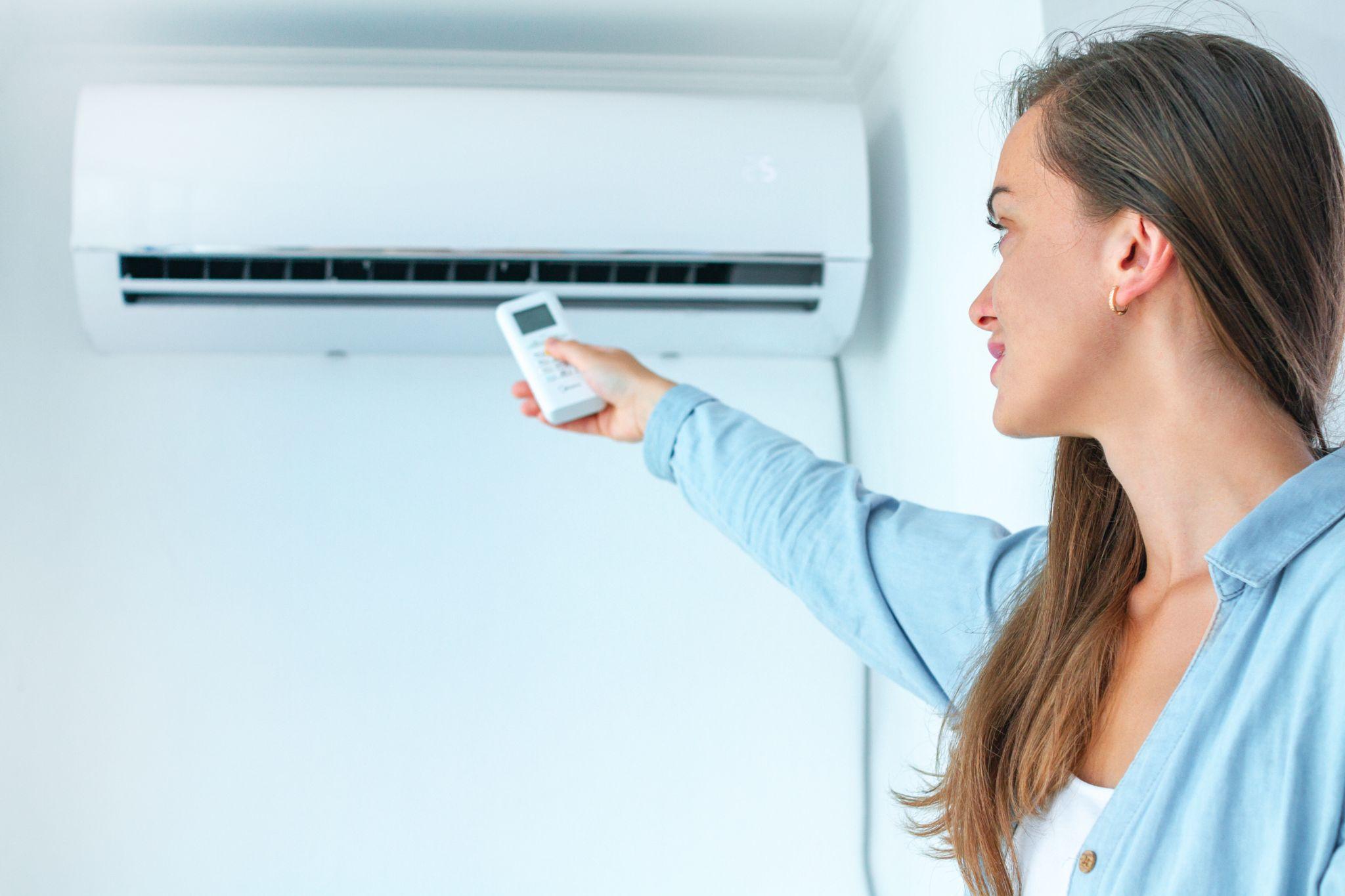
Young attractive woman using remote controller for adjustment air conditioner temperature in room at home.

Forced air HVAC systems require the air to flow through a closed-loop system. First, the air is blown out of the vents into the rooms in your house. Next, it is drawn out of the house through one or more return air vents to be cycled back through the system.

When your home has insufficient return air vents, airflow is restricted. So, the HVAC system cannot move the proper amount of air through the system.

For example, if you have a two-story house, you should have at least one return air vent on the main floor and one on the second floor. If you only had a single return air vent, the amount of air returned through the system could be insufficient.

As such, the amount of air being forced into the house is not the same as the amount of air being returned. The easiest solution to this problem is to have your HVAC technician install the necessary number of return air vents to ensure proper airflow.

#11. Vent Are Too Small

If the air vents in the rooms in your home are too small, they will restrict the amount of air entering the room when the HVAC system is in operation. Essentially, they create a “bottleneck” since they cannot allow the proper amount of air through the vent.

To resolve this type of HVAC low airflow problem, have your HVAC technician install larger air vents that are the

same diameter as the ductwork.

What if My Airflow Is Too High?

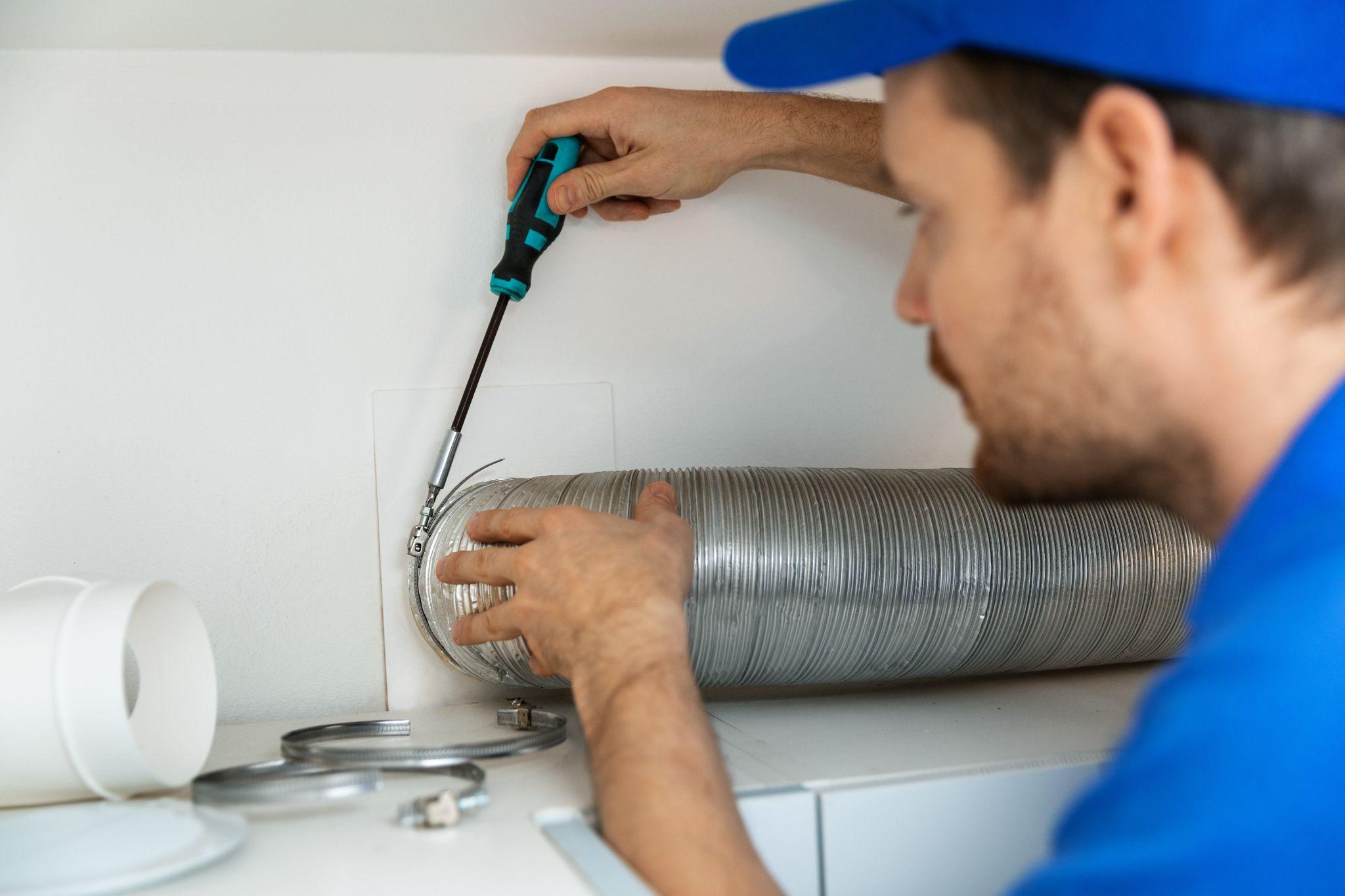
worker installing flexible aluminum ventilation tube for kitchen cooker hood exhaust system

Another type of problem that can occur is too much airflow. While this might seem like a good thing, it can strain the HVAC system and cause it to wear out much faster. Two of the most common causes of poor airflow that is too high include:

  • The HVAC system is oversized for your home. An oversized system outputs higher airflow. However, it never gets to peak operation, causing short cycling and energy inefficiency.
  • The ductwork in your home is undersized. When the ductwork’s diameter is too small, it will cause the airflow speed to increase. Yet, when the air moves back through the return air vent, the excess “force” the air creates can damage the HVAC system.

Resolving Poor Airflow in HVAC Systems

As you can see, there are several potential causes for poor airflow through vents in your home. While some of the problems might be easier to resolve, like changing your air filter or switching to a lower-rated MERV air filter, others require assistance from a qualified HVAC technician.

To find out why your home has low airflow problems, please feel free to contact Christianson Air Conditioning & Plumbing at 512-246-5400 to schedule an airflow analysis appointment in New Braunfels, Temple, San Antonio, or the Austin Metro Area today!


Common Plumbing Issues in Old Houses

Posted on March 8th, 2022 by ChristainSon_Admin

When you are purchasing a dated property or already living in one, you need to know how to check the plumbing in an old house. Plumbing fixtures, water supply lines, drain lines, and sewer lines can develop problems simply due to their age.

In addition, the materials used 30+ years ago often no longer satisfy current building codes and health and safety codes. For example, many homes built from the 1920s through the mid-1980s could have used lead plumbing.

Then, from the 1960s through the late 1980s, galvanized steel pipes were also commonly used for residential plumbing. If your home was built between 1970 and the early 1990s, it could also have polybutylene plumbing which quickly deteriorates.

Unfortunately, plumbing issues in old houses with these types of pipes are very common. To find out what types of plumbing problems you could experience when you own an older home, we encourage you to review the following infographic.

Of course, the best solution to resolve and prevent plumbing issues is to update the plumbing in old houses in New Braunfels, Temple, San Antonio, and the Austin metro area with whole home repiping services, trenchless sewer repairs, and drain cleaning services from Christianson Air Conditioning & Plumbing. Please feel free to contact us at 512-246-5400 today!

 Common Plumbing Issues in Old Houses Infographic

Click below to embed this infographic into your website:


Why Is My Toilet Gurgling?

Posted on March 1st, 2022 by ChristainSon_Admin

White toilet bowl in a bathroom

Do you notice gurgling sounds when you flush your toilet? Maybe you notice these sounds coming from your toilet when running water elsewhere in the home, like when doing a load of laundry or washing dishes.

Causes for a Gurgling Toilet

Toilets can gurgle or bubble when there is negative air pressure in the drain pipes. The negative air pressure can create an air vacuum or air block. When you flush the toilet, this air has to go somewhere, so it comes up the drain pipe and is released in the toilet.

Some of the more common causes for a gurgling toilet include:

  • There is a clog in the drain line that prevents the air from flowing freely down the drain pipe.
  • The toilet is clogged where the toilet water does not fully drain away when it is flushed.
  • An air vacuum prevents air from escaping out of the drain line and through the vent pipe or vent stack.
  • There is a damaged sewer line outside the house that is causing air to come back up the sewer line.
  • There is damage to the toilet tank or toilet bowl that allows excess air into the toilet water.
  • The sewer drain line backflow preventer is broken or damaged.

When to Worry About a Gurgling Toilet

When your toilet gurgles or bubbles, you need to be concerned. It is important to determine the cause of the gurgling and whether you need to call your plumber and schedule plumbing service.

For example, toilets can sometimes gurgle when you have been away on vacation for an extended period. The first time you flush it, you may notice some toilet bubbles. This is normal because the drain lines have not been used. If the problem doesn’t go away after a few flushes, then you need to worry.

How to Fix a Gurgling Toilet

Plumber repairing toilet with hand plunger.

You can attempt to fix certain plumbing problems and resolve the gurgling noise on your own before calling a plumber, such as a clogged toilet. The fix is to plunge the toilet until the clog is removed.

However, if you notice gurgling sounds even after removing the clog, you will want to have your plumber clean the sewer lines. For instance, there could be excess toilet paper still causing a partial clog and preventing proper airflow down the pipe.

For problems with the vent pipe or vent stack, you can check to see if an animal has gotten inside the pipe and is preventing air from venting out the sewer lines. If you do not feel comfortable getting on your roof, then it is better to call your plumber.

When to Call a Plumber for Help

Certain toilet gurgling problems require help from a plumber. Sometimes there can be clogs further down the sewer drain that are difficult to remove. Even if you plunge the toilet, there may not be enough pressure created to unblock the clog because it is too far down the line. Fortunately, your plumber can run a toilet auger down the drain pipe and reach these difficult-to-remove clogs.

Another issue where you will want professional help is when there is a damaged sewer line. Sewer lines can crack, break, or wear out over time. Tree roots can also be an issue, as they will grow around sewer lines when there are leaks and even get into pipes where they continue to get bigger until the sewer line is clogged.

Finding the source of sewer line problems often requires a sewer camera inspection. Once the problem has been located, your plumber can easily resolve it by unclogging the line or replacing the damaged section with a new sewer pipe.

The other type of toilet gurgling or bubbling problem you want help with is if your toilet tank or toilet bowl is cracked or damaged so that excess water is getting into the toilet water. To resolve this type of problem, you will need to have the tank, the bowl, or the entire toilet replaced.

Last, most residential plumbing systems will have a sewer line backflow preventer. This plumbing component is usually installed at the point where wastewater exits the home. It is designed to close and prevent sewer water from flowing back up the pipes.

plumber tools and equipment in a bathroom, plumbing repair service, assemble and install concept

When the backflow preventer is damaged or broken, air and sewage can flow back up the drain pipes, resulting in gurgling and bubbling. It can be challenging to locate the precise location in the sewer line where the backflow preventer is installed without help from your plumber. So, this is another plumbing repair you will want to have them take care of for you.

Have Your Gurgling Toilet Fixed Today

As you saw, there are several causes for gurgling and bubbling toilets. Sometimes you can fix the plumbing problem yourself. However, when the problem returns or is not resolved, you’ll want to call a plumber from Christianson Air Conditioning & Plumbing.

Have your gurgling toilet and other plumbing problems fixed in New Braunfels, Temple, San Antonio, and the Austin Metro area by contacting us at 512-246-5400 today!

Why Is My Toilet Gurgling Infographic

Click below to embed this infographic into your website:


Copyright © 2025 Plumbing & Air Conditioning Company - Austin, TX

Licenses M-18631, M-18632, LI15740, TACLA023749C

Regulated by The Texas Department of Licensing and Regulation

P.O. Box 12157, Austin, Texas 78711, 1-800-803-9202, 512-463-6599, Website: http://www.tdlr.texas.gov