Texans serving Texas since 1950

Call Us Now:

Austin Metro (512) 246-5400
San Antonio (210) 651-1212
Temple (254) 773-7175
New Braunfels (830) 627-2211

What Makes a Toilet Handle Hard to Flush?

Posted on June 22nd, 2023 by ChristainSon_Admin

Flush Toilet

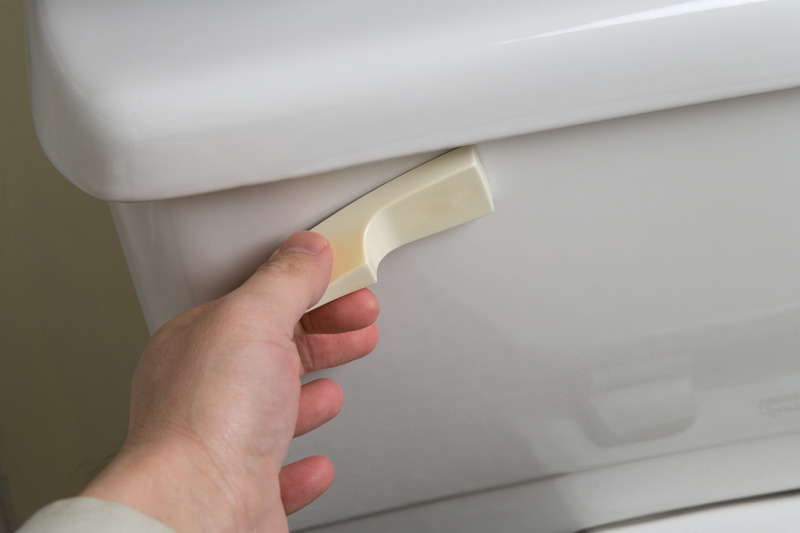
A properly functioning toilet is a fundamental necessity in any household. However, many of us have encountered the frustrating situation of a toilet handle that requires extra force or multiple attempts to flush. This common problem can disrupt our daily routines and leave us scratching our heads about the underlying causes.

Below, we’ll explore the various factors that can make a toilet handle hard to flush, and by understanding these reasons, we can provide you with the knowledge to troubleshoot and resolve the issue effectively.

Mechanical Issues

One of the primary reasons for a hard-to-flush toilet handle is mechanical issues within the flushing mechanism. The flush valve, which is responsible for releasing water into the toilet bowl during draining, can become faulty over time. If the valve does not open fully or gets stuck, it restricts the flow of water. This can result in a weak or no flush at all.

Another common mechanical problem involves a flapper valve that has become worn out. When the flapper valve wears down, it hampers the ability to create a proper seal, resulting in water leakage and inefficient drainage.

Additionally, mineral deposits and debris can accumulate in the valve or the connecting parts, obstructing smooth operation. This buildup restricts water flow and causes weak performance. Similarly, a loose or broken handle mechanism can inhibit the transmission of force from the handle to the flushing components, making it difficult to create enough draining power.

Water-Related Factors

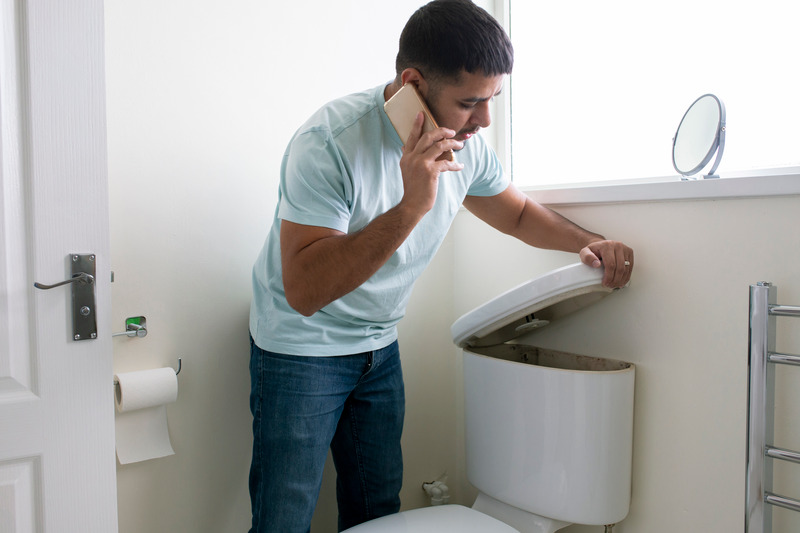
Man standing in his bathroom looking at his toilet, he is on the phone trying to call a plumber.

Water pressure plays an important role in a toilet’s performance. Low water pressure, often caused by supply line issues or clogged pipes, can make it challenging to drain efficiently. Insufficient water volume can result in weak or incomplete flushing, as there isn’t enough force to clear waste effectively. On the other hand, excessively high water pressure can create a sudden surge of water, overwhelming the system and causing ineffective emptying.

Furthermore, problems with the fill valve or the float mechanism can affect the proper functioning of the toilet. A malfunctioning fill valve may not allow enough water into the tank, resulting in inadequate flushing power. Similarly, a malfunctioning float mechanism may lead to incorrect water levels, impacting the drain performance.

Maintenance-Related Causes

Regular maintenance is crucial to keep a toilet functioning optimally. Neglecting maintenance tasks can contribute to a toilet handle becoming hard to use. Over time, mineral deposits, such as limescale, can accumulate in the toilet bowl, tank, or flushing components. This buildup restricts water flow and hampers the process.

Clogged pipes are another common maintenance-related issue. Accumulated debris, waste, or foreign objects can obstruct the plumbing system, causing water flow restrictions and resulting in a hard-to-flush toilet handle. Similarly, a partially clogged or blocked trapway can impede the flow of waste and water, leading to inefficient emptying.

Regular inspection and cleaning of the flushing mechanism, tank, and pipes can help prevent these maintenance-related issues.

A toilet handle that is hard to flush can be a frustrating experience, but by identifying and resolving these issues, we can restore the functionality of the toilet and ensure smooth flushing operations. Remember, a little knowledge and proactive maintenance can go a long way in keeping toilets in optimal working condition.

Hire an Expert Today

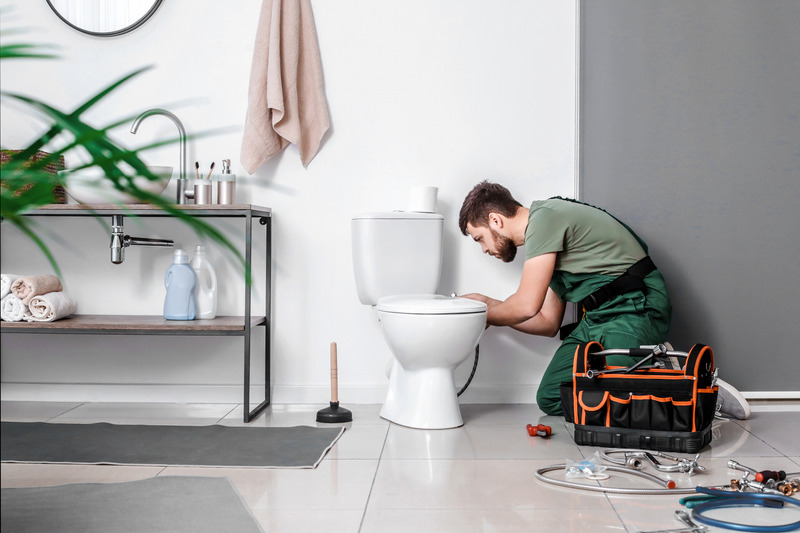
Plumber installing toilet bowl in bathroom

If you’re experiencing difficulties with a hard-to-flush toilet handle, don’t let it disrupt your daily routine any longer. Take action now to resolve the issue and restore optimal performance to your toilet. Contact Christianson Air Conditioning & Plumbing, a trusted provider of comprehensive plumbing services and solutions.

Our experienced team specializes in diagnosing and fixing a variety of toilet-related problems. Whether it’s addressing mechanical issues, water-related factors, or maintenance-related causes, our licensed plumbers can provide the necessary assistance to get your toilet working smoothly again. Don’t hesitate to reach out and benefit from professional expertise!

Tags: , ,


The Importance of Regular Air Conditioner Filter Changes

Posted on June 21st, 2023 by ChristainSon_Admin

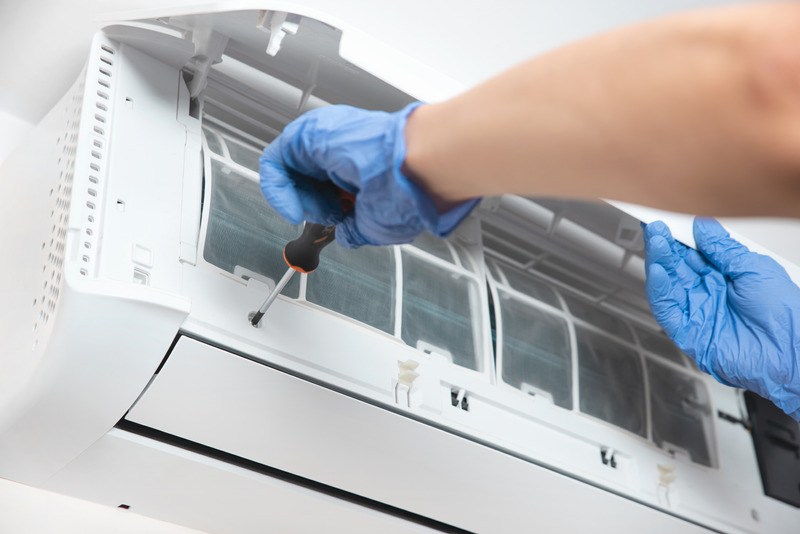
Worker from Christianson Air Conditioning and Plumbing replacing a AC filter

Proper maintenance is essential for keeping your air conditioning system in peak condition. Among the various maintenance tasks, regularly changing the AC filter is often overlooked but holds significant importance. In this blog post, we will highlight the reasons why regular AC filter changes are important for the efficiency, performance, and lifespan of your air conditioning system.

Improved Indoor Air Quality

The primary function of an AC filter is to capture and remove airborne particles such as dust, pollen, pet dander, and mold spores. These contaminants can circulate in the air and have a negative impact on indoor air quality. Over time, as the filter collects these particles, it becomes clogged, reducing its ability to trap them effectively.

This leads to compromised indoor air quality, which can result in potential health issues. Allergies, respiratory problems, and worsened symptoms for individuals with asthma or other respiratory conditions can arise from breathing in these airborne particles.

Regular filter changes are essential for creating a healthier and more comfortable environment for you and your family. By replacing the clogged filter with a clean one, you allow for better filtration and removal of airborne pollutants. This helps reduce the presence of allergens and irritants in the air, minimizing the risk of respiratory issues and allergic reactions. Breathe easier and enjoy a more comfortable home by making regular AC filter changes a part of your routine maintenance.

Enhanced Energy Efficiency

When an AC filter becomes dirty and clogged, it restricts the airflow, forcing the system to work harder to maintain the desired temperature. This increased workload not only puts strain on the system but also consumes more energy, leading to higher utility bills. Moreover, the strain on the system can lead to overheating, reduced cooling capacity, or even system breakdowns. However, by getting an air conditioner filter change, you allow for proper airflow, reducing the strain on the system and improving its energy efficiency.

This not only lowers your energy costs but also extends the lifespan of your air conditioning unit, minimizing the risk of costly repairs or premature replacement. Don’t underestimate the impact of a clean air filter replacement in preserving your system’s performance and saving you both energy and money.

Extended System Lifespan

Dirty AC filter next to a clean AC filter

A dirty or clogged filter not only affects the air quality and energy efficiency but also puts additional strain on the entire HVAC system. When the system has to work harder due to restricted airflow, it can lead to overheating, compressor failure, or other mechanical issues. By regularly replacing the filter, you can prevent such problems and prolong the lifespan of your air conditioning system. Investing in filter replacements is far more cost-effective than dealing with major repairs or premature system replacements.

Optimal Performance

A clean and properly functioning filter in your home ensures that the system performs at its best. When the filter is dirty, it hampers the airflow, causing uneven cooling, hot spots, or reduced cooling capacity in certain areas of your home or building. Regular filter changes maintain consistent airflow, allowing for even distribution of cooled air throughout the space. This results in enhanced comfort and satisfaction, as the HVAC unit operates as intended, providing consistent temperature control across all rooms.

Regularly changing the AC filter is a simple yet important maintenance task that should not be overlooked. By doing so, you can significantly improve indoor air quality, enhance energy efficiency, extend the lifespan of your air conditioning system, and ensure optimal performance. Make it a habit to check and replace the filter according to the manufacturer’s guidelines or more often if needed. By doing this simple task, you can enjoy long-term benefits in terms of air quality, cost savings, and system reliability.

Experience Cleaner Air With Christianson Air Conditioning & Plumbing

As experts in air conditioning services, Christianson Air Conditioning & Plumbing provides professional filter replacement services that will optimize your air conditioner unit’s performance and ensure cleaner, healthier air for your home or business. Take the first step towards improved air quality and energy efficiency. Contact us now to learn more and schedule your AC filter replacement with Christianson Air Conditioning & Plumbing!

Tags: , , ,


Is Switching to a Tankless Water Heater Right for You?

Posted on May 30th, 2023 by ChristainSon_Admin

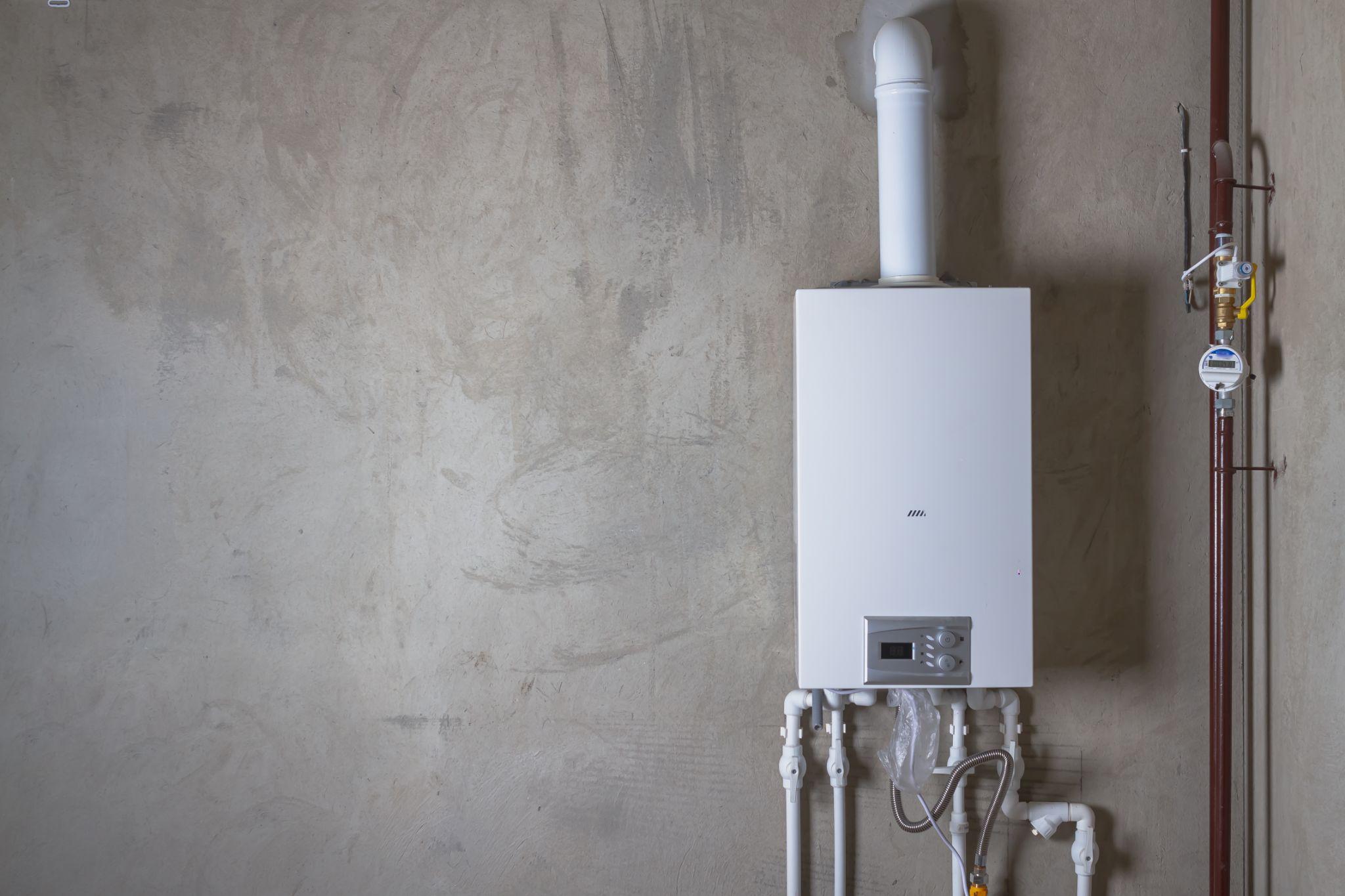
Tankless water heater from Christianson Air Conditioning & Plumbing

Hot water is an essential part of our daily lives, whether it’s for a soothing shower or a sink full of dirty dishes. But when it comes to choosing the right water heater, the options can be overwhelming. Should you stick with the traditional tank-style water heater or make the switch to a tankless wonder? Below, we’ll lay out what you should consider when making this decision. But before we dive in, it helps to understand how both options work.

Tank-style water heaters feature a storage tank that holds and heats a specific volume of water. The tank is constantly filled and heated to maintain a set temperature. When hot water is needed, it is drawn from the top of the tank, and cold water enters the bottom of the tank to be heated for future use. The heating element or gas burner continuously operates to maintain the water temperature, even when hot water is not being used, resulting in standby energy losses.

Tankless water heaters, also known as on-demand water heaters, heat water directly as it flows through the unit. They do not have a storage tank to store hot water. When a hot water tap is turned on, cold water enters the unit and is rapidly heated by a heat exchanger or heating element. This provides hot water instantly, eliminating the need for preheating and standby energy consumption.

When to Consider Switching to a Tankless Water Heater

Switching to a tankless water heater can be the right choice for you if the following factors align with your needs and preferences:

Hot Water Demand

If you have a high hot water demand in your household, such as multiple bathrooms or frequent simultaneous hot water usage, installing a tankless water heater can provide a continuous supply of hot water without the risk of running out. It ensures that everyone in your household can enjoy hot water whenever needed.

Energy Efficiency Goals

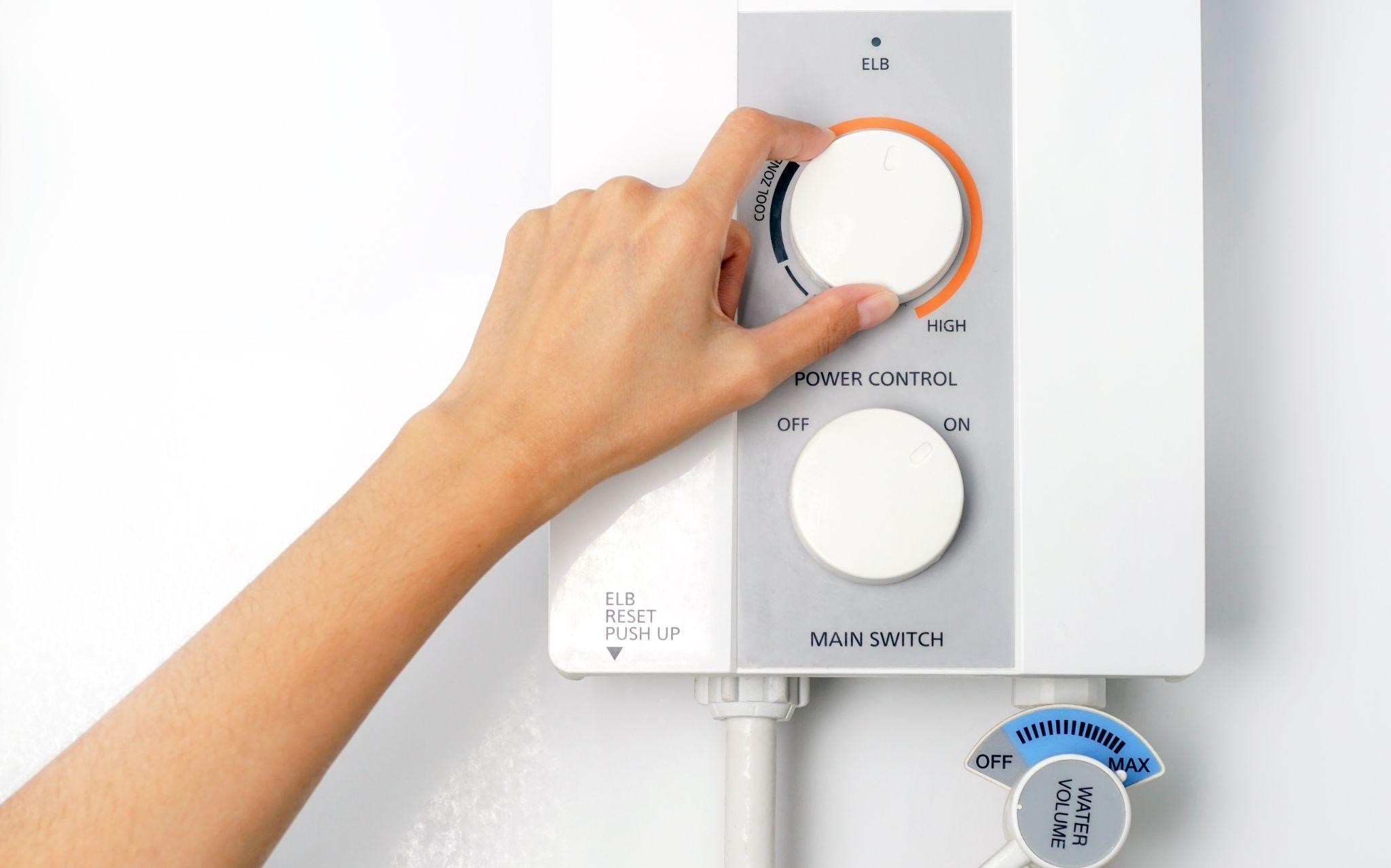
Changing the temperature on a tankless water heater from Christianson Air Conditioning & Plumbing

If you are concerned about energy efficiency and want to reduce your energy consumption and utility bills, a tankless unit is worth considering. Compared to conventional water heaters, tankless models operate on-demand, heating water only when needed. This eliminates standby heat loss and can result in significant energy savings over time.

Space Constraints

If you have limited space in your utility area or prefer to maximize your floor space, a tankless water heater’s compact, wall-mounted design can be a practical solution. It frees up valuable space for other uses and can be particularly beneficial in apartments, condos, or small homes.

Long-Term Cost Savings

Although tankless water heaters typically have a higher upfront cost compared to tank water heaters, they can provide long-term cost savings. With their energy efficiency and longer lifespan, you may save money over time through reduced energy bills and fewer replacements.

Environmental Considerations

If you are environmentally conscious and want to reduce your carbon footprint, a tankless water heater aligns with green initiatives. Its energy-efficient operation reduces energy waste and greenhouse gas emissions associated with water heating, which may make it worth your while to switch from a tank water heater to a tankless unit.

Convenience and Comfort

Tankless water heaters provide the convenience of instant hot water. There’s no need to wait for the tank to heat up, ensuring a continuous flow of hot water for as long as needed. This can be particularly advantageous for larger households or situations where multiple hot water demands occur simultaneously.

Long-Term Planning

If you are building a new home or undergoing a significant renovation, it’s an ideal time to switch to a tankless water heater. This allows for the proper size of a tankless water heater as well as installation, optimizing the system for your specific needs—specifically never running out of hot water again!

Talking to a professional plumber can provide valuable insights tailored to your situation and help you decide if tankless water heater installation is right for you.

Tankless Water Heaters vs. Tank-Style Water Heaters at a Glance

Features Tankless Water Heater Tank-Style Water Heater
Space Efficiency Compact, wall-mounted Requires floor space
Energy Efficiency High efficiency Lower efficiency
Continuous Hot Water Yes Limited storage capacity
Lifespan Up to 20 years 8 to 12 years
Initial Cost Higher Lower
Maintenance & Repair More complex Easier
Most Suitable For Larger households, high hot water demands Smaller households, lower hot water demands
Power Outage No hot water without backup power Limited hot water supply during outages
Convenience On-demand hot water Stored hot water

Call Christianson Air Conditioning & Plumbing

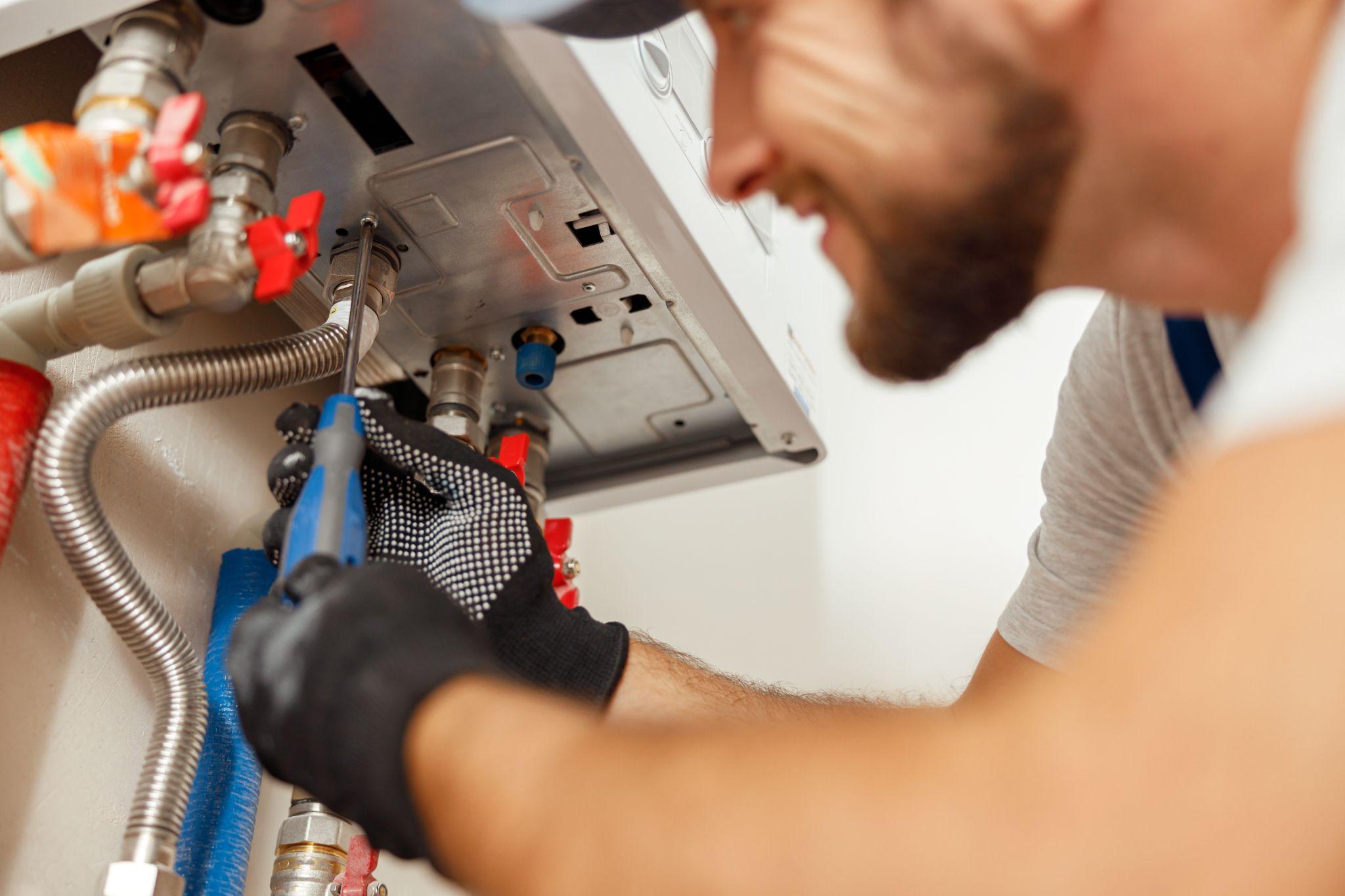
Plumber from Christianson Air Conditioning & Plumbing installing a tankless water heater

At Christianson Air Conditioning & Plumbing, we understand the importance of finding the perfect hot water delivery system for your needs. Whether you’re considering a traditional tank-style water heater or intrigued by the innovation of a tankless water heater, we’ve got you covered. Our team of water heater service experts is here to guide you in making the right choice for your location.

If you’re in San Antonio or Austin, TX, and need water heater troubleshooting, repair, replacement, or maintenance, give us a call today.


What Makes Your Kitchen Faucet Sputter?

Posted on May 24th, 2023 by ChristainSon_Admin

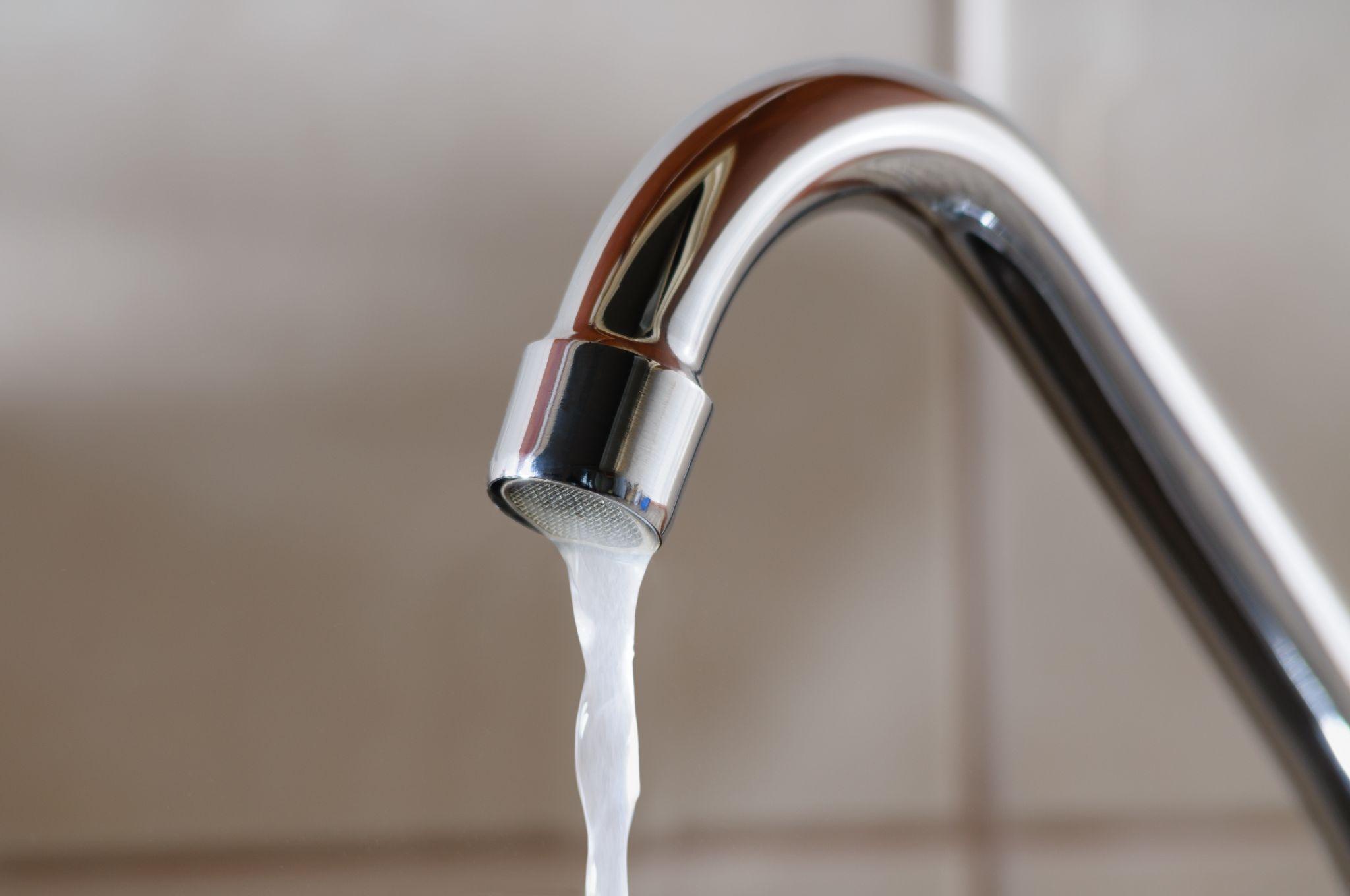
Kitchen faucet that keeps sputtering

Wondering why your kitchen faucet is misbehaving with annoying sputtering water? It’s a perplexing situation that can leave you scratching your head. But fret not! Below, we’ll explore the potential culprits behind this issue and provide practical solutions to help you regain a smooth and consistent water flow in your kitchen sink.

Air in the Water Line

A frequent culprit behind a sputtering faucet is the emergence of air bubbles within the water pipes. This issue commonly arises during winter, when freezing temperatures prevail, or during times of heightened water usage, such as scorching summer heatwaves. Additionally, air bubbles may be introduced into the system during hydrant maintenance activities, where the disturbance of silt occurs.

To determine if there is air present in the water lines, a simple test can be performed. Fill a glass with water and carefully observe whether it clears from the top or bottom. If the water clears at the bottom first, it is likely that air is trapped within the pipes.

Solution: In most cases, sputtering caused by air bubbles is a momentary issue that can be resolved by simply running the cold water taps for a few minutes to purge the air from the pipes. However, if multiple sinks are sputtering or if the issue persists, it could indicate a more significant problem such as damaged plumbing or a break in the main water supply lines. In such cases, it is advisable to contact a professional plumber to inspect and address the issue with the main lines.

Aerator Issues

The aerator is a small device located at the end of the faucet spout that helps regulate water flow and control the spread of water. Over time, sediment, debris, or mineral deposits can accumulate in the aerator, causing it to clog. When water is forced through a clogged aerator, it can result in sputtering or uneven water flow.

Solution: Remove the aerator from the faucet spout and clean it thoroughly with soapy water. Soak it in vinegar to dissolve mineral deposits or use a brush to remove debris. If cleaning the aerator is ineffective, replace it with a new one.

Faulty Valve Cartridge

A clogged or damaged valve cartridge can result in sputtering when you turn on the kitchen faucet. The valve cartridge, responsible for controlling water flow and temperature, can become worn out or clogged with sediment over time.

Solution: Replace the valve cartridge with a new one that is compatible with the faucet model. A professional plumber can handle the replacement to ensure proper installation and functionality of the new valve cartridge.

Water Pressure Problems

Faucet with bad water pressure

Inadequate water pressure or inconsistent water pressure can cause a sputtering faucet. Low water pressure may be due to a variety of factors, including a partially closed water valve, a blockage in the plumbing system, or a problem with the municipal water supply.

Solution: Check the water pressure in other faucets throughout the house to determine if the issue is localized. If it’s only the kitchen faucet, check the faucet’s water supply lines for any kinks or obstructions. Ensure that the water shut-off valves are fully open. If necessary, contact a plumber to identify and resolve any blockages or restrictions in the plumbing system.

Plumbing Blockages

A blockage or restriction in the plumbing system can disrupt the water flow and cause sputtering water. If there is a partial blockage in the water pipes leading to the kitchen faucet, it can result in uneven water flow and sputtering.

Solution: Call a plumber to inspect the plumbing system and locate the blockage. A professional plumber will use tools like drain snakes or hydro-jetting equipment to remove the obstruction. In some cases, disassembling parts of the plumbing system may be required to access and clear the blockage effectively.

Water Heater Issues

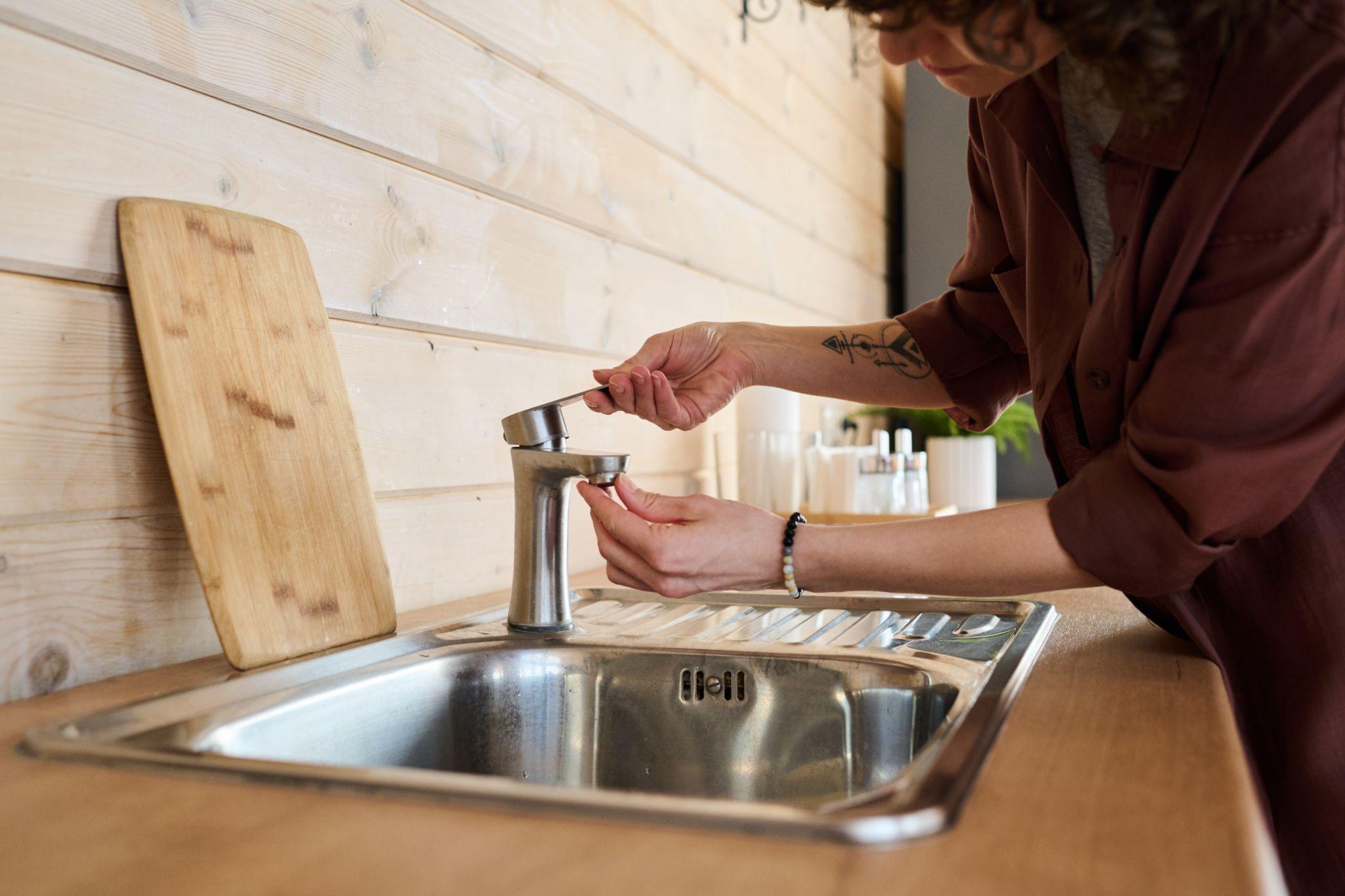
Plumber from Christianson Air Conditioning & Plumbing working on a sputtering faucet

Sputtering may specifically occur when using hot water. Sediment buildup in the water heater tank can cause the water to sputter as it flows out. Also, an old or faulty water heater may cause issues.

Solution: A plumber can perform a thorough flushing of the water heater. They will drain the hot water tank to remove sediment and debris, ensuring smoother water flow. They can also inspect the hot water heater for any other issues and address them accordingly.

Call Christianson Air Conditioning & Plumbing Today

For over seven decades, Christianson Air Conditioning & Plumbing has been the trusted provider of highly skilled services throughout Central Texas. Our dedicated, licensed team of experienced professionals is committed to resolving your plumbing concerns and restoring the functionality of your home. Contact us today!

Tags: , ,


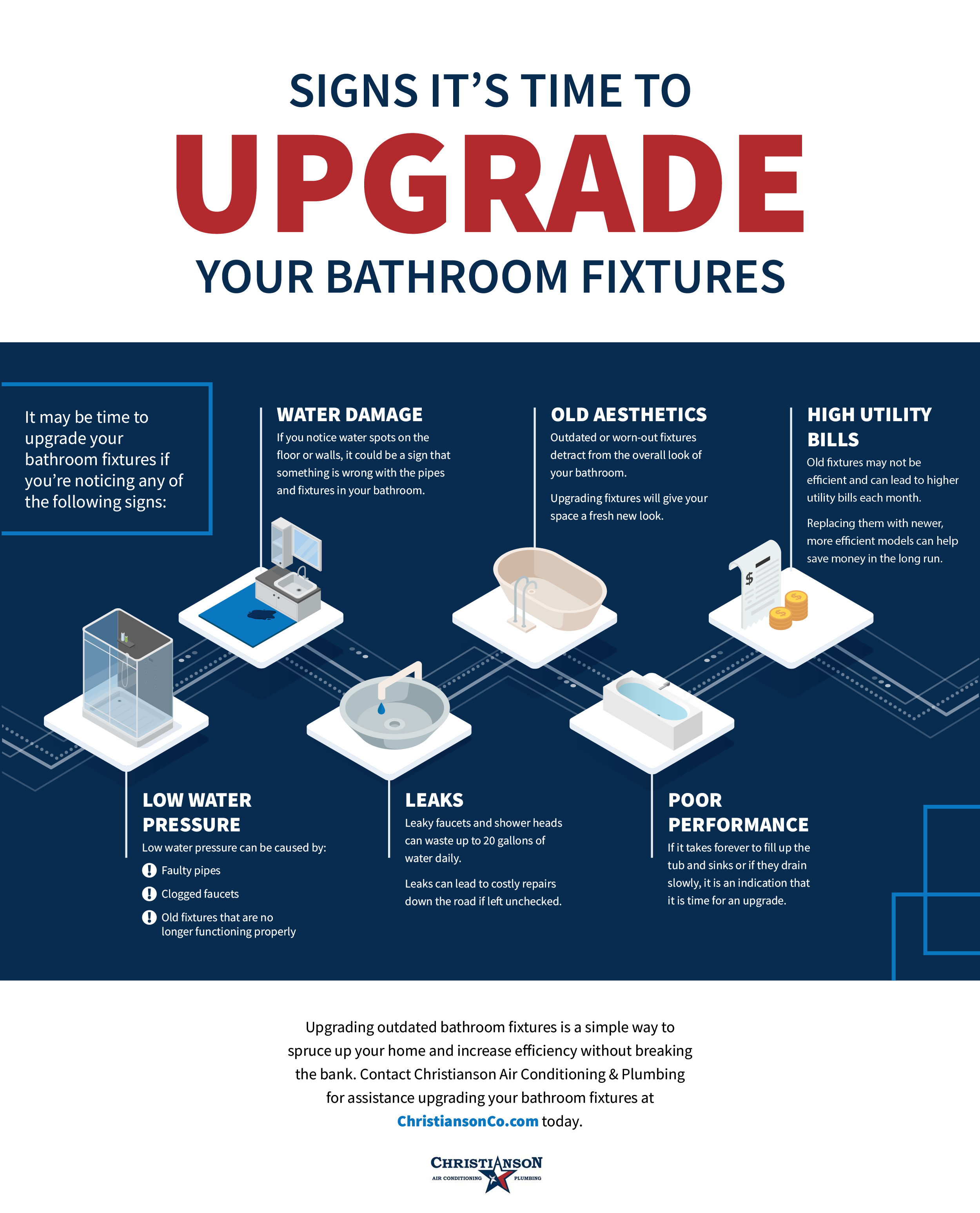
Signs It’s Time to Upgrade Your Bathroom Fixtures

Posted on May 10th, 2023 by ChristainSon_Admin

It’s easy to forget about your bathroom fixtures, but they are an integral part of your home. There are specific signs to look for that indicate it is time to update your bathroom fixtures.

For example, one sign is if you have outdated materials or styles. If the style of your faucets and shower heads looks dated or out of place compared to the rest of your décor, then it’s probably time for a change. Not only will updated modern bathroom sink fixtures add appeal to the space, but they can also increase the overall value of your home.

Another sign that it’s time to upgrade is if you notice frequent clogs, leaks, or problems with water pressure. Old pipes and seals needing replacement could cause these issues. Investing in new fixtures can help prevent these kinds of problems from occurring in the future and keep things running smoothly.

If you find yourself constantly adjusting temperatures when using showers or sinks due to poor temperature control, this is another indication that it might be time for a refresh. Upgrading shower fixtures and tub fixtures with better temperature sensors and technology will ensure more consistent results every time you use them, so there won’t be any more surprises when it comes to hot water versus cold water coming out from different sources.

Finally, if you’ve noticed rust buildup on any metal surfaces around sinks or tubs, this means corrosion has already started, making now a great time for an upgrade. The good news is that today’s bathroom fixture options come in a variety of colors and finishes and energy-efficient features.

Paying attention to signs like these can save homeowners money while keeping their bathrooms looking beautiful and functioning properly year after year. Don’t wait until something breaks before updating bathroom fixtures, schedule fixture replacement today.

Signs It’s Time to Upgrade Your Bathroom Fixtures Infographic

Click below to embed this infographic into your website:


Understanding the Causes of Water Filter Clogging

Posted on April 25th, 2023 by ChristainSon_Admin

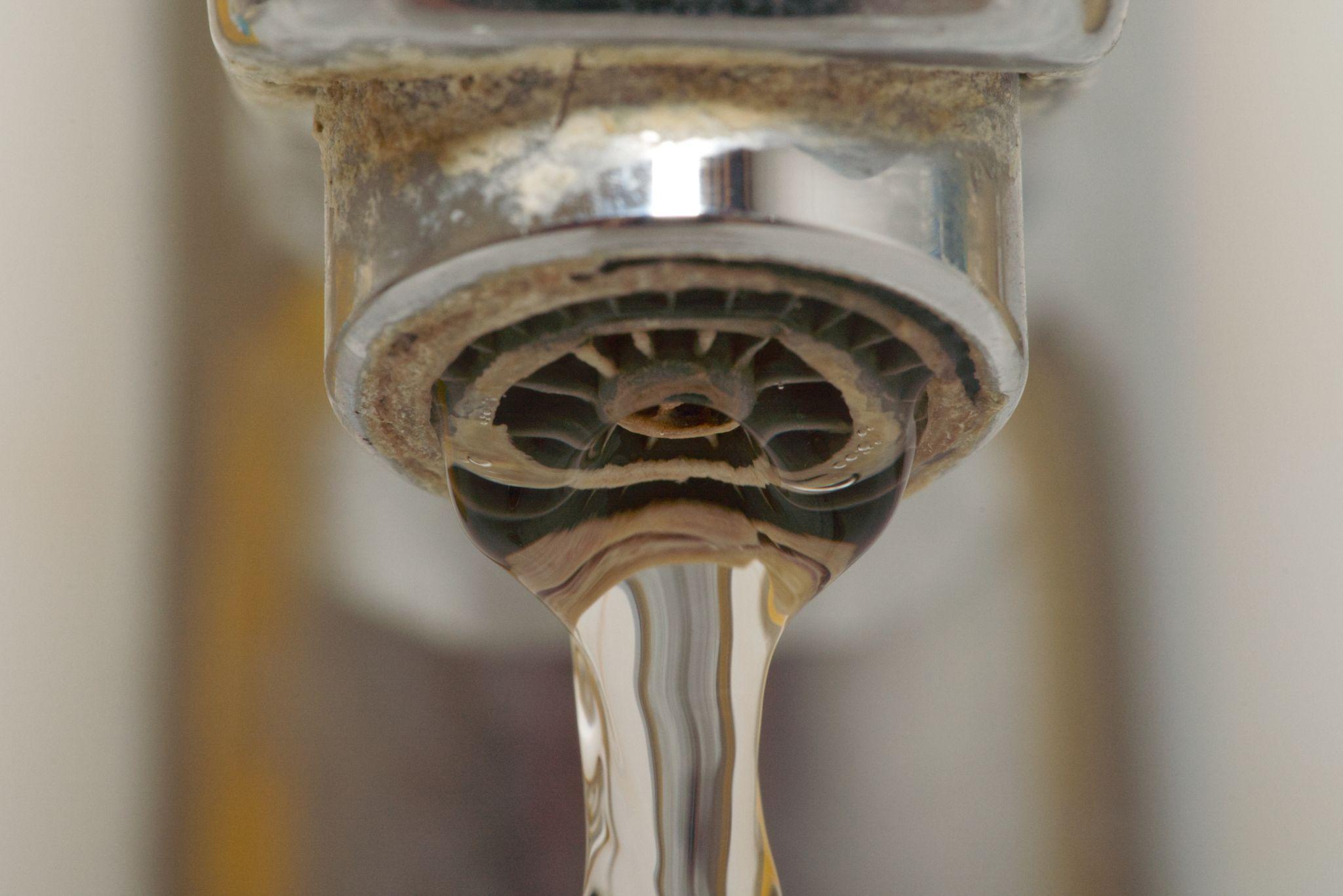
Clogged water filter causing sediment on bathroom sink faucet

Water filters are essential for providing clean and safe drinking water. As with any system, they can become clogged over time. Clogging is a problem that affects all types of water filters, from carbon filters to reverse osmosis systems. Understanding the causes of clogging and taking preventive steps can help keep the filtered water coming into your house clean and safe.

Types of Water Filters

The first step in understanding how to prevent clogging is learning about the different types of water filters available today. The most common types include activated carbon block filters, sedimentation systems, reverse osmosis (RO) systems, and ultraviolet (UV) purification systems. Each type has its own unique mechanism for filtering out contaminants from water supplies, but they all share some common principles:

  • Impurities are trapped on or within a medium material.
  • Physical barriers, such as screens, are used to capture particles.
  • Bacteria-killing UV light is employed.

Common Causes of Water Filter Clogging

Clogging can occur for many different reasons. In most cases, it is caused by particles trapped on or within the filter medium. This can include sediment from the water supply, mineral deposits, calcium, and magnesium from hard water and biological contaminants like algae or bacteria. Additionally, some filters may clog due to improper maintenance or inadequate water pre-filtration.

Common Signs of Water Filter Clogs

Common signs of clogging include reduced water pressure and quality, such as an unpleasant taste or smell from the faucet and discolored water. This occurs because the water cannot flow through the filter normally. Instead, flow is restricted because the filter needs to be changed.

If you notice any of these symptoms, check and replace your filter to see if it resolves the problem. If not, then it is recommended to contact your plumber for further assistance in troubleshooting your water quality issues.

Why Does My Water Filter Clog?

The most common cause of water filter clogging is improper maintenance. If your filter has not been changed often enough or cleaned properly, particles can build up and eventually clog the system. Additionally, inadequate pre-filtration of the source water may lead to clogging by allowing too many contaminants into the system before filtering them out.

Does a Clogged Water Filter Indicate Water Filtration System Problems?

A clogged water filter could indicate there are problems with the water filtration system. However, in most cases, when a water filter clogs, it simply means the system is doing what it is meant to do—remove impurities from the water. So, regular maintenance and filter changes are essential to ensure you have clean water free from contaminants.

Preventing Water Filter Clogging

The best way to prevent clogging is to regularly clean and maintain your filter system according to the manufacturer’s instructions. This includes:

  • Changing out filter cartridges or membranes when they have reached their maximum lifespan
  • Flushing sediment traps weekly if you do not have an automatic flushing system
  • Checking pressure gauges frequently
  • Ensuring that all fittings are secured tightly

Additionally, if your system does not have a pre-filter installed, you should have your plumber install one. Having a pre-filter installed upstream of your main filtration system can help reduce the amount of debris that reaches your filter in the first place.

Finally, be sure to have regular maintenance performed on your water filtration system by your plumber to ensure it operates properly and optimally.

Whole-House Water Filtration Systems: Changing the Filter

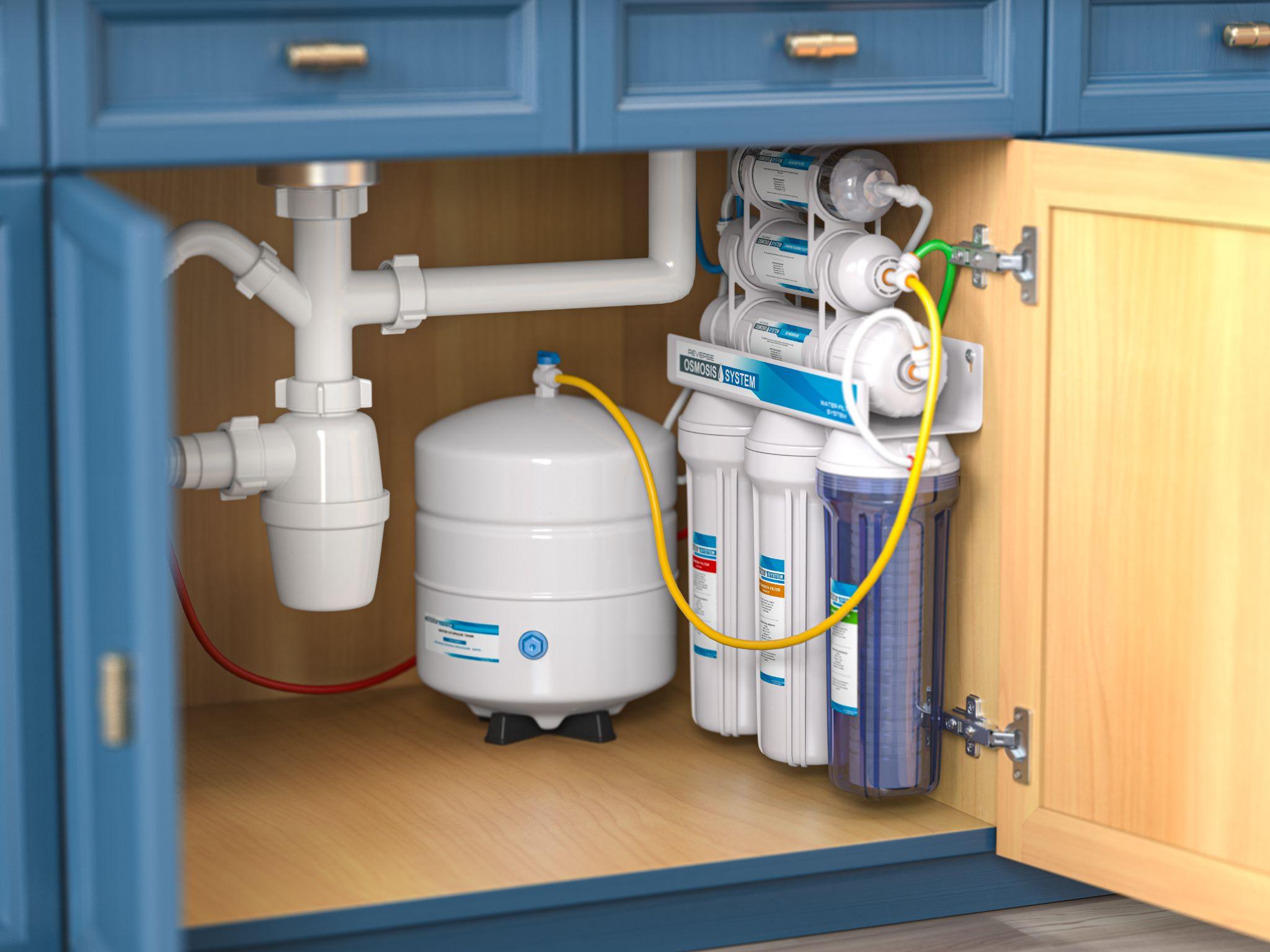
Reverse Osmosis system under a sink needing a filter change

Whole-house water filtration systems typically use a combination of sediment, carbon, and ultraviolet (UV) filters to provide clean and safe drinking water. These filters must be changed regularly according to the manufacturer’s instructions to prevent clogging.

Sediment filters should generally be changed every three months or as needed based on the quality of your source water. Carbon filters should be replaced every six months, and UV filters should be replaced annually. It is important to remember that if you are using a whole-house system, you only need to change the filter that is due to be changed and not all of the filters at the same time.

Reverse Osmosis Systems: Changing the Filter

RO systems use a semipermeable membrane to remove contaminants from drinking water. The most common type of filter used in RO systems is the carbon block filter, which should be changed every six months or as needed based on the quality of your source water. Additionally, if you use an RO system with pre- and post-filters, these should be changed as needed to prevent clogging and ensure optimal performance.

Ultraviolet Purification Systems: Changing the Filter

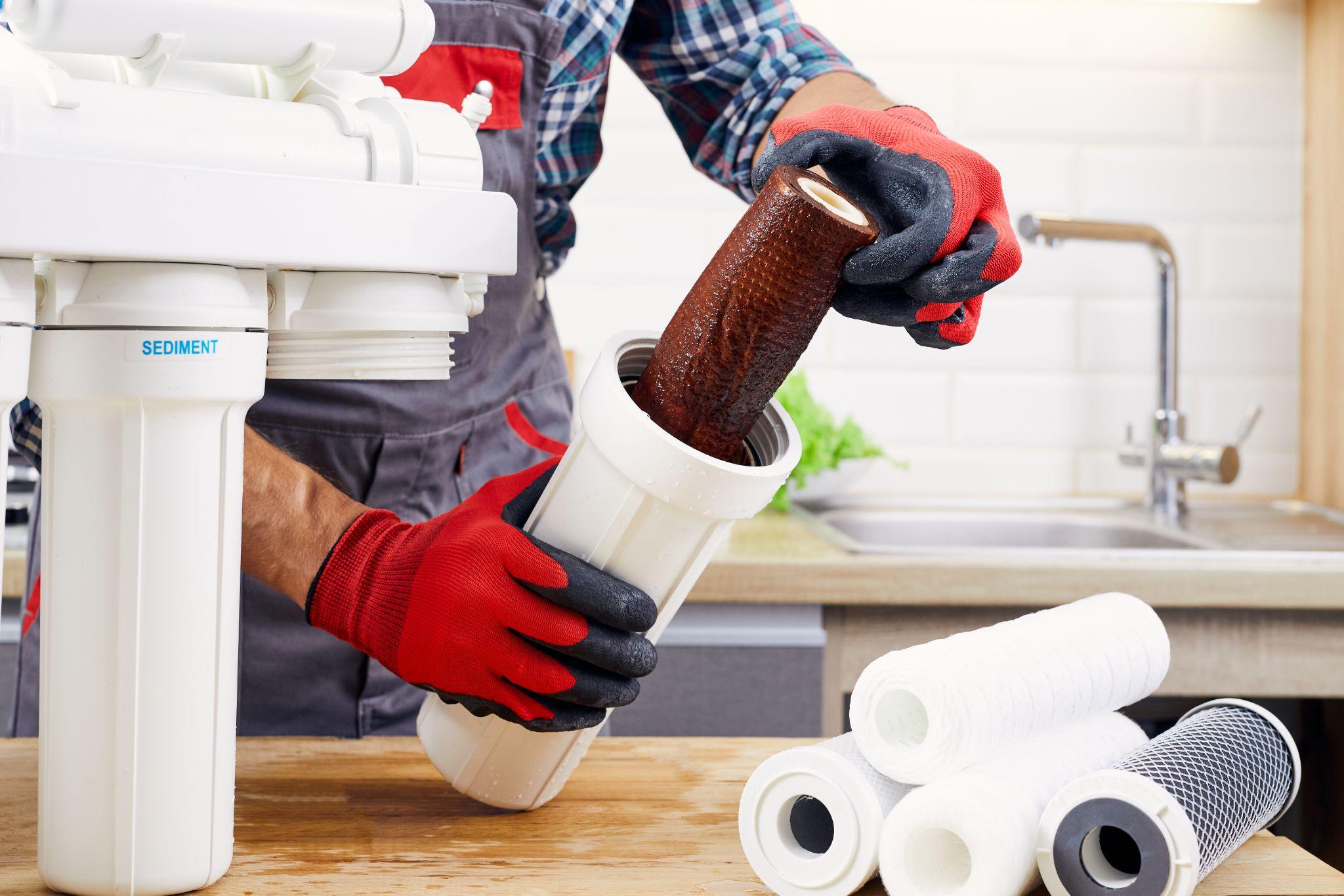
Plumber changing a dirty reverse osmosis filter

UV purification systems use UV light to kill bacteria, viruses, and microorganisms in drinking water. They may be used as stand-alone systems or part of a whole-house system. The UV light in the system should be changed annually to ensure it continues to function properly. In addition, regular maintenance and replacement of any worn parts should be performed at the same time.

Water Filtration System Maintenance and Filters

If you have issues with your water filtration system, require maintenance, or need replacement filters, please call Christianson Air Conditioning & Plumbing in San Antonio and Austin by calling 512-246-5400 today. We also sell and install water softeners, RO systems, and whole-house water filter systems.


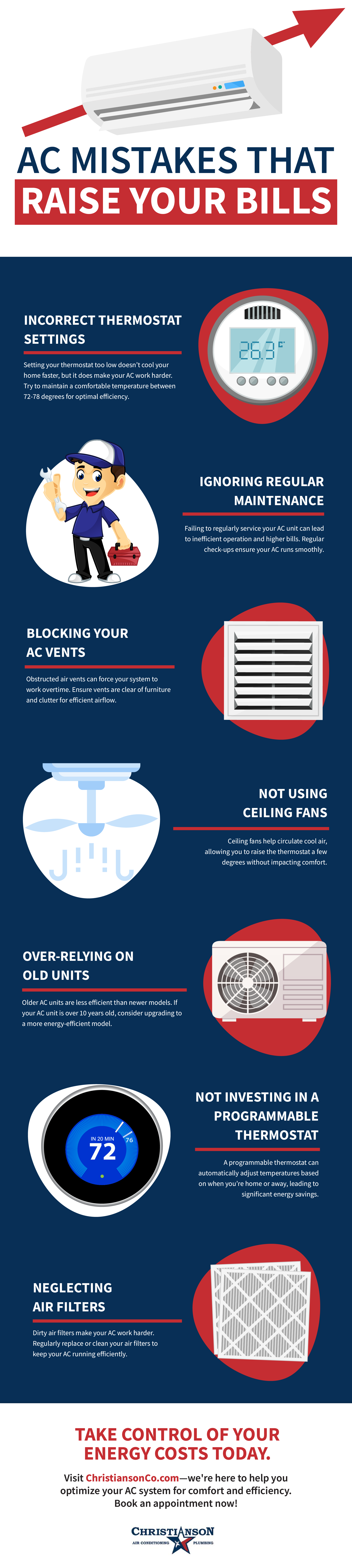
Air Conditioning Efficiency 101: When to Turn Your A/C Off and When to Leave It On

Posted on April 20th, 2023 by ChristainSon_Admin

Woman turning on her AC in a home

When it comes to air conditioning efficiency, the general rule is to turn it off when you’re not at home to save energy and money. However, there are some situations when it may be more efficient to leave it on.

But first, let’s quickly cover how your air conditioning system keeps you cool and comfortable during those sweltering summer months. An A/C system works by removing heat and moisture from the air inside a building and releasing it outside, while cooling and dehumidifying the indoor air. It does this using three main parts: a compressor, a condenser, and an evaporator. The compressor compresses a refrigerant gas, which is then cooled and expanded, allowing it to absorb heat and moisture from indoor air. The cool, dehumidified air is then circulated back into the room, while the heat and moisture are released outside through the condenser.

As you can see, a lot goes into cooling your home and maintaining your ideal comfort level. This is why we always stress routine A/C maintenance. Regular maintenance, such as cleaning or replacing the air filters, checking the refrigerant levels, and cleaning the coils, can help your AC run more efficiently and prevent breakdowns.

When to Consider Turning It Off

The primary factor to consider is energy efficiency. When you’re not at home, there’s no need to keep your air conditioning system running at full blast, as it’s only wasting energy and driving up your utility bills. So, if you’re going to be away from home for an extended period, such as a vacation or a long weekend, it’s best to turn off your air conditioning system entirely. This will not only save energy and money but also prevent any potential issues that may arise while you’re away. Additionally, turning off your air conditioning system can also help extend its lifespan by reducing wear and tear on its components.

When to Consider Keeping It On

If you’re only going to be away for a few hours, it may be more efficient to leave your air conditioning system on but raise the temperature setting by a few degrees. According to the U.S. Department of Energy, you can save up to 10% on your annual cooling and heating bills by adjusting the settings by 7-10° for 8 hours a day from your normal settings. This will allow the system to maintain a comfortable temperature while using less energy. It’s worth noting that the exact temperature setting will depend on your personal preferences and the weather conditions outside.

Another situation where you may want to leave your air conditioning system on is if you have pets at home. In this case, it’s important to keep your home at a comfortable temperature to ensure the well-being of your pets. However, you can still adjust the temperature setting to a higher temperature to save energy while keeping your pets comfortable.

Finally, you may also want to consider the needs of any plants in your home. If you have delicate plants that require a certain temperature and humidity level to thrive, you may want to leave your air conditioning system on but adjust the temperature setting accordingly.

How a Programmable Thermostat Helps with A/C Efficiency
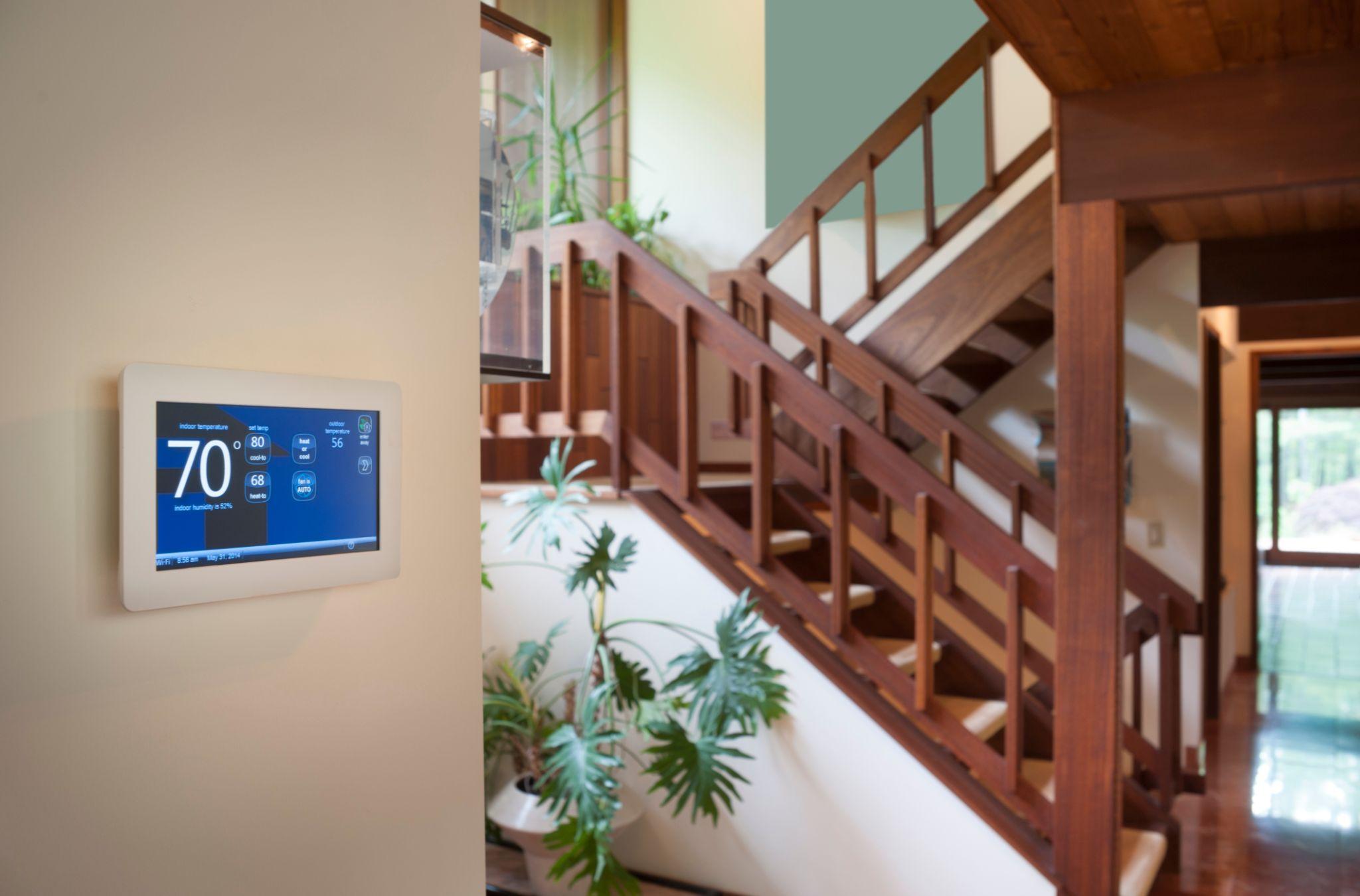
Programmable AC in a house

Using a programmable or smart thermostat to adjust your air conditioner temperature offers several benefits, including:

Energy savings: A programmable thermostat allows you to set the temperature schedule based on your lifestyle and preferences. For example, you can set the temperature a few degrees higher when you’re away from home or sleeping, reducing energy consumption and lowering your energy bills.

Increased comfort: With a programmable thermostat, you can have your home at the desired temperature when you wake up, return home, or have your home at a comfortable temperature when you go to bed.

Convenience: A programmable thermostat eliminates the need to manually adjust the temperature throughout the day, allowing you to set it and forget it.

Reduced wear and tear on your A/C: Consistently adjusting the temperature can cause extra wear and tear on your air conditioning system. A programmable thermostat can help reduce the amount of work your A/C has to do and extend its lifespan.

Call Christianson Air Conditioning & Plumbing for All Your Cooling Needs

Christianson Air Conditioning & Plumbing provides a wide range of air conditioning services to clients in San Antonio and Austin.

Air Conditioning Installation: We provide professional installation services for various types of air conditioning systems. Our team of experienced technicians can help you choose the right type and size of AC system that fits your needs and budget.

Air Conditioning Repair: Our technicians are trained to diagnose and fix AC problems quickly and efficiently to ensure your comfort and safety.

Air Conditioning Maintenance: Regular maintenance can help keep AC systems running efficiently and prevent breakdowns. We offer preventative maintenance services, including cleaning or replacing air filters, checking refrigerant levels, cleaning coils, and inspecting electrical connections to ensure optimal performance and energy efficiency.

Call today for comprehensive air conditioning services in San Antonio and Austin, ensuring that your AC system is installed, maintained, and repaired correctly for optimal performance, energy efficiency, and longevity.

Tags: , ,


Why Is the Kitchen Sink Not Getting Hot Water?

Posted on March 22nd, 2023 by ChristainSon_Admin

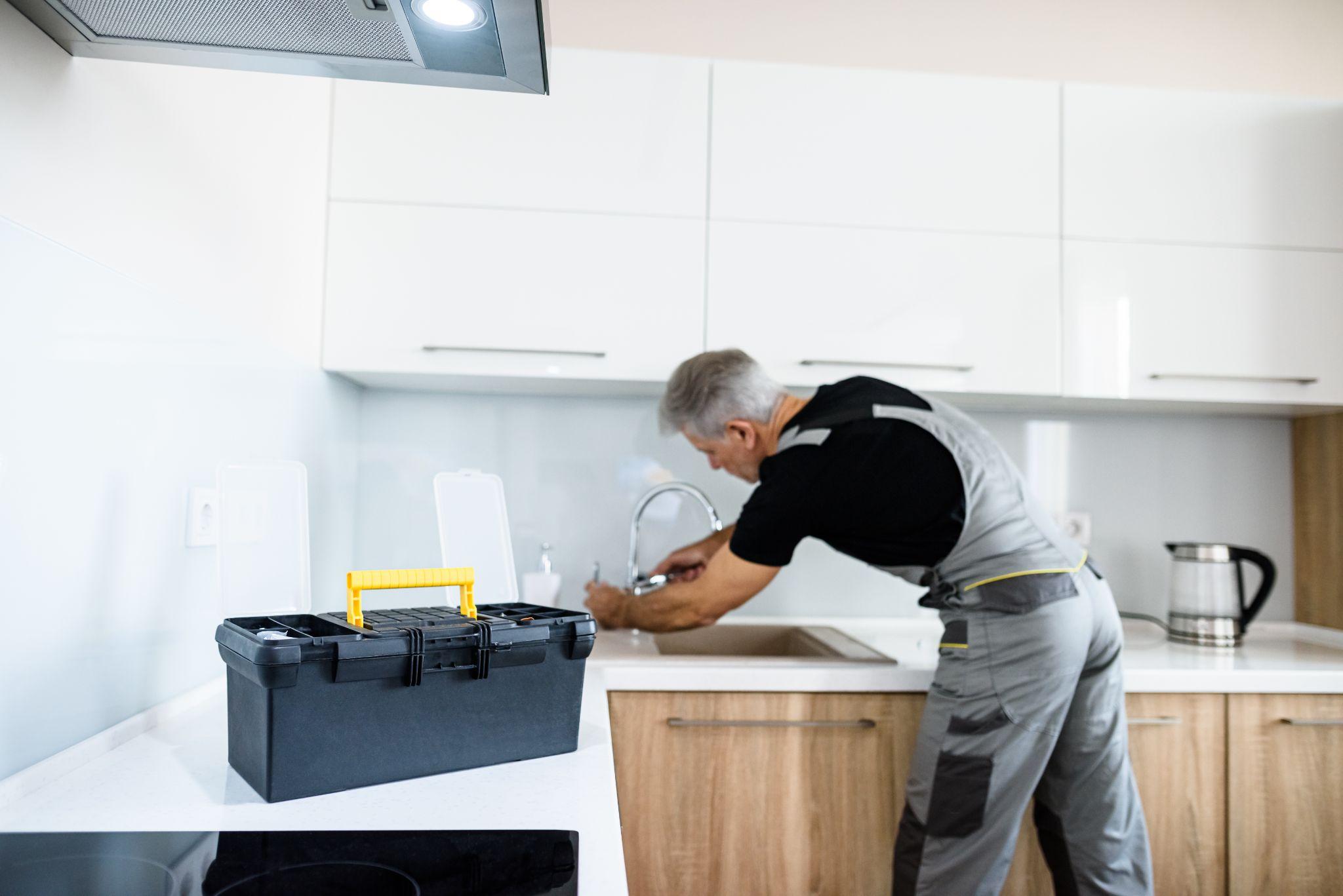
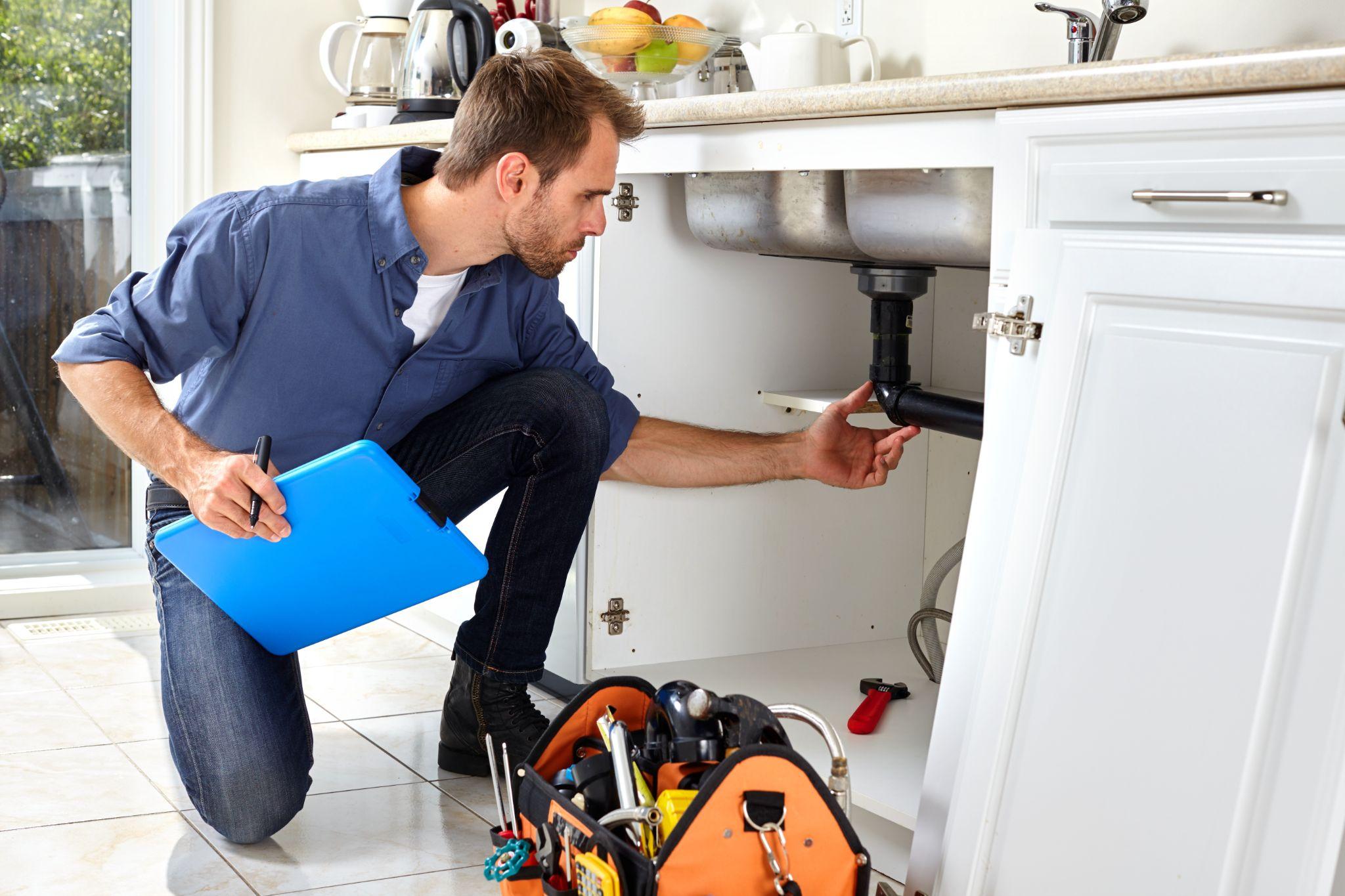
Plumber fixing a kitchen sink that is not getting hot water

Hot water at the kitchen sink is essential for washing dishes, running the dishwasher, and cleaning. When there is no hot water coming out of the faucet, it can be frustrating. However, knowing why hot water is not coming out of the faucet and how to troubleshoot this problem will make it easier and let you know when you need to call a plumber for help.

Why Is My Hot Water Not Working at the Kitchen Sink?

The Hot Water Is Turned Off

You will not get hot water from the kitchen faucet if the hot water is turned off. Check underneath the sink to verify the hot water valve supplying hot water to the faucet is open. If it is closed or partially open, ensure you open the valve all the way.

There Is a Blockage

If there is a blockage between the water heater and kitchen faucet, it can stop the flow of hot water. Turn off the cold water faucet valve under the sink and verify the hot water is turned on. Turn on the faucet. If no water comes out, you have a blockage and should call your plumber.

Low Water Pressure

If there is a low water pressure problem, it can prevent the flow of hot water. So, it will seem like you are not getting sufficient output at the faucet. Verify if the problem is just in the kitchen or with other faucets in the house. Once you know which faucets are having problems, call your plumber to help pinpoint where the water pressure drops.

Water Heater Turned Off or Thermostat Turned Down

Most modern water heater installations have a secondary switch that can sometimes get shut off. If the switch is off, the heater won’t make hot water. In addition, you should check the thermostat on the front of the heater to verify it is set correctly—between 120 and 140 degrees Fahrenheit.

Broken or Malfunctioning Water Heater

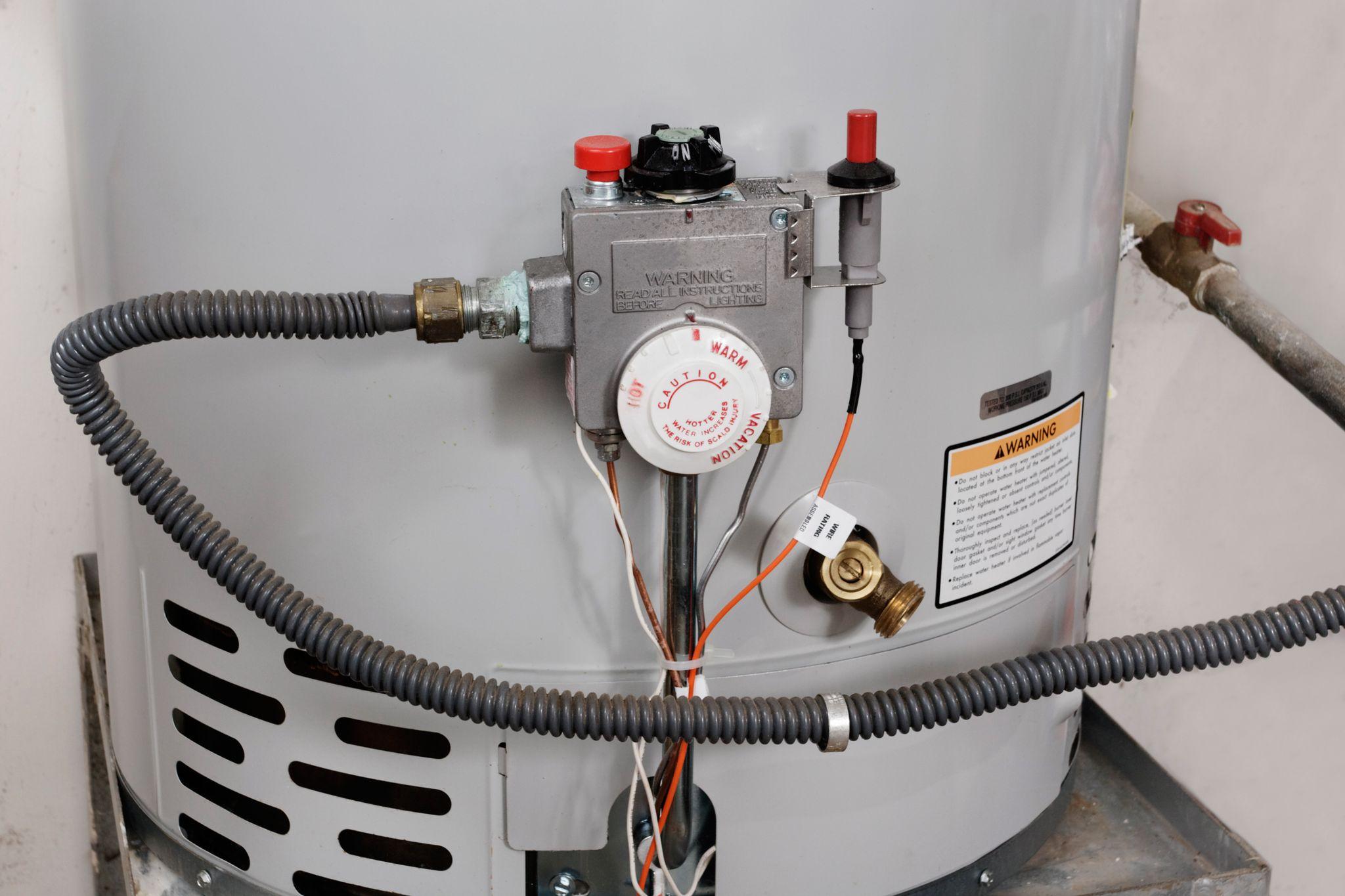
Malfunctioning water heater

Various parts and components of the water heater could be broken or malfunctioning, such as heating elements. Check to see if you get hot water at any other faucets in the house. If not, you will want your plumber to diagnose the problem further.

Why Does It Take So Long for Water to Get Hot at the Kitchen Sink?

It can seem like it takes a long time for water to get hot at the kitchen sink for several reasons. For starters, when you turn on the hot water, there is already existing water in the line between the heat and the faucet.

So, all this water has to be moved before the hot water from the tank reaches the faucet. Next, the distance between the water heater and the kitchen sink determines how long it takes before you will get hot water.

Last, the outdoor temperatures influence how long it takes to get hot water to the faucet. Your crawl space or basement will be much colder in the winter. Even with insulated pipes, the colder temperatures will still lower water temperatures in the hot water supply lines. As a result, it takes longer to flush out the cold water.

How Can I Get Hot Water Faster?

  • Turn Up the Thermostat: You can turn the thermostat up to 140 degrees Fahrenheit to help get hot water faster.
  • Increase Insulation on Hot Water Pipes: Adding additional insulation can help retain more heat, providing hot water faster.
  • Install an Under-Sink Water Heater: A tankless under-sink water heater provides nearly instant hot water.

Benefits of Getting Help from a Professional Plumber

Plumber diagnosing a kitchen sink issue with a customer

When hot water is not coming out the faucet, getting help from a professional plumber provides you with several benefits, including:

  • Professional Diagnosis: A professional plumber can diagnose the root cause of why your kitchen sink is not getting hot water and provide a long-term solution for it.
  • Quality Parts & Service: Professional plumbing services use quality parts to ensure that any repairs or installations are done correctly, safely, and efficiently. This ensures that all plumbing issues are resolved properly without further problems arising later on down the line.
  • Guaranteed Workmanship: Most professional plumbing services offer a guarantee on their workmanship. You’ll know that if something goes wrong during or after the repair/installation process, it will be fixed at no extra cost to you.
  • Cost Savings: Hiring a professional plumber may save you money in the long run due to their expertise and knowledge of what needs to be done.
  • Preventative Maintenance: They may uncover other potential future problems while working on your issue, which could help prevent costly repairs in the future.

Have Hot Water Issues Fixed Today

When you need help determining the cause of no hot water coming out of the faucet, you can count on the experienced plumbers at Christianson Air Conditioning & Plumbing. Our San Antonio and Austin plumbers will diagnose the problem, provide viable solutions, and offer advice on ensuring your home has plenty of hot water. Schedule plumbing service by calling 512-246-5400 today.


Common Sewer Line Issues

Posted on March 7th, 2023 by ChristainSon_Admin

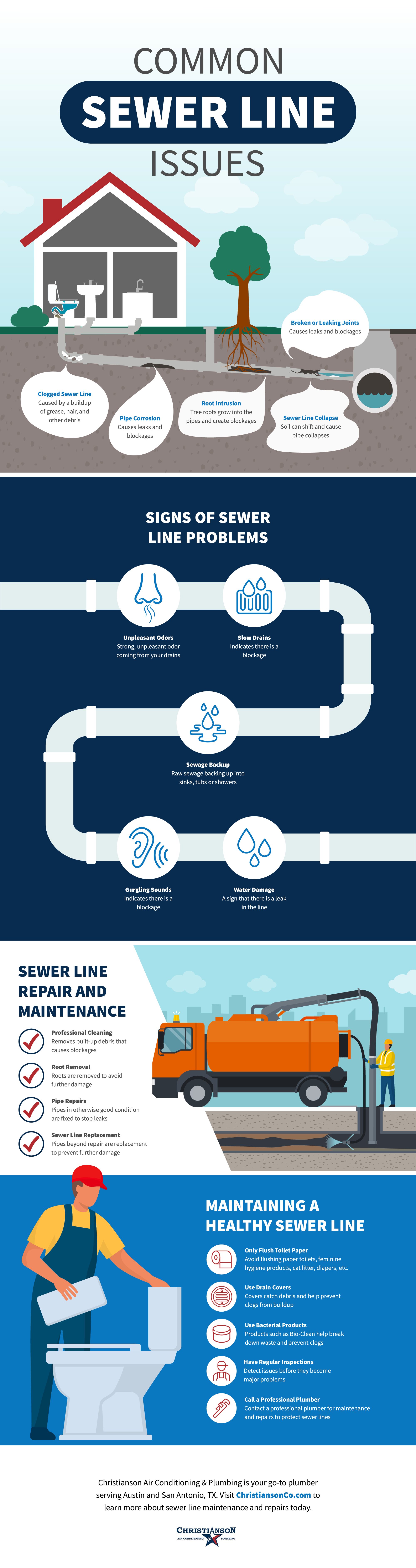
Recognizing common sewer line issues is essential so you can have them repaired before they become major issues resulting in more costly repairs. You should also be familiar with common signs of sewer line problems and maintaining healthy lines.

Some of the more common sewer line issues include:

  • Clogged sewer line
  • Root intrusion
  • Pipe corrosion
  • Broken or leaking joints
  • Sewer line collapse

Signs of Sewer Line Problems

Long before you have major sewer line issues, your home’s plumbing system will most likely provide you with several warning signs of sewer line problems, such as:

  • Unpleasant odors
  • Slow drains
  • Sewage backup
  • Gurgling sounds
  • Signs of water damage

Sewer Line Repair and Maintenance

To help resolve sewer line problems when they occur, you should consider the following sewer line repair and maintenance services available from your local plumber:

  • Professional sewer line cleaning
  • Tree root removal
  • Pipe repairs
  • Sewer line replacement

Maintaining a Health Sewer Line

You can do several different things to maintain a healthy sewer line. First, you should never flush any large or bulky objects, cat litter, feminine hygiene products, or diapers down your toilet.

Next, you should add drain covers over all your drains. These will help catch hair, larger food particles, and other debris from getting into the drain line. To clean the drain cover, empty it into your trash can and wipe it out with a damp cloth.

You can also use bacterial products periodically to help break down waste and reduce the risks of clogs in the sewer line, such as Bio-Clean. Lastly, you will want your plumber to perform regular maintenance and camera inspections to ensure your sewer lines are healthy.

Be sure to check out our infographic that provides further details about common sewer line issues. Should you notice any sewer line problems, contact the professional plumbers at Christianson Air Conditioning & Plumbing at 512-246-5400 today.

Common Sewer Line Issues Infographic

Click below to embed this infographic into your website:


Why Won’t My Toilet Stop Running?

Posted on March 7th, 2023 by ChristainSon_Admin

Toilet in a modern bathroom

A running toilet can be a frustrating and costly problem. Not only does it waste water and increase your water bill, but it can also be a sign of a larger plumbing issue. In this blog post, we’ll explore why a toilet won’t stop running, how to fix the problem, and how to prevent it from happening in the future.

Reasons Why a Toilet Won’t Stop Running

There are several reasons why a toilet won’t stop running. The most common reasons include flapper problems, fill valve problems, and overflow tube issues.

Flapper Problems

One of the most common reasons why a toilet won’t stop running is due to flapper problems. The flapper is the rubber or plastic seal at the bottom of the toilet tank that opens and closes to allow water to flow into the bowl.

Worn or damaged flapper: Over time, the flapper can become worn or damaged, causing it to not seal properly. When this happens, water will continuously flow into the bowl, causing the toilet to run.

Flapper chain issues: Another common problem with the flapper is the chain that connects it to the toilet handle. If the chain is too long or too short, it can prevent the flapper from closing properly, causing the toilet to run.

Fill Valve Problems

The fill valve is the mechanism that allows water to enter the toilet tank. Fill valve problems can cause the toilet to run continuously or intermittently.

Water level issues: If the water level in the tank is too high, it can cause the water to overflow into the overflow tube, causing the toilet to run. On the other hand, if the water level is too low, the fill valve will continuously try to fill the tank, causing the toilet to run.

Faulty fill valve: A faulty fill valve can cause the toilet to run continuously, as it fails to shut off the water supply to the tank once it’s filled.

Overflow Tube Issues

The overflow tube is the vertical tube that sits in the middle of the tank and connects to the toilet bowl. The tube is designed to prevent the tank from overflowing, but it can cause the toilet to run if it’s clogged or malfunctioning.

Clogs: If the overflow tube is clogged, water will continuously flow into the bowl, causing the toilet to run.

Malfunctions: If the float that sits on top of the overflow tube is not functioning correctly, it can cause the toilet to run continuously.

How to Fix a Running Toilet

Now that we’ve identified the common reasons why a toilet won’t stop running, let’s discuss how to fix the problem.

Replace the flapper: If the flapper is worn or damaged, it needs to be replaced. Simply turn off the water supply to the toilet, remove the old flapper, and install the new one.

Adjust the flapper chain: If the chain is too long or too short, it can prevent the flapper from sealing properly. Adjust the chain length so that the flapper closes completely.

Replace the fill valve: If the fill valve is faulty, it needs to be replaced. Turn off the water supply, remove the old fill valve, and install the new one.

Adjust the water level: To adjust the water level, locate the float on the fill valve and adjust it up or down.

Clear clogs from the overflow tube: If the overflow tube is clogged, use a wire hanger or plunger to clear the blockage.

Preventing a Running Toilet

To prevent a running toilet from happening in the first place, follow these tips:

Perform regular maintenance: Regular maintenance of your toilet can help prevent problems from occurring. This includes cleaning the toilet regularly, checking for leaks, and ensuring that all components are functioning properly.

Practice proper use of the toilet: Be mindful of what you flush down the toilet. Avoid flushing anything other than toilet paper and bodily waste, as other items can clog the toilet and cause it to run.

Upgrade to a new toilet: If your toilet is old or outdated, consider upgrading to a new one. Newer toilets are designed to use less water, which can help reduce your water bill and prevent running toilets.

A running toilet is not only frustrating, but it can also be a sign of a larger plumbing issue. By understanding the common causes of running toilets and how to fix them, you can prevent water waste and potentially save money on your water bill.

Remember to practice regular toilet maintenance and seek professional help if necessary. If you’re in need of plumbing services, call Christianson Air Conditioning and Plumbing for reliable and high-quality service.

Why Choose Christianson Air Conditioning and Plumbing?

Christianson Air Conditioning and Plumbing employee working on a toilet that won't stop running

If you’re experiencing a running toilet or any other plumbing issues, it’s important to seek professional help. Here’s why you should choose Christianson Air Conditioning and Plumbing:

Experienced and Certified Technicians: Our team of plumbers are experienced and certified to handle all types of plumbing problems, including running toilets.

24/7 Emergency Services: Plumbing emergencies can happen at any time. That’s why we offer 24/7 emergency services to ensure that your plumbing problems are addressed quickly and efficiently.

High-Quality and Reliable Service: We take pride in providing high-quality and reliable plumbing services. Our team will work tirelessly to ensure that your plumbing problem is resolved to your satisfaction.

Customer Satisfaction Guarantee: At Christianson Air Conditioning and Plumbing, we stand behind our work. That’s why we offer a customer satisfaction guarantee on all of our services.


Copyright © 2025 Plumbing & Air Conditioning Company - Austin, TX

Licenses M-18631, M-18632, LI15740, TACLA023749C

Regulated by The Texas Department of Licensing and Regulation

P.O. Box 12157, Austin, Texas 78711, 1-800-803-9202, 512-463-6599, Website: http://www.tdlr.texas.gov