Texans serving Texas since 1950

Call Us Now:

Austin Metro (512) 246-5400
San Antonio (210) 651-1212
Temple (254) 773-7175
New Braunfels (830) 627-2211

Why Is My AC Running but Not Cooling?

Posted on October 24th, 2022 by Jill Ponek

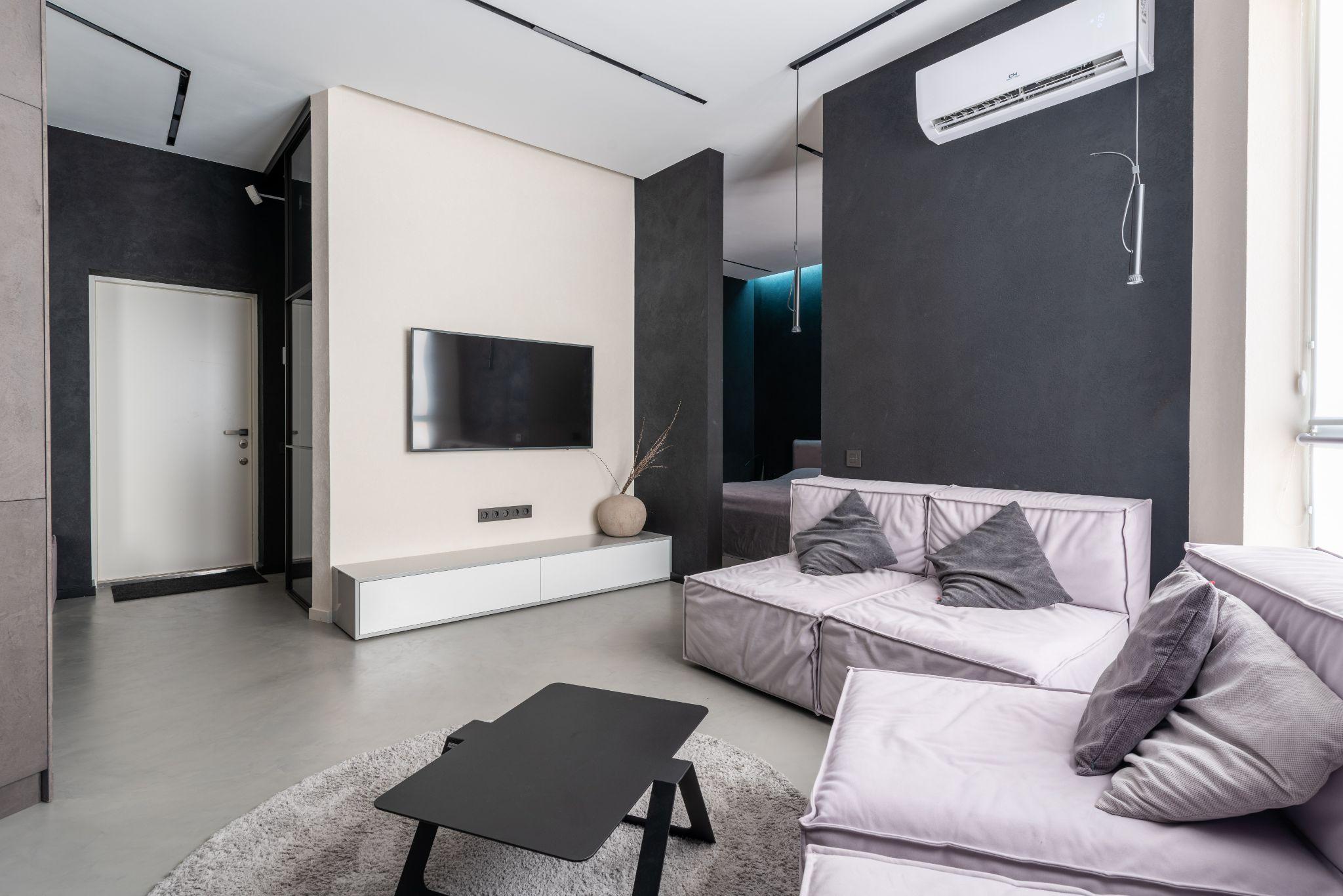
Air conditioning for modern house

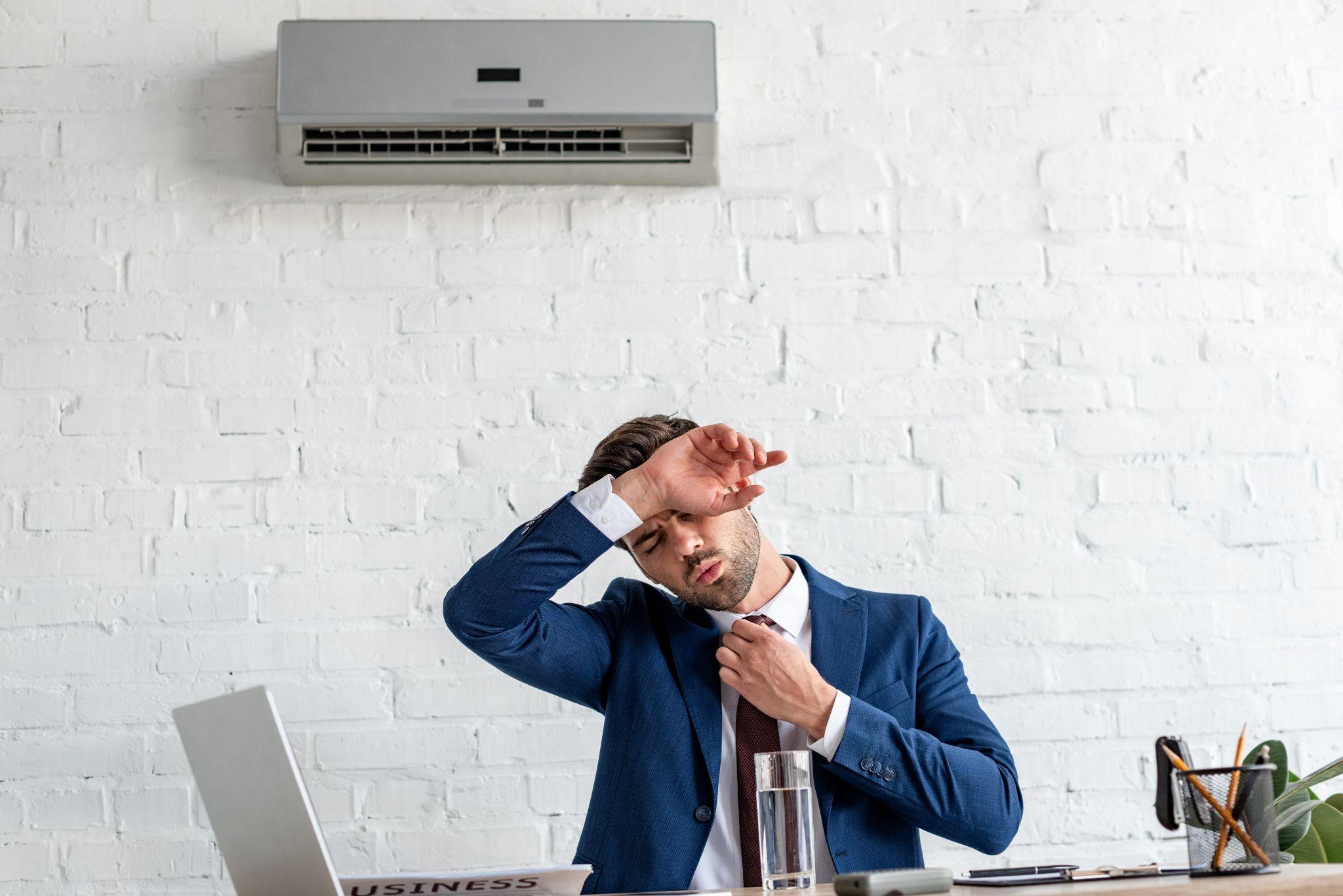
You rely on your air conditioner to keep you cool and comfortable indoors when it is hot outside. Yet, your air conditioner may not always perform as expected and cool your house correctly. So, when your AC is running but not cooling properly, there are several things you can check before calling an air conditioner repair technician.

Dirty Air Filters

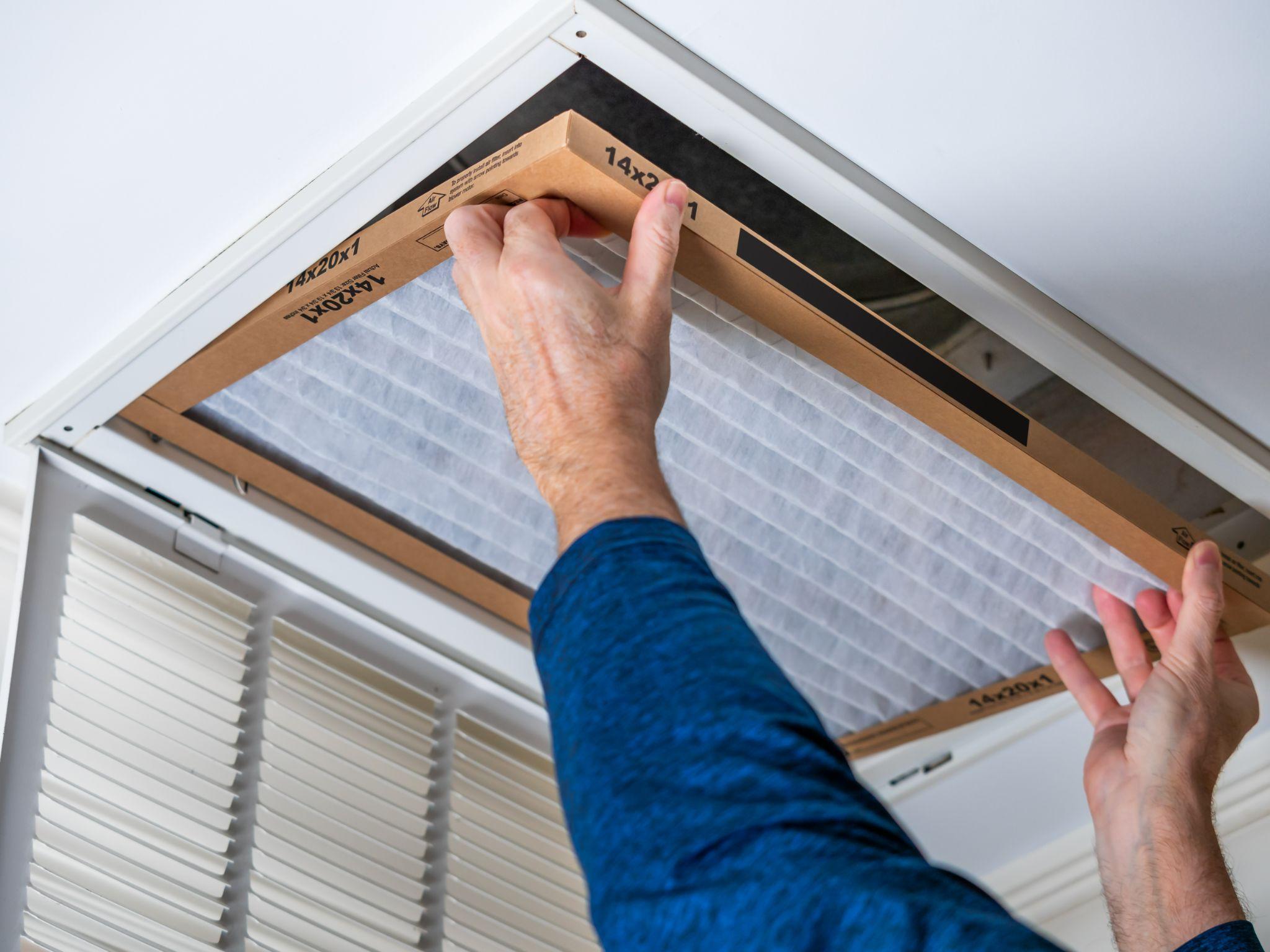
Cooling systems require proper airflow to function correctly. Suppose your air filter is dirty with dust, dirt, pet hair, and other such things. Then the airflow through the system is restricted and will not cool correctly. Therefore, check your air filter and change it if it is dirty. Next, wait about thirty minutes to an hour to see if your AC starts cooling properly.

Outdoor Unit Is Clogged Up with Dirt

There are air vents on your outdoor unit that helps remove heat from cooling coils as the system cycles. When these are clogged with dust, dirt, leaves, and other debris, it can be the cause for your AC not blowing cold air. To have the outdoor unit cleaned, call your AC technician.

Thermostat Issues

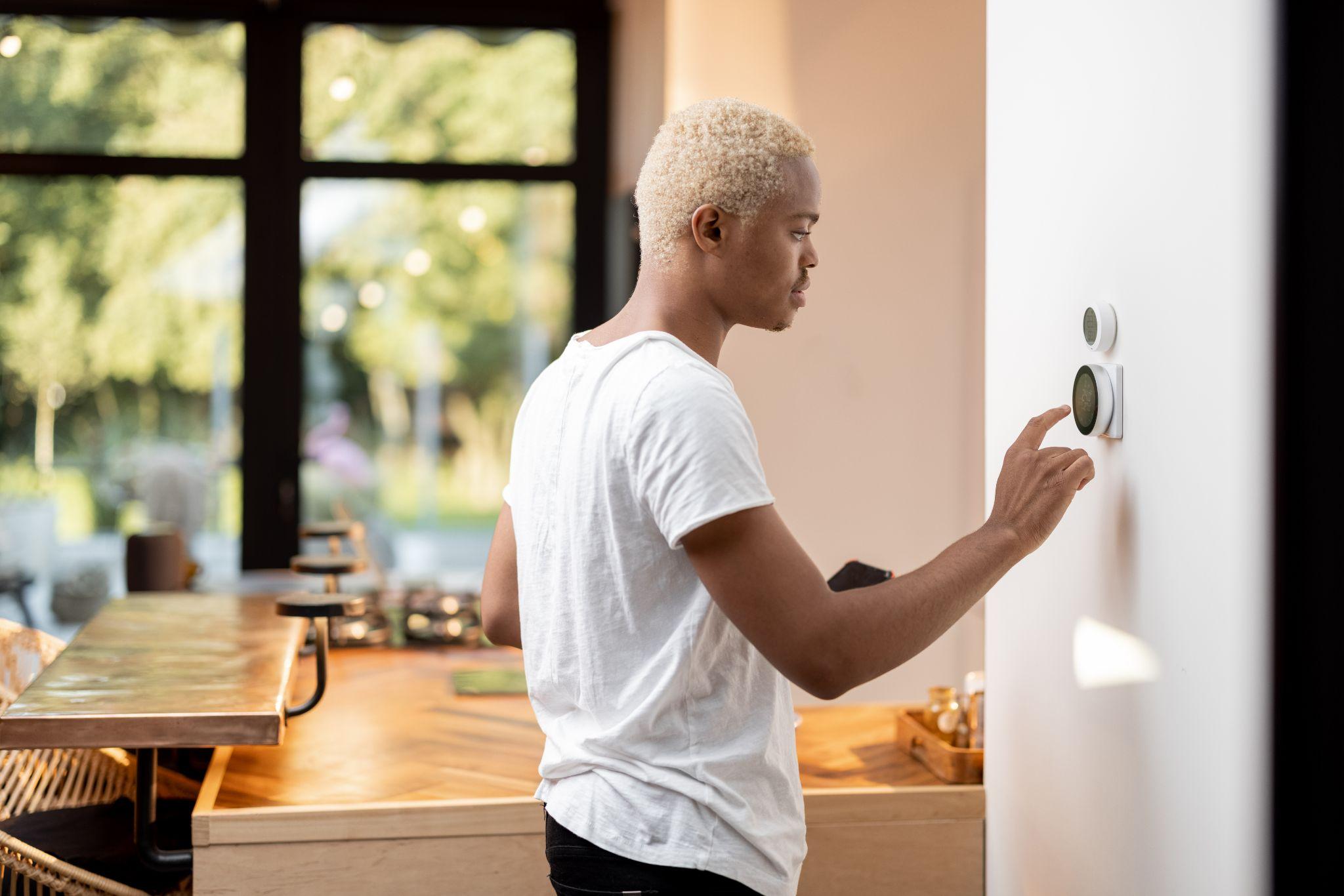
Another thing you can check is your thermostat to see that it is set correctly. If it got turned up, the AC could be working correctly, just not cooling your house to your desired temperature. In addition, verify the thermostat is getting power by checking your breakers.

If a breaker tripped, that could be the cause of the problem. Reset the breaker to get your AC going again. However, if it trips again, call your AC technician, as something is overloading the system.

Air Duct Leaks

If you have leaks in your air ducts, they will suck warm air into the house whenever the AC is running. A common sign that your air ducts leak is when your home gets extremely dusty very quickly. You can schedule air duct cleaning and leak sealing with your AC technician.

Frozen Evaporator Coil

If you set your thermostat too low or your air filter is dirty and clogged, it can cause the coolant in the system to freeze. When it does, it will not cool correctly. You will have to shut off the system and wait for it to thaw out. If the problem keeps recurring and your air filter is clean, it is time to call for AC service.

The AC Wasn’t Sized Correctly

AC systems that are too small or too big for your home will not adequately keep your house cool. Undersized systems run almost constantly on hot days because they simply cannot keep up with cooling. Oversized systems tend to short cycle where they turn on, run for a few minutes, and shut off. Have your AC tech verify your system is sized correctly. If not, you should replace it.

There Is a Coolant Leak

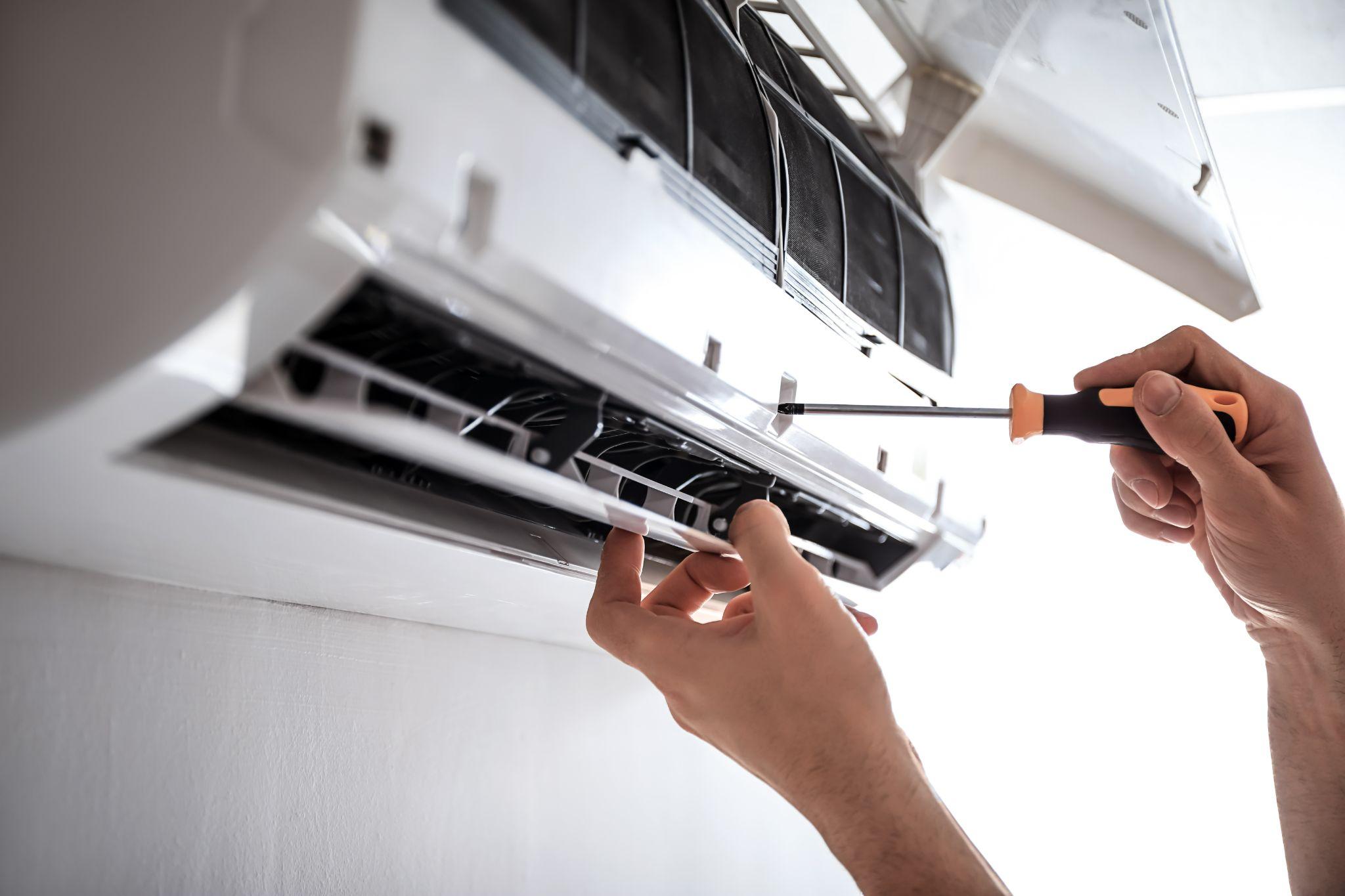
Electrician repairing air conditioner indoors

While coolant leaks are not as common on modern AC units, they can still occur. Once the coolant leaks out, there will be insufficient coolant left in the system to cool the air when the system runs. If you suspect a leak, shut down the system and call your AC technician for service.

The AC Is Old

As air conditioners age, they gradually start losing their cooling efficiency. So, if your AC is more than ten years old, it just may be time to get a new energy-efficient unit for your house.

Air Conditioner Repair, Maintenance, and Replacement Services

When your AC is not blowing cold air, you can rely on Christianson Air Conditioning & Plumbing for AC repair, maintenance, and replacement services in Austin and San Antonio. We will diagnose your system to determine the problem and provide you with potential solutions to get your house cooling correctly. Contact us at 512-246-5400 to schedule service today.

Tags: , ,


How Do You Know if Your Duct System Is in Good Condition?

Posted on October 21st, 2022 by ChristainSon_Admin

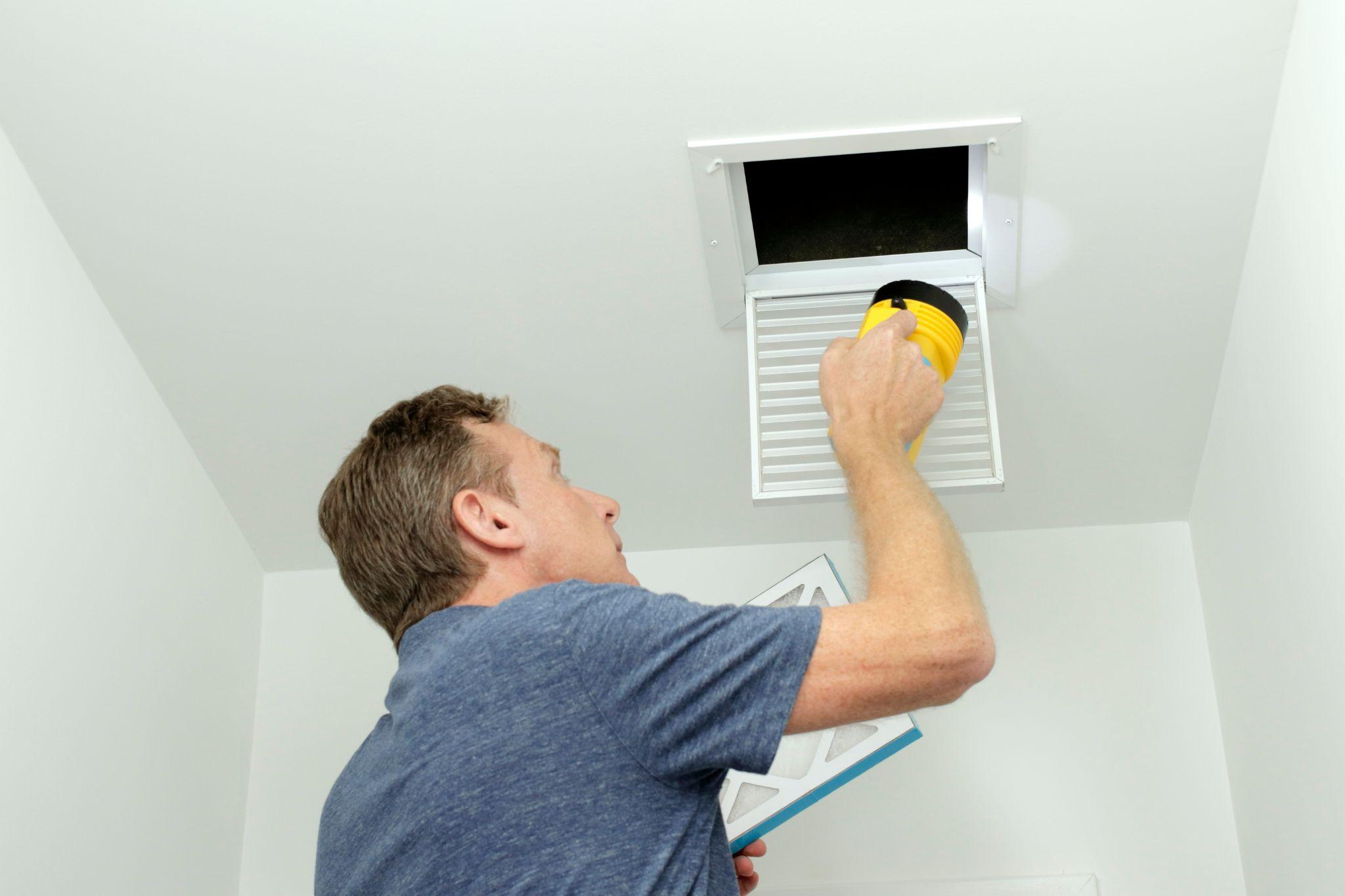
Man inspecting air ducts shining a flashlight through a small square ceiling vent into ducting pipes.

When your home has a forced-air cooling and heating system, it uses ductwork to force air throughout the house into the different rooms. A return air vent draws air out of the house and moves it through the air conditioning or heating system. However, you will need to consider air duct replacement or sealing eventually.

Why Is a Duct System Important?

According to Energy Star, most homes lose about 20 to 30 percent of the cooled or heated air in the duct system due to holes, leaks, or poorly connected ductwork. Unfortunately, most homeowners overlook their air ducts when maintaining their HVAC systems.

The duct system ensures that cooled and heated air is distributed evenly throughout the house. When there are leaks in the system, it causes a reduction in system air pressure.

As a result, the amount of air reaching each room in your home is diminished. In addition, your air conditioning or heating system has to work twice as hard to cool and heat your house.

So, how do you know if you need to repair or replace HVAC ductwork? By familiarizing yourself with the following signs.

Common Signs of Bad Ductwork

Sick woman blowing her nose

There are unexplained increases in your energy bills.

Suppose you notice your cooling or heating bills have been steadily increasing, and there have not been any major increases from your utility company. In that case, it is a good indication that your ductwork has air leaks.

Instead of keeping cooled or heated air inside the ductwork, it escapes. As the air escapes, it draws in uncooled or unheated air and pushes that air into the house. Therefore, your HVAC system has to run longer to reach your desired temperature setting.

You notice your house gets dusty really quickly.

While getting rid of dust completely is impossible, your home should not get dusty that fast. Yet, if you notice that dust is accumulating faster than usual, it could be a sign of bad ductwork. For example, you dust on Saturday and by midweek there is a thick layer of dust where you just dusted.

The excessive dust gets into your house through the air leaks in the ductwork. As we already mentioned, cooled and heated air is lost through the leaks, while uncooled or unheated air is drawn in. As this air is drawn in, it also draws in dust, which is blown throughout the home.

Your HVAC system seems louder than normal.

Your air conditioning and heating system will make some noise when it cycles. However, the noise should not be excessive. If it is, it can indicate a wide range of problems, including air duct problems.

For instance, if you hear a whistling noise when the system runs, this is common when the air leaks are sucking in air through tiny gaps. Another common sound you may hear is a rattling sound coming from the walls, ceiling, or floor, depending on how the ductwork was installed.

You notice an increase in pests inside the house.

Seeing a bug inside the home periodically is bound to happen. However, if you start seeing ants, roaches, or other bugs more often, this indicates they have gained access through an opening, often the ductwork. Increased rodent activity is another common sign of damaged air ducts.

Your seasonal allergies seem to be worse indoors.

If you notice you are sneezing or coughing more often indoors, this is directly related to the air quality inside your home. When you have problems with your air ducts, the air leaks can allow more allergens to enter the house through the cooling and heating system.

You have to change your air filter more often.

Another sign of bad ductwork to look for is how often you change your air filter. For example, if you have a 90-day air filter but have to change it every 45 to 60 days or sooner, this often indicates faulty ductwork that needs to be repaired or replaced.

You notice there are cold or hot spots in different parts of the house.

It is essential to remember air duct leaks can occur anywhere in the duct system. So, if you notice certain rooms in your home feel hotter in summer and colder in winter, it is a good idea to have your duct system inspected.

Should I Repair or Replace HVAC Ductwork?
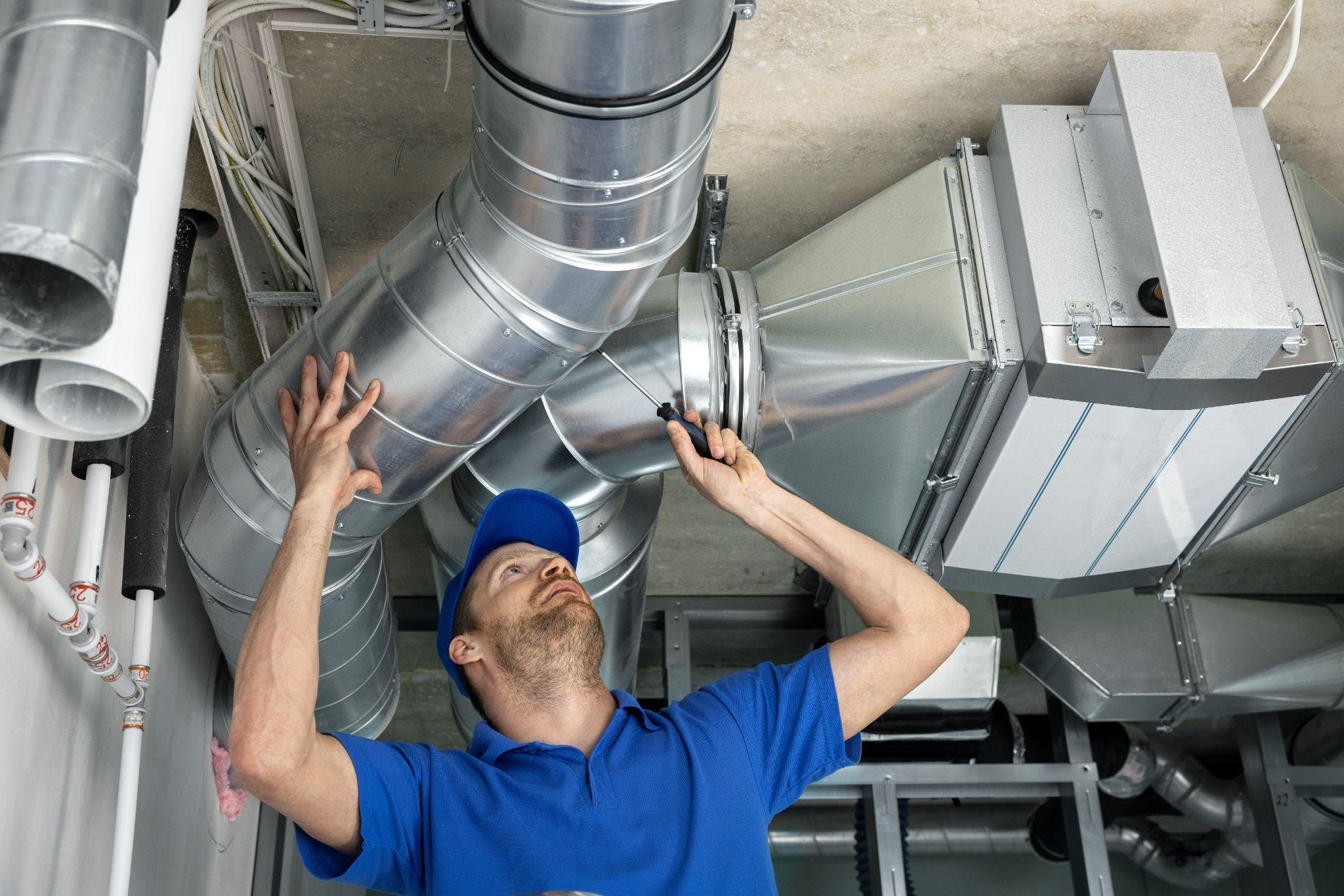
hvac services - worker install ducted pipe system for ventilation and air conditioning in house

Deciding whether repairing or replacing ductwork is best depends on whether you have a few areas that need to be repaired or if the entire duct system has numerous issues. Unless you replace the whole duct system, there are specific steps you will want to take to ensure the system is repaired correctly.

  1. Determine the location of air leaks. You will want to have your HVAC technician conduct an airflow and air quality analysis to help pinpoint the location of air leaks. If they are widespread, replacement might be necessary.
  2. Replace any necessary sections of the ductwork. If there are huge gaps between ductwork joints or extensively damaged sections, have these replaced and fixed.
  3. Have your ductwork cleaned. The next step in repairing ductwork is cleaning the entire system to remove excess dust, dirt, and debris.
  4. Have your ductwork sealed. After the duct system has been cleaned, you want to have it sealed. There are different sealing methods, and one of the more popular ones is to use a spray sealant and circulate that through the system until all air leaks have been sealed.
  5. Insulate and protect exposed ductwork. If you have exposed ductwork sections, like in your basement or crawl space, you should have these insulated and protected to help reduce the risks of air leaks.

If you replace the entire duct system after installing it, you will want to check for leaks and have it sealed as an added precaution.

How Often Should Ductwork Be Cleaned and Sealed?

It depends on the type of ductwork used in your house. For example, if you have plastic ductwork, you may need to have it sealed more often than metal ductwork. Your best option is to watch for the signs of bad ductwork and have your ducts inspected annually by your HVAC technician.

In addition, you should have your air ducts cleaned and sealed whenever you have a new air conditioning or heating system installed. This way, you do not have to worry about excessive dust entering the new system.

Schedule an Air Duct Inspection Today

When you notice any of these signs of bad ductwork, you will want to get your air ducts inspected today by one of our HVAC technicians at Christianson Air Conditioning & Plumbing. After your inspection, our technicians will tell you what is wrong and provide you with different air duct replacement, repair, cleaning, and sealing options to resolve air leaks.

Please feel free to call us at 512-246-5400 to schedule an air duct inspection today.

Source:

  1. Duct Sealing


Reasons Your Faucet Is Making a Clunking Noise

Posted on September 26th, 2022 by Jill Ponek

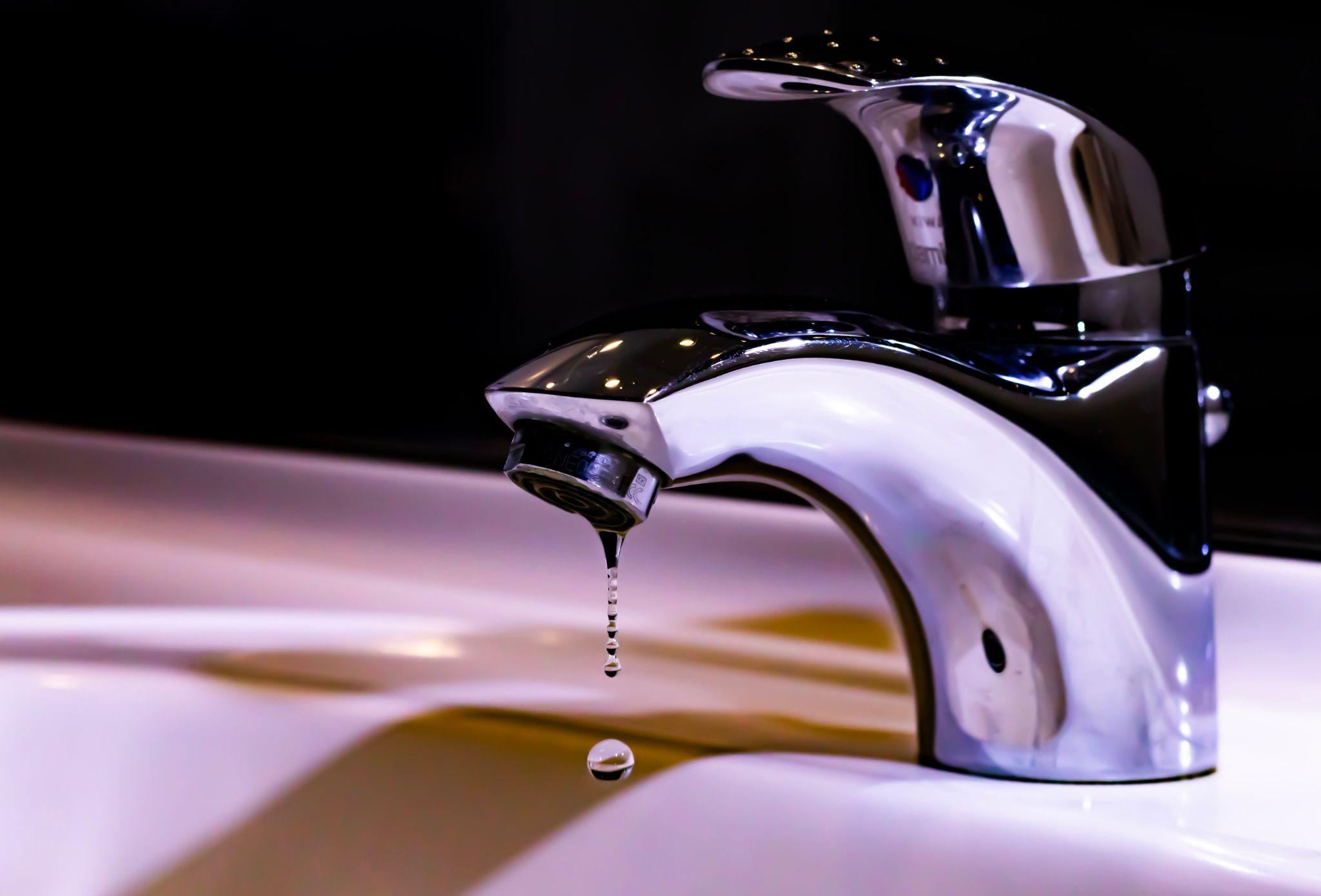
Drops of water from the faucet.

When you are running water and hear a clunking noise coming from your plumbing, it may surprise you. If the problem persists, it is essential that you determine the cause of the problem to avoid damaging your home’s plumbing system. Most of the time, you will need to call your local plumber for assistance once you have a better idea of why your plumbing is clunking.

Why Am I Hearing a Clunking Noise?

There can be several reasons for clunking and knocking pipes. The noise usually occurs when one of the following occurs:

  1. The flow of the water is stopped abruptly.
  2. When the hot water is turned on.
  3. When the cold water is turned on.
  4. At random times when the water is running.
  5. Occasionally when the water is turned off.

The frequency and speed of the clunking can also help you determine the underlying problem. When you hear the noise, ask yourself whether the clunking is a singular occurrence, continuous, periodic, or rapid.

Common Causes and Fixes for Knocking Pipes

Now that you know the reasons for clunking sounds and have narrowed down the frequency of the clunking, let’s look at common causes and how to fix the problem.

Pipes Making Noise When Water Is Turned Off

Person washing hand near white ceramic sink

Some of the common situations where you can hear a singular clunking noise and bang when you:

  • Shut a faucet off
  • After the washing machine has filled with water
  • After flushing the toilet and the tank refilling with water
  • Your sprinkler system shuts off

The most probable cause is due to the flow of the water being abruptly stopped. When the valve on the pipe is closed, the flowing water bangs into the valve. This is why this problem is referred to as “water hammer.”

Fixing water hammer problems depends on your home’s plumbing system. For example, if you have vent chambers, they are most likely filled with water. So, you would need to shut off the water main, open the highest and lowest faucets, and allow the water to drain out of the vents before turning the water back on.

If your home is newer, you most likely have a faulty arrestor that acts like a shock absorber to prevent water hammer. Replacing arrestors requires help from your plumber.

Constant Knocking Noise When Faucet Is Turned On

If your pipes constantly knock as the water runs, this problem could be caused by either having a faulty water meter or your water pressure coming into the house is too high. To fix this problem, you should check to see if your house has a water pressure regulator connected to the plumbing where the water main comes into the house.

If you do, you can turn it down until the problem stops. The water meter is the most likely culprit if it is already turned down. Contact your plumber to test the meter and replace it or install a water pressure regulator if yours is broken or you do not have one.

Periodic Knocking Noise When Running Water

A periodic clunking sound is often due to the straps and retaining clips that secure the plumbing in place becoming loose or being too tight. For example, when you run the hot water and hear knocking pipes, your pipes have expanded from the hot water, and the strap or retaining clip is too tight and causes them to bang.

Have your plumber pinpoint the location of the clunking sound. Then they can repair or replace the straps or retaining clips.

Rapid Knocking Noise When Faucet Is Turned On

If you hear a rapid clunking, banging, or knocking noise when running water, this often indicates air in pipes. The easy fix is to turn on all the faucets in the home and flush your toilets a few times to help push the air out. Then allow the water to run for about five to ten minutes. If the sound does not stop, it is time to call your local plumber for assistance.

Knocking Pipes When Water Is Turned Off

Occasionally, you will hear a knocking or banging sound randomly when the water is turned off. The most common cause is when your water heater has excess sediment buildup in the bottom of the water tank.

The sediment releases air bubbles whenever the water heater turns on to maintain the preset temperature. These air bubbles need somewhere to go, so they rise to the top of the tank or into the water supply lines. When they do, they create the banging sound.

If you have a tankless water heater but have hard water, you can also experience occasional clunking sounds from the scale and mineral deposits. The fix for this problem for tankless and tank water heaters is to have your plumber perform water heater maintenance to flush out the sediment.

Why Should I Have Knocking Pipes Fixed Promptly?

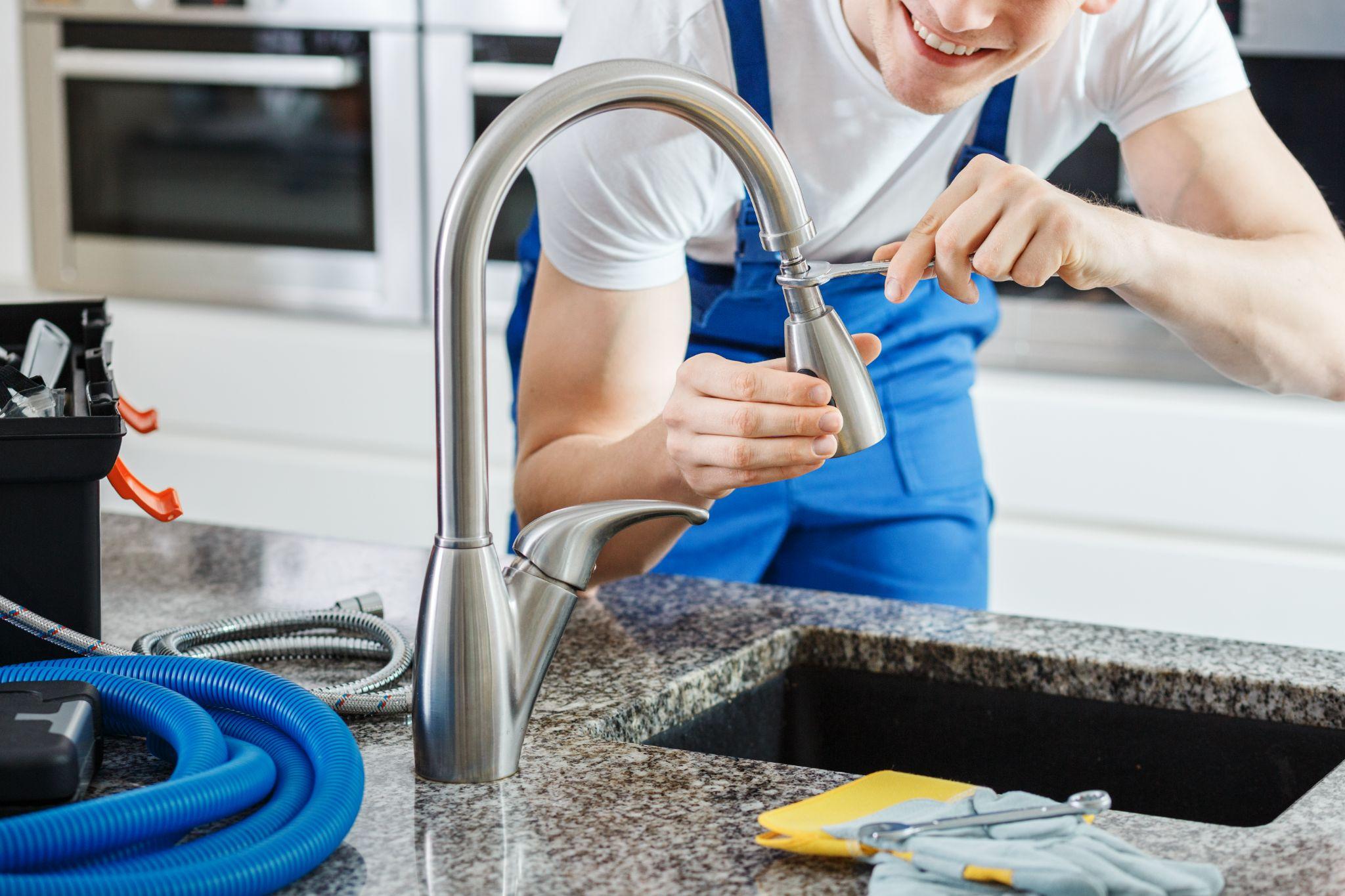
Close-up of smiling plumber fixing a faucet with blue pipes on the countertop

Clunking, banging, and knocking pipes create vibrations. These vibrations can cause all sorts of problems for your home’s plumbing system, including:

  • Causing straps and retaining clips securing pipes in place to break or come loose
  • Causing pipe connections and fittings to separate and start leaking water
  • Damaging faucets and fixtures
  • Causing water supply lines to burst and break

Suppose you are hearing clunking noises and knocking pipes in your San Antonio or Austin Metro area home. In that case, you can rely on the experienced plumbers at Christianson Air Conditioning & Plumbing to resolve the problem promptly. Contact us at 512-246-5400 to schedule an appointment today.


Tips for Dishwasher Maintenance

Posted on September 18th, 2022 by Jill Ponek

Technician sitting near dishwasher with screwdriver in kitchen with instruments

Dishwashers are the perfect kitchen appliance that makes doing dishes quick and easy. They not only save us time but help save water. Did you know that running a dishwasher uses less water than washing dishes by hand?

On average, you can use 27 gallons of water or more washing dishes by hand. Newer Energy Star certified dishwashers use between four and eight gallons of water per cycle. Even if you have an older model that is not Energy Star certified, it uses between 9 and 14 gallons of water per cycle.

Ensuring your dishwasher continues to work correctly requires periodic dishwasher maintenance using the following tips:

Clean the Filter and Drain Trap

Under the lower spray arm, in the bottom of the dishwasher can be a filter. You should remove the filter and rinse it off under hot water to remove debris. If your dishwasher doesn’t have a filter, clean out excess food debris from the drain trap to avoid dishwasher clogs.

Clean the Dishwasher Every 30 Cycles

Most dishwasher manufacturers recommend running a clean cycle monthly or every 30 cycles. You can use dishwasher cleaning tablets by running a clean cycle or normal cycle. You can also pour a cup of vinegar into the bottom before starting a normal cycle. Regardless of the method, ensure the dishwasher is empty before cleaning it.

Clean the Door and Seals Monthly

Food particles, grease, and other icky stuff can get stuck on the door seals and interior side of the dishwasher door. Use hot water mixed with a few drops of mild dish soap and a damp cloth to clean these areas. For difficult, stuck-on gunk, wet the cleaning cloth and place it over the area for about five minutes to help loosen and break up the gunk.

Use Your Dishwasher Weekly

You never want your dishwasher to sit for a prolonged period without using it. The rubber seals and gaskets can dry out, crack, and break. If they do, your dishwasher can leak out onto the kitchen floor when you run it. Even if you only have a partially filled dishwasher, running it at least once a week is better than letting the seals and gaskets dry out.

Start the Cycle with Hot Water

Before starting a wash cycle, turn on the sink faucet and wait for the water to heat up. Starting a cycle on cold water can leave a greasy residue on the dishes. Even if your dishwasher has a high temperature or water heating option, you still want to start with hot water to put less strain on these features.

Use a Rinse Aid

You may notice white spots on your dishes and scale and mineral deposit buildup inside the dishwasher if you have hard water. Using a rinse aid can help prevent these problems some of the time. However, if you have especially hard water, consider having your plumber install a water softener for your home.

Only Wash Items Meant to Go in the Dishwasher

Not all dishes and utensils are dishwasher safe. For example, cast iron pans should never be washed in a dishwasher, as they can rust. You also would not want to wash fine china with gold, silver, or copper accents in a dishwasher. Always verify whether something is dishwasher safe. When in doubt, don’t put it in the dishwasher.

Prevent Rust

Most dishwasher racks are made of metal with a plastic coating over them. Over time, the plastic coating can come off, exposing the metal. When this happens, it can rust and cause rust spots on your dishes. Most dishwasher warranties cover the racks for at least five years, sometimes longer, so get them replaced if necessary.

Should I Repair or Replace My Dishwasher?

Repairman fixing dishwasher in kitchen

By using these dishwasher maintenance tips, you should avoid most dishwasher problems. However, if your dishwasher starts to have problems, consider the problem and repair cost versus the cost of a new dishwasher to decide if it is better to repair or replace it.

For example, replacing door gaskets is a reasonable repair. However, if the dishwasher motor goes out, it can be more expensive, and it may be better to buy a new dishwasher.

When you have dishwasher issues and need a dishwasher tune-up or help to remove and install a new dishwasher in San Antonio and the Austin Metro area, you can rely on the experienced plumbers at Christianson Air Conditioning & Plumbing. Contact us at 512-246-5400 to schedule dishwasher repair service today.

Tags: , ,


Save Energy with Your Water Heater This Summer

Posted on August 22nd, 2022 by Jill Ponek

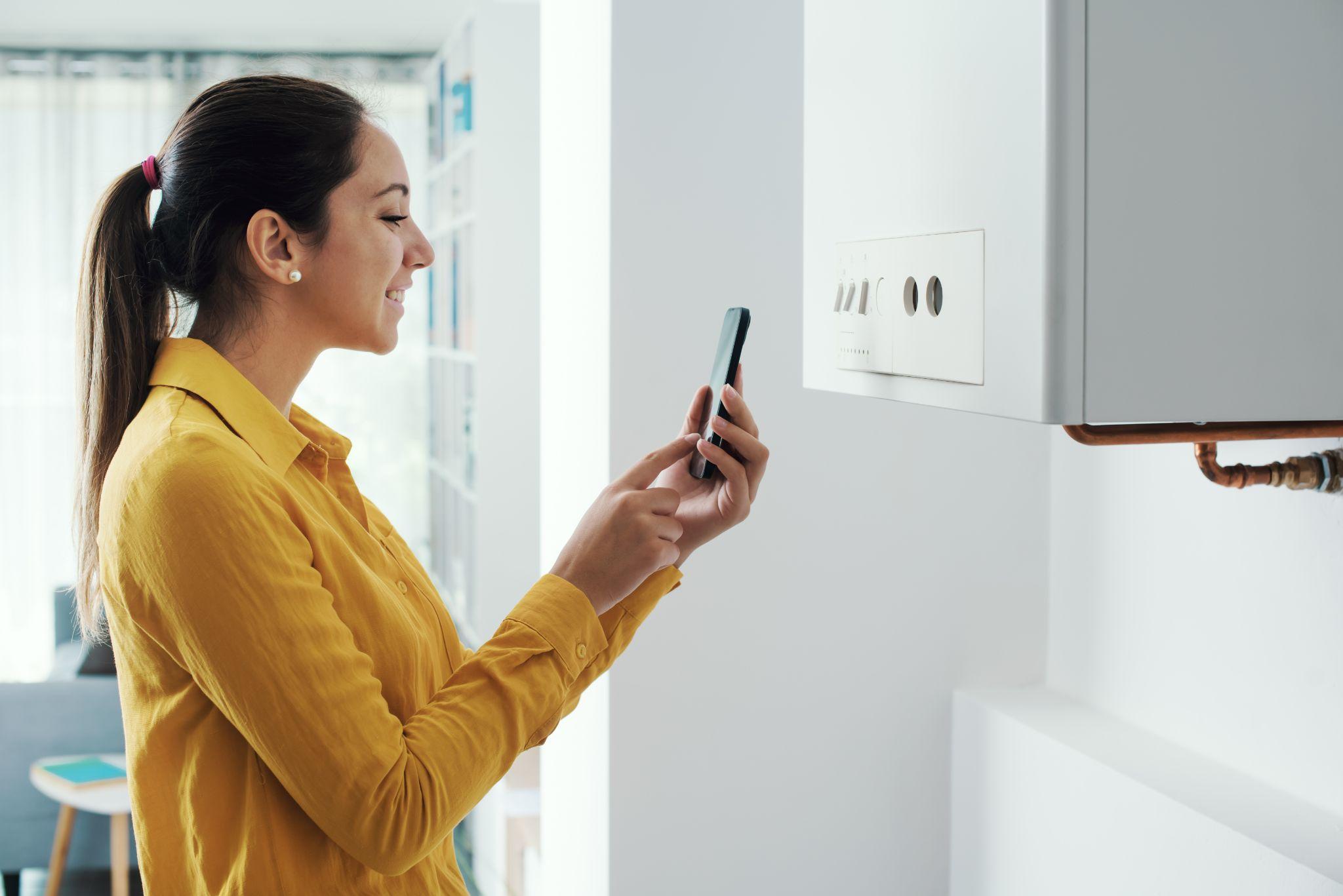
Woman managing her smart boiler using her phone

According to the Department of Energy, 20 percent of your home’s energy use is for water heating. Furthermore, the average household uses about 64 gallons of hot water daily. So, looking for ways to reduce water heater energy use is a great way to lower your water heating costs.

Before summer is over, now is the perfect time to start implementing cost-cutting measures by checking out these excellent ideas and tips.

Upgrade to Water-Saving Fixtures

Switching out your faucets and showerheads with ones that use less water cuts your hot water usage. Your local plumber can provide you with a selection of water-saving fixtures for your home.

Turn Down the Temperature Setting

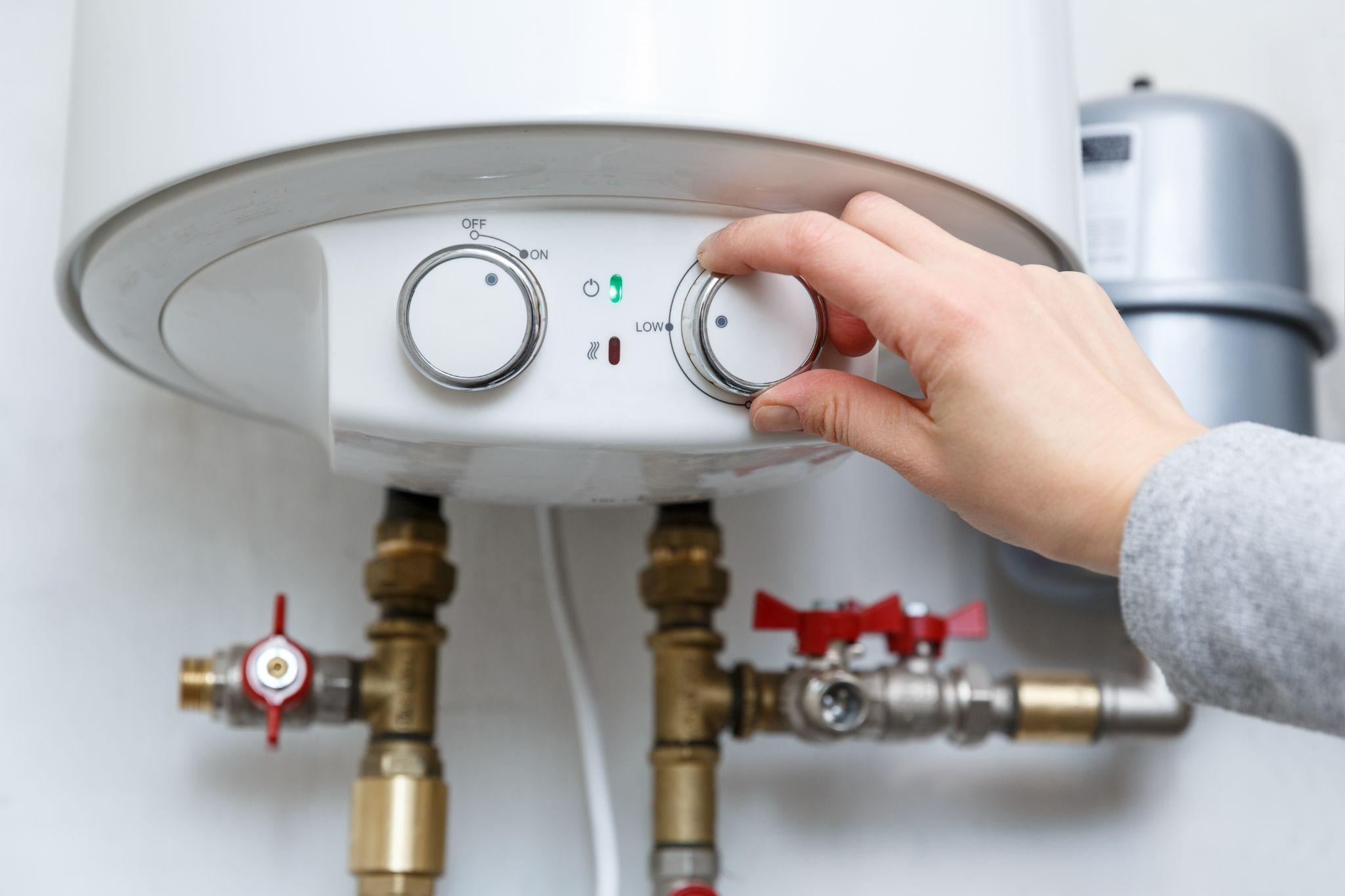
Female hand puts thermostat of electric water heater

You can lower your natural gas and electricity consumption by reducing the temperature setting on your water heater. You need to ensure you do not turn it below 120 degrees Fahrenheit because this is the lowest temperature where harmful bacteria are killed.

Insulate Your Water Tank

Your water heater uses energy to maintain your desired temperature by running periodically to compensate for heat loss. Heat loss transfer occurs when the tank is not insulated as the heat slowly escapes.

Insulating your tank helps create a barrier to reduce how fast the heat is lost. As a result, your tank runs less often to keep the water hot.

Insulate Your Pipes

Heat loss transfer also occurs if your hot water pipes are not insulated. As you run hot water, the water loses some of its heat. Therefore, the water heater has to work harder and run longer to provide the hot water you need. Having your pipes insulated helps reduce heat loss and keeps the water hotter.

You should also insulate the incoming cold water supply line that connects to your water heater. Insulating this line helps reduce temperature differences as the cold water enters the tank, resulting in less heating time and energy usage.

Upgrade Your Appliances

You could get a new washer or dishwasher with energy efficiency and water-saving features to reduce hot water usage. Some new appliances also have steam settings that use a fraction of hot water to clean clothes and dishes.

Only Run Full Loads

Get into the habit of not running the dishwasher or washing machine unless you have a full load. Partial loads waste hot water and increase your energy use.

Wash Your Clothes on Cold

Another way to lower hot water usage is only to use cold water to launder your clothes. Most detergents work just as effectively in cold water.

Wash Dishes in Your Dishwasher

It might seem faster to wash dishes by hand. However, you are wasting more hot water than loading and running the dishwasher. According to the NRDC, you use 27 gallons of water or more to hand wash your dishes compared to as little as three gallons using an Energy Star-rated dishwasher.

Even older dishwashers use less water ranging from five to ten gallons a cycle. Plus, you do not need to pre-rinse dishes before putting them in the dishwasher. You just need to scrape off excess food.

Schedule Water Heater Maintenance

Regular water heater maintenance helps ensure your water heater is operating properly. Over time, the heating elements will lose efficiency, so they should be replaced regularly.

In addition, sediment and particles accumulate inside the tank, further reducing water heating efficiency. Have your plumber flush your tank yearly as part of your annual maintenance.

Furthermore, maintenance helps identify potential problems and resolve them before they become major repairs.

Fix Any Water Leaks

If you have any hot water leaks in your plumbing system, you need to have those fixed. Not only are you wasting hot water, but you are also causing water damage to your house. As the water damage worsens, it promotes wood rot, mold, and mildew growth.

Fix Dripping Faucets and Fixtures

Do you have dripping faucets and fixtures where the drips are coming from the hot water supply? If so, these drips will cause your water heater to run more often. You are also wasting water. Resolving the drip could be as easy as having your plumber replace a washer inside the faucet handle.

Reduce Water Usage

Another way to reduce water heater energy use is to change your hot water usage habits. For example, instead of taking daily baths, take showers instead. If you have a bad habit of leaving the warm water running while brushing your teeth, break the habit by shutting the water off until you are ready to rinse.

Upgrade Your Water Heater

As water heaters age, they slowly lose their energy efficiency. So, if your current water heater is ten years or older, upgrading to a new tank-type heater can help reduce your energy usage. New tank-type heaters are more energy efficient than older models.

Better yet, upgrading your water heater to a tankless water heater will provide you with the most energy savings. Tankless water heaters make hot water on demand and provide an endless supply of it. Unlike tank-type heaters that run periodically to maintain the desired temperature, tankless heaters only run when you use hot water.

As a result, you save a significant amount of energy compared to tank-type heaters—up to 40 percent in energy savings. Plus, tankless water heaters are an upgrade that will add value to your home. Even though they cost more upfront, they have an average lifespan of about 25 years.

Plumber repairing an hot-water heater

Water Heater Services in San Antonio and Austin

Annual or bi-annual water heater maintenance from Christianson Air Conditioning & Plumbing ensures water is not wasted by finding corrosion, improper venting, leaks, and other potential problems that reduce energy efficiency.

When it is time to upgrade or replace your water heater, we provide access to energy-efficient tank-type water heaters and even more energy-efficient tankless water heaters with complete installation.

To schedule water heater maintenance or to request a quote on a new water heater, please feel free to contact us at 512-246-5400 today.

Sources:

  1. U.S. Department of Energy. Water Heating.
  2. NRDC. 9 Tricks That Save Tons of Water.


Why Does My Shower Drain Smell?

Posted on August 17th, 2022 by Jill Ponek

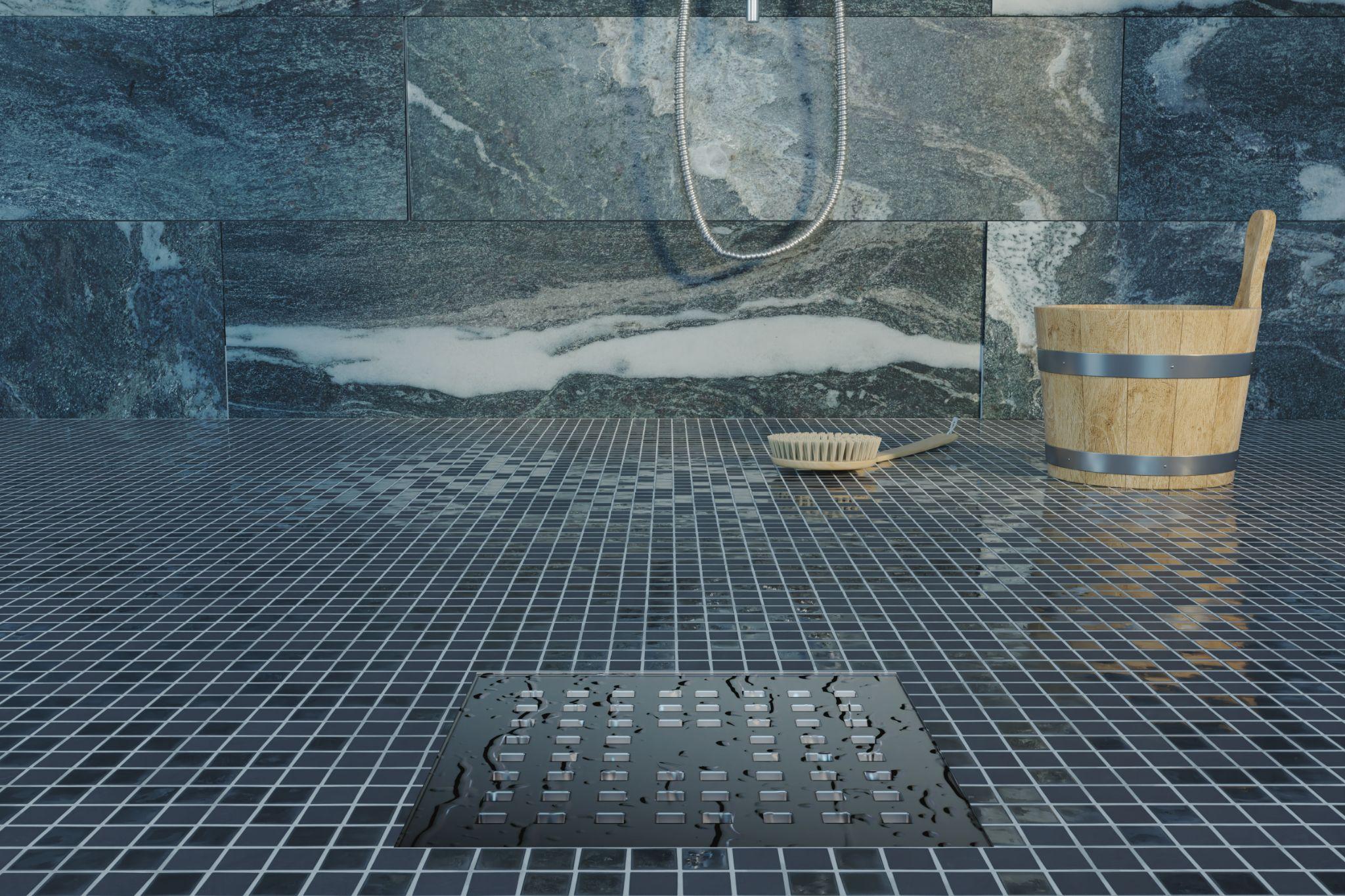
water drops on metal gutter of shower tray in valser quartzite stone

Have you noticed foul shower drain smells every time you take a shower? Maybe the smells have become so bad they stink up your bathroom all the time? There can be several causes why your shower drain stinks, depending on the cause.

What Causes a Shower Drain to Smell?

Biofilm Stuck to Drain Pipes

If you think about everything that goes down a shower drain, including hair, shampoo, conditioner, soap, and shaving gel, it is only a matter of time before these things start to build up in the drain lines. Eventually, as hair decomposes and is mixed with the other things stuck to the pipes, it can start to stink. This slimy, icky stuff is often referred to as biofilm.

Removing biofilm from drain pipes requires a professional drain cleaning from your local plumber. They have special equipment that removes the biofilm and cleans the drain line to eliminate foul odors.

Vent or P-Trap Issues

Sometimes the smells from your shower drain come from farther down the drain line. Shower plumbing is connected to a p-trap that allows water to flow into the main sewer line. A vent is also connected to the p-trap to allow gases and air to escape as the water drains away.

If the vent is clogged, broken, or damaged, the air cannot escape. So, it can be forced back up the drain line and bring unwanted smells with it. Furthermore, if the p-trap is not retaining enough water, it can dry out and lead to bacteria growth, which causes unwanted smells.

This type of smell is also common when you rarely use a shower, such as in a guest bathroom. So, running water down the drain a few times a week is a good idea to prevent it from drying out. However, if you are running water regularly and it still smells, you should call your plumber for assistance.

Water Leaks

Leaks in water supply lines and drain lines can cause unwanted smells in the shower. Water leaks also promote the growth of mold, mildew, and bacteria, all of which can stink. If you suspect a water leak and cannot find the source of it yourself, your plumber has the tools that pinpoint leaks so they can be repaired.

Damaged Backflow Preventer

As wastewater and raw sewage exit the home, it passes through a backflow preventer. This device stops the water and sewage from back-flowing up the drain pipes. Unfortunately, when this is damaged, there is nothing to prevent the backflow, which can cause shower drains to smell like sewage.

Clogged, Broken, or Damaged Sewer Lines

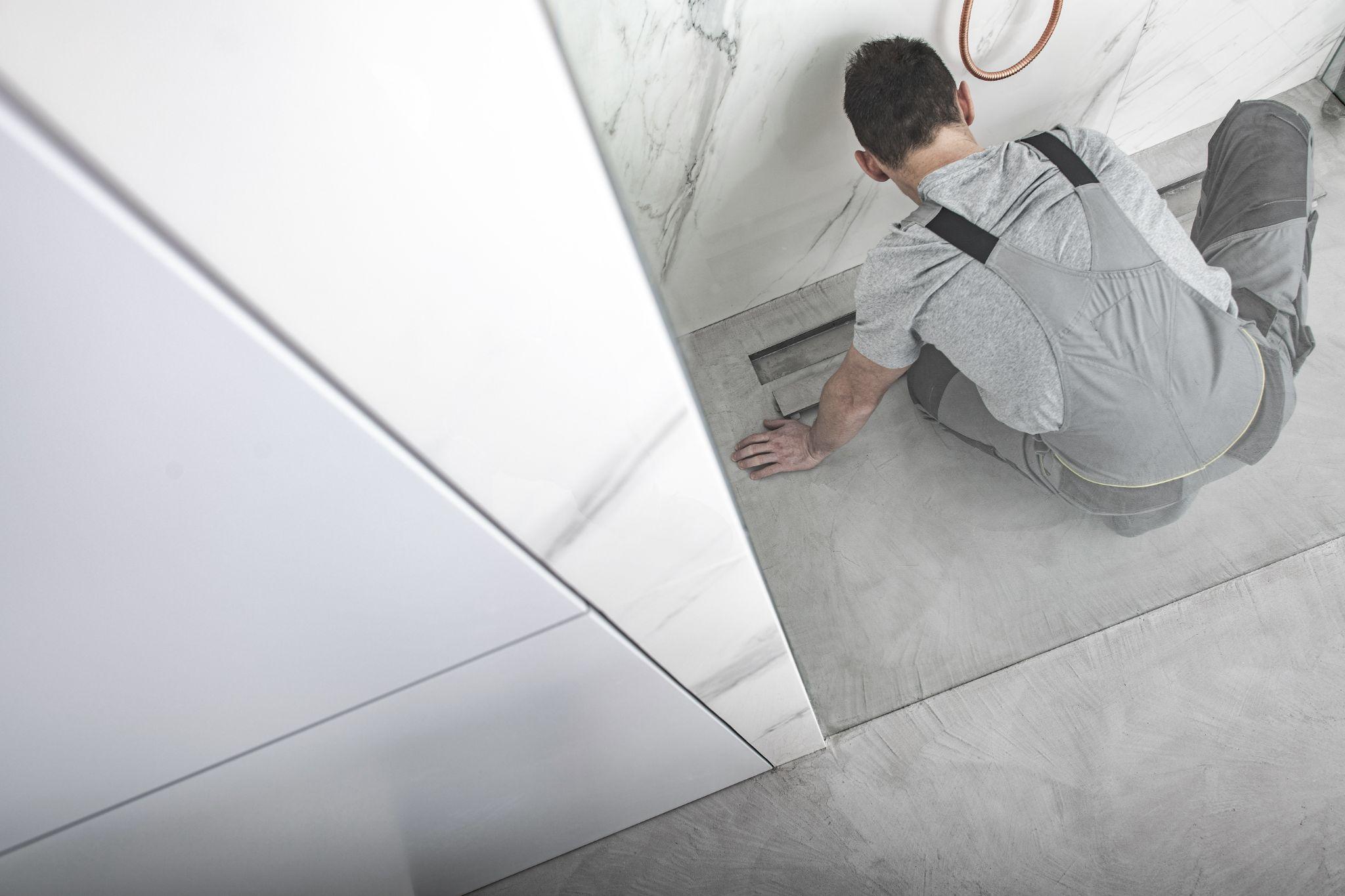
Caucasian men cleaning linear shower drain

When your main sewer line is clogged, broken, or damaged, it can cause smells to travel back up drain lines. Usually, you will notice smells coming from the shower drain first. However, the odors can become more noticeable in other drains the longer the problem exists.

What Is the Best Way to Resolve Shower Drain Smells?

The best way to resolve smelly shower drains is with assistance from your local plumber. At Christianson Air Conditioning & Plumbing, we offer leak detection, sewer repair, p-trap and vent repair, and drain cleaning in Austin and San Antonio to eliminate foul odors from your shower drains. Contact us today by calling 512-246-5400.

Tags: , ,


How to Handle Allergies Inside Your Home

Posted on July 18th, 2022 by Jill Ponek

Sick woman blowing nose in tissue paper while sitting at home

The last thing you want when trying to stay cool indoors from the hot, triple-digit temperatures in summer is to start coughing and sneezing because of allergies from your AC. Unfortunately, some people can experience air conditioning allergic reactions.

However, the allergic reaction is not from the cold air being blown into the house. Rather, it is caused by one or more allergens in the indoor air.

What Are Allergens?

Allergens are various types of harmless antigens that the body’s immune system perceives as a threat, so it triggers an immune system response, such as:

  • Runny Noses
  • Watery, Itchy Eyes
  • Coughing
  • Sneezing

What Are Some Common Allergens?

The most common allergens people are sensitive to include:

  • Pollen
  • Dust
  • Mold
  • Mildew
  • Pet Dander
  • Dust Mites
  • Pollutants
  • House Plants
  • Chemicals Used in Household Cleaning Products

Reasons You Experience Allergies from Your AC Inside a Home

As cool air is circulated throughout your house, it easily spreads allergens to every part of the home. So, if you are sneezing, coughing, or experiencing other allergy symptoms, you need to track down the source of the allergens to determine how to best resolve the issue. Start by checking the following parts of your air conditioning system.

Is there an air filter in the air return, and is it dirty?

Running your air conditioning without an air filter is never recommended. Dust, dirt, and debris can get inside the cooling system. When it does, it can cause operational issues, shorten its lifespan, and spread the dust, dirt, and debris throughout the ductwork and the home, triggering your allergies.

When the air filter is dirty and not changed regularly, it can become clogged and no longer remove allergens from the indoor air. Therefore, you want to inspect your air filter monthly and change it whenever it is dirty.

What quality is the air filter?

Low-quality air filters will not filter out allergens that well. You want a decent air filter that does not restrict airflow yet can remove allergens from indoor air. To choose the best air filter for your AC system, ask your AC technician to recommend one.

Do you smell mildew when the AC is running?

If you do, chances are your home also has mold. Both mold and mildew thrive in humid environments, including inside your AC system. You should have your AC technician help find the source of the mold and mildew so it can be eliminated.

Do you have air leaks in your home?

Air leaks can occur around doors and windows, allowing pollen and other allergens to get inside. Another cause of air leaks is in your ductwork. You will want to resolve air leaks to prevent outside air from getting into the house.

When was the last time your AC system was serviced?

Regular maintenance is essential to help prevent problems that could contribute to allergens inside your home. For example, when the water drain on the AC is clogged, it can back up inside the unit, resulting in higher humidity levels that can lead to mold and mildew problems.

Your AC may also require cleaning to remove dust, dirt, and debris from the outside unit so that it doesn’t get into the system and into your home.

How Can Your HVAC Technician Help?

happy male worker removing ceiling air filter

Your HVAC technician offers a range of services to help reduce and eliminate most allergens from your indoor air, including:

  • Air Quality Inspections – You can find out what allergens and pollutants are in your air to determine what sort of solutions can help improve indoor air quality and reduce your allergies.
  • Air Duct Cleaning and Sealing – Cleaning and sealing your air ducts will help remove and prevent problems with dust, dirt, and debris being circulated through the AC system.
  • Allergen Reducing Air Filters – Getting a better air filter that helps remove allergens can improve indoor air quality and reduce your allergic reaction
  • Dehumidifiers to Control Humidity Levels – Maintaining humidity levels helps prevent problems with mold and mildew.
  • Air Purification Upgrades – Air purifiers, UV sterilization lighting, and special HEPA filters are some of the upgrades you might want to consider when you want to remove allergens from your home.

If you are experiencing air conditioning allergies inside your home and want help improving the indoor air quality to eliminate allergens, Christianson Air Conditioning & Plumbing can help. We can test your indoor air quality, clean and seal your air ducts, and make recommendations about what upgrades could benefit you and your family the most and provide you with the highest possible indoor air quality.

For further information or to schedule an appointment in San Antonio or the Austin Metro area, please feel free to call us at 512-246-5400 today.

Tags: , ,


10 Tips for Your HVAC System This Summer

Posted on July 15th, 2022 by Jill Ponek

Man replacing dirty HVAC air filter in ceiling vent.

With record-breaking summer temperatures across Texas, the last thing you want is for your air conditioning system to stop working. Your air conditioning will be working overtime to keep your house cool and comfortable. Since it is running more often, it is essential to keep an eye on it to spot potential problems, so you can have them fixed before your HVAC system breaks down.

It is also beneficial to use the following summer HVAC tips to ensure you stay cool and comfortable to make the rest of your summer a breeze.

#1. Clean around the outside unit and remove any debris.

You need to ensure airflow is not restricted in any way by leaves, brush, or overgrown grass. You need at least three feet of clearance all around the unit for proper airflow.

#2. Check the drain pipe on your HVAC system.

Verify the drain pipe connected to the air conditioner is draining properly and is not clogged. You should also clean the drain pipe to remove any debris stuck to the inside of the pipe. When you schedule an AC tune-up, your HVAC technician will check and clean the pipe as part of the AC maintenance service.

#3. Schedule an AC tune-up with an HVAC technician.

An AC tune-up checks to make sure your air conditioner is running optimally and efficiently. It will help identify potential problems before they become major repairs. Your HVAC technician can also clean the outdoor unit to remove dust and debris from the cooling coils and interior where it could create airflow problems.

#4. Upgrade to a smart thermostat for better energy efficiency.

Young guy pushing button on smart home system.

While programmable digital thermostats are helpful at regulating your home’s temperatures, they are not as efficient as smart thermostats. Smart technologies allow your thermostat to learn your cooling preferences and make adjustments based on whether you are home or away to conserve energy.

#5. Verify your ceiling fans are in “summer” mode.

Switching the direction of your ceiling fans helps keep your house cooler and reduces how often your air conditioning runs. To determine if you need to switch directions, turn the ceiling fan on and look up to see which way the blades spin.

The blades should be spinning counterclockwise or to the left in the summer. If they are spinning clockwise or to the right, shut the fan off and adjust the switch on the ceiling fan to switch modes.

#6. Check your air filters monthly and change them when they are dirty.

Man replacing dirty HVAC air filter in ceiling vent.

Dirty air filters restrict airflow and will cause your HVAC system to work much harder and use more energy. Dirty filters also place added wear and tear on the system, so it wears out much faster.

For instance, even if you have a 90-day air filter installed, it may need to be replaced before 90 days. If you didn’t check it monthly, and it was clogged with dirt, dust, and debris, it could cause your AC system to work harder at trying to keep your house cooler. It could even cause your AC to overheat and stop working. This is why you should check the air filter monthly.

#7. Have your ductwork checked for proper airflow and to verify it is clean.

If your air filters are getting excessively dirty in a month or less, your ductwork and vents may need to be cleaned. Air leaks in air ducts draw in warm air and dust, reducing the efficiency of your air conditioning and lowering your indoor air quality. Your AC technician can perform different tests to check the airflow and clean and seal the ductwork when there are air leaks.

#8. Verify your home is properly insulated.

If your home lacks sufficient insulation, it will cause your AC system to run more often and longer. Adding more insulation to the walls and attic will help make your home and HVAC system more energy efficient.

#9. Keep window blinds and curtains drawn during the day.

Heat energy from the sun when it is excessively hot outside can heat up your home through the windows. By keeping your blinds and curtains drawn, it will help keep your home cooler. If you must have sunlight indoors, only open one blind or curtain partially in each room or wait until later in the day when it starts cooling down.

#10. Upgrade to a new, energy-efficient air conditioning system.

If your existing air conditioning is more than ten years old, or if you have noticed your energy bills have been increasing, you could benefit from a new, energy-efficient AC unit. New units provide better energy efficiency and use less electricity to keep your home cool all summer long.

Make the Rest of Your Summer a Breeze with Christianson Air Conditioning & Plumbing

By using HVAC tips, you can keep your house cool and comfortable for the rest of the summer. If you are having any cooling system problems or need an AC tune up in San Antonio or the Austin Metro area, please feel free to contact Christianson Air Conditioning & Plumbing at 512-246-5400 today!


Signs You Have Poor Water Quality in Your Home

Posted on June 24th, 2022 by ChristainSon_Admin

When you have poor water quality issues in your home, it can lead to all sorts of problems, including health issues, stained sinks and tubs, discolored clothing, and increased risks of illnesses and infections.

Why Is It Crucial to Have Great Water Quality?

Having the best water quality possible helps eliminate many poor water quality issues. As a result, your water will look clear, taste clean, and smell good. Furthermore, you will not have to worry about your drinking water making you or your family sick.

How Do You Know If Water Is Clean and Safe?

The easiest way to find out if you have any symptoms of bad water is to fill a clear glass with water. You want to inspect the water visually for sediment, particles, or oily or greasy residue. Also, take note of the color of the water.

Next, smell the water to see if it has any strange odors. Lastly, taste the water and see if there are any strange tastes. To learn more about the signs of poor water quality, we invite you to continue reviewing the following infographic.

Afterward, do not hesitate to contact Christianson Air Conditioning & Plumbing to schedule a water quality inspection to find out what is in your drinking water. Don’t live with water that tastes like chlorine or smells like rotten eggs. Call 512-246-5400 today!

Signs You Have Poor Water Quality in Your Home Infographic

Click below to embed this infographic into your website:


10 Signs Your Thermostat Is Not Working Properly

Posted on June 20th, 2022 by ChristainSon_Admin

An Ecobee smart thermostat in a home

Your home’s heating and cooling system relies on the thermostat to tell it when to turn on and off. When you have problems with your thermostat, it can affect how your home heats and cools and whether the furnace or air conditioning runs correctly.

Knowing what signs to look for when things are not running how they should can help you determine if you need a new thermostat or if something is wrong with your air conditioner or furnace.

What Does a Thermostat Do?

A thermostat is connected to the heating and cooling system in your home. It monitors the indoor air temperature and turns on whenever the temperature gets above or below your preset preferences.

When it does, the thermostat electronically sends a signal to the air conditioner or furnace to start the cooling or heating cycle. It then monitors the cycle and sends another signal when the indoor temperature reaches the desired setting for the air conditioning or heating system to shut off.

While a thermostat looks like a basic electronic device, it is very complex. If you were to remove it from the wall, you would see different colored wires connected to specific terminals on the thermostat. Additionally, the thermostat’s wiring configuration is equally essential to ensure your system operates correctly.

Why Is My Thermostat Not Working Properly?

Man adjusting room temperature with electronic thermostat at home

#1. Installation Location

Your thermostat needs to be installed along an interior wall out of direct sunlight and away from potential heat sources. For example, if your thermostat is in a location where it is in direct sunlight, it will think it is hotter. As such, your air conditioning will run longer and more often.

A similar problem can occur when it is installed under an air duct. As the hot or cold air blows out, it will alter the temperature readings and cause your heating and cooling system to short cycle.

#2. HVAC System Won’t Turn Off

Once the desired indoor air temperature is reached, your thermostat should signal the HVAC system to shut off. When the shut off signal is not received by the system, there is something wrong with the thermostat. If it turns on without any issues, then it could be a bad board connection, a loose wire, or a broken wire.

#3. HVAC System Won’t Turn On

Another problem that can occur is when your thermostat is not able to communicate with your HVAC system to tell it to turn on. The issue could be a loose wire, a broken wire, or a faulty temperature sensor.

#4. No Power to the Thermostat

If you have a digital or smart thermostat and it does not have power, your heating and cooling system will not run. You should check your breaker box to see if you have a circuit breaker that needs to be reset. If the breaker blows after resetting it, then there is an electrical problem. So, you should call your HVAC technician for assistance right away.

#5. Will Not Respond to Changes in Temperature Settings

Whenever you turn the thermostat up or down below the current indoor temperature, the HVAC system should respond within 30 to 60 seconds. If it does not, or there is no response at all, your thermostat probably needs to be replaced.

#6. Inaccurate Temperature Readings

As thermostats age, the internal temperature sensor wears out. As a result, your thermostat may think the indoor temperature is from the actual temperature. When your thermostat cannot sense correct temperatures, your home will not be heated or cooled to the desired temperature.

#7. Increases in Your Energy Bills

As HVAC systems age, they lose their efficiency, and your energy bills will increase. The same is true with your thermostat. When it starts to wear out, it becomes less efficient and can cause heating and cooling cycles to run much longer and increase your energy usage.

#8. The HVAC System Short Cycles

Short-cycling is when the system turns on, runs for a short period, and shuts off. As a result, the system can never complete a full cycle, so your home is never able to reach the desired temperature. Short-cycling can be caused by a dirty air filter or problems with your thermostat.

#9. The Thermostat Keeps Resetting Itself

If you have a digital or smart thermostat and notice your program settings are being deleted or reset, the problem could be with the internal backup batteries. First, try replacing the batteries to see if that resolves the issue. If this does not resolve the issue, then you need to get a new thermostat.

#10. The Thermostat Is a Decade Old or Older

Thermostats are designed to last around ten years on average. So, if you notice problems with your thermostat, now is an excellent time to replace it with a new digital or smart thermostat. Upgrading to a newer model helps ensure your HVAC system runs more efficiently and helps reduce your energy usage.

Features to Look For When Replacing Your Thermostat

When replacing your thermostat, you will soon discover a wide range of options and features. Some of the favorite features most homeowners enjoy are:

A happy plumber fixing thermostat

  • Easy-to-Use Controls
  • Wi-Fi Enabled
  • Mobile App for Remote Control
  • Automatic Temperature Adjustments
  • Automatic Reminders
  • Smart “Learning”
  • Automatic Changeover from Heating to Cooling

Get a New Thermostat Installed Today

Have you noticed any of the signs mentioned above? If so, you may need a new thermostat if it needs to be replaced. The best way to find out is to contact Christianson Air Conditioning & Plumbing and have one of our experienced HVAC technicians diagnose your existing thermostat thoroughly.

Should you need a new thermostat, we provide access to the latest digital and smart thermostat models. Call us at 512-246-5400 to schedule thermostat repair and installation services in San Antonio or the Austin Metro area today!


Copyright © 2025 Plumbing & Air Conditioning Company - Austin, TX

Licenses M-18631, M-18632, LI15740, TACLA023749C

Regulated by The Texas Department of Licensing and Regulation

P.O. Box 12157, Austin, Texas 78711, 1-800-803-9202, 512-463-6599, Website: http://www.tdlr.texas.gov