Texans serving Texas since 1950

Call Us Now:

Austin Metro (512) 246-5400
San Antonio (210) 651-1212
Temple (254) 773-7175
New Braunfels (830) 627-2211

How to Test Your Sump Pump

Posted on February 24th, 2022 by ChristainSon_Admin

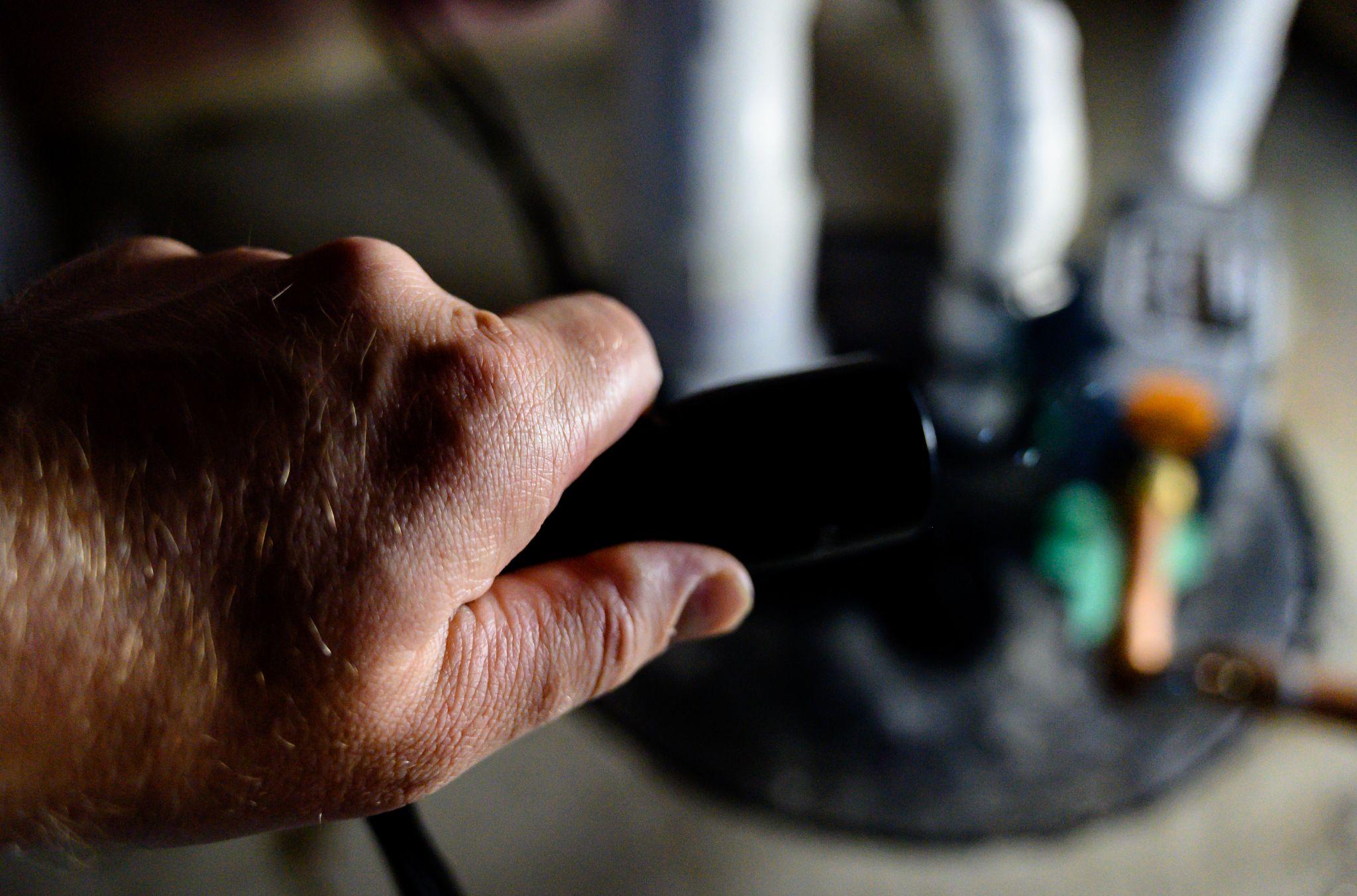
Power outage with flash light shining on sump pump

Many homes in Texas have residential sump pumps in the basement or crawl space under the house. This essential piece of plumbing equipment should be tested twice a year, usually in the spring and again in the fall. Regular testing and maintenance can help prevent sump pump problems and identify issues that need sump pump repairs. If a sump pump suddenly stops working and cracks in the foundation start to show because of water building up underneath, then the first priority is to get it fixed straight away by Foundation Repair Services Milwaukee or ones closer to the area, otherwise more issues can occur causing a lot more damage in the process.

What Is a Residential Sump Pump System?

A residential sump pump system consists of several parts and components, including:

  • Sump Liner
  • Sump Lid
  • Sump Pump Alarm
  • Pump Motor
  • Float Switch/Valve
  • Check Valve
  • Battery Backup
  • Plumbing Lines

The primary purpose of a crawl space or basement sump pump system is to pump excess water away from the home to prevent flooding. For instance, it will pump excess groundwater away from the house’s foundation when there are heavy rain showers.

A sump pump also helps to pump water out of the basement when you have a shower, tub, toilet, washing machine, or other plumbing in the basement that requires a drain line.

Why Should I Test My Sump Pump?

Residential sump pumps typically last around ten years before they need replacing. However, they can fail at any time and do not have a set expiration date. As such, you will want to test your sump pump to ensure it is working correctly and there are no sump pump problems that need fixing.

What Tests Should I Do?

The different tests you should perform to verify your crawl space or basement sump pump system is functioning properly depends on how it is installed.

#1. Inspect the Sump Pump for Mechanical Damage

Remove the lid from the sump liner and inspect the pump motor for signs of damage, such as signs of overheating.

#2. Inspect the Sump Pump for Electrical Damage

Follow the cords that go from the sump pump to an electrical outlet. If your sump pump has the float switch and pump motor wired separately, there may be two cords. The pump motor will be plugged into the float switch.

You could also have a single cord when they are wired together or you have a manual float valve inside the pump liner. Verify that the protective coating is still on the cords and they are not frayed, cracked, or broken. Unplug the cords and inspect the plug ends for any electrical damage.

#3. Water Test to Ensure Pump Is Working Correctly

There are two ways to test if the sump pump is working correctly. The first one is the easiest and requires you to take a 5-gallon bucket, fill it with water, and pour it into the sump pump liner. As you do, you should see the float valve start to rise. Keep filling it with water until the sump pump kicks on.

The second method is if your pump motor and float switch are wired separately. First, unplug the float switch from the pump motor. Now, plug the pump motor into the electrical outlet. You should hear the motor kick on and start running. If it does, unplug the motor and plug it back into the pump switch.

#4. Test the Battery Backup

Go to your breaker box and turn off the sump pump circuit breaker. Next, fill the pump liner with water until the float valve rises enough for the pump to kick on. If it does, you know your battery backup is still working. Remember to turn the circuit breaker back after completing this test.

#5. Inspect the Drain Line

Smiling technician servicing a hot-water heater

If you have access to your sump pump discharge pipe, find where it discharges the water outside and verify no debris, dirt, or leaves are blocking the pipe. You will also want to have someone fill the sump pump with water while you wait outside to confirm the water is pumping out the discharge pipe. If it is not, your sump pump discharge pipe is broken.

Professional Sump Pump Repairs, Maintenance, and Installations

If you discover sump pump problems when doing these tests, please feel free to contact Christianson Air Conditioning & Plumbing at 512-246-5400 to have your sump pump repaired. We also offer bi-annual maintenance plans and new sump pump installations in New Braunfels, Temple, San Antonio, and the Austin Metro area.

Tags: , ,


Different Types of Plungers and When to Use Them

Posted on January 24th, 2022 by ChristainSon_Admin

Plungers are a must-have household tool that everyone needs. Plungers help remove clogs when they occur in sinks, toilets, tubs, and showers. However, there are several different types of plungers for specific applications. Therefore, it is essential to understand what kind of plunger to use and when to ensure you can remove the clog.

Sink Plunger

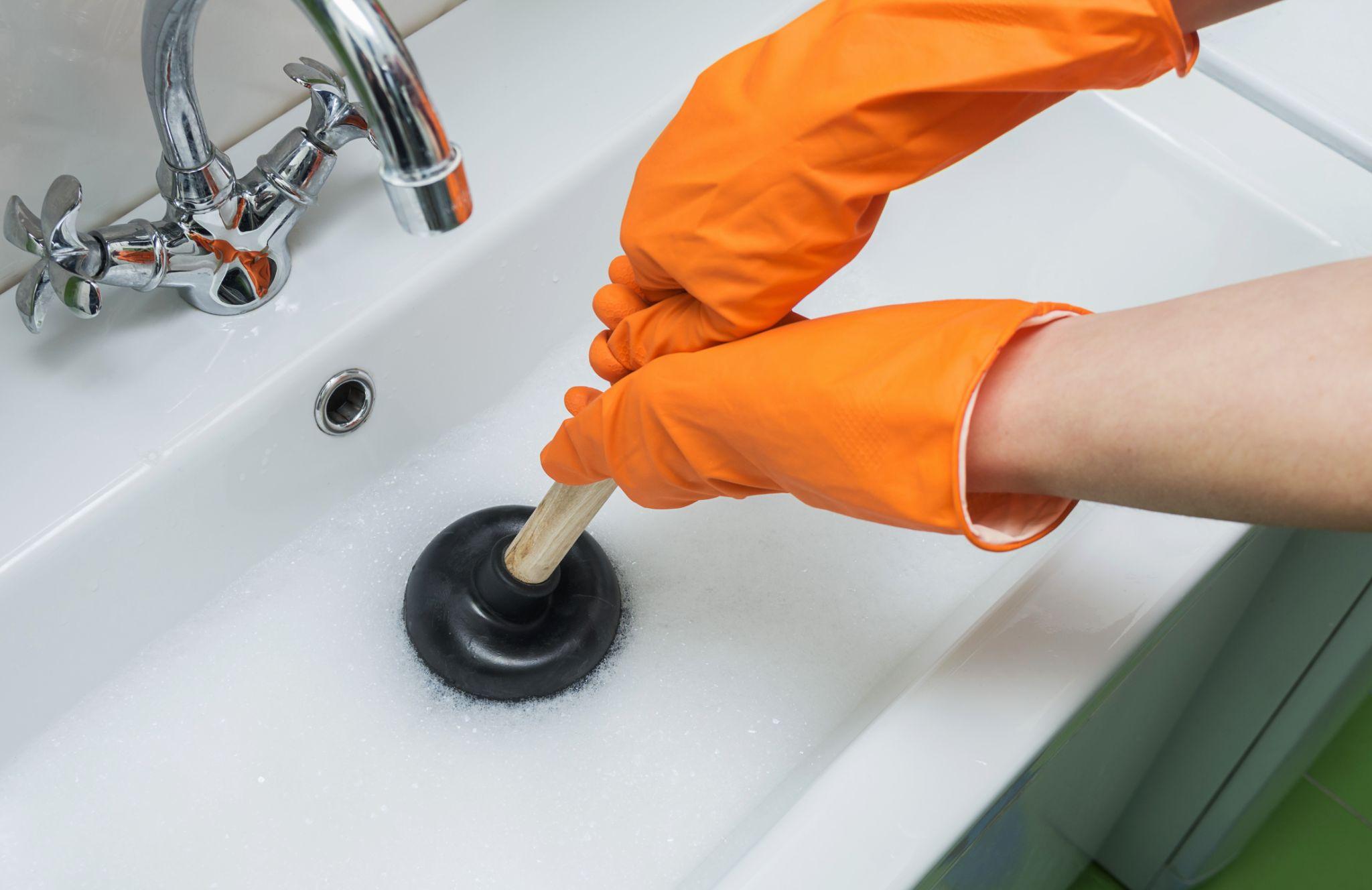
Person in protective orange gloves unblocking a clogged sink with plunger or rubber pump.

A sink plunger or cup plunger is your basic plunger with a wooden handle and a rubber cup with a flat bottom. It is most effective when removing sink clogs because it works well on flat surfaces. You can also use a sink plunger on a tub drain or shower drain to clear clogs.

However, it is not as effective in curved sinks or in toilets because it will not be entirely flat against the surface of the sink or toilet, although it is possible to still use it on curved surfaces when you do not have a different type of plumber in your home.

Toilet Plunger

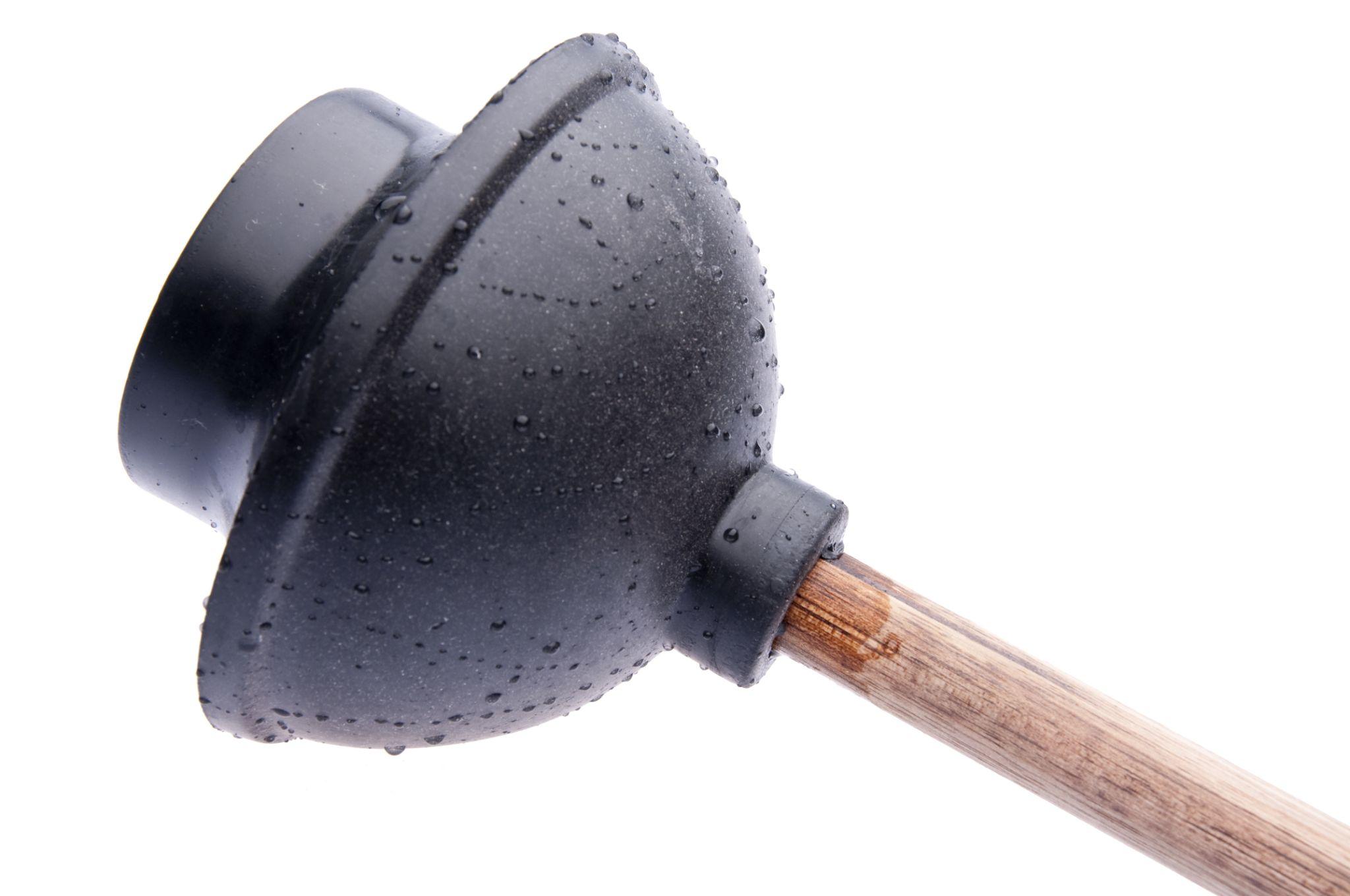
Wet plunger isolated on white with a clipping path.

As the name suggests, this type of plumber is designed to unclog toilets. A toilet plunger is also called a flange plunger since it has a rubber cup with a flange in the middle that will fit neatly into the toilet drain opening.

The rubber flap on the cup also makes a toilet plunger a good choice to use in curved sinks since the flange part just needs to fit over the sink drain opening. Additionally, a toilet plunger can be used on flat surfaces as long as the opening is bigger than the drain.

The toilet plumber is one of the most flexible plungers you could have since it can be used on just about any drain.

Accordion Plunger

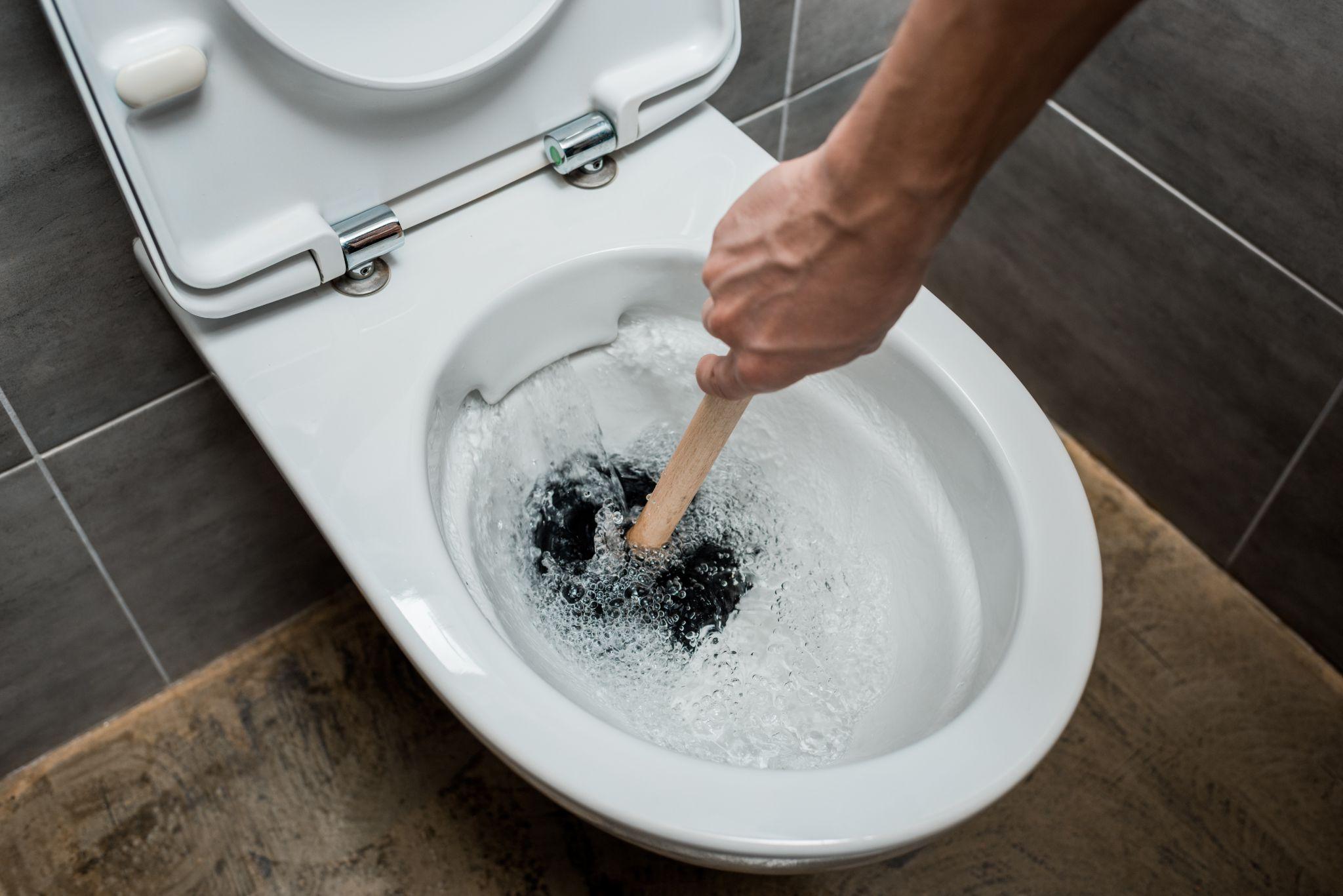
cropped view of plumber using plunger in toilet bowl during flushing in modern restroom with grey tile

An accordion plunger has a base that looks similar to an accordion. On the base of the plunger is a smaller cup and opening designed to fit in most toilet drains. As a result, this type of plunger is well-suited for toilet plunging only. However, it can produce a higher pressure than a toilet plunger to remove difficult toilet clogs.

Beehive Plunger

Beehive plungers have a rubber bell-like shape with a base that looks like a beehive. The flange at the bottom of the plumber is tapered more so than on a toilet plumber or an accordion plunger. Due to its unique shape, beehive plungers make it easy to seal just about any type of toilet drain—even ones with larger openings up to six inches wide.

How Does a Plunger Remove a Clog?

Plungers work to help increase the pressure in the drain line to unblock the clog by breaking it up. When you put the plunger over the opening of the drain, you create a seal. This seal prevents additional air from entering the drain line.

As you push down on the plunger, you increase the pressure, and the water is pushed into the drain line creating a vacuum. The pressure decreases when you pull up on the plunger, and the water rises. By pushing down and pulling up on the plunger, the water creates a wave-like momentum that dislodges the clog most of the time.

Tips for Effective Plunging

Plumber repairing toilet with hand plunger.

Now that you know about the different types of plumbers and how they work, here are some great plunging tips to help you remove clogged drain lines.

  1. Use the correct plunger to fit the drain. You need to create a seal around the drain to create a vacuum to increase the pressure and remove the clog.
  2. Use even plunging motions. You want to build momentum inside the drain line to break up the clog by moving up and down in even motions.
  3. Avoid plunging at an angle. You want to move the plunger handle up and down in a straight line. Plunging at an angle makes it harder to maintain the seal around the drain line and remove the clog.
  4. Clean and disinfect your plunger. After using the plunger to clear a clog, make sure to clean and disinfect it to remove germs.
  5. Have multiple plungers for specific drains. It is a good idea to have more than one plunger in your home. You should label the handle on each plunger for which drains it can be used on, such as the toilet bowl, kitchen sink, tub, shower, etc.

When to Call a Professional Plumber

It is time to call a professional plumber when:

  • You cannot remove the clog using a plunger.
  • The clog keeps returning.
  • You notice black and icky stuff coming up the drain line when you plunge it.

For these types of plumbing problems, a professional drain cleaning service is often needed to clean the drain lines and remove the clog.

For help removing clogs or to schedule drain cleaning service in New Braunfels, Temple, San Antonio, or the Austin Metro area, please feel free to contact Christianson Air Conditioning & Plumbing at 512-246-5400 today!

Tags: , ,


Why Does Your Heater Keep Turning On and Off?

Posted on December 24th, 2021 by ChristainSon_Admin

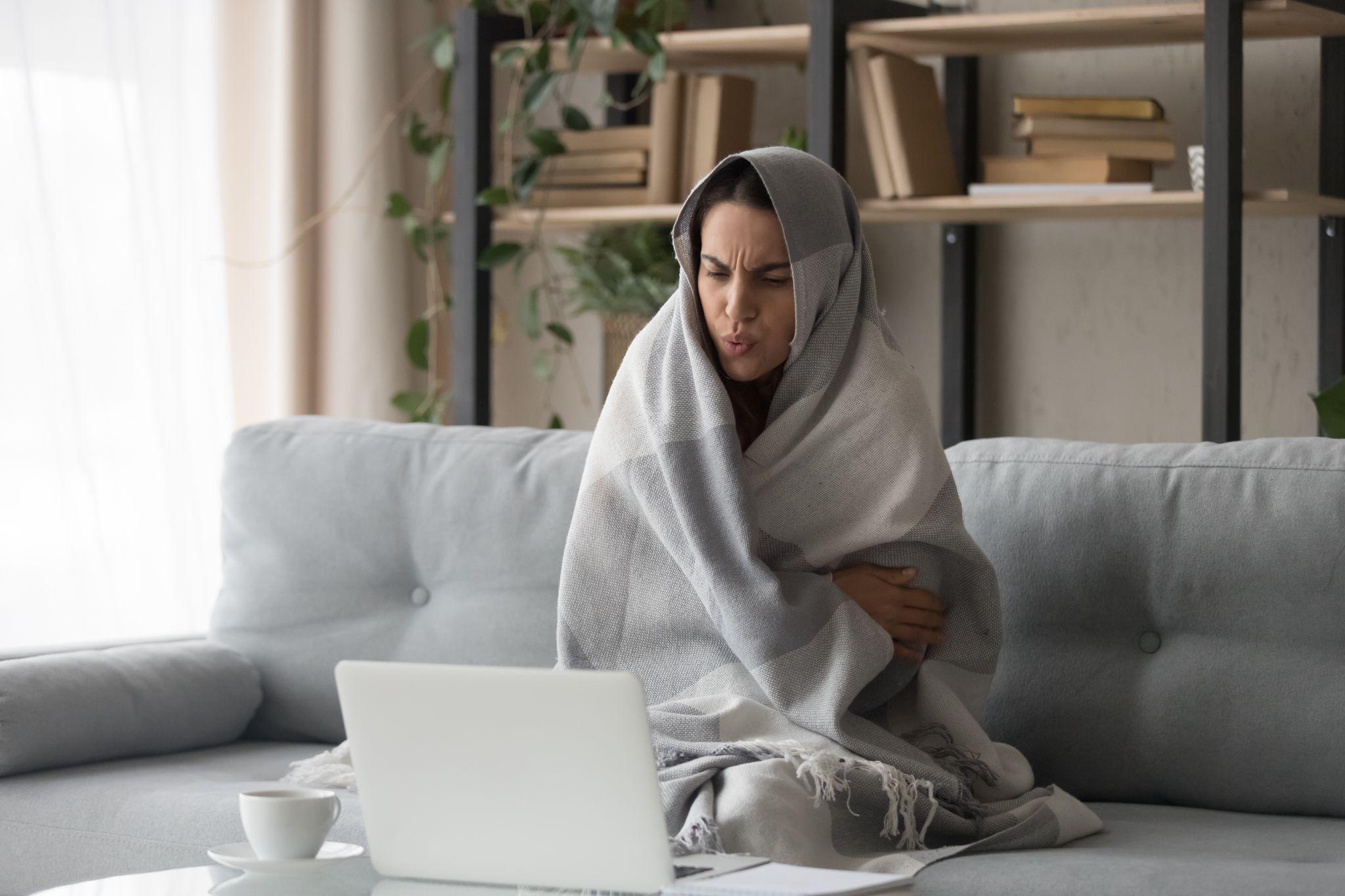
Sick ill young woman feel cold covered with blanket sit on sofa watching movie on laptop

As colder weather arrives in Texas, people will turn on their furnaces to keep their home’s heater to a comfortable temperature. So it is natural to wonder why your heater keeps turning on and off and whether you need furnace maintenance.

How often should a heater cycle on and off?

If your furnace is working properly and is sized correctly for your home, turning on and off is a normal heating system function. Usually, the furnace will cycle on and off about three to eight times an hour, depending on:

  • Your Thermostat Setting
  • How Well Your Home Is Insulated
  • How Cold It Is Outside

As outdoor temperatures drop, your furnace can run longer or cycle more often to keep your home nice and toasty. However, you need to be concerned if your furnace keeps turning on, runs for about five minutes or less, and shuts off.

If you notice your furnace is doing this, it is short-cycling, which is not good for your furnace. If the problem persists, you could require costlier furnace repairs or even replacement. Plus, your energy bills will skyrocket.

What could be causing your heater to turn on and off rapidly?

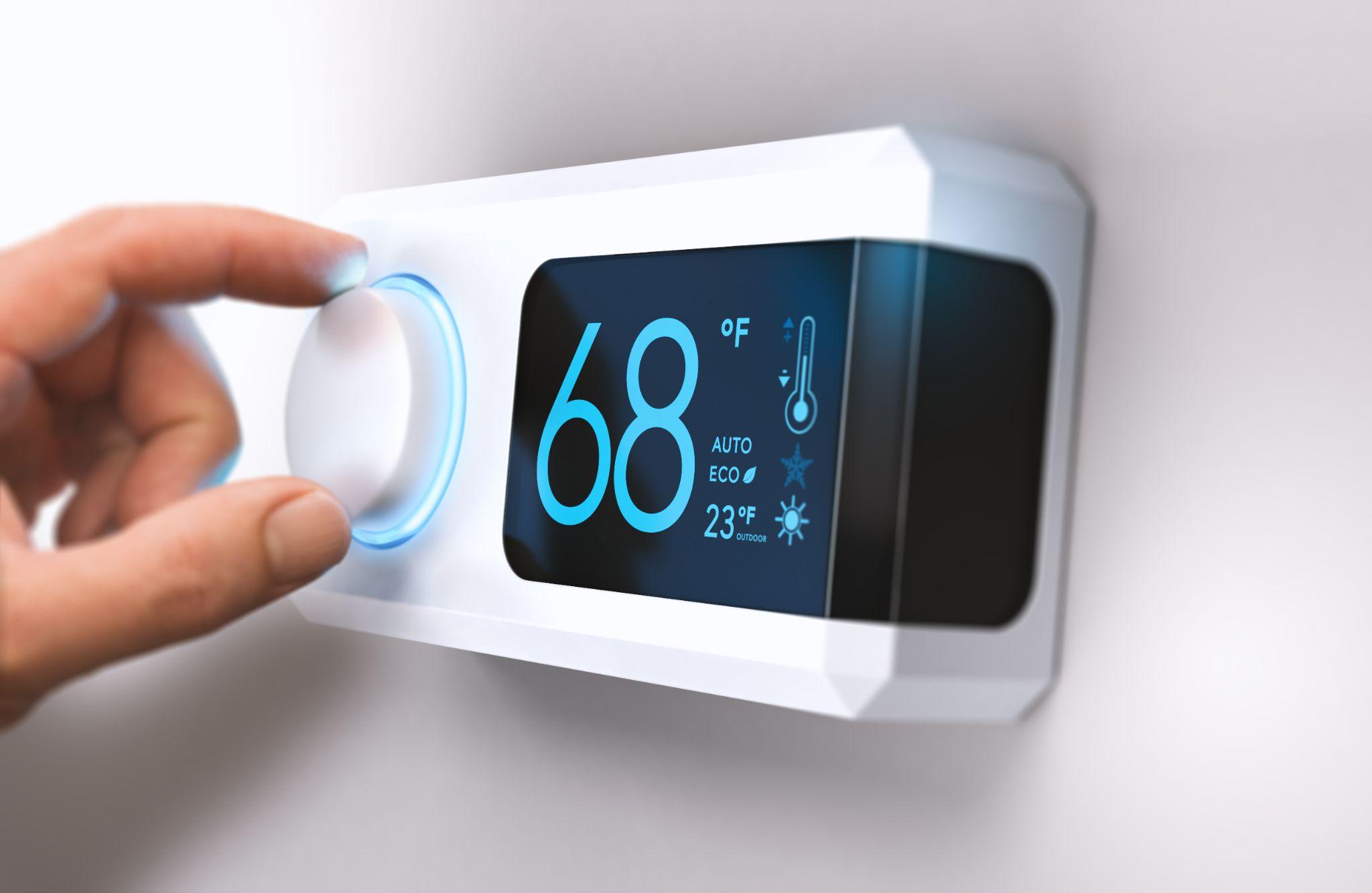
Hand turning a home thermostat knob to set temperature on energy saving mode.

Before you call your HVAC technician and tell them you have a short cycling furnace, there are a few things you can check to help see if that is the problem.

#1. Dirty Air Filter

Low airflow problems can cause your furnace to shut off before fully cycling. First, check your air filter and, if it is dirty, replace it. Some furnaces also have a secondary filter next to the unit, so you will also want to check that air filter.

#2. Thermostat Batteries Need Replacing

Many digital thermostats use batteries to store certain functions. When the batteries need to be replaced, it can cause short cycling. If it has been more than a year since you replaced the batteries, install new ones.

#3. Air Vents Are Closed or Clogged with Dust and Dirt

Airflow is essential to the operation of your heating and air conditioning system. If you have too many air vents shut or they are dirty, the system will not operate properly. In the rooms you do not want to heat as much, leave the vent slightly open to allow for minimal airflow.

#4. The Thermostat Is In the Wrong Location

Check your thermostat and the location where it is installed in your home. It should be on an interior wall that is not near other heat sources like an oven, stove, or fireplace. It also should be in a location where it does not get direct sunlight.

Thermostats installed near another heat source or that get direct sunlight will sense it is warmer in the house. As a result, they will read these results, short cycle, and not run as long as they should.

What else could be causing your furnace to short cycle?

Other causes why your heater keeps turning on and off and does not run a full cycle could include:

  • Thermostat Not Wired Correctly – If you recently upgraded your thermostat to a smart model and it was not wired correctly, it could cause short cycling.
  • Thermostat Malfunctioning – Thermostats do wear out. When they near the end of their useful lifespan, they can start to malfunction and cause heating cycles to shut off abruptly.
  • Furrance Is Too Big – An oversized furnace that is too big for your house will not function correctly. It will turn on, heat up quickly, and shut off.
  • Flame Sensor Problem – There is a flame sensor on natural gas furnaces. If this is dirty or corroded, it can have problems detecting when there is a flame and the gas valve is open. When it malfunctions, it closes the gas valve and shuts off the furnace.
  • Overheating – Furnaces have built-in safety features to shut down if internal components become too hot. If the temperature sensors in the furnace are dirty or corroded, they can malfunction, causing the furnace to shut down mid-cycle.
  • Damaged Heat Exchanger – Overheating can also occur when the heat exchanger is damaged and has cracks in it. Heat is released inside the furnace and can rapidly overheat the furnace.
  • Air Drafts – Sometimes the reason for short cycling is simply because the doors and windows in the home are not properly sealed. If you notice air leaks around doors and windows, have the windows sealed and weather stripping installed around the doors.
  • Electronic Ignition System Failure – If the electronic ignition system is having problems, it will shut down the furnace to prevent excess gas accumulation inside the furnace.
  • Flue Blockage – If there are leaves, twigs, nests, or even an animal that has taken up residence inside the flue, it will prevent your furnace from running a full cycle. A clogged flue causes the furnace to shut down to prevent carbon monoxide from being released into the home.

When should you call an HVAC technician for furnace maintenance?

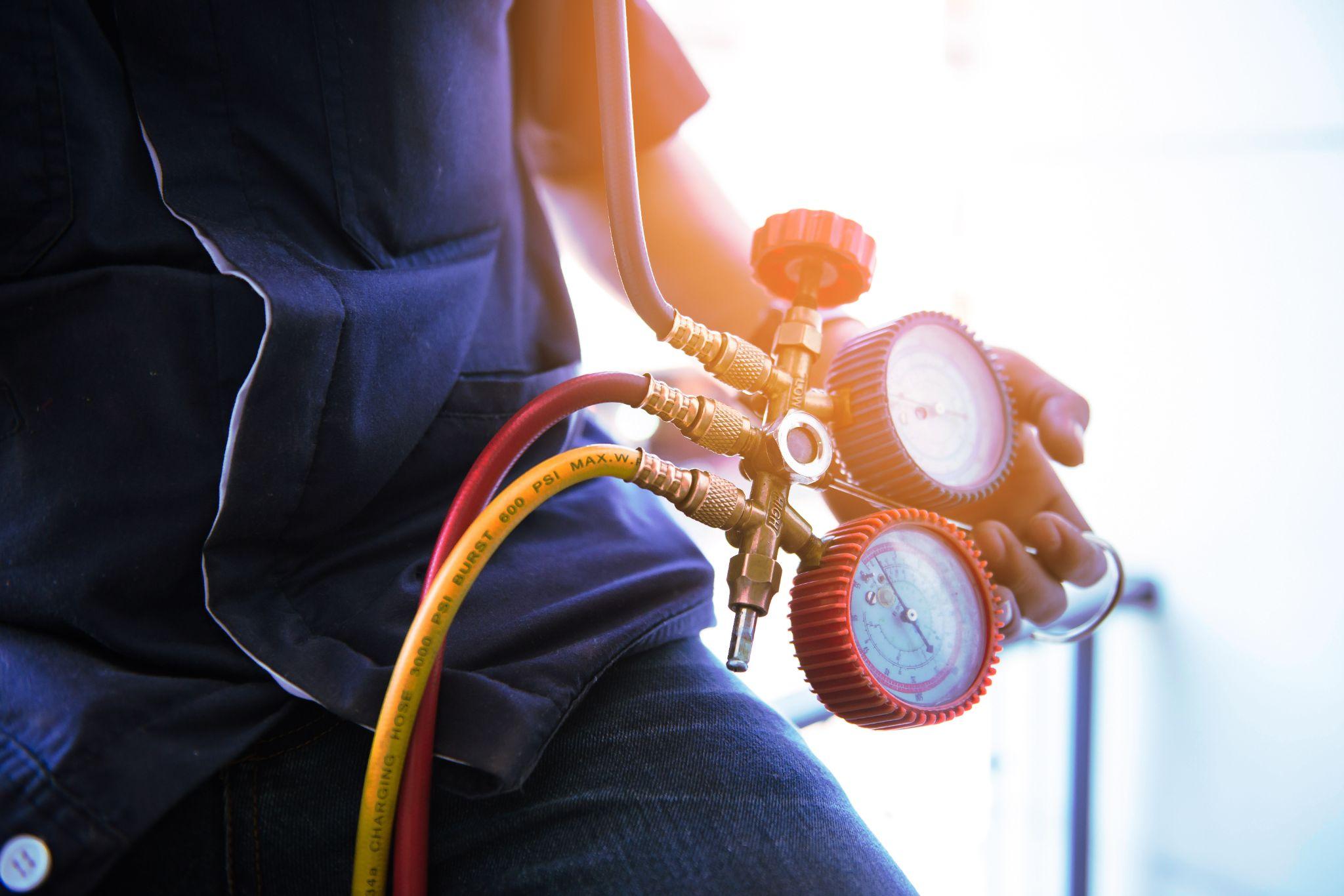
Technician hands holding a manometers on equipment for filling air conditioners.

You will want to call your HVAC technician to further diagnose the problem after:

  • Checking the Air Filter
  • Replacing the Batteries
  • Opening the Air Vents
  • Cleaning the Air Vents
  • Or When Having the Thermostat Moved to a New Location

As you can see, there can be several issues and problems that could cause your furnace to turn on and shut off quickly. Furthermore, if your furnace is too big for your house, the only way to resolve this issue is by replacing it with a correctly sized furnace.

For help diagnosing your furnace and resolving short cycling problems in New Braunfels, Temple, San Antonio, or the Austin Metro area, please feel free to contact Christianson Air Conditioning & Plumbing at 512-246-5400 today!

Tags: , ,


How to Prepare Your Home for a Texas Winter Freeze

Posted on December 20th, 2021 by ChristainSon_Admin

Many Texans do not think about how to prepare their homes for a freeze until it’s too late. Sadly, they soon forget the cold weather and storm that hit Texas in February of 2021, leaving many homes with frozen water pipes, no power for weeks, and related damages.

Instead of waiting for the next Texas winter freeze and storm to hit, it is better to take steps now to prepare your home. The best place to start is by learning how to protect pipes from freezing, like having your plumber improve the insulation on all exposed water lines.

You should also know what to do to prevent frozen water pipes when temperatures are going to dip below freezing. Oftentimes, you will have at least a few days notice to take steps to prepare your house for the freezing weather.

Furthermore, make sure you have an emergency supply kit prepared in case of a power outage. It also doesn’t hurt to fill bathtubs with water before the freezing temperatures and weather arrive to have access to extra water.

To learn more about how to prepare your home for a Texas winter freeze, we invite you to continue reviewing the following infographic.

For help preparing your home’s plumbing lines against freezing, please feel free to contact Christianson Air Conditioning & Plumbing at 512-246-5400 today! Our experienced Austin plumbers and San Antonio plumbers are always available 24/7 should you ever have a plumbing emergency.

Preparing Your Texas Home for a Winter Freeze Infographic

Click below to embed this infographic into your website:


What’s the Difference Between a Furnace and a Heater?

Posted on December 20th, 2021 by ChristainSon_Admin

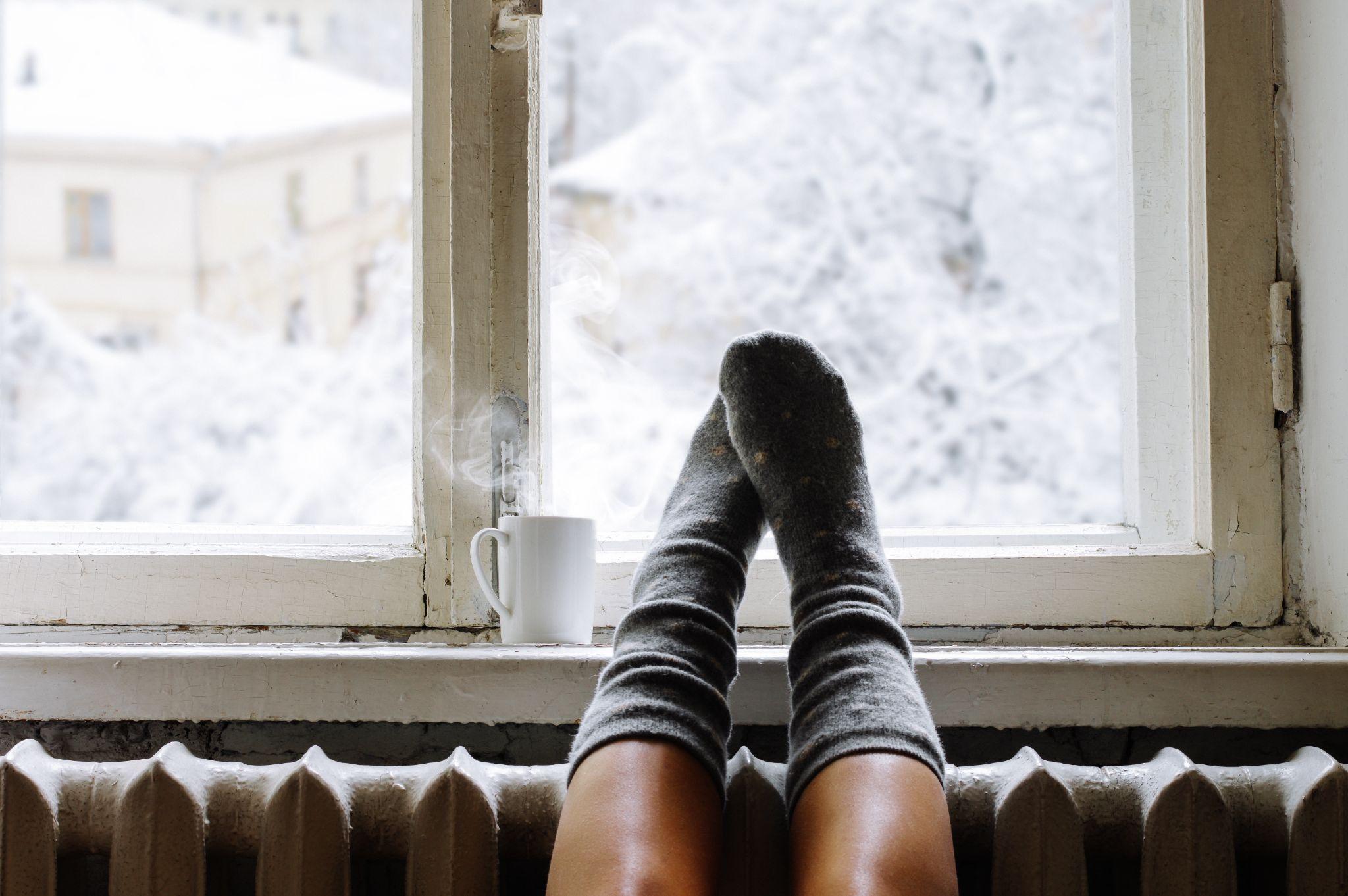
woman legs in warm woolen socks and mug of hot beverage on old windowsill against snow landscape from outside.

As colder weather arrives and we turn on the heat, you may be wondering what the difference is between a furnace vs. a heater. Most homes are equipped with either heaters or furnaces or sometimes both. While both keep us warm and help maintain the desired indoor temperature when it is cold outside, there are some key differences you need to know.

What Is a Heater?

For starters, a heater is a general term used to describe a wide range of heating devices that keep our homes warm. Some people use the term heater to describe their furnace. Other types of heating devices that can be called heaters include:

  • Heat Pumps
  • Space Heaters
  • Radiant Floor Heaters
  • Baseboard Heaters
  • Radiators
  • Fireplaces
  • Wood-Burning and Pellet Stoves
  • Gas Stoves
  • Gas Fireplaces
  • Electric Fireplaces
  • Electric Heaters

Essentially, any sort of device that produces heat and helps keep a specific area within the house warm could be considered a heater.

What Is a Furnace?

On the other hand, a furnace refers to the device that creates the heat that is then moved throughout your home. When we talk about furnaces, we often think of natural gas furnaces that use natural gas and fire to create heat.

However, there are also electric furnaces that use heating elements in place of the burners and heat exchanger found in gas furnaces in order to generate heat to keep your home warm.

Many houses have a gas or electric central heating furnace that consists of several components, including:

  • The Furnace – The furnace creates the heat needed to keep your house warm in the winter.
  • A Blower Motor – The blower motor is a fan-like device that creates airflow to push the heated air through the ductwork and out the air vents into the rooms inside your home.
  • A Thermostat – The thermostat is the device that monitors the indoor air temperature and signals the furnace to turn on when temperatures drop below the desired temperature.
  • Ductwork – The ductwork is a series of “tubes” connected to the furnace that allows the heater air to be blown into and transported to the different rooms in your house.
  • Air Vents – The air vents are located in each room of the home and allow the heated air to enter the room from the ductwork.
  • A Return Air Vent – The return air vent recycles the air and recirculates it back through the system to be reheated and blown back into the rooms in your home while the furnace is running.
  • Air Filter – The air filter is located inside the return air vent and filters out dust, pet dander, and other such contaminants to improve indoor air quality.

As you can see, your furnace is just one of the many components that are used to heat your home and keep it warm on cold winter days and nights.

What Is a Heat Pump?

Some homes might have a heat pump to generate heat to keep it warm indoors. A heat pump works differently from a furnace because it moves heated air between the outside and inside of the house.

In the summer, it moves the hot air from indoors to cool the home. Then, in the winter, it moves heated air from the outside to inside your home to create heat. This might seem confusing in winter because it is cold outside.

Unlike a furnace, a heat pump does not generate heat. Rather, it extracts heat from the outdoor air. As the air is drawn into the unit, it is passed over the cooling coils filled with refrigerant. Next, the refrigerant is compressed, which causes the release of heat.

As the refrigerant is moved through the coils, it becomes a hot gas. Indoor air is then passed over the coils containing the hot gas and absorbs the heat while cooling the gas. The cooled gas is then transferred back through the system.

The refrigerant continues to circulate through the system, and the heat pump continues to run until the desired indoor air temperature is reached. The heated air that cooled the gas is then blown into the home using a blower motor and ductwork, just like a traditional furnace.

What Is a Central Electric Heater?

Some homes might have what is called an electric packaged HVAC system. This type of HVAC system consists of an air conditioner and an electric heater contained inside a single unit outside the home. The unit is connected to ductwork and uses forced air to blow heated air into the home when the heater is turned on.

An electric heater uses electricity to generate heat on heating coils. When the system is in operation, the air is drawn into the system from inside the house and passed over the heating coils. The warmer air is then blown back into the house to keep it warm.

What Is an Electric Heater?

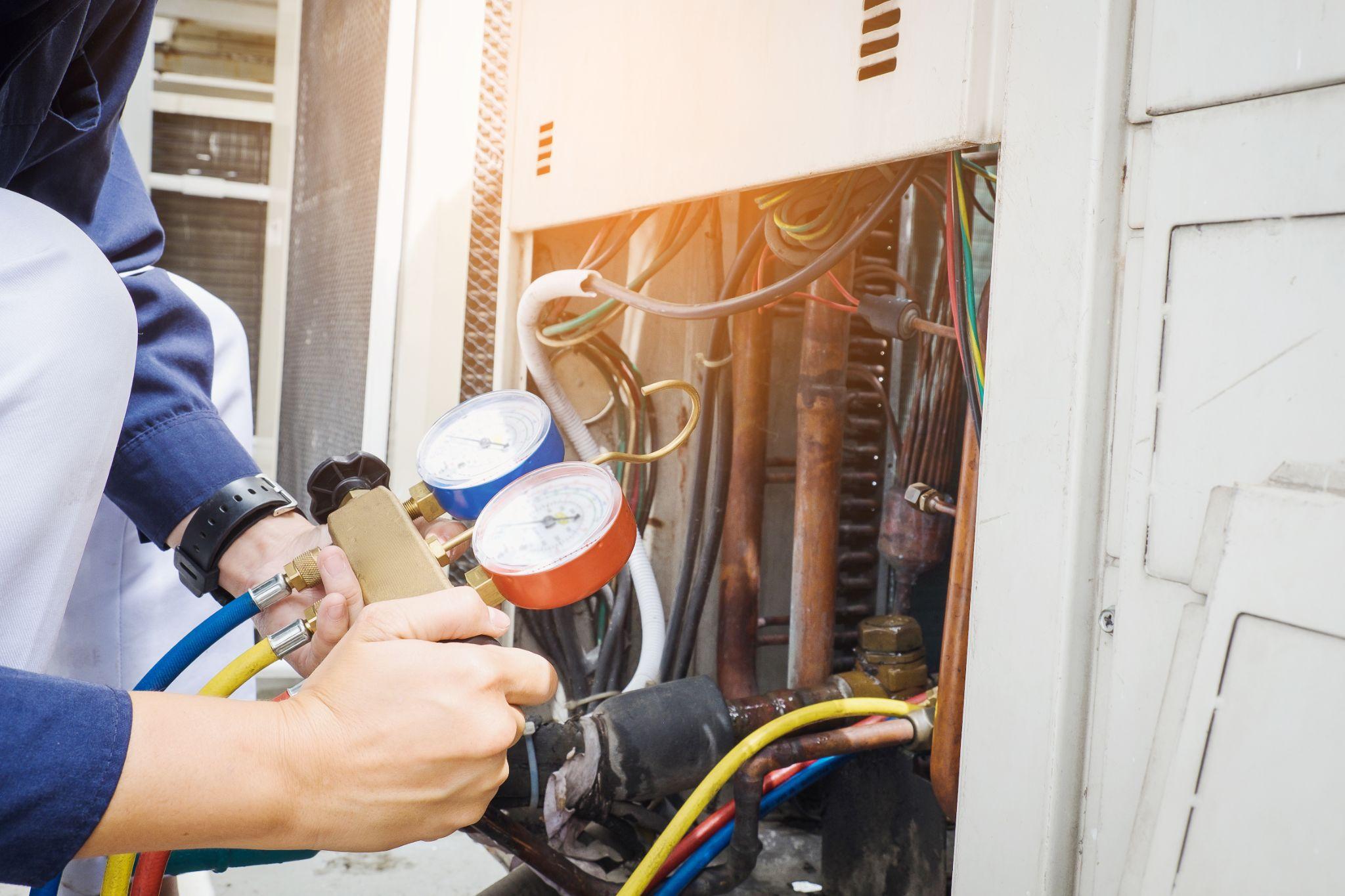
Technician is checking air conditioner

Electric heaters are commonly referred to as space heaters used in specific rooms in the house. For example, you might have your furnace keep the home heated to 68 degrees Fahrenheit.

However, you like it to be a bit warmer in the living room while relaxing and watching TV. So, instead of cranking up the thermostat and heating up the entire house, you use an electric heater to provide additional heat to make the room warmer and more comfortable.

Why Furnace and Heater Tune-Ups Matter

To keep your furnace, heat pump, or central electric heater running optimally, annual tune-ups are highly recommended. This type of maintenance helps identify potential problems before they become major repairs and keeps your heating system running smoothly all winter long.

For central heating furnace repairs, and replacements in New Braunfels, Temple, San Antonio, and the Austin Metro area, please feel free to contact Christianson Air Conditioning & Plumbing at 512-246-5400 today!


What to Do if a Pipe Bursts

Posted on November 24th, 2021 by ChristainSon_Admin

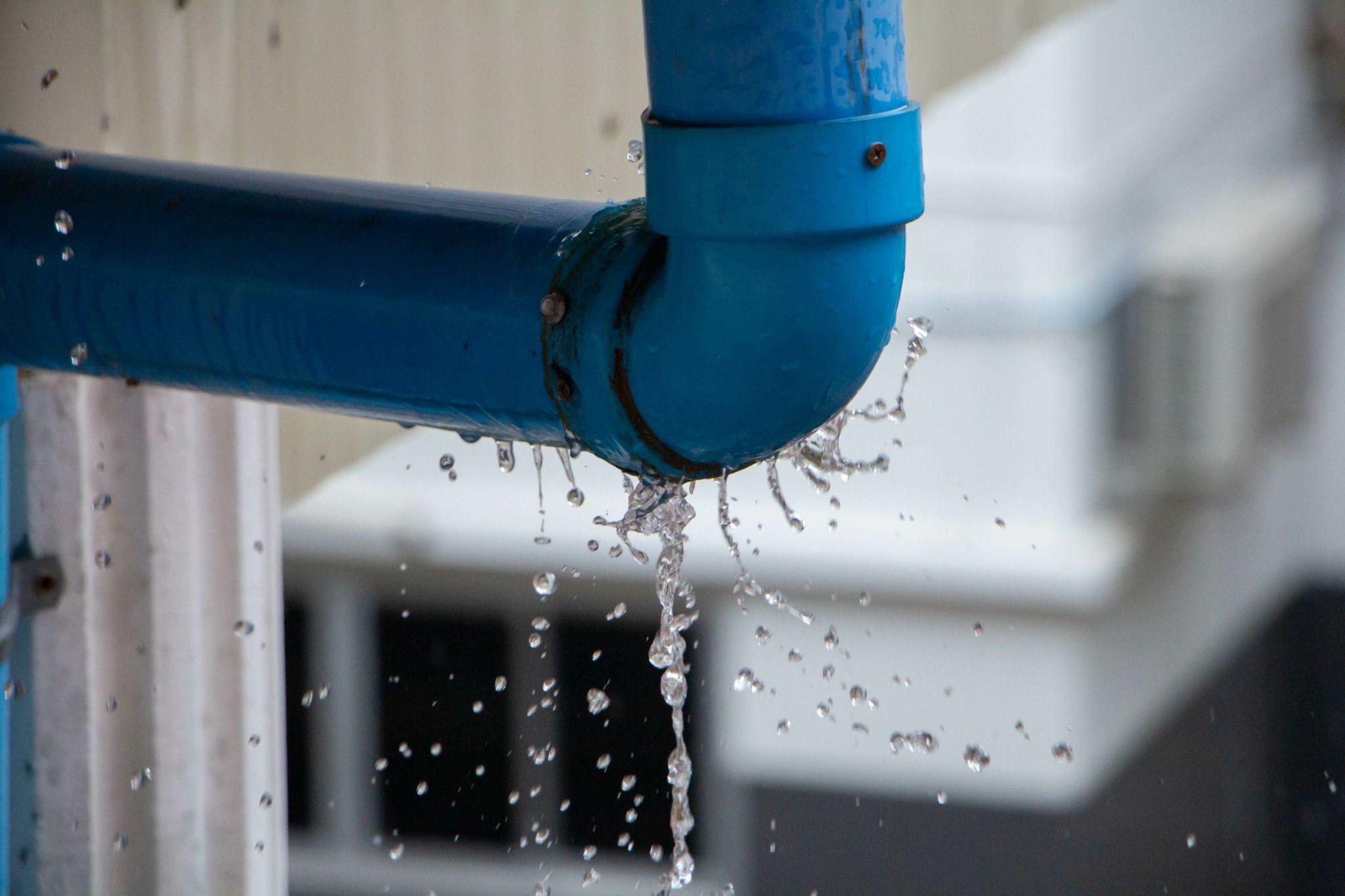
Leaked and splash water from the plastic pipe

Pipe bursts are not something most homeowners think about because they rarely happen. It is essential to know what to do should you experience a burst pipe and what signs to look for.

What Causes a Pipe to Burst?

Pipes can burst for a variety of reasons. Some of the more common causes could include:

#1. Clogged Plumbing Lines

Clogs can cause water pressure in the water lines to increase behind the clog. When the clog is farther down the drain line, pressure can build. As the pressure increases, it has to go somewhere. If it cannot push the clog out of the way, it could cause pipes to burst.

#2. Pipe Corrosion

If you have an older home with steel or iron pipes, the pipes can start to corrode when the galvanization wears off. Eventually, the rust can cause weaknesses in the pipe’s structure that could cause it to burst.

#3. The Pipes Shift

Pipe shifts can occur if you repair areas around the pipes, such as renovating the kitchen or bathroom. Accidentally moving the pipes could cause fittings to come loose, leading to water leaks and eventual bursts.

#4. Water Knocking

If air gets into the pipes, it can cause knocking sounds that can alter the water pressure. If the water pressure becomes too high, it can cause older pipes to burst.

#5. The Pipes Freeze

While frozen pipes rarely occur in San Antonio and the Austin area, there are times the temperatures can get cold enough to freeze the water in exposed pipes. As the pipes freeze, ice expands and pushes outward, causing pipes to crack. When the water thaws and water pressure returns, it will push out through the cracks, creating a burst.

#6. Rodents

Mice and rats can chew through PVC pipes to get to water. Even if they do not chew through the pipe and create a water leak, their damage weakens pipes, so bursts can occur unexpectedly.

Signs a Pipe Has Burst

When a major pipe burst occurs, you will notice it as the water pools, runs down walls, and causes water damage to your home. However, in cases where smaller amounts of water are leaking out, it can take longer to notice you have a problem. So, you will want to watch for these other signs that could indicate a pipe has burst:

  • Reduced Water Pressure
  • Water Stains on the Ceiling and Walls
  • Water Coming From Under Sinks, Tubs, Showers, Etc.
  • Rust-Colored Water
  • Increased Water Bills
  • Mold and Mildew Problems That Keep Returning
  • Sounds of Dripping or Running Water Coming from the Walls
  • Water Pooling Under the Water Heater
  • The Basement or Crawl Space Is Constantly Damp and Wet
  • Air in the Water Supply Lines

What Do I Do if a Pipe Bursts?

The first thing you want to do is shut off the water supply to the pipe that burst. You want to prevent further damage to your home and stop the water flowing out of the pipe. Until you can pinpoint where the burst occurred, it is best to shut off the water main and then do the following:

  • Shut off the electrical supply to power outlets and light fixtures in areas where it got wet.
  • Turn on a few faucets throughout the home to remove excess water still in the water lines and relieve water pressure.
  • Clean up the excess water to reduce the amount of water damage and prevent mold and mildew
  • Call a plumber and let them know you have a burst water pipe.
  • Open up cabinet doors if the burst occurred under and sink.
  • Clean up carpeting that got soaked, using a wet-dry
  • Turn on ceiling fans and use floor fans or space heaters to help dry the damaged area.
  • For frozen pipes, increase the warm air flow by opening cabinet doors or using a hair dryer to increase heat.

When your plumber arrives, let them know what you have already done. If you have discovered where the pipe burst, let them know that too. After the burst is fixed, it is highly recommended to have your plumber check for other leaks in case other pipes have burst.

How to Prevent Future Burst Pipes

smiling plumber holding clipboard and looking at camera in kitchen

Preventing future burst pipes depends on what causes the initial burst. For example, if the burst occurred from frozen pipes, get your pipes insulated. On the other hand, if the burst occurred because your pipes are older, it is a good idea to have all the plumbing in the home updated.

Other things you can do include:

  • Keep an eye on your water bill for unexpected increases in usage.
  • Turn on cold water on several faucets in the home and let it drip to prevent pipes from freezing on cold nights.
  • Shut off water to outdoor spigots in the winter.
  • Add more insulation to your crawl space or basement.

No one wants to experience a burst pipe in their home. However, they do occur. Being prepared for one and knowing what to do can help reduce water damage to your home.

Additionally, taking preventative measures—like having your plumber do a detailed plumbing inspection to determine what pipe burst risks your home has—can help reduce the risks of burst pipes.

In the event you experience a burst pipe, the plumbers at Christianson Air Conditioning & Plumbing are available 24/7. For emergency plumbing services in New Braunfels, Temple, San Antonio, and the Austin Metro Area, call us at 512-246-5400 today!

Tags: , ,


10 Common Water Heater Problems

Posted on November 24th, 2021 by ChristainSon_Admin

modern home gas fired boiler

We rely on our hot water heaters to heat the water we need for bathing, doing laundry, and washing dishes. We often take our water heaters for granted because we rely on it daily. Just like the other appliances in our homes, problems with water heaters can occur.

Whether your home has an electric or gas tank-type water heater or an electric or gas tankless water heater, it is essential to understand what can go wrong and things you could check before calling your plumber.

#1. No Hot Water

When there is no hot water, the water heater is not working because the heating elements are not turning on. Things to check include:

  • Verifying the electric switch next to your water heater is turned on
  • Checking your breaker box to see if the breaker needs to be reset
  • Removing the access panel on electric tank-type heaters and pressing the reset button
  • On gas water heaters, confirming the pilot light is lit
  • On electric tankless water heaters, checking the sub-breakers in the water heater to see if they need to be reset
  • Checking the thermostat setting to verify it did not get turned down

#2. Hot Water Runs Out Quickly

If you are constantly running out of hot water, your water heater may be too small for your home. Before you replace our water heater, check to see that the thermostat is set correctly. If it gets turned down, you could run out of hot water faster. The thermostat could also be defective where it is not running correctly.

#3. Water Temperature Is Too Hot

If the water is too hot, chances are the thermostat got turned up and is set too high. The thermostat on your water heater should be set between 120 degrees and 140 degrees Fahrenheit. Check to make sure it is set correctly.

If it is, there could be a problem with the heating elements overheating the water. To be safe, shut off the breaker to your water heater and contact your plumber for water heater service.

#4. Water Not Hot Enough

When the water temperature is not hot enough, this could indicate a few different problems, such as:

  • The heating elements are starting to fail.
  • The thermostat is defective.
  • The thermostat is set too low.
  • There is excessive sediment buildup inside of your gas or electric water heater.

#5. Discolored Water

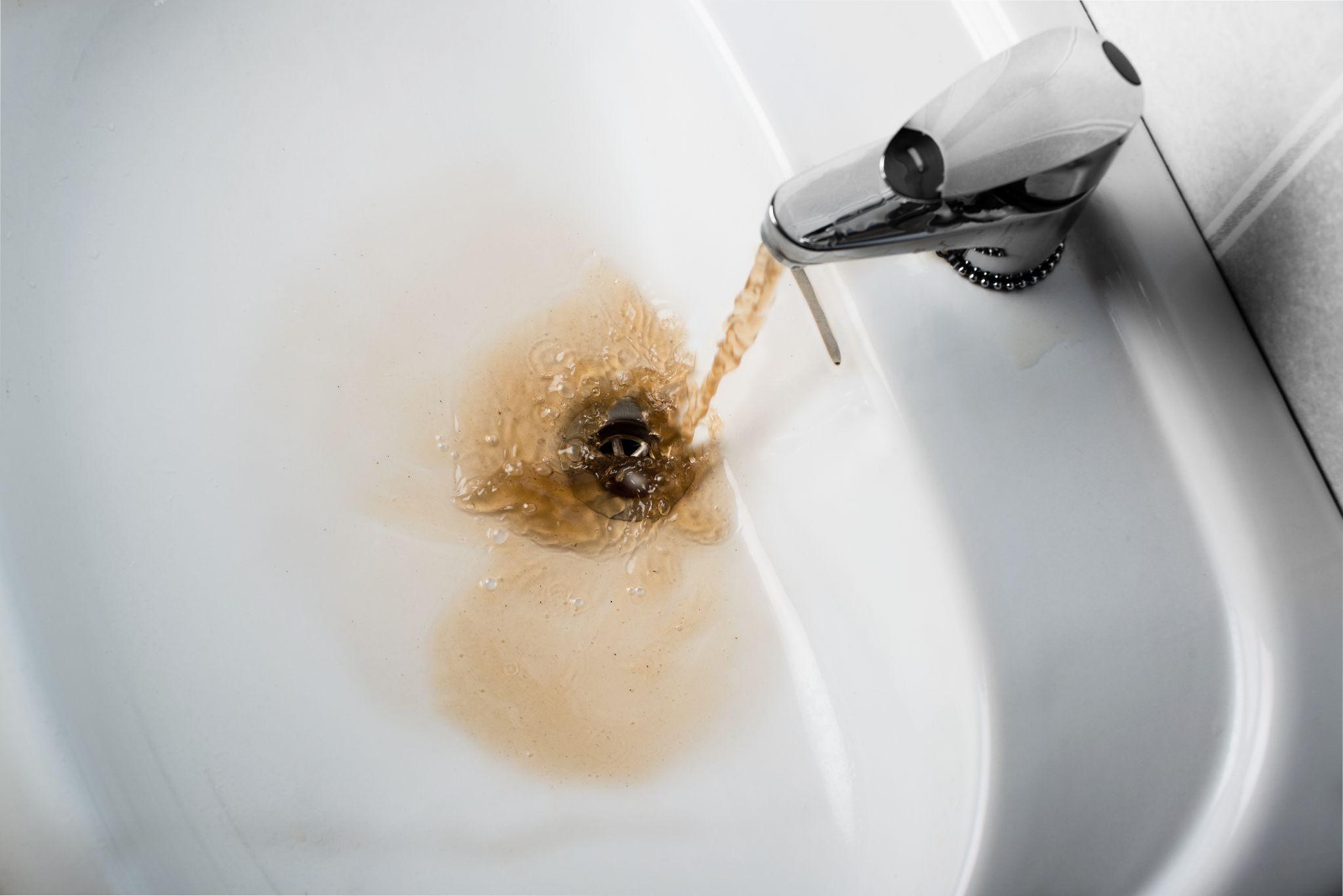
Dirty brown water running into a white sink.

Discolored water that is red, brown, or yellowish means there is corrosion either in the water heater or your home’s plumbing lines. A quick test you can do is turn on the cold water and see if it is discolored too.

If the cold water is also discolored, you could have an older home with steel or iron pipes that are rusting. If it is not, the problem is with the hot water supply, which could indicate corrosion inside your water heater or corrosion inside the hot water supply lines.

#6. Odd Smelly Water

If you notice the hot water has a funky rotten eggs smell, it could indicate bacteria inside your water heater. For tank-type heaters, replacing the anode rod may be necessary. Additionally, rotten eggs smells could also indicate a gas leak if you have a gas water heater.

#7. Noisy Water Heater

If you hear snapping, popping, or cracking coming from your water heater, this indicates there is excessive sediment buildup inside the heater. You will want to call a professional plumber to have your tank flushed and cleaned.

If you have a tank-type heater and hear the water boiling inside the tank, shut off the tank immediately. The boiling water will create excess water pressure and could cause the tank to explode if there is something wrong with the pressure relief valve. You should not use the water heater until you can have it serviced by your plumber.

#8. Pilot Light Won’t Light

If the pilot light on your gas water heater will not light, check to see that the gas is turned on. If it is, you could have an obstruction in the gas supply line, or the gas valve could be stuck shut. The thermocouple on the unit could also be defective and need to be replaced.

#9. Pilot Light Won’t Stay Lit

When the pilot light does not stay lit, it means there is not sufficient gas coming through the gas line to keep it lit. This could indicate a faulty gas valve or defective thermocouple.

Another problem could be that you are not keeping the valve pressed down long enough when you light the pilot. Usually, you have to keep it depressed for about a minute before you turn it to its standby setting.

#10. Water Leaking

There can be several causes for water leaking out of the water heater, such as:

  • The plumbing pipes are not connected securely to the water heater.
  • The plumbing fittings have come loose.
  • The gasket seals inside the water heater need to be replaced.
  • The water heater is heavily corroded and has rusted through to the outside of the tank.
  • The pressure relief valve is stuck in the open position.

When to Call a Professional

Technician servicing an hot-water heater

As you can see, your water heater could stop working for various reasons. Sometimes you can check the heater and resolve the issue on your own, as when the thermostat got turned up or turned down. Other times, it is better to call a professional plumber for assistance, in cases where the heater is leaking, the pilot won’t light or stay lit, or the tank needs to be flushed.

For water heater repairs and replacement services in Temple, New Braunfels, San Antonio, and the Austin Metro area, please feel free to contact Christianson Air Conditioning & Plumbing at 521-246-5400 today!


Home Shopping? Here’s How to Check a Home’s Plumbing Health Before You Buy

Posted on October 26th, 2021 by ChristainSon_Admin

Buying a home involves many steps to get to closing:

  1. You have to find a home you like with the features you desire.
  2. You have to make an offer on the house.
  3. You need to secure financing.

Most importantly, though, you need to ensure you perform, or hire professionals, to do various types of inspections. When moving into your new home, the last thing you want is to have to deal with structural, roofing, or plumbing problems.

Checking for signs of plumbing problems is not too difficult to do. You can check most things when viewing the home. For other things, you will want to schedule a second viewing once the seller has accepted your offer and you are proceeding with the sale to do a more detailed plumbing home inspection.

Ideally, you want to check all aspects of the home’s plumbing system, including:

  • Sinks
  • Drain Lines
  • Fixtures
  • Faucets
  • Toilets
  • Spigots
  • Sewer Lines
  • Septic Tank
  • Water Heater
  • Water Main

We invite you to review the following infographic to find out more detailed information about what sort of plumbing inspections you can perform. Afterward, if you would like to schedule a thorough pre-purchase plumbing home inspection, contact Christianson Air Conditioning & Plumbing at 512-246-5400 today!

Plumbing Health Checkup Before You Buy The House Infographic

Click below to embed this infographic into your website:


How Do I Know What Size HVAC I Need for My Home?

Posted on October 24th, 2021 by ChristainSon_Admin

Young woman relaxing under air conditioner at home

Did you know that HVAC (heating, ventilation, and air conditioning) systems come in different sizes? Most homeowners who have never had to replace their HVAC units are somewhat surprised when purchasing a new HVAC system for their homes.

So, how do you know what size HVAC you need? The biggest misconception is basing your new system on your current system. Considering that most air conditioners last between 15 and 20 years and most furnaces last as long as 25 years, your current system could easily be outdated. So, basing your HVAC sizing on your current system is never a good idea.

Why does the size of the HVAC system matter?

The size of a new HVAC system is vital to ensure your home is heated and cooled efficiently. Having a system that is undersized or oversized can cause heating and cooling issues as follows:

Undersized HVAC System

Undersizing means your newly installed HVAC will not be able to keep up with your home’s heating and cooling needs. As a result, the system will run longer, increasing your heating and cooling costs.

Furthermore, an undersized HVAC system will work much harder. On extremely cold or hot days, the system will not be able to heat or cool your home to your preferred temperature settings. Therefore, ultimately, you will be shortening the lifespan of the new system.

Oversized HVAC System

You might think that having a larger HVAC system would not matter. However, systems that are too big are not able to cycle fully. Instead, they short cycle because they raise or lower the temperature too quickly.

Short cycling is also not energy efficient. The HVAC system uses the most energy when it turns on. Not to mention, short cycling places added strain on the system, causing it to wear out much faster.

How do I find out what size HVAC is best for my house?

Male technician repairing air conditioner at home

It is easy to calculate the size of HVAC needed for your home by using the square footage of the house. In general, you multiply the square footage by 25 to find out what BTU capacity you need. However, there are some other considerations you must factor into your calculations.

#1: BTUs for furnaces are different.

Your initial BTU calculation gives you an idea of what size air conditioner you need. To determine what size furnace you need, take your initial BTU capacity calculation and divide it by 0.80.

#2: Determine the zone where you live.

If you live in the south, the tonnage and BTUs are slightly different than living in the north. As such, the capacity of the system will need to be adjusted. For instance, your cooling BTUs will matter more than your furnace BTUs in the south since you use your AC more than the furnace.

#3: Know the tonnage of the HVAC system.

HVAC sizing is based on the tonnage of the units, not necessarily the BTUs. There is a BTU range that relates to the tonnage of the system. This calculation is easy to perform by taking the square footage of your home, multiplying it by 30, and then dividing it by 12,000.

Ensuring Your HVAC Sizing Is Precise

The calculations you make are generalized guidelines. Other factors need to be determined, such as the ceiling height, insulation, number of windows, etc. We highly recommend requesting a free HVAC system estimate to know what size HVAC you will need.

With winter just around the corner, now is a great time to get a new HVAC installation. Contact Christianson Air Conditioning & Plumbing at 512-246-5400 to schedule a free HVAC system estimate in Temple, New Braunfels, San Antonio, or the Austin metro area today!

Tags: , ,


The Top 9 Most Common Texas Plumbing Problems

Posted on October 20th, 2021 by ChristainSon_Admin

American and Texas state flags

Most Texans do not think much about common household plumbing problems until something goes horribly wrong. However, unfortunately, there may already be plumbing problems in the home that are being ignored or have not yet been discovered in some cases.

When you do discover plumbing problems in your house, do you attempt a short-term solution that costs less upfront, or do you have your Texas plumber resolve the problem that costs more? There is not a simple answer. It largely depends on what is wrong, whether it is an easy fix, and other factors.

Let’s look at some of the most common Texas plumbing problems, what causes them, and the best way to resolve them.

#1: Slab Leaks

If your home is built on a slab, slab leaks can develop as the house settles, ground shifts, or the slab shifts. In addition, it is not uncommon for plumbing pipes to extend through the slab, so if the slab shifts, it can cause the pipes to move, creating leaks.

The problem with slab leaks is they are hard to notice right away. By the time you notice a slab leak, there can be extensive damage to your home. So, if you see your water bill has been increasing or your well pump is running more often, and your water usage hasn’t changed, chances are you have a slab leak.

Fixing slab leaks is best left to a professional plumber. The work involved to find the leak requires precision equipment. This is one type of plumbing problem you want to resolve fully.

#2: Leaking Pipes

Plumbing lines and sewer lines are hidden out of sight. If fittings work loose, pipes crack or wear out because they are older, leaks can develop. Just like slab leaks, leaking pipes may not be discovered immediately.

There are a few different things to watch out for that could indicate leaking pipes:

  • Your water bill increases or the well pump runs more often, and your water usage hasn’t changed.
  • You notice brownish-colored stains on your ceiling or walls.
  • You notice certain areas of the ceiling or wall are wet or dripping water.
  • You see water pooling in the basement or under your crawl space.
  • The insulation under the home in the crawl space is wet.

The work involved to repair leaking pipes can be time-consuming and complex. Once the leak is located, the drywall has to be removed, the pipes repaired, and any moisture inside the ceiling or walls has to be removed before the drywall can be replaced.

As such, this is a plumbing problem you want to take care of with a long-term solution with help from your plumber.

#3: Tree Roots

big old tree roots underground, sunny forest

Tree roots can become a problem if your sewer pipes have any type of leak. You would be amazed by how even the tiniest of openings in between pipe fittings can allow tree roots to grow into the sewer pipes.

Fortunately, you have a few options if tree roots are creating sewer clogs. First, you could have the sewer line cleaned out and the tree roots removed. This is a short-term solution, as the tree roots will go back if you don’t find the source where they got into the sewer line. However, clearing the line of tree roots is a less expensive solution than having the sewer pipe replaced.

If the sewer line has collapsed or you do not want to worry about the tree roots regrowing into the sewer line, the other option is to have it replaced. There are a few different sewer line replacement options your plumber can discuss with you to help you decide which is best.

#4: Dripping Faucets

Dripping faucets may not seem like that big of a common household plumbing problem. Yet, the constant dripping can become annoying, and it wastes water.  In some cases, the washer and internal hardware inside the faucet can be replaced, costing less than having a new faucet installed.

#5: Hard Water

Hard water is not good for your home’s plumbing system if you have well water. The calcium and limescale in hard water leave deposits inside plumbing lines, faucets, fixtures, appliances, toilets, and your water heater.

Over time, you may lose water pressure, notice your hot water isn’t as hot as it used to be, and see scale buildup around faucets and fixtures. Another negative effect of hard water is shortening the life span of your water heater, appliances, fixtures, and faucets.

Several options are available depending on the hardness of your water. The best place to start is with a water test. A water test will show you exactly what is in your well water. Once you know what is in the water, then you can decide if you want to have your plumber install a water softener. You may also need a water filtration system.

Luckily, once a water softener or both a softener and filtration system are installed, you won’t have to worry about hard water causing further damages to your home’s plumbing system.

#6: Frozen Pipes

Most people never think about their pipes freezing in Texas. However, the temperatures can dip down below freezing at night if a cold front passes through. If it stays below freezing long enough, frozen pipes can burst, creating a watery mess in your basement or under the crawl space.

The best way to prevent frozen pipes is to ensure they are insulated. You can have the pipes individually wrapped. Another option is to verify the pipes are covered in a thick enough layer of insulation to prevent them from freezing.

#7: Occasionally Running Toilets

Have you ever heard your toilet refill with water and no one used the toilet? This is another common household plumbing problem. It begins as a slow leak and, as the seal between the tank and toilet bowl wears out, turns into a constantly running toilet.

As long as there are no other toilet leaks, fixing this problem can be as easy as replacing the flapper inside the toilet tank. However, if there are other issues with the toilet, it can be better to replace all the hardware in the tank or even the toilet itself.

#8: Rust-Colored Water

Rust-colored water is a common plumbing problem in old homes that still have galvanized plumbing lines. The zinc galvanization wears off, exposing the iron, which then rusts.

The exposed iron will continue to rust away and can lead to pipe leaks and water pressure problems. It is better to have your plumber repipe your plumbing lines in your home to get rid of rust-colored water.

However, rust-colored water could also come from well water or your water heater if it is rusting from the inside out. If the source of rust is from either of these, you will want to talk to your plumber about what solutions will eliminate the rust problem.

#9: A Drop in Water Pressure

Bathroom faucet with pouring water

If you notice the water pressure in your home is not as strong as it once was, you will want to investigate to find out what is wrong. You need to begin by checking the water pressure throughout the home to see if it is isolated to one area or the entire home.

Low water pressure throughout the house indicates a leaker in the water main. If the problem is isolated to a specific area, then there is probably a leak in one of the plumbing lines in that part of the house. It is a good idea to call your plumber and have them check your home and water main for leaks.

Alternatively, if your water pressure has always been low, you can have your plumber install a pressure regulator to help boost the water pressure inside your home.

Getting Help with Common Household Plumbing Problems

The sooner you resolve common household plumbing problems, the less damage they will cause. Plus, with the right solutions, you could save money in the long run. For help finding and fixing plumbing problems, contact our Texas plumbing experts at Christianson Air Conditioning & Plumbing today!

Call us at 512-246-5400 to schedule plumbing services in New Braunfels, Temple, San Antonio, or the Austin metro area.


Copyright © 2025 Plumbing & Air Conditioning Company - Austin, TX

Licenses M-18631, M-18632, LI15740, TACLA023749C

Regulated by The Texas Department of Licensing and Regulation

P.O. Box 12157, Austin, Texas 78711, 1-800-803-9202, 512-463-6599, Website: http://www.tdlr.texas.gov