Texans serving Texas since 1950

Call Us Now:

Austin Metro (512) 246-5400
San Antonio (210) 651-1212
Temple (254) 773-7175
New Braunfels (830) 627-2211

How to Properly Plunge a Toilet

Posted on May 24th, 2021 by ChristainSon_Admin

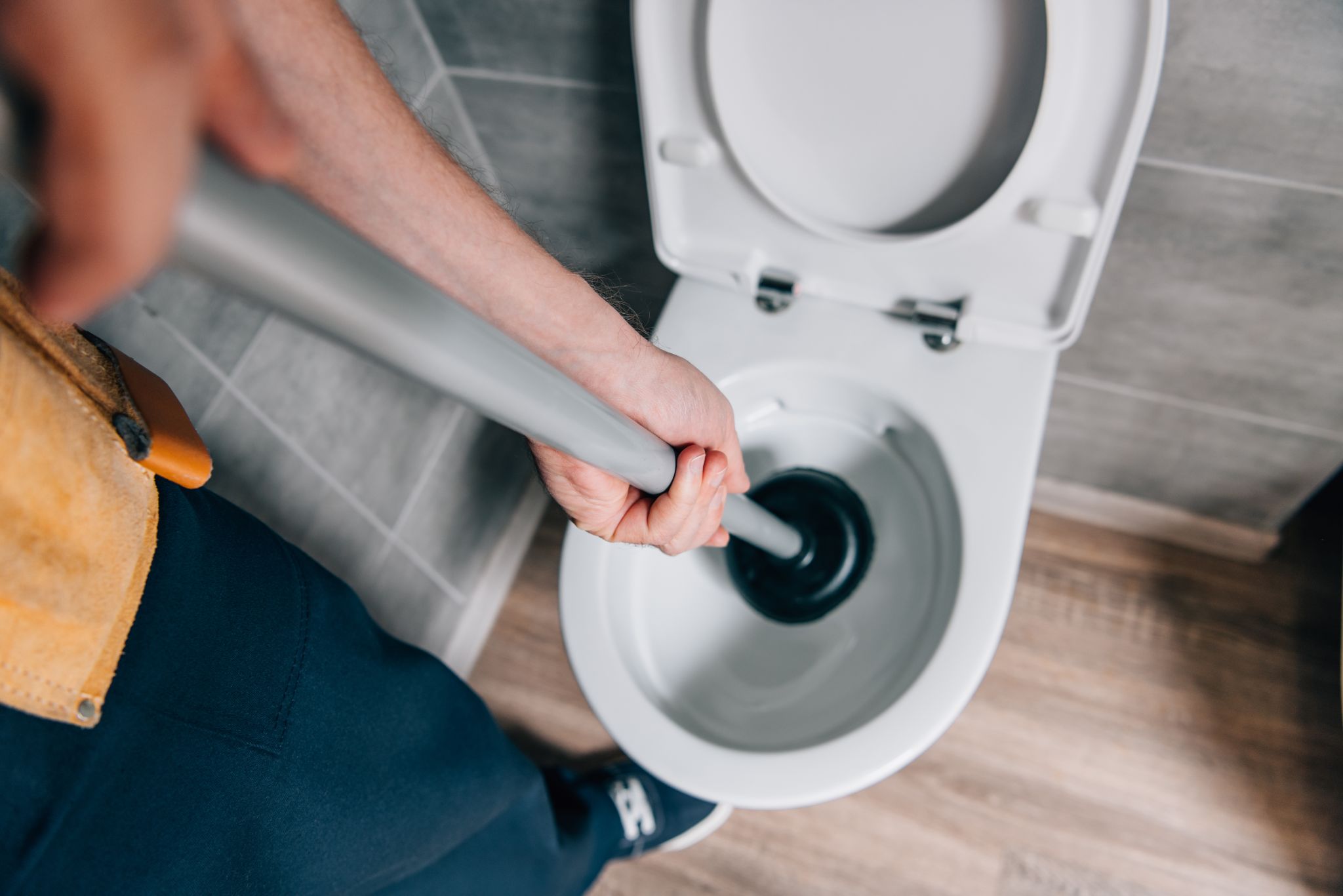
plumber using plunger in toilet bowl during flushing

Toilet clogs can occur for a variety of reasons. You could use too much toilet paper. Your toddler could flush toys down the toilet. You or someone in your home could be flushing things that are not meant to be flushed. Even your sewer pipe outside your home could be damaged or have tree roots growing through it, causing the clog.

What items should never be flushed down the toilet?

There are several items that should never be flushed down the toilet, including:

  • Disposable Diapers
  • Paper Towels
  • Sanitary Napkins/Tampons
  • Condoms
  • Paint
  • Flour
  • Facial Tissues
  • Cotton Swabs and Cotton Balls
  • Bandaids
  • Medications
  • Cigarette Butts
  • Oils and Grease
  • Kitty Litter
  • Any Type of Hardening Materials (i.e. Plaster, Caulk, etc.)
  • Chewing Gum
  • Baby Wipes
  • Contact Lenses

These types of items can cause toilet clogs and even damage your home’s plumbing.

Fortunately, if you are like most homeowners, you have a plunger handy to help deal with toilet clogs by using these simple steps:

Step #1: Use the right type of plunger.

There are two different types of plungers—a standard plunger that is round, and a flange plunger that has a rounded extension on the end. To unclog a toilet easier, you need a plunger with a flange. A standard plunger can also be used but may not be as effective at removing more difficult clogs.

Step #2: Make sure there is water in the toilet bowl.

You need water in the toilet bowl. If the bowl is low in water, remove the back cover from the toilet tank and carefully pull up on the flapper to allow a small amount of water to fill the bowl. You want to avoid flushing the toilet because it could overflow or fill the bowl up with too much water.

Step #3: Insert the flange into the drain opening in the bowl.

male plumber using plunger and cleaning toilet in bathroom

To help ensure you get the most pressure when plunging, you need to make sure the flange is in the drain opening. The rounded base of the plunger should also fit snugly over the drain opening.

Step #4: Start slowly before more forceful plunges.

For the first plunge compression you do not need to be very forceful. You want to release the air from inside the plunger. If you use a forceful plunge, the air could cause water and any icky stuff in the bowl to spray upward and out of the toilet bowl.

Step #5: Alternate between forceful and gentler plunges.

Alternate the amount of force you use after releasing the air from inside the plunger. Doing so helps loosen the clog faster.

Step #6: Flush the toilet once the clog is removed.

You will want to verify the clog has been cleared and water will drain away correctly. Make sure to leave the plunger in the bowl when you flush it in case it is still partially clogged. This way, you can start plunging right away, taking advantage of the force of the water to help remove the clog.

What if the toilet clog remains after using a toilet plunger?

For more difficult clogs, there are several different things you can try to do before you call a plumber, including:

  • Put a gallon or two of water in a pot and bring it to a boil on your stove. Once it is at a rolling boil, remove it from the stove and carefully carry it into the bathroom. Slowly pour the boiling hot water down the toilet drain opening. The boiling water can help loosen the clog.
  • Pour equal amounts of baking soda and vinegar into the toilet drain. Make sure to add the baking soda first. When the vinegar comes into contact with the baking soda, it creates a natural chemical reaction to help unclog the toilet.

Immediately after trying either one of these, make sure to plunge the toilet to help get the hot water or baking soda and vinegar mixture farther down into the drain line where the clog is located.

Is it okay to use chemical store-bought clog removers?

Chemical store-bought clog removers may sound enticing. However, what many people do not know is that they are only formulated for specific types of clogs. The harsh chemicals are also not safe for all types of plumbing and drain lines.

If you use chemical clog removers, you could make the problem worse. If the product does not work, now you have a drain line sitting full of harsh chemicals doing who-knows-what to your drain line.

Plunging the toilet and using the two “natural” methods mentioned above are your best bets to unclogging a toilet.

What if I still have a clogged toilet?

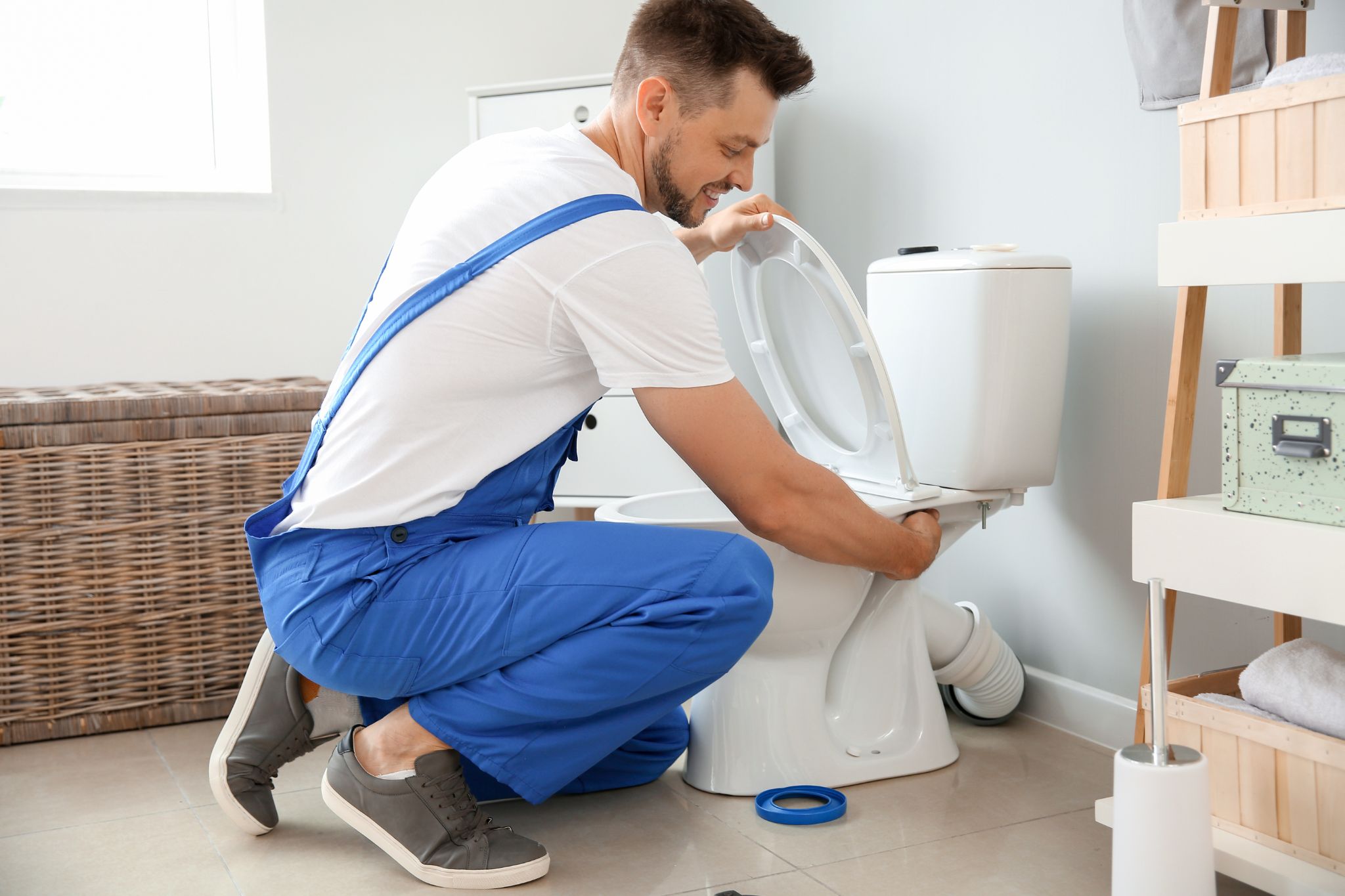
Plumber installing toilet in restroom

If the toilet clog is still present, now is the time to call a plumber for assistance. Your plumber has access to special tools and equipment like a sewer camera and toilet auger they can use to pinpoint the location of the clog and remove it for good.

For more severe clogs, your plumber may even need to turn off the water supply and remove the toilet. For example, your toddler might have flushed crayons or other toys down the toilet drain.

In other cases, the source of the clog could be in the sewer line in your yard. If it is collapsed or tree roots have grown through the sewer line, no amount of plunging will fix this type of clog.

As you can see, how to properly plunge a toilet is not that difficult or hard to do when using the steps we shared.

For difficult toilet clogs, drain clogs, and other plumbing problems in New Braunfels, Temple, San Antonio, and the Austin Metro area, please feel free to contact Christianson Air Conditioning & Plumbing at 512-246-5400 today!

Tags: , ,


How Often Should You Service Your HVAC?

Posted on May 18th, 2021 by ChristainSon_Admin

Air Conditioning Technician and A part of preparing to install new air conditioner

Most homes have heating and air conditioning systems installed. These might be a split system where one part is the furnace and the other part the central air conditioner. They could be a packaged system that functions as an air conditioner in the summer and a heating system in the winter.

Since you essentially have two different systems for heating and cooling, regardless of the type of HVAC system you have installed, ideally you want to service your system twice a year to ensure each part of the system is operating optimally.

What happens if you do not service your system?

Several things can happen when you do not get regular maintenance. Most heating and air conditioning systems are designed to last about 15 years or so. Without maintenance, you are potentially putting more wear and tear on your system, which shortens its overall lifespan.

As your system works hard to heat or cool your home, it also starts using more energy to do so. Systems that are not maintained quickly become less efficient. Your heating or cooling energy costs and utility bills will gradually increase. You will also notice the system is running longer to maintain your ideal indoor air temperatures.

Most importantly, you are taking a risk that your heating system or air conditioner is not going to break down unexpectedly. The longer your system goes without maintenance, the more likely something will go wrong, so it is not a matter of if, but when, which could include:

  • System Parts Overheating – Many parts inside the system need regular lubrication to keep working correctly and prevent excess friction that can lead to overheating.
  • Clogged Air Vents – Dust and dirt can clog air vents and cause the system to work harder. A lack of sufficient airflow can also cause the system to overheat and fail prematurely.
  • Dirty Condensation Coils – These coils are on your AC unit and help to remove the hot air from your home and provide it with cold air. These get dirty. When they are, they cannot function properly.
  • Clogged Drain Lines – There is a drain line on AC units that allows condensation to drain away. When the line clogs, it can cause it to back up inside the system, increasing risks of electrical problems or it seeping into your home, causing water damage.
  • Loose Electrical Connections – Your heating unit and cooling unit are working pieces of machinery that vibrate. Over time, electrical connections can come loose. When they do, they can cause your system to malfunction, short out, or overload major components.

When is the best time to schedule HVAC maintenance?

The best time to schedule maintenance for your HVAC unit is in the spring for your air conditioner and the fall for your heating unit. You want to make sure your AC will be ready to cool your home, come the hot Texas summers, so spring is a great time since HVAC technicians are not as busy as they are in summer.

In the fall, you want to make sure your heating system is ready to go once those colder winter temperatures roll in and you need to switch your heat on. Again, HVAC technicians are typically not that busy in the fall but are very busy once cold weather arrives.

What is done during HVAC system maintenance?

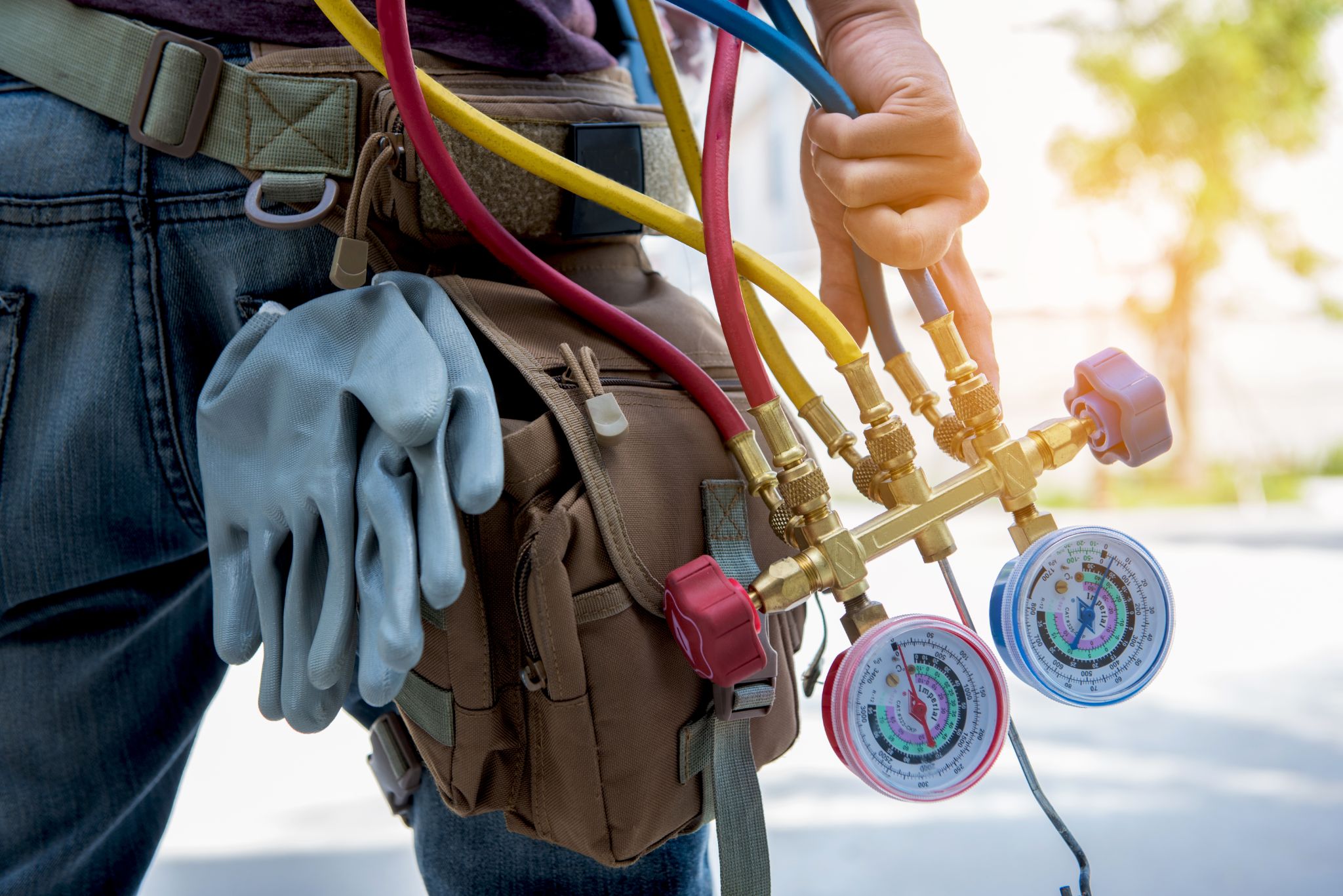
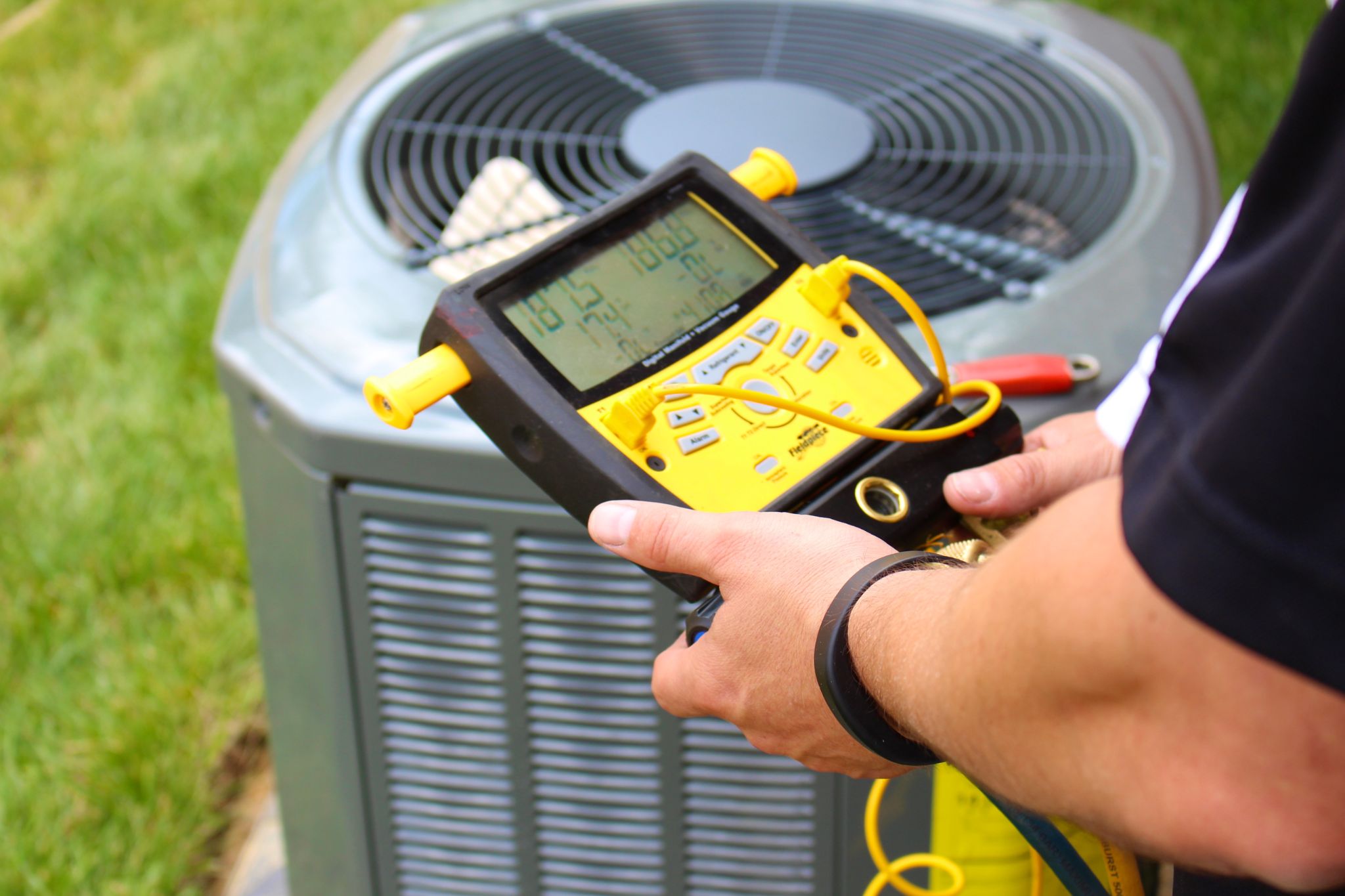
Technician is checking air conditioner ,measuring equipment for filling air conditioners

In the spring, your HVAC technician will be focusing primarily on your air conditioning unit and will perform the following tasks:

  • Overall Inspection of the AC Unit
  • Testing the Condenser
  • Inspecting and Cleaning the Condensing Coils and Evaporator Coils
  • Inspecting the Electrical Wiring
  • Cleaning the Drain Line
  • Testing the Refrigerant Levels
  • Testing the System Operating Pressures
  • Testing the Start-Up and Cycle Times
  • Checking the Air Filter

If the fall, your HVAC professional will focus on your heating unit and perform the following tasks:

  • Overall Inspection of the Heating Unit
  • Inspecting and Testing the Heat Exchanger, Burner Assembly, Heat Pump, etc.
  • Testing the Start-Up and Cycle Times
  • Inspecting the Electrical Wiring
  • Cleaning the Heat Exchange, Burner Assembly, etc.
  • Checking the Air Filter
  • Testing the Backup Heating Source on Heat Pumps
  • Testing the Piping and Gas Lines on Gas Systems

Please keep in mind that the system maintenance performed can and does vary based on the type of heating and air conditioning system you have. With regular preventative maintenance, your HVAC system will last longer, operate more efficiently, and be less prone to breakdowns.

For further information about HVAC maintenance and maintenance plans or to schedule maintenance service for your system in San Antonio, Temple, New Braunfels, or the Austin Metro area, please feel free to contact Christianson Air Conditioning & Plumbing by calling 512-246-5400 today!


How Long Do HVAC Systems Last?

Posted on April 19th, 2021 by ChristainSon_Admin

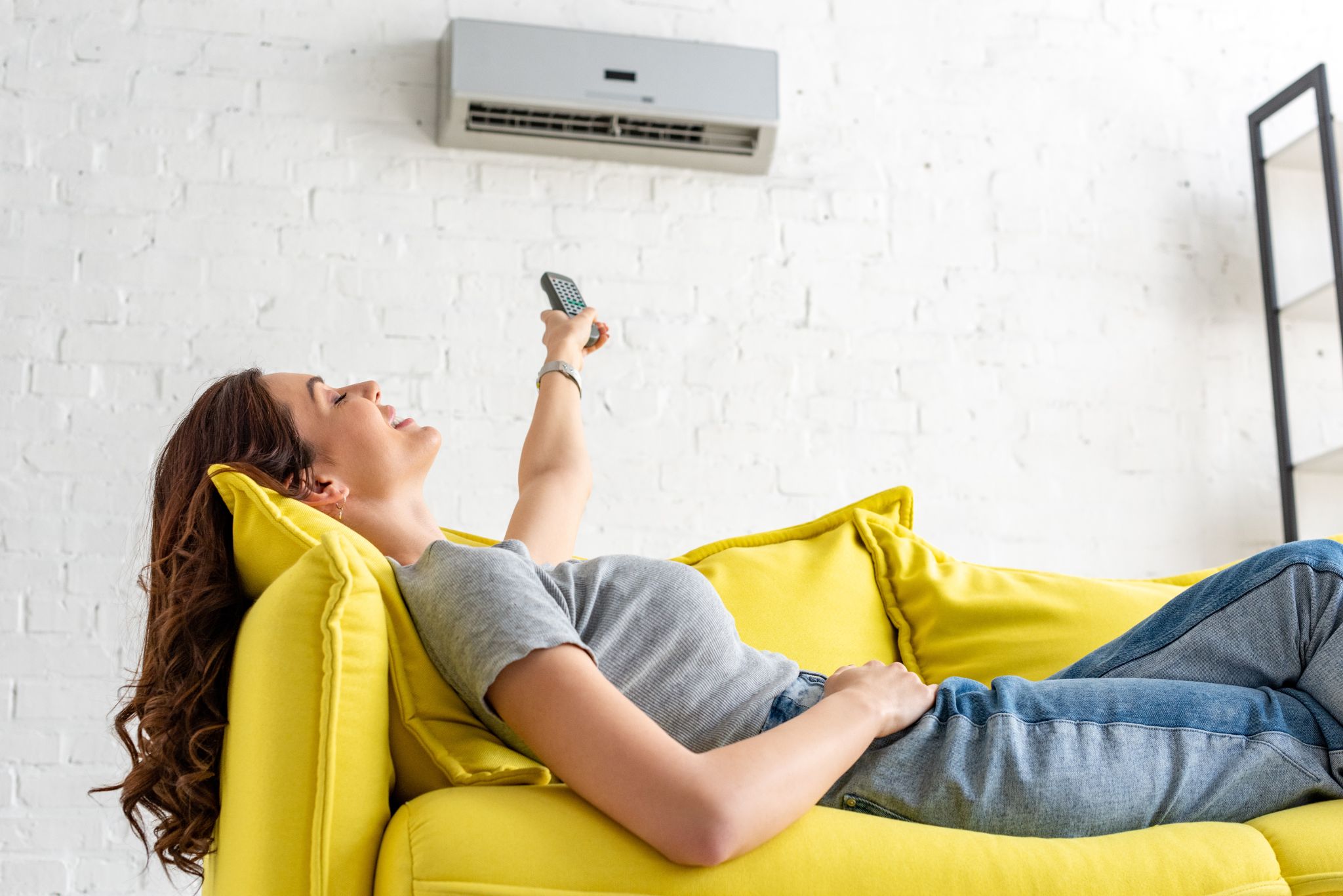
young woman relaxing under air conditioner and holding remote control

HVAC systems can consist of different configurations—packaged systems, split systems, heat pumps, and window units. The average lifespan for most systems is between 15 to 20 years.

This is not to say that a system could fail before 15 years or that you could have a system that lasts more than 20 years. Some people have older oil furnaces and boilers that are 40 years old or older that still work perfectly fine to heat their homes.

HVAC System Lifespan Factors

It is essential that you understand the different factors that affect the lifespan of heating and cooling systems, including:

  1. Climate Change – The climate has changed over the past 30 years or so. We have hotter summers and colder winters. With these changes, it means your HVAC system is running more often to keep your home cold in summer and warm in winter.
  2. How Often the System Is Used – Some people are lucky enough to not need heating or cooling other than a few months each year. Of course, this means their air conditioners and furnaces are going to last longer. For the rest of us that rely on our air conditioners and furnaces almost year-round, our systems will have a shorter lifespan.
  3. How Energy-Efficient Your Home Is – If your home is not well insulated or you have windows without thermal resistance, your HVAC system will run more frequently to maintain your preferred indoor temperature. If you have a well-insulated home and thermal-resistant windows, your HVAC system does not have to run as often, so it will last longer.
  4. How Often HVAC Maintenance Is Performed – Systems that receive regular maintenance, tune-ups, and repairs tend to last longer than systems that are not given proper maintenance.
  5. Where You Live – The location of your home will affect the lifespan of your heating and cooling system. People that live in coastal areas have to deal with the corrosive effects of saltwater that causes their air conditioners to rust and wear out faster compared to someone living farther inland.

How to Extend the Life of Your HVAC System

Hvac technician inspecting an air conditioner

Whether you recently had a new HVAC system installed or have an older heating and cooling system, there are several things you can do to extend the life of your HVAC system.

  • Schedule Regular Maintenance – Have an HVAC professional service your system twice a year—once in the spring and once in the fall. These intervals ensure your air conditioning is ready for summer cooling and your furnace is ready for winter heating.
  • Replace Worn Out Parts and Components – Normal wear and tear occur as your HVAC system ages. By sticking to a proper maintenance schedule, your service technician notices when parts and components need to be replaced. Replacing them before they fail not only avoids emergency repairs but also extends the system’s life.
  • Replace Your Air Filter Frequently – The air filter should be changed every 30 to 90 days. It is a good idea to inspect the air filter If it looks dirty, replace it, even if the manufacturer says the filter should last longer. Clogged and dirty filters strain your HVAC system and shorten its lifespan.
  • Make Your Home More Energy-Efficient – There are different home improvements you can make like adding more insulation and upgrading to thermal-resistant windows to improve the energy efficiency of your home. These improvements not only will lower your energy bills but extend the life of your HVAC system.
  • Utilize Landscaping Features – Trees and shrubs should be used to help shade windows that receive a lot of direct sunlight. You should keep trees, shrubs, and other plants at least five feet away from the outdoor AC unit. It also helps to trim back trees that overhang the home and AC unit.
  • Have a Smart Thermostat Installed – Have your HVAC professional install a smart thermostat. Smart thermostats are designed to help learn your heating and cooling habits. They can also be programmed to automatically adjust the thermostat when you are away from home and turn it back down when you are at home to save energy since your system doesn’t run as often.
  • Have Your AC Unit Cleaned Annually – Dust, dirt, and other debris can get into the heat exchanger coils (cooling coils) and vents on the outdoor unit. Having it cleaned by your AC technician every year before you start using your air conditioner will help extend its life.
  • Turn on Your Ceiling Fans – If your home has ceiling fans, use them regularly to help circulate heated air or cooled air in your home. Remember to adjust the settings seasonally so the blades rotate in the right direction.

When to Replace Your Heating and Cooling System

There are several things to consider when your heating and cooling system is older, to decide when is the best time to replace it.

  • How has the system been performing? Is your system able to keep your home cooled and heated easily? If you notice the system is struggling to keep up, it could be that it is wearing out and needs to be replaced.
  • How much are your energy bills? If you notice your energy bills are increasing, this is common when an HVAC system is nearing the end of its useful life.
  • How often are you having to get the system repaired? As the system ages, you will start to notice that parts and components wear out and need to be replaced. If your system is breaking down frequently or the list of replacement parts and components is increasing at each service interval, it might be a better idea to invest in a new system.
  • Are the repair costs adding up to at least 50% of the cost of a new system? If your repair costs are creeping up and are running at around 50% of the cost of a new system, in the long run it would be better to have your HVAC professional install a new HVAC system.

As you can see, “How long do HVAC systems last?” depends on various factors and things you can do to help extend the life of your heating and cooling system, such as regular maintenance.

If you are not sure whether your HVAC system needs to be serviced or replaced, the best place to start is with an inspection performed by one of our experienced HVAC professionals. After the inspection, your technician will make recommendations based on what your system requires, provide you with a free quote, and advise you when replacement might be the better option.

To schedule an inspection of your HVAC system in New Braunfels, Temple, San Antonio, or the Austin Metro Area, please feel free to call Christianson Air Conditioning & Plumbing at 512-246-5400 today!


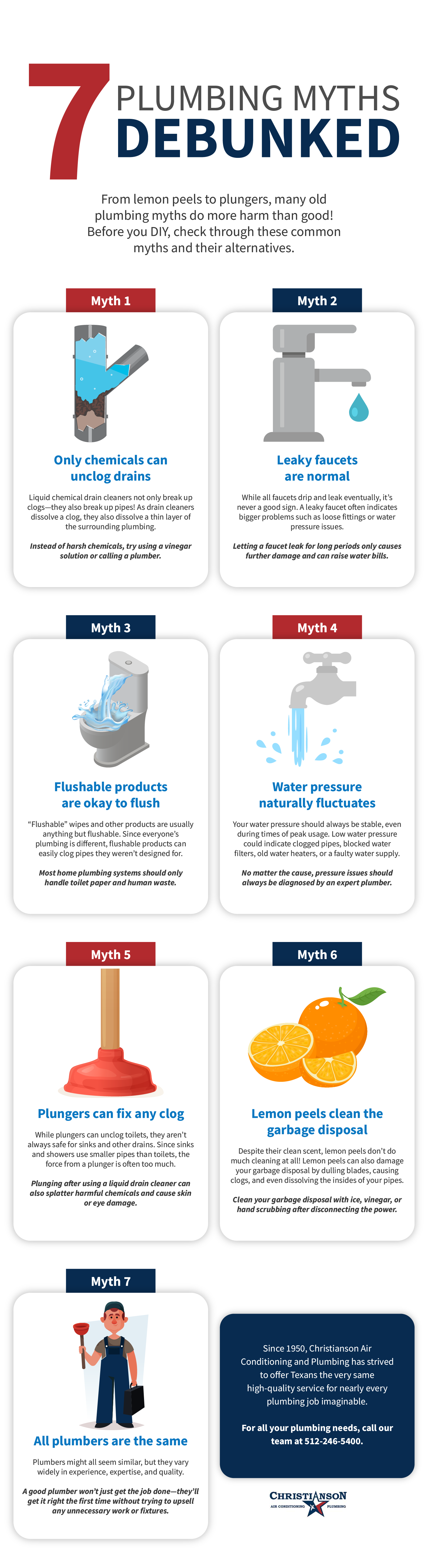
What to Look For in a Plumber

Posted on April 1st, 2021 by ChristainSon_Admin

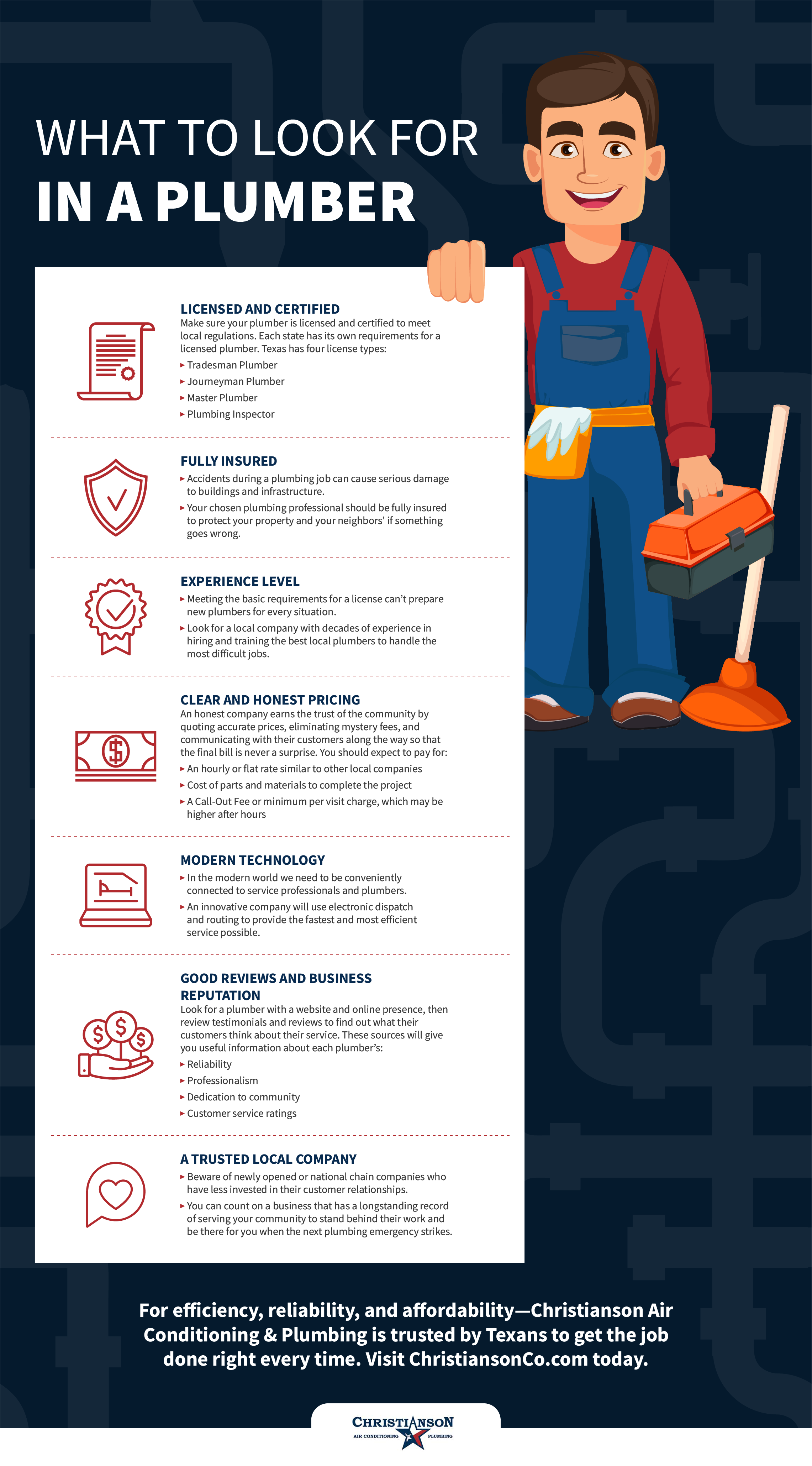
How do you choose the best plumber for your home or business? When a plumbing emergency arises, you will want the best plumber for the job, not just the nearest plumber or a local handyman. There are many things to check and questions to ask before you hire a professional plumber, which can be hard to remember when water is puddling or spraying all over your bathroom.

This resource is a quick reference to have handy before a plumbing emergency strikes. It will help to ensure the professional plumber you choose is licensed, insured, and fully qualified to fix your problem. For example, did you know that in Texas there are four different types of plumbers’ licenses? Or that if a bad plumbing repair damages your neighbor’s property, choosing a fully insured plumber would protect you?

The checklist below also highlights the advantages of plumbers who use modern technology to dispatch and manage their businesses, as well as the importance of customer reviews and online satisfaction ratings. Having one of the best local plumbers as a trusted part of your home maintenance team will protect your property and your peace of mind far into the future.

Things to Look For When Choosing a Plumber Infographic

ALT TEXT
 

Click below to embed this infographic into your website:


How Often Should You Change Your Furnace Filter?

Posted on March 24th, 2021 by ChristainSon_Admin

a mature air conditioning technician

How often should you change your furnace filter depends on a wide range of factors, including the type of furnace and air conditioning system you have installed, how frequently your HVAC system runs, your dust and pollen levels, and so on.

Why is it important to replace your air filter regularly?

The air filter is responsible for removing dust, pollen, pet dander, pet hair, dust mites, bacteria, spores, and other contaminants that float around in the air. Eventually, the air filter will accumulate these things in the filtration materials. As it does, the airflow through the filter will start to deteriorate.

If you do not replace your air filter regularly, your furnace or air conditioner will continue to run. Yet, it will run longer, work harder, strain, and increase your energy bills. The system could even overheat when airflow is almost fully cut off from a very dirty and clogged air filter.

Ensuring the air filter is replaced frequently helps keep your heating and cooling system running more efficiently, maintains better indoor air quality, and helps you get the most life out of your HVAC system.

How often should you change your HVAC system filter?

As a general rule, you should replace the filter every 90 days or 3 months. However, if you use fiberglass filters, then you need to change these every 30 days. Fiberglass filters are of a lower quality, so they quickly accumulate dirt, dust, and debris. Regardless of whether you use fiberglass or fabric-based pleated filters, you also need to account for various factors that could affect how often you need to replace your air filter.

What factors affect how quickly your air filter gets dirty?

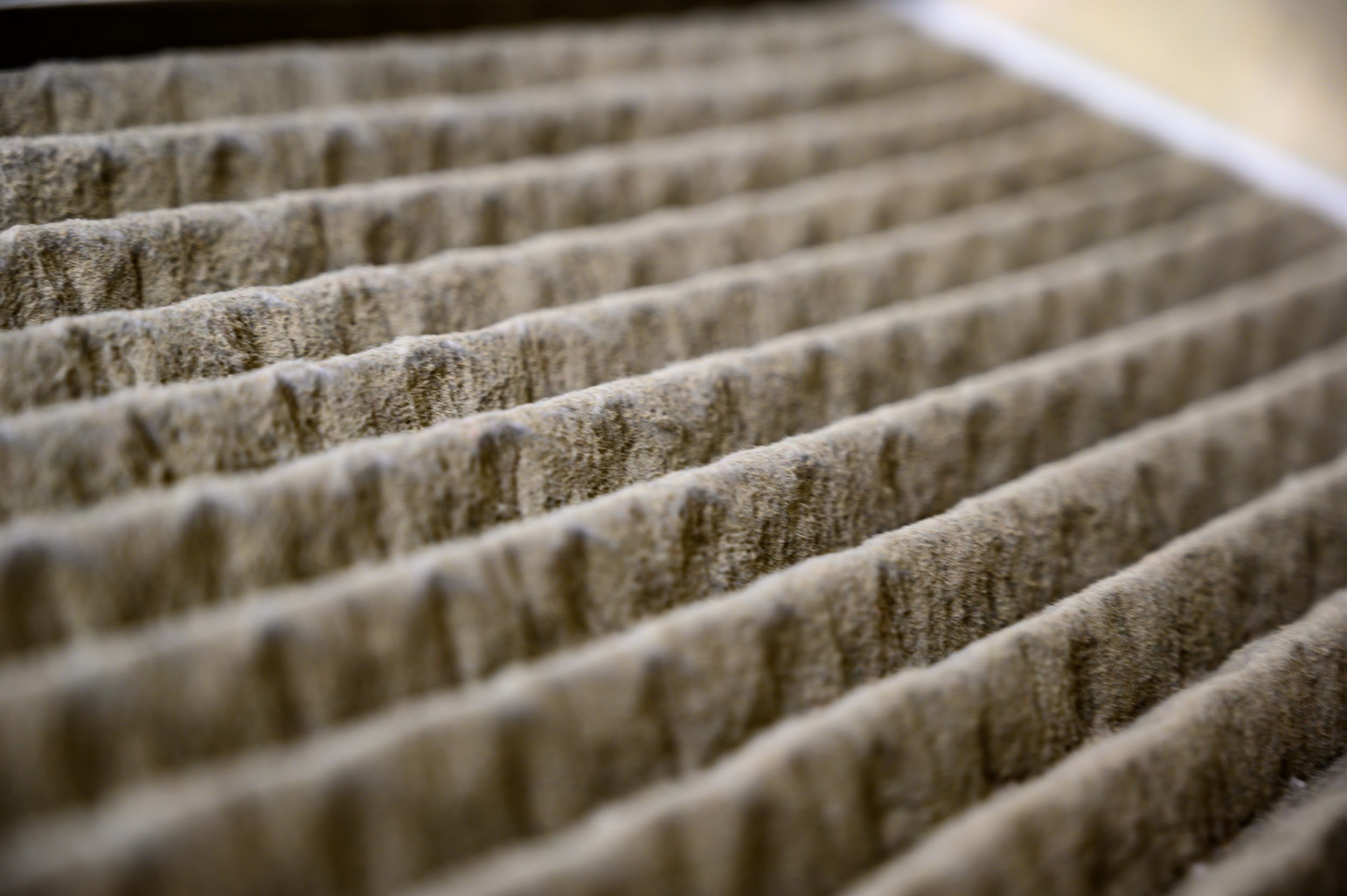
Dirty clogged air filter

Some of the more common factors that determine if you require more frequent filter replacement include:

  • The MERV Rating on the Filter: MERV ratings refer to the effectiveness of the air filter to remove particulate matter from the air. The higher the rating, the more effective the filter is, although higher-rated filters have smaller air holes and can clog more quickly.
  • How Often the HVAC System Runs: In Texas, you may not run your furnace much during the winter, so the 90-day general rule may not apply. However, during the hot Texas summers, your air conditioning can run constantly, so you may need to change the air filter more frequently.
  • The Size of Your Home: The larger the home, the more air that is circulated to heat and cool it. As such, your filter changes may need to occur more often.
  • The Number of Pets in Your Home: Homes with pets can require more frequent air filter changes since they can get clogged with pet hair and pet dander.
  • Certain Medical Conditions and Allergies: If you suffer from asthma or other respiratory medical conditions or have seasonal or other types of allergies, it is better to change the filter every 60 days.
  • Outdoor Air Quality: The outdoor air quality can influence the frequency of air filter replacements. In the spring, when pollen is a problem, you may want to change them more often. The same is true if there are extended periods where it is dry and dusty.
  • Home Renovation Projects: If you are renovating your bathroom, kitchen, or other interior areas, you will want to replace your air filter every few weeks to once a month, depending on the type of project, until it is completed.

As every household is different and will have different factors that influence the frequency of air filter replacement, it is best to do a visual inspection of fabric-based filters every month. Monthly visual inspections allow you to determine the proper filter replacement schedule for your home.

If you have any questions about air filter replacement or want to schedule an appointment for HVAC system maintenance in New Braunfels, Temple, San Antonio, or the Austin area, please feel free to contact Christianson Air Conditioning & Plumbing at 512-246-5400 today!

Tags: , ,


11 Warning Signs of a Slab Leak

Posted on March 18th, 2021 by ChristainSon_Admin

A slab is water leaking

Slab leaks are a special type of plumbing problem homeowners can encounter when their home is on a slab foundation. There are often plumbing lines installed under the concrete foundation during the construction process.

Access to these pipes is difficult and so, too, is slab leak detection by homeowners. As such, being aware of the warning signs of slab leaks is essential to be able to detect them sooner before they cause major water damages and damage the foundation of your home.

Sign #1: You can hear the sound of running water or dripping water.

If you hear the sound of running water or dripping water, it is worthwhile to attempt to pinpoint the cause. You need to make sure all faucets are turned off and then carefully listen.

You may need to get down on the floor and press your ear to it. If you hear running or dripping water, you will want to call a professional plumber for leak detection service.

Sign #2: You receive a high water bill.

If you haven’t changed the amount of water you use from one month to the next, yet you notice a spike in your water bill, this often indicates a leak of some sort. The leak may be under the concrete slab, in a wall, or through some other place that is not easily accessible.

Sign #3: You notice hot spots or cold spots on specific areas of the floor.

If you have hardwood, laminate, tile, or vinyl flooring in your home, you may notice a hot or cold spot in a specific location. Hot spots indicate a hot water line leak while cold spots indicate a cold water leak. It can be harder to notice these spots during certain times of the year.

Sign #4: There are wet spots on your flooring.

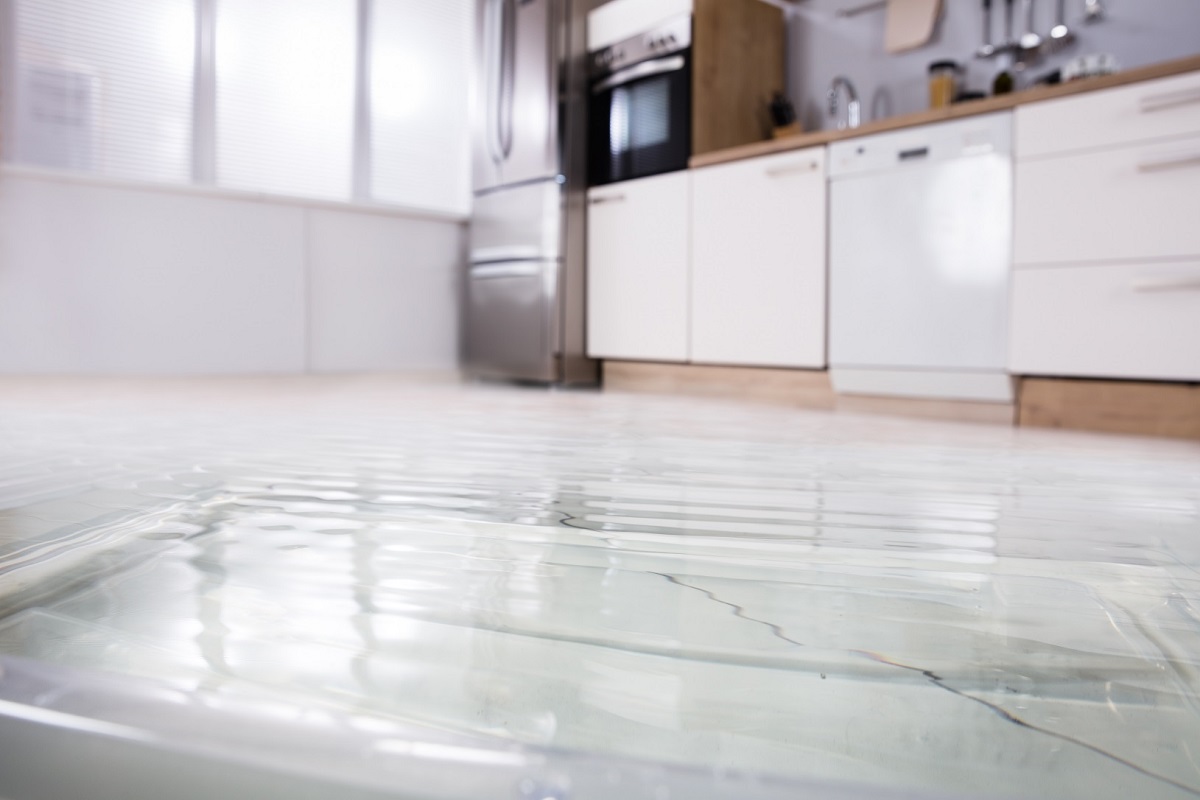
Flooded floor in kitchen from water leak

If you notice carpeting is wet in certain areas or see water coming up from in between the seams on other types of flooring, you probably have a slab leak.

Sign #5: Your flooring is bubbling in certain areas.

If you notice that parts of your flooring have bubbles in it, or it is buckling, and you see moisture or water, you probably have a leak under your slab.

Sign #6: You notice gaps appearing between the floor and walls.

This sign means the leak has been around for quite some time. As more and more water accumulates under the slab, it can cause erosion, resulting in the slab sinking into the ground and creating gaps between the floor and walls in your home.

Sign #7: You notice cracks in the concrete foundation.

If the foundation of your home is not covered you may notice cracks start to develop in it. While some cracking is normal, if you notice cracks getting bigger or feel moisture when touching the cracks, you have a water leak that needs to be fixed.

Sign #8: You notice your water pressure has decreased.

As water leaks out, it will cause a reduction in water pressure in the plumbing lines connected to the leaking pipe. If you notice your water pressure is not as strong in one area of the home but is fine in another area, the problem is isolated to that area.

Alternatively, if the pressure has decreased throughout the house, then the leak could be under the slab where the water main comes into the home.

Sign #9: You notice an increase in mold and mildew in certain areas of the home.

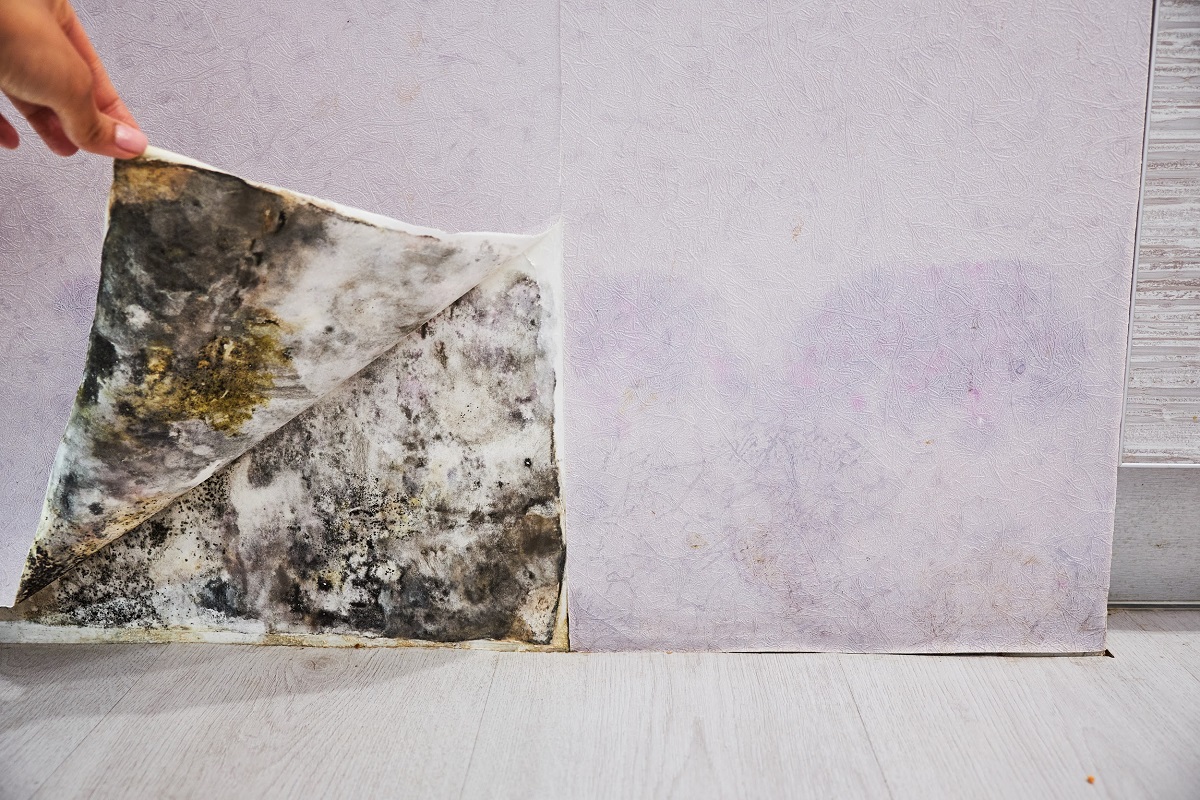
A shocked woman looking at mold on wall

Mold and mildew thrive in damp, moist, wet, and humid environments. When there is a slab leak, it helps create this ideal environment. Depending on the extent of damage to your home from the leak, you may only notice strong, unpleasant, musty-type odors. This is an indication it is time to start checking for leaks.

Sign #10: There are soft spots on your floor.

If you step on the floor and certain spots feel soft, this could indicate a slab leak. As water leaks out of the plumbing line, it will pool until it can cause erosion so the water runs and flows more freely. While it pools, it can be absorbed through the concrete and cause your subflooring to start to rot and decay.

Sign #11: You notice water flowing from the sides of your home.

If you walk around the perimeter of your house and notice there is water or wet areas at the foundation level, even though you haven’t run water or it hasn’t rained recently, you most likely have a slab leak.

Water Damage Slab Leaks Can Cause to Your Home

The extent of water damage can and does vary based on how long the slab leak has been present. Early detection is essential to avoid costly repairs to your home. These types of leaks can crack the foundation, cause sinkage and movement of the foundation, damage subflooring and flooring, and more.

What to Do if You Suspect a Slab Leak in Your Home

The first thing you can do is make sure all faucets and fixtures are turned off. Next, check your water meter and see if it is still moving. If it is, you have a water leak somewhere in the plumbing lines. For homes with well water and no water meter, wait to see if your well pump turns on; if it does, it often indicates a leak.

Your next step is to call a professional plumber for slab leak detection service. Your plumber will pinpoint the leak using various equipment. Once the leak is located, it will be repaired, along with any water damages.

For professional leak detection service and slab leak repairs in New Braunfels, Temple, San Antonio, and the Austin area, please feel free to contact Christianson Air Conditioning & Plumbing by calling 512-246-5400 today!


How Long Can I Expect My Hot Water Heater to Last?

Posted on February 24th, 2021 by ChristainSon_Admin

Just like other appliances in your home, your hot water heater will eventually wear out and need to be replaced with a new water heater. In general, water heaters will typically last around ten years to fifteen years.

Factors That Affect How Long Hot Water Heaters Last

Not all water heater models will last this long. “How long do hot water heaters last” is a question affected by several different factors, including:

Where is the water heater located?

Water heaters that are in the garage or crawl space will work harder to produce hot water. Since they have to work harder, it can shorten the lifespan of the water heater. Ideally, you want the water heater installed in a controlled environment.

What is the quality of your water?

If you have hard water, this will definitely shorten the lifespan of your water heater. Hard water will leave calcium and mineral deposits on the heating elements inside the water heater. Eventually, the buildup becomes so bad, the water heater cannot efficiently make hot water.

What type of water heater do you have in your home?

A tank-style water heater typically has a shorter lifespan compared to a tankless model. Traditional tank-based heaters deteriorate faster from having to store and maintain pre-heated water at the desired temperature. With tankless water heaters, hot water is created on demand so there is not much as a strain on the heater. Some tankless models have lasted as long as 20 years or more!

How does the water heater make hot water?

Electric water heaters tend to not last as long as gas water heaters. This is because natural gas is more efficient at heating water. With electric heaters, there are heating elements and other components that are required to heat the water. These parts and components tend to wear out much faster, becoming corroded or calcified.

Do you have water heater maintenance performed regularly?

Water heaters do require regular maintenance to maintain efficient operation. Ideally, you want to have your water heater serviced annually. Additionally, regular maintenance may be required as part of your warranty coverage.

How to Make Your Water Heater Last as Long as Possible

There are a few simple things you can do to help extend the life of your water heater, as follows:

  • Have your plumber perform annual maintenance on your water heater. Annual maintenance can help identify potential problems and resolve them before they become major repairs.
  • Have a water softener and filtration system installed if you have hard water. Soft water won’t leave deposits and buildup inside the water heater.
  • Insulate your tank-style water heater so it doesn’t have to work as hard. Have your plumber install insulation around the water heater to reduce heat loss.

Signs It Is Time to Replace Your Water Heater

As your water heater is nearing the end of its life, it will start to exhibit certain signs to give you fair warning it is time to start thinking about getting a new water heater. Some of the more common ones include:

  • The water heater keeps running out of hot water.
  • The water heater cannot keep up with your home’s hot water demands.
  • There is sediment buildup inside the water heater.
  • The bottom of the tank is rusting or leaking.
  • You are taking more cold showers than hot showers.
  • You hear popping, snapping, and cracking sounds coming from the water heater.
  • You notice rust is coming out of your faucets when using hot water.
  • You notice warm water, not hot water, coming out your faucets that quickly turns to cold water.

There are also a few replacement situations you need to be aware of that are potentially dangerous and hazardous:

  • If you hear the water inside the tank boiling, you need to shut off the power and gas, if applicable, to the heater and call your plumber immediately.
  • If you notice the pilot light will not stay lit, or you hear small exploding noises when your gas water heater turns on, shut off the gas and power to the water heater and call your plumber.

What Water Heater Replacement Options Are Available?

Water heater replacement options include tank-style water heaters and tankless water heaters. Both are available in electric and gas models. Tankless models tend to be more energy-efficient and environmentally friendly since the heater only makes hot water when you need it.

Deciding what replacement option is best for your home does depend on your hot water needs and the volume of hot water you use daily. For further assistance and help choosing the best water heater replacement for your home, or water heater repairs and maintenance, please feel free to contact Christianson Air Conditioning & Plumbing at 512-246-5400 today!

We can also take care of all your other plumbing, heating, and cooling needs in San Antonio, Temple, New Braunfels, and the Austin Metro area.

Tags: , ,


The Top 9 Common Plumbing Emergencies and What to Do

Posted on February 19th, 2021 by ChristainSon_Admin

Plumbing sure has come a long way over the past century. We have gotten used to having hot and cold running water. We have indoor flush toilets. We enjoy being able to wash dishes in the dishwasher. Laundry is a breeze when you simply toss dirty laundry into the washing machine. We can even get ice and cold water out of our refrigerators.

In more recent years, many of these appliances have adopted smart technologies to make them even more convenient. For instance, your washing machine will notify you via text when the wash cycle is done and the clothes are ready to go into the dryer.

Yet, when things go wrong, that is when we remember just how convenient modern plumbing has become. Some of the more common plumbing problems and plumbing emergencies you can encounter include:

#1: Clogged Sinks

The clogged kitchen sink

Clogged sinks can occur for a variety of reasons. Bathroom sinks clog from an excess buildup of soap, shaving gel, hair, toothpaste, and other such things that get rinsed down the drain. Kitchen sinks clog up from grease, food particles, soap, and anything else that gets put down the kitchen sink or garbage disposal.

What to Do to Fix Clogged Sinks

It might seem tempting to use a store-bought drain cleaner and clogged drain remover product. However, we strongly recommend not using these items. They can contain harsh chemicals that are not good for your plumbing or the environment. Not to mention, they are not designed to remove every type of clog.

The best way to fix clogged sinks is with some elbow grease and a good old-fashioned plunger. If plunging does not work, then you are probably due for a more detailed drain cleaning service from your local plumber.

#2: Clogged Toilets

Clogged toilets are another common plumbing problem. Clogs can occur from using too much toilet paper. If you flush items that you are not supposed to like paper towels, feminine hygiene products, disposable diapers, and so on down the toilet, it will eventually clog.

Another common cause for toilet clogs is when toddlers become fascinated with the toilet when potty training. They might decide to flush small toys, tons of toilet paper, and other such things down the toilet, leading to a clog.

What to Do to Fix Clogged Toilets

Just like clogged sinks, the best way to fix clogged toilets is using a plunger. You will be able to tell when the clog starts to work loose, as the water and anything else in the toilet bowl will quickly drain away. If the clog quickly returns or you cannot remove it using a plunger, you will want to call a plumber.

#3: Hot Water Problems

If you wake up to a cold shower, you have a hot water problem. No hot water means something is wrong with the water heater. If it is an occasional problem, as when everyone took a shower that morning, you may need to upgrade to a larger water heater.

What to Do to Fix Hot Water Problems

There are a few things you can do before calling an emergency plumber. Start by checking to see that your water heater is on and the pilot is lit if you have a gas water heater. If the power got switched off or the pilot is not lit, turn it back on and relight the pilot.

Check the breaker switch, too, as this can sometimes need to be reset. If you notice the breaker switch keeps blowing, you will want to call your plumber.

Check the settings on the water heater. If they got turned down, as when you go on vacation and forget to turn the settings back up, you could easily run out of hot water more quickly.

If the power is on and the pilot is lit and the water heater will not run, then this is a problem best left to a professional plumber to fix.

#4: Sewer Backup Problems

If you hear gurgling sounds coming from the drains in your home or notice raw sewage coming up the drains, you have a sewer backup problem. Another common sign of a sewer problem is if there is a section of your yard that is constantly wet.

What to Do to Fix Sewer Backup Problems

Troubleshooting sewer backup problems requires help from your plumber. They can perform a camera inspection to find the source of the problem to determine how to fix it. You could have tree roots that grew into the sewer line and created a clog. There could also be a backflow problem if the backflow preventer failed.

#5: Running Toilet Problems

If you notice your toilet runs occasionally or constantly, this indicates a running toilet problem. The most common cause is when the toilet flapper wears out and is no longer sealing correctly.

What to Do to Fix Running Toilet Problems

You could attempt to replace the flapper yourself if this is the culprit. However, there could be other problems with other seals and rings that connect the water tank to the toilet bowl. To have the problem fixed correctly, call your plumber.

#6: Leaking Toilet Problems

Toilet leaks can occur when the toilet wax ring starts to wear out. You may notice water running out from underneath the toilet. Another toilet leak problem is when water is dripping onto the floor from the water tank.

What to Do to Fix Leaking Toilet Problems

To fix leaking toilets, you need to find the source of the leak. Once you do, you will have to shut off the water to the toilet, drain the water, and take the toilet apart to make repairs. Since this can be a rather complex repair, most people call their plumber for assistance.

#7: Water Pressure Problems
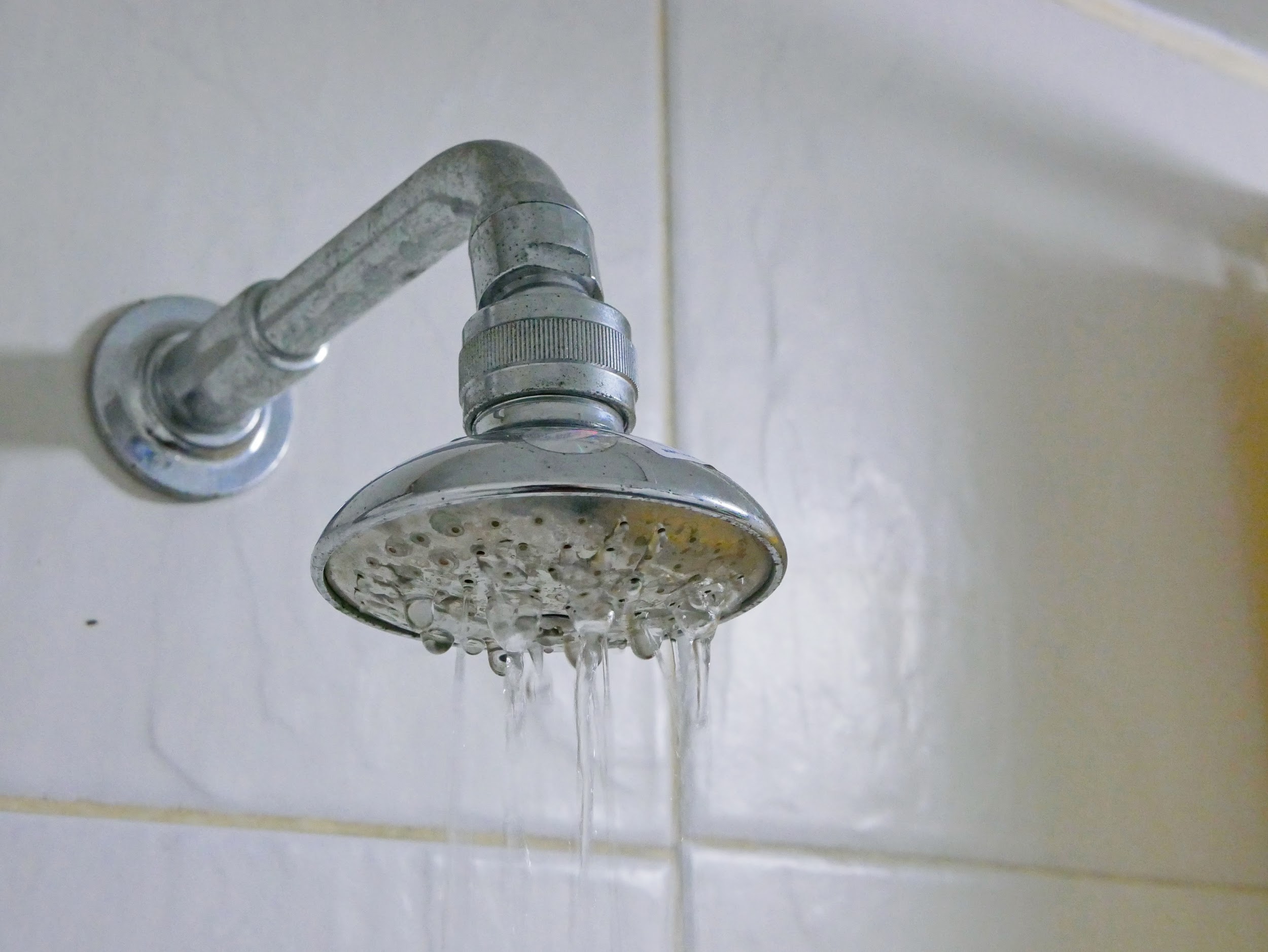
partly clogged shower head in a bathroom

Most modern homes have water pressure regulators installed to help maintain proper water pressure without blowing out pipes, fittings, and other plumbing fixtures. If you notice the water pressure in your home drops, this could be caused by a failed pressure regulator. There could also be a blockage in the water supply line that is restricting water flow.

What to Do to Fix Water Pressure Problems

Fixing water pressure problems is best left to your plumber. Finding the source of the problem can be difficult if you are not familiar with your home’s plumbing system.

#8: Burst Pipes

If the weather gets too cold and the water line and pipes freeze, they can burst. Burst pipes require an emergency plumber to fix.

What to Do if You Have Burst Pipes

The first thing you need to do is shut off the water main to stop water from flowing into the home. You will want to try to clean up as much water as you can to limit water damages. After your plumber fixes the burst pipes, consider having your pipes insulated to prevent this problem in the future.

#9: Water Leaks
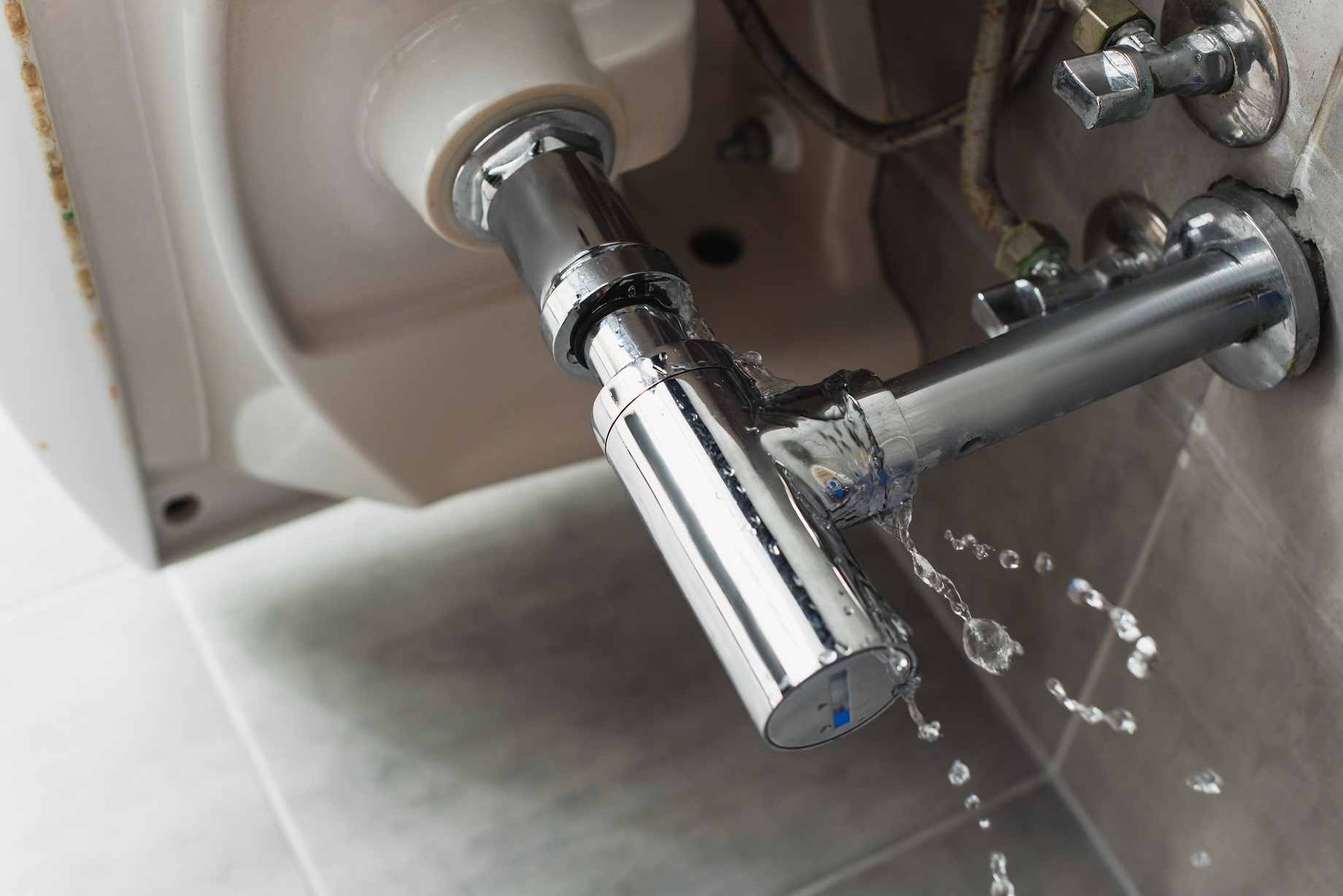
Leaking steel pipe under sink with water drops

Water leaks can occur when the pipe fittings start to wear out or come loose. You could also experience a water leak if there is a small crack in the plumbing pipes. Water leaks can be difficult to notice until there is serious water damage to your home.

What to Do if You Have Water Leaks

One telltale sign of water leaks is if you notice your water bill skyrockets even though your normal water usage has not increased. Another sign of water leaks is if you hear dripping water but cannot find the source.

To fix water leaks, you will want to call your plumber. They have special tools they can use to find the source of water leaks, as they are often hidden behind the walls or ceiling in your home.

Other Common Plumbing Problems

Besides these top 10 plumbing problems, there are others you may experience that constitute plumbing emergencies, such as:

  • Your hot water heater is leaking water.
  • A faucet is severely dripping or will not shut off.
  • Your dishwasher is leaking water.
  • Your washing machine is leaking water.
  • Your washing machine hoses are leaking or burst.
  • Your automatic washing litter box is leaking or won’t drain.
  • Water is leaking from behind the refrigerator where the water line c

For these types of plumbing problems, you will want to shut off the water supply to the affected appliance or fixture until your plumber can make the appropriate plumbing repairs.

When you require emergency plumbing in New Braunfels, Temple, San Antonio, or the Austin Metro Area, please feel free to call Christianson Air Conditioning and Plumbing at 512-246-5400 today! Our emergency plumbers are available 24/7, including weekends and holidays.


How to Choose the Right Bathroom Fixtures for Your Home

Posted on February 1st, 2021 by ChristainSon_Admin

Upgrading your bathroom fixtures can significantly improve your standard of living. By installing new fixtures, you can improve your energy efficiency, eliminate wasteful leaks, and make the area look better. A good bathroom makeover can also increase your home’s resale value.

Choosing bathroom fixtures is ultimately up to your preferences. Even so, you should be aware of the differences among the various options out there. With that in mind, here’s a brief guide to modern bathroom plumbing fixtures.

Shower

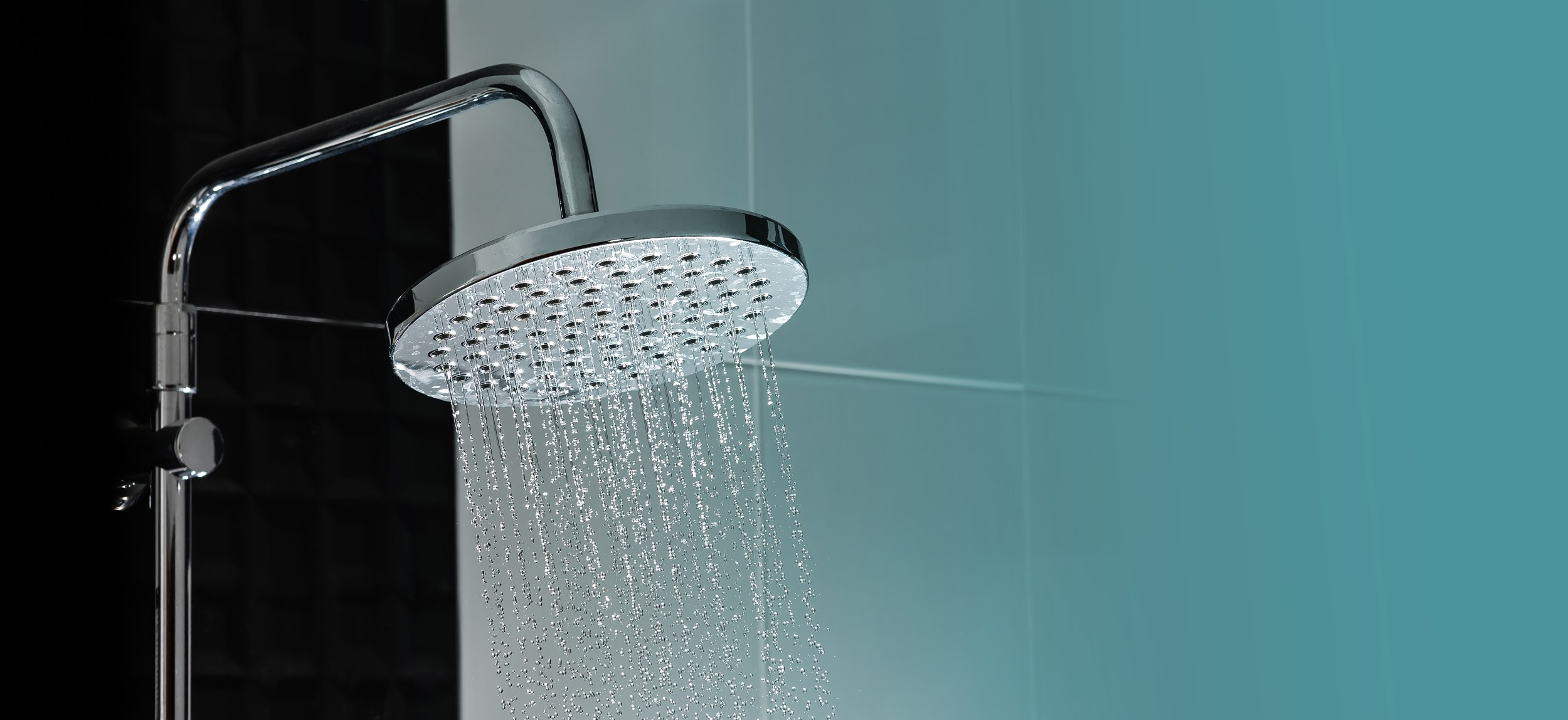
Water flowing from shower in the bathroom interior

The right shower head can make a world of difference. Your options for your tub and shower include the following:

Rain shower head – This is basically a shower head that is positioned directly over the head of the bather and “rains” water directly down, rather than shooting it at a 45-degree angle as with a conventional shower head. They are often installed in the ceiling, but wall-mounted rain shower heads are available that can accommodate standard shower pipes.

Many people find that these shower heads provide a relaxing experience, and they’re useful for those with limited mobility because there’s no need to turn around to expose the full body to water.

Sliding bar shower head – This is a shower head that is fitted onto a vertical bar attached to the wall. It can be easily slid up or down according to the bather’s preferences. The sliding bar shower head is especially helpful for households with people of widely varying heights (e.g., those with small children).

If you’d rather just get a standard old-fashioned sort of shower head, that’s certainly an acceptable option. You might want to look into a shower head that has EPA WaterSense certification, which indicates a model with at least 20% better water efficiency than comparable products on the market. Shower heads with the WaterSense label use a maximum of 2.0 gallons per minute.

Toilet

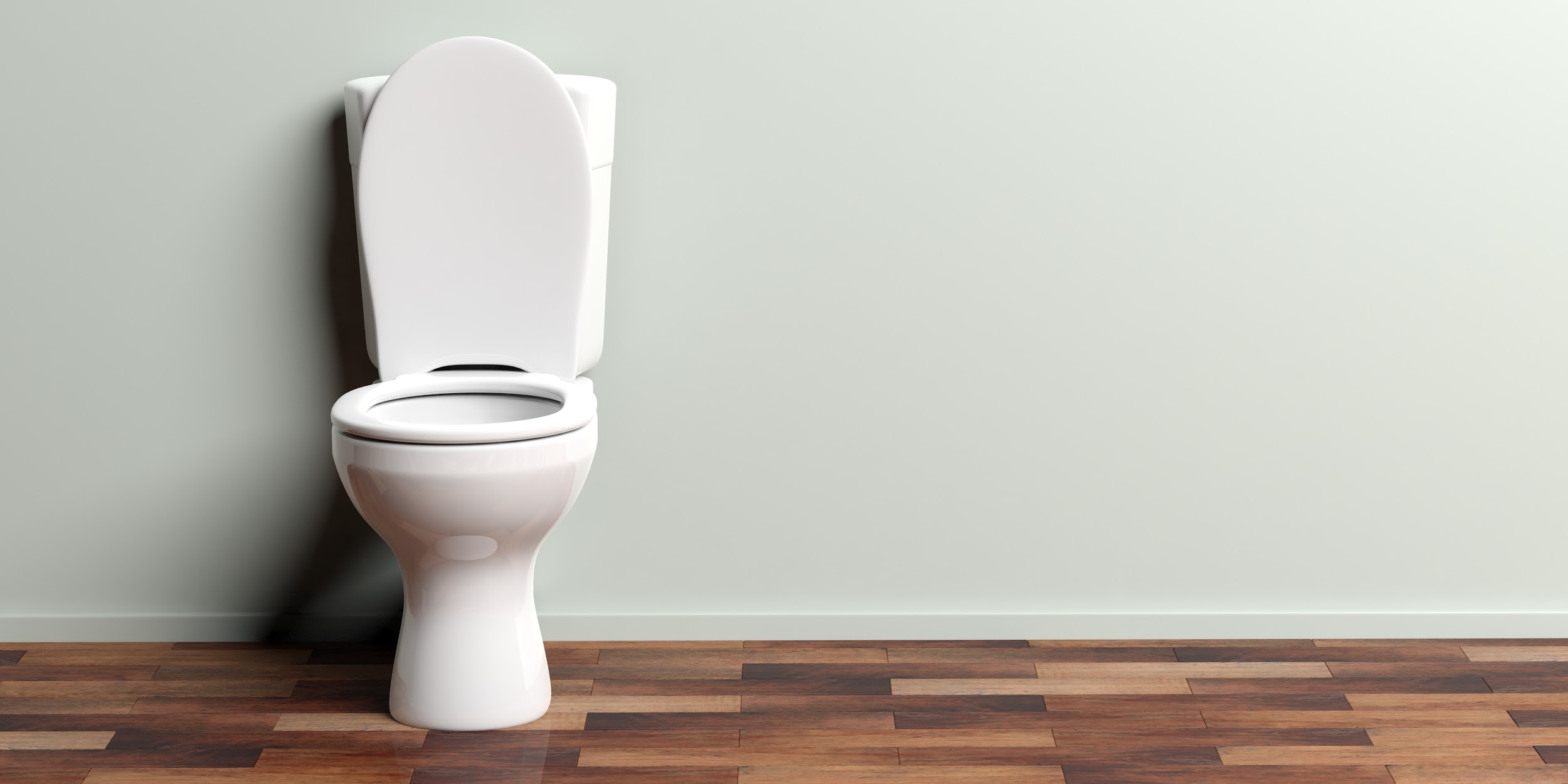
white toilet bowl on wooden floor

When it comes to toilets, you need to decide whether you’ll get a one-piece or a two-piece model. What’s the difference? In a two-piece toilet, the tank and the bowl are separate parts that must be connected during installation, while a one-piece toilet is a solid, complete structure.

One-piece toilets are increasingly popular these days due to their sleek appearance, and they’re easier to maintain. They are, however, more expensive than traditional two-piece models. It’s also true that two-piece toilets are easier to install and, when needed, to relocate from one place to another.

You also need to decide on a round-front or elongated toilet. How do you know which is which? Viewed from above, round-front toilets have a circular shape, while elongated types are egg-shaped.

The elongated types tend to be more comfortable and use less water. Unfortunately, they’re the more expensive of the two kinds, and due to their size they tend not be well suited to small bathroom spaces. If you don’t have much room to work with, you may have to opt for a round-front toilet.

The height of your toilet is an important factor that many homeowners overlook. If you or someone in your household suffers from physical disability, you may want to look into getting what is called a comfort height toilet, which is two to four inches taller than the standard toilet. These toilets are helpful for very tall people as well. If you live with someone who is disabled, it is important to factor in all changes to your home so that it makes it easier for them to navigate, as there can be a lot of difficulty in everyday things. You may want to also look at In Home Care Services For Disabled Adults & Children to see how else they can be helped, especially if there is something within the home that cannot be modified for them and they need extra help using it.

Sink

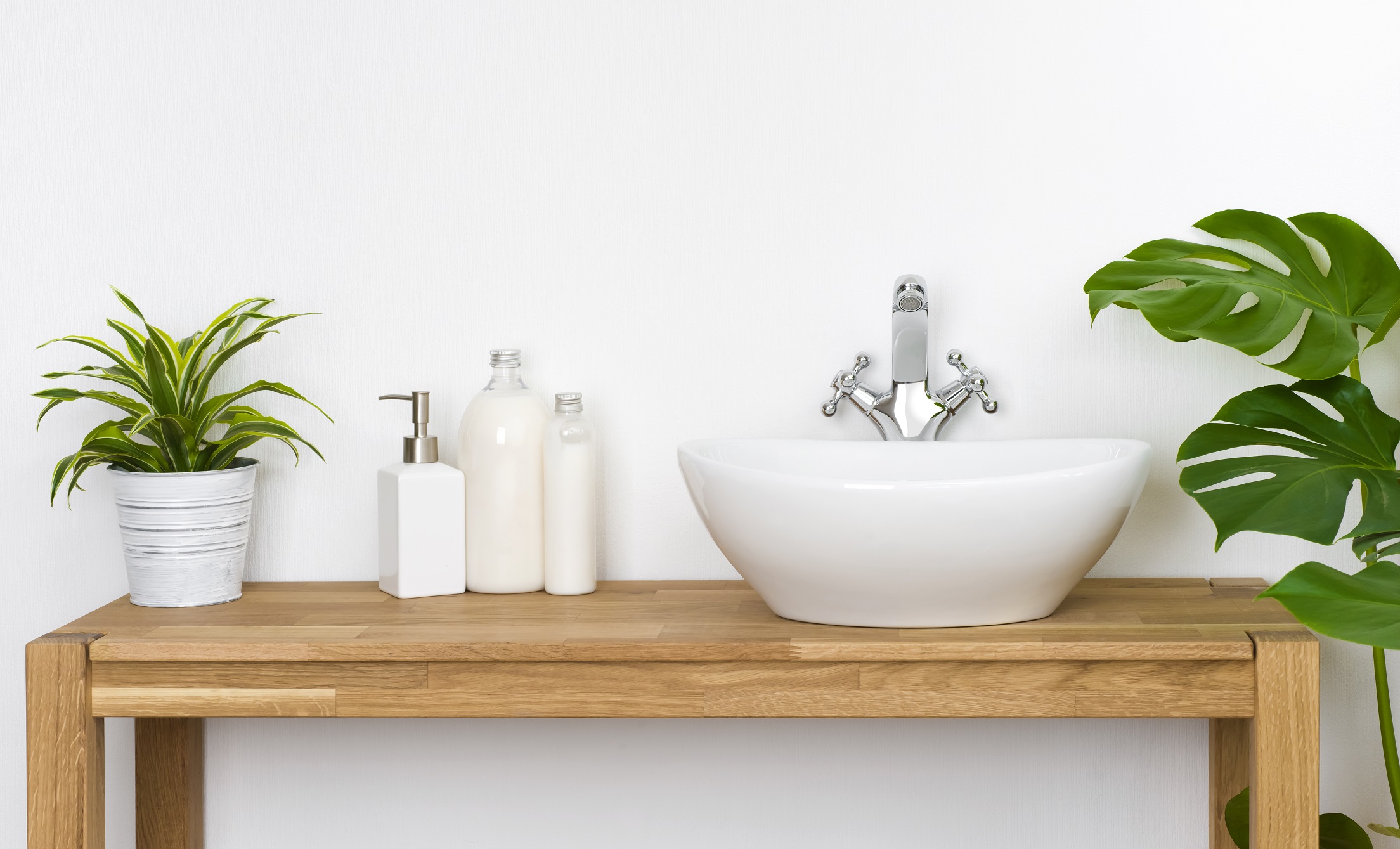
Bathroom wooden table with washbasin, faucet, plants and soap bottles

Many homeowners love having an attractive, stylish sink in the powder room. If that describes you, we have good news, because there are multiple options for you to consider, including:

Vessel sink – This is the name of those snazzy-looking sinks that sit atop the bathroom counter, rather than being positioned inside it. They’re easy to install and replace, but they can be tricky to clean properly, particularly in the area where the bowl and counter meet. They’re also prone to splash issues, especially if there’s high water pressure, so get a faucet with a low flow rate.

Pedestal sink – This is a type of sink that is positioned on a stand and attached to a wall. They’re an ideal option if you want to conserve space. They also offer the benefit of being easy to maintain.

Wall-mounted sink – As you’ve probably guessed, this type of sink is attached directly to the wall, with no need for a counter. It is similar to the pedestal sink, except that no part of it reaches the ground. This feature makes it useful for people in wheelchairs, as these mobility aids can be easily positioned underneath the sink.

Sink Faucets

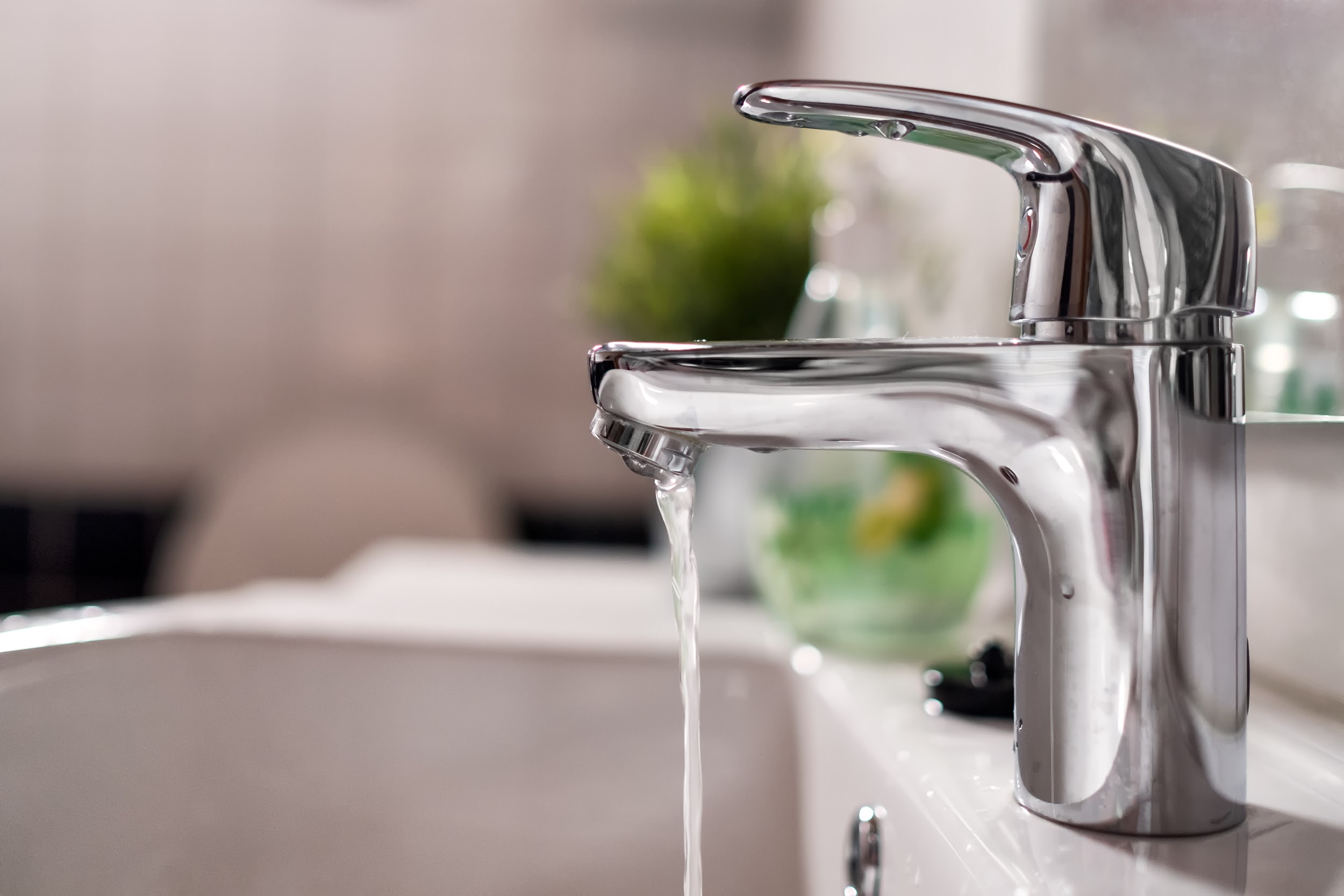
Cold water flowing from faucet in clean bright bathroom

The faucet is another fixture that comes in a wide range of varieties. For instance, you have access to a number of finishes to complement your overall bathroom design: stainless-steel, nickel, bronze, chrome, and more. However, it’s important to understand that some bathroom sinks can’t accommodate certain types of faucet styles.

Your faucet options are partly determined by the number of holes that are drilled behind your sink: some bathroom setups have three holes, others only one. If you have a three-hole setup, the space between the holes is another factor that might come into play. You might want to consult with a plumber prior to deciding on what faucet you’ll be purchasing.

Bathrooms with one hole in the wall are pretty much restricted to single-hole faucets, where the handle is typically built right into it. The widespread faucet-where there’s two water handles separate from the faucet on each side-is a common choice for three-hole setups, but it requires a lot of space.

Touchless faucets allow the user to turn them on without needing to make contact with a handle or knob. For that reason, they tend to be more sanitary than the typical faucet. They also work well for elderly persons or anyone who has issues with hand grip. If you have one or more people in your household who fit that description and you don’t want to go touchless, consider installing a joystick handle or lever handles rather than knobs.

Not certain what options work with your bathroom? Call Christianson Air Conditioning & Plumbing. Since 1950, we’ve provided high-quality plumbing services to customers throughout Central and South Texas.

We offer quality plumbing remodeling services that can give you the kind of bathroom that fits your house and your tastes. Let us handle your remodeling project.


9 Signs You Have a Sewer Problem and Require Sewer Repair

Posted on January 24th, 2021 by ChristainSon_Admin

Sewer line problems are not something you should ignore since they do not go away without sewer repair services. There are several indications you should be aware of that could indicate you have a serious sewer problem.

Sign #1: Your toilet seems to clog up quite frequently.

If you notice your toilet is clogging more and more, even though the waste in the toilet bowl does not seem like it is enough to cause a clog, you could have a sewer line problem. Sewer clogs develop over time. Initially, the clog could start small, such as when tree roots are growing through the sewer pipe. As the roots thicken and get bigger, clogs start occurring more often.

man digging tree roots out of an old ceramic sewer pipe in a hole

Sign #2: You hear gurgling sounds coming from your drains or toilet.

When water is running down a drain in one room and you hear gurgling coming from a drain in another room or the water in the toilet bubbles, this is a good indication there is a sewer line problem. The water is not draining correctly and is creating air that is being forced back up another drain line.

Sign #3: You have a patch of lawn that is lush and greener than the rest.

A common sign of a sewer line break or crack is when you notice a section of the lawn is greener than the rest. Another indication is if you walk in that area and the grass is wet, even though it has not rained or you haven’t watered the lawn.

Sign #4: All the drains in the home drain slowly.

All the drains in your home exit out through the same main sewer line. Some newer homes will have two lines—one for sewer waste from the toilet and one for gray water. So, your toilet might flush fine. Yet your drains could be draining slowly. This is a sign there could be a clog forming in the main sewer line.

Sign #5: Sewer waste is coming up the drain line at the lowest point in the home.

If you see and smell sewer waste coming up a drain line, you have a sewer backflow problem. There could be a break in the sewer line or another blockage that is causing the backflow. In extreme cases, the waste could backflow up multiple drain lines like the shower in the bathroom and a utility sink in the laundry room.

Sign #6: You smell foul odors coming from the drain lines.

If you notice your home is taking on the smell of rotten eggs, or it smells like someone has had an ongoing case of flatulence that won’t stop, you most likely have a sewer problem. You should never smell bad odors from the drain lines in your home other than occasionally, such as when you just ran something down the garbage disposal that had turned into a science experiment in the refrigerator.

Sign #7: You notice a new crack in your foundation.

As new homes settle, some cracking of the foundation is normal. Yet, if you notice new cracks forming, this could be caused by a broken sewer pipe and water washing away the soil underneath the concrete foundation.

Old plaster wall with cracks

Sign #8: Water is coming out of the cracks in your foundation.

Another indication of a sewer line problem is when water starts coming in through the cracks in the foundation. You need to get this problem fixed immediately to avoid structural damages to the home.

Sign #9: A sinkhole is forming.

One cause of sinkholes is when the sewer line is collapsing. As it does, the surrounding area starts to sink into the ground. If you notice areas of your lawn, driveway, or sidewalk that seem to be lower than the rest, this could mean a sinkhole is starting to form.

As you can see, there are several signs of a sewer line break and sewer line problems that require sewer repair service, including sewer line replacements. If you notice any of these signs, call Christianson Air Conditioning & Plumbing at 512-246-5400 to schedule a sewer line inspection in Temple, New Braunfels, San Antonio, or the Austin Metro area today!

Tags: , ,


Copyright © 2025 Plumbing & Air Conditioning Company - Austin, TX

Licenses M-18631, M-18632, LI15740, TACLA023749C

Regulated by The Texas Department of Licensing and Regulation

P.O. Box 12157, Austin, Texas 78711, 1-800-803-9202, 512-463-6599, Website: http://www.tdlr.texas.gov