Tips from Your 24-Hour Plumber on Protecting Your Home’s Plumbing from Pets


Pet owners love their pets, and many treat them like a member of the family. Some cats and dogs will want to get into the shower or tub with you. Some cats also like playing with water as it comes out of the faucet. Both cats and dogs can drink water out of sinks and toilets if given the opportunity.

Whether your pet loves or hates water, there are several pet-proof plumbing tips you need to know to help keep your pet and your plumbing safe.
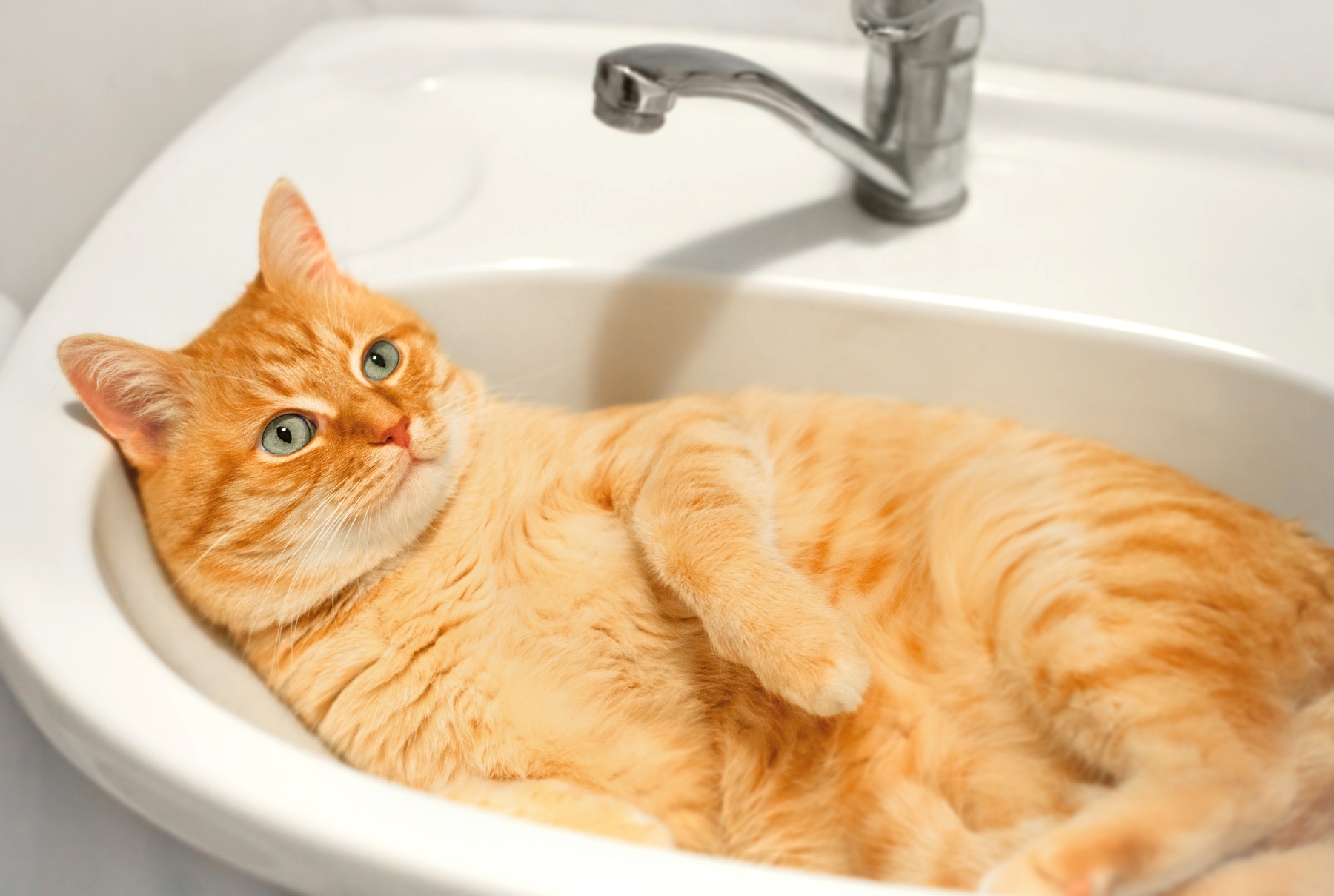
Cute red cat lies in the washbasin

Tip #1: Install a childproof lock to the toilet bowl lid.

One of the biggest mistakes pet owners make is allowing their pets to drink water out of the toilet. To put this in perspective, ask yourself if you would drink the water out of the toilet. There can be bacteria, germs, and human waste left in the bowl that your pet is ingesting. Not to mention, chemical residues from cleaning products.

Tip #2: Never flush kitty litter or cat waste down the toilet.

It might seem like a good idea when scooping out the litter box to simply toss the kitty waste into the toilet and flush it away. Even if the litter brand says it is flushable, it can still wreak havoc on your plumbing. Kitty litter is designed to absorb moisture.

When it absorbs too much moisture, it becomes clay-like. This clay-like substance can stick to the interior of drainpipes. Eventually, the litter can build up and cause clogs. It is better to recycle plastic grocery store sacks for disposing of cat waste and tossing it into the trash.

Tip #3: Use drain screens in the tub and shower to catch hair.

To prevent the excess pet hair your cat or dog sheds from going down the drain when they get into the tub or shower, make sure you are using drain screens. The screens catch the excess hair so you can remove it and toss it into the trash. If you don’t use drain screens and let all that hair go down the drain, eventually you will end up with a clog and need to call a 24-hour plumber for help.
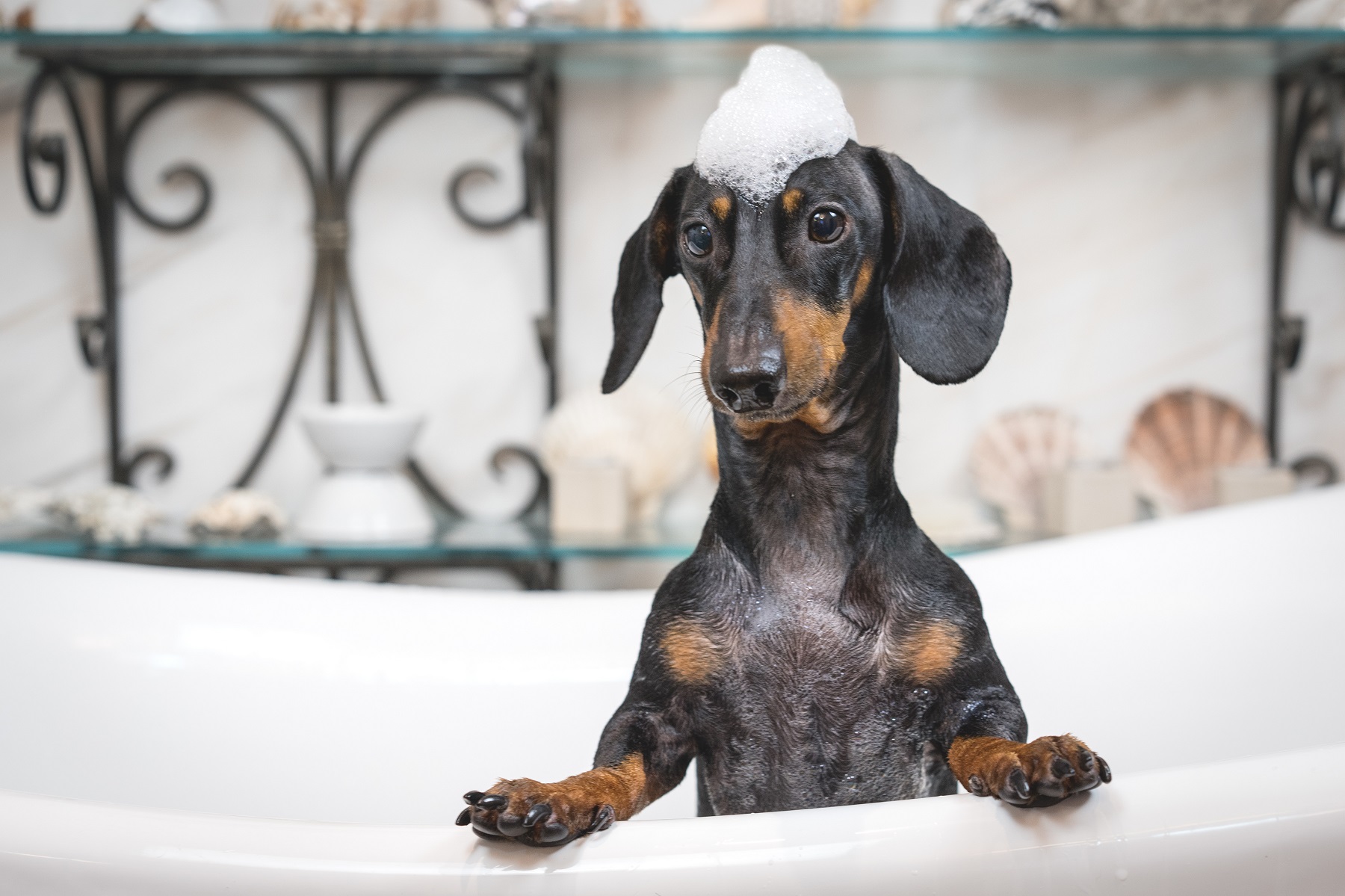
A little dog taking a bubble bath with his paws up on the tub

Tip #4: Protect exposed pipes from your pets.

EX and plastic pipes can become your pet’s favorite chew toy, especially for puppies, if they can easily access them. If they can get under sink cabinets or access pipes in a crawl space, you need to make sure they are covered. There are different types of pipe wraps you can use that will deter your dog from chewing on them. Additionally, you can also discipline him by training him. You can use chew toys for pets to teach them what is an acceptable thing to bite on. You can also take the assistance of a trainer, who you can find online by searching for Puppy Training Classes Newcastle or another location.

Furthermore, if you see a pipe leakage because your pet chewed it off, you can contact a plumber immediately to reduce the chances of flooding.

Tip #5: Establish outdoor play areas away from underground plumbing lines.

Pets like to dig, especially dogs. Some dogs will start digging a hole and continue digging it deeper and deeper. The last thing you need is for your pet to uncover your underground plumbing lines and accidentally break the water supply or sewer line.

By using these useful plumbing and pet tips, you can avoid costly plumbing repairs later. If you need help wrapping exposed pipes or pet-proofing plumbing, please feel free to call Christianson Air Conditioning & Plumbing at 512-246-5400 today!

We have locations in San Antonio, Austin Metro, New Braunfels, and Temple, and we offer 24-hour plumbing service for emergencies.
Flushable Wipes and Bathroom Plumbing: What You Need to Know

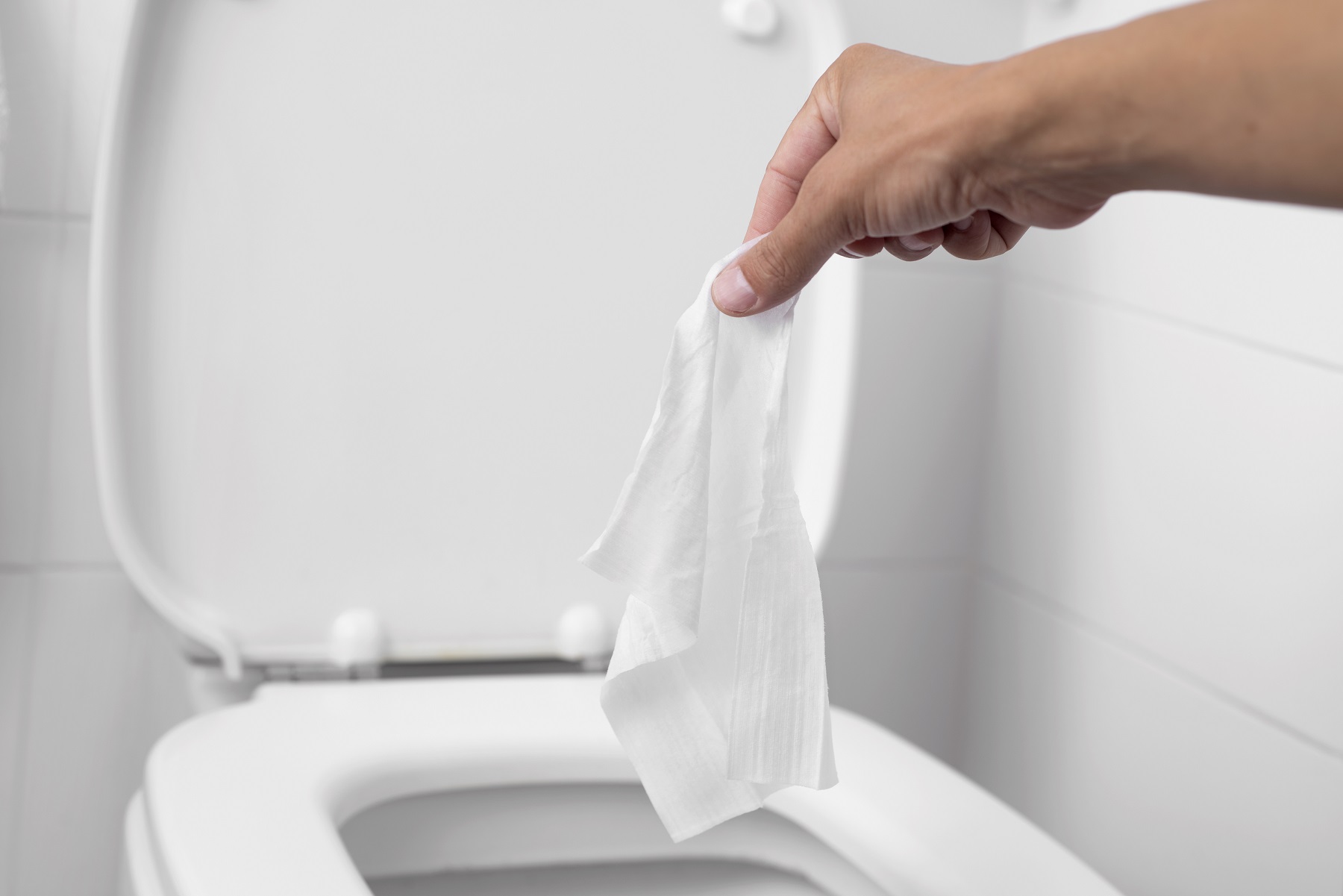
Flushable wipes are all the rage when it comes to freshening up after using the bathroom. Sadly, many people toss these wipes into the toilet and flush them away. Yet, flushable wipes are not as friendly to your bathroom plumbing and sewer lines as you might think. Eventually, the wipes can build up in the plumbing lines and sewer lines, create a clog, and require a call to a 24-hour plumbing service.

Baby Wipes vs. Freshening Wipes

man throwing a wet wipe to the toilet

If you walk down the diaper and paper products aisle at your grocery store or big-box retailer, you will notice there are several options of baby wipes and freshening wipes. There are some key differences between the two products.

Baby wipes were never meant to be flushed down the toilet. Rather, they were meant to be used to clean up your baby and then tossed in the trash, along with the disposable diaper. Yet, some brands now say they are “flushable” and safe for plumbing. However, they are not. They are thicker than regular freshening wipes.

Most freshening wipes are marketed as “flushable,” “septic safe,” and “sewer system safe.” While they are thinner than baby wipes, they do not break down as fast as toilet paper. It can take years for them to start to degrade. Since they can clog up plumbing like baby wipes, they should not be flushed down the toilet either.

How Baby Wipes and Freshening Wipes Clog Bathroom Plumbing

You might be thinking that wipes are just small pieces of paper not much bigger than several sheets of toilet paper, so how could they possibly clog bathroom plumbing and sewer lines? When you flush the toilet, the toilet paper starts breaking down right away and falling apart into smaller pieces.

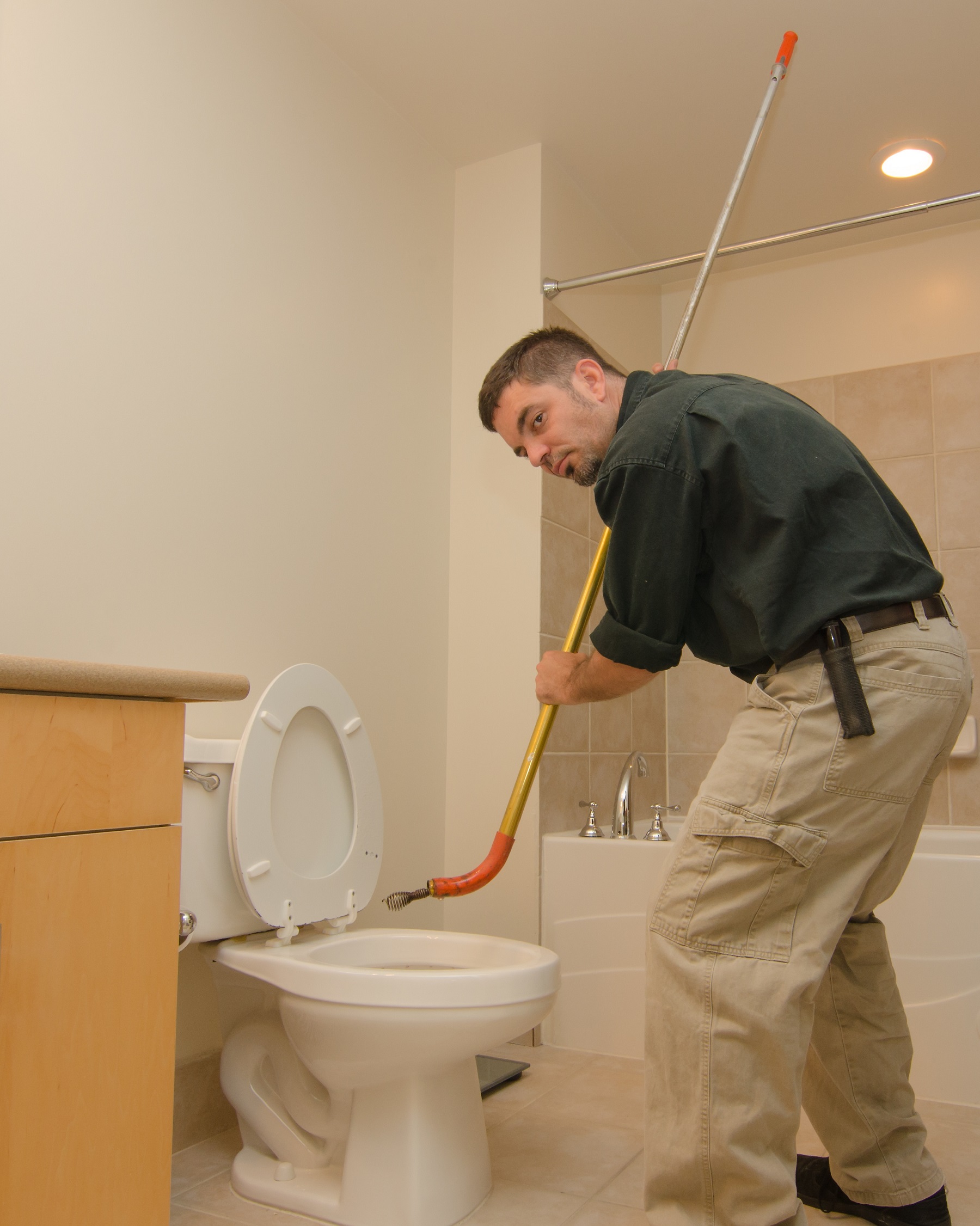
Plumber unclogging a toilet with manual auger

Wipes, on the other hand, remain as one solid piece. The sheets can get caught on elbows inside the plumbing and not fully move down the sewer line to your septic tank or city sewer system. Over time, the wipes start piling up until they create a big clog and cause your entire sewer drainage system to back up.

Even if the wipes make it to your septic tank or city sewer system, they can still cause problems. In septic tanks, they can block greywater drain lines and quickly fill up the septic tank, requiring more frequent service.

In city sewer lines, the wipes can block screens, find their way into pump motors, and cause all sorts of damage. While most people don’t think about the impacts after the wipes have left their home, the effects can result in higher city property taxes, wastewater bills, and so on.

How to Prevent Bathroom Plumbing Clogs from Wipes

The best solution is not to flush wipes down the toilet. However, if you always want to keep your bathrooms clean from wipes and enveloped in a pleasant aroma, you might want to have a Cleaning bundle for you. This bundle can provide bathroom cleaning liquids and fresheners. But, the question is still there, after cleaning the bathroom where should we put those wipes. You can get a diaper pail and place it next to the toilet. Toss your baby wipes and freshening wipes into the pail. Remove and tie up the liner and put it into your regular trash.

If you are guilty of flushing wipes down the toilet, you will want to call a 24-hour plumber for a sewer drain cleaning service to remove any wipes from the sewer drain lines. The process to remove wipes can take several hours, depending on the number of wipes you and your family have flushed down the toilet.

For sewer drain cleaning, clogged toilets, and other bathroom plumbing problems, please feel free to contact Christianson Air Conditioning & Plumbing in San Antonio, New Braunfels, Temple, or the Austin Metro area by calling 512-246-5400 today!

DIY Plumbing 101: Common Mistakes Homeowners Make

Tackling home plumbing problems, from bathtub faucet repair to fixing leaks and unclogging drains, requires a certain amount of knowledge and skill. Many homeowners make the mistake of assuming these types of plumbing repairs are not difficult to do on their own.

Unfortunately, their plumbing repairs are not completed correctly, which often leads to calling a professional plumber for help. In some cases, homeowners cause more damage on top of the existing plumbing problems, including:

Leakage Of Water From Pipe

  • Forgetting to shut off the water. This mistake happens quite frequently. Homeowners start taking apart a faucet or pipes and, next thing they know, they have a rush of water flooding their homes. All this excess water can damage drywall, subflooring, and insulation, and even create problems with mold and mildew.
  • Excessively tightening plumbing fixtures and components. Trying to stop a drip by using excessive force on the faucet’s handle or over-tightening connections could cause it to break. Doing these things could also create leaks, cracks in pipes, and other problems where water is flowing freely into the home.
  • Not matching the right plumbing pipe sizes. Most homeowners have no idea how big their plumbing pipes really are until after they’ve bought the materials. The water is off, so they figure they might as well complete the job. What difference does it really make if the replacement pipe is a little smaller or bigger? It makes a big difference.

Smaller pipes can create excessive pressure in the lines and cause other blowouts. Larger pipes can reduce overall water pressure, as well as create pressure issues if the water flowing through the pipes goes from a smaller section to a larger one and back to a smaller one.

  • Attempting to join together two different types of plumbing pipes. Trying to connect a copper pipe to a PVC or PEX pipe is difficult to do. There are special fittings required to ensure the connection is leak-free. Simply using plumber’s tape and joint compound is not enough. Eventually, the pipes will start to leak at the connection.

Man at home dealing with neighbor flood leak

  • Failing to find out if a permit is required. Certain types of plumbing repairs could require obtaining a permit before work begins. If you find out later you needed a permit, you could be looking at not only the cost of the permit but also other penalties and fines.
  • Not completing repairs to current building code standards. If you ever sell your home and the work you did was not up to current building codes, you will have to bring things up to code.
  • Using chemical drain cleaners to try to unclog drains. Chemical drain cleaners are toxic and harmful to people and pets, as well as the environment. The chemicals in these cleaners could do more damage to your home’s plumbing than good.

How to Avoid These Mistakes

The easiest way to avoid plumbing mistakes is to know when a job is beyond your abilities. This is when you should call a professional plumber from Christianson Air Conditioning & Plumbing. Feel free to contact your nearest location in Temple, New Braunfels, Austin, or San Antonio, or call (512) 246-5400 or (210) 651-1212 for 24-hour plumber service.