Flushable Wipes and Bathroom Plumbing: What You Need to Know

Flushable wipes are all the rage when it comes to freshening up after using the bathroom. Sadly, many people toss these wipes into the toilet and flush them away. Yet, flushable wipes are not as friendly to your bathroom plumbing and sewer lines as you might think. Eventually, the wipes can build up in the plumbing lines and sewer lines, create a clog, and require a call to a 24-hour plumbing service.

Baby Wipes vs. Freshening Wipes
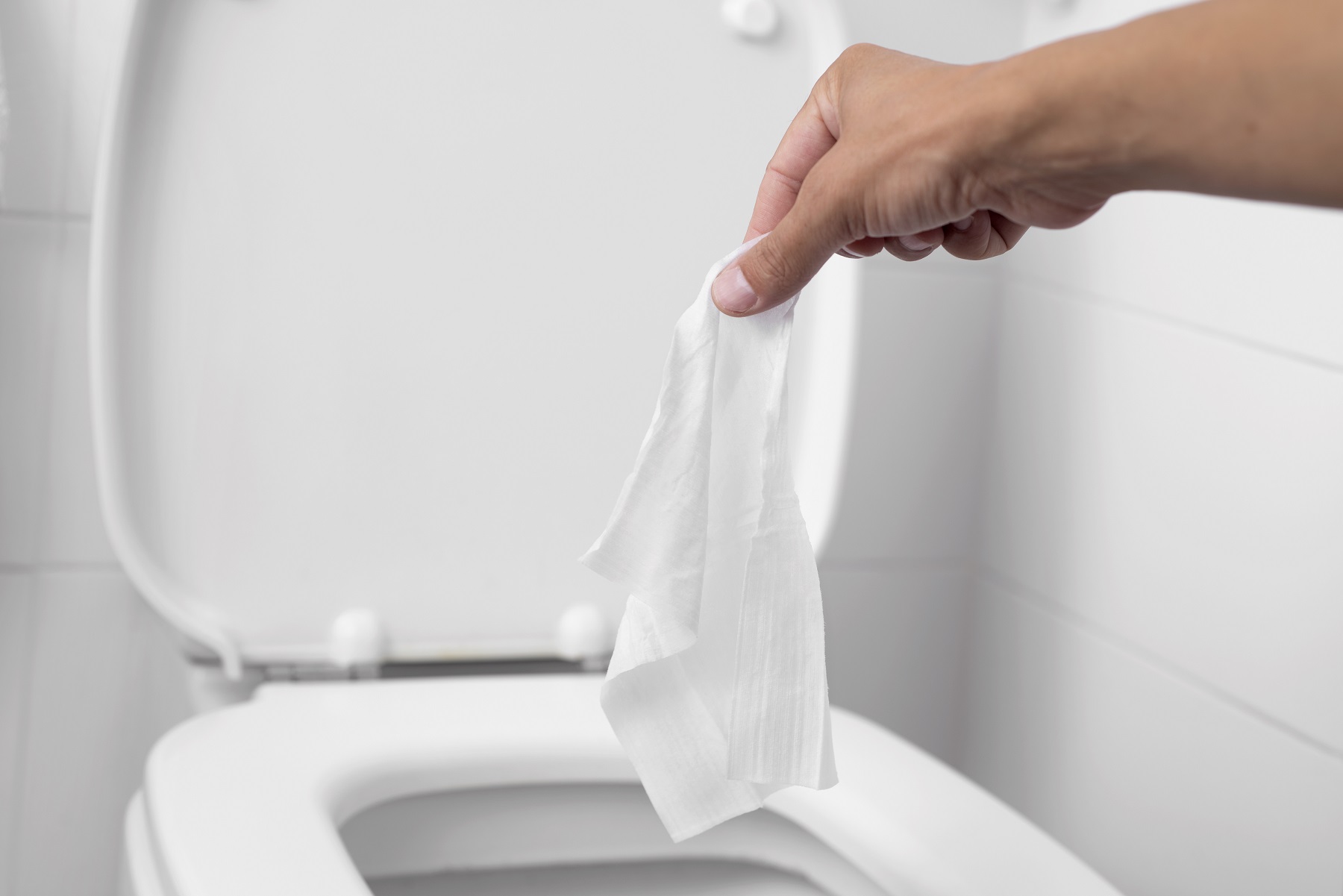
man throwing a wet wipe to the toilet

If you walk down the diaper and paper products aisle at your grocery store or big-box retailer, you will notice there are several options of baby wipes and freshening wipes. There are some key differences between the two products.

Baby wipes were never meant to be flushed down the toilet. Rather, they were meant to be used to clean up your baby and then tossed in the trash, along with the disposable diaper. Yet, some brands now say they are “flushable” and safe for plumbing. However, they are not. They are thicker than regular freshening wipes.

Most freshening wipes are marketed as “flushable,” “septic safe,” and “sewer system safe.” While they are thinner than baby wipes, they do not break down as fast as toilet paper. It can take years for them to start to degrade. Since they can clog up plumbing like baby wipes, they should not be flushed down the toilet either.

How Baby Wipes and Freshening Wipes Clog Bathroom Plumbing

You might be thinking that wipes are just small pieces of paper not much bigger than several sheets of toilet paper, so how could they possibly clog bathroom plumbing and sewer lines? When you flush the toilet, the toilet paper starts breaking down right away and falling apart into smaller pieces.
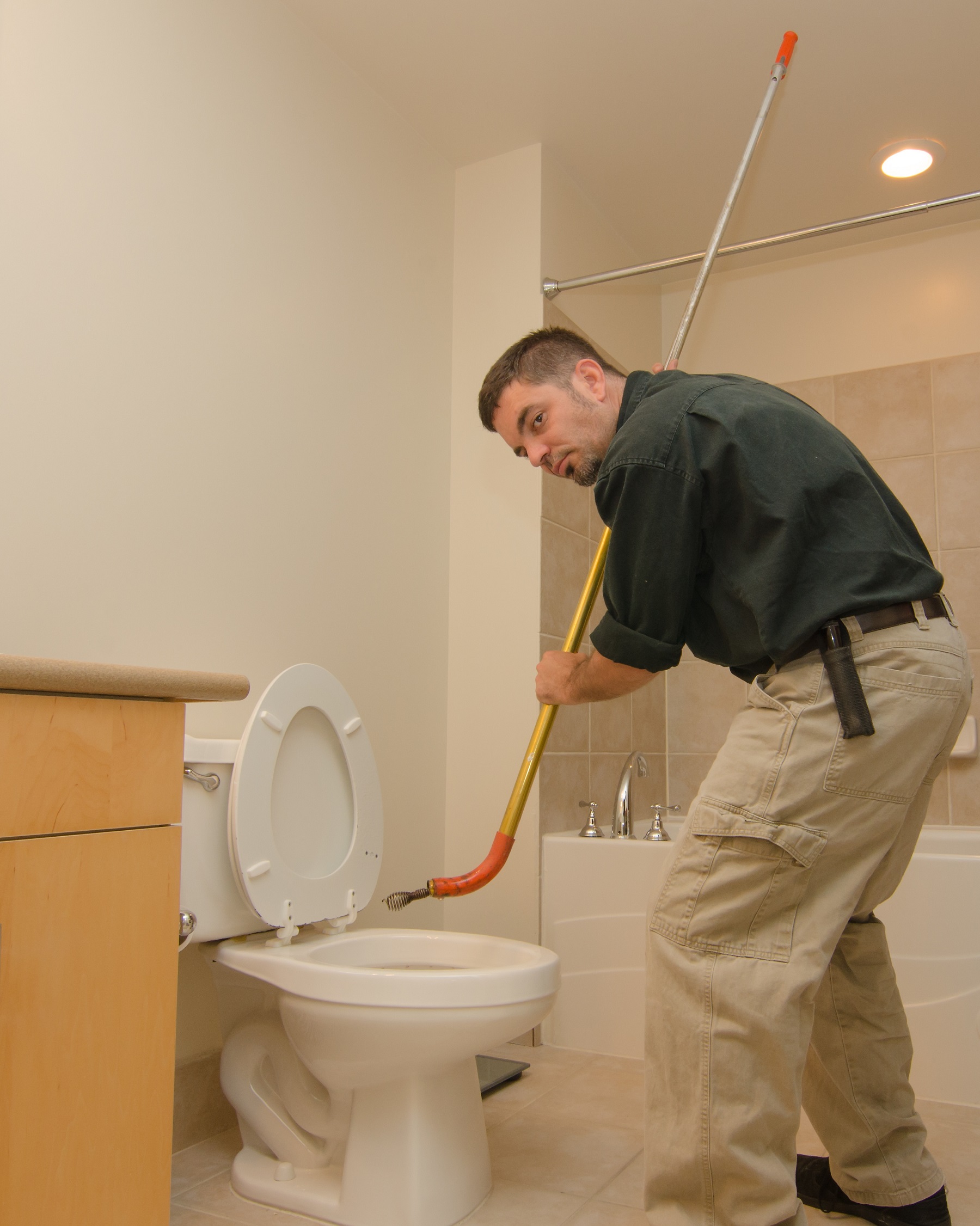
Plumber unclogging a toilet with manual auger

Wipes, on the other hand, remain as one solid piece. The sheets can get caught on elbows inside the plumbing and not fully move down the sewer line to your septic tank or city sewer system. Over time, the wipes start piling up until they create a big clog and cause your entire sewer drainage system to back up.

Even if the wipes make it to your septic tank or city sewer system, they can still cause problems. In septic tanks, they can block greywater drain lines and quickly fill up the septic tank, requiring more frequent service.

In city sewer lines, the wipes can block screens, find their way into pump motors, and cause all sorts of damage. While most people don’t think about the impacts after the wipes have left their home, the effects can result in higher city property taxes, wastewater bills, and so on.

How to Prevent Bathroom Plumbing Clogs from Wipes

The best solution is not to flush wipes down the toilet. However, if you always want to keep your bathrooms clean from wipes and enveloped in a pleasant aroma, you might want to have a Cleaning bundle for you. This bundle can provide bathroom cleaning liquids and fresheners. But, the question is still there, after cleaning the bathroom where should we put those wipes. You can get a diaper pail and place it next to the toilet. Toss your baby wipes and freshening wipes into the pail. Remove and tie up the liner and put it into your regular trash.

If you are guilty of flushing wipes down the toilet, you will want to call a 24-hour plumber for a sewer drain cleaning service to remove any wipes from the sewer drain lines. The process to remove wipes can take several hours, depending on the number of wipes you and your family have flushed down the toilet.

For sewer drain cleaning, clogged toilets, and other bathroom plumbing problems, please feel free to contact Christianson Air Conditioning & Plumbing in San Antonio, New Braunfels, Temple, or the Austin Metro area by calling 512-246-5400 today!

Eight Warning Signs You Need to Know to Avoid Emergency Plumbing Repair

Your home’s plumbing will give you subtle early warning signs to watch for that could indicate a bigger problem is brewing. Ignoring these signs often leads to unexpected and surprise plumbing problems that will then require an emergency plumbing repair service call to fix.

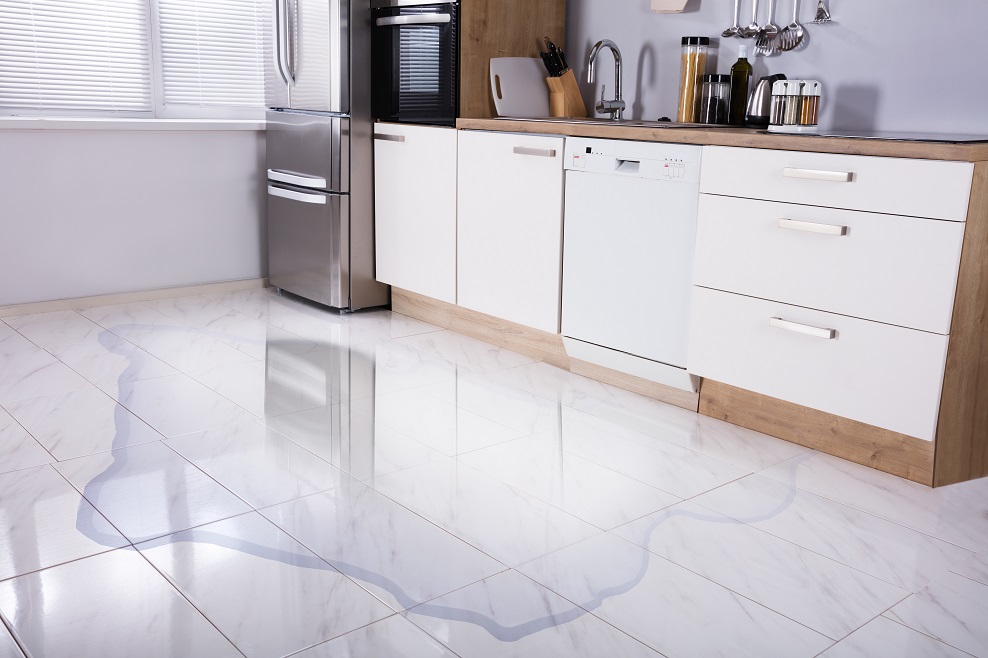
  1. Small Puddles of Water Around the Dishwasher: This indicates there is a slow leak in either the water line or drain line connection. If you don’t have it checked, you could end up with a flood of water in the kitchen.

Flooded Floor In Kitchen From Water Leak

  1. Small Puddles of Water Around the Washer: This is another appliance problem where there is a slow leak in the water intake or outtake lines. You will want to get the water lines checked and fixed to avoid a flooded laundry room.
  2. Water Stains Under Cabinets: If you notice there are water stains underneath sink cabinets, there is a slow leak in the water or drain lines. Fittings can come loose, washers can wear out, and other such issues can develop from normal usage.
  3. Toilets that Run Every Hour or So: If you notice your toilet tank is refilling with water every hour or so, there is a leak from the tank into the bowl or even from the tank out onto the floor in the bathroom.
  4. Strange Sounds Coming from the Hot Water Heater: If you hear snapping, cracking, or popping coming from your hot water heater, it needs to be serviced. The heating elements can be wearing out, and the tank could require a professional flushing to remove scale, rust, and other sediments.
  5. Strange Smells Coming from the Drains: If you notice a smell like rotting food or a horrible raw sewage smell, it could indicate a few different plumbing problems. The first one often means the drain lines are dirty and are accumulating grease, hair, soap, and food particles. The second one tends to mean there is a problem with the sewer drain line.

Man with clothespin on his nose

  1. Small Patches of Greener or Wet Grass: If you notice you have patches of greener grass or an area that always is wet, even after a dry spell, you most likely have a cracked sewer drain line. You will want to get this fixed right away. Otherwise, if you ignore the problem, you could awake one morning and find raw sewage coming up the drain lines in your shower, tubs, and sinks.
  2. Slow Draining Sinks Even After Plunging: Slow-draining sinks often indicate there is a difficult and hard-to-remove clog forming in the drain pipes somewhere. It could be directly under the sink or farther down the drain line inside the walls of the home. You will want to have your drain lines professionally cleaned to fix this problem before it completely clogs.

In addition to calling for plumbing service when you notice any of these warning signs, another way to avoid emergency plumbing service calls is with annual maintenance of your home’s plumbing system. Annual maintenance helps ensure everything is working correctly and can help identify potential problems before they become major repairs.

If you require 24-hour emergency plumbing repair, preventative plumbing maintenance service, or have other plumbing repairs or problems, please feel free to contact your nearest Christianson Air Conditioning & Plumbing location in Austin, San Antonio, New Braunfels, or Temple today!

Don’t forget to also request AC maintenance service to keep your AC running great year-round!

How to Reduce Stress on Your Pipes to Prevent Leaks

While frozen pipes are not too much of an issue, here in Texas, there are still other plumbing problems that can cause stress on the pipes in your home and lead to unwanted leaks. Leaks can quickly become a major headache for homeowners if they are not detected right away, like a slow leaking toilet soaking the subflooring in your bathroom or a leak from the hot water heater that increases your energy bills.

Common Causes of Leaks in the Home

Common Causes of Leaks in the Home

Is the water pressure too excessive?

Most homeowners are surprised to learn their water pressure is set too high. This increased pressure places more strain and stress on plumbing inside the home. It can cause washers inside faucets to get damaged and create leaks. It can also cause blowouts in between pipe connections, which creates leaks inside walls or in subflooring.

Do you have hard water?

If you have well water, then you have hard water. Hard water has calcium and other minerals that can create deposits inside the walls of plumbing pipes and fixtures. The deposits can restrict the flow of water and inadvertently cause an increase in water pressure.

Are the pipe connections sealed correctly?

Joint compound and plumber’s tape are two products that are used to ensure pipe connections are sealed and secure to prevent leaks. Without these, there is always the chance a leak can develop as the plumbing in the home ages.

Are the pipes secured with the right hardware?

The pipes should be attached to special hardware that holds it in place inside the walls and subflooring. If the pipes are allowed to move freely, the change in pressure when you turn water on and off can cause the pipes to “bang” and eventually lead to leaks.

Prevent Leaks in the Home

How to Prevent Leaks in the Home

It is recommended to have the water pressure checked by an experienced plumber. Most new homes should have a pressure regulator already installed;  otherwise, your plumber can install one. The regulator can be adjusted and turned down to reduce water pressure and prevent unwanted damage to your plumbing and leaks.

If you have hard water, you can avoid deposit buildup in pipes and fixtures by getting a water softener installed. The softener system removes calcium and minerals from the water. As an added bonus, you will use less soap and detergent so you save money here, too!

If your plumbing was not connected correctly or secured with the right hardware, this requires some replumbing work. Getting it done sooner rather than later can help you avoid the potential damages leaking pipes and avoid 24-hour plumbing service calls.

To have your water pressure checked, to learn more about water softeners, or to have pipes checked to verify they were properly installed, or if you have an existing water leak, please feel free to contact your nearest Christianson Air Conditioning & Plumbing location today!