While there are some bathroom plumbing issues that can be relatively easy to fix on your own, you probably don’t want to make a DIY project out of a leaking toilet or clogged toilet. It’s not necessarily an uncommon problem for a homeowner, but it’s something that shouldn’t be ignored for long.
Some problems with your toilet might be easy fixes, but they can turn into bigger problems when they aren’t taken care of quickly.
The best thing you can do is to call a licensed plumber who can not only identify the underlying cause of your leaking toilet but can fix it right away and help you to avoid future plumbing and piping headaches.
With that in mind, let’s take a look at a few possible causes for a leaky or clogged toilet.
Problems in the Toilet Tank
Sometimes, opening up the tank and taking a look can be the easiest way for a plumber to determine the problem. There are a variety of different issues that can occur in a toilet tank, including potential cracks. If a tank is old or has been hit with some kind of impact, it could cause leaking through a crack. Even a hairline crack that is nearly impossible to see can cause significant leaking as the tank continues to refill.
If you do have a cracked tank, a toilet replacement is often your best solution.
You could also be dealing with a stuck flapper. Unlike a small fracture in the tank, this is a problem you’ll notice quickly. When the flapper in a toilet tank gets stuck, the flush handle typically remains in the “down” position. So, the tank will continue to fill up with water until it starts to overflow. This causes constant leakage that needs to be dealt with immediately, or you’ll end up losing a ton of water.
Flappers can also wear out over time and become inefficient. Regular plumbing maintenance can help to ensure your flapper is working properly.
Loose Connections
It’s not uncommon for parts to wear out over time or become damaged simply with regular use. Many parts used for your toilet have rubber linings that help to create a water-tight seal, but the rubber wears down and doesn’t last forever. When these connections become loose or damaged, you might start to experience leaks.
Additionally, the joints in the supply line can also become loose and cause leakage. You’ll start to notice water seeping through. It could simply be from regular wear and tear or from some type of damage to the joints or sewer line. Calling a plumber to replace or repair these parts, or simply to make sure everything is secure, can help to prevent those leaks from getting worse.
Problems with the Drain Line
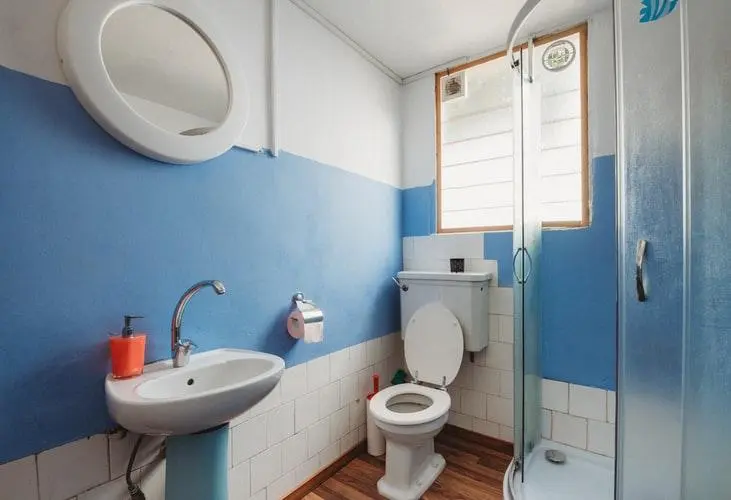
If you’re dealing with a clogged toilet on top of everything else, you might have a clogged drain line. This can be a problem especially if you live in an older house or you’ve never had a drain cleaning done.
Calling Christianson Air Conditioning and Plumbing for regular plumbing maintenance and to fix any leaks or clogs can help you rest assured that your toilet won’t be causing you any major problems. Unfortunately, many people ignore their toilets until there’s a problem. Even then, people are hesitant to call a plumber until that problem becomes bigger than it ever needed to be. If your toilet is leaking or clogged, don’t wait; get it fixed as soon as possible. Give our experienced team a call, and we’ll be there to solve the problem right away.