Texans serving Texas since 1950

Call Us Now:

Austin Metro (512) 246-5400
San Antonio (210) 651-1212
Temple (254) 773-7175
New Braunfels (830) 627-2211

10 Things You Should Never Put Down Your Garbage Disposal

Posted on January 19th, 2021 by ChristainSon_Admin

The garbage disposal is a very useful kitchen appliance that can make many kinds of food waste disappear with just the flick of a switch. However, it’s important not to overestimate the capabilities of your garbage disposal. Though your disposal may seem like it can handle anything, it really can’t. Certain types of waste products can cause serious harm to the system. For instance:

  • Hard food waste can badly ding up your disposal equipment.
  • Stringy food waste can become entangled in your grinder and interfere with its ability to function.
  • Some kinds of liquid waste can cling to the sides of your pipes, causing them to become clogged.

Even people who are aware of these dangers sometimes temporarily forget themselves and end up dumping the wrong kinds of materials into the disposal. For the most part, it’s okay if this happens every now and then. Your disposal should be able to deal with the occasional mistake without suffering any lasting harm. But repeated encounters with these unmanageable waste products will put your entire disposal system in danger and possibly lead to costly repairs.

Check out the following infographic from your friends at Christianson Air Conditioning & Plumbing to learn about the types of products you should not be putting into your garbage disposal.

Things You Should Never Put Down Your Garbage Disposal Infographic

Click below to embed this infographic into your website:


8 of the Most Common Furnace Problems and What They Mean

Posted on December 28th, 2020 by ChristainSon_Admin

As we move into the winter months and colder weather, it means people will be running their furnaces to heat their homes. To keep your furnace running smoothly all season long, it is a great idea to contact your local furnace repair service and schedule furnace maintenance. Doing so now can help you avoid these common furnace problems later.

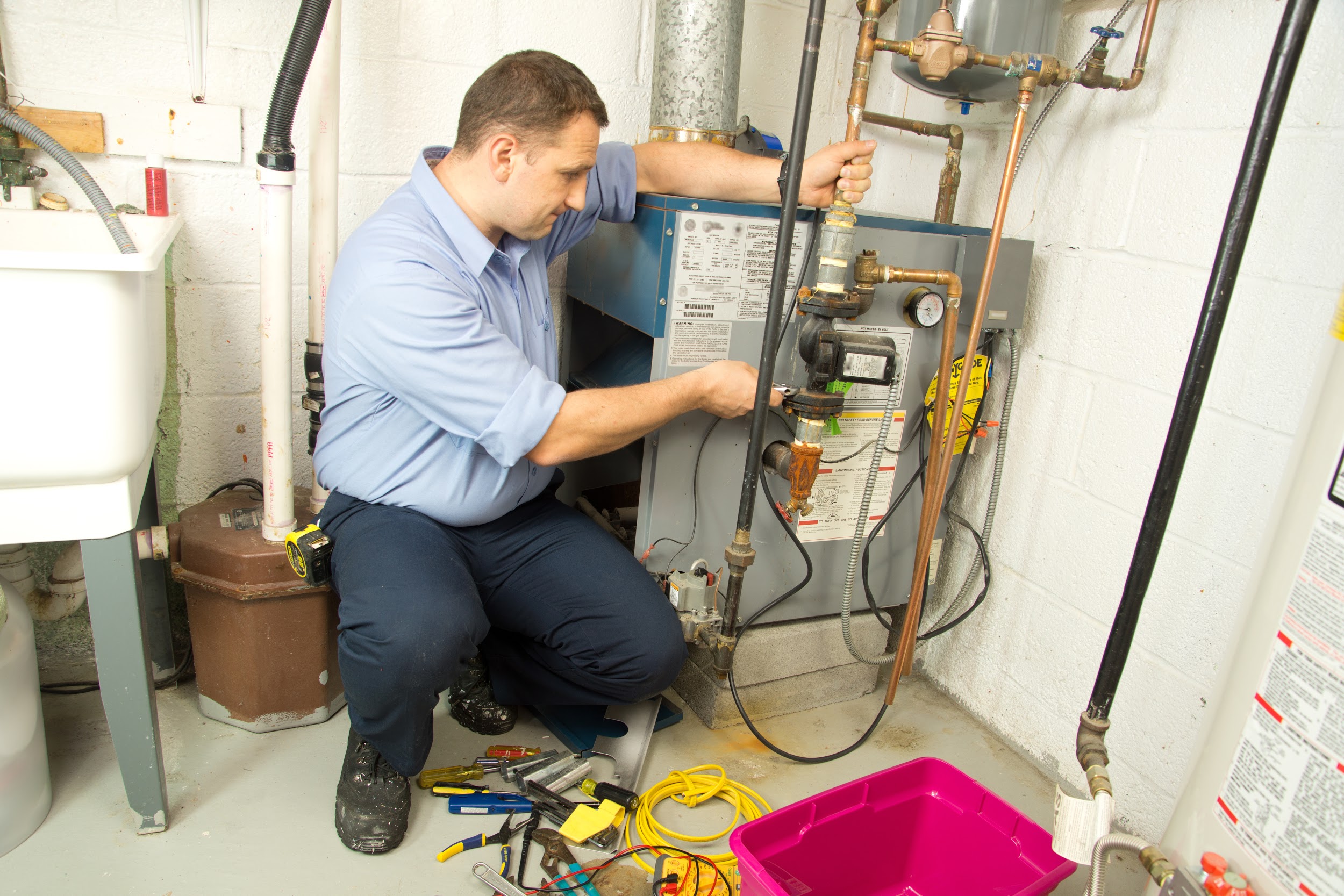
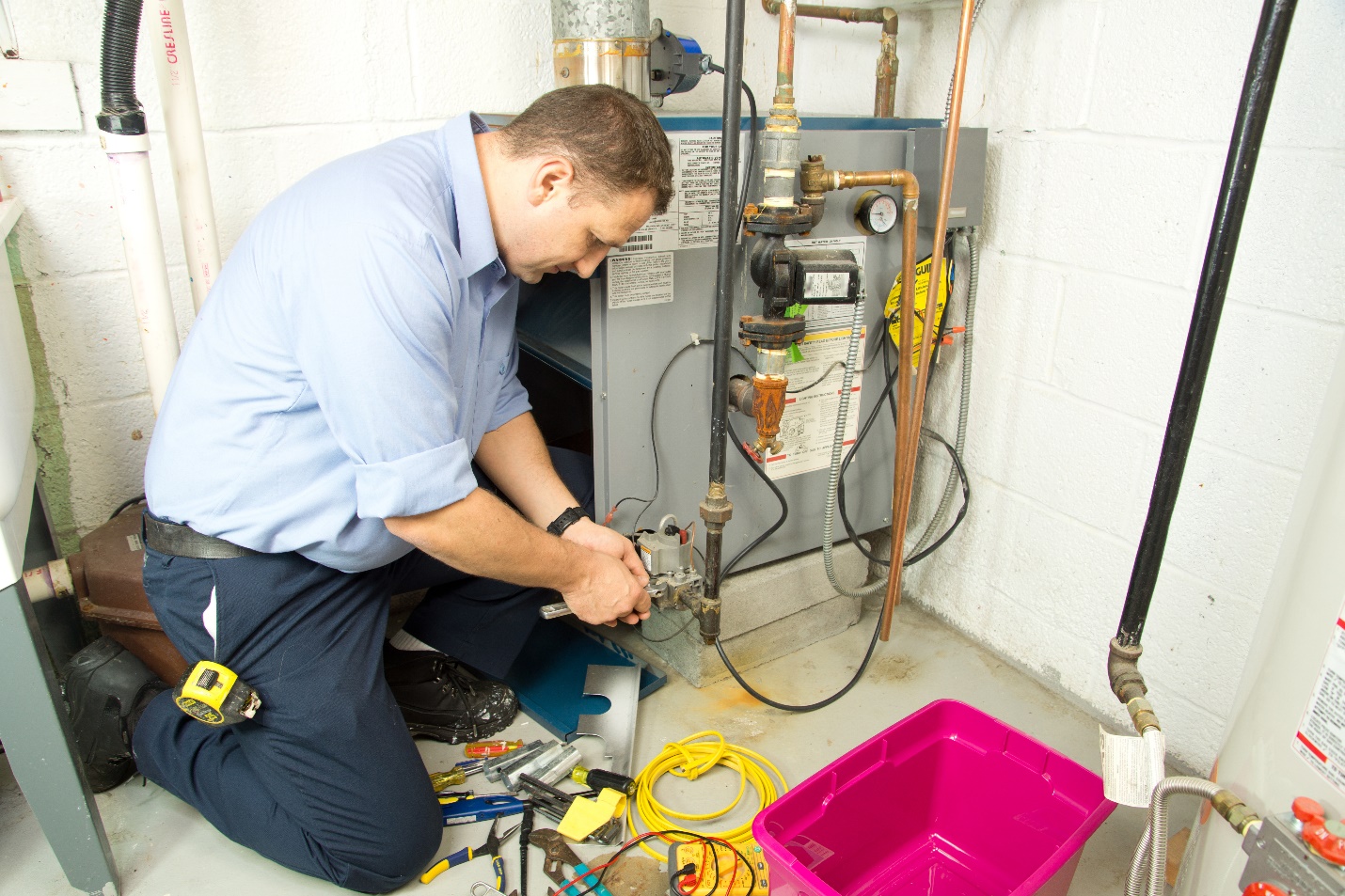
Plumber fixing gas furnace

1.  The furnace turns on, shuts off after a few minutes, and then repeats this cycle.

Furnaces have built-in sensors to ensure they are operating correctly. One of these sensors monitors how hot the furnace is. When it gets too hot, the sensor shuts it off. If your furnace is cycling on, runs for a few minutes, then shuts off, only to repeat the cycle over and over without ever heating your home, there is something wrong with the furnace.

Overheating can occur for various reasons. One reason you can easily check is your furnace filter. When your furnace is not getting sufficient airflow, it will overheat. If your air filter is dirty, change it and see if this fixes the problem. If not, call your furnace repair technician.

2.  There is no warm air coming out of the air vents.

Another common furnace problem is when there is no warm air. There are several things you can check before calling for furnace repair service. First, check to make sure the heat is turned on at the thermostat. If the thermostat was not changed from cooling to heating, your air conditioner may still run during the day.

If the thermostat is set to heat, the next thing to check is to see if the fan is turned on. If the fan is turned on and running, it will blow cool air out the air vents, even when the furnace is not cycling.

Next, check the air filter. If it is clogged and airflow is restricted, it can seem like no warm air is coming out of the vents. Replace the air filter to see if this fixes the problem.

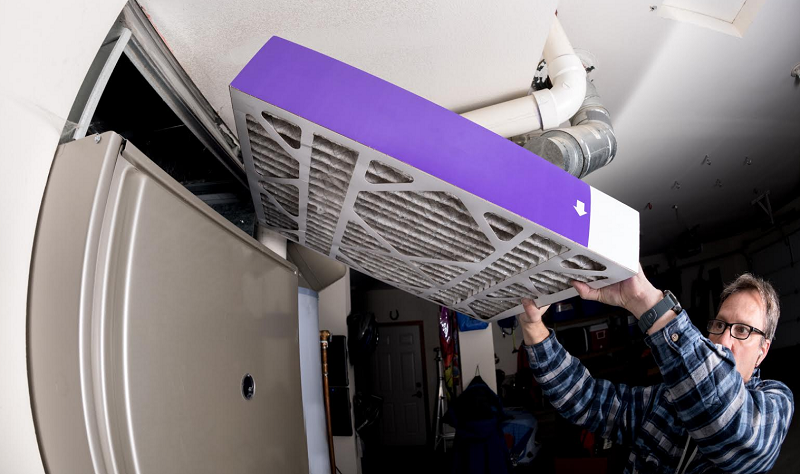
Large sized furnace filter loaded into the appropriate place

If you have a gas furnace, verify the pilot light is lit. If the pilot is not lit, the furnace won’t run. After lighting the pilot light, confirm it stays lit and does not go out. If it does, then there is something wrong with the pilot light that needs to be fixed.

If you have an electric furnace and have tried everything else, your heating coils may need to be cleaned or replaced. This is a job best left to your furnace repair technician.

3.  You notice a burning smell from the furnace.

A burning smell from the furnace is normal at the start of the heating season. The first time you turn on the furnace, you may notice this smell. The furnace is burning off the dust that has gotten inside the system and air vents. The smell should dissipate and go away in about two to three heating cycles.

If the smell does not go away, or you notice a strong natural gas smell around the furnace or coming through the air vents, shut the furnace off. Open up windows to let in some fresh air. Call for furnace repair service ASAP.

4.  You notice the furnace is leaking water.

If you have a furnace that is connected to your hot water heater or a newer model with energy-efficient features, you could experience this common furnace problem. One cause for the furnace leaking water is there are leaks in the pipes connected from the hot water heater to the furnace.

If you have a condensation unit on your furnace, you may notice water leaks too. The pipes can get clogged or develop leaks at pipe connections and other such areas. To pinpoint the leak and problem, it is best to call your furnace repair company.

5.  Your furnace seems louder than it used to be.

Furnaces make noise when they run. You will hear the sound of the blower motor as it blows the warm air throughout your home. You will hear the sound of the furnace unit running. On gas models, there can be a whooshing sound when the unit first turns on and the gas is set on fire.

Other sounds to listen for include clanging, banging, rattling, and knocking noises. These can indicate something is wrong with the furnace and the moving parts and components inside. If you suspect something is wrong, shut off the furnace and call for repair service. DO NOT keep running the furnace, as you could make the problem worse.

6.  There is no power to the thermostat or furnace.

The thermostat and furnace both require electricity, even if they are gas furnaces. If your power is out due to an outage, then your furnace will not work. If you notice you have power elsewhere in the home, then you will want to check your breaker box. There is a high probability that the circuit breaker blew.

Reset the breaker and see if that fixes the problem. If the furnace turns on but the breaker blows again, something is wrong. A wire could be exposed or there could be a faulty connection somewhere in the wiring. You will want to call for furnace repair service to have the problem pinpointed and resolved.

7.  The carbon monoxide monitor goes off each time the furnace runs.

This type of furnace problem should be taken seriously. If your monitor is being set off, that means there is too much carbon monoxide in the home. Shut the furnace down, call your furnace repair technician, and open up some windows to air the carbon monoxide out of the home.

8.  The furnace turns on and won’t shut off until you turn it off.

Another common furnace problem occurs when the furnace turns on but won’t cycle correctly and shut off. If the furnace has to be manually turned off at the thermostat or by resetting the breaker, something is wrong with it.

One possible cause is there is something wrong with the wiring between the thermostat and the furnace. The thermostat might be attempting to send the end of the cycle signal to the furnace, yet, if there is a broken wire, the signal may never reach the furnace. Regardless of the cause, this is one problem best left to your furnace repair technician.

Signs Your Furnace Needs to Be Replaced

Aside from the common furnace problems we covered, there are other things that can go wrong with your furnace. These things often indicate it is time to replace your furnace with a new model.

●    Your heating bills keep increasing.

If you notice the costs to heat your home have increased, and it has not been extremely cold, this could mean your furnace is not working properly and is using more energy to heat your home.

●    Your furnace is more than 10 years old.

The life expectancy of your furnace can vary from about 15 to 20 years. However, after 10 years of service, you need to start planning for a new furnace. Older furnaces are no longer energy-efficient and can start to cost too much to maintain.

●    Your furnace keeps breaking and needs frequent repairs.

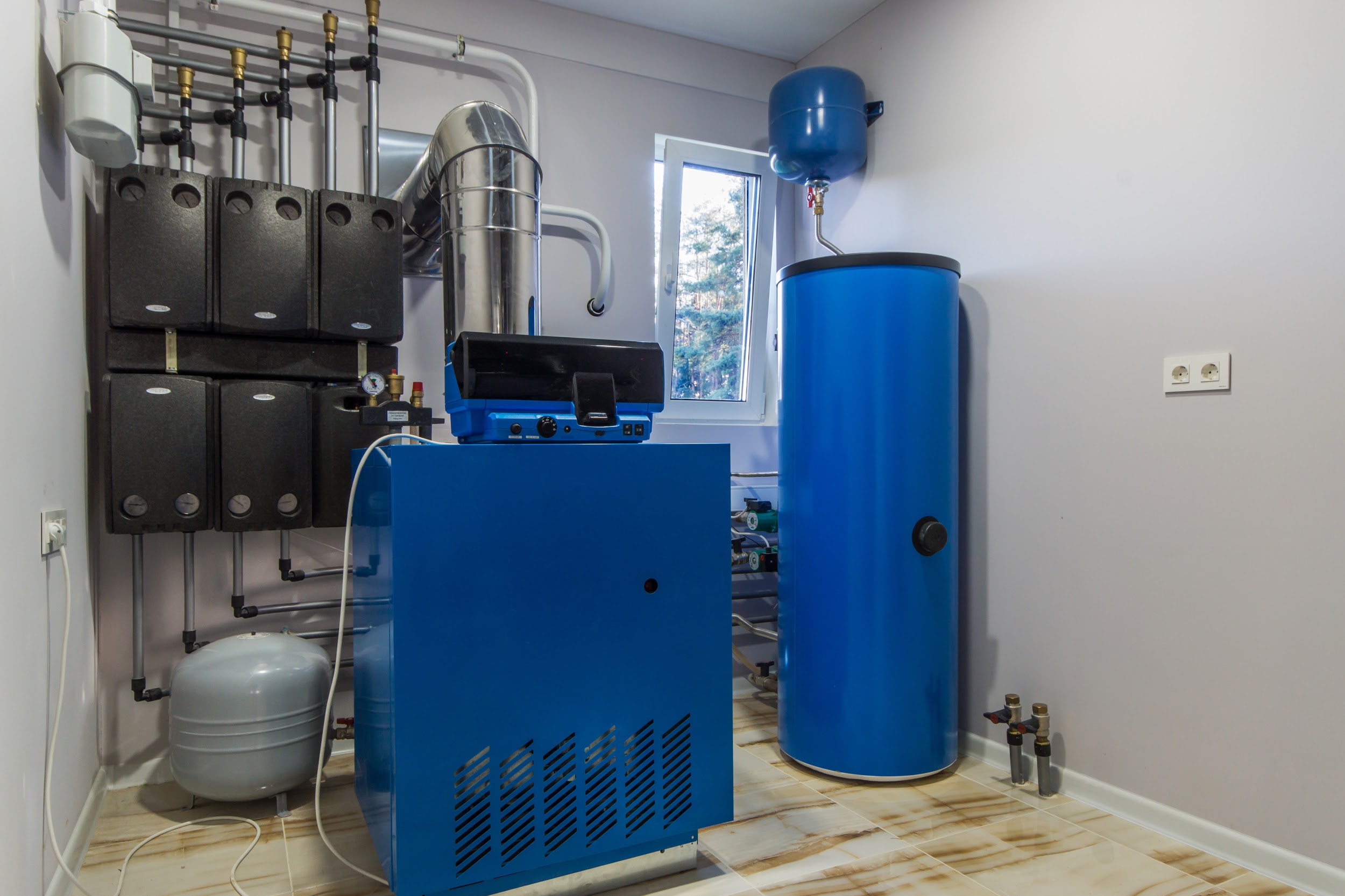
Heating system with hot water thermal storage tank

If you have to call your furnace repair technician every month or more often during the fall and winter for furnace problems, it is time for a new furnace. The costs to repair your furnace will end up costing you more in the long run rather than getting a new furnace now.

●    Your home doesn’t seem warm at your preferred thermostat setting.

If you have to turn up the thermostat to feel comfortable, it often indicates the furnace is not working properly. If the furnace is older, it could be on its last legs and ready for replacement.

As you can see, common furnace problems could indicate your furnace needs to be repaired in some cases. In others, it may need to be replaced with a new furnace.

For furnace repair service and furnace replacement service in San Antonio, Austin Metro, Temple, and New Braunfels, please feel free to contact Christianson Air Conditioning and Plumbing at 512-246-5400 today!


Do You Notice Funky Garbage Disposal Smells? How to Fix a Smelly Garbage Disposal

Posted on December 24th, 2020 by ChristainSon_Admin

Garbage disposals are great kitchen appliances when they are used correctly. With regular use, you may notice unpleasant and funky garbage disposal smells coming from your sink. Fortunately, how to clean your garbage disposal is fairly simple and something you can try to resolve on your own using these great tips.

  1. Clean the sink. Use an approved cleaning product for your sink type, and clean the sink base and exterior of the garbage disposal. Sometimes small food particles can dry and remain on the base of the sink and the top of the disposal.
  2. Pull out any food scraps or debris from inside the disposal. Make sure the disposal is shut off! We recommend also turning the breaker switch off as an added safety precaution. Carefully reach inside the disposal unit and feel around for larger food scraps and remove these.
  3. Flush the garbage disposal. Put the sink drain plug over the disposal. Pour about ½ a cup of vinegar into the sink. Next, fill the sink half full with hot water. Remove the drain plug and turn the disposal on. The vinegar helps remove stuck-on particles and flushes the entire system.

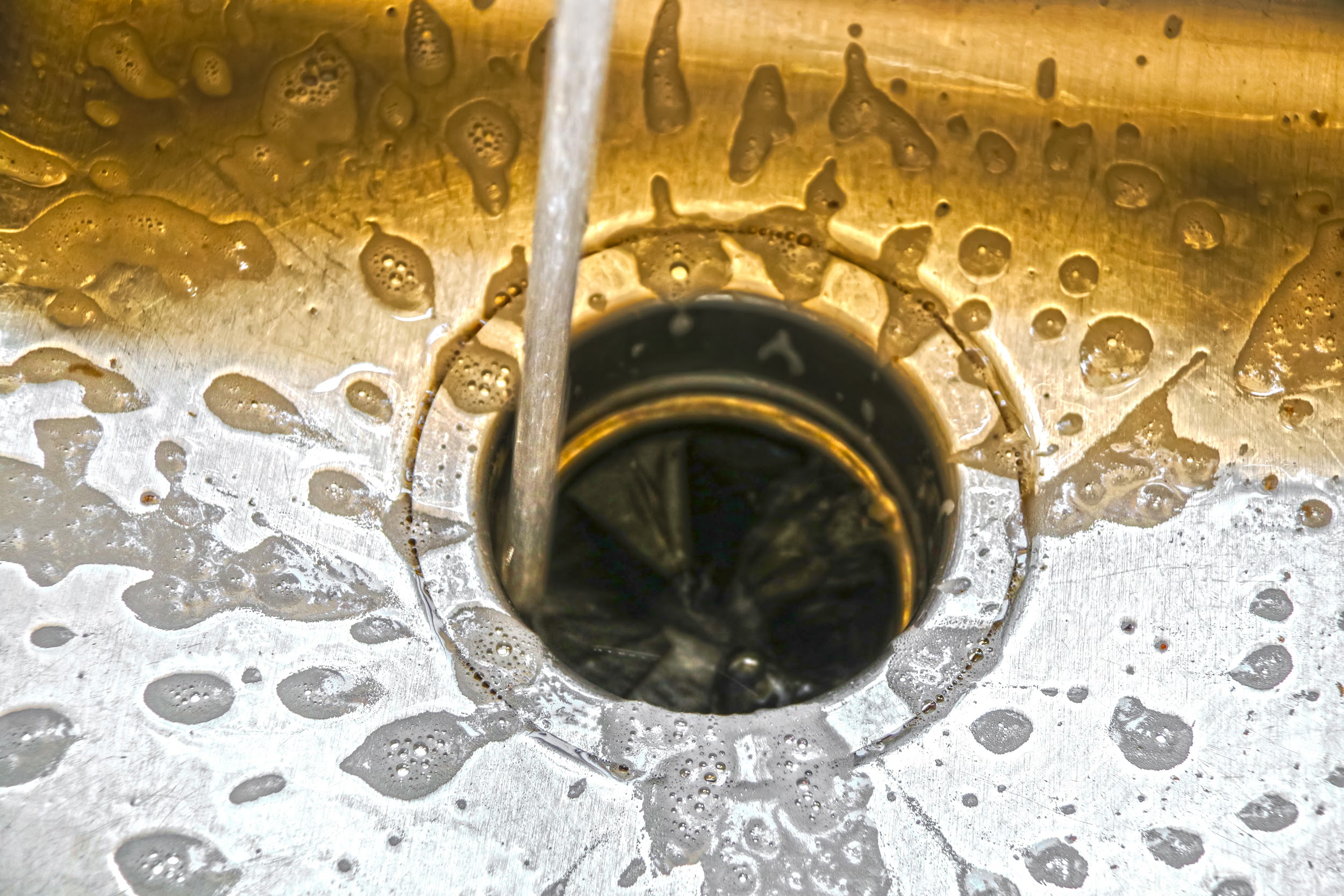
Water running into a garbage disposal of a stainless steel sink

  1. Refresh and deodorize using the rinds of citrus fruits. Oranges, limes, lemons, or any other citrus fruit will work. Remove the rind from the fruit, and break it into small pieces. Toss these into the disposal. Turn on the water and turn the disposal on. The natural oils in the rinds help deodorize and clean the disposal.
  2. Clean the blades with salt and ice. Fill the interior of the disposal with ice cubes. Next, measure out one cup of kosher salt or rock salt and pour it into the disposal. Run a slow trickle of cold water while turning the disposal on. The ice and salt will help sharpen the blades and remove any stuck-on debris.
  3. Try vinegar and baking soda to clean and deodorize the disposal. Another great way to get rid of funky garbage disposal smells is to measure out 2 cups of baking soda and carefully pour this into the disposal. Next, measure and pour ½ cup of vinegar into the disposal. Let this mix and foam for about an hour. Last, run hot water down the disposal for a minute or two.
  4. Clean the disposal regularly. Get into the habit of cleaning your garbage disposal regularly to keep odors and funky smells away. Depending on how often you use your disposal, use one of the previously mentioned cleaning methods.

What Do I Do If Funky Smells Return and I’ve Tried Cleaning My Garbage Disposal?

If you have tried cleaning your garbage disposal and funky smells keep returning, this often indicates debris, food particles, and other icky stuff are all stuck to the inside of your drain pipes. To eliminate the odors for good, you should contact your plumber and schedule drain cleaning services.

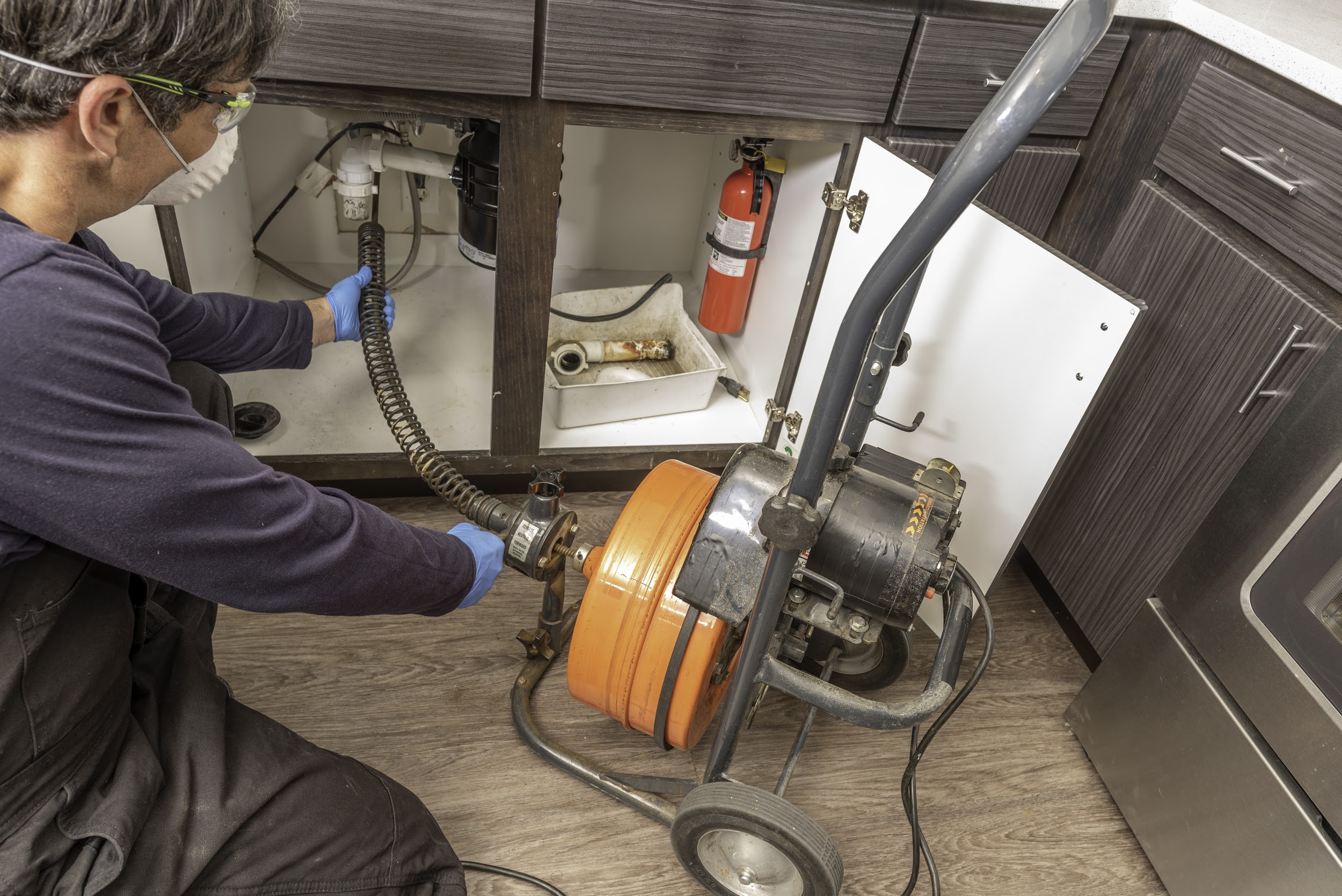
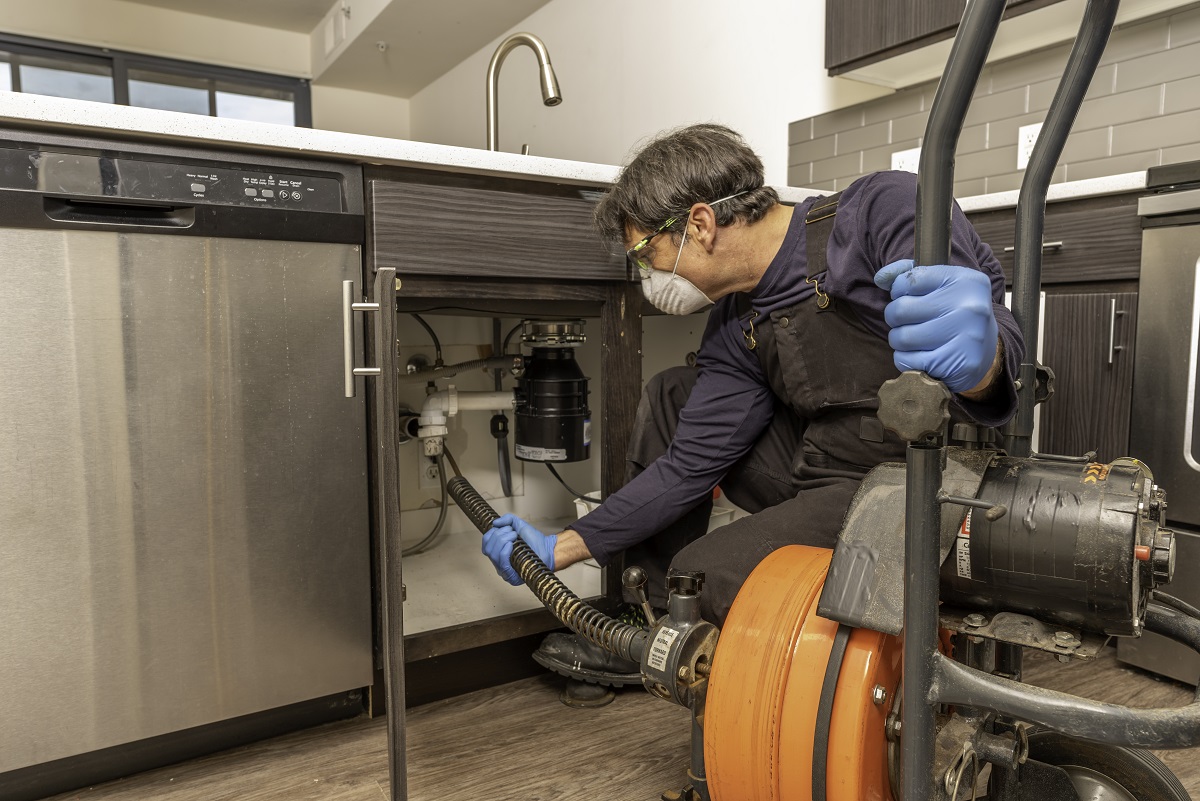
Professional drain cleaning with a self guiding electric snake

We also highly recommend you have your drains cleaned annually to keep them clean and prevent clogs. Once your drains have been cleaned, make sure to avoid putting anything in the garbage disposal you should not, including:

  • Coffee Grounds
  • Pasta
  • Rice
  • Potato and Vegetable Peelings
  • Celery
  • Egg Shells
  • Hot Grease

These things can leave food particles, get stuck in the disposal’s moving parts and components, and create funky and unpleasant odors.

To schedule drain cleaning services, other plumbing services, or air conditioning and heating services in Temple, New Braunfels, San Antonio, or Austin Metro, please feel free to contact Christianson Air Conditioning & Plumbing at 512-246-5400 today!

Tags: , ,


How Does a Water Softener Work?

Posted on November 25th, 2020 by ChristainSon_Admin

A water softener removes dissolved minerals that make water “hard.” It replaces these minerals with sodium, which makes water “soft.”

Calcium and magnesium are two of the most common and troublesome hard water minerals. They aren’t harmful to consume. But they can wreak havoc on your appliances, plumbing fixtures, and even your skin and hair. If you find crusty deposits in your bathtub or water spots on your dishes or coffee pot, odds are you’re one of the 85% of households in the U.S. with hard water, according to the U.S. Geological Survey.

Components of a Water Softener System

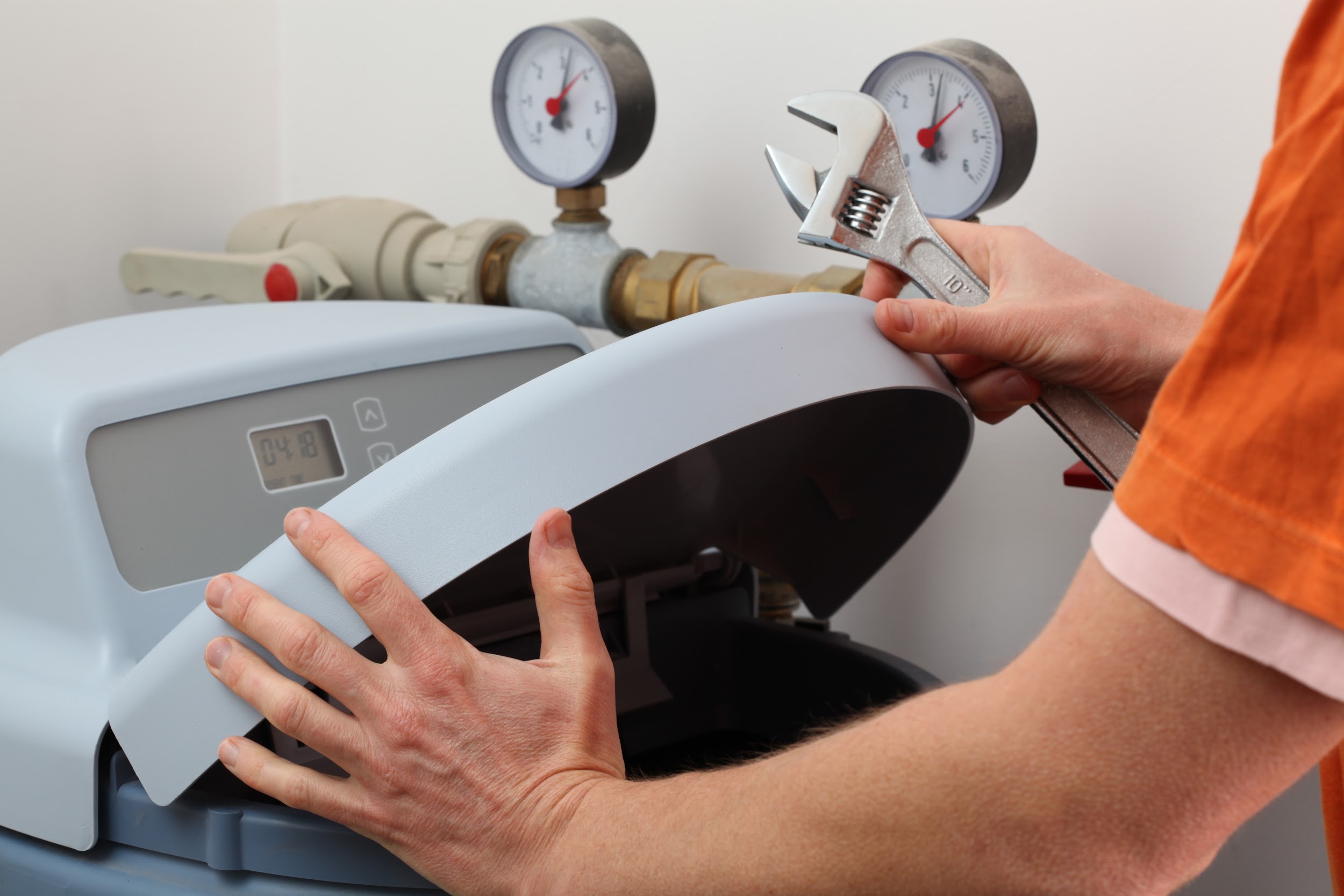
 plumber with a wrench

Water softeners remove problem-causing minerals through a process called ion exchange. The typical salt-based water softening system contains three main components: a softener tank, a brine tank, and a control valve.

Water enters the softener tank and moves through resin beads that are charged with sodium ions. The positively charged minerals in the water cling to the negatively charged sodium ions in the resin beads, like a magnet. The minerals are swapped out with small amounts of sodium, making the water soft.

The brine tank regenerates the system. It contains a concentrated salt solution, which is flushed through the softener tank. This serves two purposes. First, it washes away the hard-mineral deposits from the resin beads. Second, it recharges the resin beads with sodium ions. Regeneration cycles typically happen at night and allow the system to continue providing soft water.

The control valve gauges how much water passes through the softener tank. It automatically triggers regeneration cycles, as needed, to keep the system functioning optimally. The built-in computer on the valve can be programmed with information about your household—things like the size of your home and the hardness level of your water.

How do I know if I have hard water?

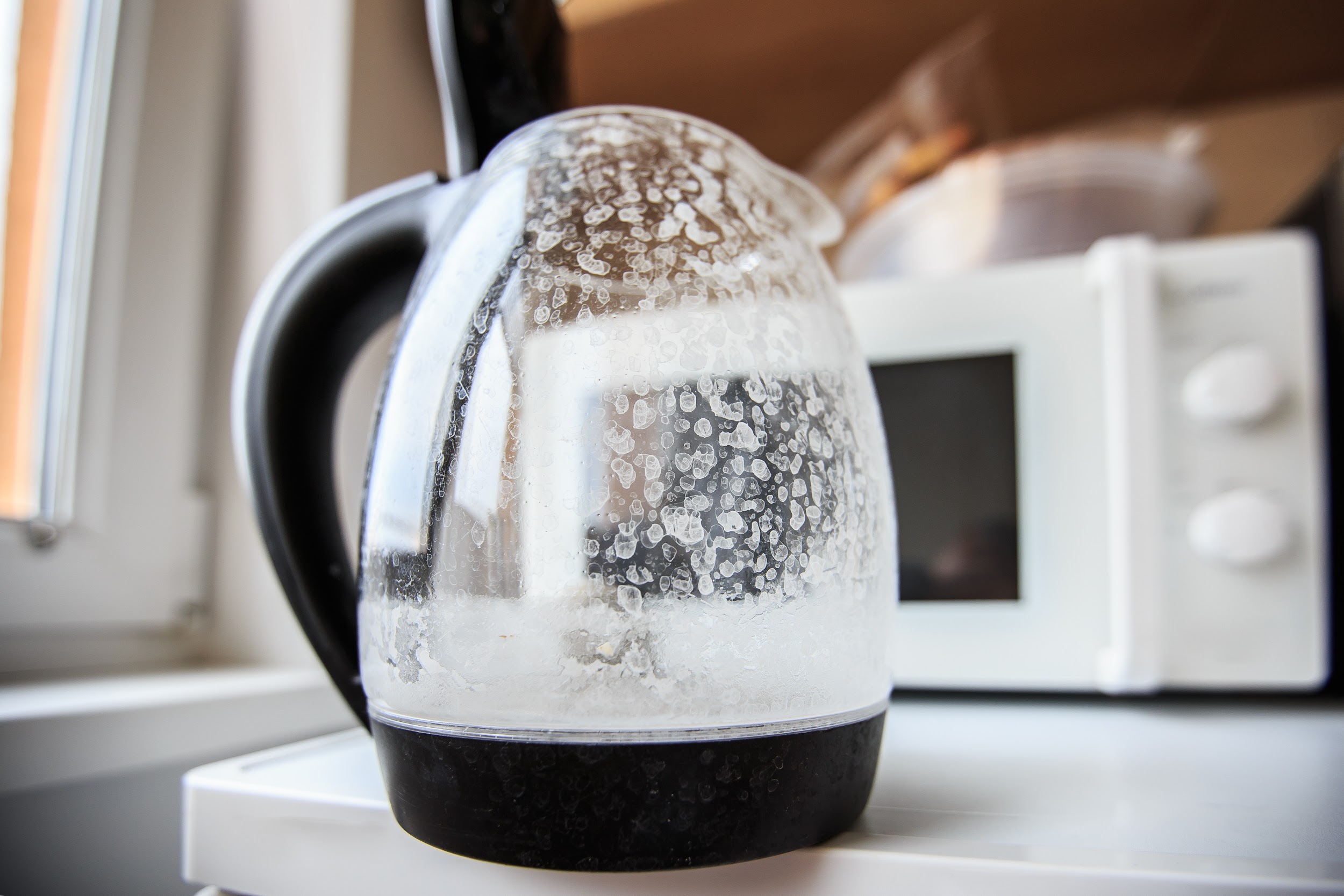
hard water in the cattle

Hard water causes the familiar spots on dishes and the scummy film that coats sinks, tubs, and shower curtains. Over time, it causes scale deposits in plumbing lines, which can reduce your home’s water pressure and damage your plumbing system.

Hard water also shortens the lifespan of appliances, like dishwashers and coffee makers. If you’ve ever noticed a popping sound from your hot water heater, it’s likely due to scale build-up on the unit’s heating element.

Bathing with hard water causes itchy skin and dry hair and makes it hard to get a good lather.

All of these are signs you have hard water. To know for sure, consider hiring a professional plumber to perform a water quality inspection. In addition to testing hardness, a professional inspection can reveal whether your water contains harmful substances like lead, nitrates, and radon.

What are the benefits of soft water?

We’ve covered some of the problems associated with hard water, from reduced water pressure to scale build-up. Let’s look at the benefits of installing a water softener.

Increased longevity of appliances

Scale build-up from hard water is incredibly damaging to appliances. Investing in a water softener can extend the life of your appliances by many months or years.

Easier cleaning

Scale build-up and hard water stains make cleaning more difficult and time consuming. A water softener will reduce or even eliminate scale deposits.

Better performance of soaps and detergents

Soft water makes soaps and detergents work more efficiently. In fact, sudsy products should be used more judiciously with a water softener, as a little goes a long way. This also means you’ll save money on cleaning products.

Softer skin and hair

Hard water dries out skin, hair, and nails. You’ll likely notice a difference immediately after installing a water softener system.

Reliability and low maintenance

Modern water softeners are efficient and easy to maintain. Other than adding salt pellets to the brine tank periodically (and the recommended annual service check), these self-contained systems tend to be exceptionally reliable, requiring little work for homeowners.

Ready to Install a Water Softener System?

A water softener should be installed by a licensed plumber or contractor, especially if your home is on well water. The experts at Christianson Air Conditioning and Plumbing will recommend the optimal system for your home, based on the hardness level of your water and your needs. Our full-service plumbing and air conditioning company has been faithfully serving customers in the Greater Austin-San Antonio region for 70 years. Learn more about our company and contact us to schedule an appointment.


5 Signs Your Heater Is Not Working Properly

Posted on November 24th, 2020 by ChristainSon_Admin

This time of year, you rely on your furnace or heater more and more for indoor comfort. With that warmth comes the risk of a breakdown if you don’t act on signs of trouble. Most heater problems can be spotted early. Here are signs you should contact a heating repair professional before you’re left shivering on a cold winter’s day.

1. Something Doesn’t Sound Right

A furnace making noise isn’t always a reason to panic, but if you suddenly hear rattling, banging, squeaking, clicking, popping, or hissing sounds, the best thing is to call a technician. If a furnace suddenly stops making sounds and is silent, that’s also a reason for it to be serviced. Heater noise may originate from a faulty blower fan, a loose belt, or even a gas leak.

2. Odd Smells

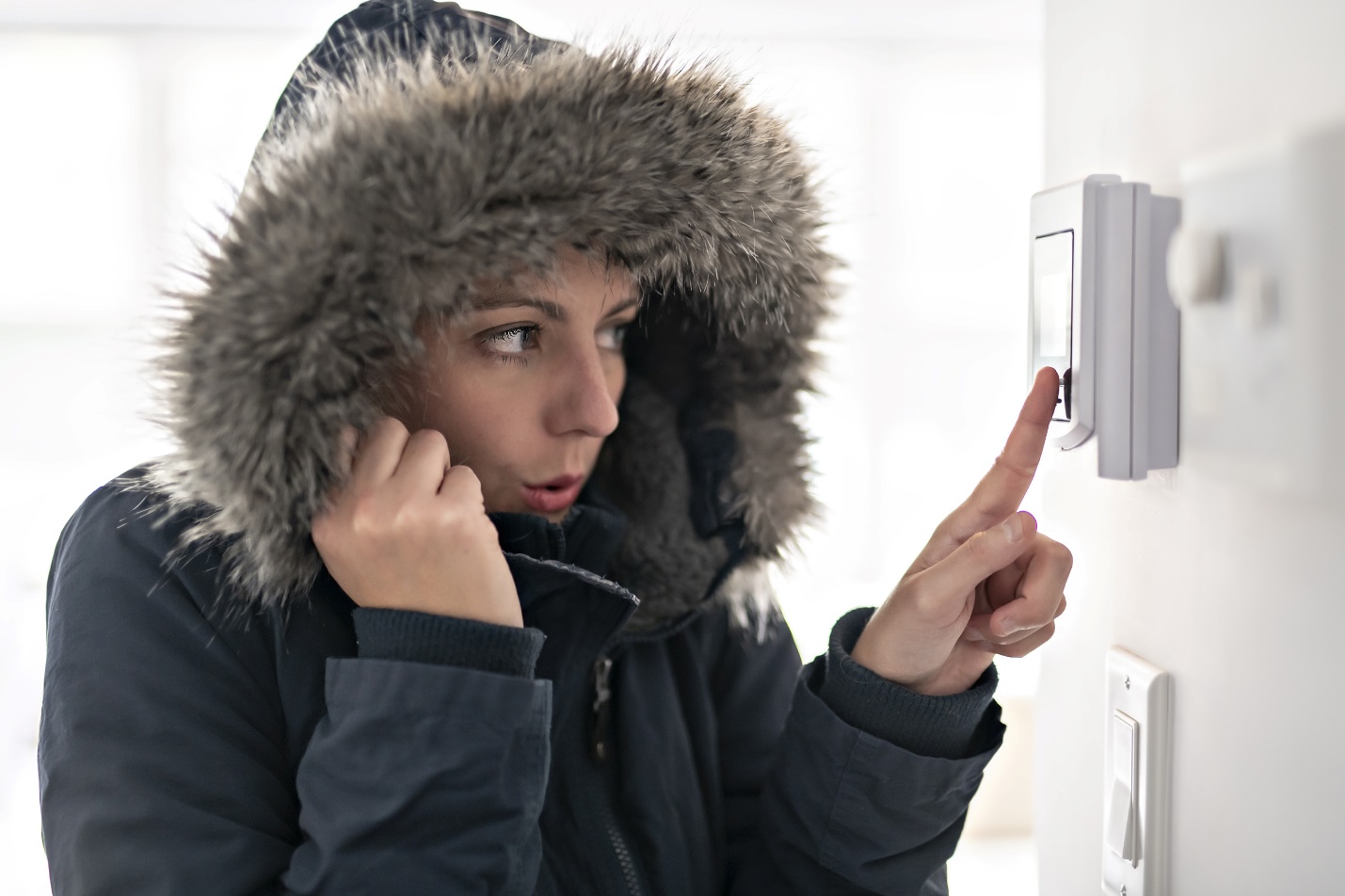
Woman With Warm Clothing Feeling The Cold Inside House

If you smell a musty odor when your heater is running, there may be dust inside the ducts. The odor tends to dissipate over time—call a professional if it lasts more than a few hours. If your heater smells like it’s burning, there may be a mechanical malfunction or plastic or rubber components burning in the system.

3. Your Home Isn’t Hot Everywhere

Some parts of your home may be cold while other areas are warm and cozy. Try looking at whether every vent is open. If it’s not your vents, then something may be wrong with the appliance. In extreme cases, you may notice ice forming. Also, be on the lookout for areas that are too hot; your furnace may be inefficient and wasting energy.

4. Your Energy Bill Has Spiked

While abnormally low temperatures and other factors may cause utility bills to rise, a struggling heater will burn more energy to get the same job done—thus, there’ll be a noticeable increase in your energy bill. If the number goes up in moderate temperatures or compared to last year at the same time, check the filter or have a professional troubleshoot any potential issues.

5. The Pilot Light Is a Color Other Than Blue

Plumber fixing gas furnace

The pilot light in a gas furnace should always be bright blue. A yellow or orange pilot light flame means the gas isn’t burning properly and carbon monoxide may be present. If so, there may be soot streaks on the heater, signs of moisture on exterior windows and walls, water pooling below the chimney or flue pipe, or rust on the vent pipe. Also, know the signs of CO poisoning, such as headaches, nausea, dizziness, flu-like symptoms, and hallucinations.

Call Christianson Air Conditioning and Plumbing

These are just a few common problems with heating systems. If not addressed, they can lead to heater breakdowns and even indoor air quality and health issues. Customers in Austin and San Antonio rely on us for high-quality heating repair, no matter what kind of issue is occurring. To schedule heating system repair, we can be reached 24/7 by calling our local offices:

  • Austin: 512-246-5400
  • San Antonio: 210-651-1212
  • Temple: 254-773-7175
  • New Braunfels: 830-627-2211

Tags: , ,


How to Prevent Plumbing Problems This Holiday Season

Posted on October 24th, 2020 by ChristainSon_Admin

You might be surprised to learn that the busiest time of the year for our Texas emergency plumbers is the holiday season. From around Thanksgiving through New Year’s, it is not uncommon for people to have friends and family visiting or they are hosting holiday parties at their homes.

One of the top plumbing service calls plumbers receive is for problems with kitchen sink drains and garbage disposals. These types of services increase during the holidays because people are putting things down their drains and into their disposals that they shouldn’t.

Plumber with Facemask Cleaning Drain

It is not uncommon for people to pour hot grease, oil, potato skins, potatoes, other such things into their sink drains or garbage disposals. These things can quickly clog up drain lines.

As grease and oil cool, they harden and can create blockages. Potato skins and potatoes are full of starches. Starches act like glue when they go through plumbing lines and stick inside the pipes. Even worse, these things can end up in the garbage disposal. There will be leftover grease, oil, and potatoes in the disposal that can cause it to stick and cause the motor to burn out.

The easiest way of how to prevent plumbing problems with clogged sink drains and damaged garbage disposals is to dispose of food scraps, peelings, grease, and oil by putting these things in your composting pile.

Other Types of Plumbing Problems You Can Prevent

Some other types of plumbing problems that tend to increase during the holiday season include:

1. Frozen Pipes – Here in Texas, there can still be cold weather that causes pipes to freeze and burst. Make sure to have your plumber wrap and insulate any pipes in any crawl space or exposed wall to avoid this problem. It is also beneficial to wrap and insulate pipes under sinks as an added precaution.

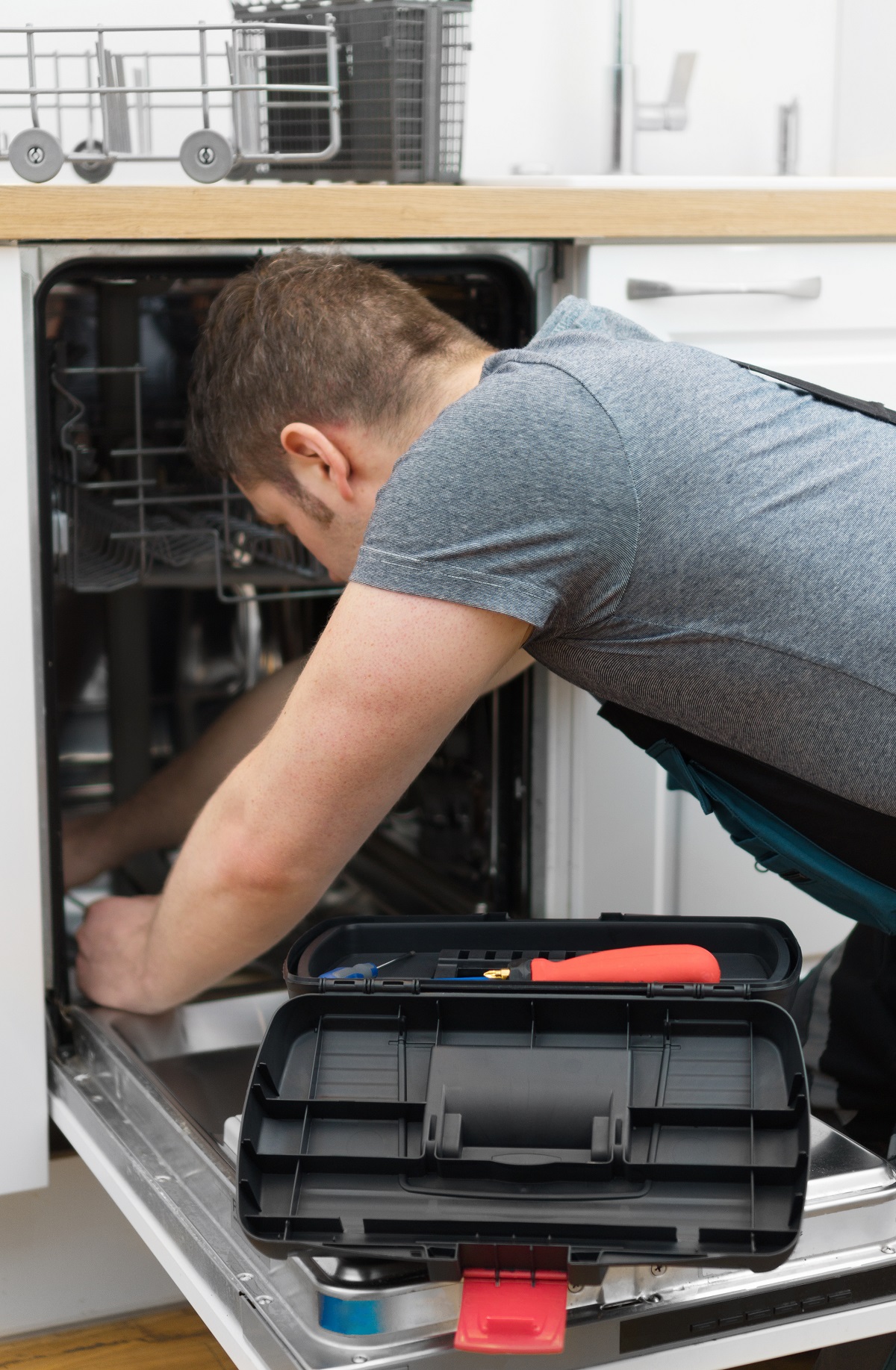
Professional handyman repairing dishwasher in the kitchen

2. No Hot Water – With a house full of guests, your water heater can be strained to keep up with hot water demands. Running out of hot water is never good. Have your plumber check your water heater settings to make sure they are set to accommodate the number of people in the home and keep up with hot water demand.

3. Water Heater Failure – A side effect of increased hot water demand is when the heater fails because it is older. If your water heater is more than 10 years old, you may want to replace it before the holiday.

4. Leaks – Water leaks tend to become more common when temperatures are cooling off. This is because pipes can contract when they are cooler. If the pipes are loose or damaged in some manner, leaks can occur. If you suspect a leak, call for emergency plumbing service immediately.

5. Clogged Dishwasher Drains – This problem occurs when you don’t take the time to scrape off excess food from dirty dishes. You don’t have to rinse the dishes and waste any water before loading the dishwasher. However, you do need to remove larger particles of food from the dishes before putting them in the dishwasher.

As the holidays are just around the corner, now is a great time to schedule a plumbing inspection of your home. A plumbing inspection of sink drains, toilets, water heaters, and garbage disposals will discover any potential problems. Your plumber can also verify if your plumbing lines are sufficiently wrapped and insulated to prevent freezing.

To schedule a plumbing inspection or other plumbing services in San Antonio, Temple, New Braunfels, or the Austin Metro area to avoid having to call our Texas emergency plumbers this holiday season, please feel free to contact Christianson Air Conditioning and Plumbing at 512-246-5400 today!

Tags: , ,


How to Prepare Your Heating System for Winter

Posted on October 23rd, 2020 by ChristainSon_Admin

Before winter arrives, one of the most important things you can do is prepare your heating system to make sure it’s clean and safe to run. These preparations will not only guarantee the safety of you and your family but will also ensure that your heating system runs as efficiently as possible, minimizing fuel costs in the process.

Preparing your heating system is especially important if you live in a warmer area of the country, especially in areas like Texas where heaters aren’t used as often. Though they may not be in use, heaters left off for months on end can still get dirty and develop other problems such as rust. As a result, most heating systems problems are only discovered after the heating system is turned on once it gets cold—talk about poor timing!

Thankfully, there are a few basic things you can do to ensure that your heating system is in top condition for winter. Some of these preparations include:

  • Changing the air filters
  • Inspecting blowers, chimneys, and other ventilation
  • Cleaning the furnace and heat exchanger(s)
  • Testing thermostats and carbon monoxide (CO) detectors
  • Having an annual inspection performed by a heating system professional

For more tips and information, check out the infographic below or visit us at ChristiansonCo.com.

How to Prepare Your Heating System for Winter Infographic

Click below to embed this infographic into your website:


When Is the Busiest Time of Year for Plumbers?

Posted on September 24th, 2020 by ChristainSon_Admin

Beautiful autumn landscape with yellow trees and sun

Need to call the plumber? Now might not be the best time!

While plumbing problems occur regardless of season, there’s one season in particular where plumbers see massive upticks in calls. While a good plumber will always be ready to help, knowing when the busy season is—and the reason why it’s so busy—can help you avoid the long waiting times.

When is the busiest time of year for plumbers?

The busiest time for plumbers is from September to December, though the busy season can extend to March or April depending on the climate. While this range may seem arbitrary, there are some good reasons why this time comes with so many plumbing issues.

Why are fall and winter the busiest seasons for plumbers?

person picking food on tray

One of the reasons for the business is the changing weather; many homes in colder climates suffer from frozen and/or burst pipes due to the drop in temperature during this time. Even when the temperatures aren’t freezing, they can still be cold enough to cause things to “shift” enough to break something!

A more interesting reason for the increase in plumbing problems is the holidays that occur during this time. With most families preparing large meals for winter holidays such as Thanksgiving, many kitchen sink plumbing systems get clogged with grease and food waste. As a result, the day after Thanksgiving is often the busiest plumbing day of the year!

In climates where the busy season extends into the spring, rainfall is often the reason. With increased rain during the fall and spring months, many drain systems become overwhelmed or damaged due to the sudden increase in flowing water.

How can homeowners prevent plumbing problems over the fall and winter months?

While many homes experience plumbing problems during this time, there are a few easy things you can do to prevent plumbing problems during the holidays and winter months.

First, make sure your pipes are properly insulated and functioning before the temperature drops too low. Freezing temperatures can make metal pipes brittle and freeze backed-up water, resulting in frozen and/or burst pipes. While this precaution mostly applies to those in colder climates, even those in more moderate areas may want to have their plumbing checked before seasonal temperature changes.

Second, be careful when cooking or hosting parties during the holidays. Never pour grease or fat down the drain, even if you have a garbage disposal. Instead, store grease and fat in a separate, heatproof container such as an empty can or glass jar. Once the grease is at room temperature, simply throw it away or find some way to reuse or recycle it.

Third, if you have a garbage disposal, be sure to make sure it’s in working order before using it—especially if you haven’t used it in a while. There’s nothing worse than filling your sink with dinner scraps only to find that the garbage disposal doesn’t work.

Last, be sure to have your plumbing regularly inspected and maintained throughout the year. With yearly checks and careful use during the holidays, you can avoid these holiday plumbing problems and keep your plumbing free of stuffing (pun intended).

Stuffing in your drain? Don’t worry!

Though the holiday season may be the busiest time for plumbers, that doesn’t mean they don’t have time for you. While you may have to wait a little bit longer, most plumbers work hard to prepare for the increase in calls.

No matter when you’re having problems, our emergency plumbers are here to help! Call Christianson Plumbing and Air Conditioning today at 512-246-5400 to schedule an appointment.

Tags: , ,


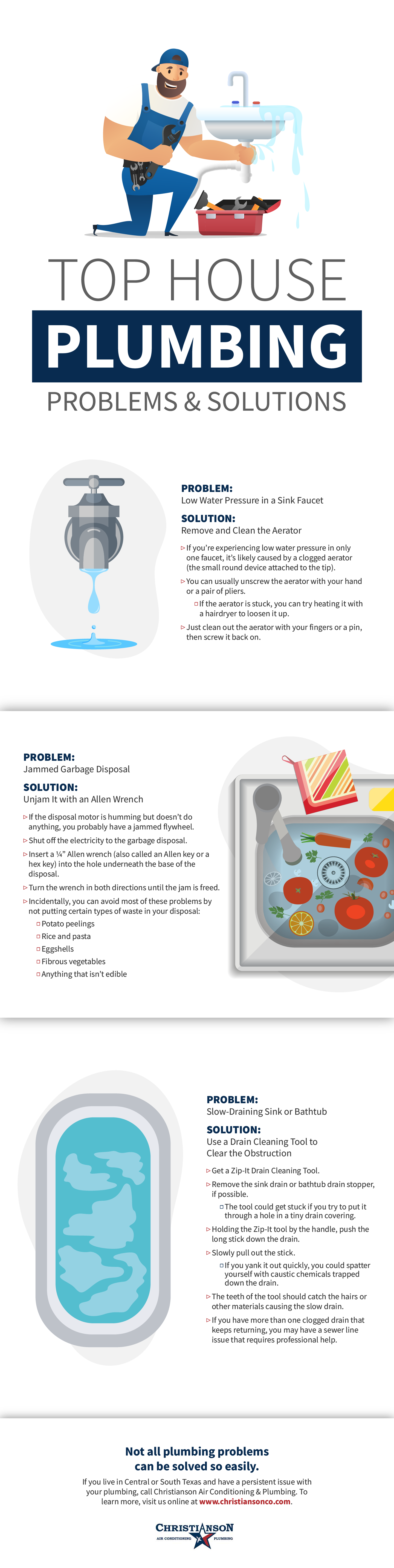
Top House Plumbing Problems & Solutions

Posted on September 2nd, 2020 by ChristainSon_Admin

Fun Fact: There are some top house plumbing problems you can try to resolve yourself if you have the right tools. By trying to resolve the problems on your own, you may be able to fix the problem and not need to call a professional plumber.

If you don’t try these solutions and call a plumber, they will also try these same things first to see if it resolves the current problem. By taking the time to troubleshoot and try some simple solutions yourself, you can save your plumber time should the problem not be fixed.

As an added bonus, your plumber won’t have to spend time trying these simple solutions and can start to narrow down the actual cause or causes for the plumbing issues you are experiencing. However, if you do not feel comfortable trying these plumbing solutions on your own, we understand, and our plumbers are here to help.

To find out what the top house plumbing problems are and their solutions, we invite you to continue reviewing the following infographic.

If your problem was not resolved using one of our solutions or you have other, more complex plumbing problems and live in Central or South Texas, contact Christianson Air Conditioning & Plumbing at 512-246-5400 today!

Top House Plumbing Problems & Solutions Infographic

Click below to embed this infographic into your website:


How to Properly Clean Out Drains at Home with Drain Cleaning Service

Posted on August 24th, 2020 by ChristainSon_Admin

Drain cleaning is part of the regular maintenance required when you own a home. It is something that should be done at least once a year, depending on what you are putting down your drains. If you do not clean your drains regularly, over time, soap scum, hair, grease, food particles, and other such things start to stick to the insides of drain lines.

Eventually, you will notice the water is draining much slower than normal. This is caused by a restriction in the drain lines from the buildup inside the pipes. Water is not able to drain as quickly down the drain, so it backs up in the sink, shower, or tub.

If you still don’t have your drains cleaned, the building up will continue until you have a clogged drain. The easiest way to avoid a clog is to clean your drains.

Methods for Drain Cleaning: Home Remedies

There are several home remedies you can use to help clean your drains. These methods are safe for drain lines and help remove most types of buildup from the inside of the pipes.

  1.  Baking Soda and Vinegar: This chemical reaction isn’t just for science projects and making volcanoes with your kids! Pour some baking soda down the slow-draining drain, and then add an equal amount of vinegar. Allow the foaming action to work for about 15 minutes. Rinse the drain with warm water.

pour a spoon of baking soda and a glass of vinegar into the drain of the sink

  1. Boiling Water: Boiling water is a great way to break up soap scum, shampoo, conditioner, and grease stuck to the inside of pipes. Boil a large pot of water or use a tea kettle. Once the water is boiling, carefully pour it down the drain.
  2. Elbow Grease and a Plunger: Another thing to help clean drains is to use the “old fashioned” method of using a plunger. Use the plunger to block the drain and fill the sink with warm water. Block the return air vent found on some sinks and plunge away. You will be able to tell when the pipes are cleaner, as the water will drain away normally.

Methods for Drain Cleaning: Professional Drain Cleaning

If drain cleaning home remedies are not effective at keeping drains clean or you are tired of the frequency of clogged drains, then it is time to call your plumber and schedule drain cleaning service. Your plumber may use one or more methods to clean your drainpipes, including:

  1. Auger/Plumber’s Snake: This device looks like a thick cable wire. It is fed down the drainpipe to remove buildup from the insides. Some augers are manually operated, and others are electronically operated to reach further down the drainpipe.

Young Male Plumber Cleaning Clogged Sink Pipe In Kitchen

  1. Water Jetting/Hydro Jetting: This type of drain cleaning service is where air is used to pressurize water to remove buildup from inside the pipes. Only a professional should perform this service because you must know the right amount of water pressure to use. If you use too much, then you can blow out drainpipe connections and cause damage to your home’s plumbing.
  2. Drain Camera: To help inspect the amount of buildup on drain lines and find the source of clogs, your plumber may use a drain camera. The drain camera is connected to an auger-like device and fed down the pipe.

Why Not Use Chemical Drain Cleaners/Clog Removers?

Chemical drain cleaners and clog removers are never recommended. These products contain harsh chemicals that could damage your home’s plumbing. Furthermore, the products are not formulated for all types of buildup and clogs. Last, the chemicals used in the products are not eco-friendly and could contaminate greywater sources that are recycled and reused.

To schedule an appointment with one of our local plumbing technicians, or for air conditioning problems in San Antonio, Temple, New Braunfels, or the Austin Metro area, please feel free to contact Christianson Air Conditioning & Plumbing at 512-246-5400 today!

Tags: , ,


Copyright © 2025 Plumbing & Air Conditioning Company - Austin, TX

Licenses M-18631, M-18632, LI15740, TACLA023749C

Regulated by The Texas Department of Licensing and Regulation

P.O. Box 12157, Austin, Texas 78711, 1-800-803-9202, 512-463-6599, Website: http://www.tdlr.texas.gov