Texans serving Texas since 1950

Call Us Now:

Austin Metro (512) 246-5400
San Antonio (210) 651-1212
Temple (254) 773-7175
New Braunfels (830) 627-2211

Plumbing Terms You Need to Know

Posted on April 23rd, 2020 by ChristainSon_Admin

Meeting with a plumber can be a unique experience. At times, they may use somewhat familiar terms, but, sometimes, it may seem like they’re speaking a foreign language. Plumbing talk, or plumberese, can even vary from one place to another. A licensed plumber has a vast reserve of technical knowledge. Here are some of the words they may use, with explanations, to help you understand what they are saying.

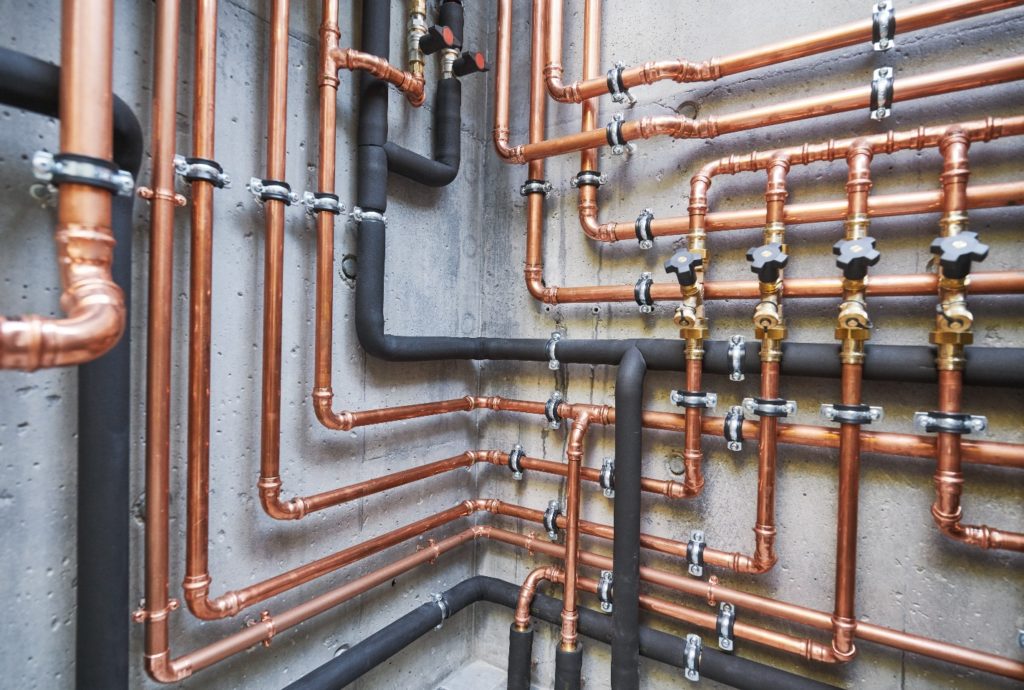
copper pipeline of a heating system in boiler room

  • ABS: Acrylonitrile butadiene styrene. If this sounds like a tongue-twister, everyone calls it ABS anyway, or plastic pipe. This is a rigid, durable pipe that’s used for drain, vent, and waste lines.
  • Access Panel: A panel in a wall or ceiling that can be opened to access plumbing or electrical fixtures that are kept out of the open.
  • Auger: A spring-like, flexible metal rod that’s used to clear drain or toilet clogs. There’s usually a clearing or cutting device on the far end. Manual augers are turned with a crank to force blockages free, while motor-driven units may be used for plumbing problems with underground drain lines.
  • Bleed: The process of releasing excess air from a pipe. It’s typically accomplished by opening a valve and can also be used to remove excess air from a hose or another tube.
  • Discharge Drain: Discharges water into a drain system or leads to a channel to drain water into the ground; one example is a French drain.
  • Drain: An opening for wastewater to pass from a fixture/system to a pipe where it’s transported for reuse or treatment; drains can be open or have a protective covering (grate), as in the case of floor drains. They may start at a plumbing fixture or not be connected to one at all like a storm drain.
  • Elbow: A pipe fitting with two openings, but which diverge at 90-degree angles to allow for a change in flow direction. Your plumber may refer to it as an “ell” or “L”.
  • Faucet Screen: Placed in the faucet arm nozzle, it is a small metal grating that catches small debris. Similar screens are sometimes used in washing machine hoses to protect an appliance’s water valves.
  • Flapper Valve: A rubber plug at the base of the toilet tank, which opens to allow water to fill the bowl while flushing.
  • Float Valve: Used to control water flow in a toilet tank, this type of valve is designed to shut off the water at a predetermined level. There are different designs, including one with a hollow ball, connected to a rod, that floats on the water.
  • Journeyman: If a technician says they’re a journeyman, this means they’ve completed their plumber’s apprenticeship but have yet to reach master level, which usually takes four to five years.

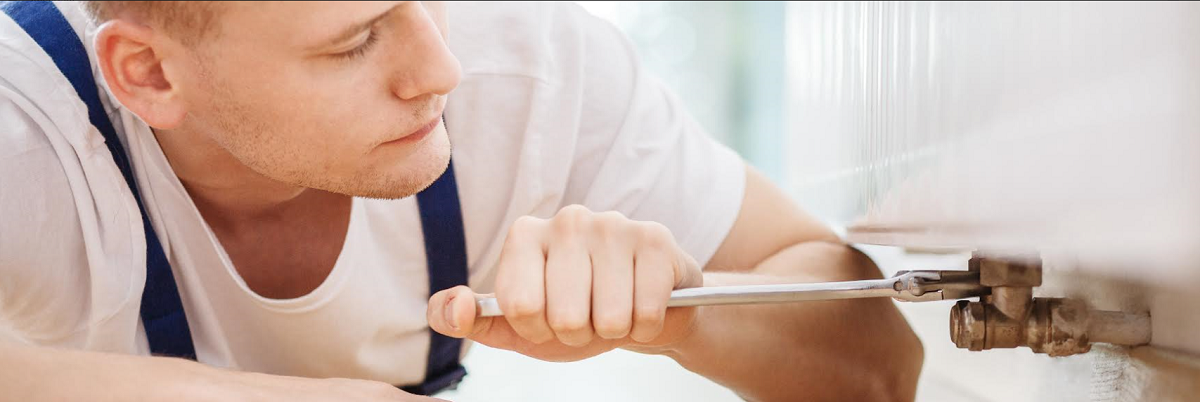
male plumber fixing a sink in bathroom

  • Licensed, insured, and bonded: A licensed plumber has passed regulatory requirements to perform the work they do. Insured means they have insurance coverage for employee injuries or damages that occur on jobsites, while bonded means they possess outside insurance that provides coverage if the company goes out of business or in cases of employee theft. Plumbing contractors generally must have all three to do business.
  • Low-Flow: A type of fixture that reduces water flow as water passes through an outlet, such as a showerhead, faucet, or toilet.
  • Main: The main water supply to which all branches of a plumbing system connect. The main drainpipe is where a home’s drain piping system enters a primary underground drainpipe or a septic system.
  • Master Plumber: Has completed their apprenticeship and journeyman requirements. Responsible for business operations, planning, and bidding on individual jobs, a master plumber usually has 10 to 15 years of experience. They must also pass a state exam that tests their knowledge on best practices and the most current plumbing codes.
  • Overflow: A drain that prevents a fixture from overfilling. A small hole near the top of a sink, it allows water to flow back to the drain instead of overflowing onto the floor.
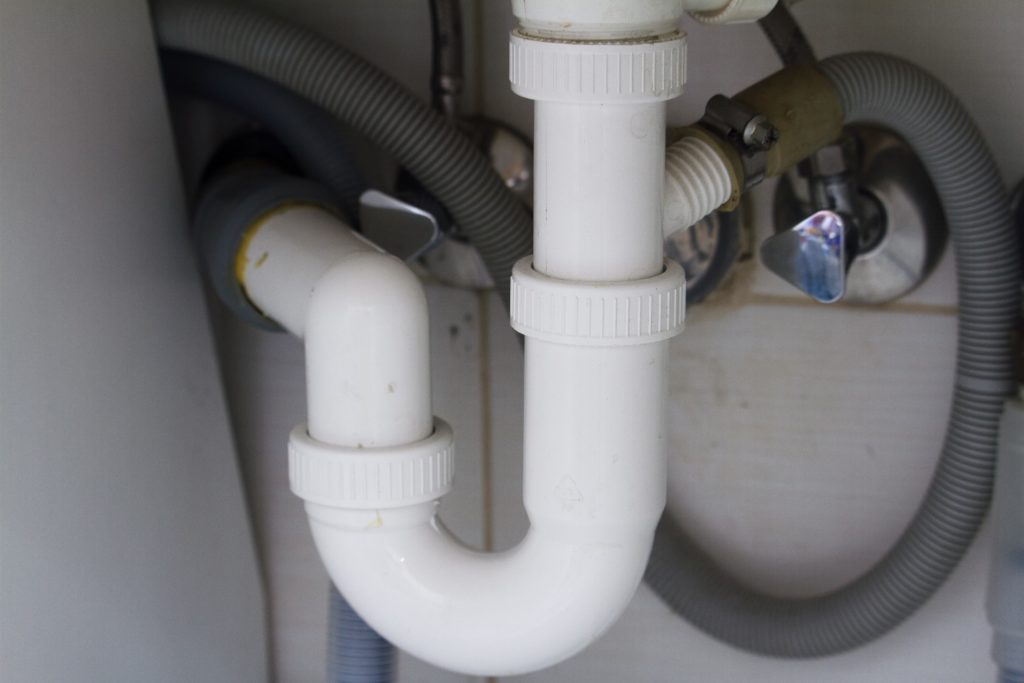
  • P-trap: A drainpipe shaped like the letter “P” found under a sink. It runs through the floor to the main drainage line. It is designed to trap some water to prevent sewer odors from backing up. An S-trap serves a similar purpose but exits through a wall.

sink with flexible tube over flow connect in white wall

  • PVC/CPVC: Polyvinyl chloride (PVC) pipe may be used for drainage or waste handling, as well as for sprinkler systems; it’s usually white/off-white. Chlorinated polyvinyl chloride (CPVC) is a black plastic pipe that’s used in some types of water supply systems. Local code requirements often reflect the type of material chosen.
  • Septic Tank: Often used in rural areas, it’s a large underground tank that temporarily stores waste, which is then separated into liquids, solids, and sludge by gravity and bacteria. The liquid may then drain into an absorption field, where it’s discharged into the soil. Septic systems are not connected to municipal sewer systems.
  • Shutoff Valve: Any valve that stops water from flowing through a pipe. It’s usually found under the sink or next to the toilet, while water meter shutoff valves are usually underground. In-home shutoff valves are typically closed using several turns.
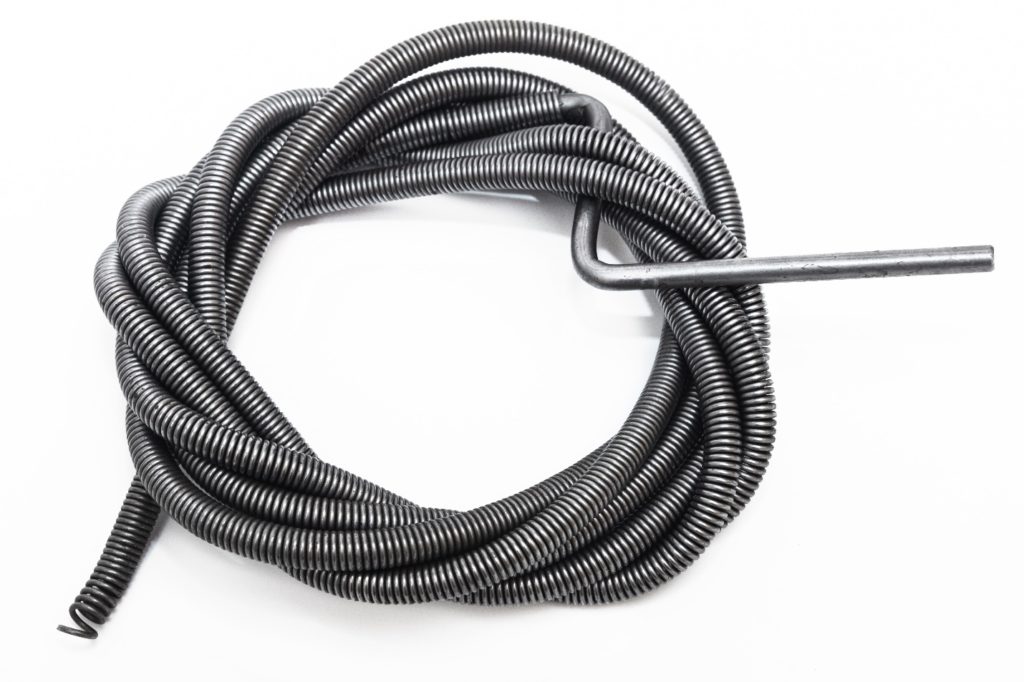
  • Snake: Made of spiral-wound metal, it is a thin cord that can be fed down a drain. Clogs are dislodged by rotating the flexible cord.
  • Stacks: Vertical sections of pipe that transport discharged water away from drains. A soil stack carries water away from a toilet, while a waste stack refers to piping that transports discharge from all other drains.

new plumbers snake on a white background

  • Tankless Water Heater: A modern water heater that heats water on demand, as it passes through, often using natural gas burners. It turns on only when running water is detected. There is no holding tank, so the unit requires less space and uses less energy to maintain a supply of hot water.
  • Water Hammer: A loud banging sound heard from a fixture or pipe. It is caused by the water supply suddenly being cut off, which triggers hydraulic shock, or a sudden increase in pressure created by a quick change in velocity within the waterline.

Schedule Professional Plumbing Services Today

These are some terms a licensed plumber may use during a service call. At Christianson Air Conditioning and Plumbing, we hope this list helps you better understand a technician’s explanation of any plumbing issue you have and how they’ll resolve it. Serving Texas since 1950, our company is committed to expertise and high-quality service. If you need the assistance of a licensed plumber, fill out our online service request or give us a call at 512-246-5400 today!


13 Tips About How to Save Money on Air Conditioning Costs

Posted on March 26th, 2020 by ChristainSon_Admin

Keeping your house cool as the weather starts to heat up doesn’t have to break the bank. There are several effective ways of how to save money on air conditioning costs. To help you out, our experienced air conditioning repair technicians are pleased to share some of our top tips!

Tip #1: Schedule regular air conditioning repair and tune-up service.

Your air conditioning system should be serviced at least once a year. Ideally, bi-annual air conditioning repair and tune-up service is best-once in the spring and again in the fall. Bi-annual HVAC service keeps your system operating optimally and efficiently all year long.

electrician installing an air conditioning in a client house

Tip #2: Use glazed windows and doors and keep them closed while the air conditioning is running.

It is possible to reduce surface temperatures and excessive absorption of heat from the sun by using internal glazed doors and windows. It helps you save money on your energy bills and reduce your carbon footprint. Also, you would be surprised to know how many people open windows or doors while the AC is turned on. This allows warm, humid air indoors, so your AC is going to run more often and longer to try to compensate.

Tip #3: Make sure windows, doors, and the attic are properly sealed.

Air leaks around windows, doors, and the attic are other ways that increase energy bills and how often your air conditioner runs. The easiest way to find out if you have air leaks is to place your hand up near the window or door and slowly move it around the outside. If you feel any air, then there is an air leak.

Another quick check is if you seek sunlight coming from around the door or window. This means there’s a gap. The best time to check for air leaks is on windy days.

For attic leaks, a quick check is to simply touch the attic door cover. If it feels warm, then there are air leaks in the attack.

Fixing air leaks is not difficult. For windows, you just need to remove old caulk and apply new caulk to reseal them. For doors, you may need to remove old weather-stripping and install new.

In the attic, you have a few options. The easiest is simply to add more insulation to the attic. However, before doing so, it is a good idea to call your roofing contractor and have them do an inspection to ensure the attic is properly ventilated and there is no pre-existing water damage.

Tip #4: Change your air filters every two months.

Most air filters are designed to last longer, but the longer your leave them, the more dust and dirt the filter collects. When airflow is restricted, it places a strain on your AC system and causes it to work that much harder and longer, which results in higher energy bills.

Tip #5: Close air vents in rooms with multiple vents and rooms not being used.

If there are certain rooms in the home you don’t use that often, close the air vents. If you have multiple air vents in the same room, consider closing one at least partially. For example, if you have an air vent in the master bedroom and master bath, close the one in the bath since both don’t need to be open.

Tip #6: Ensure the thermostat is installed in the right location.

You want to make sure your thermostat is not installed on an exterior wall or in a location where it gets direct sunlight. There is a good chance the air conditioner will cycle more often than it needs to when it is installed on an exterior wall. When the thermostat is in direct sunlight, the sunlight can heat up the thermostat, so it will think it is hotter than the rest of the home and cause the AC to run more often.

Tip #7: Upgrade to a smart thermostat.

If you don’t already have a smart thermostat, have your AC repair technician install one. A smart thermostat allows you to program different settings for different times and days of the week. By creating different programs, you have more control over when the AC runs.

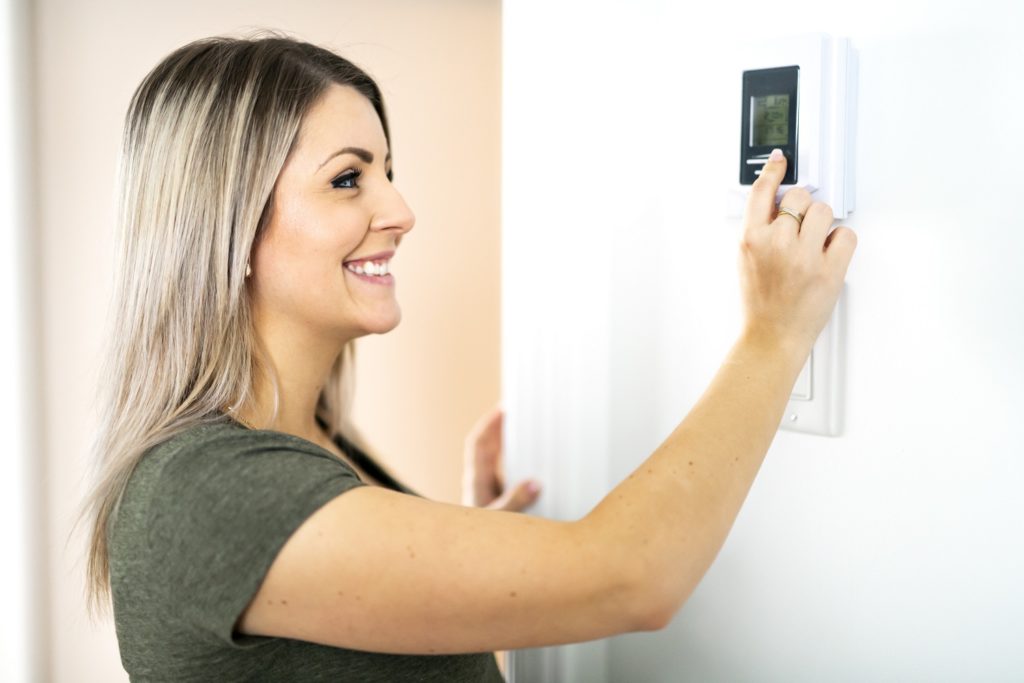
Woman programming temperature inside home

Tip #8: Turn the thermostat up a few degrees.

You might be surprised by how much money you can save by turning up the thermostat just a few degrees. On average, you could save between 2 – 4% each month, depending on your preferred setting. To maximize your savings, consider setting the thermostat at 78 degrees Fahrenheit.

Tip #9: Turn on ceiling fans set in “summer” mode.

Run your ceiling fans to help circulate cool air more evenly in the home. Doing so can help make your home feel cooler. To verify your ceiling fans are in “summer” mode, look up at them and verify they are spinning counterclockwise. If not, shut them off and slide the switch on the side of the fan to switch the direction of the fan.

Tip #10: Plant trees around the house to add shade and block out direct sunlight.

If you don’t have many shade trees around your home, consider planting some in the locations where the home gets the most direct sunlight. Blocking out direct sunlight helps keep the home cooler and reduces how often the AC runs.

Tip #11: Keep blinds and curtains closed on windows in rooms that get direct sunlight.

In rooms that get direct sunlight, get into the habit of keeping the blinds and curtains closed during the summer. Direct sunlight will heat up the room and make it feel warmer than the rest of the house. That heat also spreads to other areas of the home and can cause your AC to run more frequently.

Tip #12: Replace old air conditioning systems with new, energy-efficient systems.

If your current air conditioning is more than 15 years old, you should consider air conditioner replacement. Getting a new, energy-efficient AC system not only means your home will be cooled more efficiently and effectively but also reduces your overall cooling costs.

To find out more about getting a new air conditioning system for your home, contact your AC repair technician. They help determine the right size AC system you will need and show you different system options and their potential energy savings.

High efficiency modern AC-heater unit

Tip #13: Add more insulation to the exterior walls of the home.

To find out if you need more insulation in the exterior walls of your home, start by touching an interior wall. Pay attention to the coolness of the wall. Now touch the exterior walls of your home to see if it also feels cool like the interior wall.

If it feels warmer, this means that heat from the outdoors is getting inside due to a lack of sufficient insulation. Adding insulation to exterior walls is not difficult, as there are spray foam and loose-fill options.

Tip #14: Have your air ducts cleaned and sealed.

Another type of air leak that can occur is in homes with air ducts. The ducts can develop small gaps and openings where warmer air is sucked into the ducts and blown into the home. Air leaks in the air ducts also increase the amount of dust in the home and lower indoor air quality.

By using these tips, you can start to save money on your cooling costs. Please keep in mind, the amount you save does depend on which of these tips you start using. The more tips you utilize, the higher your savings could be.

To schedule ac repair and tune-up service, find out about air conditioner replacement, duct cleaning and sealing, and other AC system services, please feel free to contact your nearest Christianson Air Conditioning & Plumbing location in Aust Metro, San Antonio, New Braunfels, and Temple, TX by calling 512-246-5400 today!

Our experienced air conditioning repair technicians can show you how to save money on air conditioning costs.


First-Time Homebuyers HVAC System Checklist

Posted on March 26th, 2020 by ChristainSon_Admin

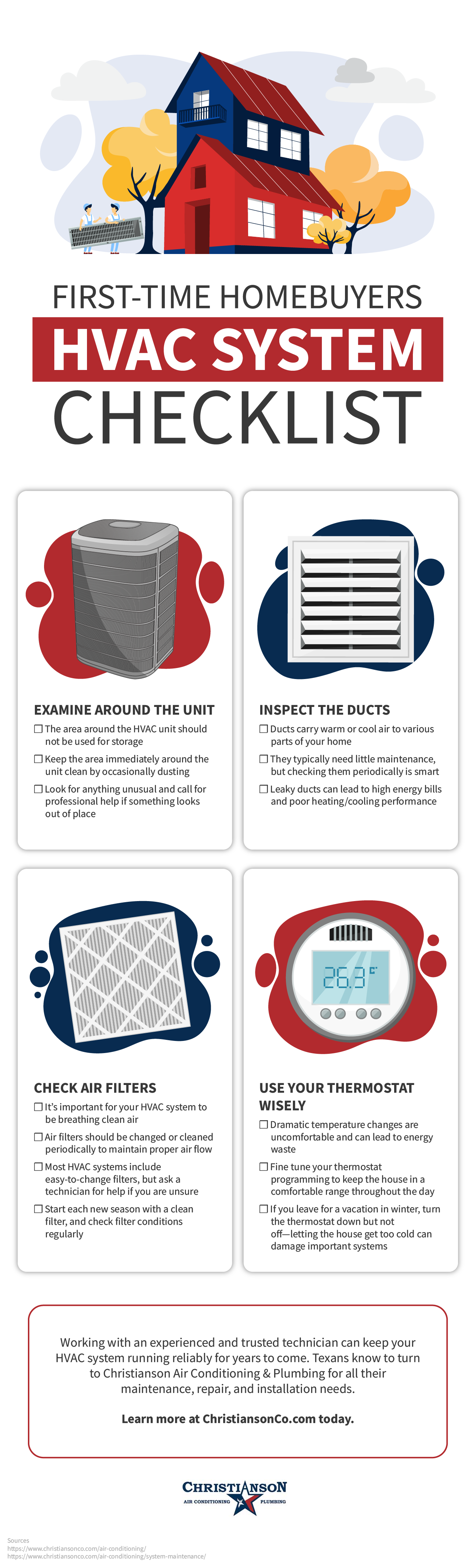
When you buy a home for the first time, you need to make sure to check several things. One of the biggest things you’ll want to check is the HVAC system to make sure it’s functioning well. If it’s not, you could be in for some expensive repairs and uncomfortable days.

Examine the HVAC unit itself to start, and make sure nothing looks out of place. Next, you can inspect the ducts, even though they require a lot less maintenance than other parts of the HVAC system. Perhaps the easiest part of the system to inspect is the air filters—and clean them periodically.

Once you’re satisfied that your HVAC system works, don’t forget to use your thermostat wisely. Doing so can cut down on dramatic temperature changes and save money.

Buying a home is a huge decision. You’ll want to make sure everything is in good working order, especially your heating and cooling system. To read the complete checklist of what you need to examine in an HVAC system, read the infographic below.

First-Time Homebuyers HVAC System Checklist Infographic

Click below to embed this infographic into your website:


HVAC Repair 101: 6 HVAC System Sounds You Never Want to Hear

Posted on March 24th, 2020 by ChristainSon_Admin

Your HVAC system will make noises when it is heating or cooling your home. With the weather starting to warm up here in San Antonia and Austin, we are at the time of year when we switch from AC to heat and vice versa. Now is a great time to do a self-inspection of your HVAC system to determine if it is making strange sounds that could require HVAC repair.

1. Loud Squealing Sound

This sound is like the one you might hear when turning on the AC in your car for the first time. It could mean one of several different things:

  • You have a loose fan belt that is slipping and needs to be tightened.
  • The fan belt is getting ready to break.
  • For systems without fan belts, this sound often indicates various moving parts and components need to be lubricated.

Young man fixing air conditioner at home

2. Banging or Scraping Sound

If you hear metal-on-metal banging or scraping, this is never good. Shut the HVAC system off right away to avoid further damage. Something has come loose and is allowing moving parts to bang or scrape against each other.

Ignoring the problem will only cause it to get worse. When whatever came loose falls off, it could damage the fan or other moving parts, resulting in a costlier repair.

3. Loud Clunking or Banging Sound at System Start-Up

If your HVAC system is making a loud clunking or banging sound when it starts up, something is wrong. With gas furnaces, this could indicate a buildup on the burner unit. When the heat turns on, essentially, you are creating a mini-explosion inside the furnace.

With air conditioners, this sound can occur if parts need to be lubricated, as the system is having to work harder to get everything moving. The system may continue to bang or clank or, if there is some lubrication left, it may stop while the system runs.

4. Shaking and Rattling Sounds

These sounds mean something is not right inside the system. There is excess vibration occurring that is causing the system to shake and rattle. A bolt or fan blade could have come loose.

You could also have other types of parts inside that are loose and causing the excessive vibrations. You definitely want to call a heating and air conditioner contractor for repair service ASAP.

HVAC technician working on controls of air conditioner

5. Clicking Sounds at the Thermostat

Clicking is normal when the thermostat sends a signal to turn the system on and again when it sends the signal to shut the system off. However, if you notice that the clicking sounds have changed or continue while the system is running, something is wrong. Typically, it is some type of electrical problem like a wire having come loose or your thermostat getting ready to fail.

6. Buzzing Sounds

If your HVAC system is buzzing but not turning on, shut it off right away and schedule HVAC repair. Buzzing indicates a few different types of problems that could include:

  • Bad Ignitor Switch
  • Bad Ignitor
  • Bad Blower Motor
  • Bad Blower Fan
  • Loose Electrical Wires

If you notice any of these sounds or others that do not seem normal, please feel free to contact Christianson Air Conditioning & Plumbing at 512-246-5400 to schedule HVAC repair service. We service the San Antonio, Austin Metro, Temple, and New Braunfels areas.

Now is also a great time of year to schedule HVAC system tune-up maintenance service to make sure your system is all ready for the hot Texas summers!

Tags: , ,


28 Tips for Keeping Your 2020 Water Conservation Resolutions

Posted on March 2nd, 2020 by ChristainSon_Admin

If you made water conservation resolutions on New Year’s Day and are struggling to achieve this resolution, you may not be alone. It can be hard to think about all the different ways that you could conserve water at home, at work, and on the go.

Even if you already made some strides, you might be looking for other things you can do to take your water conservation resolution to the next level. To help you on your journey to conserve more water and do something good for the environment, check out these tips shared by our professional air conditioning and plumbing technicians.

Tip #1: Fix Leaking Faucets

If you have leaking faucets, not only are you wasting water, but you are also throwing money away with higher water bills.
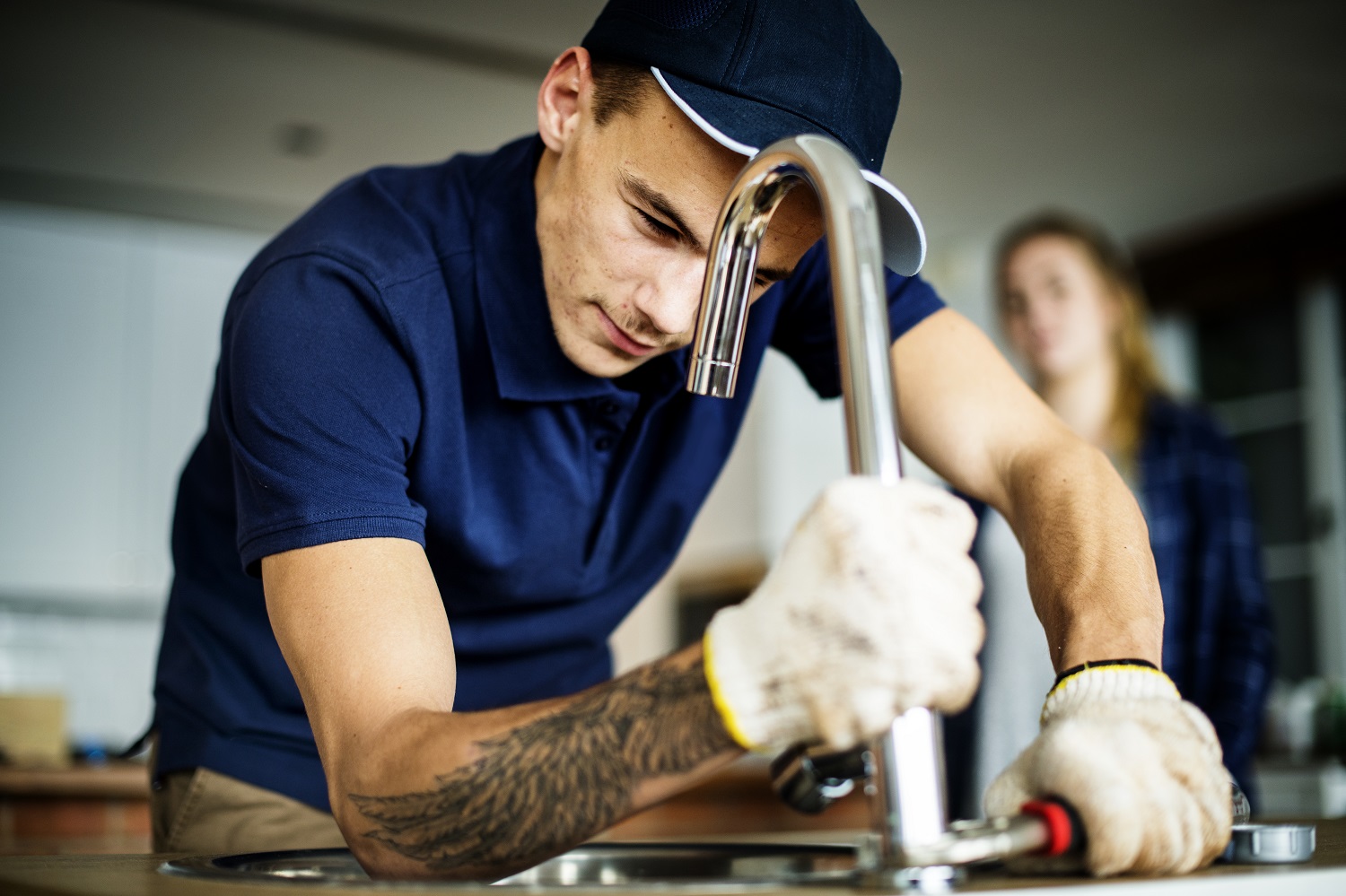
Plumber fixing kitchen sink

Tip #2: Upgrade to Water Conserving Faucets and Fixtures

Replace older faucets and fixtures, including the shower and tub, with ones that use a fraction of water.

Tip #3: Do Dishes in the Dishwasher

Unless you have non-dishwasher-safe dishes, you should be doing your dishes in the dishwasher. A dishwasher uses a fraction of the water of hand washing and rinsing.

Tip #4: Upgrade to a Water-Saving Dishwasher

New dishwashers have sensing features that determine how much water is needed to wash dishes to get them clean.

Tip #5: Only Run the Dishwasher When It’s Full

Wait until your dishwasher is full before running it since it will use less water than running partial loads.

Tip #6: Fix Leaking Toilets

Leaking toilets can waste a lot of water. Whether the flapper is bad or the wax ring seal is cracked, you should fix leaking toilets as soon as possible.

Tip #7: Upgrade to a Water-Conserving Toilet

You don’t have to replace the entire toilet to get water-saving features. There are new flush mechanisms designed to be retrofitted in older toilets to help conserve water.

Tip #8: Fix Leaking Water Heaters

Whether you have a tank-based water heater or a tankless water heater, leaking water heaters are wasting water. For tank-based heaters, leaks often indicate it is time to replace the water heater. Consider upgrading to a tankless water heater.

For leaking tankless water heaters, the plumbing connections may need to be repaired or replaced. This is an easy fix with a call to your plumbing professional.

Tip #9: Get a New Front-Load Washer

Front-load washers use a fraction of the water as top loaders. Thanks to recent technology advances, front-loading machines have sensors that determine how much water is needed to clean your clothes. Some models also have steam features that save even more water.

Tip #10: Only Run Full Loads of Laundry

It can be tempting to run partial loads of laundry just to have the chore completed. However, you are wasting more water than waiting until you have a full load of laundry.

Tip #11: Stop Buying Bottled Water

Bottled water is a big water waster and not good for the environment—not to mention all those plastic water bottles that end up in landfills. Instead, invest in a water filtration system and reusable water bottles to always have access to fresh, filtered water.

Tip #12: Install a Water Softener

If you have hard water, you can help save water, as well as cut other expenses, by having your plumber install a water softener in your home or business.

plumber Installing water filter into system

Tip #13: Take More Showers

Taking a shower uses less water than filling the tub. Granted, it is nice to soak in the tub to relieve stress and relax. However, limit the number of baths you take each week, and you will help reduce your water usage.

Tip #14: When Not in Use, Shut It Off

There’s no reason to leave the water running while brushing your teeth. Turn the water off and don’t turn it back on until you are ready to rinse.

Tip #15: Stop Watering Your Lawn

A big water-waster is trying to maintain a pristine, green lawn. A better solution is to replace your lawn with artificial grass that requires no watering. Plus, you won’t have to waste money on gas, lawn mowing, fertilizers, and grass seed ever again.

Tip #16: Cover Your Pool

If you have a pool, put the cover on it when you are not using it to reduce water evaporation.

Tip #17: Reuse Cooking Water

The water you use to boil pasta, boil potatoes, or steam vegetables can be reused instead of pouring it down the drain. Get a reusable container for your cooking water. Use this water for watering houseplants or your vegetable garden.

Tip #18: Wash Your Car with a Waterless Car Wash Soap

Waterless car wash soaps are great to use on your car when it isn’t that dirty. You just spray it on following the application instructions and gently wipe it off for a clean car without using any water.

Tip #19: Replace Plants and Shrubs with Low-Water-Use Versions

There are plenty of plants and shrubs that don’t require much water to thrive and which are perfect for Texas climates—like various types of cactus plants, bamboo, and lilac bushes.

Tip #20: Use Rubber Mulch for Landscaping

Rubber mulch is made from recycled tires, so you are already doing some good for the environment. Secondly, rubber mulch helps prevent moisture loss to keep your plants, shrubs, and garden moist for longer.

Tip #21: Reuse Bath Water

For those times you do take a bath, get a storage drum and save the used bathwater. You can use this water for flushing the toilet and watering your plants and garden.

Tip #22: Invest in a Gray Water Reclamation System

If you want to collect used water easily, a gray water reclamation system is a good investment. You can reclaim most of the water used in your home, except for toilets, and use it for other purposes like watering the lawn, washing the cash, or flushing the toilet.

Tip #23: Install Rain Barrels to Your Downspouts

You can use rain barrels to collect water runoff from the roof of your home and use this for other purposes. You can also set up individual rain barrels to collect rainwater, so you have access to water during droughts.
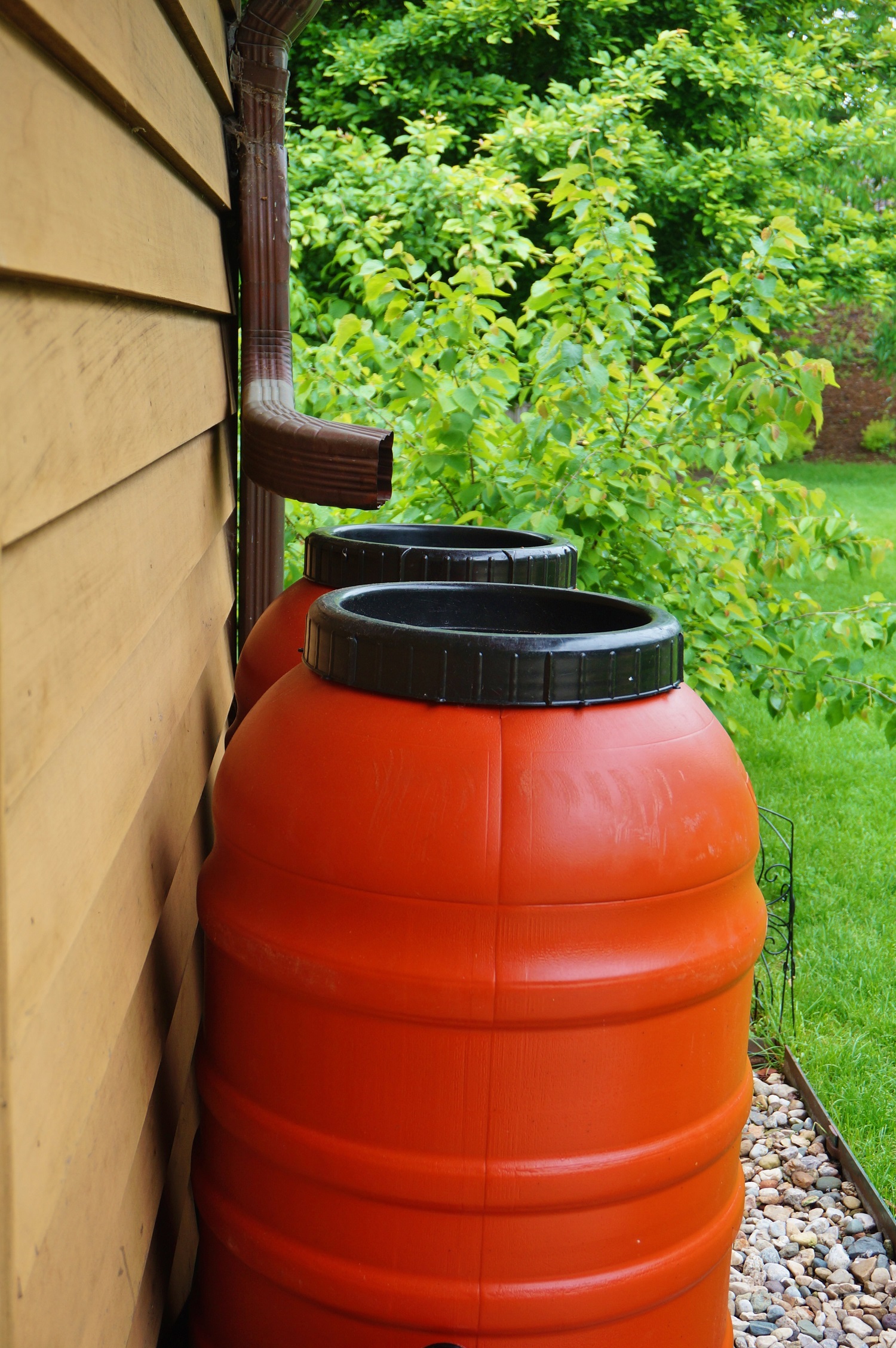
Rain barrels collecting water in the garden

Tip #24: Start Celebrating Meatless Mondays

Meat production uses a lot of water. Every family that skips eating meat one day every week helps to save hundreds of gallons of water annually.

Tip #25: Insulate Your Hot Water Pipes

Insulating your hot water supply lines means the water does not take as long to heat up, so you use less water.

Tip #26: Never Thaw Frozen Foods with Tap Water

It can be tempting to quick-thaw frozen foods by running tap water over them, but this wastes a lot of water. Plan your meals ahead of time and thaw frozen foods in the refrigerator. Ideally, you should allow 48 hours for food to thaw in the refrigerator, so plan your meals at least two days in advance.

Tip #27: Get Rid of the Garbage Disposal

Running a garbage disposal wastes water. Most of the things you put down the disposal could be repurposed and reused. Start a composting pile, instead, to make natural eco-friendly fertilizer for your plants and garden.

Tip #28: Pay Attention to Your Water Bill

If you notice a spike in your water bill and have been conserving water, it often indicates a water leak somewhere inside the home. Call your professional plumber to find, locate, and fix the leak.

By using some or all of these tips, you can help conserve water, reduce your water and energy bills, and achieve your 2020 New Year’s Resolution to use less water.

For leaking faucets, leaking toilets, leaking water heaters, and plumbing repairs and upgrades for your Temple, New Braunfels, San Antonio, or Austin Metro home to help save water, please feel free to contact Christianson Air Conditioning & Plumbing at 512-246-5400 today!


How to Remedy a Slow-Draining or Clogged Bathtub

Posted on February 24th, 2020 by ChristainSon_Admin

Hair, soap, shampoo, conditioner, and other “stuff” can slowly start to build up in the bathtub drainpipes and even lead to a slow-draining or clogged bathtub drain. While your immediate response might be to reach for an off-the-shelf chemical drain cleaner and clog remover, using these products is never the best solution.

For starters, the chemicals in these products could damage your drainpipes. Next, the off-the-shelf product cannot target every type of drain problem and clog. You could be creating a bigger problem. Additionally, the chemicals could have a chemical reaction with what is in the pipe and potentially eat through the pipe walls and create leaks.

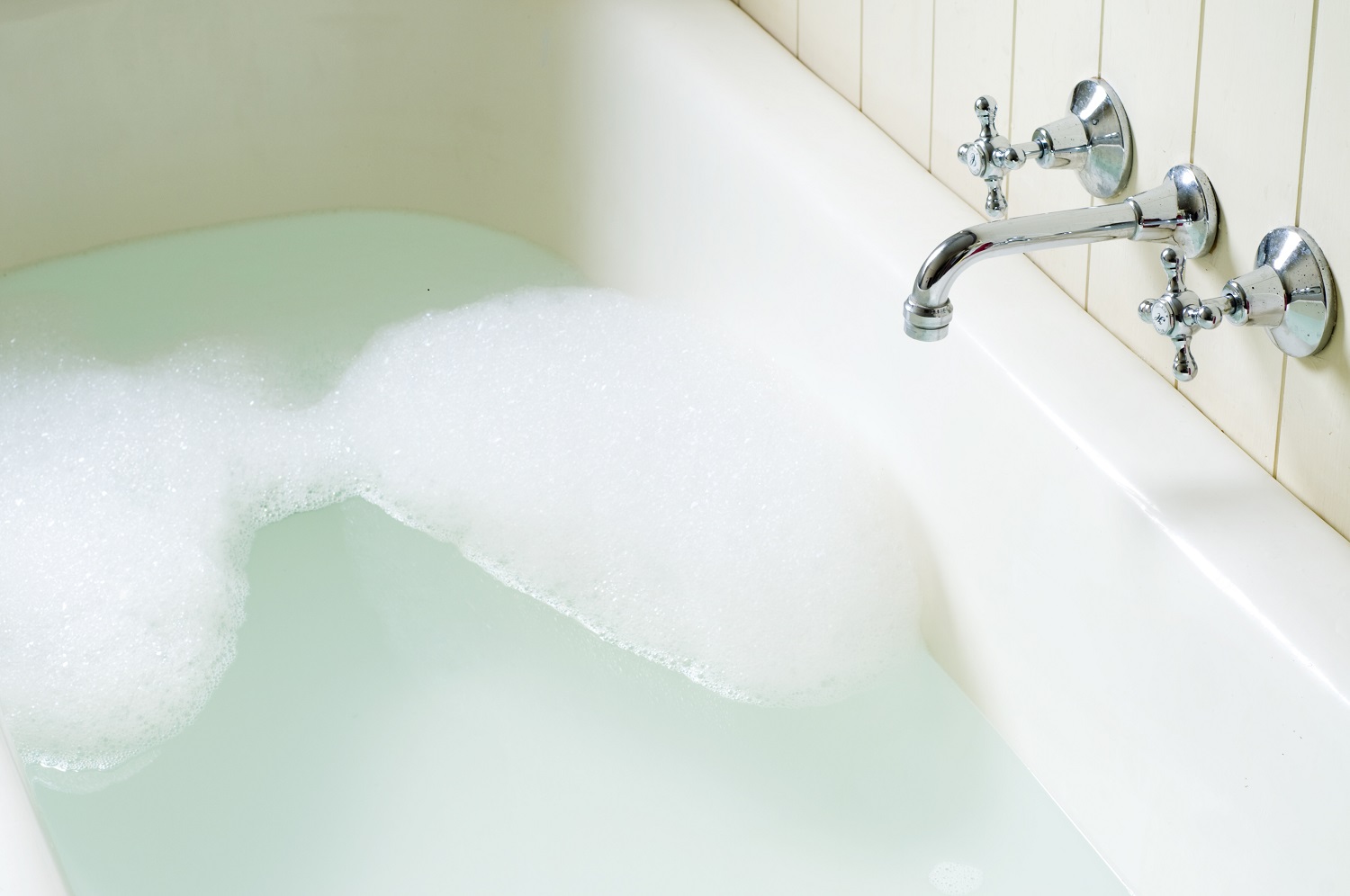
Old bath tub with bubbles, water and hot and cold tap

The proper ways to remedy a slow-draining or clogged drain include:

1. Baking Soda and Vinegar

Remove the drain cover and pour a ½ cup of baking soda into the drain. Allow it to sit for about 10 minutes. Next, take one cup of vinegar and slowly pour it down the drain. Put the drain cover on and allow the natural foaming action to loosen the “gunk” in your pipes. Wait another 10 minutes. Remove the drain cover and run hot water down the drain.

2. Boiling Hot Water

Boil a kettle full of water on the stove. Once it starts to boil, carefully remove it from the stove and slowly pour it down the drain. Boiling water can help loosen up “gunk” and unblock a drain if it is soap, shampoo, or conditioner that is causing it to drain slowly or creating the clog.

3. Plunger

Old fashioned “elbow grease” also does well to fix a slow-draining or clogged drain. Remove the drain cover and place the plunger over the drain. Plunge about six times. Run hot water down the drain. Repeat the process about three to four times. Check to see if the drain is draining normal.

4. Call Your Plumber for Drain Cleaning and Clog Removal Service

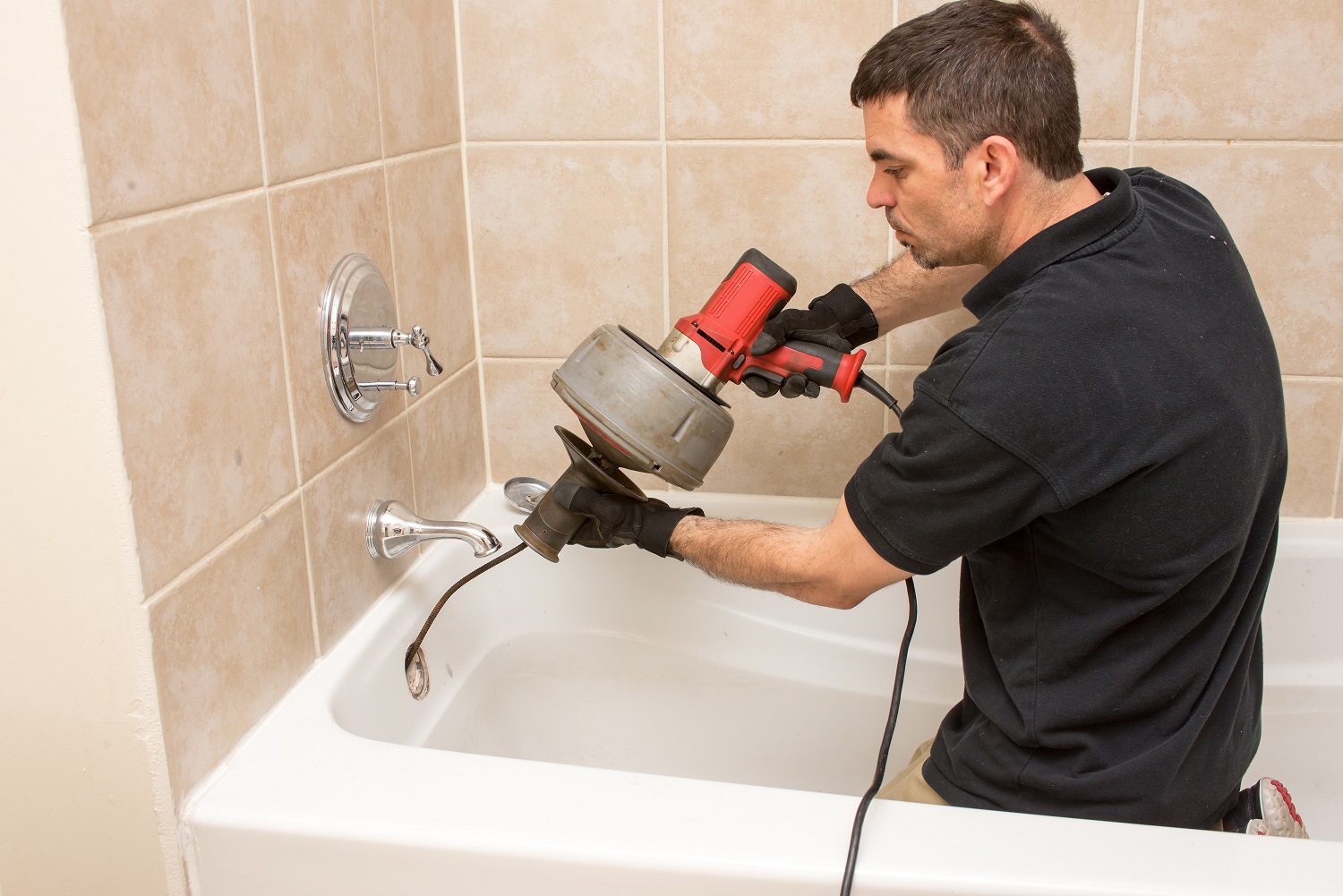
If you still have a slow-draining or clogged bathtub after trying the other three remedies, you probably have a serious clog that will require help from a professional plumber. The clog could be farther down the drainpipe, which would require a drain auger to reach the clog. The drain “snake” is run down the pipes and helps remove hair and other “gunk” stuck to the insides of the pipes.

Plumber unclogging a tub drain with an electric auger.

Sometimes the problem may not even be a clog. If you have a damaged or broken sewer line, it can mimic slow-draining and clogged drain problems. Your plumber will be able to determine whether you need drain cleaning and clog removal service or if you need sewer line repair service.

How Often Should I Get a Professional Drain Cleaning Service?

It really depends on how much you use your drains. If you are home a lot and have a family, having your drains cleaned annually is a good idea to prevent slow-draining and clogged drains. If you live alone or are not home as much, then every two years is a good schedule for keeping drainpipes clean and clog-free.

To schedule a professional drain cleaning service, clog removal service, sewer line repair service, or another plumbing and air conditioning service for your San Antonio, Temple, New Braunfels, or Austin Metro home, please feel free to contact Christianson Air Conditioning & Plumbing at 512-246-5400 today!
Tags: , ,


The Top 10 Reasons for an Increasing Water Bill

Posted on January 27th, 2020 by ChristainSon_Admin

There can be all sorts of reasons why your water bill increased. Before you panic, it is a good idea to take a look at your historical water usage. You can do this by reviewing your bills for the past 12 to 18 months. Start by looking to see if you used a similar amount of water during the same billing cycle last year.

Quite often, most people are surprised to see how their water usage fluctuates during different times of the year. For example, in the summer months, your water bill could be more if you water your yard frequently, have a swimming pool to fill up, spend more time washing your car, and so on.

After checking out the historical usage, if you noticed a pattern where your water bill is increasing every month, then you may have some type of plumbing problem that needs to be addressed and fixed. Some plumbing problems may be quick and easy to fix on your own while others could require help from professional plumbing service technicians.

plumber tightening screws in pipe using screwdriver

1. Leaking Water Heater

If you have a leaking water heater, your water bill will increase. Most people don’t think to check their water heater when they discover their water usage has been increasing month-over-month. With tank-type water heaters, look around the base of the water heater for signs of leaks.

The drain pan underneath the heater may show signs of dampness and water that could range from standing water if the drain is clogged to water droplets if the water is draining down the overflow drain correctly. Rust around the base of the heater could also be an indication of a slow leak.

2. Leaking Toilet

A leaking toilet can be difficult to diagnose, depending on where the leak is. If the flapper inside the tank has worn out, the leak is easier to detect. You will hear water filling inside the toilet tank periodically. You might notice running water inside the toilet bowl. Fixing a worn-out flapper is not too difficult.

Another type of toilet leak is when it is coming from around the base of the tank. If the water is flowing out onto the bathroom floor, all that may be necessary to stop it is to tighten up the bolts on the toilet base.

However, if the leak is coming from underneath the toilet bowl, the wax ring may have broken and is no longer sealed. To fix this type of leak, you will need to remove the toilet from the floor and install a new wax ring. This is one job where people typically call in their bathroom plumber for help.

3. Leaking Faucets and Fixtures

Faucets and fixtures do wear out from continued use. There are washers, seals, and other moving parts inside that eventually can cause leaks. One of the most common leaks is water dripping into the sink, tub, or shower. This leak is easy to fix by either replacing the internal hardware on the fixture or installing a brand new fixture instead.

Another type of faucet leak is when it is coming from the plumbing lines that connect to the fixture. If you notice water underneath kitchen or bathroom sinks, check and verify the water is not leaking where the hot and cold water lines connect to the faucet. If it is, try tightening it to see if this fixes the problem.

4. Leaking Drain Lines

Drainpipes can develop leaks for various reasons. The pipe connections can become loose, cracks can develop from age, and so on. Drainpipe leaks, if the pipe is underneath the sink and accessible, can be a quick fix by simply installing a new section of drainpipe. For drains that are hard to access, like underneath the bathtub or shower, you will probably want to call a bathroom plumbing company for help.

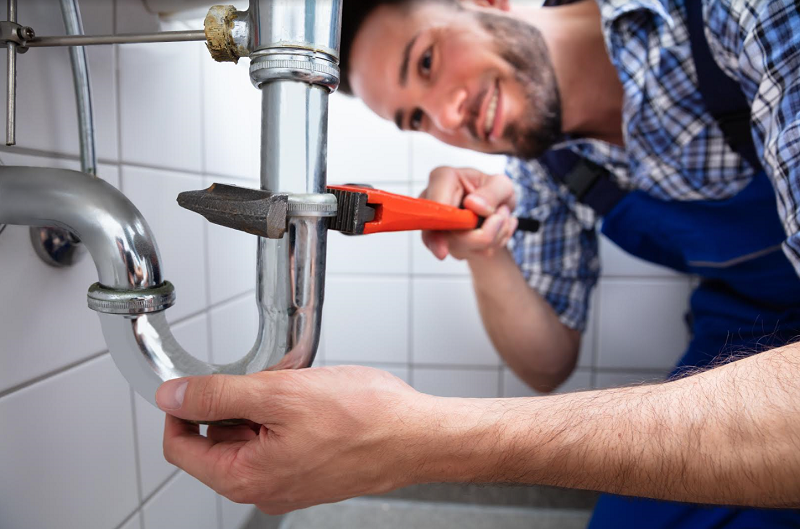
Plumber Repairing Sink With Adjustable Wrench

5. Incoming Water Supply Line Leak

The primary water supply line could develop leaks. If the leak is before the water meter, you will not see an increase in your water usage. However, if the leak is on the output side of the water meter, then you will notice an increase in water usage.

Some common signals of incoming water supply line leaks include:

  • Wet Grass: If you notice there is one specific section of grass that is always wet, you could have a water supply line. This symptom is also common with sewer line leaks.
  • Soft, Muddy Spots: Another symptom is if you step down and the ground is soft and muddy. This is also another common symptom that could indicate a sewer line leak.
  • Water Stains: Depending on where your water meter is installed, you may notice water stains in its general location. For example, if your water meter is in your garage, you may notice staining on the concrete garage floor slab or on the sides of walls where the water is plumbed into the home.

6. Leaking Water, Sewer, and Drain Pipes

If you have a water supply line or sewer and drain pipe leak that is hidden behind drywall, it may not become evident right away. The only indication you may have a leak in a water supply line is the increased water usage on your water bill. To find out, an easy test is to shut off all water in the house, read your water meter, wait a few hours, and check your water meter. If it has moved, then you have a leak.

For sewer and drain pipe leaks, you might hear the sound of dripping water or discover patches of wetness. You might notice funky smells too. Eventually, you will realize there is a leak when you notice water staining on the ceiling or walls in your home.

7. New Water-Intensive Equipment

When there are no leaks to be found in your home, the increase in water usage could be from new water-intensive equipment you recently installed. For example, did you just have your new in-ground pool filled? A new sprinkler system could also result in higher water bills.

8. Non-Water Conserving Appliances

If you recently purchased new appliances but did not verify they had water-conserving features like your old appliances, you will notice your water bill increase. Always take the time to verify new appliances have water-conserving features, as well as energy-saving ones to keep water bills and energy bills from increasing.

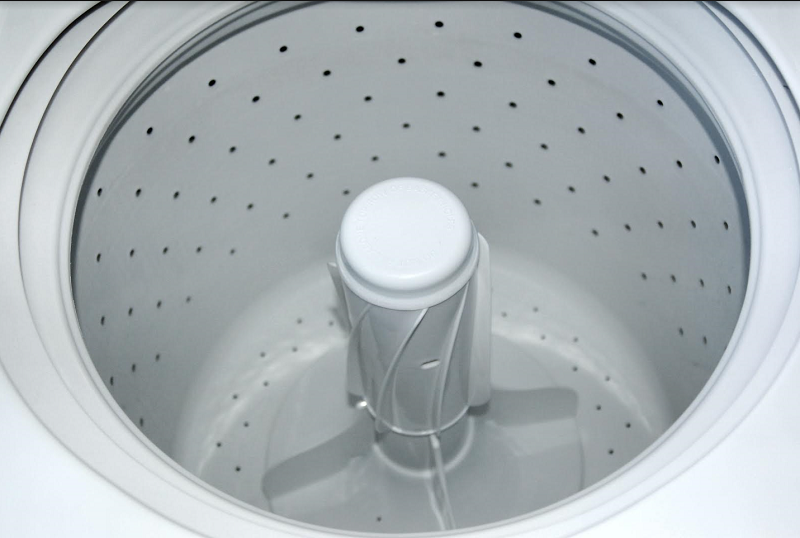
Top view inside a Top Loading Washing Machine

9. Developing New Bad Habits That Waste Water

You might think that making some changes to your water usage habits would be good, but ultimately they might actually be bad. For example, washing dishes by hand wastes more water than using your dishwasher.

Replacing your front-load washing machine with a top-load model is another mistake that leads to increased water bills since top-load machines use double to triple the amount of water per load of laundry.

Two other bad habits that wastewater are running the dishwasher when it is not full and washing partial loads of laundry. It is better to wait until the dishwasher is full and you have a full load of laundry if you want to save water.

10. Rodents Have Moved into Your Home

Rats, mice, and other rodents can be attracted to PEX and other types of water supply, drain, and sewer lines. They like to chew on the hard plastic materials. Eventually, they can chew through the pipe and create a leak in your home.

If you are hearing strange sounds in your walls, ceiling, and attic or under the flooring, you may have unwanted guests in your home. It would be a good idea to have your pest control expert do an inspection. Once the rodents are removed, you should schedule a leak detection service with your plumber to check for leaks the rodents may have created.

Contact Christianson

As seen above, there can be all sorts of reasons why your water usage and water bills are increasing. If you notice your bills are increasing, it is vital to determine the cause to avoid extensive water damage to your home.

If you need help finding leaks, pinpointing leaks, or fixing leaking water heaters, faucets, fixtures, supply lines, drain pipes, and sewer lines, please feel free to contact your nearest Christianson Air Conditioning & Plumbing location in San Antonio, New Braunfels, Temple, and the Austin Metro Area by calling 512-246-5400 today!


Tips from Your 24-Hour Plumber on Protecting Your Home’s Plumbing from Pets

Posted on January 24th, 2020 by ChristainSon_Admin


Pet owners love their pets, and many treat them like a member of the family. Some cats and dogs will want to get into the shower or tub with you. Some cats also like playing with water as it comes out of the faucet. Both cats and dogs can drink water out of sinks and toilets if given the opportunity.

Whether your pet loves or hates water, there are several pet-proof plumbing tips you need to know to help keep your pet and your plumbing safe.

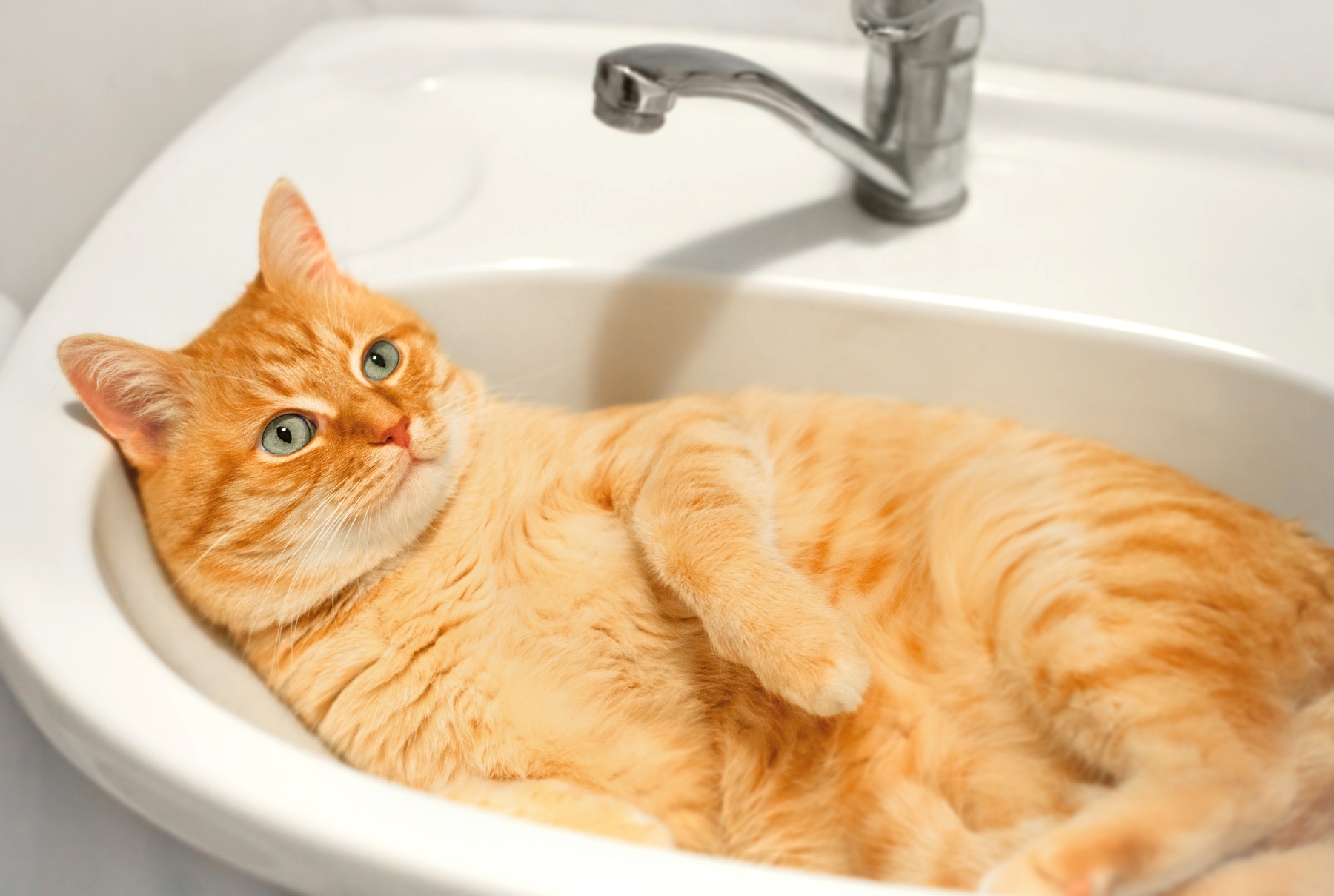
Cute red cat lies in the washbasin

Tip #1: Install a childproof lock to the toilet bowl lid.

One of the biggest mistakes pet owners make is allowing their pets to drink water out of the toilet. To put this in perspective, ask yourself if you would drink the water out of the toilet. There can be bacteria, germs, and human waste left in the bowl that your pet is ingesting. Not to mention, chemical residues from cleaning products.

Tip #2: Never flush kitty litter or cat waste down the toilet.

It might seem like a good idea when scooping out the litter box to simply toss the kitty waste into the toilet and flush it away. Even if the litter brand says it is flushable, it can still wreak havoc on your plumbing. Kitty litter is designed to absorb moisture.

When it absorbs too much moisture, it becomes clay-like. This clay-like substance can stick to the interior of drainpipes. Eventually, the litter can build up and cause clogs. It is better to recycle plastic grocery store sacks for disposing of cat waste and tossing it into the trash.

Tip #3: Use drain screens in the tub and shower to catch hair.

To prevent the excess pet hair your cat or dog sheds from going down the drain when they get into the tub or shower, make sure you are using drain screens. The screens catch the excess hair so you can remove it and toss it into the trash. If you don’t use drain screens and let all that hair go down the drain, eventually you will end up with a clog and need to call a 24-hour plumber for help.

A little dog taking a bubble bath with his paws up on the tub

Tip #4: Protect exposed pipes from your pets.

EX and plastic pipes can become your pet’s favorite chew toy, especially for puppies, if they can easily access them. If they can get under sink cabinets or access pipes in a crawl space, you need to make sure they are covered. There are different types of pipe wraps you can use that will deter your dog from chewing on them. Additionally, you can also discipline him by training him. You can use chew toys for pets to teach them what is an acceptable thing to bite on. You can also take the assistance of a trainer, who you can find online by searching for Puppy Training Classes Newcastle or another location.

Furthermore, if you see a pipe leakage because your pet chewed it off, you can contact a plumber immediately to reduce the chances of flooding.

Tip #5: Establish outdoor play areas away from underground plumbing lines.

Pets like to dig, especially dogs. Some dogs will start digging a hole and continue digging it deeper and deeper. The last thing you need is for your pet to uncover your underground plumbing lines and accidentally break the water supply or sewer line.

By using these useful plumbing and pet tips, you can avoid costly plumbing repairs later. If you need help wrapping exposed pipes or pet-proofing plumbing, please feel free to call Christianson Air Conditioning & Plumbing at 512-246-5400 today!

We have locations in San Antonio, Austin Metro, New Braunfels, and Temple, and we offer 24-hour plumbing service for emergencies.

Tags: , ,


How to Protect Your Pipes in the Winter

Posted on January 9th, 2020 by ChristainSon_Admin

Winter can be a bad time for your plumbing, especially your pipes. It can cause them to freeze and burst and force you to spend a lot of time and money to get them fixed. Fortunately, there are several ways to protect your pipes in the winter.

Protecting your pipes in the winter starts well before winter arrives. Make sure your pipes are insulated, especially in attics and crawl spaces. You should also use some caulk to fix any cracks in walls that pipes are near, to make sure the air around them doesn’t get too cold.

Once winter has come, make sure your home’s temperature is above 55˚ Fahrenheit. You’ll also want to make sure all that warm air is actually flowing through your house, so you might want to run an oscillating fan as well. You can also let your faucets trickle in order to keep some hot-and-cold running water moving continuously through your plumbing system, making it harder for the water to freeze.

Protecting your pipes in the wintertime requires some preparation and vigilance, but it can save you from the hassle of dealing with frozen or burst pipes. To find out more, read the infographic below.

How to Protect Your Pipes in the Winter Infographic

Click below to embed this infographic into your website:


Flushable Wipes and Bathroom Plumbing: What You Need to Know

Posted on December 24th, 2019 by ChristainSon_Admin

Flushable wipes are all the rage when it comes to freshening up after using the bathroom. Sadly, many people toss these wipes into the toilet and flush them away. Yet, flushable wipes are not as friendly to your bathroom plumbing and sewer lines as you might think. Eventually, the wipes can build up in the plumbing lines and sewer lines, create a clog, and require a call to a 24-hour plumbing service.

Baby Wipes vs. Freshening Wipes

man throwing a wet wipe to the toilet

If you walk down the diaper and paper products aisle at your grocery store or big-box retailer, you will notice there are several options of baby wipes and freshening wipes. There are some key differences between the two products.

Baby wipes were never meant to be flushed down the toilet. Rather, they were meant to be used to clean up your baby and then tossed in the trash, along with the disposable diaper. Yet, some brands now say they are “flushable” and safe for plumbing. However, they are not. They are thicker than regular freshening wipes.

Most freshening wipes are marketed as “flushable,” “septic safe,” and “sewer system safe.” While they are thinner than baby wipes, they do not break down as fast as toilet paper. It can take years for them to start to degrade. Since they can clog up plumbing like baby wipes, they should not be flushed down the toilet either.

How Baby Wipes and Freshening Wipes Clog Bathroom Plumbing

You might be thinking that wipes are just small pieces of paper not much bigger than several sheets of toilet paper, so how could they possibly clog bathroom plumbing and sewer lines? When you flush the toilet, the toilet paper starts breaking down right away and falling apart into smaller pieces.

Plumber unclogging a toilet with manual auger

Wipes, on the other hand, remain as one solid piece. The sheets can get caught on elbows inside the plumbing and not fully move down the sewer line to your septic tank or city sewer system. Over time, the wipes start piling up until they create a big clog and cause your entire sewer drainage system to back up.

Even if the wipes make it to your septic tank or city sewer system, they can still cause problems. In septic tanks, they can block greywater drain lines and quickly fill up the septic tank, requiring more frequent service.

In city sewer lines, the wipes can block screens, find their way into pump motors, and cause all sorts of damage. While most people don’t think about the impacts after the wipes have left their home, the effects can result in higher city property taxes, wastewater bills, and so on.

How to Prevent Bathroom Plumbing Clogs from Wipes

The best solution is not to flush wipes down the toilet. However, if you always want to keep your bathrooms clean from wipes and enveloped in a pleasant aroma, you might want to have a Cleaning bundle for you. This bundle can provide bathroom cleaning liquids and fresheners. But, the question is still there, after cleaning the bathroom where should we put those wipes. You can get a diaper pail and place it next to the toilet. Toss your baby wipes and freshening wipes into the pail. Remove and tie up the liner and put it into your regular trash.

If you are guilty of flushing wipes down the toilet, you will want to call a 24-hour plumber for a sewer drain cleaning service to remove any wipes from the sewer drain lines. The process to remove wipes can take several hours, depending on the number of wipes you and your family have flushed down the toilet.

For sewer drain cleaning, clogged toilets, and other bathroom plumbing problems, please feel free to contact Christianson Air Conditioning & Plumbing in San Antonio, New Braunfels, Temple, or the Austin Metro area by calling 512-246-5400 today!
Tags: , ,


Copyright © 2025 Plumbing & Air Conditioning Company - Austin, TX

Licenses M-18631, M-18632, LI15740, TACLA023749C

Regulated by The Texas Department of Licensing and Regulation

P.O. Box 12157, Austin, Texas 78711, 1-800-803-9202, 512-463-6599, Website: http://www.tdlr.texas.gov