Texans serving Texas since 1950

Call Us Now:

Austin Metro (512) 246-5400
San Antonio (210) 651-1212
Temple (254) 773-7175
New Braunfels (830) 627-2211

Humidity, Heat Waves and Hot Summer Nights: We’ve Got You Covered!

Posted on October 11th, 2017 by ChristainSon_Admin

Summer-especially here in the southwest-can be a killer. Texas summers average a temperature somewhere in the 90s, punctuated by heat spikes upward of 100 degrees. For residents of the Lone Star State, that means lots of air conditioning indoors and extra care outdoors! In this article, we’ll take a look at how the heat and humidity can affect your home and health, as well as how a good air conditioner company can help you keep cool and safe when the temperatures rise.

How Humidity Works

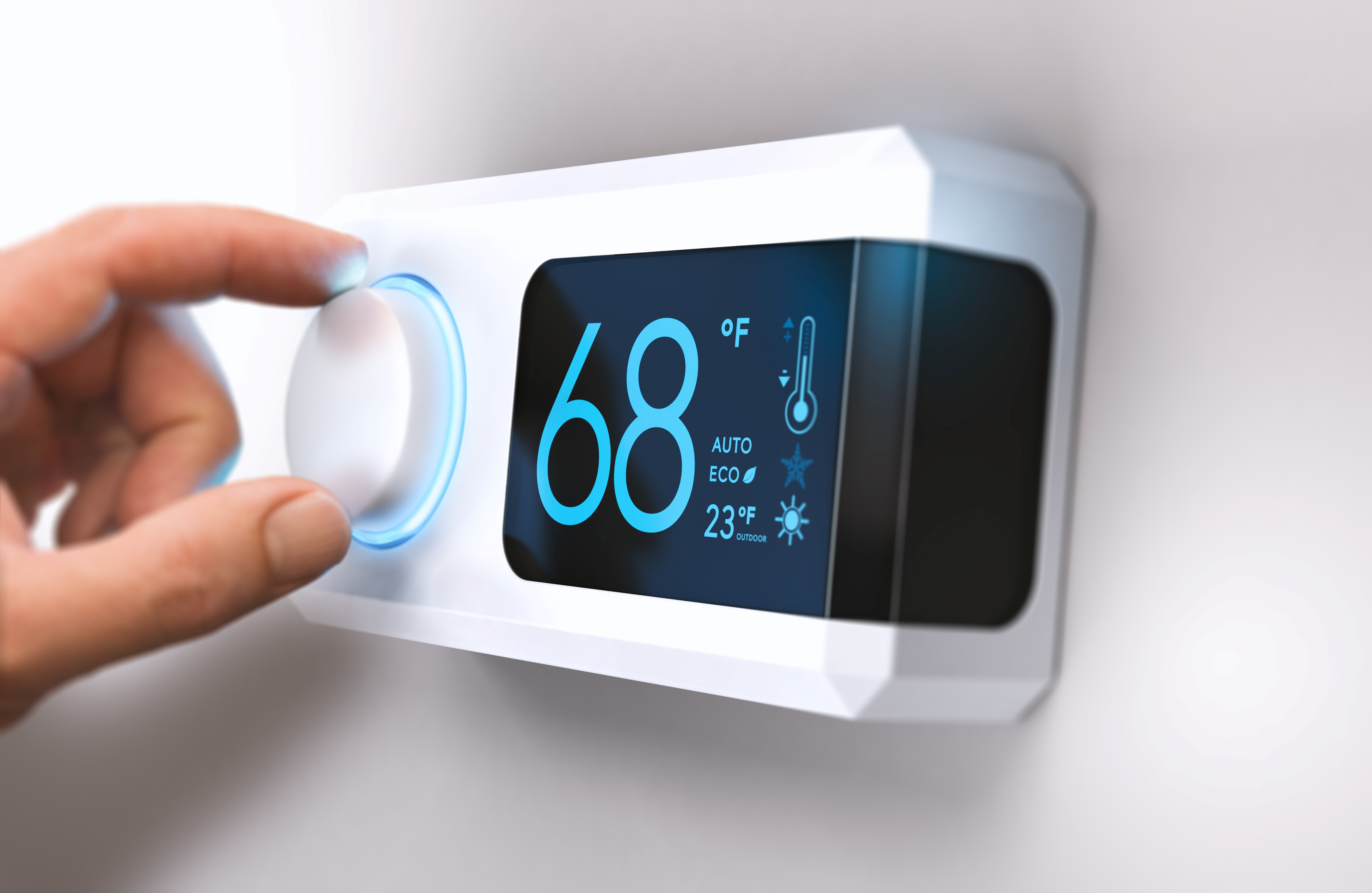
Humidity is a measurement of the amount of water vapor in the air. Much like walking through a cloud of steam, the presence of this water vapor Smart Thermostatmakes you feel sticky and slightly damp. The vapor is also the reason certain types of hair begin to frizz and curl in high humidity-the hair is essentially getting wet.

Generally, the amount of water vapor is defined in two ways: absolute humidity and relative humidity. Absolute humidity is calculated as the amount of water vapor divided by the amount of dry air at a given temperature. Relative humidity is the percentage we’re most familiar with in weather reports, as it refers to what percentage of the maximum possible amount of water vapor is currently present.

If the relative humidity is 50%, it means that the air is currently at half its capacity for water vapor. If the relative humidity is 100%, it means the air can’t possibly hold more vapor. At 100%, the vapor generally begins to form clouds. The vapor condenses and eventually falls back to the ground as rain. This is why it can seem so much less humid after a rainfall.

What Is a Heat Wave?

A “heat wave” is generally defined as a period of especially hot, potentially dangerous weather. A heat wave may also be accompanied by especially Woman Standing in Humidityhigh humidity. Because there is no respite from the incredible heat for a long stretch of time, people who spend a great deal of time outdoors or who do not have access to a cooled space can become extremely ill. Conditions like heat stroke, dehydration, and even death can result if a person does not take care during a heat wave-especially in the sweltering heat of the southwest United States.

Staying Safe in the Hot Outdoors

Whether you’re working during a heat wave or simply enjoy spending your summers in the sun, here are a few key tips for staying safe, cool, and properly hydrated in the great outdoors:

  • Plan rest periods into your workday (preferably somewhere cool).

If you’re laboring outside in extreme heat, make sure you take breaks to cool down and relax. Make sure your body temperature has a chance to level out while you hydrate and rest up before getting back to work. Over-working yourself in severe heat can be extremely dangerous (and it will likely affect the quality of your work).

  • Drink liquids frequently.

When spending a great deal of time outside in the heat, make sure you drink at least a half cup of water every 15 to 20 minutes to keep your Drinking Waterbody hydrated. Remember: As you sweat, you’re losing water! If you’re not so fond of drinking water, try some caffeinated drinks including coffee or even kombucha. In case you’re worried about your caffeine intake, you could perhaps try to measure the intake when it comes to these drinks and also try various fruit juices to keep yourself hydrated during this heat. You could maybe read this blog to know how much caffeine is in kombucha? You could check the same with any drink you prefer. Just make sure that you’re not dehydrated at all times.

  • Dress appropriately for the heat.

Always pay attention to the weather reports and dress for the heat and humidity. Should it cool off suddenly, you can always add layers over time.

  • Pay attention to any unusual symptoms, even if they seem vague.

Don’t take symptoms like dizziness, headache, nausea, or red-hot skin lightly. These may be symptoms of serious conditions like heat exhaustion or potentially fatal heat stroke. If your body starts acting unusually in the heat, it may be trying to tell you that something is very wrong.

  • Get into an air-conditioned space when you get the chance.

Even if you’d rather not be indoors for very long, it’s a good idea to take advantage of modern A/C systems whenever you can. Take a few minutes to pop into a nearby shop or public building to cool off in the air-conditioned space whenever you can. If you’re just hanging out in your backyard, make sure you head inside every so often to chill out-literally!

Using A/C Without Racking Up a Gigantic Energy Bill

Air conditioning can be a literal lifesaver in the heat of a Texas summer. Fortunately, there are a few things you can do to make sure you don’t break the bank trying to stay cool:

  • Make sure your A/C unit is in good condition before summer comes.

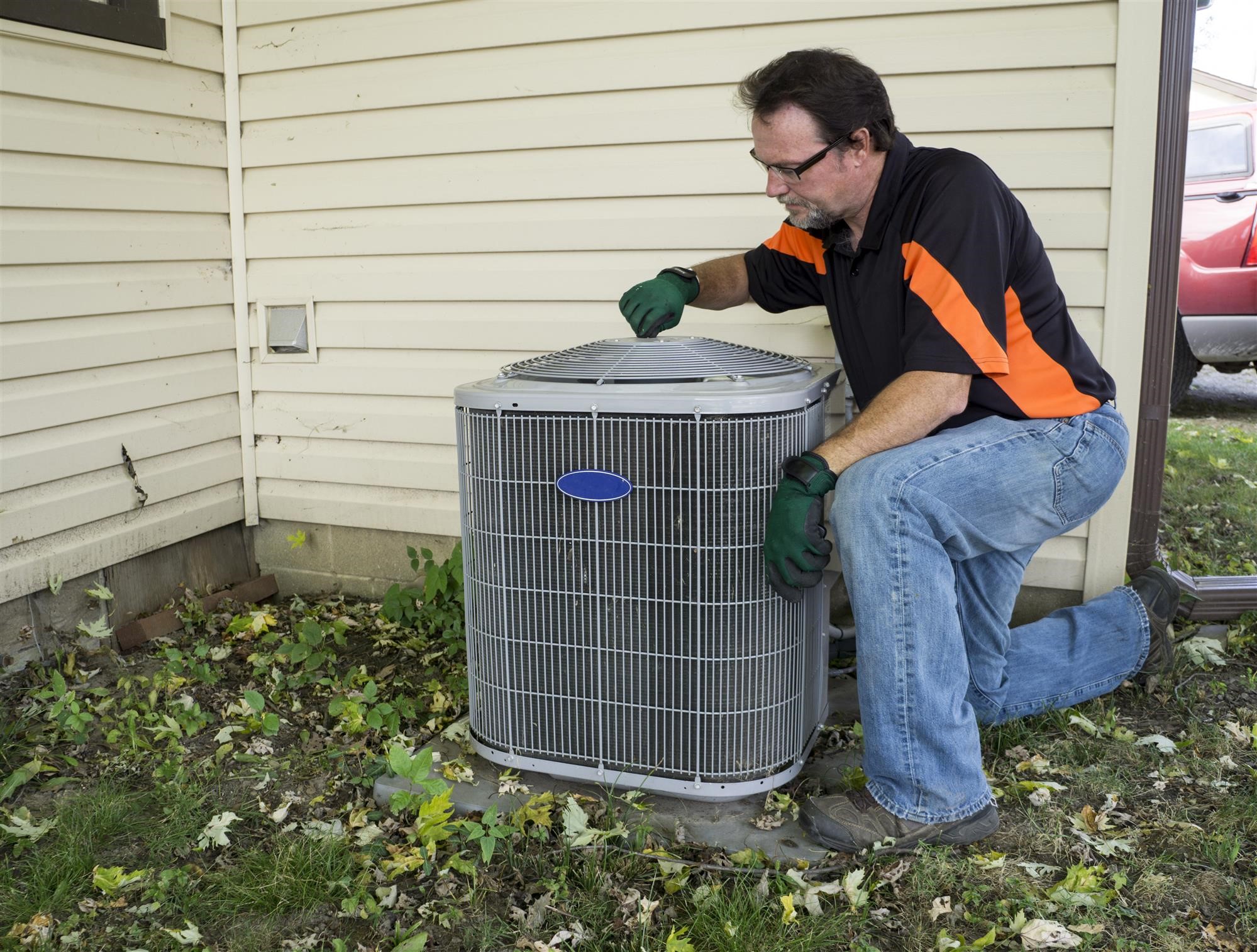
Make sure that your air conditioner is in good working order and will function efficiently by getting it inspected and serviced before the intense Fatigued Manheat of summer strikes. An air conditioner contractor like Christianson Air Conditioning & Plumbing can take a look at your system and help you address any maintenance or repairs that may need to be done before your unit is in regular use for the year.

  • Run the air conditioner less often at night.

Because our bodies generally need less cooling at night, you can set your air conditioner to run at a much lower rate while you’re asleep. If it’s not too hot indoors, you may be able to turn your A/C completely off at night and get by with a bedside fan.

  • Use a thermostat with a scheduling system to avoid cooling the house when no one is home.

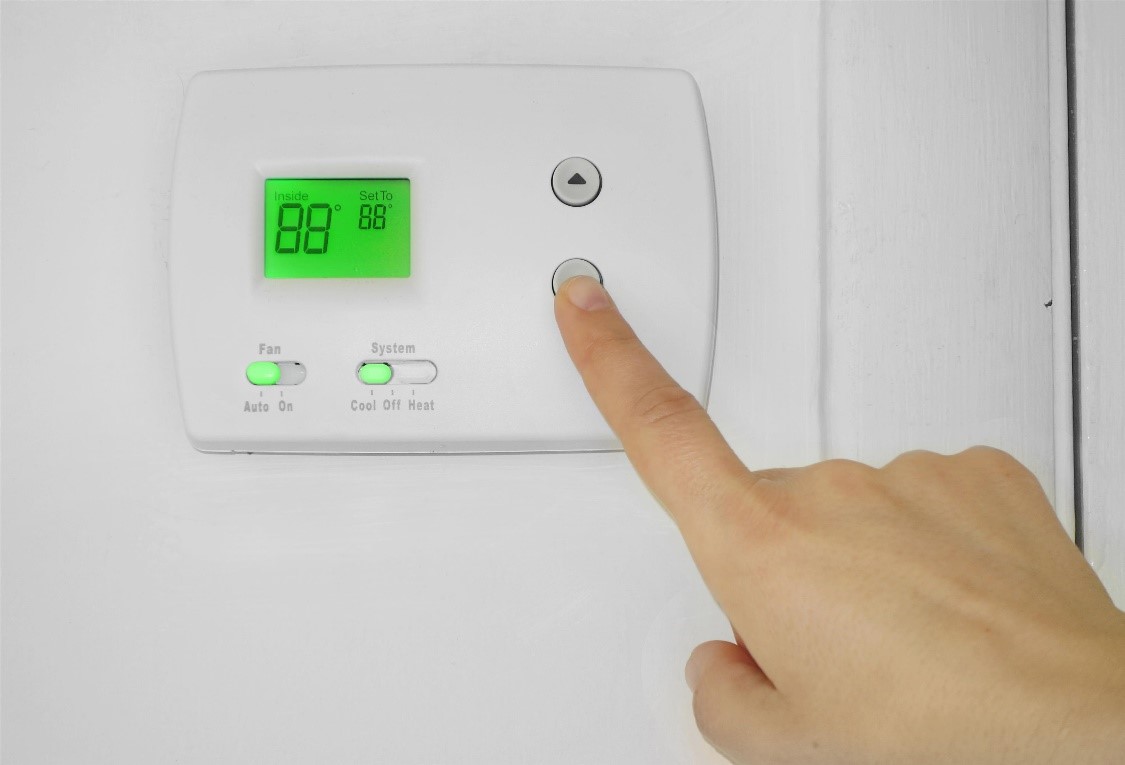
Another great way to reduce unnecessary usage is to use a thermostat with a scheduling option that allows you to adjust your home’s temperature at specific times of day. With timed cooling, you can set your A/C to kick on only a half hour before you arrive home, saving money on energy during the day when you’re not around.

  • Opt for a small window unit that cools only a certain area.

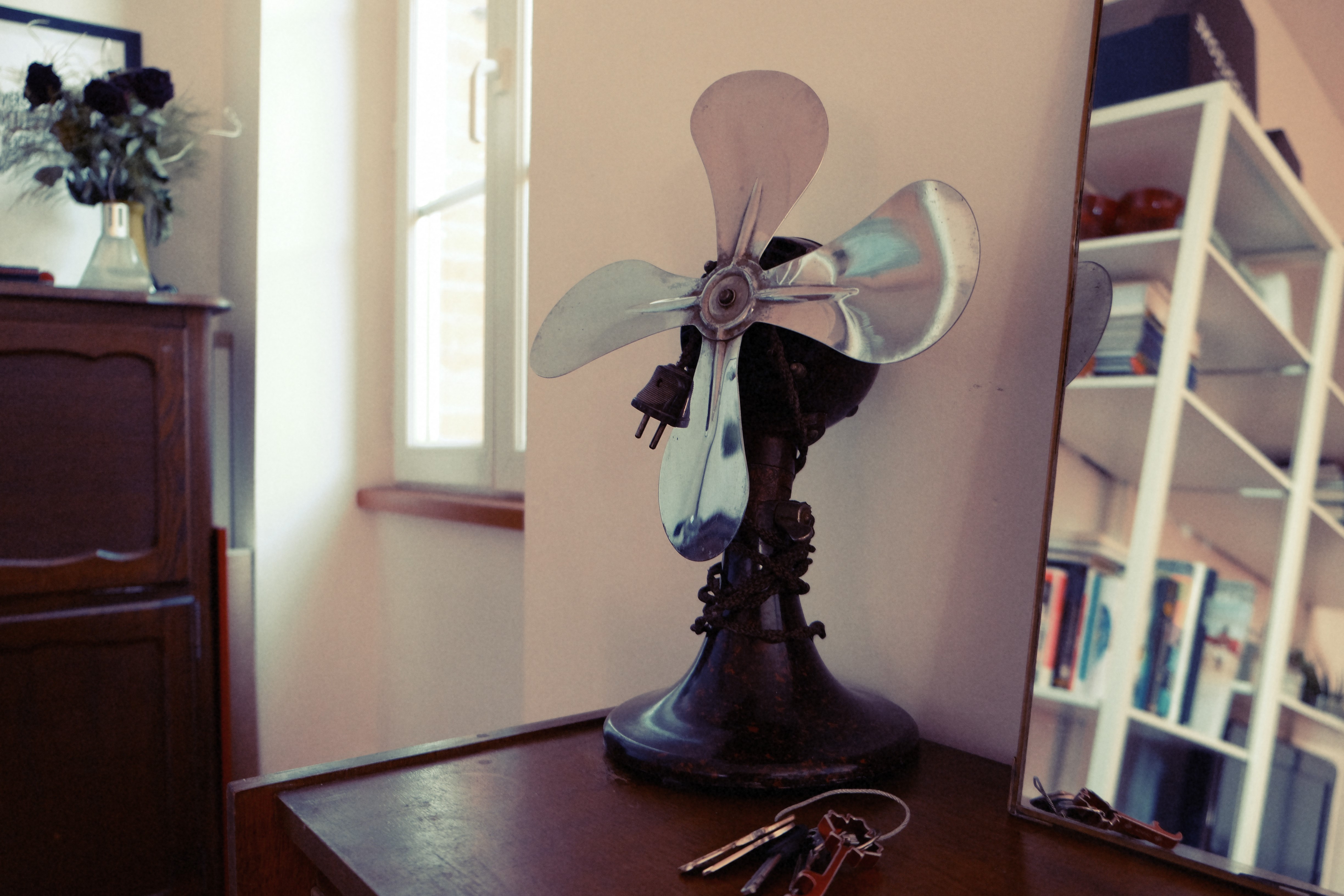
If you don’t have central air conditioning or would prefer not to use it, you can save money by heating only a small area or a single room with a Table Fansmall window unit. This uses significantly less energy and still gives you a nicely cooled getaway from the heat.

  • Close vents to rooms you don’t need to be cooled.

If there’s an area of your home that you don’t intend to spend much time in when it’s hot out (like the basement or a rarely used guest room), close the vents to that room. By not sending cooled air into that room, the areas you want cooled will come down to temperature more quickly and your system won’t waste energy.

  • Supplement air conditioning with fans for good movement.

Keep air moving throughout your home with a few fans for good measure. In addition to keeping cooled air distributed, the breeze will provide an extra cooling effect.

Beat the Heat and Humidity with Christianson Air Conditioning & Plumbing

At Christianson Air Conditioning & Plumbing, we’ve been helping residents across the Austin, San Antonio, Temple, and New Braunfels areas stay cool for more than 65 years. With our air conditioner installation, maintenance, and repair services, you can make sure that your home is prepared for the next big heat wave.

Whether you need us to perform a full air conditioner replacement or make an emergency repair to an existing A/C system, we’ve got you covered. To learn more about how our expert air conditioner contractors can help you beat the Texas heat, call your nearest Christianson Air Conditioning & Plumbing location today!

Source

  1. https://www.usclimatedata.com/climate/texas/united-states/3213


How to Operate Air Conditioning Efficiently and Save Energy

Posted on October 1st, 2017 by ChristainSon_Admin

Today, air conditioning is more than simply an optional convenience. It helps keep indoor temperatures at within a tolerable range, which is very Operating an Air Conditioning Systemimportant in the year-round Texas heat. However, that comfort comes at a price—in the monthly utility bill, of course, but also in the energy used. If we look to the past, however, we can discover some air conditioning tips to save energy and money.

Keeping your utility bill down can be a challenge. In fact, the U.S. Department of Energy estimates that air conditioning can account for nearly half of the average home’s energy consumption. This number may be even higher for Texas residents, who are used to long, sweltering summers. Not all the expense is necessary for most homeowners, though, if they change certain inefficient habits and make sure their HVAC system is running properly and is well-maintained.

The Importance of Proper Installation and Maintenance

Keeping your HVAC equipment in good working condition is important, as the problems can begin almost immediately if your unit isn’t properly installed. That’s why it’s important to hire only experienced HVAC professionals to set up your cooling system.

Just as important, you should have your HVAC unit serviced to save on energy bills, as there is a variety of things that can go wrong that will run up your bill fast. This may include improperly operating fans, malfunctioning condensers, clogged vent-lines, and more. Clogged ducts are so common that the Department of Energy estimates that, in the typical home, 20 to 30 percent of air moving through HVAC ducts is lost through leaks in the ductwork.

Efficient A/C Habits to Save Energy

While it goes without saying that keeping your thermostat at a higher temperature will save you money in the warmer seasons, certain other tips Air Conditioning Installation and Maintenancemay be less well-known.

Keeping your home cool doesn’t mean relying 100 percent on the A/C. In fact, if we look to the past, we can see many ways Texans managed to stay cool before the advent of commonplace A/C, and these “cooling hacks” can still be used today.

Tips include:

  • Use a ceiling fan, and other ventilation strategies. If necessary, put a bucket of ice in front of the fan to blow even cooler air.
  • Install solar screens or window films. These can block out up to 70 percent of solar energy before it enters the home.
  • Have your home properly insulated. Insulation is both helpful for heating and cooling.
  • Don’t create extra heat. Turning certain lights or operating appliances on can turn up the heat in the room. For example, don’t cook in the oven if the outside grill is available, instead. Install energy-efficient lighting that runs cooler than incandescent light bulbs.
  • Turn off the A/C at night. Keep the windows open at night, and close them in the morning and pull down the blinds to keep sunlight from heating your room even more.

Christianson Air Conditioning & Plumbing has followed several “Green Initiatives” to help save energy and to save you money. These include:

  • High-efficiency equipment
  • Energy star certified products
  • Ozone friendly refrigerants

To learn more tips on how to save on your energy bill, or to schedule an appointment with our HVAC experts, please contact one of our area offices for more information.

Sources

  1. https://energy.gov/public-services/homes/heating-cooling
  2. https://www.energystar.gov/index.cfm?c=home_improvement.hm_improvement_ducts


Born n’ Raised in Texas? Tips to Overcome Texas Heat Struggles

Posted on September 8th, 2017 by ChristainSon_Admin

Hot summers in Texas can be hard to deal with even when going from your home to the car and to work or running errands. Even while you are at home, your air conditioning can struggle while attempting to keep your house cooled. For those of us that grew up in Texas, we have learned several ways to combat the heat, while still being able to enjoy the longer summer days.

Indoor Cooling Tips

  1. Have you air conditioned serviced by our AC company. No one wants to come home to a 90+ degree home after a long day of work andTexas Heat Struggles discover their air conditioning stopped working. With regular maintenance plans, we can help prevent unexpected breakdowns on those 100+ degree heat index days.
  2. Keep blinds and drapes closed. Glass windows will heat up and transfer heat indoors. You can block out this heat by keeping the blinds down and even better, close the drapes, too.
  3. Turn on your ceiling fans. Ceiling fans set to the counter-clockwise direction will force cool air up from the floor, allowing you to set your thermostat a few degrees higher, yet remain cool. Plus, if you are sitting underneath the fan, the air will make your skin feel cooler.
  4. Add insulation to your attic. Most attics do not have sufficient insulation resulting in a loss of cooled air. Increasing the insulation will help keep the upper levels of your home cooler.
  5. Use light colored roofing materials or paint your roof. Another source of heat transfer is the roof on your home. This is why so many homes use lightly colored roofing materials. If you have darker shingles, you can paint them with a light colored roofing paint to reflect the heat away from the home.

Outdoor Cooling Tips

  1. To stop your car from becoming an inferno, try to park in covered or shaded areas.Outdoor Cooling Tips
  2. Always use a sunshade over the windshield.
  3. When opening the car door, allow the hot air to escape before getting in.
  4. Roll down the windows when turning on the car’s AC as this will help force the hot air out and cool things down faster.
  5. Drink plenty of water throughout the day to stay hydrated.
  6. Wear sunscreen and reapply often, even if you are only outside for ten to fifteen minutes.
  7. Wear sunglasses with UV blockers to protect your eyes.
  8. Limit your time outdoors, if possible to thirty to sixty minute intervals with cool down periods indoors.
  9. Never take pets or small children outside on extremely hot days.
  10. Look for indoor activities to do, like seeing a movie, museums, play parks, skating rinks, or bowling alleys.

You may want to avoid pools and water parks extremely hot 90+ days because that water will be warm and not do much to cool your down. To ensure your home’s cooling system is working at peak efficiencies all summer long, remember to call your nearest Christianson Air Conditioning & Plumbing location today!


Four Critical Warning Signs of Clogged Vent Lines

Posted on July 7th, 2017 by ChristainSon_Admin

Plumbing is a lot more complicated than most people realize. For example, did you know that your drain lines require ventilation?

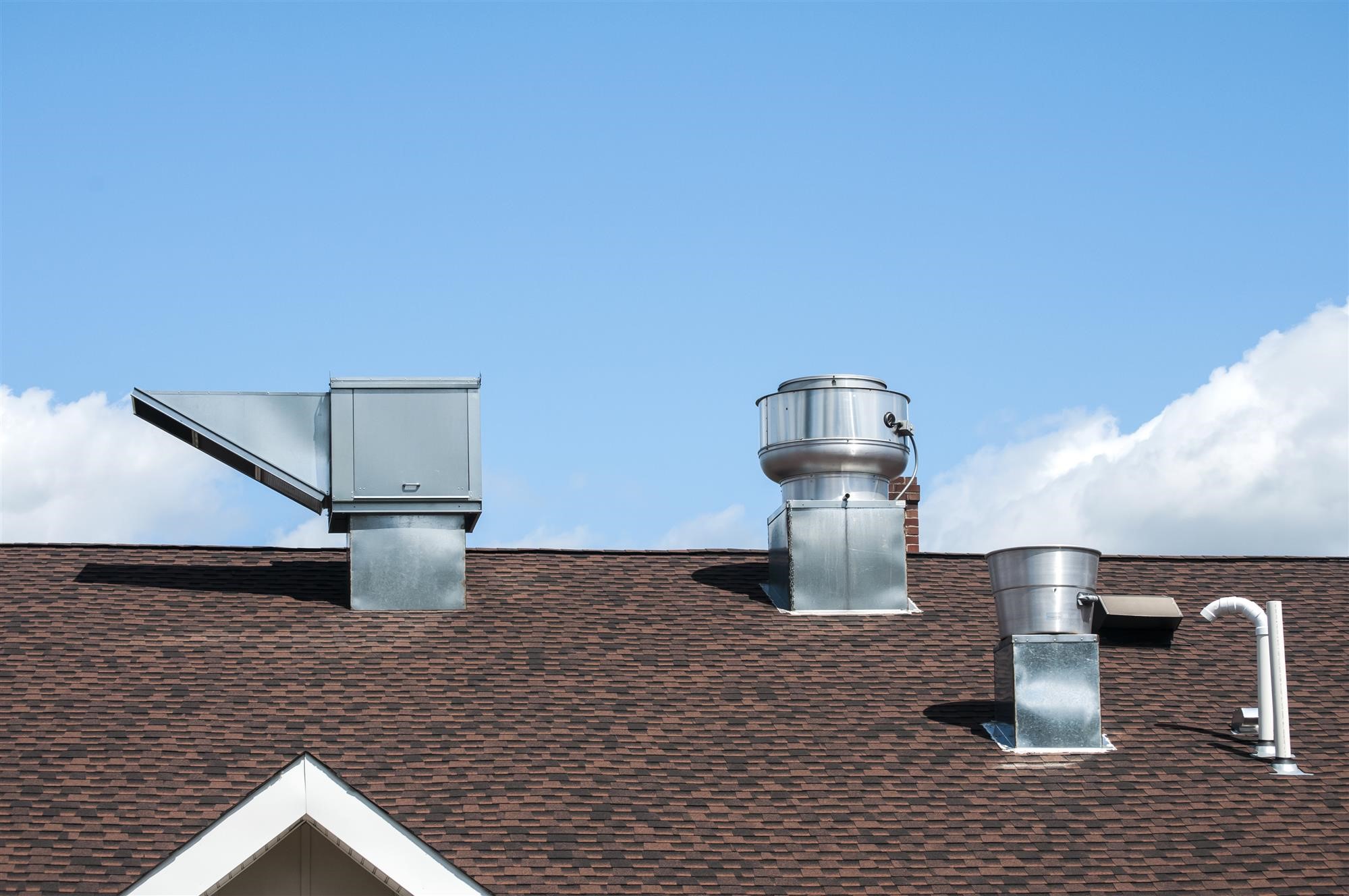
Chances are that you didn’t. Few people realize that their drain lines also have pipes connected that allow exhaust and sewer gases to escape and air to Critical Warining Signs of Clogged Vent Linesenter to make sure pressure in the drain is equalized to ensure wastewater keeps flowing. These pipes are called vent lines and if they become obstructed it can cause huge problems for your home’s plumbing that may require a local plumber’s help.

Here’s an example of how it all works. In your bathroom sink, water will flow through the drain to a curved pipe called the p-trap. The p-trap fills up with water to keep sewer gases and odors from flowing back up the pipe into your bathroom. The p-trap is refreshed whenever more water flows through it. A drain pipe is attached to the p-trap and exits through the wall to the soil stack, where the waste water flows out through another pipe to the sewer or septic tank and sewer gases exit to the roof where the vent line emerges.

If the vent line is obstructed, it can cause a number of problems, including:

  • Slow clearing drains – If the drain just isn’t clearing and you’ve done everything reasonable to clear a possible clog in the drain, your problem may be an obstructed vent pipe. Without air to equalize the pressure, the free flow of water through the drain system can be inhibited.
  • Bad smells – If your vent line is clogged, water may not flow properly through your drain system. As a result, the p-traps under your sinks or toilets may become dry and sewer gas may accumulate, causing a foul odor throughout your home.
  • Gurgling noises – If your sink or tub makes gurgling noises after draining, there’s a good chance your vent line is obstructed. Air pressure building up in poorly vented pipes can cause gurgling noises in your pipes.
  • Weak toilet flushing – If the flow of water in your toilet seems weak and the bowl isn’t refilling quickly enough after a flush, obstructed vent lines may be the culprit. Poorly vented drains aren’t always the cause of poor-performing toilets but, if you’ve exhausted other explanations, this could be the cause of your problem.

Professional plumbing companies can inspect vent lines and confirm whether your suspicions are warranted. If your vent line is obstructed, plumbers Vent Line Inspectionshave several options they can use to resolve the problem. They can use specialized plumbing tools such as augers to break through the blockage, restoring the vent line’s function.

Regular maintenance check-ups by plumbers and occasional inspections by property owners can help prevent vent line clogs from causing reduced plumbing system performance. Property owners who want a reliable service should consider Christianson Air Conditioning & Plumbing.

Christianson Air Conditioning & Plumbing, a family-owned company providing 24-hour plumbing services to the Austin and San Antonio areas, can assist property owners with clogged vent lines and other plumbing issues. Contact Christianson Air Conditioning & Plumbing for a consultation regarding your home’s plumbing and air conditioning today.


How Texans Kept Homes Cool in the Summer Before Air Conditioning

Posted on June 30th, 2017 by ChristainSon_Admin

Can you imagine not having air conditioning to keep your home cool during the hot Texas summers? Well as miserable as this might sound, it was notHow Texans Keep Cool that long ago that Texans did not have central air conditioning systems and had to rely upon other ways to remain cool on those sweltering summer days!

In fact, life before air conditioning was something that was common until the widespread use of air conditioning became “standard” in homes in the later 20th century. It was not uncommon to find homes in the 1950s, 1960s, and 1970s without any type of automated cooling. To stay cool, people came up with some rather creative “cooling hacks.”

  • Ice Chests in the Basement

People would fill ice chests and place these in the basement. Basements are naturally cool and when the ice melted, it would lower the air temperature even more. This made basements a great place to sleep at night. Hence, the birth of finished basements! During the day, people would leave basement doors open and use fans to draw up the cool air and circulate it through the home.

  • Metal or Porcelain Bath Tubs

Those retro-style clawed tubs or big metal/copper tubs did more than just add charm to the home. These styles of tubs are naturally “cool” and helped cool the surrounding air in the bathroom. When filled with cool water, they provided a natural way for people to escape the scorching summer heat.

  • Heavy Dark Drapes

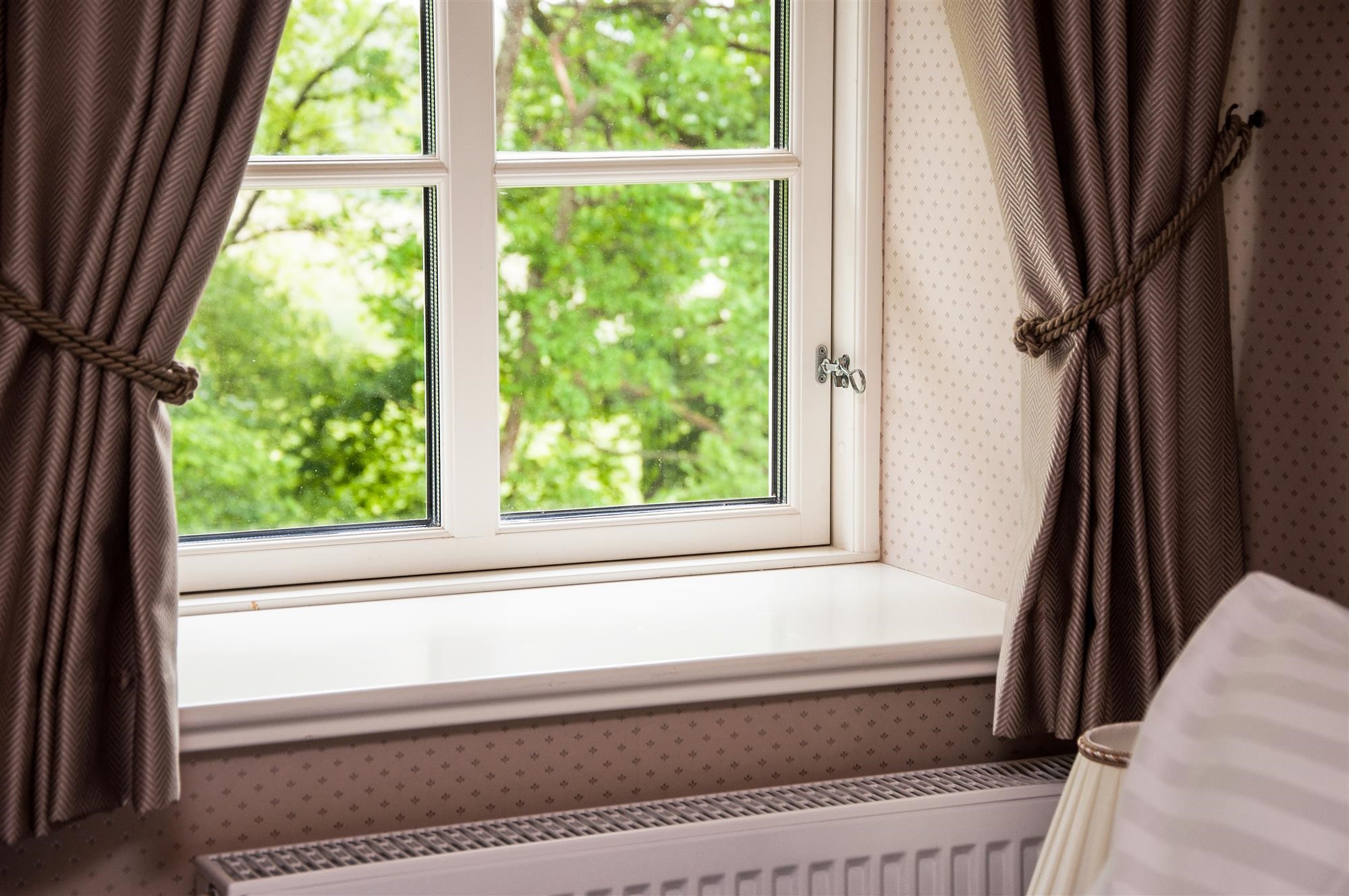
People would keep shutters closed and hang heavy, dark curtains over windows that got direct sunlight in the summer months to stop rooms from Heavy Dark Drapesheating up and becoming too uncomfortable.

  • Using Windows to Vent/Circulate Air

In multi-story homes, the top halves of windows on the upper floor were opened in the day to allow hot air to escape from the home. In the evenings, after the sun set, the lower part of windows on upper and lower floors were opened to allow cool air to enter the home.

  • Doors Were Kept Shut

Another way how homes were kept cool before the age of AC was people would keep the doors on upper level rooms closed during the day to help contain hot air and prevent the rest of the home from getting too hot. The only exception was bathroom doors, which were kept open to allow a cooling effect from bathtubs filled with cool water to help lower air temperatures.

  • Indoor Fans

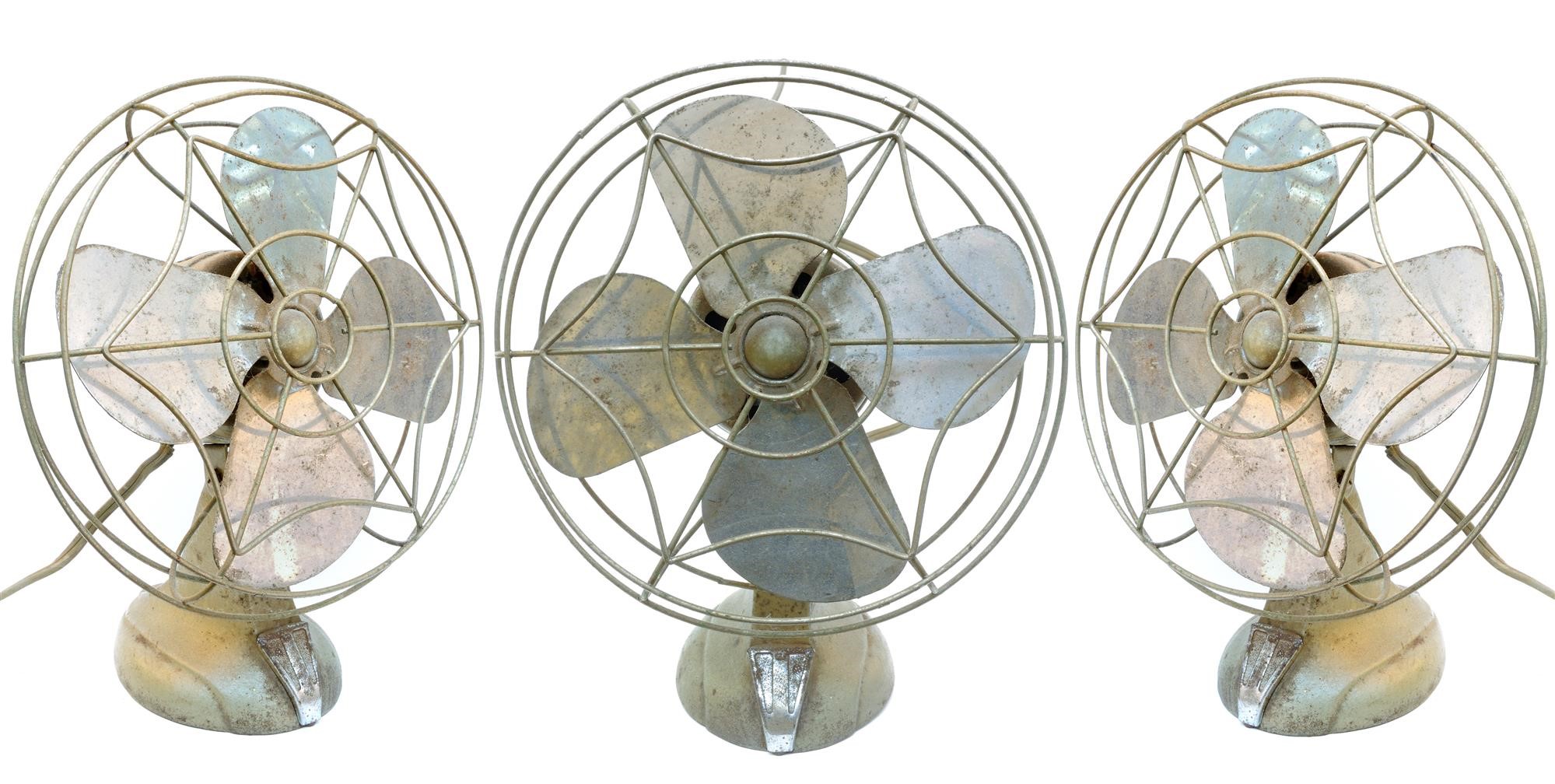
Electric fans were used to help cool the home. People would place fans in upstairs windows that blew hot air out of the home. On lower floors, they Electric Fanswould face the fans inwards to draw in outdoor air. Together, this created a natural flow of air to help keep the inside more bearable in the summer. Ceiling fans were also used to help circulate air and keep it cooler.

  • Fans Plus Ice Blocks

Prior to the invention of the air conditioning, people would take blocks of ice and place these into a large metal tub or bucket. Then they would sit a fan on a stool next to the tub and turn it on. The coolness of the ice and tub along with the air flow the fan created, resulted in the first type of ancient air conditioning for indoor cooling.

  • Homes Had Taller Ceilings and Thicker Walls

If you look at the architecture of homes prior to the invention of the air conditioning, two common traits are high ceilings of ten feet and thicker walls High Ceiling Homesbetween one and two feet. The exterior walls used several layers of bricks and/or cement blocks to help insulate the home and keep it cooler. The high ceilings helped trap the hottest indoor air higher up, with cooler air in the lower part of the room.

  • Long Covered Porches

There is a reason many of the older homes in Texas have long covered porches – they provided a place outdoors where people could escape the indoor heat and relax. When ceiling fans were invented, it became commonplace to install these on the porch to circulate the air to stay cooler.

  • Shade Trees Were Grown Near the Home

It was not uncommon to find multiple shade trees planted on the east and west sides of homes. The trees provided natural shade from direct sunlight and stopped it from heating up the home’s interior. In addition, once fully grown, people could enjoy eating or taking naps in the cooler shaded areas outside their home.

  • Outdoor Grills and Cooking

Rather than cook indoors on hot summer days, which only added to the heat inside, people took to grilling on wood and charcoal grills or cooking over Outdoor Grills and Cookinga fire pit.

In addition to the above “hacks,” many people had their own personal ways to keep cool during the blazing Texan summer days, like hanging wet laundry throughout the home or sleeping in bedsheets that were cooled in the refrigerator.

How Texans Can Keep Cool Today and Rely Less on Their Air Conditioning

Several of the ways people kept cool during life without air conditioning can still be used today to help control your home’s cooling costs. For instance, the use of ceiling fans can help make you feel around five degrees cooler without having to turn down your thermostat. Other modern “cooling hacks” include:

  1. Upgrade to LED and Fluorescent Lights – Certain types of lightbulbs give off heat and cause air temperatures to increase. Both LEDs and Cooking Meals on the Grillfluorescents use less energy and give off little to no heat.
  2. Cook Meals on the Grill – Using the stove, cooktop, oven, and even the microwave will create heat. Who doesn’t like freshly grilled meats and veggies? Plus you can cook a wide range of foods if your grill has separate side burners.
  3. Increase the Insulation in Your Home – Modern homes’ walls are not as thick as older homes. As such, it is beneficial to have additional insulation blown into the walls, as well as in your attic.
  4. Adjust Air Vents – The air vents in the home should be adjusted. You want to close vents in the basement since it is naturally cool and there is no need to cool it more. On the main floor of the home, adjust vents so they are partially closed. On upper floors open vents all the way. Remember, hot air rises and cool air falls, so the cooled air upstairs will also help cool the main floor of the home.
  5. Avoid Running the Dryer – It is better to install a clothes line and air dry clothes outdoors on hot summer days.Avoiding a Hair Dryer
  6. Run Appliances in the Evenings – Washers, dishwashers, and other such appliances do give off heat, so use them at night when it is cooler, not to mention it also prevents your air conditioning from overworking itself during the hot daytime hours.
  7. Upgrade to a Programmable Thermostat – A programmable thermostat allows you to set different temperatures for various times and days of the week. It makes no sense to use your preferred setting during the day when no one is at home. Setting it a few degrees higher helps reduce how often it runs along with lowering your electric bill.
  8. Give Your Air Conditioner Unit an Annual Tune-UpRely on an experienced air conditioner contractor to discover potential problems sooner, rather than later. Not only will it cost less to fix, but it also ensures your AC is running efficiently and effectively to cool your home and avoids unexpected failures on sweltering summer days.
  9. Replace Air Filters Often – Depending on the type of air filter you have, you may need to replace it monthly, every other month, or once Air Conditioning Tune-Upevery 90 days. Clean air filters ensure air flow is maintained in the home and the AC functions correctly.
  10. Have Air Leaks in Ducts Fixed – Small air leaks in ductwork can cause your AC to run more often and harder, since the cool air is escaping long before it even reaches the rooms in the home.
  11. Insulate Ductwork – If your ducts are under the crawl space of the home, you can increase the effectiveness of cooled air by insulating the ducts.
  12. Upgrade to a New, Modern AC System – If your AC system is more than fifteen years old, it is probably nearing the end of its usefulness, where repairs will end up becoming more common and costly. In the long run, it can be cheaper to have a newer, more energy efficient air conditioner replacement model

To help keep your home cool and comfortable all summer long, contact the air conditioning and cooling experts at Christianson Air Conditioning & Plumbing today! We offer:

  • AC MaintenanceNew AC Unit
  • AC Service and Repairs
  • New AC Installations
  • Ductwork Repairs and Installation
  • New Construction Heating and Cooling System Installs
  • Indoor Air Quality
  • Air Diagnostics and Balancing, and More

We service homes in the San Antonio, Austin, New Braunfels, and Temple communities, as well as the surrounding areas! Please feel free to call one of our area offices directly for more information or to schedule regular or emergency service.


Christianson Air Conditioning & Plumbing: A BBB Organization and Proud!

Posted on June 30th, 2017 by ChristainSon_Admin

Our Excellent BBB Rating: Christianson Air Conditioning & Plumbing is a family-owned company established in 1950 with a strong focus on quality work and customer service. We proudly hold an A+ rating from the Better Business Bureau (BBB), with which we’ve been registered for over 40 years.

We’ve been officially BBB accredited for the past 4 years and continue to strive for the highest in customer satisfaction and business distinction. We’ve also earned 4.01 out of 5 stars from BBB customer reviews, illustrating our commitment to providing an excellent customer experience. It is important that we do what we can to portray a good image, so whether you are a business that trades for a living, relying on in-person contact, or you are an e-commerce business that utilizes BigCommerce consulting, you need to know that you are doing what you can to keep business coming in.

Better Business Bureau

Why Accreditation Matters: Accreditation by the Better Business Bureau is more than just a means of looking good with a BBB logo on a website. The rating given to a company by the BBB is a holistic measurement of 7 major elements:

  1. Customer complaint history with the BBB
  2. Type of business
  3. Time in business
  4. Transparency of business practices
  5. Any failure to honor commitments to the BBB
  6. Any licensing and government actions known to the BBB
  7. Any advertising issues known to the BBB

Our A+ rating and accreditation by the BBB illustrate that not only does Christianson Air Conditioning & Plumbing meet high standards of business excellence, but that we are an honest, transparent company with no significant history of consumer complaints, failed commitments, licensing concerns, or advertising issues. In short, our BBB accreditation means we operate at the highest level of business ethics and professionalism.

In general, BBB accreditation is a signal to the public that a company is trustworthy and will complete all jobs properly. This status is important to us and our prospective clients, as it provides an easy way to identify us as an ideal choice for their air conditioning and plumbing needs.

The accreditation process also keeps us in check, as any slide in the quality of our work will be reflected in our rating (and we work hard to keep our A+!). To us, our accreditation also provides valuable feedback, letting us know that everything we’ve done for our customers and our service areas has been to their benefit.

Get the Best in A/C and Plumbing Service from Christianson Air Conditioning & Plumbing

If you live in the Austin, San Antonio, Temple, or New Braunfels areas and are looking for air conditioning or plumbing repair or maintenance, Christianson Air Conditioning & Plumbing is happy to help!

We offer a variety of professional HVAC and plumbing services, including A/C repair and replacement, furnace repair, air quality testing and inspection, air flow analysis, plumbing leak repair, drain cleaning, water heater maintenance, new construction plumbing, water quality inspection, and much more.

To learn more about our HVAC and plumbing services or to schedule an appointment with one of our repair professionals, contact your local Christianson Air Conditioning & Plumbing location today. We look forward to serving you!

Tags: ,


What Not to Flush Down the Toilet

Posted on June 9th, 2017 by ChristainSon_Admin

On the surface, using the toilet in your home seems like a straightforward and simple task, but we all know that toilets are susceptible to clogs and other flushing issues over time. In this blog post, we’ll take a look at what you should avoid flushing to prevent problems.


What’s Okay to Flush (and What’s Not)

You might think it’s fairly obvious which items can and can’t go down the toilet drain, but there are a few things you may not realize should be tossed What Not To Flush Down The Toiletin the trash rather than flushed.

Facial tissues like Kleenex, for example, are designed to stay together and not break down as easily as toilet paper. For that reason, they’re considered non-flushable. Is it bad to flush tissues down the toilet? If done every day, yes. If it happens by accident on a few occasions, it shouldn’t cause much trouble. If they’re flushed regularly, however, a blockage could develop over time. Similarly, baby wipes, tissue paper, and paper towels should be thrown away, not flushed.

Another thing you may be tempted to flush are old, unused pharmaceuticals. Whether they’re over the counter or prescription drugs, flushing medications isn’t a safe method of disposal. Water treatment plants often aren’t capable of removing all of the chemicals in certain medications, which means that they persist in the water and may be put back into the local water table.


Be Mindful with Toilet Paper

One of the simplest ways to avoid flushing problems is to pay attention to exactly what you’re tossing into the bowl as well as how much of it there is. Using too much toilet paper at a time is one of the most common ways to create a clog. Usually, these can be dislodged with a plunger, but ongoing overuse of toilet paper could cause a blockage further down the line.


The Trouble with Toddlers

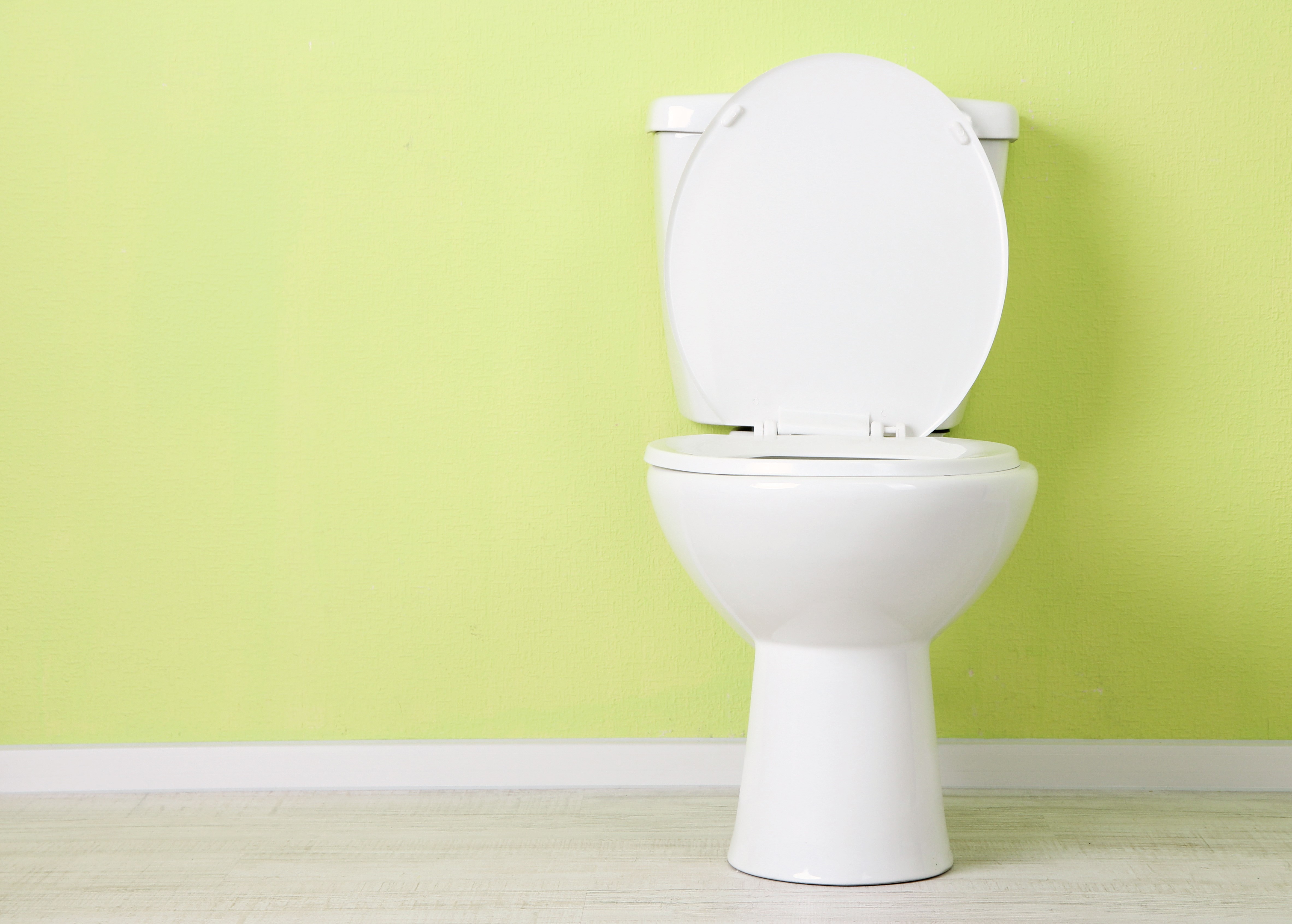
No matter how careful you are about the things you flush down the toilet, young children often aren’t as careful. Even if you tell little Daisy that her Toilet Not Flushingdoll can’t breathe underwater, there’s still that chance that dolly will find her way into the pipes. Because of this, it’s important to make sure that small children are told what not to flush and that they don’t have the opportunity to put things into the toilet.

Of course, with kids, anything is possible. Should your two-year-old create a backup while you’re answering the door, the understanding experts at Christianson Air Conditioning & Plumbing are available to come to your rescue.


Get Your Toilet into Good Flushing Shape with Christianson Air Conditioning & Plumbing

 Should your toilet struggle to flush properly, the plumbing contractors at Christianson Air Conditioning & Plumbing can help you bring it back to good working order. Whether you’ve got a clogged toilet or need a full toilet replacement, our plumbing experts will thoroughly inspect your situation and help you find the most affordable, complete solution.

Christianson Air Conditioning & Plumbing has four convenient Texas locations in Austin, San Antonio, Temple, and New Braunfels. If you’re having toilet problems and live in one of our service areas, contact us today to schedule a service appointment at your home.


Tips on How to Avoid Jamming Your Garbage Disposal

Posted on May 31st, 2017 by ChristainSon_Admin

The garbage disposal is an incredibly useful tool that can help get rid of waste and scraps that could cause some unfavorable smells in the kitchen. However, it’s worth mentioning that there’s plenty of foods that could damage or completely destroy your garbage disposal. For example, people tend to assume that garbage disposals utilize “blades” to break down waste, but it actually uses a ring of teeth-like shredders that force the waste down the drain after it grinds it down. Since there’s no honest way to sharpen your shredders, keeping them clean is incredibly important. Such products that shouldn’t be put down the garbage disposal are:

  • Fibrous Food– Fibrous foods can leave behind some very dangerous waste that your disposal can’t handle. Potato peels, onion skins, carrots, Egg Shells Damaging Your Garbage Disposalcorn husks, lettuce, asparagus, artichokes and strings of celery can easily wrap around the grinding teeth, which can destroy the garbage disposal’s motor. So if you’re in a situation whereas fibrous foods must be put into the disposal, run cold water from start to finish of the disposal process, and dispose of the fibrous food in very small quantities.
  • Oils, Fats & Grease– Foods with grease can leave a film over the shredding teeth, which can weaken their effectiveness. The grease will start to decay at some point, which will leave behind an unfavorable smell in one’s kitchen. In addition to this, pouring grease into a drain can lead to a clogged drain once the grease solidifies.
  • Egg Shells– Some individuals have the understanding that egg shells can help sharpen the garbage disposal’s blades, but this couldn’t be further from the truth. The shell’s layers have no problem getting into the shredder’s ring, which allows the shell to be ground into a sandy consistency that can clog your pipes.
  • Beans, Potatoes, Rice & Pasta– Small particles of such foods can turn into a paste-like substance when mixed with water. Once this paste-like substance is created, it can eventually clog your garbage disposal.
  • Non-Food Items – Don’t make a terrible decision by putting plant clippings, sponges, fabric, pull tabs, cigarette butts, twist ties, or rubber bands into your garbage disposal. Since these products cannot be broken down by your disposal, they’ll stick around and ruin your disposal every time it’s in operation.Your kitchen garbage disposal is incredibly sturdy, but it can still sustain damage from unsuitable items. So if you’re in a position whereas you may need garbage disposal replacement or garbage disposal repair, we offer 24 hour plumbing service to assist you at any hour. We’ll gladly send over a 24 hour plumber to settle your situation and get your garbage disposal up and running again in no time.

    In addition to garbage disposal repair, we also offer ac repair services. Regardless of your ac company or ac dealer, we can set you up with an ac contractor today to correct your cooling issues. We have a long list of ac companies we work with, so finding the solution to your problem should be a breeze. Contact us today so we can solve your ac or plumbing issues in the future!


    Source

    https://www.christiansonco.com/
    https://www.christiansonco.com/about-us/
    https://www.christiansonco.com/air-conditioning/repair-service/
    https://www.christiansonco.com/air-conditioning/system-replacement/
    https://www.christiansonco.com/plumbing/
    https://www.christiansonco.com/request-service/
    https://www.christiansonco.com/testimonials/


Top DIY Plumbing Tricks and Tips for Every Homeowner

Posted on April 27th, 2017 by ChristainSon_Admin

There’s no doubt common plumbing problems need to be fixed sooner rather than later. Even small leaks can turn into major water damage, and water damage can do more than just leave puddles in an unfinished basement. Thankfully, there are several easy fixes a homeowner can do themselves before they call a 24-hour plumber.

The best prep work a home plumber can do is the research needed to understand how all the pieces and parts work together to make a unit. Your toilet, faucets, and bathtub drain are all a part of the primary water line. When something goes wrong, it helps to have a general sense of the bigger picture before you get your tools out.

An Ounce of Prevention

Sometimes, the best plumbing DIY projects are the ones you complete before you notice anything is wrong. Washing machine hoses, for example,DIY Plumbing Tricks need to be replaced every three to five years or so, but they’re often forgotten about until they start to leak. Check for cracking or frayed hoses on a regular basis and replace as needed. You can also inspect the pipes under the sink and the walls around your appliances for any signs of leaking. Mold is notoriously difficult to eliminate, and tiny leaks that go undiagnosed can add up to thousands in clean-up costs.

You should also insulate your pipes during the cold weather. If your pipes come into contact with the exterior of the home, then there’s a good chance they will freeze. By insulating the entire space, you ensure you’ll still have running water even when the temperatures start to fall. If the pipe goes through the cement foundation, you may need a frost-free hose bib. Bibs can be installed closer to the interior of your home, so there’s less chance of icy trouble should you need to turn the water off.

You’ll also want to know where the main sewer clean-out line is, which is the pipe that connects to the main sewer line. If there’s a blockage or you just want to do normal maintenance on your sewer, then check either the property around the house or the basement. The clean-out line will be marked with a cap that is either steel-threaded or plastic. Plastic caps generally come in one of three colors: black, white or green.

Gathering Your Tools

All homeowners should have a bucket to catch leaks, a plunger to unclog a stopped drain, and a variety of wrenches (including Allen keys) in different sizes. Multi-bit screwdrivers also come in handy and make for less crowded tool boxes. Blind caps help you work on valves that are set far back into the wall. Duct tape, leak sealing tape, or Teflon tape can provide a great temporary fix for leaks, and strong glues like epoxy may even provide a more permanent solution to leaks.

Turning Off the Water

If you’re not sure where the leak is coming from, you’ll want to turn off all the water lines so there’s no further leaking. Your main shutoff valve is normally located near the water meter, which is generally underground or potentially on the side of the house. (You may have to call your utility company to find the meter.) Remove the cover from the meter and turn the valve 90° clockwise with a cutoff key or adjustable wrench. If you have a secondary valve, it should be in the basement.

If you do know where the leak is located, then you can turn off the primary valve by turning it clockwise. Typically, you can easily find the valve under the sink if it’s a broken faucet repair, but a shower or bathtub faucet repair may be much harder. A bathtub installation may or may not have a shutoff valve, and if it does have a valve, it may only be accessible through the wall. Instead of ripping out your tiles, you should turn off the main water line. If you can find the secondary shutoff valve for the shower though, the leak is likely caused by a bad gasket or washer (both easy and inexpensive repairs.) Once you shut off the water, just take out the handles, check the stem, and then replace the part.

Hot Water Heater Maintenance and Repairs

Whether it’s making odd sounds or you just won’t be using it for the next two months, you need to know how your water heater works. First, ensure the pitch (slope) is toward the steam, so you know the water is draining correctly. If the water heater is leaking, it could also be because the liner has worn away. (Many heaters have extended warranties, so you may want to see if yours is still covered.) Gas water heaters have a supply knob that has an on/off switch, while electric heaters have a circuit breaker that needs to be flipped off. Electric heaters may also need the fuses removed first. Once that’s done, you can turn the cold water supply off by turning the shutoff valve clockwise.

Sink or Toilet Clogs

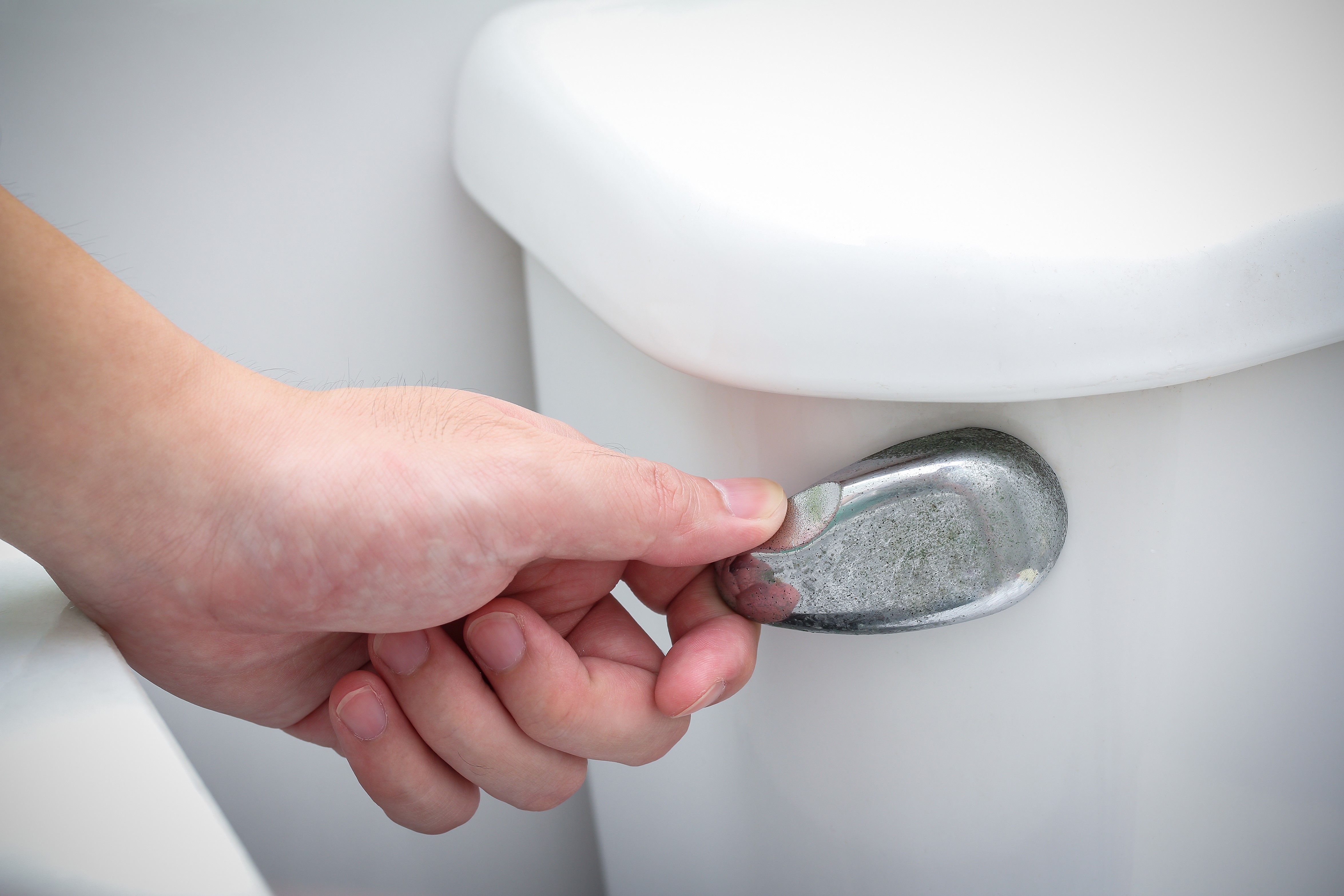
A slow-moving drain may not seem like something that needs immediate attention, but the longer you wait, the worse it will be. If it seems like your Tips for Unclogging a Toiletdrain or bathroom plumbing is under more pressure than usual or they’re clearly blocked, you may need to try a few solutions before you find the right one.

The first thing to do is start with some gloves and your hand to clear the blockage (e.g., your child’s toy). Common chemical draining products (e.g., Drano) should be used as a last resort because the chemicals can damage the pipes. If your hand doesn’t work, a plunger is typically the next step. For sinks and toilets, use plungers to rid the drain of a variety of particles. If you think it’s a grease or hair clog though, then skip the plunger. You may just push the blockage deeper into the drain. For hair or grease clogs, use drain-cleaning tools that can be found at your hardware store (e.g., Zip It.) If this doesn’t work, you may need to check the trap and use a bottle brush to work through the material (ensure you clean the drain well with soap and water after completing).

In the worst cases, you’ll need to use an auger, which is a snaking tool that can reach into your drain to clear it out. This is particularly good for toilets that have a major blockage. Augers have a handle that you can crank to reach and remove the clog. If you don’t have an auger, you may be able to unbend a wire coat hanger, but use carefully because it may scratch the enamel on your toilet.

Replacing a Washing Machine Hose

To replace a washing machine hose, you’ll need to unplug the machine, turn off the water, and then disconnect the hose from the back of the machine. Make sure you have a bucket handy as water will leak out. Connect the new hose to the right valve, and then turn the water back on.

Fixing a Leak with Epoxy

Smaller leaks may be able to be fixed with strong glue or a repair clamp. Once you know where the leak is, turn off the water and dry the pipe off. Put the epoxy together by kneading the parts into one, and then place it around the pipe. Once the glue has set, just turn the water back on, and check for further leakage.

For a repair clamp, you’ll need to loosen the screws on the clamp, place it around the pipe, and then tighten up the screws again. The rubber gasket needs to be against the leak for best results.

Fixing a Running Toilet

If the toilet is running, it’s likely a fixable problem with the tank. Do not continue to flush either a clogged or running toilet. Either the water is too high or the flapper that sits between the tank and the toilet bowl has worn out. Remove the lid so that you can lower the tank’s float. This is usually done by turning the adjustment screw or by sliding the rod. Adjust the float until the water level is below the overflow tube, and then test by flushing.

If the water level is below the top of the tube, then it’s likely you need a new flapper. These are easily found at any hardware store.

  • Turn the shutoff valve off, which will be located below the toilet tank.
  • Remove the rubber flapper located at the bottom of the tank.
  • Remove the chain from the rod.
  • Dry off the drain.
  • Install the new flapper and chain.
  • Check the toilet, and adjust valve chain as needed for easier flushing.

Fixing a Leaky Faucet

Because faucets are a mechanical fixture, eventually they will start to leak. Use the following guide to fix a dripping faucet, so you can stop wasting water, and silence that infernal dripping noise at the same time. Below you’ll find the fixes to the most likely culprits.

Replacing a Washer

Rubber washers regulate the pressure of your water and are found on compression-style (older) faucets.

  • Turn off the shutoff valve to the faucet.
  • Remove the cap on the faucet handle.
  • Find the screw under the handle and remove.
  • Take the handle off to gain access to the valve.
  • Remove the valve with a deep socket wrench.
  • Find the screw holding the washer in place to the valve and remove.
  • Replace washer and use Teflon tape on the threads of the valve.
  • Screw the valve back in, and tighten (don’t over tighten).
  • Replace the handle and cover.
  • Turn water back on and check for leaks.

Repairing the Valves on Cartridge of Ball Faucets

The newer faucets may be less likely to leak, but they’re also more difficult to fix. If you have a leaking cartridge faucet, you’ll normally need to replace the entire cartridge. This involves taking off the cap and the handle before getting to the valve. Depending on your faucet, this can become rather complicated, rather quickly.

There are lots of parts in a ball faucet, which can make replacing just one impractical for novice plumbers. The good news is that you can buy repair kits for ball faucets that give detailed instructions for fixing the leak.

When to Call a 24 Hour Plumber

Unfortunately, there are times when you won’t be able to fix the problem on your own without endangering your pipes and plumbing. The best time to call a plumber is when you think you may do more harm than good to your plumbing or pipes. Fortunately, you can find a 24 hour plumbing service to find an expert. Christianson Air Conditioning & Plumbing has the skills to not only spot the underlying problem but also to see the spider effect of damage it may have caused to the other parts of your home (e.g., inside the walls, under the floors, etc.). The faster a plumber can diagnose the problem and repair it, the safer your home will be.


How Clean Air Can Affect Your Allergies & Overall Health

Posted on April 27th, 2017 by ChristainSon_Admin

Air pollution has become so rampant in the environment today such that it is affecting you both indoors and out. One would think that being at home and keeping the outside air from getting inside a house will make it have clean air, but that’s not the case. Air pollutants range from the things you use inside your house to some very tiny particles that you collect when you are outdoors. Some harmful gas particles even get embedded in your clothes when you just go out in the morning for a jog.

The effects of air pollution

The effects of poor air conditioning services are worst experienced by children, the elderly, and people with preexisting respiratory diseases. Most allergies affect the eyes, nose and the entire respiratory system. Some people get headaches, nausea and general body weakness. It is important to contact an AC company immediately if family members experience such symptoms.

Numerous causes

Causes of air pollution are many. They range from poor initial AC installation, leaking pipes in the house, and pollutants from the fuels you use in your home. It is important to note that a professional plumbing service company can help fix all the gas and fuel leaks in time to avoid pollution.

Water leaks cause mildew to grow in your basements or any hidden places like under the kitchen sinks. This can cause serious allergies and subject you to medication that you can get through your doctor or from an online pharmacy. Fuel pollutants can come from traffic, especially if your house is located near a busy highway. This happens mostly to people living in densely populated cities. Also, a car in your garage with a running engine is a significant contributor to the lack of clean, fresh air in your house.

How to stay safe

The preventive measures for air pollution are numerous as well. Some are within your control, but some would require unique skills and proper Vital Health Benefits of Having Clean Air in Your Premisesmachines or equipment to tackle. Use of AC systems from an experienced AC dealer and having a professional AC installer install it for you reduces the risk of infections. It makes it easy to maintain a constant supply of fresh air in homes and offices.

Personal efforts like changing your bed sheets and pillow cases regularly also help in reducing the number of dust particles your loved ones are exposed to. It is also paramount for morning joggers to avoid busy highways when possible. If it is inevitable, then make sure to change the jogging clothes every morning and clean them daily to reduce the level of exposure.

AC companies always come in handy in helping you control indoor air quality in your home. As mentioned earlier, the effects of poor air conditioning are diverse. Some are short term while others are long term. Even if you have not experienced any irritation or any allergic reactions, it is still good to contact your plumbing company or the AC installation company especially if your pipes and AC need to be checked.

Although your air conditioner can give a continuous supply of fresh air in all seasons, it is important to reduce its workload when possible. This can be done by encouraging people to smoke cigarettes outside your home. This will save you the money for AC repair and will also protect the health of the house’s occupants.

Before contacting your AC contractor or plumber, do a thorough home inspection on your own so you know exactly whom to call. And depending on the extent of the damage, you will have to choose from one of the many companies available in the locality.

Among the areas you should inspect include:

1) The bathroom: A bathroom can be the source of contaminates which could be making you sneeze every morning. The cleaning detergents and air fresheners stored in the bathroom may contain particles that are too sensitive for one of your family members. Leaky pipes can cause mildew growth. Look around every corner before making the call.

2) The kitchen: Just like the bathroom, the kitchen sinks can leak for a while before you notice. It is important to regularly check under the sinks to ensure that your kitchen plumbing is intact. Proper ventilation and good air conditioners will ensure that odors from burnt food stay out of your home. Cleaning your cabinets regularly will also reduce the amount of dust and make your home a safe place to live.

3) Living area: During winter, most people tend to use any form of heating in their homes with the aim of keeping warm. Some people burn coal or charcoal in their fireplaces. Burning coal produces poisonous carbon monoxide gas that is harmful to not only people with allergies but also every member of the family. With a reliable air conditioner, you will achieve sufficient circulation of air throughout.

4) The garage: Garages are a source of gas pollutants. Running your engine inside the garage introduces the pollutants that originate from burning gasses to your home. Most people do not ventilate their garages well. Very few use an air conditioner. Storing chemical fertilizers in a garage requires you to have a good HVAC to protect your health.

To have a safe and cozy home, you should have the contacts of a 24 hour plumbing service company, like Christianson Air Conditioning & Plumbing, or a 24 hour plumber to solve your troubles as soon as they arise. Air conditioning is not just a luxurious service; it is a must-have for proper health and peace of mind while at home!

Source

  1. https://www.urmc.rochester.edu/encyclopedia/content.aspx?ContentTypeID=1&ContentID=2163
  2. https://www.epa.gov/indoor-air-quality-iaq/introduction-indoor-air-quality
  3. http://www.webmd.com/allergies/features/do-you-need-an-air-filter


Copyright © 2025 Plumbing & Air Conditioning Company - Austin, TX

Licenses M-18631, M-18632, LI15740, TACLA023749C

Regulated by The Texas Department of Licensing and Regulation

P.O. Box 12157, Austin, Texas 78711, 1-800-803-9202, 512-463-6599, Website: http://www.tdlr.texas.gov