Texans serving Texas since 1950

Call Us Now:

Austin Metro (512) 246-5400
San Antonio (210) 651-1212
Temple (254) 773-7175
New Braunfels (830) 627-2211

Most Common Dishwasher Installation Kitchen Plumbing Problems

Posted on August 24th, 2019 by ChristainSon_Admin

If you are tired of doing dishes by hand, are looking to conserve water, or need dishwasher replacement, you need to be aware of some of the most common dishwasher installation kitchen plumbing problems people can have when attempting to do the install as a DIY project. Let’s take a look at both adding a dishwasher and replacing a dishwasher, and the problems you could encounter.

Adding a Built-In Dishwasher to Your Kitchen

If your home doesn’t currently have a dishwasher, you will need to find a location to install it. The location needs to be next to the kitchen sink since dishwashers are connected directly to the kitchen sink plumbing.

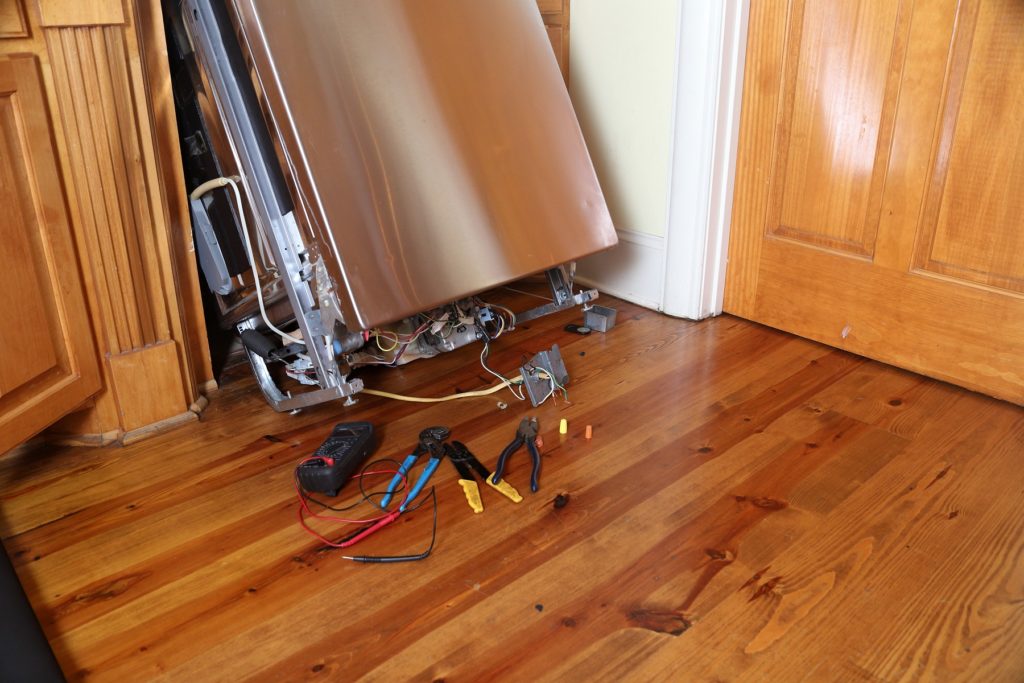
Broken Dishwasher being repaired

The space also needs to be deep enough to leave sufficient room for the hot water intake and drain lines and electrical wiring. In addition to space and location considerations, plumbing problems you could face may include:

  1. Breaking the existing drain line and hot water line. You will need to split the drain line and hot water line to install a new dishwasher. During this process, some people accidentally break the lines and damage them, resulting in further plumbing repairs.
  2. Leaks from the drain line and hot water line. If you do not correctly connect the dishwasher drain line and hot water line, you may discover water leaking from under the dishwasher or from under the sink.
  3. Using the wrong size drain pipe. Another issue has to do with the size of the drain pipe. There are special kitchen sink drain pipes that come pre-tapped for dishwasher hookup. All you have to do is replace the existing drain pipe with the new one. Kitchen sink drain pipes do come in different sizes to accommodate different types of sinks and dishwasher models.
  4. Forgetting to purchase the dishwasher installation kit. Most modern dishwashers require you to purchase a separate installation kit. The installation kit has the connectors and other essential hardware required to connect the dishwasher drain and hot water lines.
  5. Not installing a shutoff valve to the dishwasher. When tapping into the existing hot water line, you want to make sure to also install a shutoff valve in the right location.

Replacing an Existing Dishwasher

If you are replacing an existing dishwasher, you can still encounter various plumbing problems if you attempt to remove and install the dishwasher yourself. Some of the more common ones include:

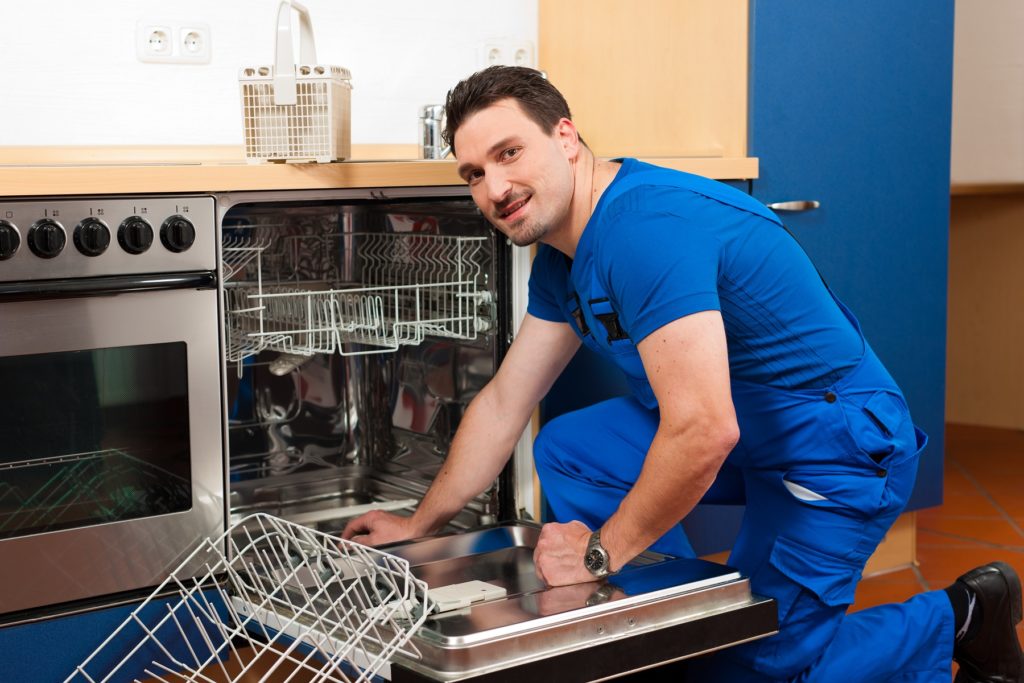
Techniker repariert den Geschirrspüler

  1. Forgetting to shut off the water. You would be surprised by how many people make this mistake. They assume since the dishwasher is not running, the water is shut off.
  2. Not purchasing the dishwasher installation kit. You may think you already have everything you need for your new dishwasher install. However, what you may not know is you still need the kit that goes with your new dishwasher as intake, connection sizes change.
  3. Not replacing the drain line. When installing a new dishwasher, it is a good idea to also replace the drain line. Your old one could have gunk, grease, and other gross stuff in it that could lead to a clog later.
  4. Breaking the hot water line. You have to be careful when disconnecting and reconnecting the hot water line. If you are too rough on the line, you could break it.
  5. Leaks from the drain line and hot water line. If you do not connect the drain line and hot water line correctly, leaks can occur underneath the dishwasher and under the sink.

While installing a dishwasher might not seem that difficult, it is often a task best left to a professional dishwasher and kitchen sink plumber. Doing so helps you avoid all these plumbing problems and ensures your new dishwasher is installed correctly.

For help installing your new dishwasher in the San Antonio, Austin Metro, New Braunfels, or Temple areas, please feel free to call your nearest Christianson Air Conditioning & Plumbing location today!

Tags: , ,


What Does a Sewer System Camera Inspection Entail?

Posted on August 2nd, 2019 by ChristainSon_Admin

When you notice you have a sewer line problem and you will need sewer repair service from your local plumbing company, the first thing you will want to do is schedule a sewer system camera inspection. This is a low-cost solution to finding out exactly where in the sewer line the problem is located.

In the past, before this latest technological advance, you would have to run pipe snakes down drain lines and sewer lines and hope the problem was resolved. For major blockages and broken sewer lines, you would have had to dig a huge trench in the yard for full access to the entire sewer line to fix the problem.


The Sewer System Camera Inspection Basics

A sewer system camera inspection is where your plumber uses a waterproof camera system to find the location of sewer line problems. The camera is connected to a long cable. The cable is then connected to a video display unit.

The camera and cable are slowly pushed down the drain line or sewer line. The plumber watches on the monitor to determine if there is a problem. The plumber can use the camera to inspect drain lines from the shower, bathtub, sinks, and toilets.

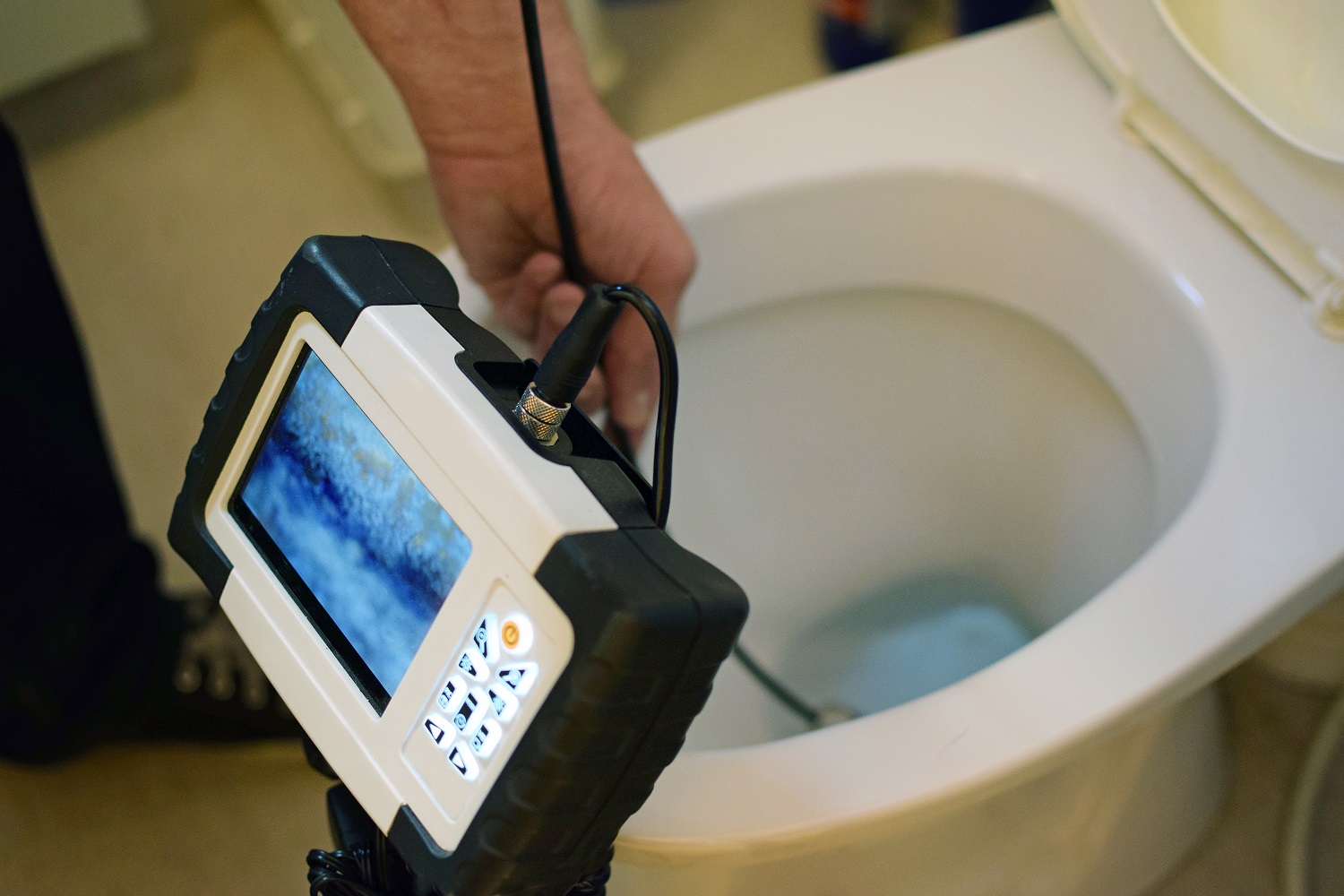
Checking clogged toilet pipe with inspection camera.

When a problem is discovered, the plumber relies on the transmitter inside the camera. The transmitter lets your plumber know where the camera is located inside the sewer or drain line. This makes finding the location of problems easier and much faster than traditional methods.

Your plumber can also inspect the main sewer line—the large sewer pipe—that runs under the home and is connected to the city sewer line or your septic tank sewer line. In addition, they can open the overflow sewer pipe cap to access the sewer lines in your yard.


What Is a Sewer System Camera Inspection Used For?

A sewer system camera inspection is used to help identify and locate sewer line problems. Having an inspection performed will let your plumber know exactly where the problem is in the sewer and drain pipes.

Some of the more common reasons homeowners will schedule a camera inspection of their sewer lines could include:

  • Water drains slowly down the sink, tub, or shower drains.
  • There is a gurgling sound coming from the toilet or other drains in the home when water is off.
  • There is raw sewage coming up the drain lines into the home.
  • Water does not drain down one or more drains in the home.
  • Flushing the toilet causes water to come back up sinks, tubs, or showers.
  • Running water in the tub, shower, or sinks in the home results in water coming up in the toilet.
  • There are strange and foul smells coming from tub, shower, and sink drains.
  • Your yard is constantly wet even when it is dry outside.

Another reason people will get a sewer camera inspection is when they are getting ready to sell their house or buy a new home. An inspection before listing the home will let potential buyers know the status of the home’s drain and sewer lines. Plus, if there are any problems, you can have your local plumbing company fix them before buyers look at your home.

For home buyers, getting a sewer camera inspection is frequently overlooked. You are already paying to have other inspections performed in the home you want to buy. It just makes sense to also have your plumber do an inspection to ensure there are no sewer line problems before you close on the home.


What Can a Sewer System Camera Inspection Identify?

plumber sits next to the kitchen sink on the floor and looks at the tablet for repair instructions

A sewer drain and system camera inspection can help identify just about any type of sewer line problem. Some of the more common ones include:

  1. Finds and pinpoints the location of sewer and drain line leaks. Sometimes a leak can develop in the sewer and drain lines that run inside the walls of your home. Pinpointing the exact location of the leak will mean minimal removal of drywall to access the drain lines.
  2. Locates blockages inside the drain and sewer lines. Over time, hair, soap scum, and other things we put down our drain and sewer lines can get stuck and create a blockage. The camera helps find where the blockage is located so it can be fully removed.
  3. Helps determine the condition of your drain and sewer lines. A camera inspection lets you know how much “gunk” has accumulated on the inside of the plumbing lines. Depending on the extent of “gunk,” you can decide if you want your plumber to do a drain and sewer cleaning service to remove the buildup.
  4. Identifies bulging and sagging drain and sewer lines. Sometimes certain types of drain and sewer pipes can bulge and expand or contract and sag. Both types of problems can cause repeated sewer line problems.
  5. Helps find collapsed, damaged, and broken sewer lines. The sewer lines in your yard can collapse, break, and get damaged from tree roots, accidentally hitting the lines when digging, and other such things. A camera inspection determines where in the line the problem is located so your entire yard does not have to be dug up.


How Is a Sewer System Camera Inspection Performed?

Your local plumber will set up the camera inspection equipment in the location where you are experiencing the sewer line problem. They will push the pipe down the drain line until they find the location of the problem. Once the problem is located, they use the transmitter inside the camera to determine exactly where it is located inside the home.

Next, they mark the location where they need access. If they need to remove drywall, they will ask you to move furniture and other things out of the way first. Then they cover the floor and other nearby items before cutting into and removing the drywall.

If the entire home is affected, then your plumber will start in one area of the home and inspect each of the branching lines that connect to the main sewer line under the home. It is not uncommon for there to be multiple sewer and drain line problems if the sewer and drain lines have never been cleaned.

If none of the branches have any problems, then your plumber inspects the main sewer line. If the problem still has not been located, the final part of the inspection is to run the camera down the exterior sewer lines.

plumber using a sewer camera for inspections


Can’t I Just Do a “DIY” Sewer System Camera Inspection?

While there are “DIY” plumbing cameras you can find at your local home improvement and repair stores, they are not of the same quality as the one used by your local plumbing company. The cameras sold at retailers only allow you to view a few feet inside the drain and sewer lines.

Not to mention, most do not have infrared, auto-brightness adjustment, and auto-focusing to give you a clear picture of what is going on. To get the high-quality system your plumber uses, you can easily spend around $20,000.

This is why it is more cost-effective to just have your plumber perform the inspection for you. You are more than welcome to watch the camera feed on the video display while your plumber conducts the inspection.

If you have noticed a sewer line problem or are getting ready to buy or sell a home, you cannot go wrong with a detailed sewer system camera inspection. If you live in the Austin Metro, San Antonio, Temple, or New Braunfels and surrounding areas, please feel free to contact Christianson Air Conditioning & Plumbing to schedule a comprehensive sewer drain line camera inspection for your home.


Why Is My Toilet Leaking?

Posted on July 24th, 2019 by ChristainSon_Admin

While there are some bathroom plumbing issues that can be relatively easy to fix on your own, you probably don’t want to make a DIY project out of a leaking toilet or clogged toilet. It’s not necessarily an uncommon problem for a homeowner, but it’s something that shouldn’t be ignored for long.

Some problems with your toilet might be easy fixes, but they can turn into bigger problems when they aren’t taken care of quickly.

The best thing you can do is to call a licensed plumber who can not only identify the underlying cause of your leaking toilet but can fix it right away and help you to avoid future plumbing and piping headaches.

With that in mind, let’s take a look at a few possible causes for a leaky or clogged toilet.


Problems in the Toilet Tank

home bathroom interior

Sometimes, opening up the tank and taking a look can be the easiest way for a plumber to determine the problem. There are a variety of different issues that can occur in a toilet tank, including potential cracks. If a tank is old or has been hit with some kind of impact, it could cause leaking through a crack. Even a hairline crack that is nearly impossible to see can cause significant leaking as the tank continues to refill.

If you do have a cracked tank, a toilet replacement is often your best solution.

You could also be dealing with a stuck flapper. Unlike a small fracture in the tank, this is a problem you’ll notice quickly. When the flapper in a toilet tank gets stuck, the flush handle typically remains in the “down” position. So, the tank will continue to fill up with water until it starts to overflow. This causes constant leakage that needs to be dealt with immediately, or you’ll end up losing a ton of water.

Flappers can also wear out over time and become inefficient. Regular plumbing maintenance can help to ensure your flapper is working properly.


Loose Connections

It’s not uncommon for parts to wear out over time or become damaged simply with regular use. Many parts used for your toilet have rubber linings that help to create a water-tight seal, but the rubber wears down and doesn’t last forever. When these connections become loose or damaged, you might start to experience leaks.

Additionally, the joints in the supply line can also become loose and cause leakage. You’ll start to notice water seeping through. It could simply be from regular wear and tear or from some type of damage to the joints or sewer line. Calling a plumber to replace or repair these parts, or simply to make sure everything is secure, can help to prevent those leaks from getting worse.


Problems with the Drain Line

bathroom having cleaned toilet bowl and sink

If you’re dealing with a clogged toilet on top of everything else, you might have a clogged drain line. This can be a problem especially if you live in an older house or you’ve never had a drain cleaning done.

Calling Christianson Air Conditioning and Plumbing for regular plumbing maintenance and to fix any leaks or clogs can help you rest assured that your toilet won’t be causing you any major problems. Unfortunately, many people ignore their toilets until there’s a problem. Even then, people are hesitant to call a plumber until that problem becomes bigger than it ever needed to be. If your toilet is leaking or clogged, don’t wait; get it fixed as soon as possible. Give our experienced team a call, and we’ll be there to solve the problem right away.

Tags: , ,


New HVAC Installation: What Does a New HVAC System Include?

Posted on June 26th, 2019 by ChristainSon_Admin

There are several different types of HVAC systems that you can choose from for a new HVAC installation at your home. The type of system you select will be based on several different factors. It is important to review each of these factors with your AC repair and installation technician to ensure the system you select is the best one for your home.

1. Size of Home

The size of your home will determine the size of the HVAC system. It is important to make sure the size of the unit is matched to the size of your home. You want the system to be able to meet your heating and cooling temperature preferences.

It is worth noting that getting a bigger HVAC system than you need is not going to provide any additional benefits. The system will still provide the same heating and cooling as a properly sized HVAC system. The only difference you will see is an increase in your energy bills from operating a larger system.

On the other hand, if the new HVAC system is too small to meet your heating and cooling needs, the system will run more often. On those hot Texas summer days, an undersized unit runs almost constantly to try to keep your home cooled.

Not only is this not very energy-efficient, but it also places a higher level of wear and tear on the system. Since the system runs more often, it will have a much shorter useful lifespan.

2. Duct or Ductless Home

Whether your home has existing air ducts or not is another factor you need to consider when selecting a new heating and cooling system. If your home already has existing ductwork, then you will want to choose a duct-based system.

If your home does not have ductwork, you can either choose a ductless HVAC system or have ducts installed. Just keep in mind that adding ductwork to your home will require you have sufficient space.

In addition, installing ductwork will require removing parts of the walls, flooring, and other areas of the home so it can be installed correctly. The costs of installing ductwork will also increase the total HVAC installation cost. This is why most people without ductwork in their homes will opt for a modern ductless HVAC system instead.

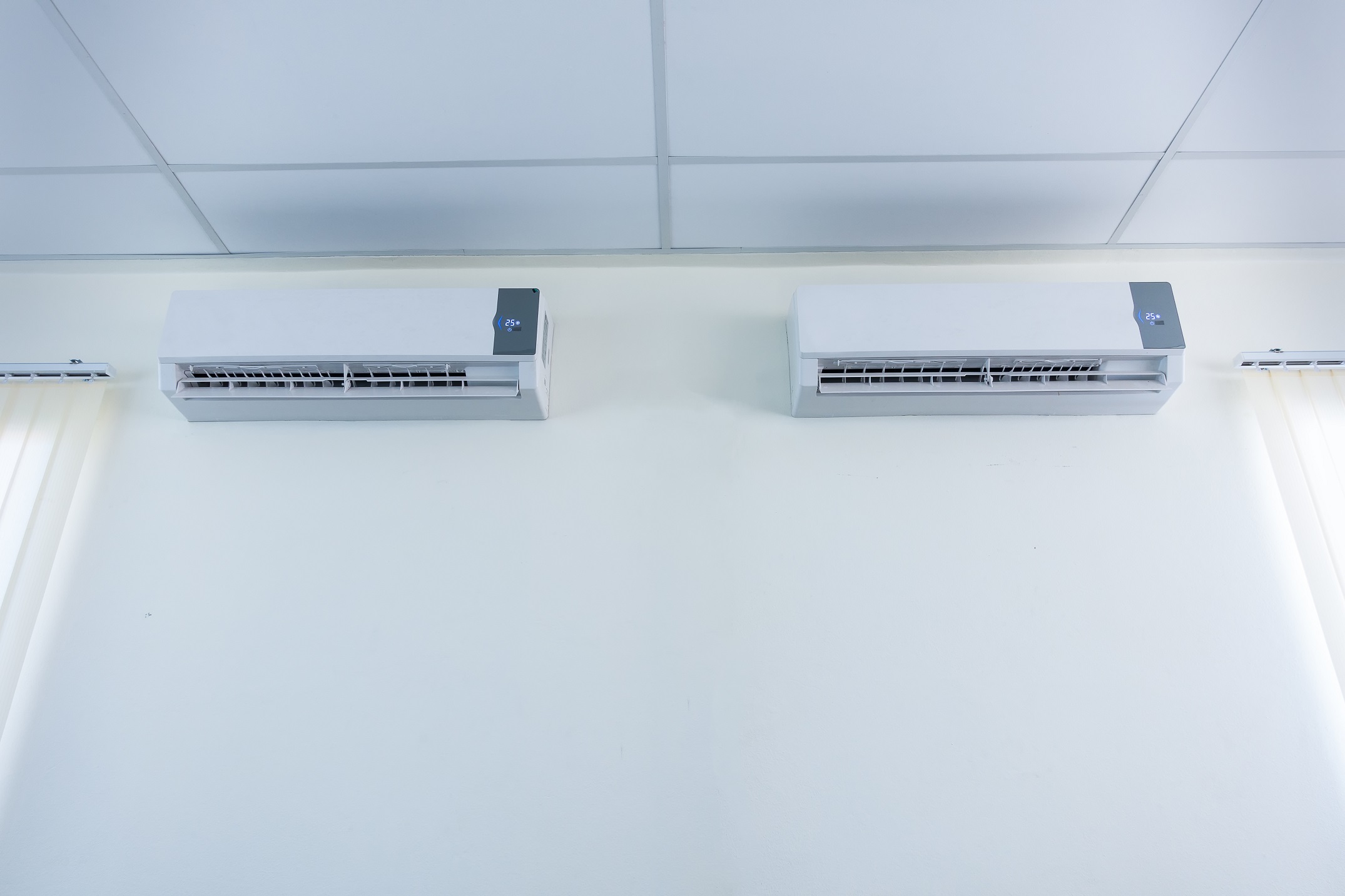
Air conditioner split type embed on wall of living room

3. Current System

Your current HVAC system does have some influence on what type of new system you will get. If you have a split system, then you may only need to have a new AC installation service to replace just the air conditioner. Conversely, you might only need heating installation if your furnace needs to be replaced but the air conditioner is still working.

Types of New HVAC Systems

There are five general types of new HVAC systems you can choose from for your new HVAC installation. Let’s take a look at each one and what is included with the system.

1. Packaged HVAC Systems

Packaged HVAC systems are quite common in Texas and most southern states. They combine your cooling and heating into a single unit that is installed on the exterior of the home. The system is a duct-type system that connects to the existing ductwork.

Common components found with a packaged HVAC system are:

  • Heating Unit: The heating unit can be either gas or electric.
  • Cooling Unit: The cooling unit is electric.
  • Blower Motor: The blower motor helps force the heated or cooled air into the air ducts and the home.

The primary benefit of a packaged HVAC system is that you do not need to worry about losing any indoor space for the system. With everything contained in a single unit outside the home, you will also notice the system doesn’t make as much noise as other types of HVAC systems.

2. Split HVAC System

A split HVAC system has the heating unit inside the house and the cooling unit outside the house. The air handler unit is also installed inside. Each unit is then connected together so that the air handler, blower motor, and ductwork can be shared between the two systems.

The heating unit of a split HVAC system can be either electric or gas. The cooling unit is electric. When you turn on the heat, just the furnace side of the system runs to heat the home. Alternatively, when you turn on the AC, just the AC unit runs to cool your home.

The main benefit of a split HVAC system is you do not have to replace both the furnace and air conditioner at the same time. If you need a new AC, you just replace either the AC unit or the furnace, if that needs to be replaced.

However, it can be beneficial to replace both the furnace and AC at the same time. If your current system is more than ten years old, there have been many energy-efficient improvements made on new complete split HVAC systems. Replacing both parts of the systems would allow you to enjoy these energy-saving features.

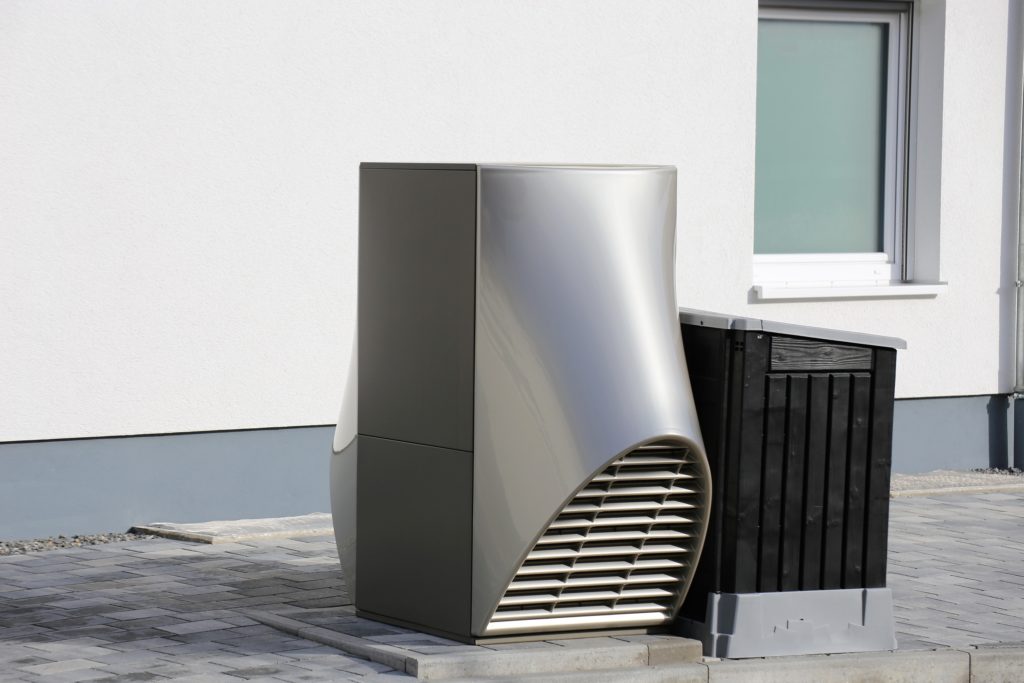
Heat pump on a residential home

3. Duct-Type Heat Pump System

A heat pump is similar to a packaged system since it can provide both heating and cooling functions in a single unit. Unlike a packaged system, there is an indoor air handling unit that contains the blower motor which is installed inside the home. A heat pump is also connected to existing ductwork inside the home.

4. Ductless Heat Pump System

Another type of heat pump system you could have installed is a ductless system. This system is well-suited for homes without existing air ducts. There is an outdoor unit that is connected to individual air handling units installed in each room of the home that you want to heat and cool.

One of the benefits of a ductless heat pump system is it allows you to set individual temperatures for each room. For instance, you could have it a bit cooler in the living room and a little warmer in the bedroom. Another benefit of a ductless heat pump system is it heats and cools the home without the need for a separate furnace.

5. Ductless Split and Mini-Split AC Systems

Ductless split and mini-split AC systems are also designed for homes without existing air ducts. The key difference between this type of system and a ductless heat pump system is it only cools the home. There is not a heating component in the system.

The AC installation features a cooling unit installed outside the home. The cooling unit is connected to individual air handler fan units installed on the ceiling or walls in individual rooms of the home. Just like a ductless heat pump system, you can set individual temperatures on each fan unit.

The Difference Between a Single and Multi-Stage HVAC System

If you have already spent some time shopping for a new HVAC system for your home, you probably encountered the option to choose a single or a multi-stage system. Single-stage systems operate the blower motor at a preset fan speed that remains the same during the entire heating or cooling cycle.

With a multi-stage HVAC system, the blower motor fan speed can operate at two different speeds. The system determines which speed is best depending on whether the system needs to operate at full or reduced speed.

A multi-stage system is designed to help reduce energy usage and save you money. For example, on a hot Texas summer day with temperatures blazing in the 100s, a multi-stage system would operate at full speed to keep your home cooled.

On a cooler summer day, when it is in the 80s, a multi-stage system would typically start the cooling cycle at full speed. Then it would step down to the lower speed during the cycle. During some cycles, the system may only operate at the lower speed, as when it needs to reduce the temperature in the home one or two degrees.

Dehumidifier and Humidifier HVAC Systems

Another option found on certain new HVAC systems is the inclusion of a built-in dehumidifier and humidifier. This option is beneficial when you live in very humid and very dry areas of the country. Here in Texas, it can get quite humid during the summertime.

If your new HVAC system has a built-in dehumidifier, it will remove the excess humidity from the inside of the home. This is in addition to the humidity the air conditioning unit removes during the cooling cycle.

The primary benefit of removing excess humidity from the air in summer is it will make the home feel much cooler. This allows you to set your thermostat a few degrees higher and save on your energy usage.

In the wintertime, when the air is dry and lacks humidity, having a built-in humidifier helps add humidity to the air. By adding humidity, it makes the home feel warmer. In addition, humidified warm air helps reduce dryness in the home and helps prevent the spread of germs and illnesses.

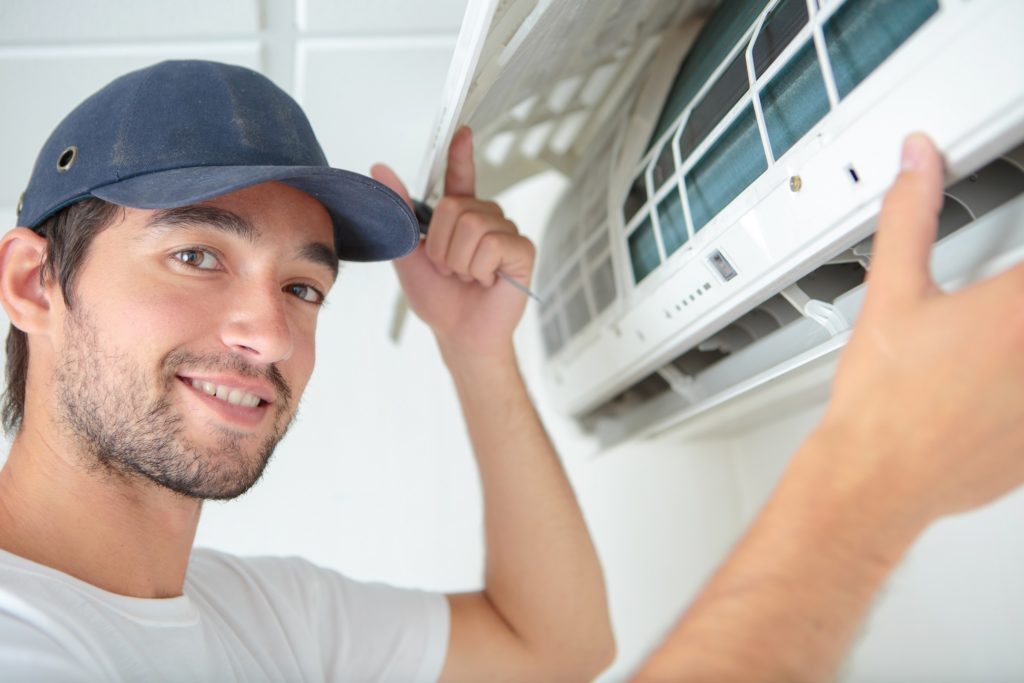
Portrait of air conditioning serviceman

Choosing the Best HVAC Installation for Your Home

You have a wide range of options when you need a new HVAC installation. The best place to start is with an HVAC inspection to determine which types of systems would be best for your home.

The inspection process reviews what size system your home requires and your desired heating and cooling needs. Your AC repair and installation technician also reviews whether you could benefit from a multi-stage system and/or a built-in dehumidifier and humidifier system.

To arrange an HVAC inspection or your home, request further information about new HVAC systems. To schedule AC repair or maintenance service, please feel free to contact your nearest Christianson Air Conditioning & Plumbing location today!

We look forward to helping you select the best new HVAC system for your home. We service the Temple, New Braunfels, San Antonio, Austin Metro, and surrounding areas. We also offer 24/7 emergency HVAC service for those unexpected breakdowns.


Energy-Efficient Smart Thermostats: How Do They Work?

Posted on May 24th, 2019 by ChristainSon_Admin

Energy-efficient smart thermostats are those sleek and cool-looking devices with the digital LED displays used to control your air conditioning and heating system. They are very different from those “old-school” dial thermostats, where you turn the dial to set the temperature you want inside your home.

They are also an upgrade from programmable thermostats that feature basic LED displays, similar to old cell phones. One of the key differences between smart thermostats and dial-style and programmable models is they connect to the internet. This feature helps you tap into a wide range of features and benefits to further expand the functionality of the thermostat.

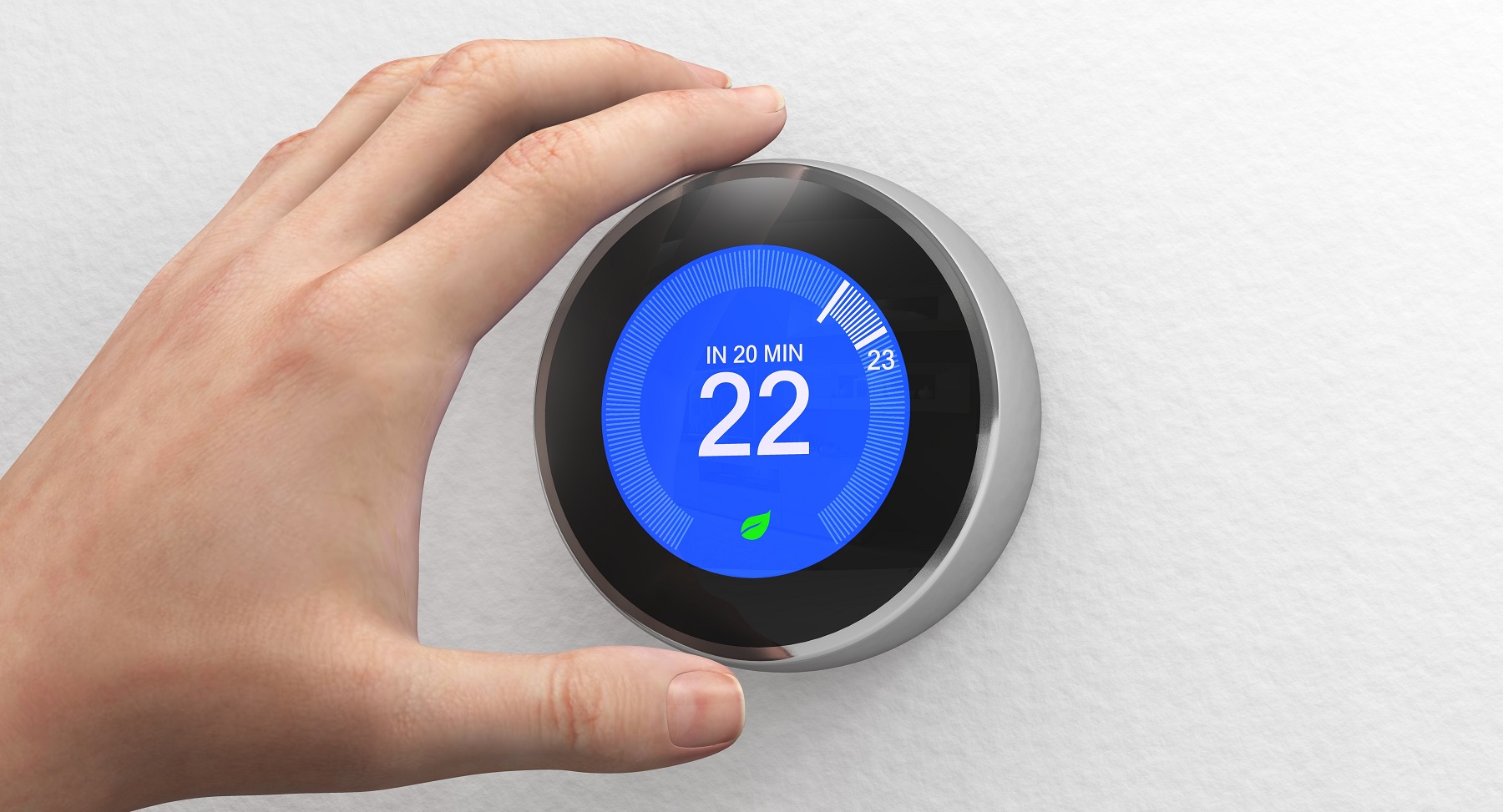
Raumthermostat digital - Rund - Hand

Energy-Efficient Smart Thermostats – Features and Benefits

Besides being able to control the thermostat from the interface on the wall like conventional thermostats, smart thermostats also include:

  • Access through a smartphone/tablet app. Each smart thermostat manufacturer offers an app so you can access the settings in your home from anywhere you have an internet connection. For instance, you could adjust the settings a few degrees cooler or warmer than you had programmed earlier in the day before coming home from work. Alternatively, if you happen to leave for a vacation and forget to set the thermostat to “vacation mode”, you could do it from your phone without having to turn back.
  • Smart thermostats integrate with voice-activated personal assistants. Amazon Alexa and Google Assistant can both be taught the appropriate “skill” to interface with smart thermostats. Imagine you just sat down to eat dinner and you are hot. Instead of having to get up to turn down the thermostat, you just ask Alexa or Assistant to do it for you.
  • Smart thermostats learn your routine. With the right setup, smart thermostats use AI (artificial intelligence) to learn your routines to know when you are home or away. This feature allows the device to adjust temperature levels based on your previous preferences.
  • Smart thermostats can control multiple zones. In larger homes that have two or more separate heating and cooling units, a single smart thermostat can be configured to control the settings for each system or zone.

Additionally, certain models can track your energy usage, as well as build an energy profile for your home. Best of all, smart thermostats can connect to other devices like smart dehumidifiers and smart humidifiers and also control those devices.

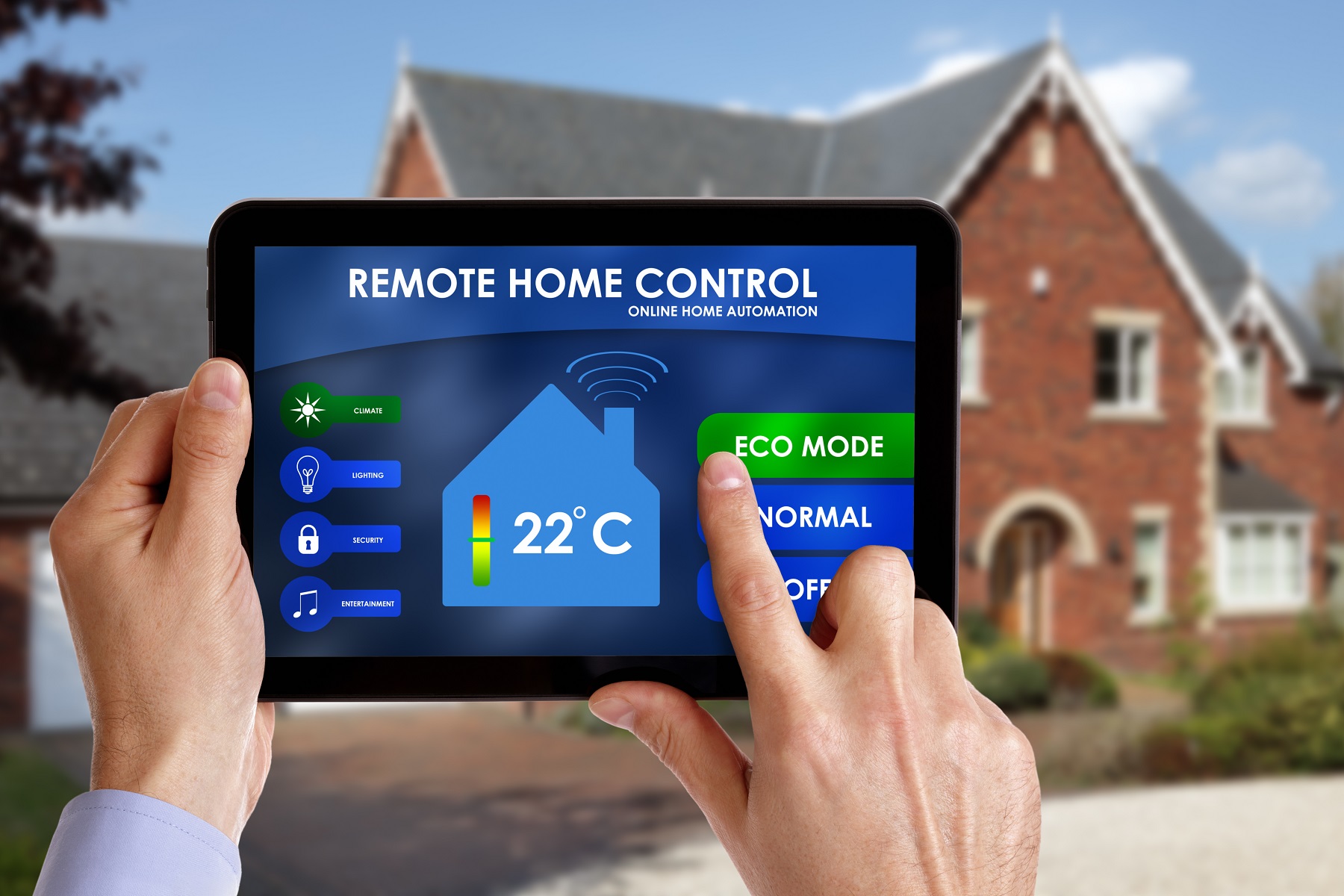
remote home control online home automation system on a digital tablet

How Does Smart Thermostat Installation Save Money on Energy Bills?

With a traditional dial-style thermostat, your home is cooled or heated constantly at that same setting. Most people are away from home between 8 to 10 hours each day. Do you really need to keep your home cooled or heated to the same setting all day? Not necessarily.

Just like a programmable thermostat, a smart thermostat can be programmed to change the temperature settings so you use less energy to cool or heat your home when you are away. Unlike programmable thermostats, smart thermostats can automatically make temperature changes even if you forget to program or change them yourself.

Another way smart thermostats help save you money is they can be configured to track your local weather conditions. If the weather ends up being hotter or colder than you anticipated, the thermostat will adjust your home’s cooling and heating settings to match the weather.

To learn more about energy-efficient smart thermostats, installation, or to upgrade to one when getting new AC installation, please feel free to contact your nearest Christianson Air Conditioning & Plumbing location in Temple, New Braunfels, San Antonio or Austin Metro today!

Tags: ,


Is It Time to Replace Your Sewer Line?

Posted on May 22nd, 2019 by ChristainSon_Admin

If you’re having plumbing problems, you might be tempted to fix them on your own. Unfortunately, if your sewer drain is moving slowly, it doesn’t always mean there’s a simple clog you can handle on your own. You may need a sewer cleaning or sewer repair to fix the problem.

Your sewer line is something you should pay close attention to. The longer you let a problem start to build up, the worse it will become—and it can end up costing you more money, in the long run. Plus, if your sewer line is out of commission, you could have quite a mess (and a smell!) on your hands.

However, most people don’t pay much attention to their drainage system until a big problem occurs. By that time, it’s often too late for any “quick fixes.” So, let’s look at a few signs you should be aware of that indicate it might be time to replace your sewer line.

The Water in Your Toilet Bowl Goes Up and Down

water running into kitchen sink drain

Toilet bowl water levels shouldn’t be inconsistent—at least not to the point where it’s noticeable. Because we use and flush toilets all the time, a variation in water levels within the toilet bowl could indicate that you have a clog somewhere in the system.

While this might be something you can ignore for a while, it could also be a ticking time bomb. Think of it this way—the longer you ignore it, the worse the clog could become. You might be able to flush freely one day—and the next day, you’ll experience a backup.

A backed up toilet can lead to even bigger issues, especially when it comes to clean-up. If you notice that the water in your bowl is different all the time, call a plumber as soon as possible.

You Smell Sewage

One telltale sign that there is a problem with your sewer line is that you actually start to smell sewage within your home. This is one of the most noticeable signs, of course, and one that shouldn’t be ignored.

Even if you don’t smell sewage in your house, take a trip out to your backyard. Does it smell bad out there? Is there a pool of standing water? You could still have a sewage leak that could be showing up as puddles in your yard. Because of the smell outside, you may even start to attract rodents, bugs, and more. Keep track of where the standing water is, and then call a 24-hour plumbing service to come help right away!

Slow, Noisy Drains

People often assume a slow-flowing drain can be fixed with a plunger or a store-bought drain cleaning liquid. If you have problems with your sewer pipes, those solutions won’t get the job done.

If the drains in your house are consistently moving slowly, it can quickly become an annoyance. If you start to hear gurgling noises from your pipes, it’s time to call a plumber. It’s not always a good idea to keep using store-bought drain cleaners. In some cases, they may cause more damage, especially if there’s already a leak somewhere in your pipes. If your drain is gurgling, it’s trying to tell you something, so be sure to listen and get your pipes repaired as soon as possible.

Your Water Use Is Down, but Your Bill Keeps Going Up

pipe hose drain knob tube

No one wants to deal with astronomical utility bills. More often than not, people can estimate what their water bills are going to be each month. So, if you start to notice that your bill is significantly rising with no real explanation, it could be a sign of a leaking pipe somewhere.

No matter how much you shorten your showers (or yell at your kids to keep them quick!) or keep track of your water use, it won’t make much of a difference when you have a problem with your sewer pipes. The only solution is calling an experienced plumber to repair the leak. Once you do, your bill should start going back to its usual rates, and you can start doing more than one load of laundry per week again.

Mold Growing Inside

If you have a broken sewer pipe behind a wall, it could start to cause mold growth. Your home doesn’t need to be that warm or humid in order for mold to grow and thrive. By the time you see mold forming on a wall or on the ceiling, you could have a world of trouble going on behind the drywall.

Mold can be dangerous in many ways, and it should be taken seriously right away. This is especially true if you have anyone in your house with any kind of respiratory issues like asthma.

You’ll likely notice an odor along with it, so there will be absolutely no mistaking the problem you have. If you do start to see or smell mold in your house, don’t wait to call a professional to not only get rid of the mold but fix your pipes right away.

Keeping Your Pipes Perfect

repairing the plumbing pipes with monkey wrench

As you can see, sewer system damage isn’t exactly a barrel of fun, and it can come with a wide array of different problems. Unfortunately, the longer you let these issues go, the more troublesome they can be for your home. In some cases, they can even affect the structure or foundation of your home!

So, don’t go along with slow drains and high utility bills any longer. The fact is, they could be the least of your worries if you have a damaged sewer system. If you’re in the San Antonio or Austin areas and you’re experiencing any of these issues or other pipe problems that have you concerned, contact Christianson Air Conditioning & Plumbing right away. We pride ourselves in offering quality plumbing services—even for emergencies.

Whether you’re dealing with stinking sewage, standing water, slow drains, or stopped toilets, we can find the source of your problem and provide the solution as quickly as possible, so life can get back to normal!


How to Use Your HVAC Unit Efficiently

Posted on May 16th, 2019 by ChristainSon_Admin

Have you ever wondered what it would be like to live without your HVAC? Year after year, these systems provide us with warmth in the winter and relief in the summer. It’s not until they stop working properly until we realize just how important they are, and how important it is to keep them running smoothly. A happy HVAC unit makes a happy family!

The best way to make your HVAC happy is to use it efficiently. Efficiency is a measure of how much energy is expended to produce a result. The less energy used to keep your house warm or cool, and the less the unit has to work, the less strain you’re putting on the system. Parts will last longer before they wear out, your energy bills will be lower, and you’ll have more reliable temperatures, all year round.

If you know what you’re doing, using your unit efficiently is simple. While getting regular, professional maintenance for your HVAC is vital, there are also a number of things you can do yourself. You don’t even need to expend time and effort: just a few minor lifestyle changes are all it takes.

Keep your family happy. Ease the strain on your HVAC unit (and your wallet) and follow these usage tips to get you started!

How to Use Your HVAC Unit Efficiently Infographic

Click below to embed this infographic into your website:


Why Is My Air Conditioning System Dripping Water?

Posted on April 24th, 2019 by ChristainSon_Admin

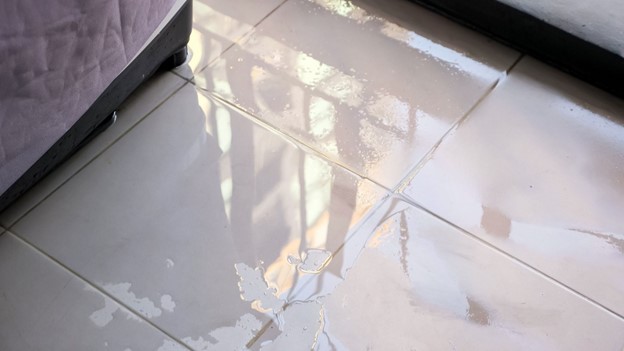
Air Conditioning Dripping WaterNo matter what type of air conditioner you have on your home—split system, packaged system, or window unit—they all work similarly and will produce water through condensation. This is a normal function of all AC systems to create cold air and can make it look like your air conditioner is leaking water.
The water condensation is created by the following AC operations:

  1. When the ac unit is turned on, it starts to pull the warm humid air out of your home and over the cooling coils.
  2. The cooling coils are colder because they are filled with some type of refrigerant that is circulating through the coils.
  3. The water vapor in the warm humid air starts to condense on the cooling coils.
  4. As more water condenses, it will eventually start dripping off the coiling coils into a drain pan.
  5. As the drain pan starts to get full, the water slowly drains away down a connected condensate drain line or drain pipe.

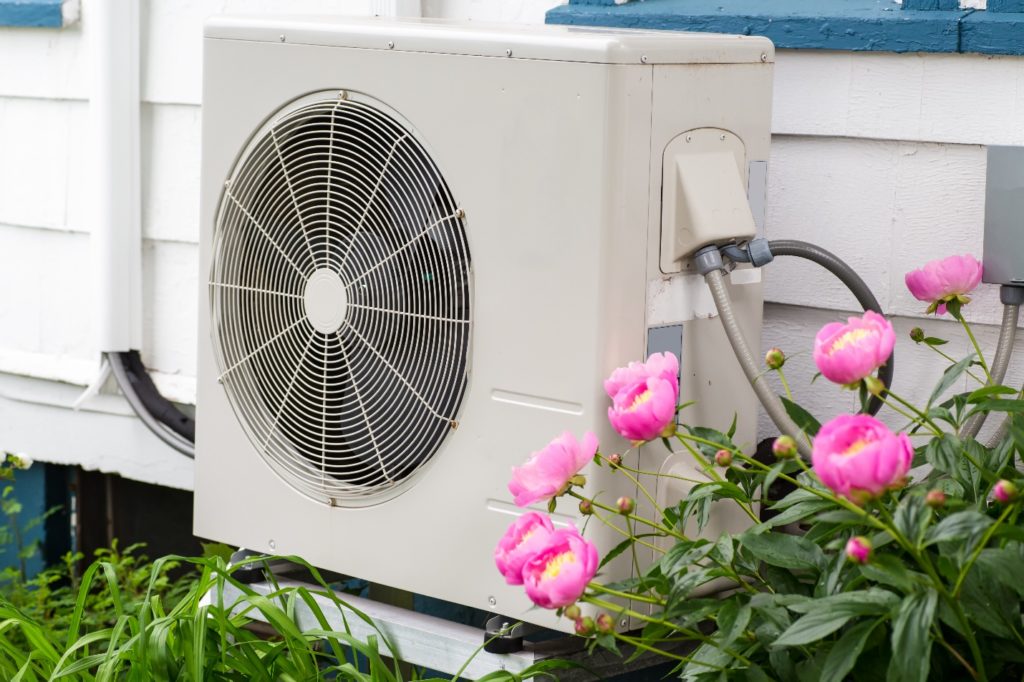
Depending on the type of AC system you have installed, it will determine how the drain pipe is connected. On split systems and packaged systems, where the AC cooling coils are outdoors, the condensate drain line is normally attached to the side of the unit and drains directly into the ground away from the unit.

For indoor air conditioners, the drain pipe could be connected to one of your plumbing drain lines. For window ac units, the condensate drain line is located on the back of the unit, farthest from the window. The water drips out of the line and onto the ground.

When Air Conditioning Leaking Water Is Not Normal

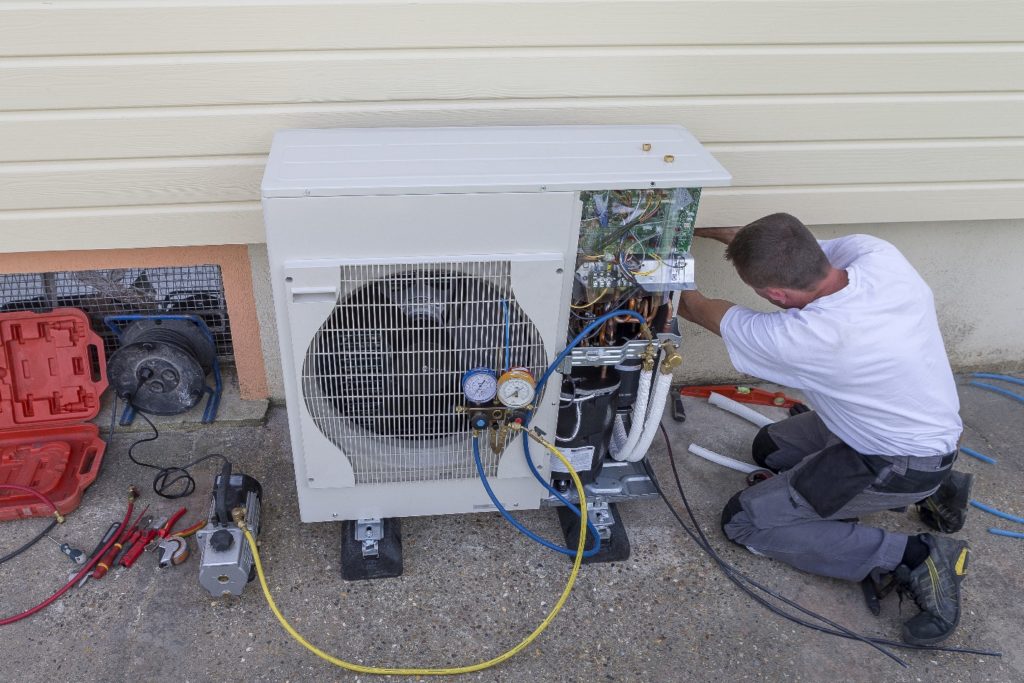
Water on Floor Because AC BrokeThere are a few different situations where air conditioners leaking water is not normal. An excessive amount of water flowing from under the base of an outdoor unit or water backing up inside the home around the indoor part of a split AC system could be caused by the following problems:
  • Clogged Drain Line: If the drain line gets clogged, the drain pan will overflow since water cannot flow out the drain pipe.
  • Rusted or Damaged Drain Pan: On older units, the drain pans were made of metal and can rust, so water just flows freely from under the unit. On newer units, the pans are made of plastic but could still crack and break from normal wear and tear.
  • Dirty Cooling Coils Vents: If the cooling coils and air vents on your outdoor unit are dirty, it can create airflow problems and cause the condenser and evaporator coils to freeze. When they thaw, it creates excess water, and the drain pan overflows.
  • Broken or Disconnected Drain Pipe: If the drain pipe is broken or becomes disconnected from the drain pan, the water will not drain correctly.
  • Refrigerant Level Is Low: If your AC system is low on refrigerant, it, too, will cause the condenser coils and evaporator coils to freeze.
  • Condensation Pump Broken: Some units have a condensation pump that pumps the water out of the condensate pan and into the drain line. If the pump breaks, the pan can overflow.
  • Dirty Air Filter: If the air filter is dirty, it can cause your AC unit to work harder to cool your home. Since the HVAC system is working harder, it can overheat and cause the condenser and evaporator coils to freeze.
  • Refrigerant Leak: If a crack develops in the condenser or evaporator coils, refrigerant leaks out of the system. If it is hot outside, the refrigerant will create condensation that makes it look like your ac is leaking. If you notice your air conditioner is not cooling properly, you could have a refrigerant leak.

To determine what is causing water to leak from your AC system or if you have general concerns or questions about why your air conditioner is leaking water, call a professional air conditioner repair technician from Christianson Air Conditioning & Plumbing at 512-246-5400 today!

We perform AC repairs, replacements, tune-ups, and inspections in New Braunfels, Temple, San Antonio, and the Austin Metro Area.

Tags: ,


Heat Pump Systems vs. Traditional HVAC Systems

Posted on April 19th, 2019 by ChristainSon_Admin

You have a few different options when you are shopping around for a new air conditioning installation for your Texas home. Two of your options are traditional HVAC systems and heat pump systems. Both systems can heat and cool your home, but there are a few key differences in how they work.

You need to understand these differences in order to choose the best cooling option for your home. Let’s take a look at how each one works, how they are installed, and which one is most efficient for those hot Texas summers.

How Heat Pump Systems Work

The name “heat pump” can be misleading because you think it would just heat your home. The name of this system actually refers to how it operates. A heat pump moves warm and hot air from one area to another instead of heating the air.

air conditioning unit

The warm air being transferred through the heat pump will do one of two things. In the summertime, it moves the hot air from inside the home into the unit, and then absorbs the heat from the hot air. Next, it blows the now-cooled air back into the home.

The cooling function on heat pump systems functions in a similar way to those on an air conditioning system. The primary difference is a heat pump can also be used to heat the home, and it does not require a separate furnace or heating unit. During the cooler winter months, a heat pump absorbs the heat energy found in outdoor air and blows the warm air into the home.

How Traditional AC and Heating Systems Work

With a traditional air conditioning system, hot air is drawn out of the house through the return air duct. It is passed over cooling coils inside the outdoor unit. Inside the coils is a refrigerant that absorbs the heat from the air and cools it. After the air is cooled, it is blown back into the home.

If you also want to heat your home, you need a separate furnace inside the home or a packaged outdoor unit. Packaged systems are common in Texas, as they include the AC system and a separate heating system that is installed outside your home. The main benefit of a packaged system is it frees up space inside the home where a furnace and other shared system components would be installed.

Heat Pump Systems Installation

Heat pump systems consist of various parts and components. There is an indoor unit that will have a fan, air handler (blower motor), and cooling/heating coils. There is also an outdoor unit that contains its own cooling/heating coils and a fan to help move air over the coils.

The heat pump is installed in a similar way to a conventional split HVAC system. Once installed, the air handler is connected to the ductwork inside your home. There is a return air vent and an air filter as well. In place of a traditional heating coil, the heat pump has a reversing valve. This valve allows the refrigerant to flow in opposite directions. Which way the refrigerant flows will depend on whether the system is set to heat or cool the home.

There is a variant available with heat pump systems for homes without air ducts, called a ductless system. These systems are typically mounted on the walls in the rooms you want to heat and cool. They are connected to a small outdoor unit.

technician working on a heat pump outside

Traditional Heating and Air Conditioner Installation

With a traditional heating and cooling system, the furnace part of the system is installed indoors while the cooling unit is installed outdoors. These two systems are connected together inside, where they share some similar components like the air handler, blower motor, air filter, and ductwork.

With a packaged HVAC system, the entire unit is installed outside the home. Once installed, it is connected to the existing ductwork. The air handler, blower motor, and heating system are all contained within the outdoor cooling unit. Many homes in Texas have these because our winters tend to be shorter and we rely upon our air conditioning systems much more.

Which Type of System Is More Energy Efficient?

You can find both heat pump systems and traditional HVAC systems which are very energy efficient. Ideally, you want a system with a SEER rating of 13 or more. A SEER rating of 18 is considered very efficient.

Part of the system’s efficiency does depend on your preferred indoor air temperature. This will determine how often the system has to run. In general, and under normal operating conditions, both energy-efficient heat pumps and air conditioning systems tend to cost about the same to operate during the hot Texas summers.

How Long Does Each Type of System Last?

With regular maintenance at least twice a year, heat pump systems last about 12 to 15 years if they are constantly run every day. AC systems, on the other hand, can last between 15 to 20 years since you are only using them for about eight months or so each year.

Heat Pump vs. Air Conditioning Installation Costs

It is important to keep in mind the costs for heat pump or air conditioning installation do vary based on the features, options, brand, size, style, and type of system you choose to have installed. That being said, please remember the following are just generalized estimated installation costs and should not be considered an actual quoted system installation price.

Heat pumps can range in cost from as little as $700 for the smallest systems to around $3,000 for larger or multiple systems. Traditional air conditioning systems can range from around $1,500 for smaller units to around $3,400 for larger or multiple systems.

In addition, ductless systems tend to cost more and have their own range of prices. These will also vary based on the number of rooms you need to heat and cool inside your home. For the most accurate system and installation costs, it is best to request a free quote from one of our qualified heating and cooling installation professionals.

Which System Is Best for Hot Texas Summers?

Heat pump systems are well suited for moderate climates that do not have very cold winters. In Texas, they can work rather well if you do not need to keep your home at lower indoor air temperatures in the mid to high-60s. If you are comfortable with the thermostat set to 76 to 78 or even 80, then a heat pump could be the right choice for your home.

If you like your home cooler, then a traditional air conditioning system could be the better option. This is because traditional systems are able to cool and reduce air temperatures much faster on extremely hot days.

air condioner repairman thumbsup

Other Considerations When Selecting a New System

One of the most important things to consider, aside from efficiency, system cost, and installation cost, is the size of the unit itself. You want a unit that is sized correctly for your home. If you get a unit that is undersized, it will not be able to keep up with your cooling and heating demands. Not to mention, it will not be energy efficient at all.

Conversely, you want to avoid getting an oversized system too. Having a larger system than your home needs will cost more to operate and not provide any noticeable benefits to keeping your home cooled or heated. In addition, you will have much higher heating and cooling energy bills.

In the end, it really comes down to your own personal heating and cooling needs. If you only have a few rooms you need to heat and cool or a small home, a heat pump could be best for you. If you have a larger home or like to keep it much cooler during the hot Texas summers, then a traditional air conditioning system could be perfect.

For assistance in deciding whether heat pump systems or traditional HVAC systems are best for your home, please feel free to contact your nearest Christianson Air Conditioning & Plumbing location in New Braunfels, Temple, San Antonio, or Austin Metro today! We would be happy to discuss your heating and cooling needs and help you find the most cost-effective and energy efficient system for your home.


5 Signs It’s Time to Call a Plumber for Your Bathroom

Posted on March 24th, 2019 by ChristainSon_Admin

No one wants to deal with bathroom plumbing problems. Unfortunately, they’re often a part of home ownership. If you’re repeatedly dealing with something like a clogged toilet or a clogged shower drain, getting the help you need to fix it quickly is crucial.

While it’s true that there are some bathroom plumbing problems you might be able to fix on your own, it’s important to know when you should call a plumber.

A licensed, professional plumber will not only fix your bathroom plumbing issues right away, but they’ll ensure that everything is working properly so you don’t have to worry about the same issues again.

So, when should you hand over your plumbing problems to a professional?

adjustable wrench and pipes

1. A Leaky Faucet

Sink plumbing issues are often ignored because people think they aren’t huge problems. They don’t want to spend the money or time waiting on a plumber to come and fix a leaky faucet. After all, a little drip here and there won’t hurt, right?

Unfortunately, that’s not the case.

A leaky faucet can cause more damage than most people realize. First of all, they are huge water wasters. You might not think that little drops of water would add up to much, but you’ll notice a difference in your water bill as it starts to increase.

More importantly, a leaky faucet can cause the valve seat to corrode over time. Only a professional can fix a valve seat, so why not save yourself the trouble and cost, and get the faucet fixed before it causes more serious damage?

2. A Sudden Pressure Drop

If you’ve noticed your shower and/or sinks have dramatically dropped their water pressure, it’s important to investigate the issue right away. The first thing you can do is to call your water company. They’ll let you know if it’s an issue that’s affecting your whole neighborhood or just your house.

If it’s just your home’s water pressure that is having issues, it’s time to call a plumber. It could be a sign that you have a leak somewhere that needs to be found and fixed. The leak could be anywhere—even in the walls or ceiling! That’s why it’s crucial to call a qualified plumber quickly so they can repair the leak before it has the chance to cause any water or structural damage to your home.

dripping tap

3. Sudden Drop in Temperature

No one wants to take a cold shower in the morning. If you’ve noticed a sudden drop in temperature with your water, it’s likely a problem with your water heater. Sometimes, parts in water heaters can simply be replaced.

Other times, the entire unit may need to be replaced. Either way, it’s always a good idea to call a plumber for this job. Water heaters can be dangerous if you don’t know what you’re doing since they’re powered by either electric or gas. Whether the issue with the heater is big or small, it’s best to let a professional handle it.

4. A Toilet That Won’t Stop Running

A constantly running toilet isn’t an uncommon issue. It’s also an issue that can sometimes be fixed on your own, depending on what the problem is.

If you’ve already tried things like replacing the flapper or float tube apparatus, it could be the sign of something more. A running toilet could mean you also have a leaking toilet. That’s when you know it’s time to call a plumber, so they can identify the real underlying problem, and get it fixed quickly.

5. Clogged Drains

Clogged shower drains or clogged toilets are also pretty common plumbing problems to have. Again, you can sometimes deal with them on your own, but if your drains are consistently slow or clogged and you can’t seem to get them cleared out, a plumber can help.

A plumber will not only clean out the debris causing the clogs but can also install drain screens, which will prevent your pipes from clogging up again.

Fixing the Most Common Plumbing Problems

While it can be tempting to tackle your bathroom plumbing problems on your own, it’s usually much safer and effective to call an experienced plumber like Christianson Air Conditioning & Plumbing.

Our years of experience and dedication to customer service shine through in every plumbing job we do. So, whether you have a leak, a clog, or something you can’t quite describe, don’t worry about bathroom plumbing issues yourself. Let us take care of them for you! If you’ve got a plumbing issue or questions, feel free to give us a call today.

Tags: , ,


Copyright © 2025 Plumbing & Air Conditioning Company - Austin, TX

Licenses M-18631, M-18632, LI15740, TACLA023749C

Regulated by The Texas Department of Licensing and Regulation

P.O. Box 12157, Austin, Texas 78711, 1-800-803-9202, 512-463-6599, Website: http://www.tdlr.texas.gov